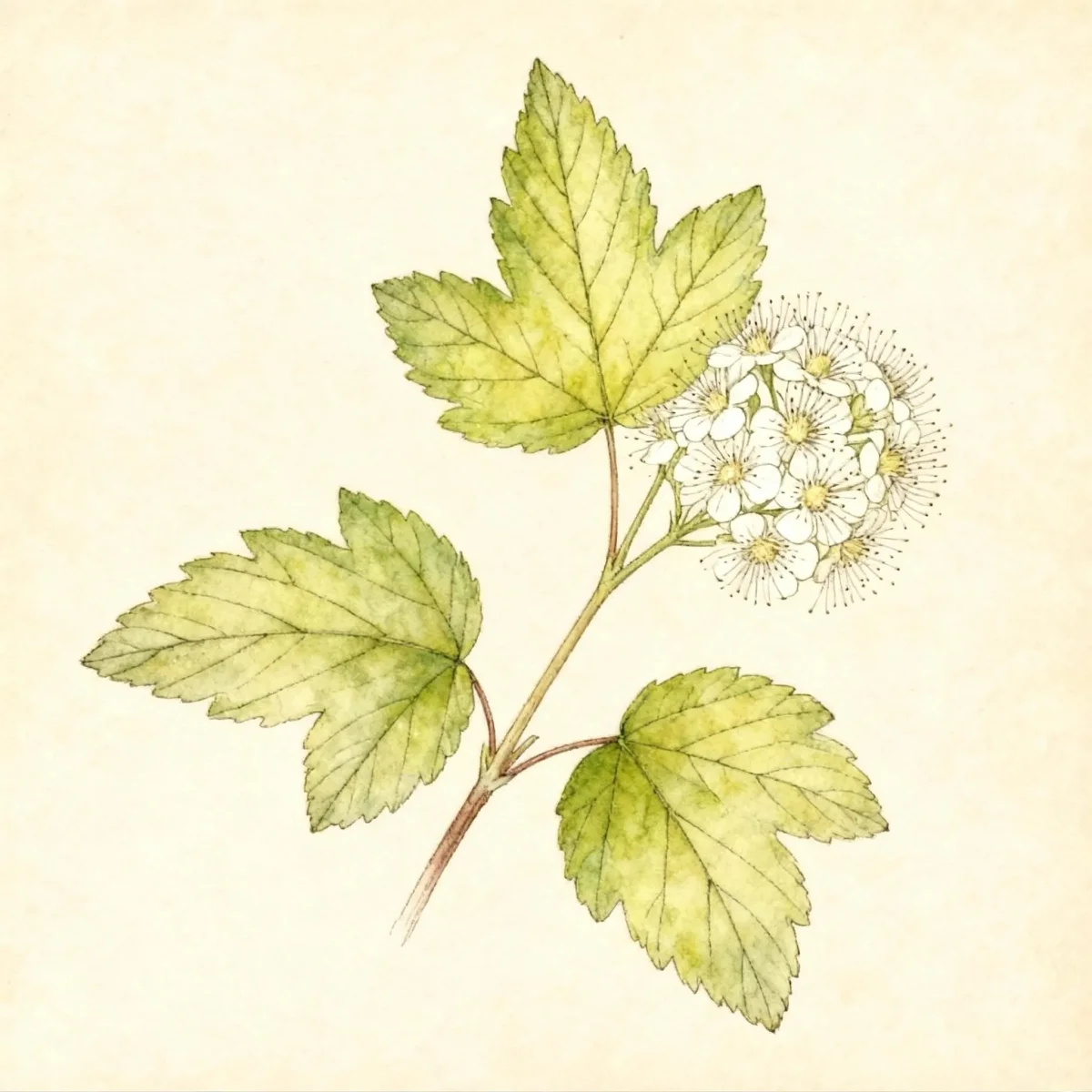
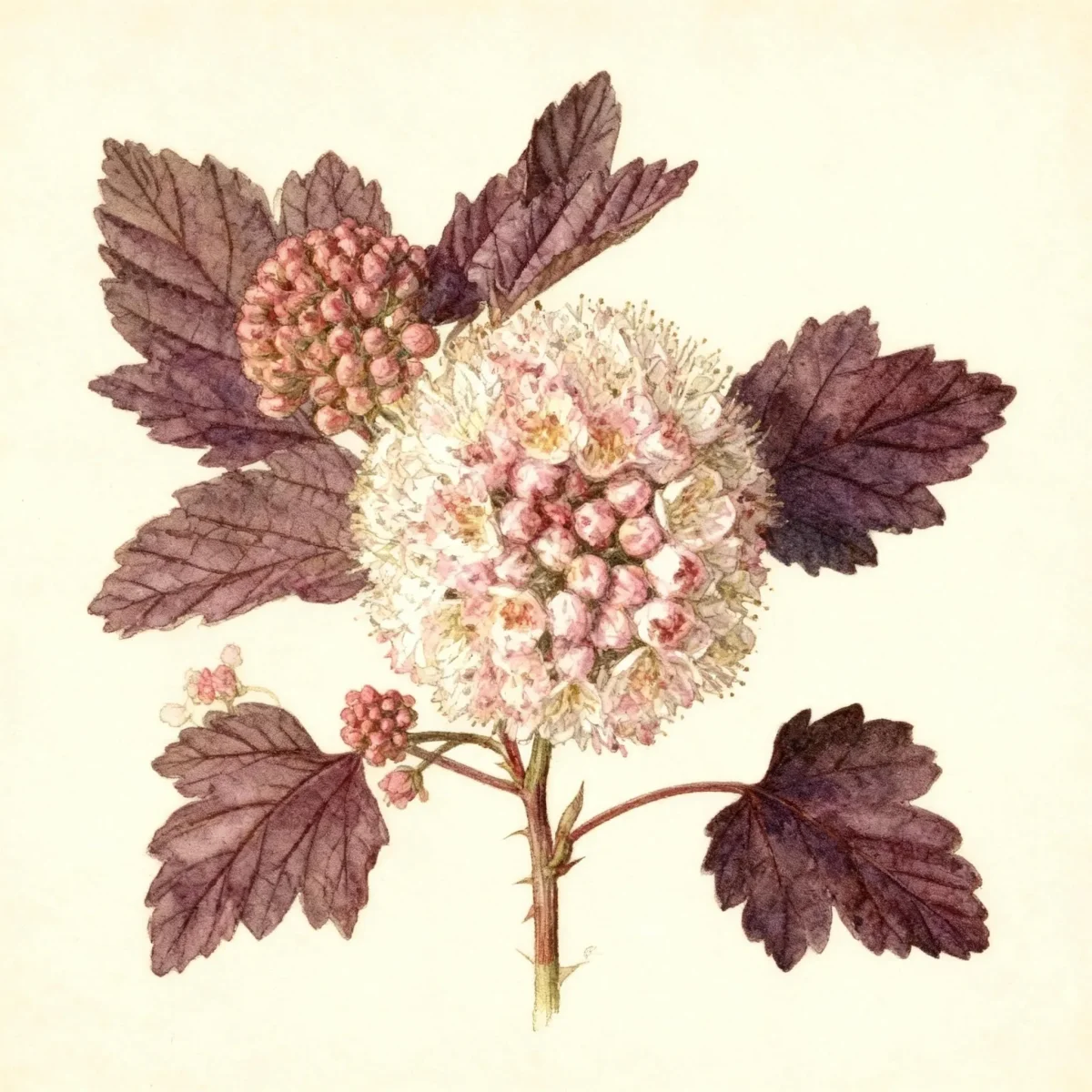
Ninebark (Physocarpus opulifolius 'Seward' SUMMER WINE)
Physocarpus opulifolius 'Seward' SUMMER WINE Ninebark is a compact, wine-red deciduous shrub valued for exfoliating bark and dense habit.
Scroll down to discover growing tips, care requirements, companion plants, and more
Complete Plant Information
Overview
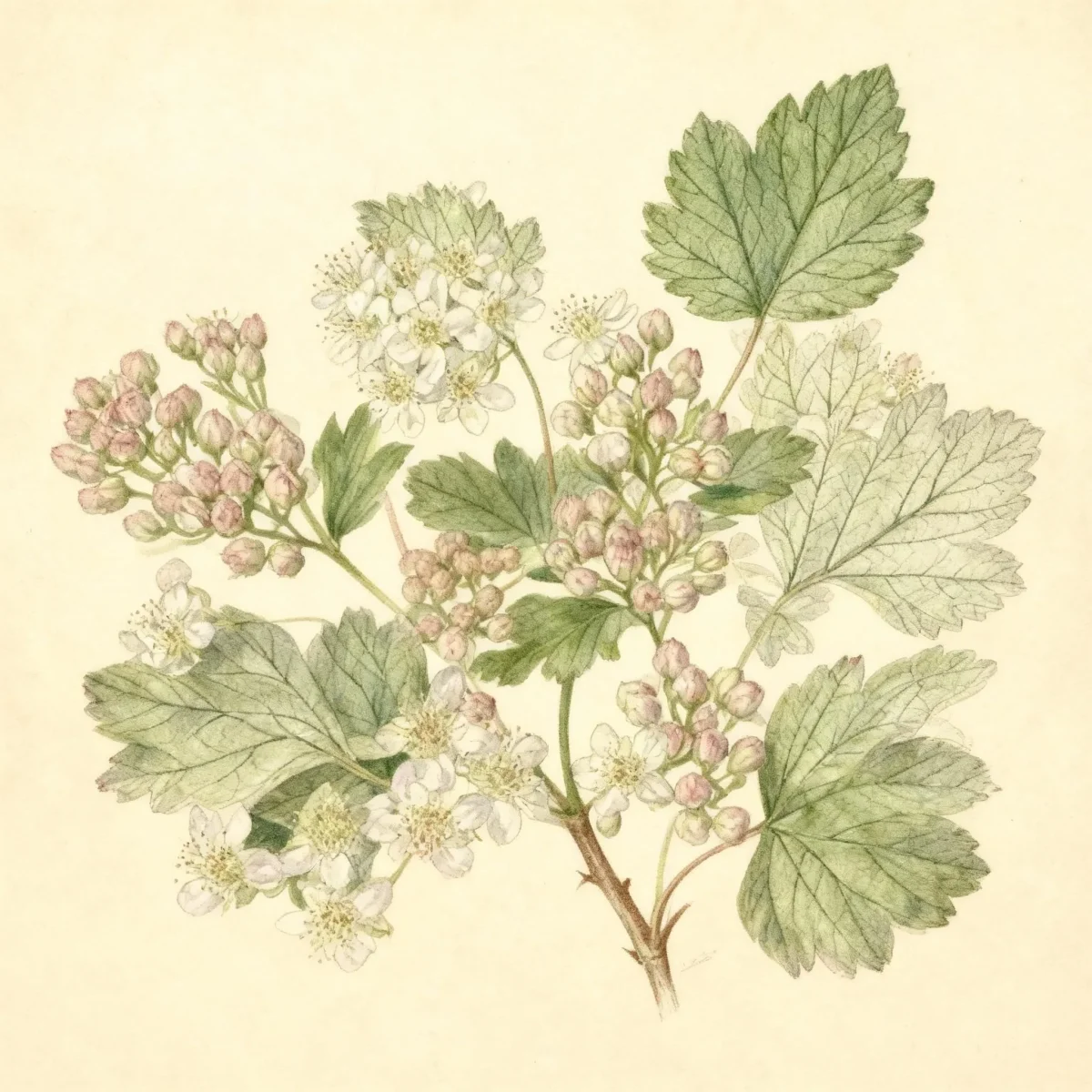
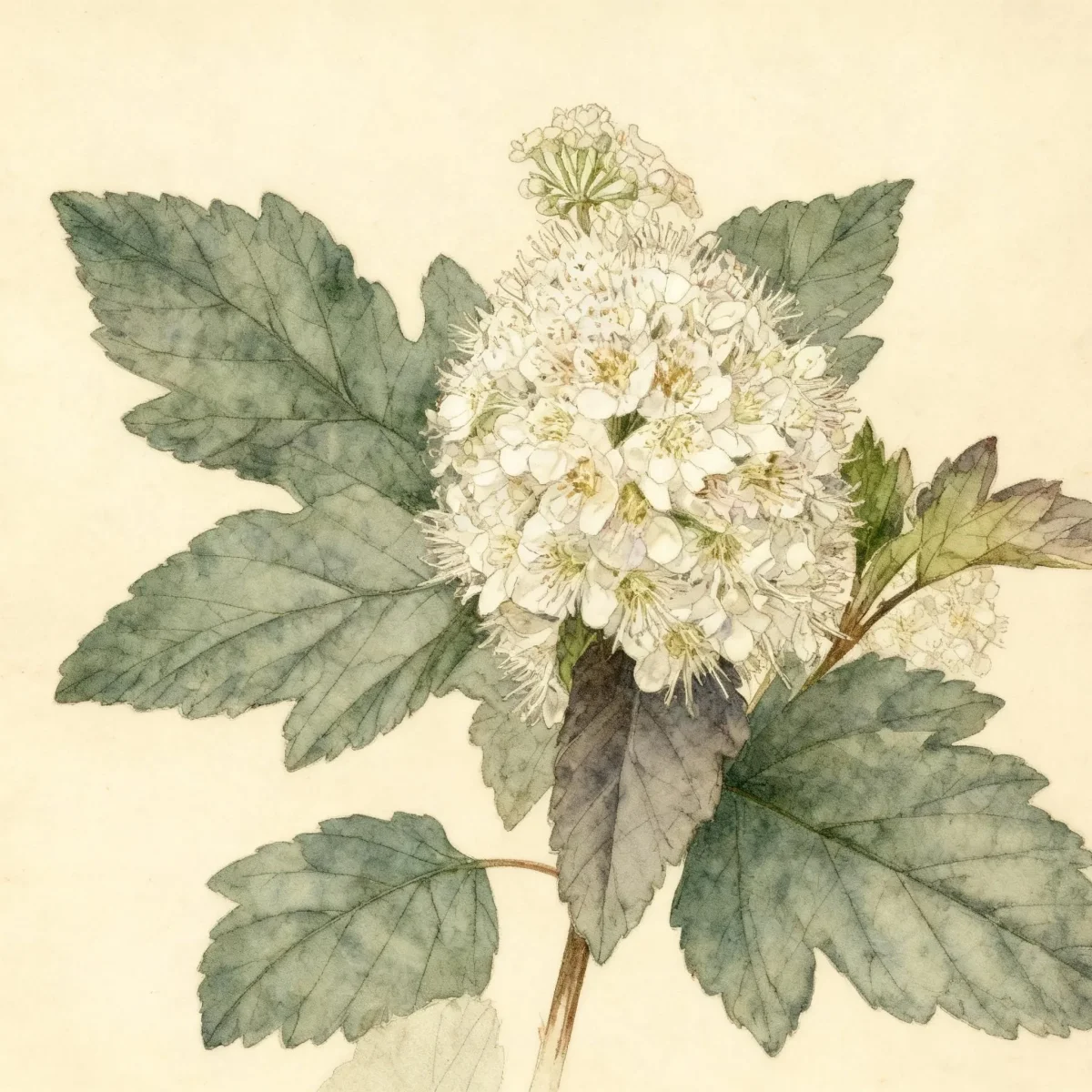
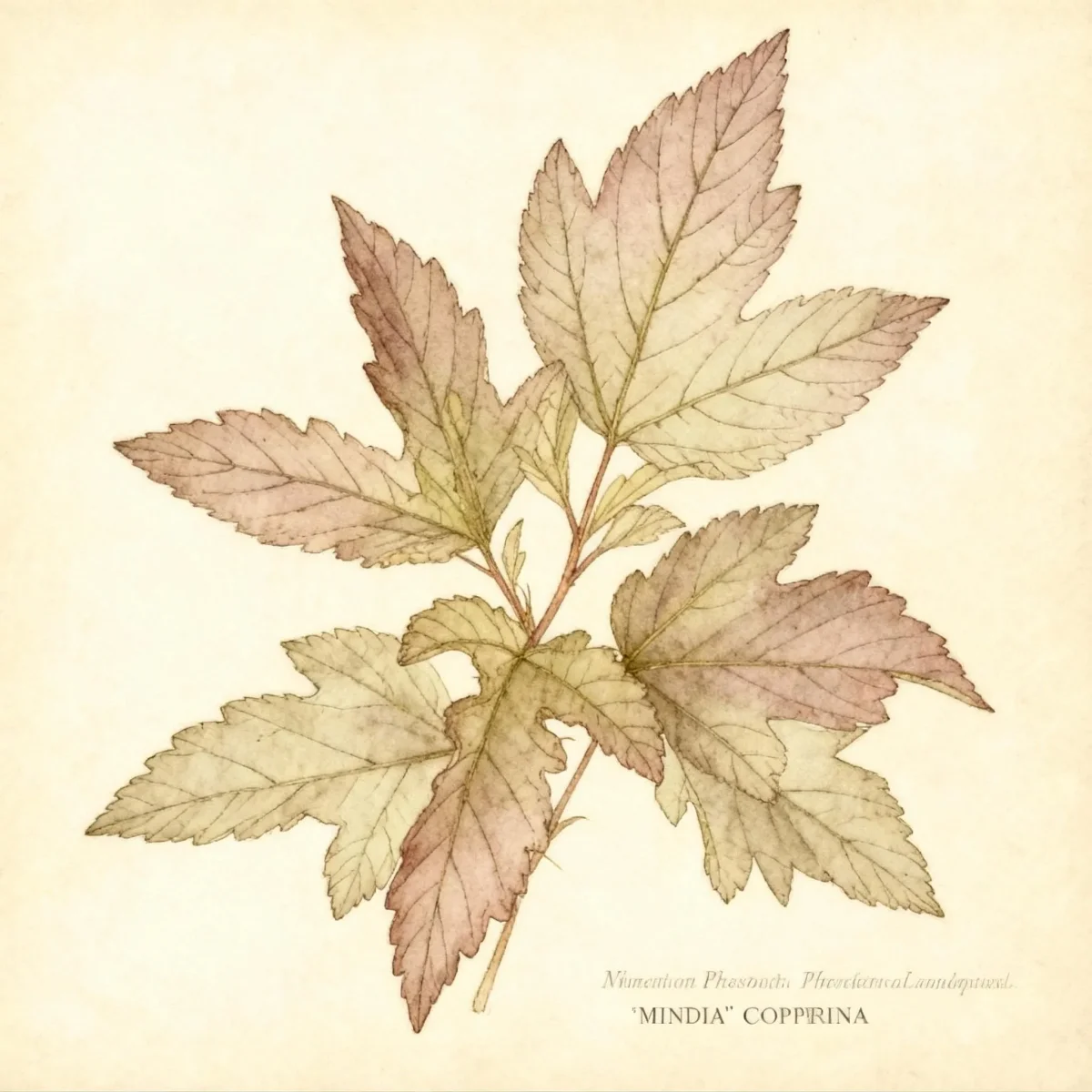
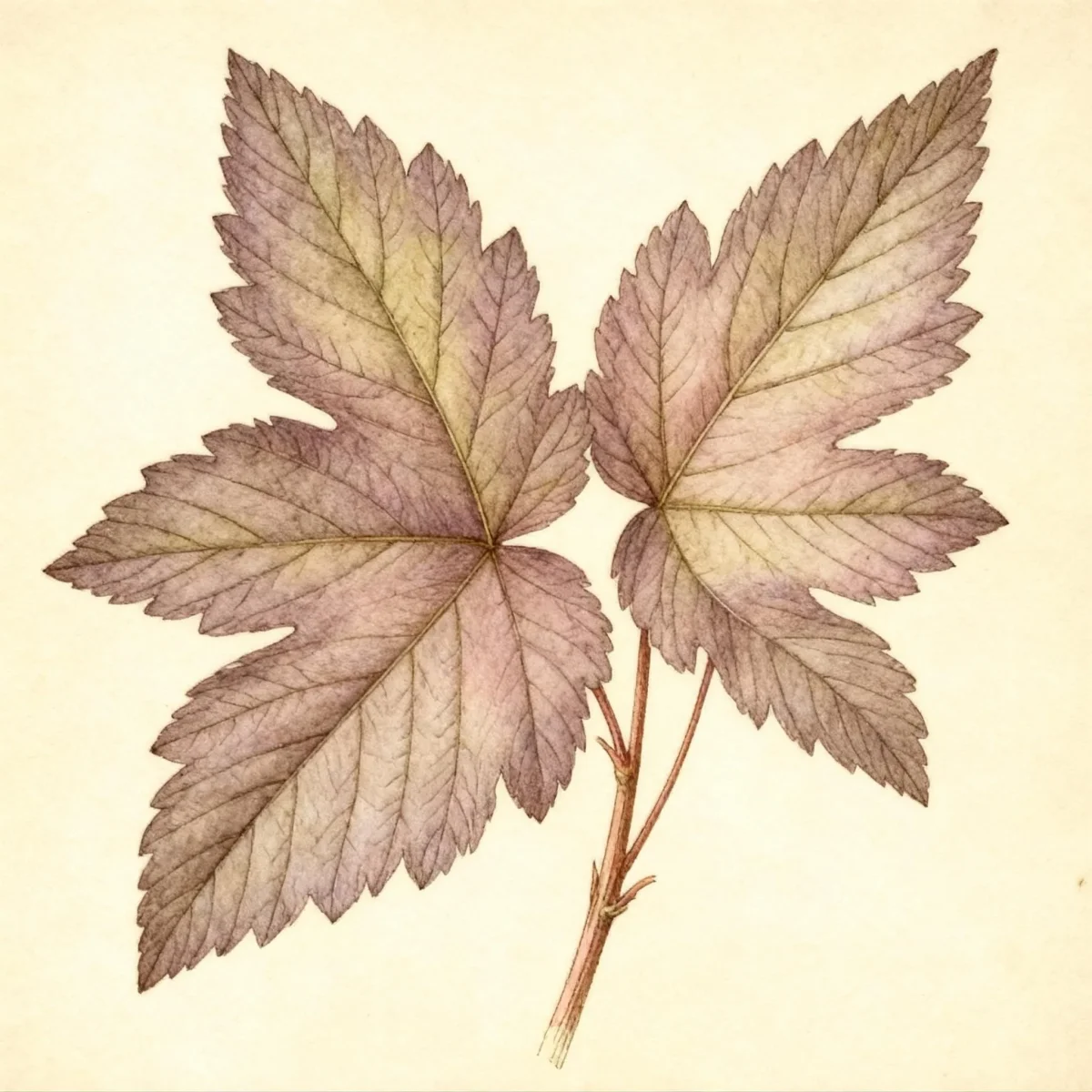
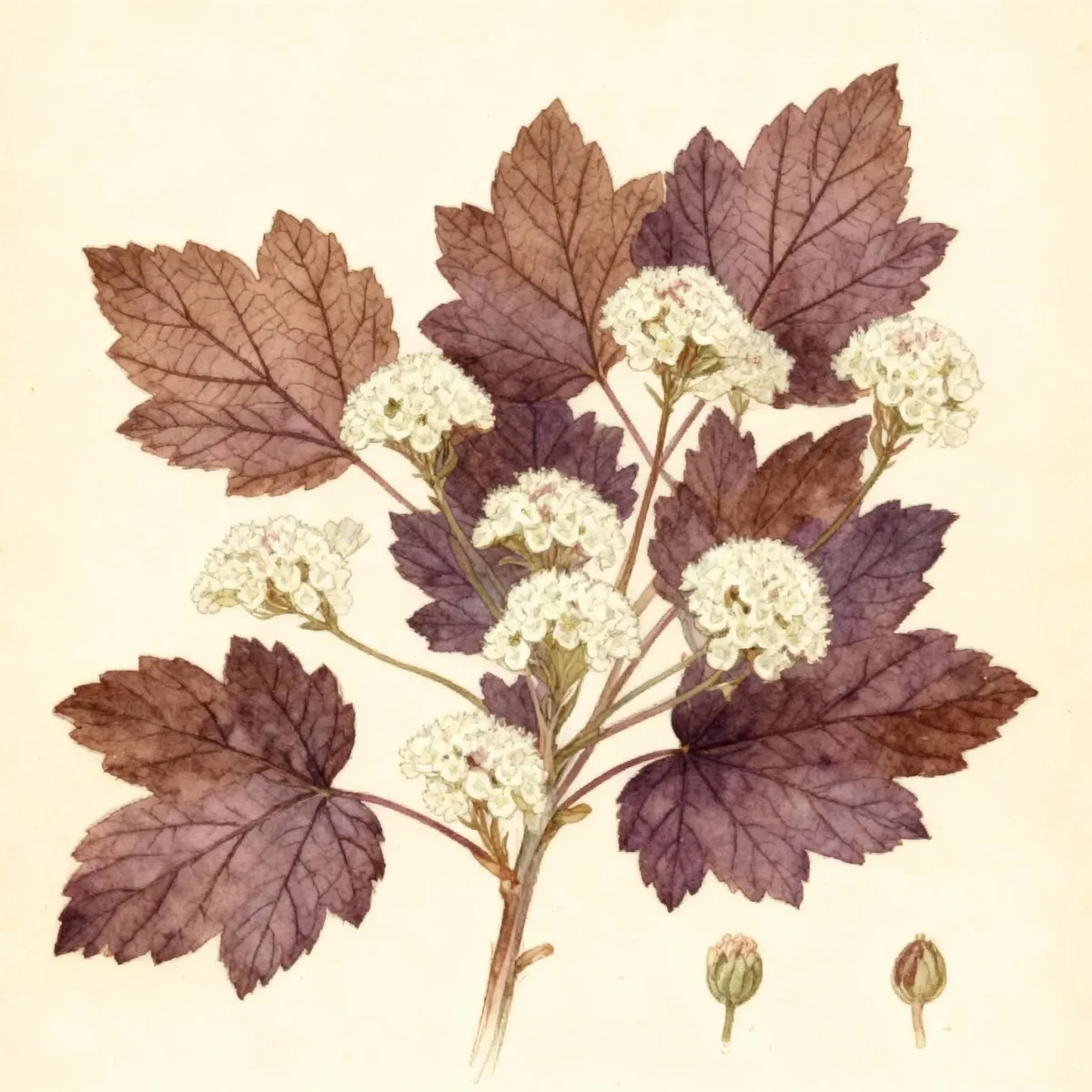
The Physocarpus opulifolius ‘Seward’ SUMMER WINE, commonly known as Ninebark, is an outstanding selection celebrated for its deeply cut, wine-red foliage that provides year-round color interest. Unlike some larger relatives, this cultivar maintains a more compact, dense, and mounded growth habit, making it incredibly versatile in landscape design. As an upright, spreading deciduous shrub, it brightens the garden with delicate pinkish-white flowers in late spring soon followed by interesting fruit structures.
This variety of Ninebark offers substantial visual appeal, particularly due to its signature exfoliating bark on mature stems, which reveals creamy brown inner bark layers for winter structure. It is a tough and highly adaptable plant, thriving across a wide range of soil types, provided drainage is adequate. Gardeners appreciate the resilience of the Ninebark in handling various tough conditions while still offering high ornamental value.
Physocarpus opulifolius ‘Seward’ SUMMER WINE is extremely useful for creating consistent color screens or structured hedges where traditional shrubs might struggle. Its ability to tolerate drought once established and its relative ease of care position it as a reliable choice for both novice and experienced horticulturalists seeking dependable performance from their shrub borders.
Fast Facts
- Plant Family: Rosaceae
- Plant Type: Deciduous shrub
- Hardiness Zones: USDA Zones 3-8
- Size at Maturity:
- Height: 4-6 ft
- Spread: 4-6 ft
- Bloom Time: May to June
- Bloom Description: Pinkish-white
- Sun Exposure: Full sun to part shade
- Water Needs: Dry to medium
- Maintenance Level: Medium
How to Grow
For optimal performance, plant Physocarpus opulifolius ‘Seward’ SUMMER WINE in a location receiving full sun, especially in the cooler northern reaches of its range, although afternoon shade is beneficial in hot, humid climates. This shrub readily adapts to average, slightly acidic soils, though it prefers well-drained conditions. Planting during the dormant season (early spring or late fall) gives the plant the best start.
Care is generally straightforward; this Ninebark tolerates dry soil once established, preferring only dry to medium moisture levels. Fertilization is rarely required unless soil tests indicate severe nutrient deficiencies. The most important cultural task is pruning. Prune as needed immediately after the bloom period concludes, ensuring all cuts are finished no later than mid-August to allow the plant to set wood for winter.
If extensive rejuvenation is necessary for older, tired shrubs, the entire plant can be cut close to the ground in early spring before new growth begins. A key benefit of the ‘Seward’ cultivar is that it is less prone to the suckering behavior sometimes seen in the species, simplifying maintenance.
Landscape Uses
The compact, dense nature of Physocarpus opulifolius ‘Seward’ SUMMER WINE makes it an excellent structural element in the landscape. It shines when used en masse within shrub borders where the wine-red foliage creates a rich, continuous backdrop throughout the growing season. Because it tolerates harsh conditions and is effective as an erosion control measure, it is ideal planted along dry banks or slopes where other ornamental plants may fail.
This Ninebark is perfect for creating formal or informal hedges, offering better visual interest than standard green hedging material. The compact size also means it can anchor foundation plantings without overwhelming them. Consider pairing the deep foliage of SUMMER WINE with chartreuse or silver-leaved perennials and shrubs to maximize the color contrast in your borders.
Standout Features
Flower Qualities
- Showy
Noteworthy Characteristics
The common name Ninebark originates from the exfoliating bark peeling on mature branches, revealing beneath it several layers of reddish to light brown inner bark sections. Physocarpus opulifolius ‘Seward’ SUMMER WINE is specifically bred for a compact, mounded habit and retains its wine-red leaf color well, blooming with small pinkish-white flowers in dense clusters in late spring. This shrub is a hybrid cross, noted for being less aggressive in spreading by suckering than the wild species.
##tolerances
- Drought
- Erosion
- Clay Soil
- Dry Soil
- Shallow-Rocky Soil
Potential Problems
Physocarpus opulifolius ‘Seward’ SUMMER WINE is generally robust, though it may occasionally suffer from issues like fireblight, leaf spots, or powdery mildew. Fortunately, this specific Ninebark cultivar is reportedly bred to have good resistance to powdery mildew, a common complaint for some other purple-leaved varieties. When cultural conditions are poor, such as insufficient air circulation or high humidity, mildew can still appear on the foliage. Maintain good spacing between plants during planting to promote airflow, and promptly remove any diseased foliage to keep this beautiful Ninebark healthy.
Frequently Asked Questions
What hardiness zones is Ninebark suitable for?
The Physocarpus opulifolius ‘Seward’ SUMMER WINE Ninebark is hardy and adaptable across USDA Zones 3 through 8.
How large does Physocarpus opulifolius ‘Seward’ SUMMER WINE grow?
This compact selection typically matures to a height between 4 to 6 feet, with an equivalent spread of 4 to 6 feet wide.
What sun exposure does Ninebark need?
For the richest wine-red foliage color on your Ninebark, it should be situated in a location that receives full sun to part shade.
When does Physocarpus opulifolius ‘Seward’ SUMMER WINE bloom?
This shrub features attractive pinkish-white flowers appearing densely clustered from May into June.
Companion Planting
When selecting neighbors for your Physocarpus opulifolius ‘Seward’ SUMMER WINE, focus on plants that thrive under similar growing conditions—full sun and dry to medium soil tolerance. Consider pairing the deep burgundy foliage with contrasting bright green or golden groundcovers that can benefit from the Ninebark’s partial afternoon shade in hotter climates. Plants like ornamental grasses with lighter plumes, silver-leaved Artemisia, or bright yellow Baptisia offer excellent visual breaks against the dense, dark leaves of the SUMMER WINE Ninebark.
For textural contrast, incorporate finely textured plants near the coarser leaves of the Ninebark. Evergreens that offer sharp, linear forms, such as upright juniper varieties (Zone 4+), provide necessary structure even when the deciduous shrub is dormant. Ensure any companions planted near the base do not require consistently wet soil, respecting the dry-to-medium preference of this robust shrub.
Seasonal Care Calendar
Spring: This is the best time for rejuvenation pruning, cutting the entire shrub down to the ground if necessary, or performing light shaping before the leaves fully emerge. Monitor for new emerging foliage.
Summer: Focus on observing the foliage color, especially during heatwaves; afternoon shade may be required if the wine-red color begins to revert to green. Water deeply during extended dry spells, particularly during the first year establishment phase. Pruning (light shaping only) should be completed by mid-August.
Fall: The Ninebark offers reliable autumn structure, though the leaf color often remains dark red rather than turning a dramatic fall display. The exfoliating bark becomes much more prominent as the leaves drop, offering winter structure interest.
Winter: Aside from enjoying the peeling bark, maintenance is low. Avoid heavy pruning until early spring.
Conclusion
The Physocarpus opulifolius ‘Seward’ SUMMER WINE offers gardeners a supremely reliable, medium-maintenance shrub defined by its compact form and deep wine-red foliage contrast. Its hardiness across multiple zones and tolerance for varied soil conditions, including clay and dry sites, makes this Ninebark a dependable asset. Before planting, confirm that your site falls within USDA Zones 3 to 8 and plan your pruning schedule immediately following the spring bloom for the best results.