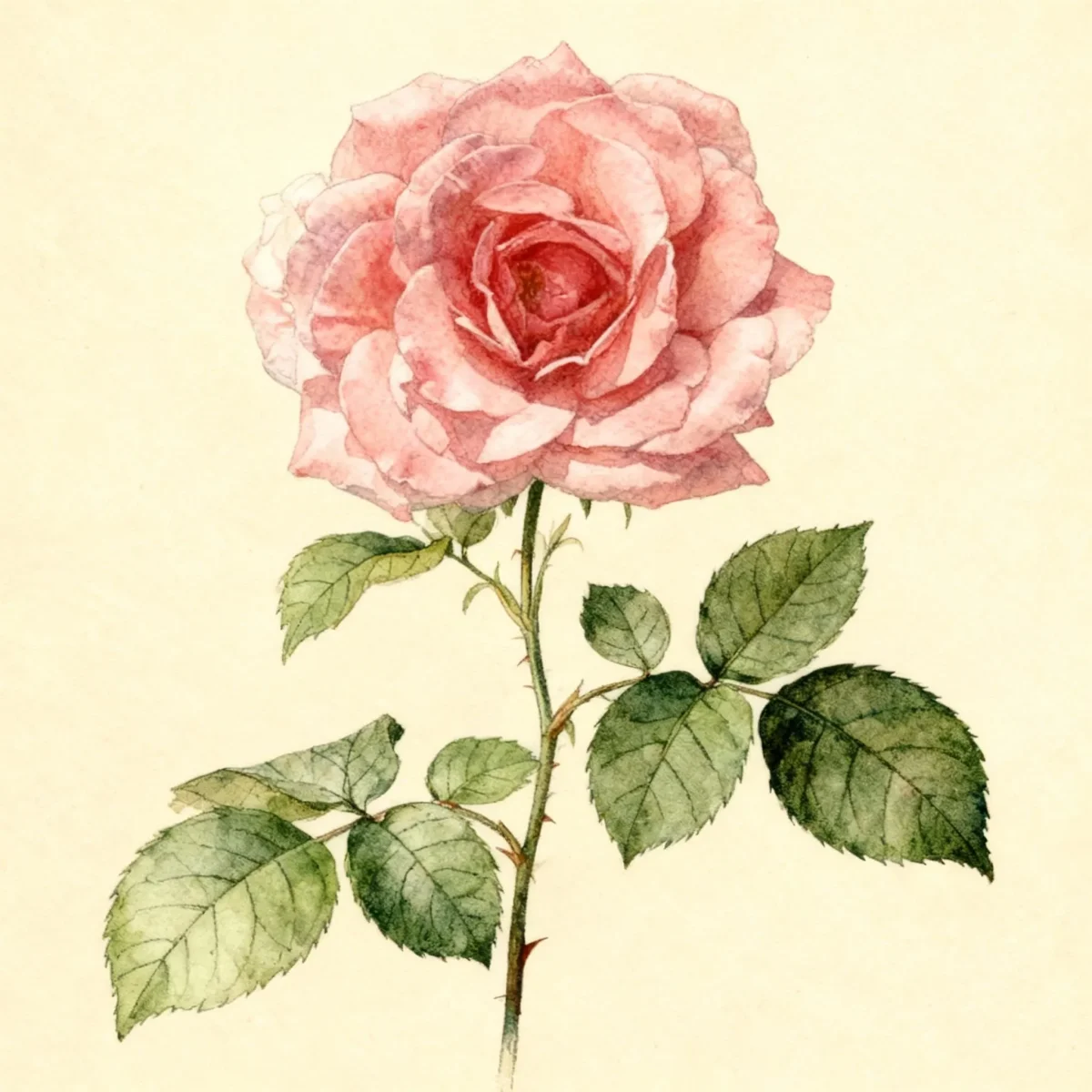
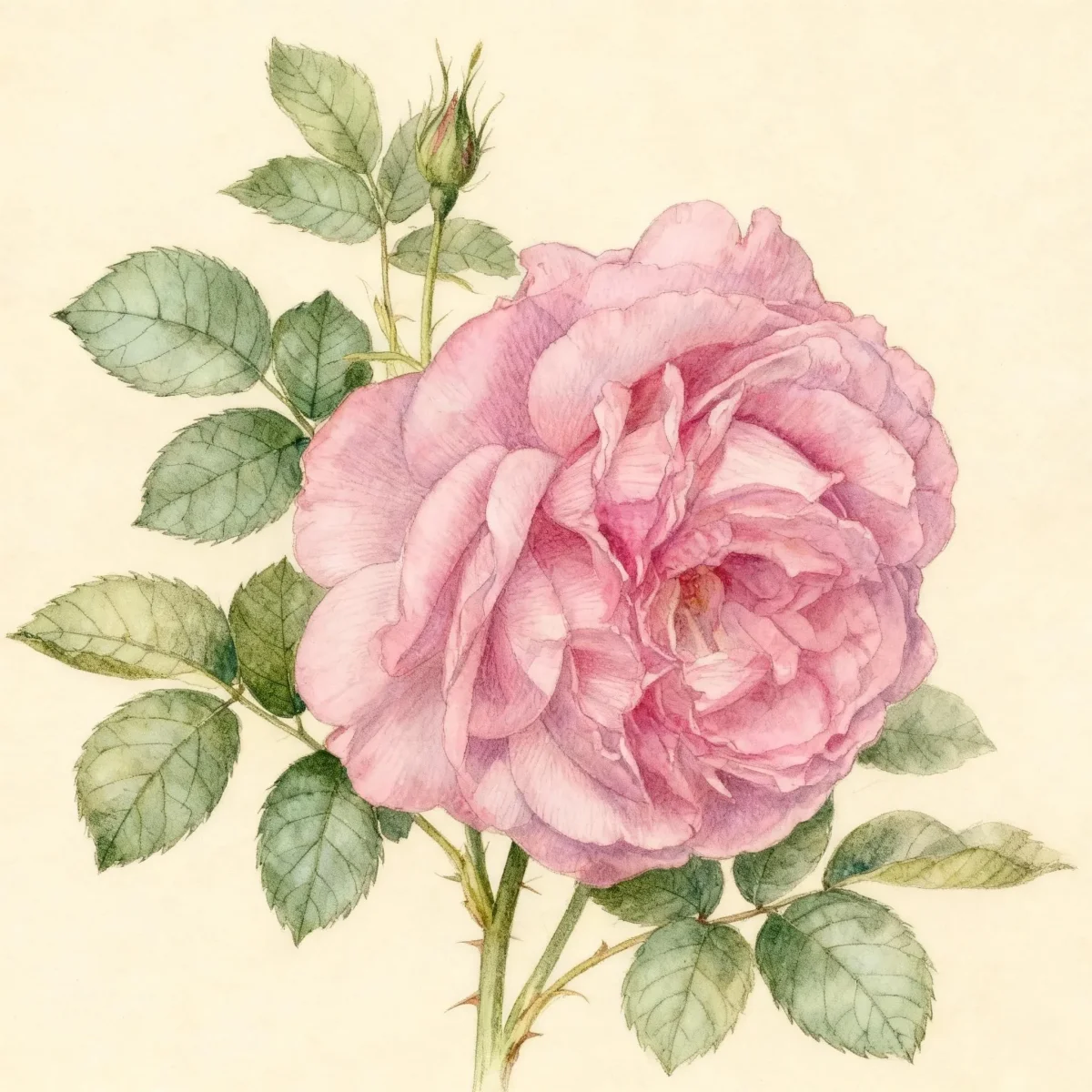
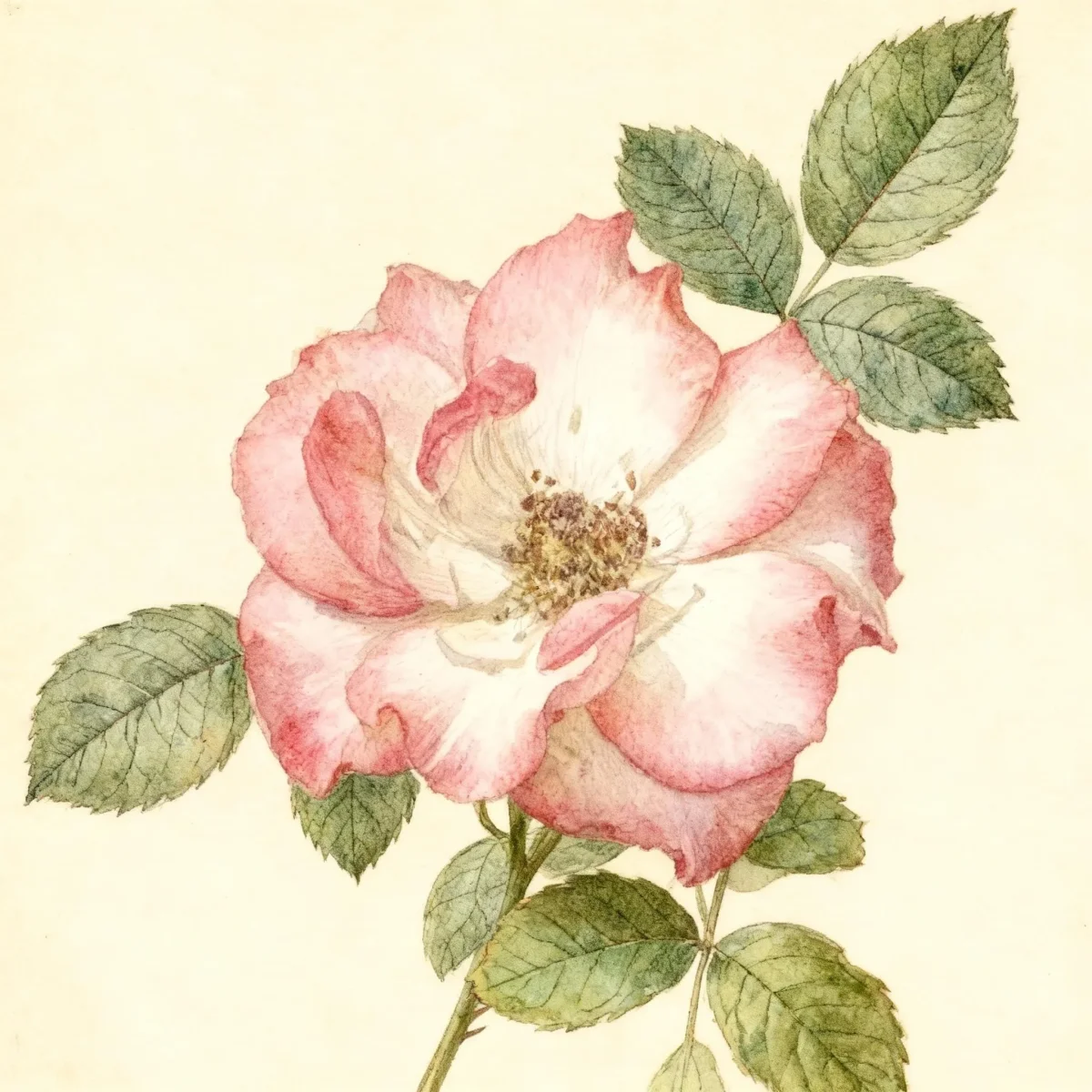
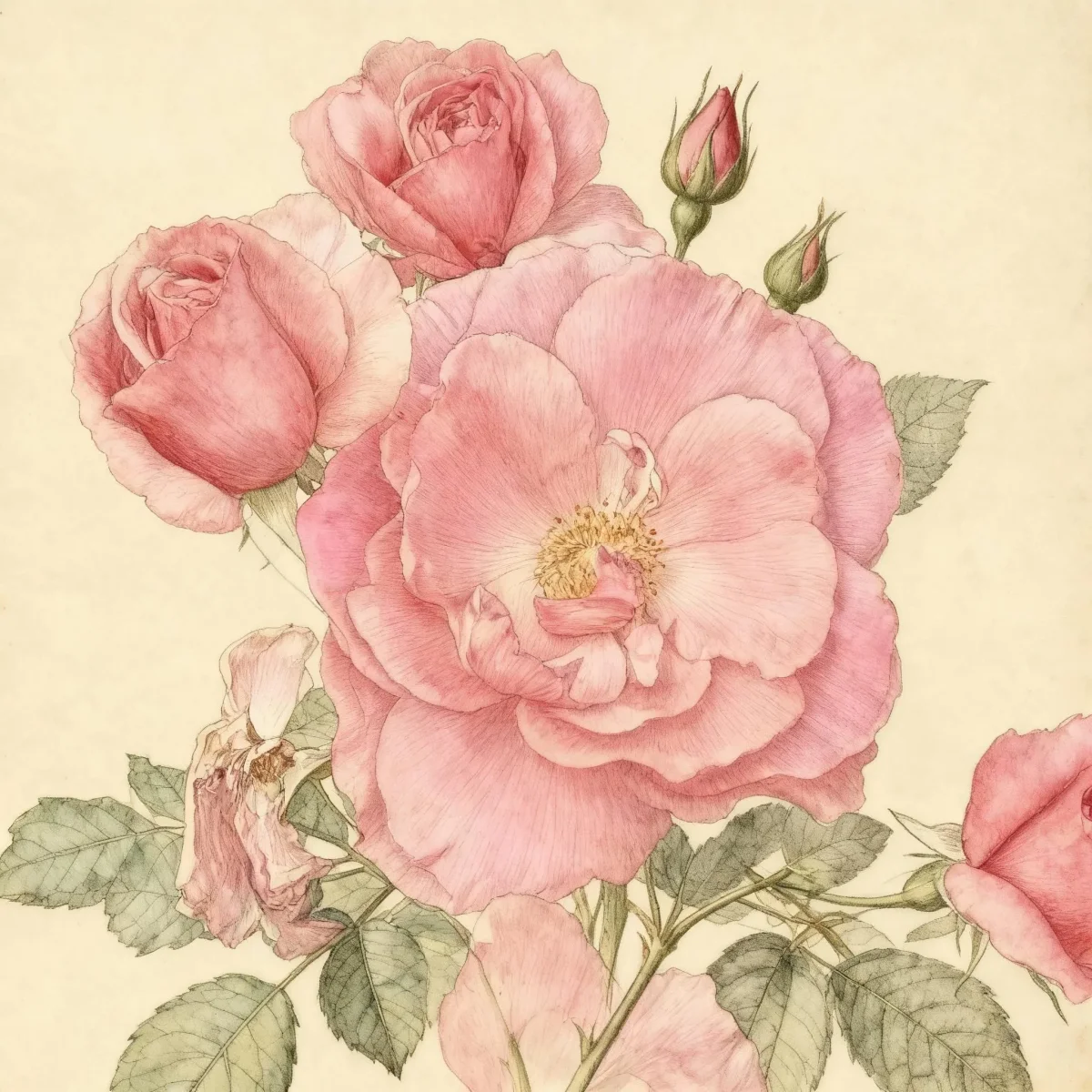
Grandiflora rose (Rosa 'Wekisoblip' WILD BLUE YONDER)
Discover the stunning Rosa 'Wekisoblip' WILD BLUE YONDER Grandiflora rose, known for fragrant, purple-lavender blooms in zones 5-9.
Scroll down to discover growing tips, care requirements, companion plants, and more
Complete Plant Information
Overview
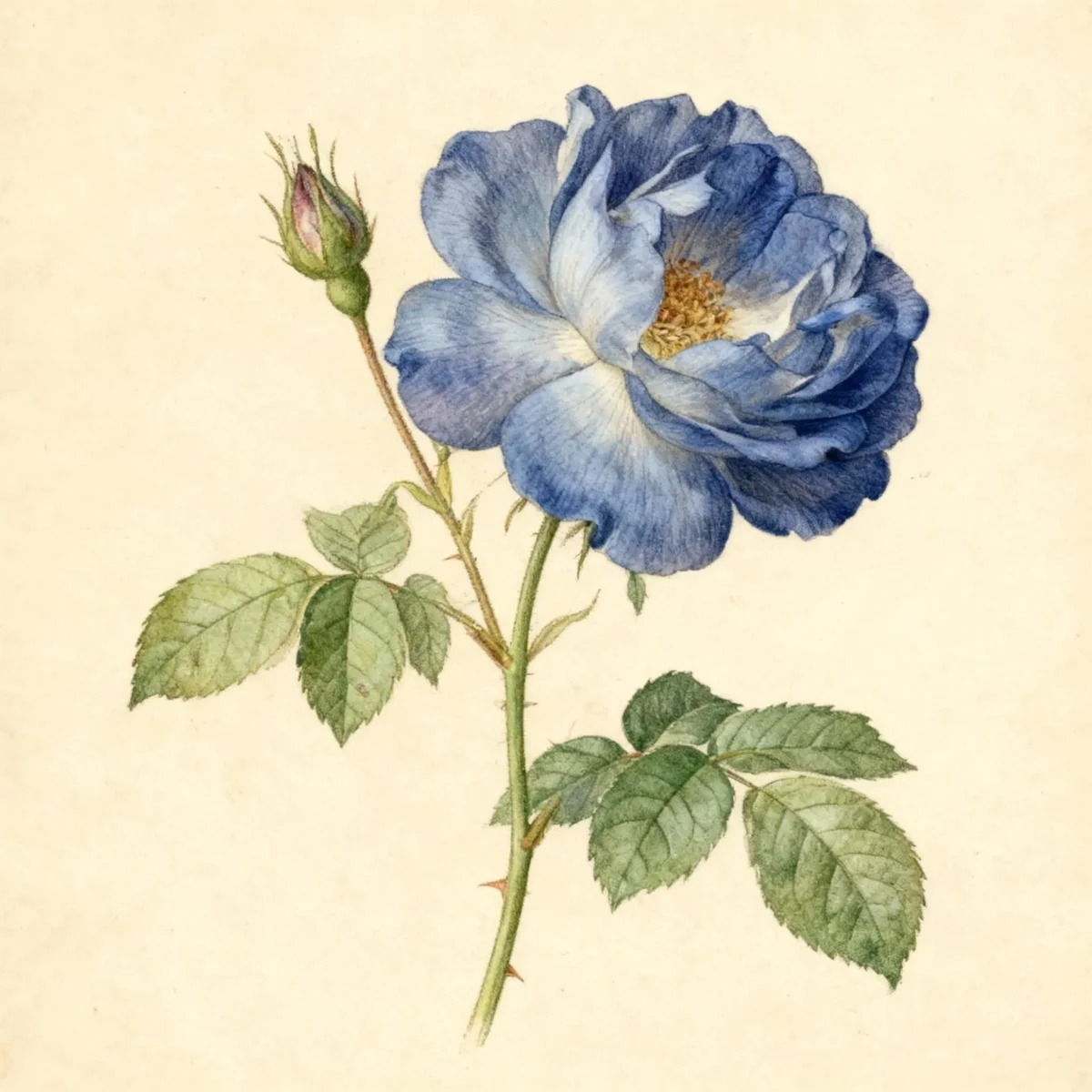
The Rosa ‘Wekisoblip’ WILD BLUE YONDER, officially classified as a Grandiflora rose, is highly valued by gardeners for its unique, captivating bloom color. This cultivar offers striking, generously sized flowers exhibiting deep purple-red tones overlaid with a distinct lavender hue throughout the summer. Beyond its aesthetics, this upright, bushy shrub combines classic rose elegance with the robustness expected from modern hybrids.
As a Grandiflora rose, it shares characteristics with both Hybrid Tea and Floribunda types, producing high-centered blooms often in clusters, making it a fantastic vertical accent in the landscape. It rewards good care with reliable flowering from late spring until early fall. Successful cultivation of Rosa ‘Wekisoblip’ WILD BLUE YONDER requires full sun exposure to maximize flower production and retain strong disease resistance.
This spectacular variety, recognized as a 2006 AARS winner, provides significant visual impact, making it perfect for focal points or structured hedges. Gardeners seeking the classic beauty of a tall-stemmed rose with a distinctive, memorable color profile will find the Rosa ‘Wekisoblip’ WILD BLUE YONDER an excellent choice for perennial borders and cutting gardens.
Fast Facts
- Plant Family: Rosaceae
- Plant Type: Deciduous shrub
- Hardiness Zones: USDA Zones 5-9
- Size at Maturity:
- Height: 4-5 ft
- Spread: 3-4 ft
- Bloom Time: May to September
- Bloom Description: Purple-red with lavender hue
- Sun Exposure: Full sun
- Water Needs: Medium
- Maintenance Level: Medium
How to Grow
Plant Rosa ‘Wekisoblip’ WILD BLUE YONDER in well-drained garden loams that are slightly acidic for optimal performance. While it tolerates some light shade, achieving the best flowering and disease resistance demands a location receiving full sun consistently. Ensure good placement that allows for generous air circulation around the shrub, which is vital for discouraging common foliar diseases.
Watering should be deep and regular, preferably performed in the mornings to allow foliage to dry before evening, strictly avoiding overhead soaking. To conserve soil moisture, keep root zones cool, and suppress unwanted weeds, apply a generous summer mulch layer around the base of the plant. Deadheading spent blooms by removing them promptly will encourage the Grandiflora rose to produce subsequent flushes of its beautiful, fragrant flowers.
In colder regions like the St. Louis area, be prepared to offer crowns some winter protection to ensure survival through hard freezes. As a standard pruning practice for Grandifloras, expect to aggressively cut back plants to 12-18 inches from the ground during late winter dormancy. Always clean up and destroy any fallen or diseased leaves, especially during the dormant season cleanup, to minimize overwintering fungal spores.
Landscape Uses
The versatile growth habit of Rosa ‘Wekisoblip’ WILD BLUE YONDER makes it suitable for numerous design applications. Primarily recommended for use as a structured hedge due to its upright stance, it also excels when massed in small groups within traditional rose gardens or cottage garden settings. Its height (4-5 ft) is ideal for establishing middle layers in borders, providing height near foundations, or serving as an unexpected, colorful accent plant.
When planting this Grandiflora rose, consider companions that share similar sun and water requirements but offer contrasting foliage texture or color to highlight the unique lavender tones of the blossoms. While specific companions are not listed, roses generally pair well with fragrant herbs or lower-growing perennials that can shade the root zone without competing heavily for moisture directly beneath the mulch layer.
Use this stunning cultivar where its color can be appreciated up close, such as along walkways or near seating areas, taking advantage of its noted fragrance. Whether used formally as a hedge or informally as a statement piece, Rosa ‘Wekisoblip’ WILD BLUE YONDER delivers consistent, fragrant beauty throughout the long blooming season.
Standout Features
Flower Qualities
- Showy
- Fragrant
Noteworthy Characteristics
Rosa is a genus famed for its deciduous shrubs and climbers, recognized globally for their often fragrant, dense blooms borne on prickly stems. Hybrid tea, floribunda, and grandiflora roses represent the classic florist-style types, with Grandifloras specifically noted for producing clusters of high-centered flowers. The Rosa ‘Wekisoblip’ WILD BLUE YONDER stands out as a fragrant, double-flowered example perfect for cutting and display.
Tolerances
- Roses are susceptible to a large number of diseases, the most common of which are black spot, powdery mildew, rust and rose rosette. Although good cultural practices are the first line of defense in disease control, regular preventative fungicide applications throughout the growing season are usually required, particularly in humid climates with regular rainfall such as the St. Louis area. Potential insect problems include aphids, beetles, borers, scale, thrips, rose midges, leafhoppers and spider mites. Local rose associations and extension services are usually able to offer specific recommendations and advice for selecting and growing roses.WILD BLUE YONDER reportedly has good disease resistance to major rose diseases
Potential Problems
Roses are susceptible to a large number of diseases, the most common of which are black spot, powdery mildew, rust and rose rosette. Although good cultural practices are the first line of defense in disease control, regular preventative fungicide applications throughout the growing season are usually required, particularly in humid climates with regular rainfall such as the St. Louis area. Potential insect problems include aphids, beetles, borers, scale, thrips, rose midges, leafhoppers and spider mites.
To manage potential issues proactively, focus on excellent sanitation: consistently remove and destroy diseased leaves during the growing season and conduct a thorough dormant cleanup. Fortunately, Rosa ‘Wekisoblip’ WILD BLUE YONDER reportedly exhibits good inherent resistance to many major rose diseases, easing the burden of preventative spraying compared to more susceptible varieties.
Frequently Asked Questions
What hardiness zones is Grandiflora rose suitable for?
The Rosa ‘Wekisoblip’ WILD BLUE YONDER Grandiflora rose is reliably hardy in USDA Zones 5 through 9.
How large does Rosa ‘Wekisoblip’ WILD BLUE YONDER grow?
This deciduous shrub typically reaches a mature height between 4 and 5 feet tall, with a spread spanning 3 to 4 feet wide.
When does Rosa ‘Wekisoblip’ WILD BLUE YONDER bloom?
This spectacular rose displays its purple-red with lavender hue flowers consistently from May, often continuing sporadically through September.
What sun exposure does the Grandiflora rose need?
For the most vigorous growth and best disease resistance, full sun exposure is strongly recommended for your Rosa ‘Wekisoblip’ WILD BLUE YONDER.
Conclusion
The Rosa ‘Wekisoblip’ WILD BLUE YONDER offers an unparalleled color palette for the rose garden, combining fragrance, showy double blooms, and a reliable upright habit. As a celebrated Grandiflora rose, it provides long-season performance in USDA Zones 5-9. Check your local climate and plan to plant this exceptional specimen in a full sun location this spring or fall for enjoyment next season.
Companion Planting
When establishing your Rosa ‘Wekisoblip’ WILD BLUE YONDER, focusing on companions with similar culture helps ensure a unified, low-stress planting bed. Since this Grandiflora requires medium moisture and full sun, consider low-mounding perennials that thrive in those conditions but do not create dense shade over the base of the rose.
Plants like Lavender (Lavandula spp.) or ornamental grasses that provide textural contrast are excellent choices near the front of a border containing this rose. These companions help break up the density that roses can create while complementing the unique purple tones of the WILD BLUE YONDER blooms without interfering with necessary air circulation.
Pruning and Maintenance Schedule
Routine maintenance focuses heavily on encouraging continuous bloom production. Throughout the primary growth season, ensure you promptly remove spent flowers (deadheading) from the Rosa ‘Wekisoblip’ WILD BLUE YONDER to trigger new bud development. Deep, regular watering, focused at the base, is crucial during dry spells.
The most significant structural task occurs in late winter. Prune this traditional Grandiflora rose back severely, generally reducing the canes to a height of 12 to 18 inches above the ground to promote strong new stems capable of carrying the large blooms. Always sterilize tools if you cut into obviously diseased wood.