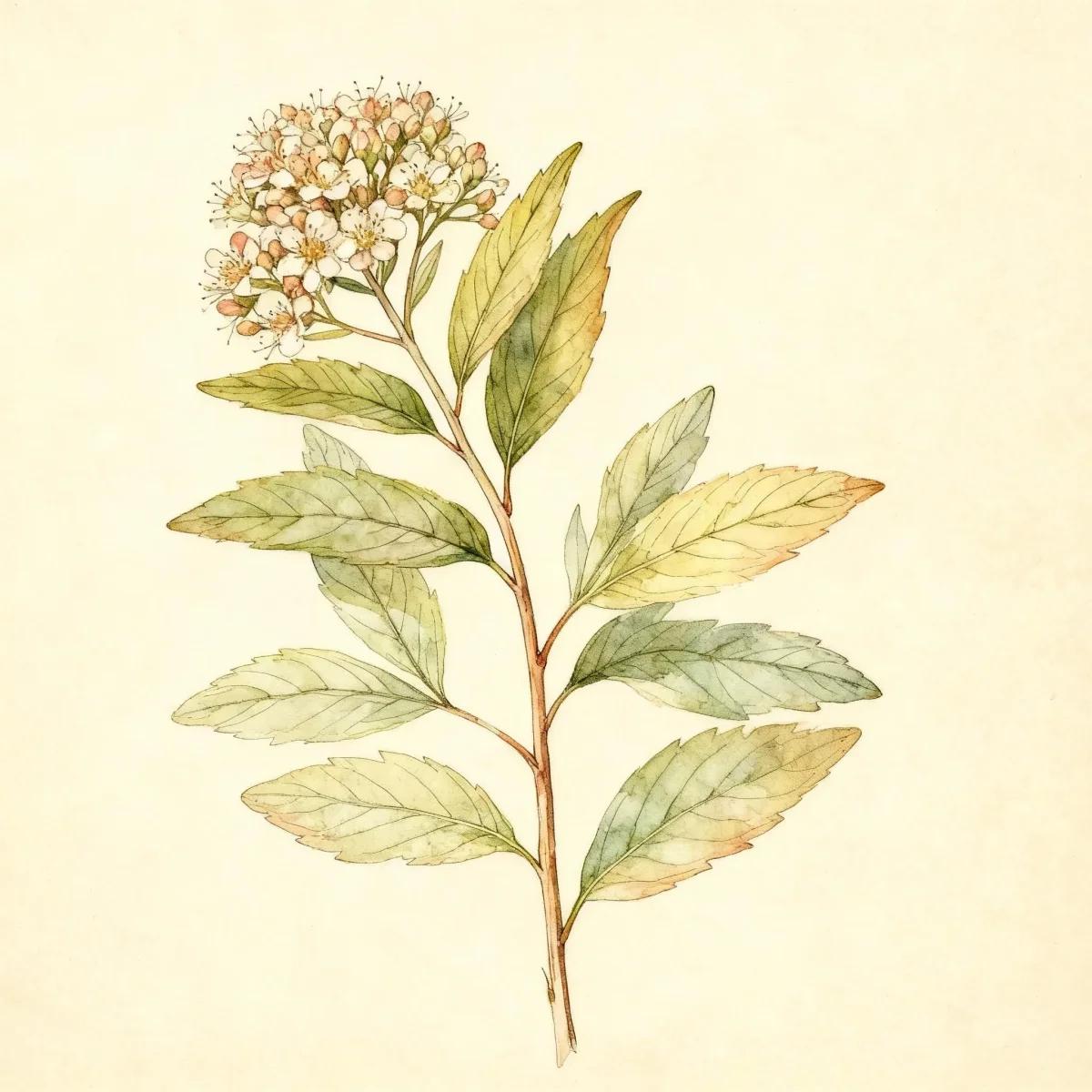
Bridal wreath spiraea (Spiraea prunifolia)
Discover the spectacular early spring blooms of Bridal wreath spiraea (Spiraea prunifolia). A low-maintenance deciduous shrub ideal for borders.
Scroll down to discover growing tips, care requirements, companion plants, and more
Complete Plant Information
Overview
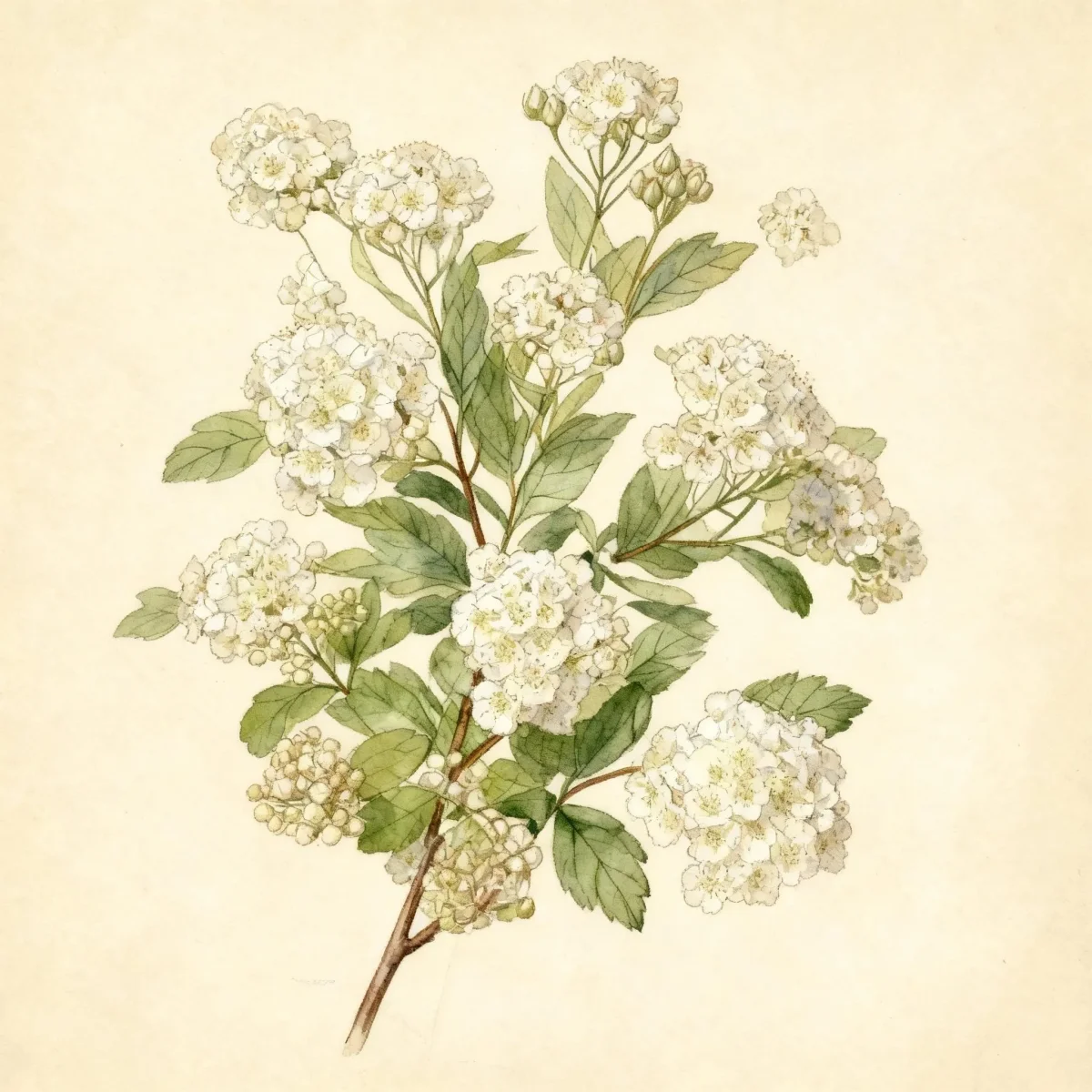
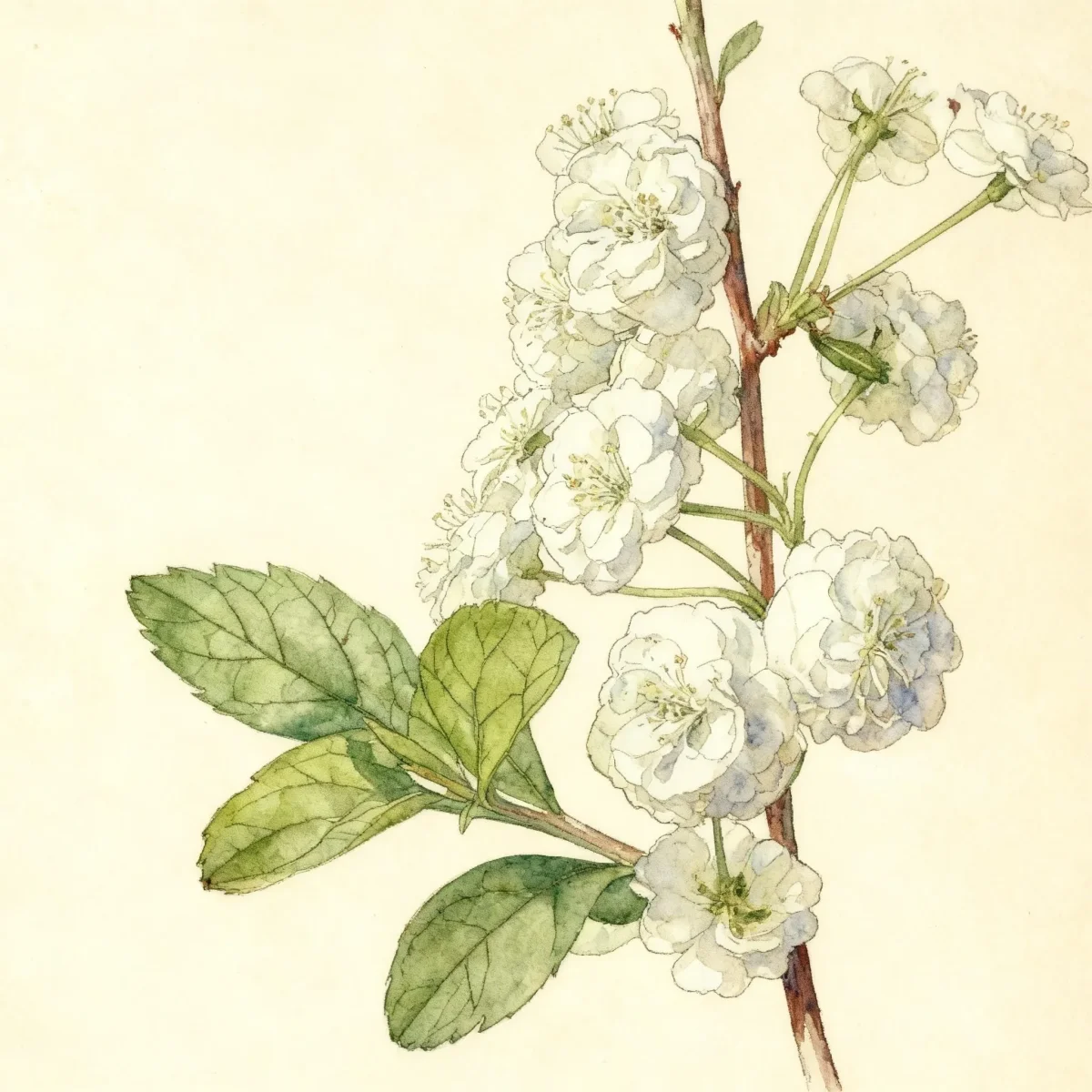
The Bridal wreath spiraea (Spiraea prunifolia) is cherished by gardeners for its breathtaking early spring display. This deciduous shrub typically covers itself in masses of small, double white flowers along arching, bare branches, often preceding the leaf-out for maximum visual impact. Spiraea prunifolia offers reliable structure and color, making it a staple in traditional and cottage garden designs.
While renowned for its spring spectacle, this species provides interest throughout the season, offering dark green foliage that often transitions into attractive red-orange-yellow fall color. Valued for its robust nature, Bridal wreath spiraea is remarkably easy to please, thriving with minimal intervention once established.
This clumping shrub matures to a versatile size, usually reaching 4 to 8 feet in height and spread, making it an excellent choice for screening, hedging, or as a specimen plant where its profuse bloom can be fully appreciated.
Fast Facts
- Plant Family: Rosaceae
- Plant Type: Deciduous shrub
- Native Range: China, Japan, Korea, Taiwan
- Hardiness Zones: USDA Zones 5-8
- Size at Maturity:
- Height: 4-8 ft
- Spread: 4-8 ft
- Bloom Time: March to April
- Bloom Description: White (double)
- Sun Exposure: Full sun
- Water Needs: Medium
- Maintenance Level: Low
How to Grow
The Bridal wreath spiraea flourishes best when planted in the early spring or fall, giving it the maximum time to establish roots before facing summer heat or deep winter cold. Locate this shrub where it receives full sun for the best flowering, although it tolerates light shade. It is highly adaptable and easily grown in average, medium-moisture, well-drained soils, showing tolerance for a wide range of soil types and some drought once mature.
Routine care for Spiraea prunifolia is minimal. Provide consistent medium watering during the first year to help it establish. Fertilization is rarely necessary unless the soil is extremely poor. The most important cultural requirement is proper pruning.
Prune Spiraea prunifolia as needed immediately after flowering concludes. Since it blooms on old wood (the previous year’s growth), pruning much later will remove next season’s flower buds. Thinning out older, tangled canes or shaping hedges can be done quickly after the spring show fades.
Landscape Uses
The dramatic white flowers of Bridal wreath spiraea make it an ideal choice for borders where early spring color is desired. Because of its dense, clumping habit and willingness to be shaped, it is frequently employed as an informal hedge, effectively screening utility areas or dividing garden spaces. The upright, arching branching structure lends itself well to specimen placement against darker evergreen backdrops.
When used in foundation plantings, ensure adequate space is provided, allowing the shrub to reach its full majestic spread of up to eight feet. Consider pairing it with later-blooming shrubs or perennials to extend visual interest through the summer months, as the foliage alone is handsome. It also performs admirably softening sunny woodland margins where it can receive dappled light.
Standout Features
Flower Qualities
- Showy
Noteworthy Characteristics
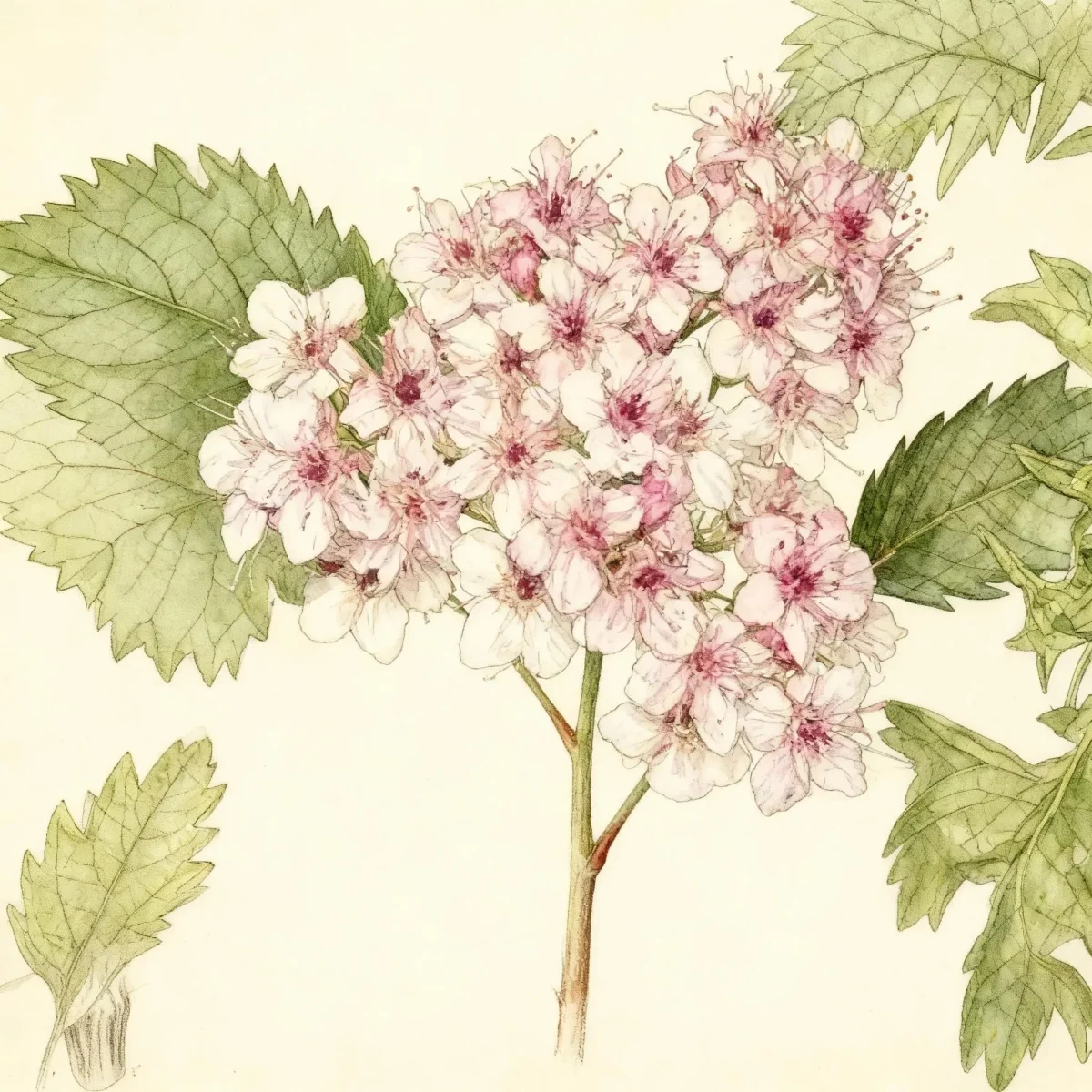
Spiraea prunifolia, commonly called bridalwreath spirea or just bridalwreath, is an upright, clumping, deciduous shrub with arching branching. It typically grows 4-8’ tall with a similar spread, often becoming somewhat open and leggy over time. It is particularly noted for its early spring bloom of double white flowers (each to 1/3” diameter) that appear in April in 3- to 6-flowered clusters (stalkless corymbs) in an often profuse bloom along the bare branching prior to the emergence of the foliage. The genus name comes from the Greek word speira meaning wreath, in reference to the showy flower clusters seen on most shrubs in the genus.
Tolerances
- Deer
Potential Problems
Generally, Bridal wreath spiraea experiences no serious insect or disease problems, which adds to its appeal as a low-maintenance shrub. However, like many members of the rose family, it can occasionally be susceptible to common issues. Watch for leaf spot, powdery mildew, and fire blight.
Aphids, leaf rollers, and scale insects may appear occasionally but rarely cause significant damage to a healthy, established specimen. Good air circulation, achieved by pruning out older canes after blooming, can help mitigate fungal issues like powdery mildew. Select well-draining sites to prevent root rot.
Frequently Asked Questions
What hardiness zones is Bridal wreath spiraea suitable for?
Spiraea prunifolia is reliably hardy in USDA Zones 5 through 8. Ensure your planting location falls within this range for best long-term success.
How large does Spiraea prunifolia grow?
This deciduous shrub typically achieves a height between 4 and 8 feet, with a corresponding spread that can be similar, forming a generally rounded, arching shape.
When does Bridal wreath spiraea bloom?
The primary display occurs quite early in the season, blooming from March to April with masses of profuse white, double flowers right before the foliage emerges.
What sun exposure does Spiraea prunifolia need?
For the most prolific flowering display, plant your Bridal wreath spiraea in full sun. It can tolerate light shade but flowering may be reduced.
Conclusion
The Bridal wreath spiraea is an indispensable early spring bloomer, offering spectacular white flowers and remarkably low maintenance requirements. Its adaptability across various soils and its resistance to most serious pests make Spiraea prunifolia a reliable choice for hedges, borders, or accent planting. Take advantage of its dormant pruning window immediately after bloom to maximize next year’s floral show.
Companion Planting
When planning your garden around Bridal wreath spiraea, select companions that fill in the mid-to-late season gap after its early bloom fades. Consider early spring bulbs like Daffodils or Tulips planted beneath the shrub, which will emerge and pass their prime before the Spiraea prunifolia leaf canopy fully closes. For summer texture and contrasting color, hostas or ferns can provide excellent shade-tolerant partners, especially if the shrub occupies a spot with light afternoon shade.
For sunny borders, pair the shrub with later-flowering perennials such as Siberian Iris or Peonies, which can handle the same sun exposure and medium water needs. The low maintenance profile of this shrub means it pairs beautifully with other tough, low-input landscape plants, keeping your garden aesthetic pleasing without demanding constant attention.
Seasonal Care Calendar
Spring preparation involves observing the shrub for its magnificent April bloom; prune immediately afterward to shape it and encourage new flowering wood for the following year. Summer care is minimal, focusing only on deep watering during extended dry spells to support its medium water needs. As autumn arrives, appreciate the yellow-orange fall foliage of the Bridal wreath spiraea before the leaves drop.
Winter is largely uneventful for this shrub, requiring no special protection in zones 5-8. If you missed the ideal post-bloom pruning window, major structural pruning should wait until late winter or very early spring before new buds begin to swell, though this will sacrifice the year’s flowers. Keep the area around the base clear of heavy mulch or debris to promote air circulation.