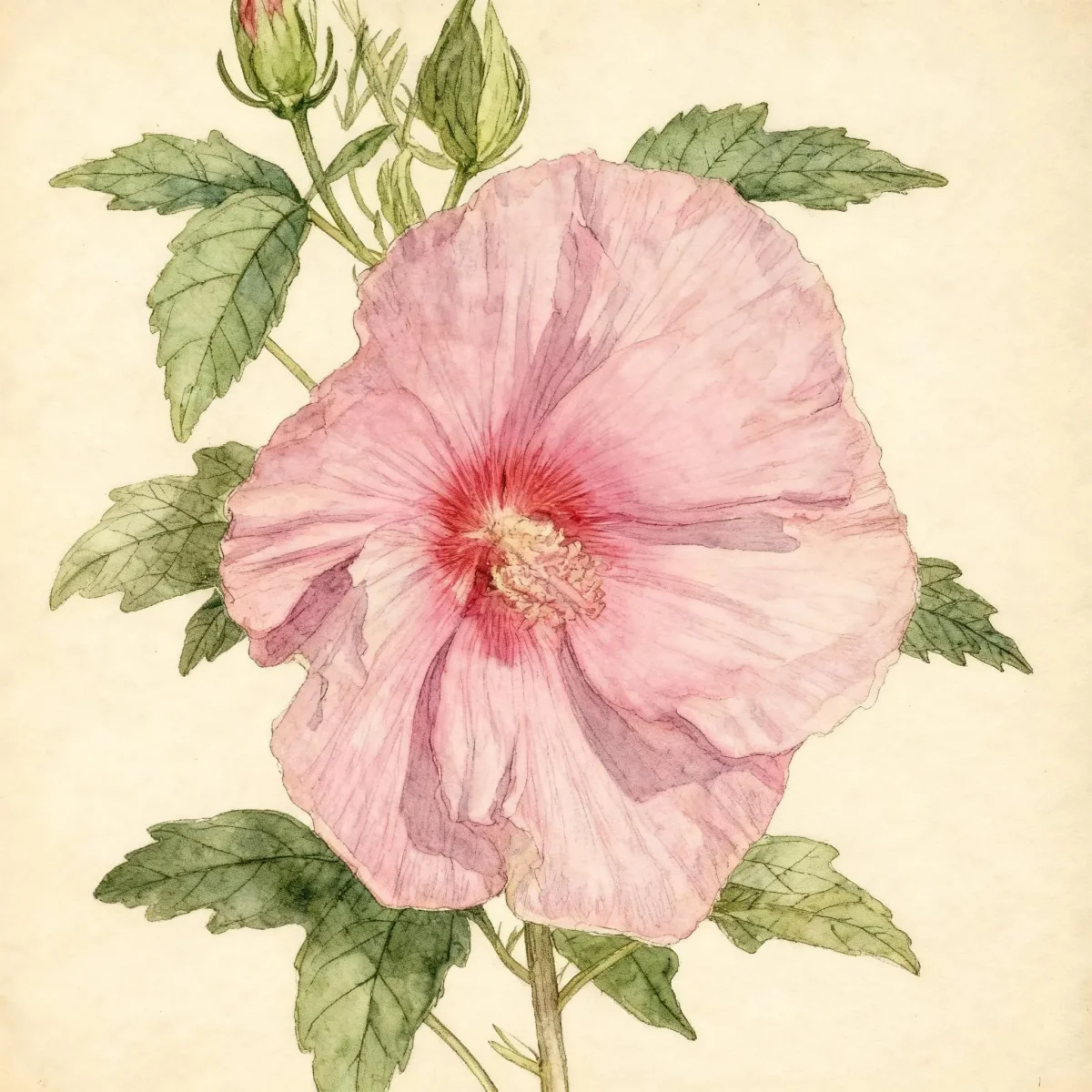
Common rose mallow (Hibiscus 'Pyrenees Pink')
Discover Hibiscus 'Pyrenees Pink', the Common rose mallow. Grows 3-4ft tall with massive deep pink blooms from July to September.
Scroll down to discover growing tips, care requirements, companion plants, and more
Complete Plant Information
Overview
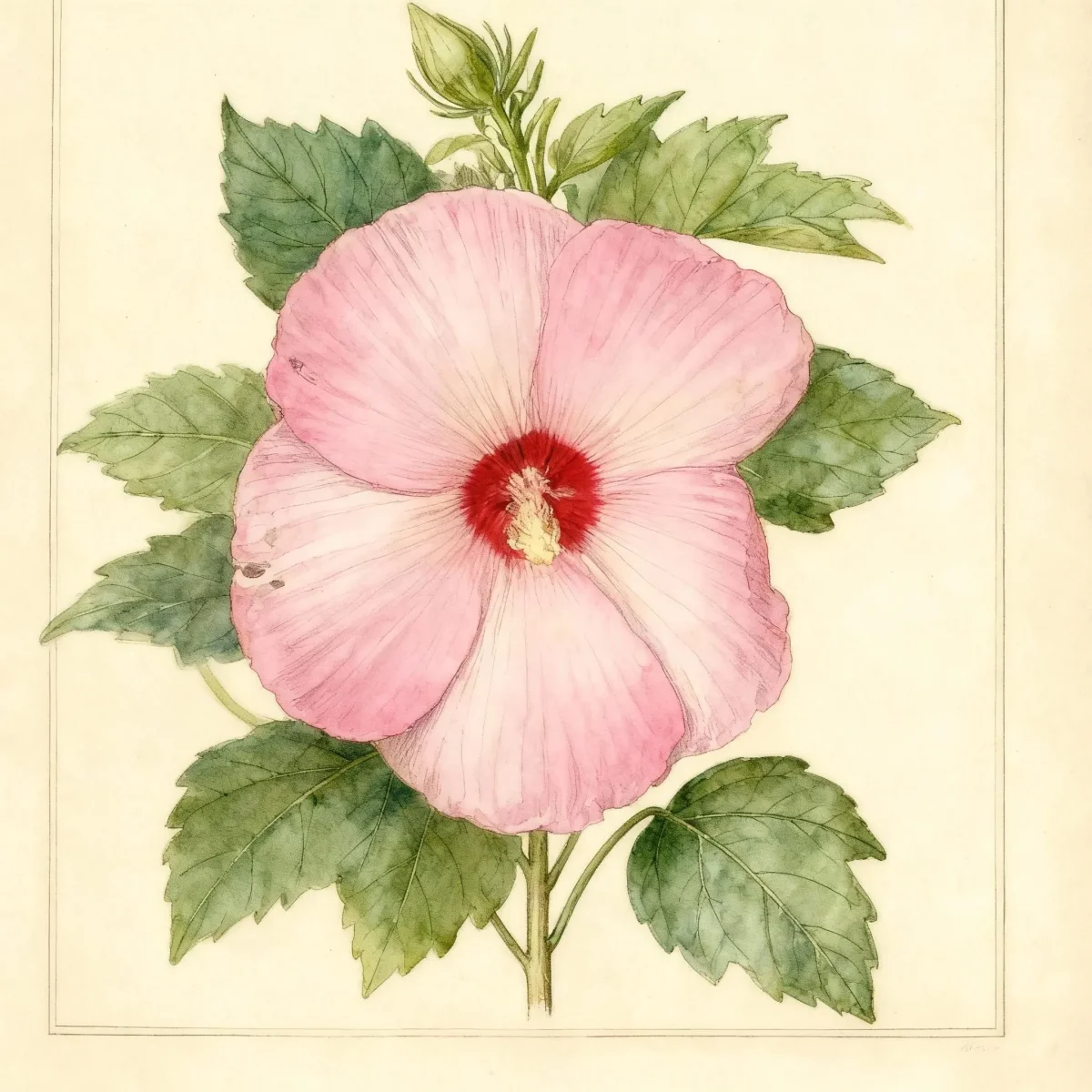
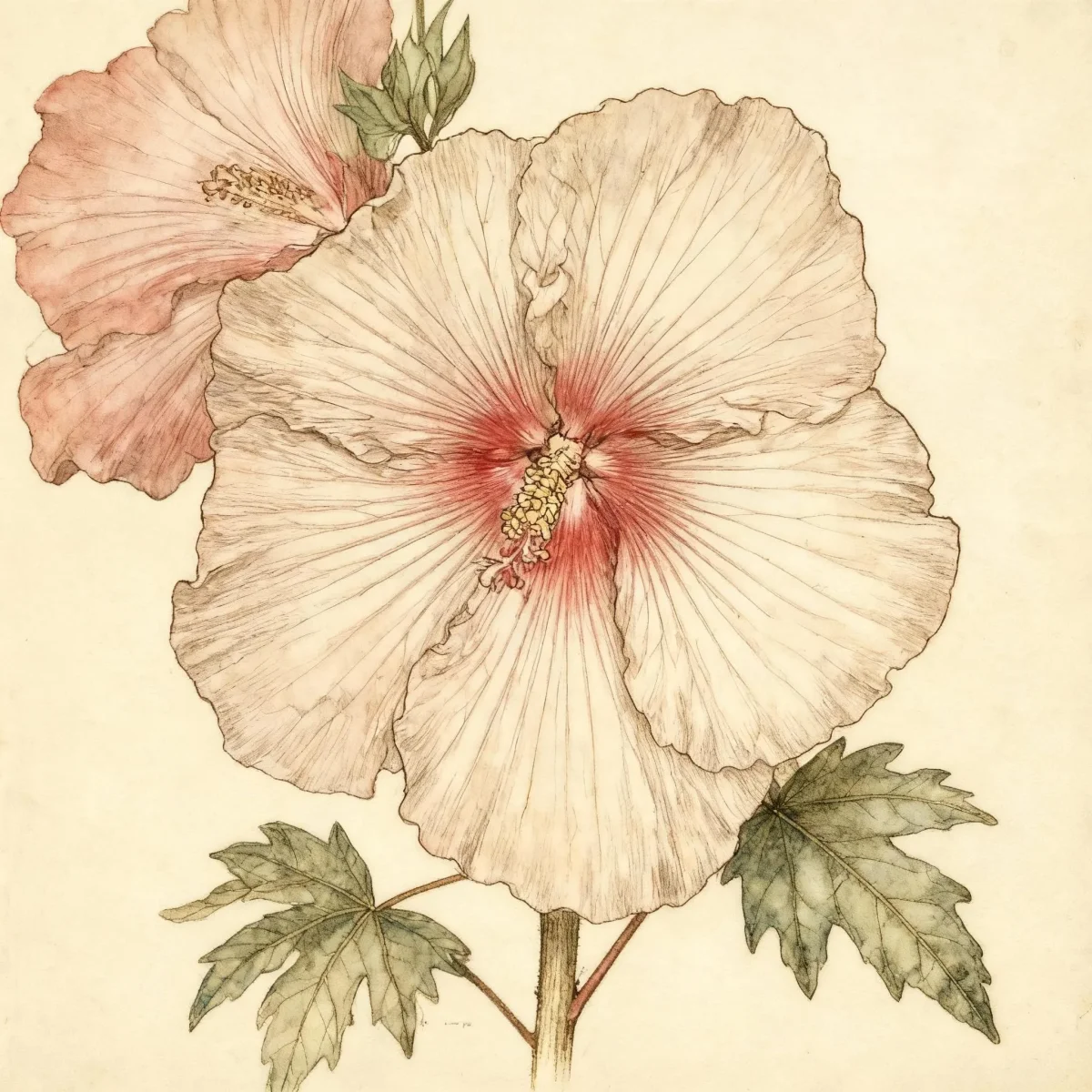
Hibiscus ‘Pyrenees Pink’ is a highly valued herbaceous perennial, often referred to as Common rose mallow, celebrated for producing some of the largest perennial flowers hardy in cooler climates. This cultivar offers dramatic visual impact with its dinner plate-sized, deep pink, hollyhock-like blooms that appear continuously throughout mid-summer into early fall. As a vigorous hybrid, Hibiscus ‘Pyrenees Pink’ provides sturdy, upright structure complemented by lush, dark green foliage with reddish stems.
Gardeners appreciate this specimen for its low maintenance needs once established, thriving best in full sun and consistently moist conditions. Its impressive bloom display, capable of producing up to 250 flowers per season, makes the Common rose mallow an excellent focal point in the landscape. Planning for the right soil moisture is key to maximizing the performance of your Hibiscus ‘Pyrenees Pink’.
This robust perennial is bred from hardy American species hybrids, ensuring winter survival in Zones 5 through 9, setting it apart from less durable tropical varieties. It brings showy color and height to garden designs, integrating well into both formal borders and naturalized wet landscape settings.
Fast Facts
- Plant Family: Malvaceae
- Plant Type: Herbaceous perennial
- Hardiness Zones: USDA Zones 5-9
- Size at Maturity:
- Height: 3-4 ft
- Spread: 2-3 ft
- Bloom Time: July to September
- Bloom Description: Deep pink
- Sun Exposure: Full sun
- Water Needs: Medium to wet
- Maintenance Level: Low
How to Grow
Planting Hibiscus ‘Pyrenees Pink’ should ideally occur in spring after the danger of frost has passed, or in early autumn if site preparation allows for root establishment before winter dormancy. This plant performs best in full sun, which ensures the strongest stems and resistance to potential diseases, although it will tolerate some light shade. While it prefers moist, organically rich soils, the Common rose mallow adapts surprisingly well to average garden soils provided they are not allowed to completely dry out.
Consistent moisture is crucial; ensure deep and regular watering, especially during hot periods, as leaf scorch will occur if the soil desiccates. Providing good air circulation is also important for disease prevention. Fertilize regularly throughout the growing season to support the continuous, heavy flowering output of your Hibiscus ‘Pyrenees Pink’.
Deadheading individual spent flowers immediately helps maintain a tidy appearance, although the plant will produce successive blooms regardless. In late autumn, cut all stems back severely, trimming them down to about 3 to 4 inches above the ground. Be patient in the spring; new shoots on the Common rose mallow emerge slowly, but growth accelerates quickly once emergence begins.
Landscape Uses
The dramatic size and extended bloom time of Hibiscus ‘Pyrenees Pink’ make it an exceptional structural element for mixed perennial borders where height and impact are desired. It serves excellently as a specimen plant to draw the eye, or massed together for a temporary hedge effect, particularly useful where high summer color is needed. Given its preference for moisture, this cultivar shines nearly anywhere water tends to collect, making it effective along the edges of streams, ponds, or integrated into rain gardens.
For rain garden designs, the ability of the Common rose mallow to handle medium to wet soil conditions is a significant advantage, providing vertical interest where flatter plantings might typically reside. When using Hibiscus ‘Pyrenees Pink’ in beds, pair it with companions that appreciate similar sun requirements but perhaps drier soil once established, allowing you to define zones carefully. Its height also suits it for the middle or back of a border, contrasting nicely with shorter summer bloomers.
Standout Features
Flower Qualities
- Showy
Noteworthy Characteristics
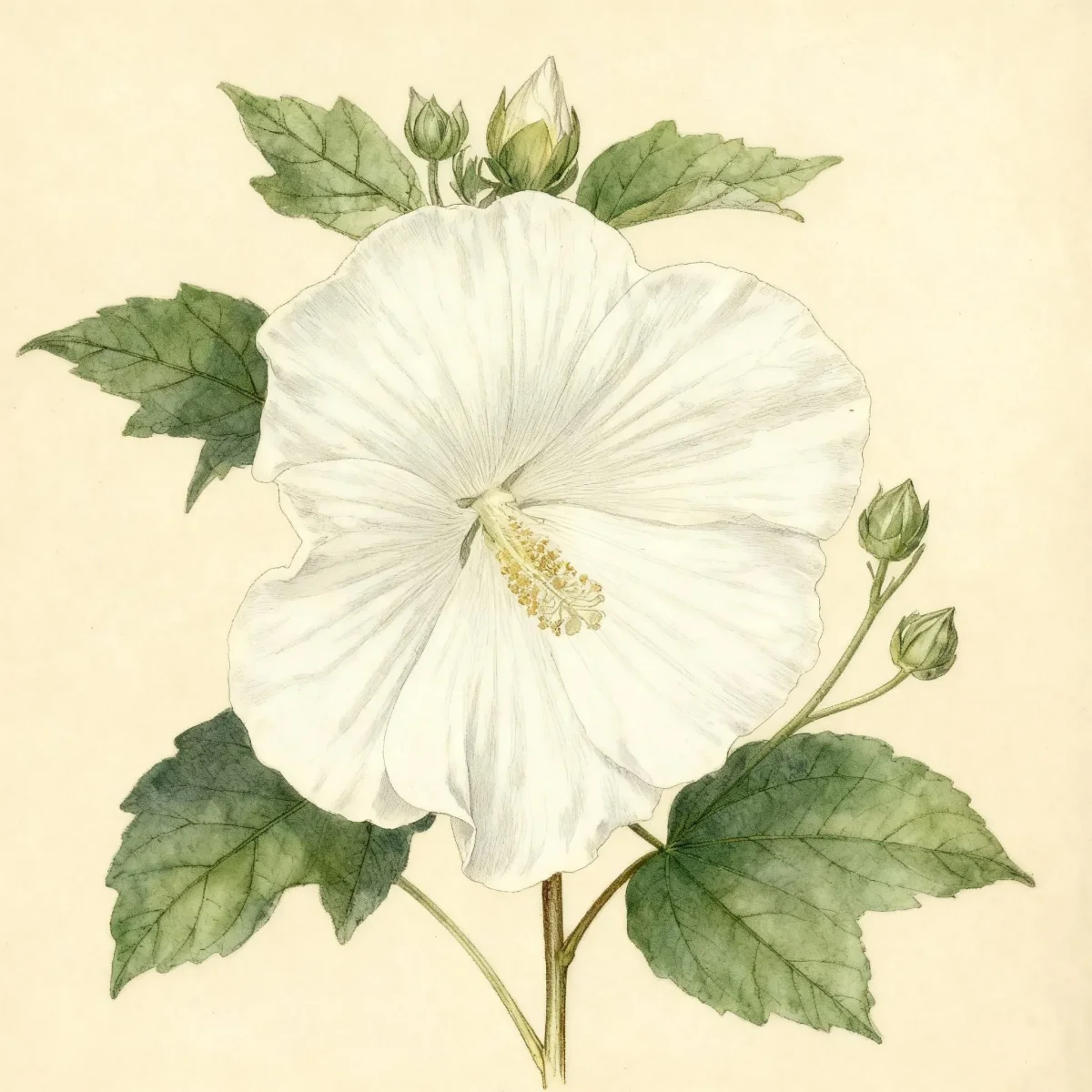
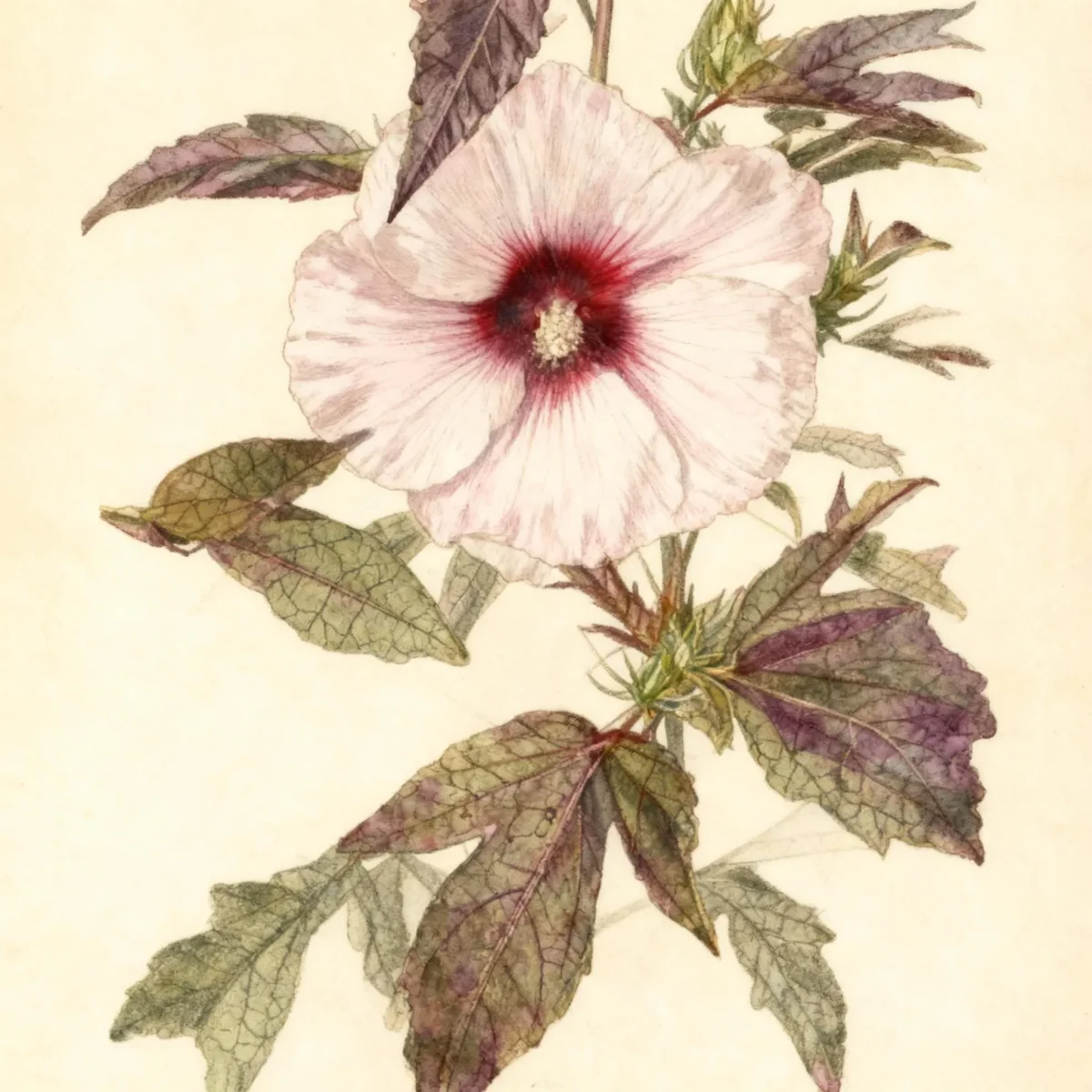
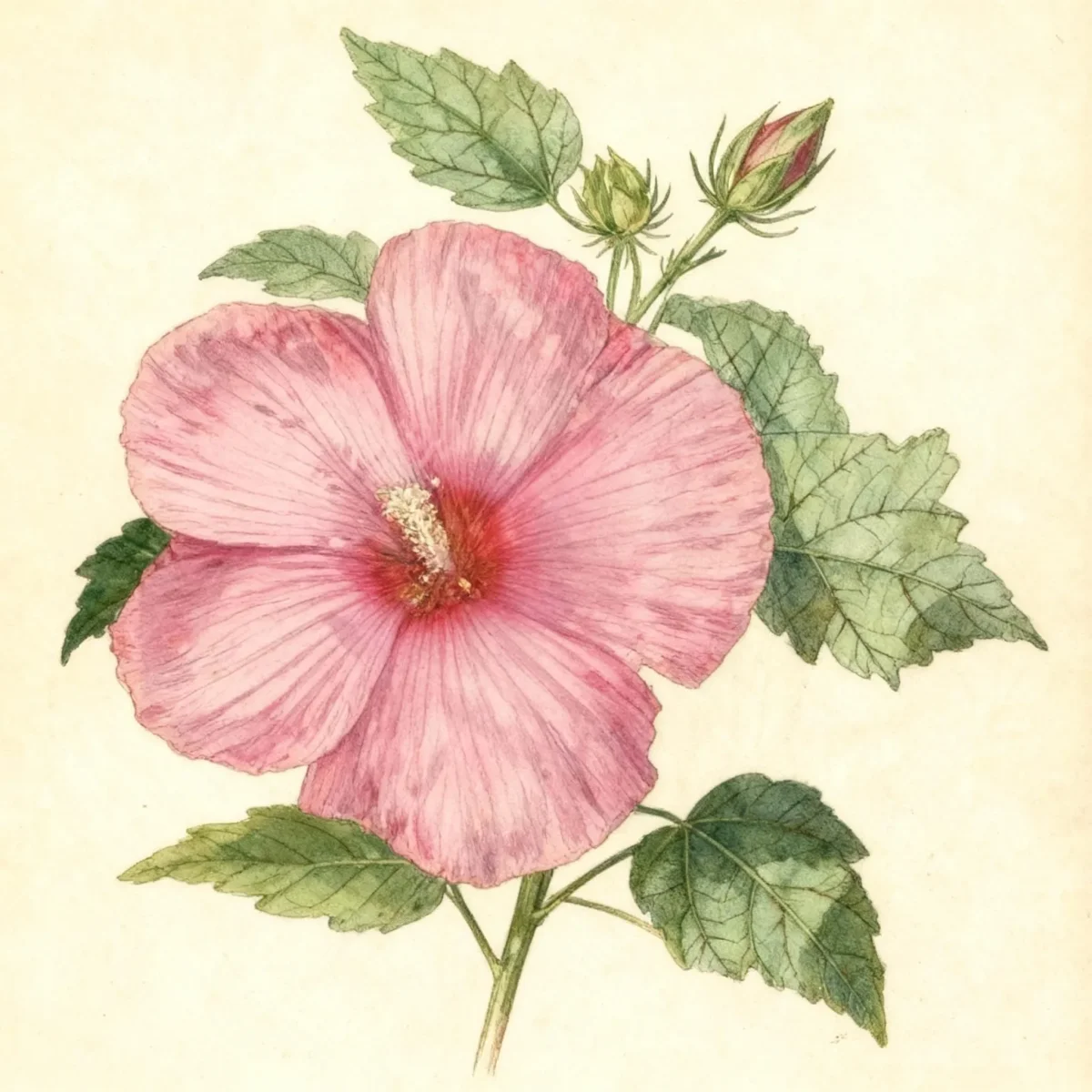
Hybrid hardy hibiscus cultivars, resulting from complex breeding involving U.S. native species, are distinguished by their winter hardiness relative to tropical relatives. Hibiscus ‘Pyrenees Pink’ is a sturdy, woody-based perennial reaching 3-4 feet tall, famous for its massive 5-petaled flowers, which can measure up to 12 inches in diameter and feature deep pink coloration with rose-pink eyes. Although each individual flower lasts only one day, the plant ensures a continuous display from mid-summer well into fall by opening new blooms sequentially over several months, often producing up to 250 flowers annually.
Tolerances
- Deer
- Wet Soil
Potential Problems
While generally robust, susceptibility to certain fungal issues like leaf spots, blights, and rusts requires attention, particularly if air circulation is poor or humidity is consistently high. To manage these potential problems proactively, ensure your Hibiscus ‘Pyrenees Pink’ is planted in an area receiving full sun and adequate airflow, as noted in its cultural requirements. Occasional insect pests include aphids, whiteflies, and significantly, Japanese beetles, which can quickly defoliate the plant if populations are not controlled early. Implement manual removal or appropriate treatments immediately upon detection of serious infestations.
Frequently Asked Questions
What hardiness zones is Common rose mallow suitable for?
Hibiscus ‘Pyrenees Pink’ is suitable for USDA Hardiness Zones 5 through 9.
How large does Common rose mallow grow?
This cultivar typically reaches a mature height between 3 to 4 feet tall, spreading 2 to 3 feet wide.
When does Common rose mallow bloom?
The Common rose mallow provides a long bloom period extending from July through September, featuring deep pink flowers.
What sun exposure does Hibiscus ‘Pyrenees Pink’ need?
Hibiscus ‘Pyrenees Pink’ requires full sun exposure for the strongest growth, best flowering, and overall plant health.
Conclusion
Hibiscus ‘Pyrenees Pink’ offers unparalleled late-season drama with its exceptionally large, deep pink flowers, confirming its status as a low-maintenance powerhouse in the summer garden. Successfully growing this Common rose mallow relies on providing consistent moisture and maximizing sun exposure to achieve its full potential. Before planting, verify that your location provides the necessary full sun conditions and soil moisture levels compatible with zones 5-9.
Propagation Tips
The vigorous nature of Hibiscus ‘Pyrenees Pink’ makes propagation relatively straightforward for dedicated gardeners. The plant can be propagated successfully via division, which revitalizes older clumps and maintains the exact cultivar characteristics. While division is common, cuttings can also be taken, typically semi-hardwood cuttings taken in summer, which will root to produce new, genetically identical plants. Taking cuttings is often preferred if you wish to increase your stock without disturbing the established root system of a mature specimen too severely.
Companion Planting
When planning plantings around your Hibiscus ‘Pyrenees Pink’, selecting companions that appreciate similar moisture levels helps simplify watering schedules significantly. Deep-rooted perennials that thrive in wet to average conditions, such as Chelone (Turtlehead) or certain varieties of Iris, pair beautifully beneath or alongside this tall hibiscus. For contrast in texture and height, consider placing shorter, drought-tolerant ornamental grasses nearby, recognizing that they will need supplemental watering when the Common rose mallow is actively blooming and demanding moisture.