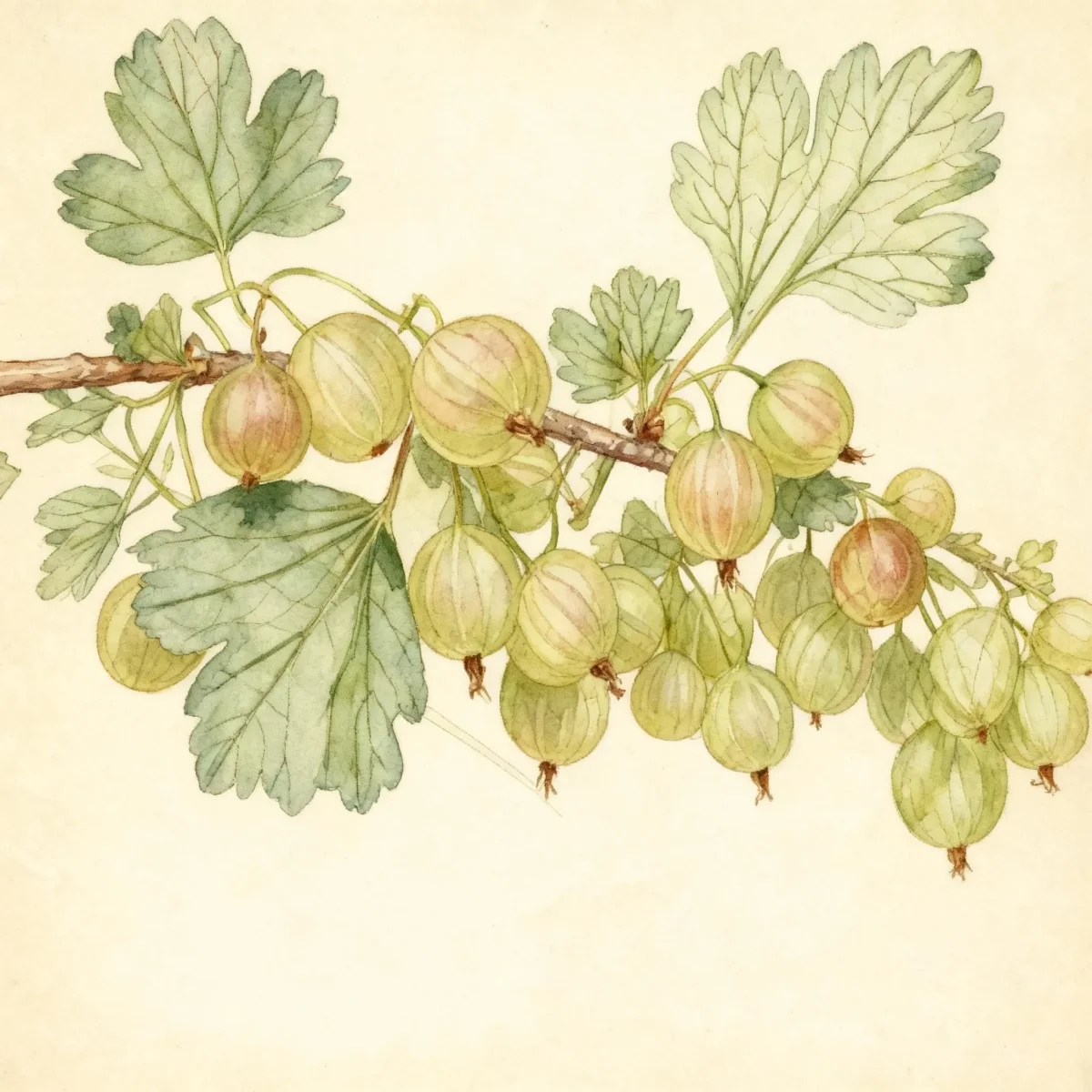
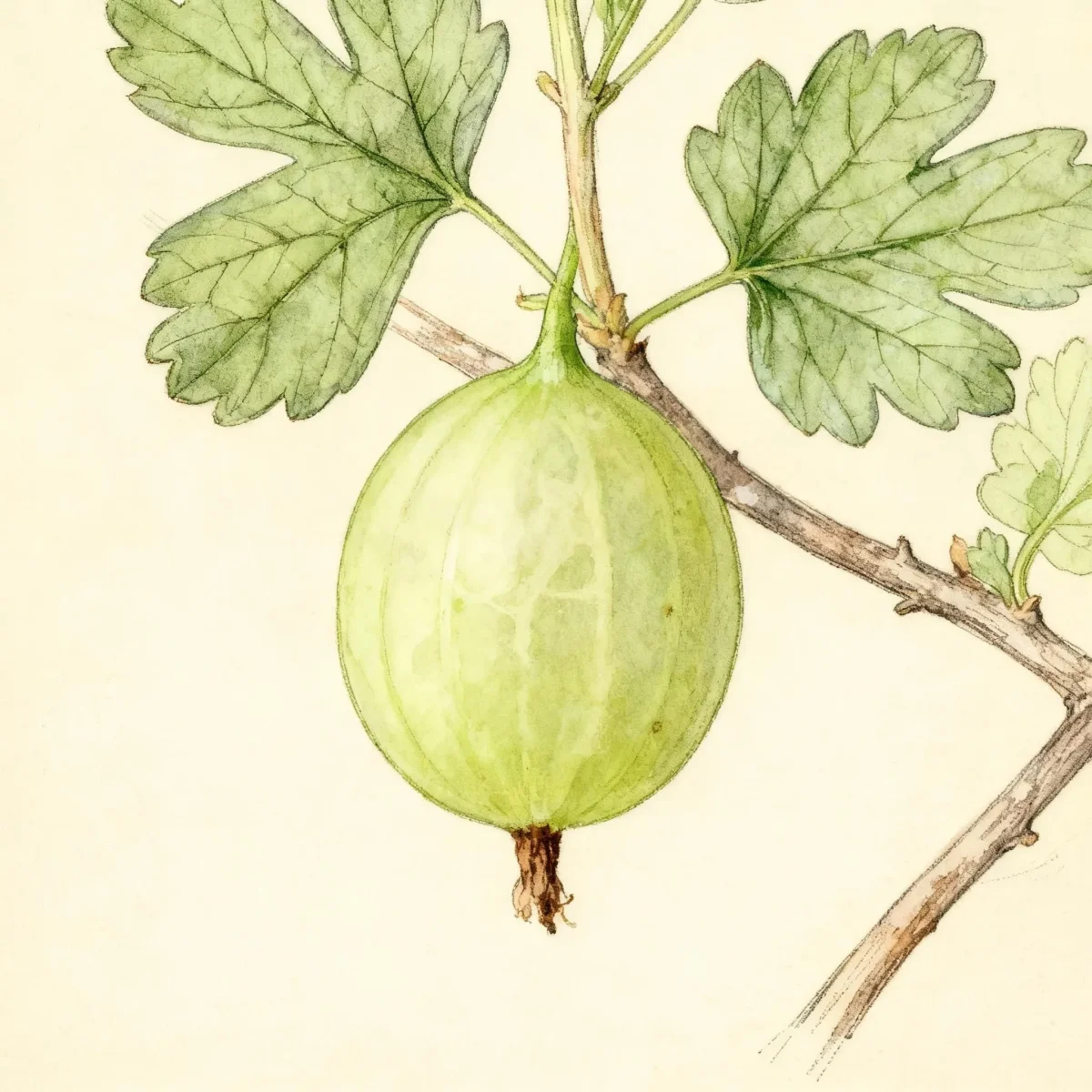
Clove currant (Ribes odoratum 'Crandall')
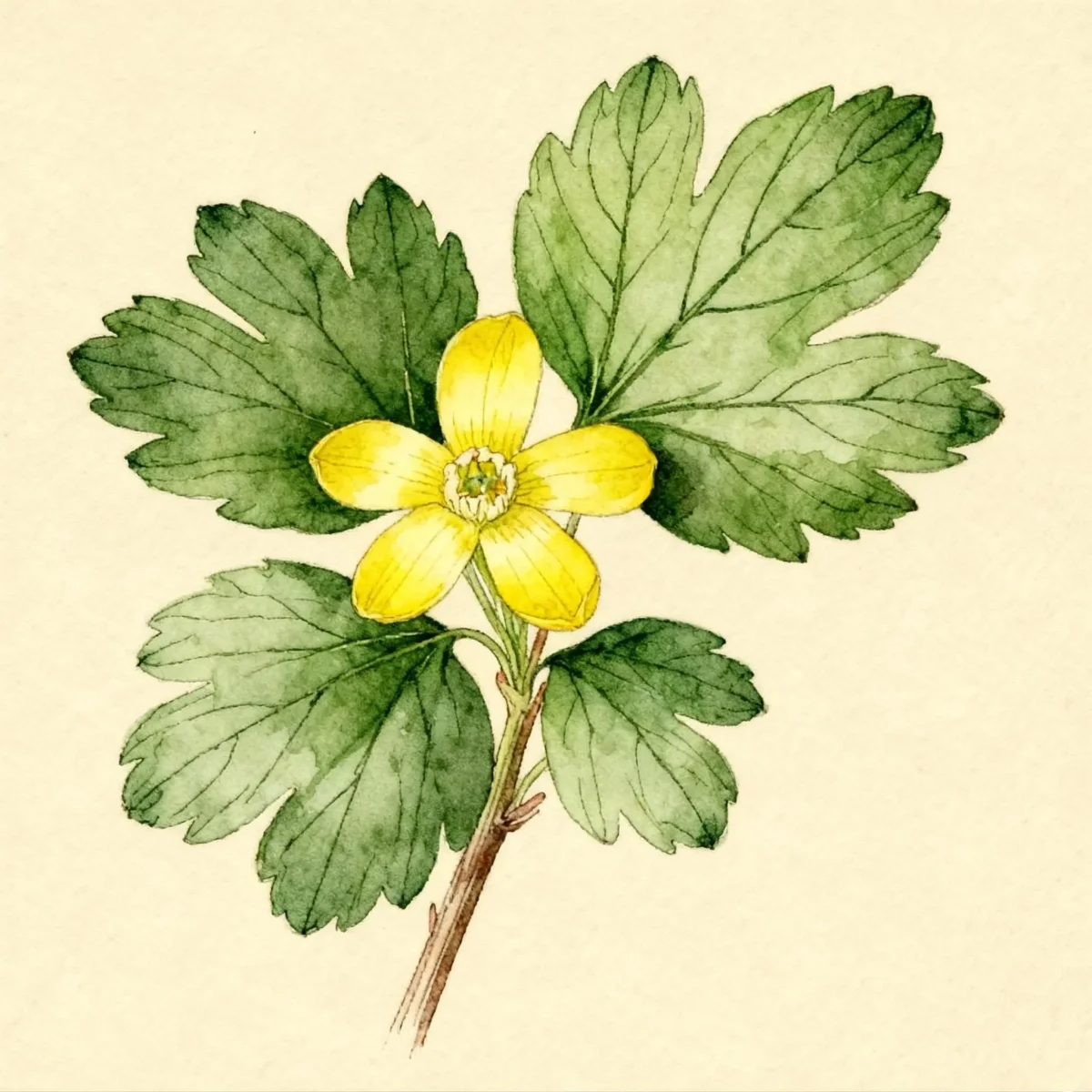
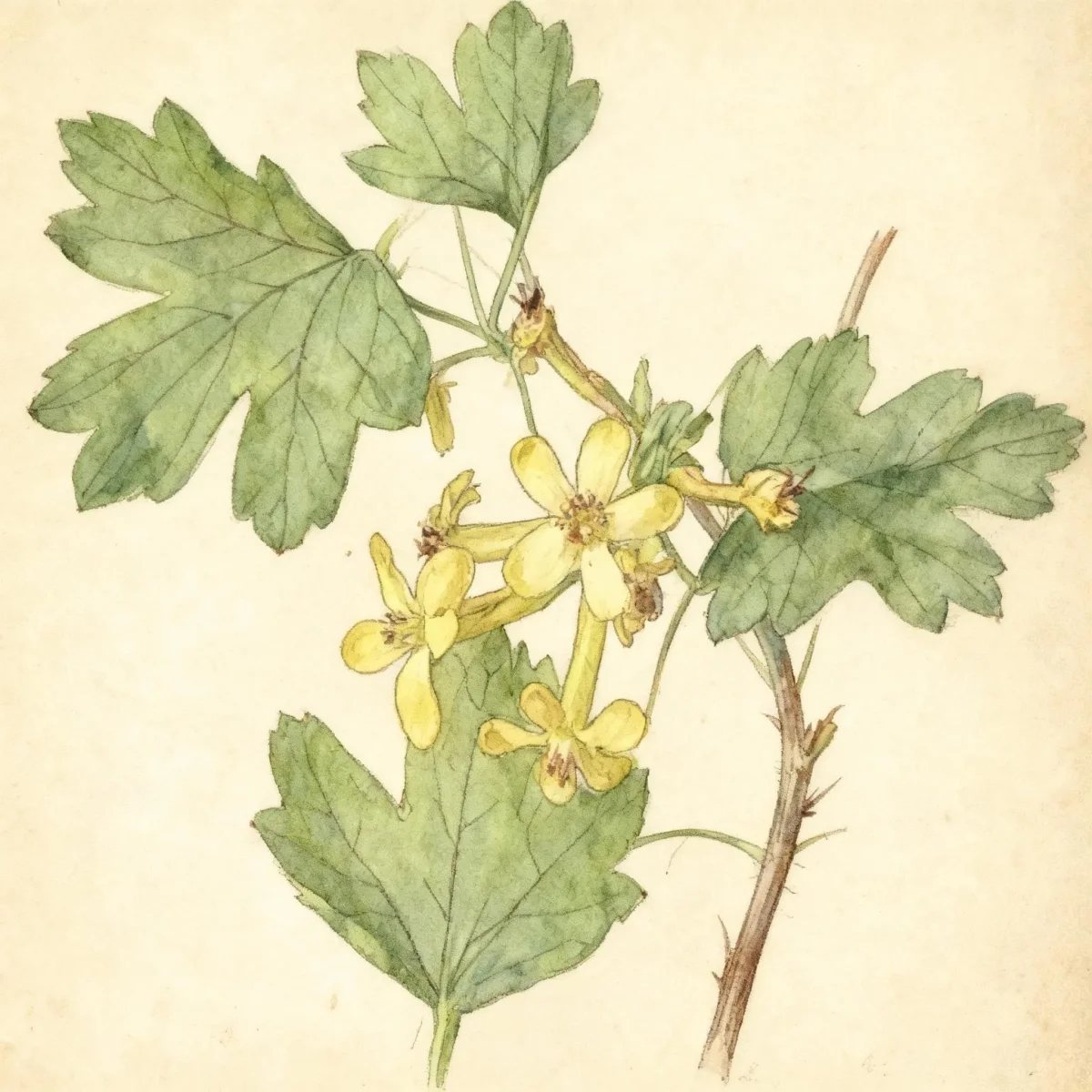
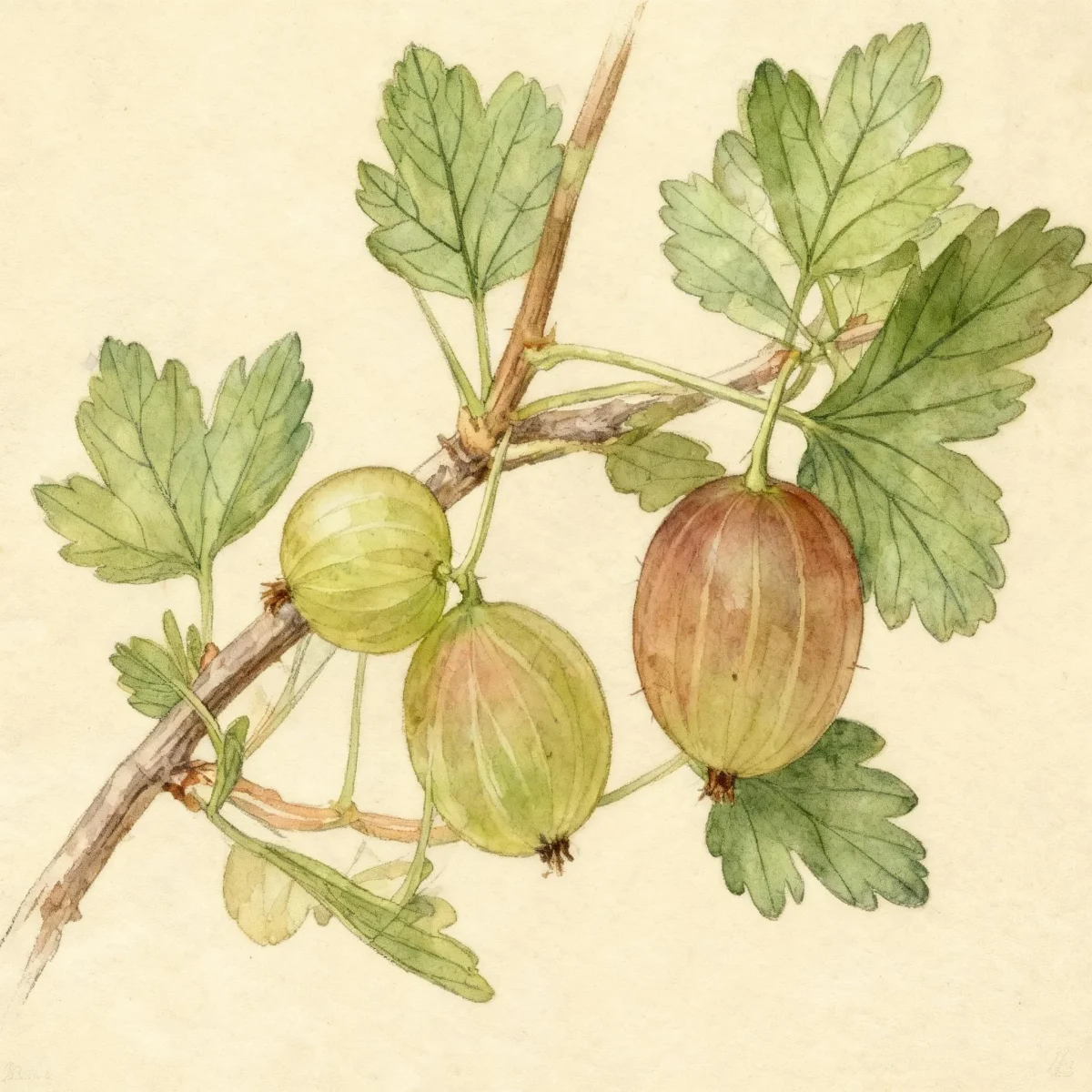
Ribes odoratum 'Crandall' (Clove currant) offers fragrant yellow flowers and tasty edible black fruit. Low maintenance, shrub suitable for zones 4-8.
Scroll down to discover growing tips, care requirements, companion plants, and more
Complete Plant Information
Overview
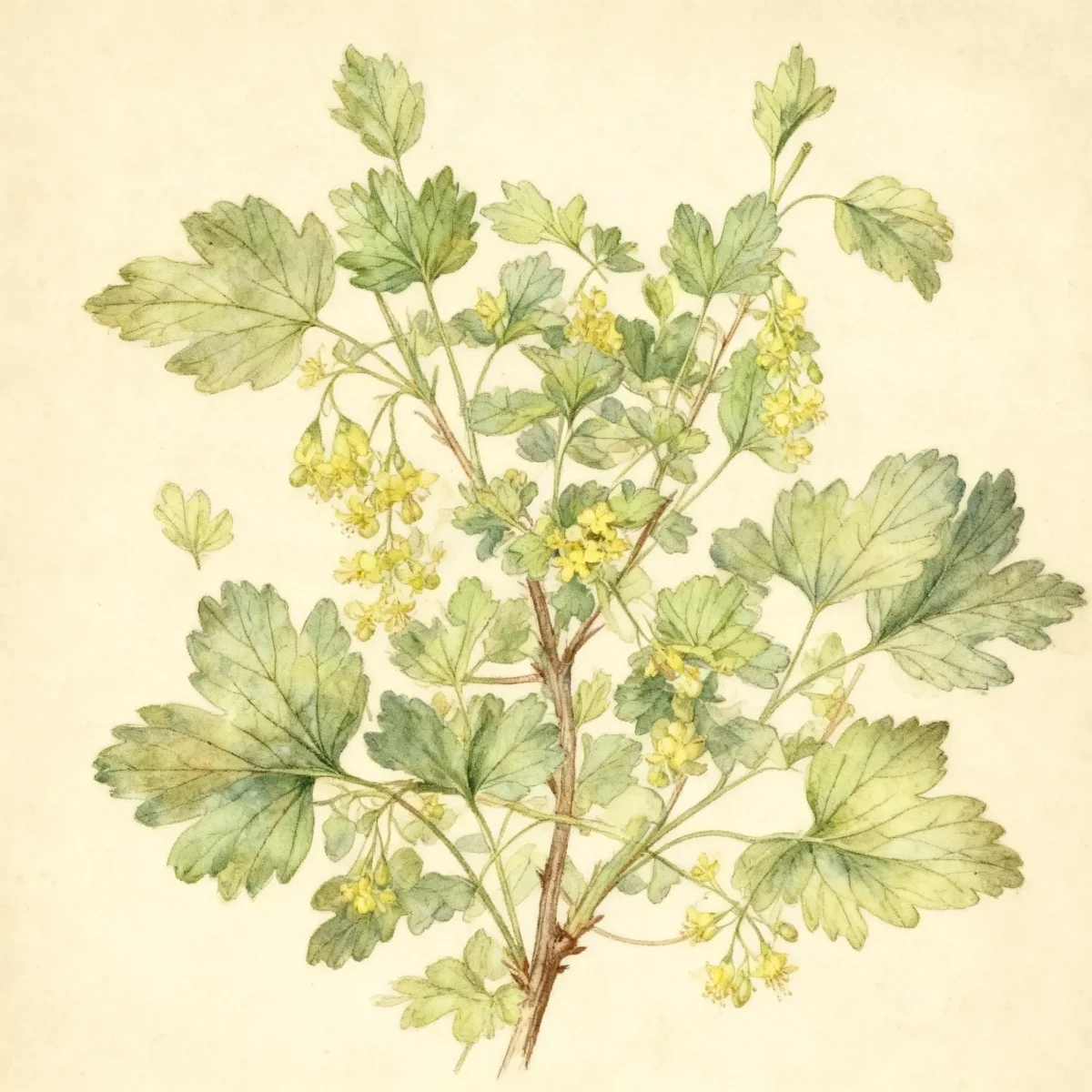
The Clove currant, scientifically known as Ribes odoratum ‘Crandall’, is a highly valued, thornless deciduous shrub celebrated for its multi-season interest. Gardeners prize this cultivar for the distinctly fragrant, clove-scented yellow flowers that brighten the spring landscape. Beyond aesthetics, the shrub yields clusters of large, shiny black currants that are edible and excellent for culinary use. Ribes odoratum ‘Crandall’ is recognized for its low maintenance requirements and notable tolerance to varied soil conditions, making it a resilient addition to many landscapes.
This robust shrub typically matures between 3 and 7 feet in height, forming a loose, somewhat sprawling clump that provides functional screening or border definition. While it thrives in full sun for best fruit production, it can accommodate partial shade, though flowering will be diminished. Its native adaptability allows Ribes odoratum ‘Crandall’ to handle difficult sites, including drought and erosion control.
For gardeners seeking utility alongside beauty, the Clove currant delivers. Its foliage offers decent fall color, while the flowers attract attention early in the season, followed by harvestable fruit in mid-to-late summer. Planting this variety ensures you gain an established, beneficial native shrub that asks little in return.
Fast Facts
- Plant Family: Grossulariaceae
- Plant Type: Deciduous shrub
- Hardiness Zones: USDA Zones 4-8
- Size at Maturity:
- Height: 3-7 ft
- Spread: 3-5 ft
- Bloom Time: April
- Bloom Description: Yellow
- Sun Exposure: Full sun to part shade
- Water Needs: Medium
- Maintenance Level: Low
How to Grow
Ribes odoratum ‘Crandall’ establishes best when planted in the earliest spring or late fall when dormant. Aim for an organically rich, fertile location, though this Clove currant tolerates poor soils. Ensure the soil provides medium moisture retention and is well-drained, such as clay or silt loams. While full sun encourages the most abundant flowers and fruit, afternoon shade is beneficial in extremely hot summer climates, though less fruit will develop there.
Once established, water needs are medium, preferring consistent, even moisture, particularly during fruiting periods. Avoid overhead watering, as this can encourage fungal issues. Fertilization is often unnecessary if the soil is organically rich; otherwise, an annual compost mulch applied to the root zone is highly beneficial.
Maintenance for the Clove currant is generally low. The most important task is annual renewal pruning, performed in late winter or early spring. Focus on removing older, weakened, or damaged branches to open up the center of the bush and encourage new growth, as younger wood generates the best fruit. Plants may spread slightly via root suckers, which should be removed if you wish to maintain a tighter clump form.
Landscape Uses
The versatility of the Clove currant makes it useful in diverse landscape settings. While easily maintained as an informal hedge or screen due to its moderate size (3-7 feet tall), Ribes odoratum ‘Crandall’ also shines when grouped in shrub borders or integrated into native plant gardens. Its tolerance for tough sites means it can be strategically placed for erosion control on slopes.
Consider planting the Clove currant near patios or walkways to fully enjoy the significant clove fragrance emitted by the spring flowers. Its ornamental features—fragrance, fruit show, and foliage—make it a strong background plant or specimen, especially where wildlife habitat is a design goal. It pairs well with other resilient native shrubs that appreciate similar sun and soil profiles.
Standout Features
Flower Qualities
- Showy
- Fragrant
Fruit Qualities
- Showy
- Edible
Noteworthy Characteristics
Ribes odoratum, commonly called clove currant, is a thornless, loosely-branched, irregularly-shaped, deciduous shrub that typically grows to 6-8’ tall and as wide. It is native to slopes, rocky bluffs and streambanks from Minnesota and South Dakota south to Missouri, Arkansas, Oklahoma and Texas. The cultivar ‘Crandall’ offers fruit with a tart-sweet flavor superior to the wild species, making it ideal for eating raw or processing into jams and juices.
Tolerances
- Rabbit
- Drought
- Erosion
- Clay Soil
Potential Problems
The primary challenges for Clove currant involve fungal diseases, especially in wet, humid conditions, which can lead to anthracnose, powdery mildew, and other leaf spots. Susceptibility to pests like currant aphid, scale, and currant bud mite can also occur. Although less prone than Ribes nigrum, this shrub is an alternative host for white pine blister rust, a serious disease for white pines. Always check local agricultural advisories, as some states maintain restrictions on growing Ribes species plants to protect white pines. Pruning for good air circulation helps mitigate fungal issues.
Frequently Asked Questions
What hardiness zones is Clove currant suitable for?
Ribes odoratum ‘Crandall’ is hardy and successfully grown throughout USDA Zones 4 through 8.
How large does Clove currant grow?
This versatile shrub generally reaches a height of 3 to 7 feet, with a corresponding spread of 3 to 5 feet at maturity.
What sun exposure does Ribes odoratum ‘Crandall’ need?
It performs best in full sun, which encourages maximum flowering and fruiting, but it tolerates light to partial shade situations.
When does Clove currant bloom?
The beautiful bloom time is April, featuring clusters of showy, fragrant yellow, trumpet-shaped flowers.
Conclusion
The Clove currant (Ribes odoratum ‘Crandall’) is an outstanding choice for gardeners prioritizing resilience, fragrance, and edible yields. Its low maintenance needs combined with tolerances for drought and poor soil ensure success even in challenging spots. Before planting your Clove currant, confirm its suitability for your specific USDA hardiness zone and evaluate local restrictions regarding Ribes species.
Propagation Tips
Propagation of Ribes odoratum ‘Crandall’ is straightforward, offering gardeners easy methods to increase their stock. The plant can be effectively multiplied using cuttings taken from semi-hardwood or hardwood stems. Additionally, the species is capable of spreading via root suckers; gardeners can carefully separate and replant these suckers to start new bushes. While seed propagation is possible, it generally results in variability unless specific conditions are met, making cuttings the preferred method for maintaining the desirable qualities of the ‘Crandall’ cultivar.
Wildlife Benefits
One significant practical appeal of the Clove currant is its value to local wildlife. The flowers produced in spring are highly attractive to early season pollinators, drawn in by the strong clove fragrance and nectar rewards. Following flowering, the drooping clusters of black currants ripen in mid-to-late summer, providing a valuable late-season food source for numerous bird species. Planting Ribes odoratum ‘Crandall’ not only beautifies the garden but also actively supports biodiversity through reliable pollen and fruit resources.