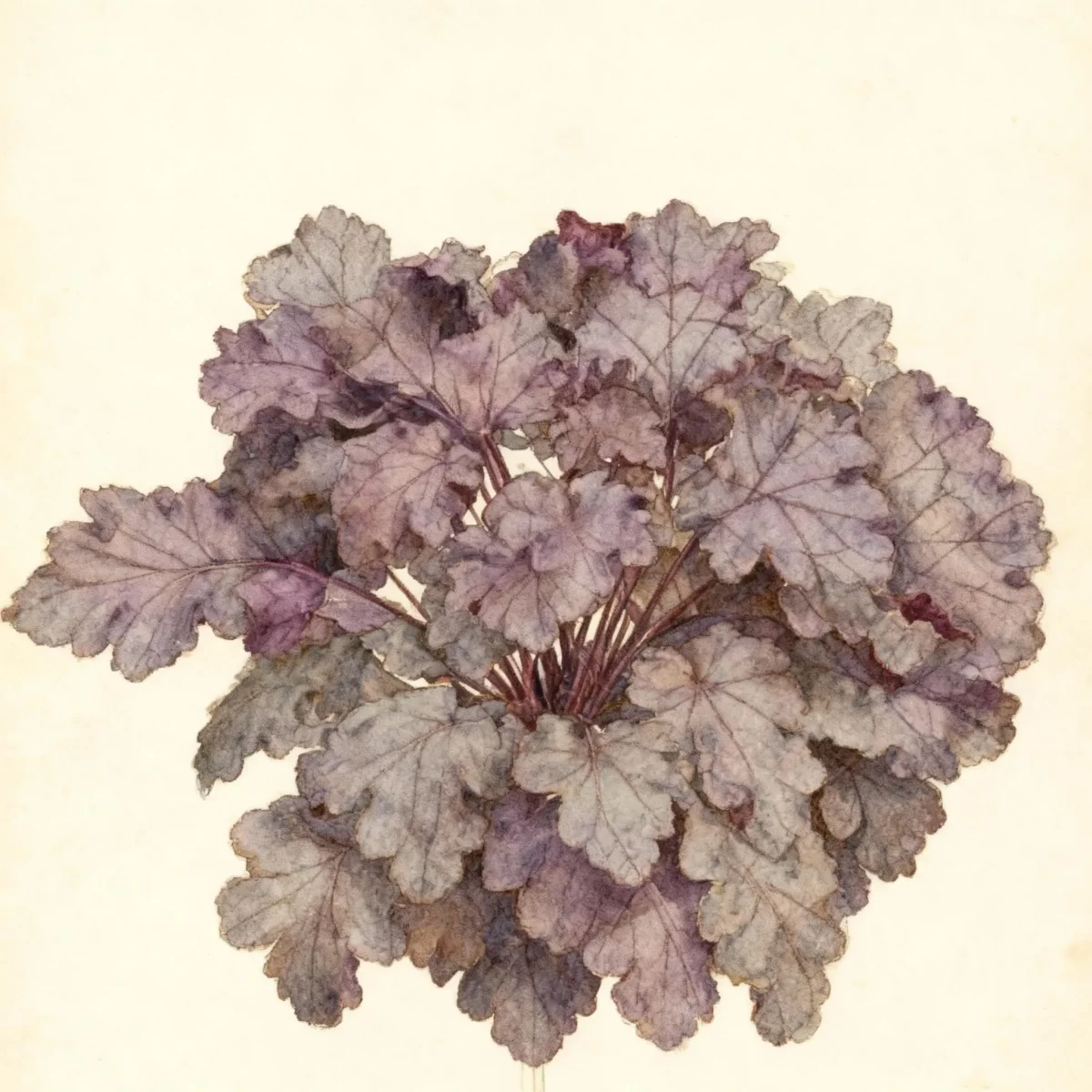
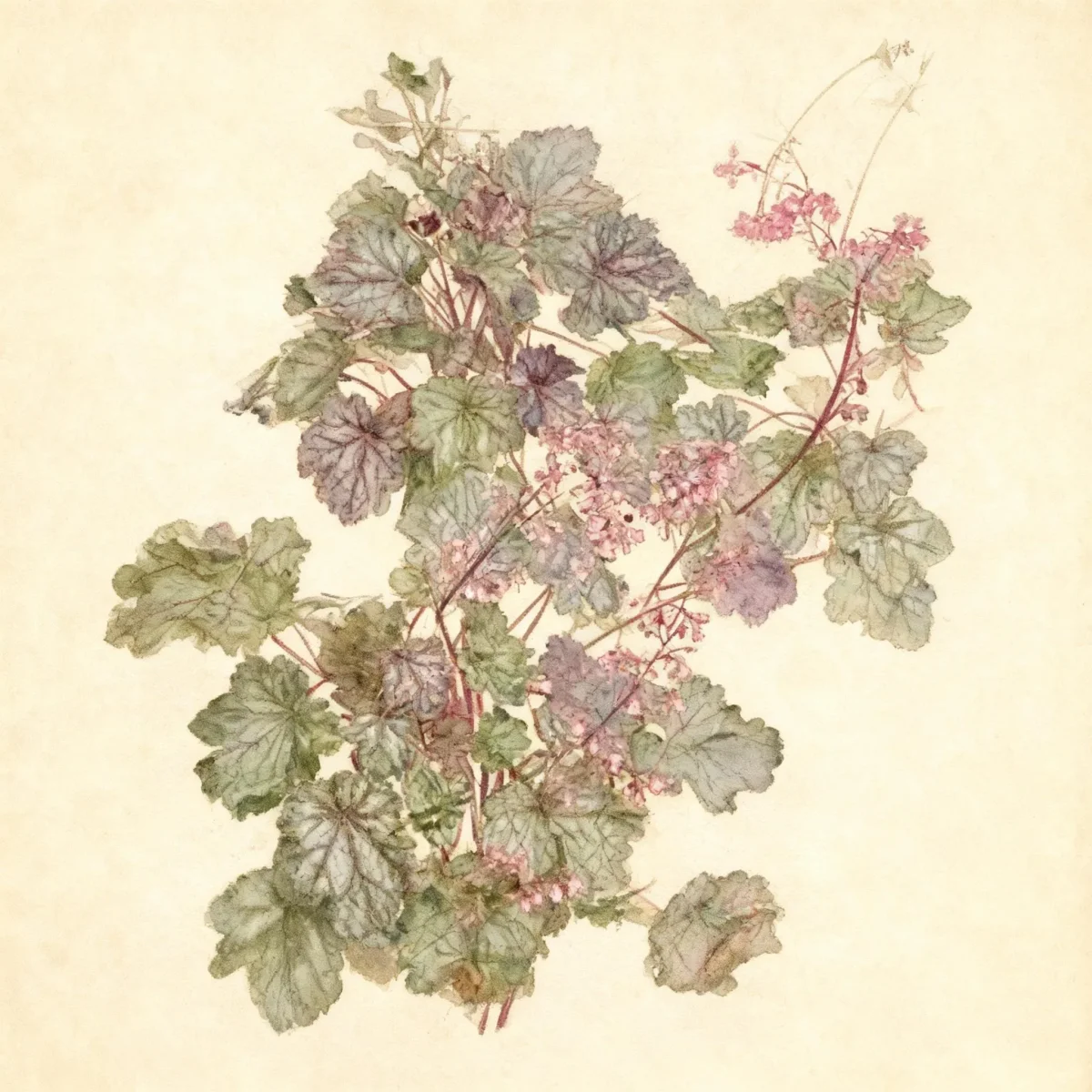
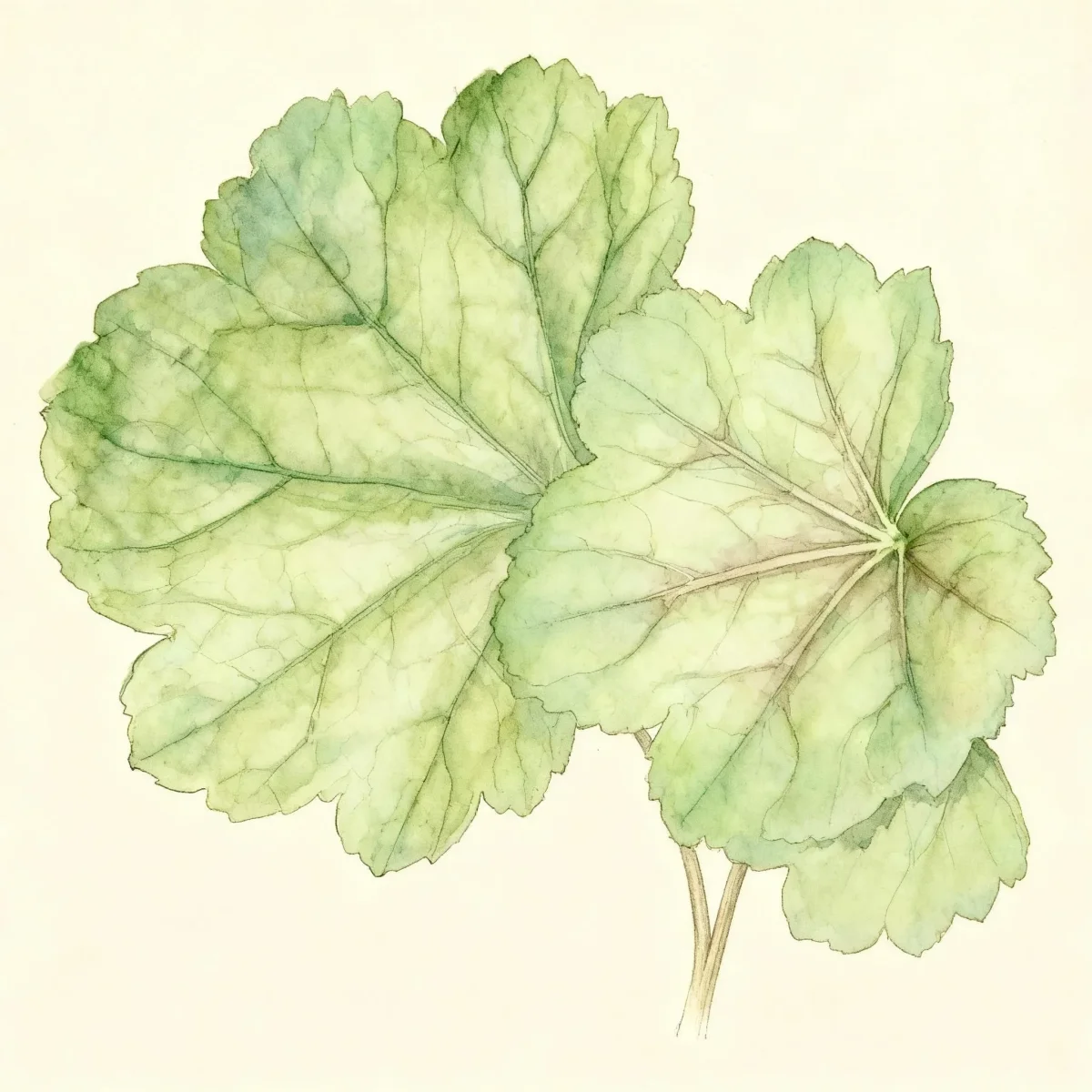
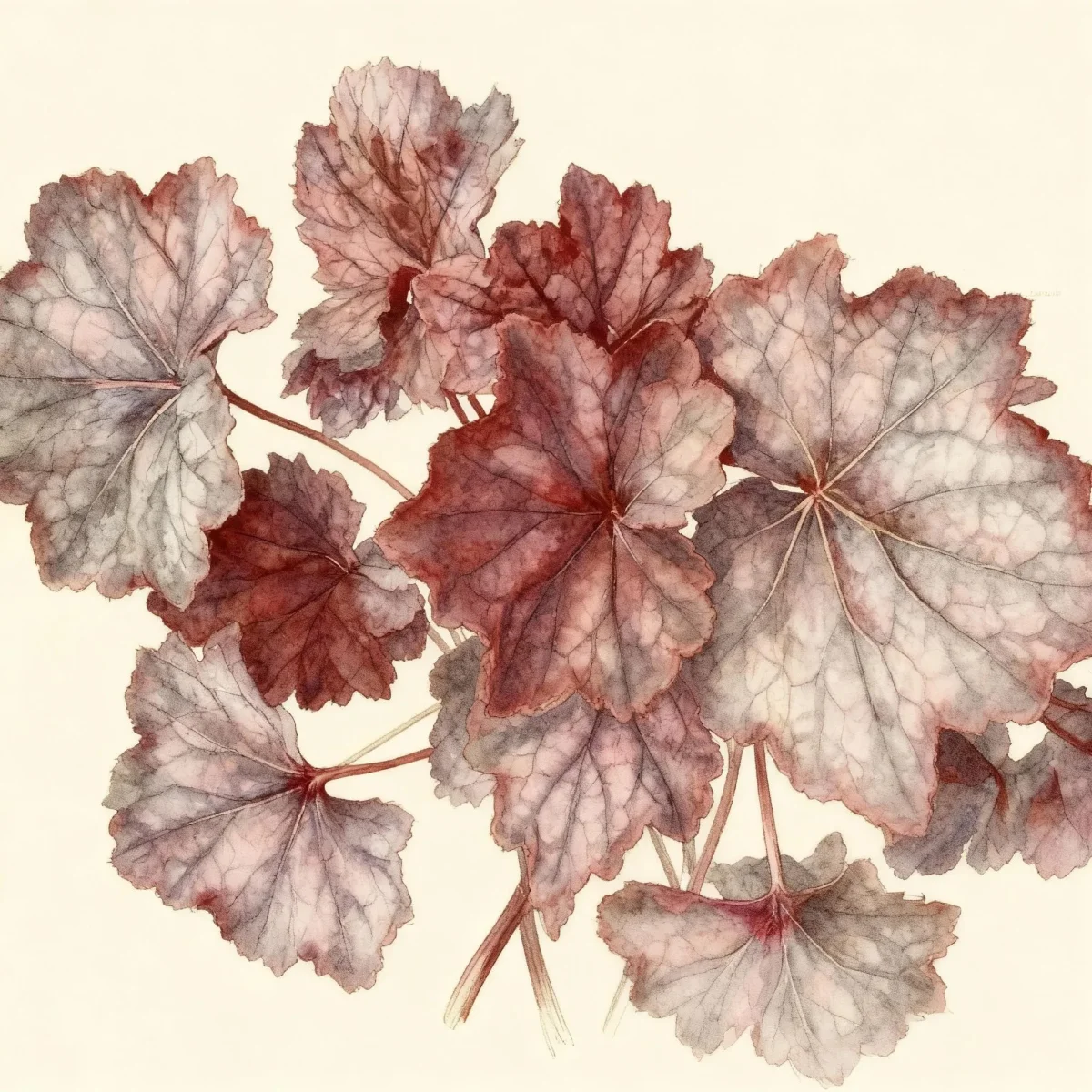
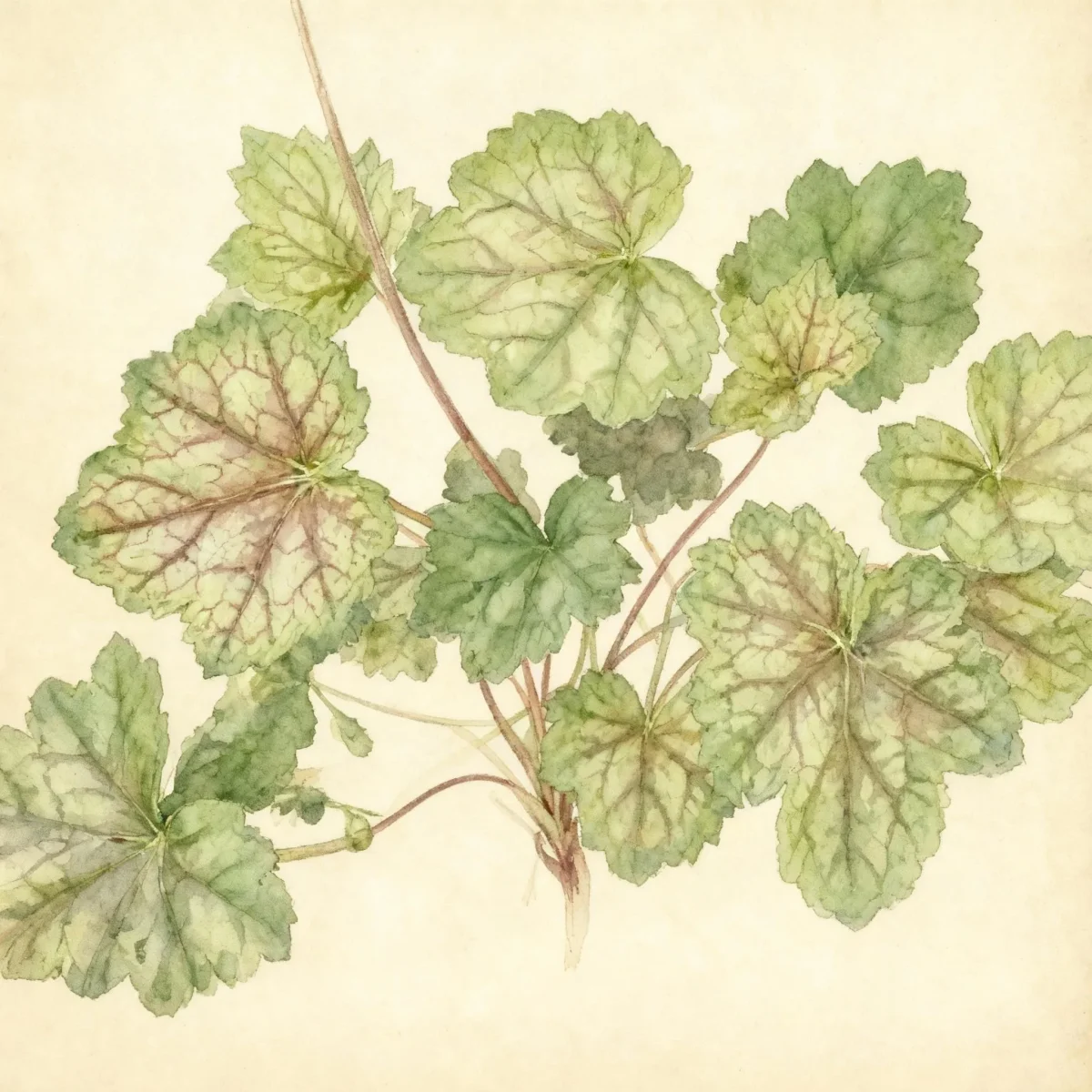
Coral bells (Heuchera sanguinea 'Ruby Bells')
Heuchera sanguinea 'Ruby Bells' offers showy, fragrant ruby red blooms atop mounding foliage. Grow Coral bells in Zones 4-8.
Scroll down to discover growing tips, care requirements, companion plants, and more
Complete Plant Information
Overview
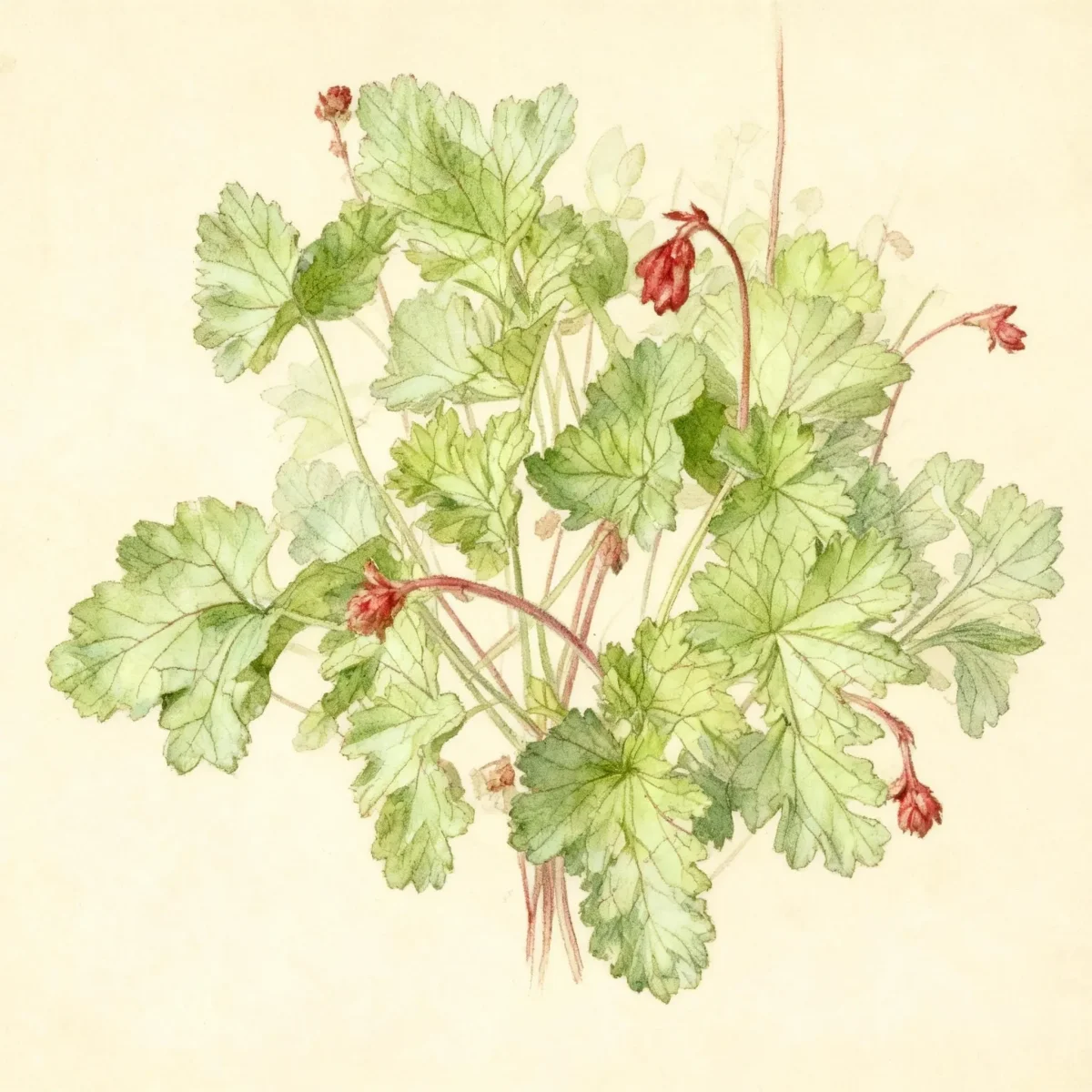
The Heuchera sanguinea ‘Ruby Bells’, commonly known as Coral bells, is celebrated by gardeners for its delicate, yet eye-catching, presentation of color above neat foliage mounds. This herbaceous perennial provides reliable texture and movement in the garden, making it highly versatile in various landscape settings. Its distinguishing feature is the fountain of slender stems topped with nodding, ruby red, bell-shaped flowers starting in late spring.
Native to rocky habitats, Heuchera sanguinea ‘Ruby Bells’ brings a touch of alpine elegance. While primarily grown for its springtime floral display, the foliage maintains interest, often remaining evergreen in milder winter climates. Gardeners value this species for its ability to attract hummingbirds with its sweetly fragrant blossoms.
Proper placement is key to maximizing the performance of your Coral bells. While it tolerates a range of conditions, providing consistent moisture and appropriate light ensures continuous blooming and vibrant foliage color throughout the season. Planning plantings in borders or rock gardens makes the most of the compact, clump-forming habit of Heuchera sanguinea ‘Ruby Bells’.
Fast Facts
- Plant Family: Saxifragaceae
- Plant Type: Herbaceous perennial
- Hardiness Zones: USDA Zones 4-8
- Size at Maturity:
- Height: 1-1.5 ft
- Spread: 1-1.5 ft
- Bloom Time: May to June
- Bloom Description: Ruby red
- Sun Exposure: Full sun to part shade
- Water Needs: Medium
- Maintenance Level: Medium
How to Grow
Plant Heuchera sanguinea ‘Ruby Bells’ during the spring or fall, ensuring it settles into humusy, organically rich, and well-drained soil. Avoid areas where heavy clay accumulates, as poor drainage can lead to root issues. Ideally, select a site that receives full sun in cooler northern regions, but opt for partial afternoon shade in hotter southern climates to prevent leaf scorch.
Consistent moisture is critical, especially if the plant is situated in full sun. Allow the top layer of soil to approach dryness between waterings, but avoid letting the soil dry out completely, as this stresses the foliage. Fertilization is generally unnecessary if the native soil is rich in organic matter.
Maintenance for Coral bells is relatively straightforward. Deadheading spent flower stems encourages prolonged blooming, which can sometimes extend into early fall. In cold winter areas, apply a winter mulch only after the ground has frozen solid to prevent damaging frost heaving of the roots. Clumps should be divided every three to four years in the spring to maintain vigor.
Landscape Uses
Coral bells make exceptional additions to borders, where their medium, mounding habit provides excellent structure against taller perennials. Heuchera sanguinea ‘Ruby Bells’ excels when used as an edging plant along pathways, framing walkways with its delicate flowers and basal foliage. They are also perfectly suited for naturalizing in open woodland gardens or nestled into the crevices of rock gardens where drainage is inherently excellent.
For mass plantings, grouping several Coral bells together creates a powerful visual impact, particularly when their ruby red blooms appear simultaneously in late spring. Furthermore, these versatile plants perform admirably in containers, often utilized on shaded patios or porches to provide long-lasting color and texture throughout the growing season.
Standout Features
Flower Qualities
- Showy
- Fragrant
Noteworthy Characteristics
Heuchera sanguinea, commonly called coral bells, is an herbaceous, clump-forming perennial primarily native to cliffs, hills and alpine areas from New Mexico and Arizona south into northern Mexico. Mature plants typically forms a basal foliage mound to 8-10” tall and 12” wide. Showy, sweetly fragrant, bell-shaped, deep pink to red flowers bloom in open airy panicles atop slender leafless flowering stems rising above the foliage. The flowers are attractive to hummingbirds, and deadheading can extend the bloom period for your Heuchera sanguinea ‘Ruby Bells’.
Tolerances
No specific tolerance data available for this cultivar.
Potential Problems
This selection generally maintains high resistance to serious insect or disease problems under ideal conditions. The primary cultural challenge involves root stability during winter transition; frost heaving of roots may occur when winter temperatures fluctuate widely, especially in soils that are too wet. Ensure sharp drainage and apply winter mulch only after the soil hardens to secure the root zone and minimize this risk.
Frequently Asked Questions
What hardiness zones is Coral bells suitable for?
Heuchera sanguinea ‘Ruby Bells’ is hardy and reliably perennial in USDA Zones 4 through 8.
How large does Coral bells grow?
This variety typically reaches a mature height between 1 and 1.5 feet and spreads to a similar width of 1 to 1.5 feet, forming a neat basal mound.
When does Coral bells bloom?
This cultivar blooms consistently from May into June, offering panicles of rich ruby red flowers.
What sun exposure does Heuchera sanguinea ‘Ruby Bells’ need?
It adapts well to a range of conditions, thriving in full sun to part shade; however, afternoon shade is beneficial in warmer sections of its hardiness range.
Conclusion
Heuchera sanguinea ‘Ruby Bells’ is an invaluable perennial offering elegance through its sweetly fragrant blooms and reliable clumping growth habit. Cultivating these Coral bells provides reliable color and textural contrast suitable for diverse garden applications, from sunny borders to shaded rockeries. Before planting, confirm your environment falls within USDA Zones 4-8 and prepare soil with plenty of organic matter to ensure a successful, low-stress growing season.
Companion Planting
Selecting companions that share similar cultural needs, particularly concerning moisture and light, is vital for thriving Coral bells. In partial shade areas, consider pairing Heuchera sanguinea ‘Ruby Bells’ with shade-loving ferns, Hosta varieties that offer contrasting leaf texture, or white-flowering Astilbe for a layered woodland look. These companions will complement the upright flower spikes without competing aggressively for root space.
For sunny, well-drained spots where you need high performance, try combining the Heuchera with low-growing Sedums or Thyme spilling over the edge of a rockery. The medium moisture needs of the Coral bells mean that drought-tolerant plants nearby should be placed carefully, ensuring the Heuchera receives adequate supplemental water when necessary, especially during hot, dry spells.
Wildlife Benefits
The distinctive, bell-shaped flowers of Heuchera sanguinea ‘Ruby Bells’ are specifically configured to attract nectar-seeking visitors. The bloom color and shape make a strong appeal to hummingbirds, which are often key pollinators for this species. Gardeners can increase local wildlife activity by planting drifts of these flowers where they can easily spot them.
While the flowers provide direct avian interest, the basal foliage mound also offers excellent low cover for small beneficial insects and ground-dwelling fauna throughout the season. Maintaining a consistent landscape presence with Coral bells ensures a reliable food source over several weeks during the late spring and early summer transition.