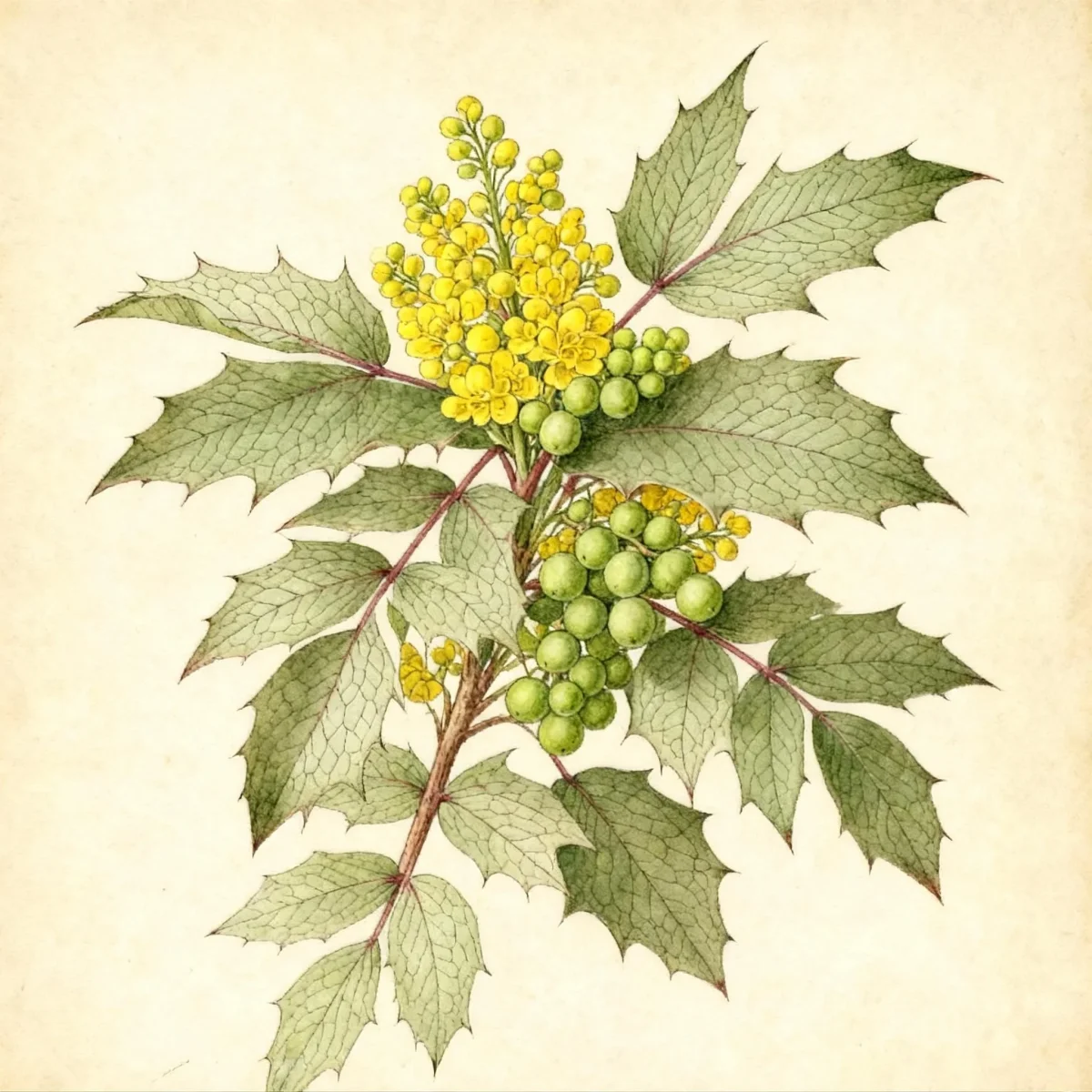
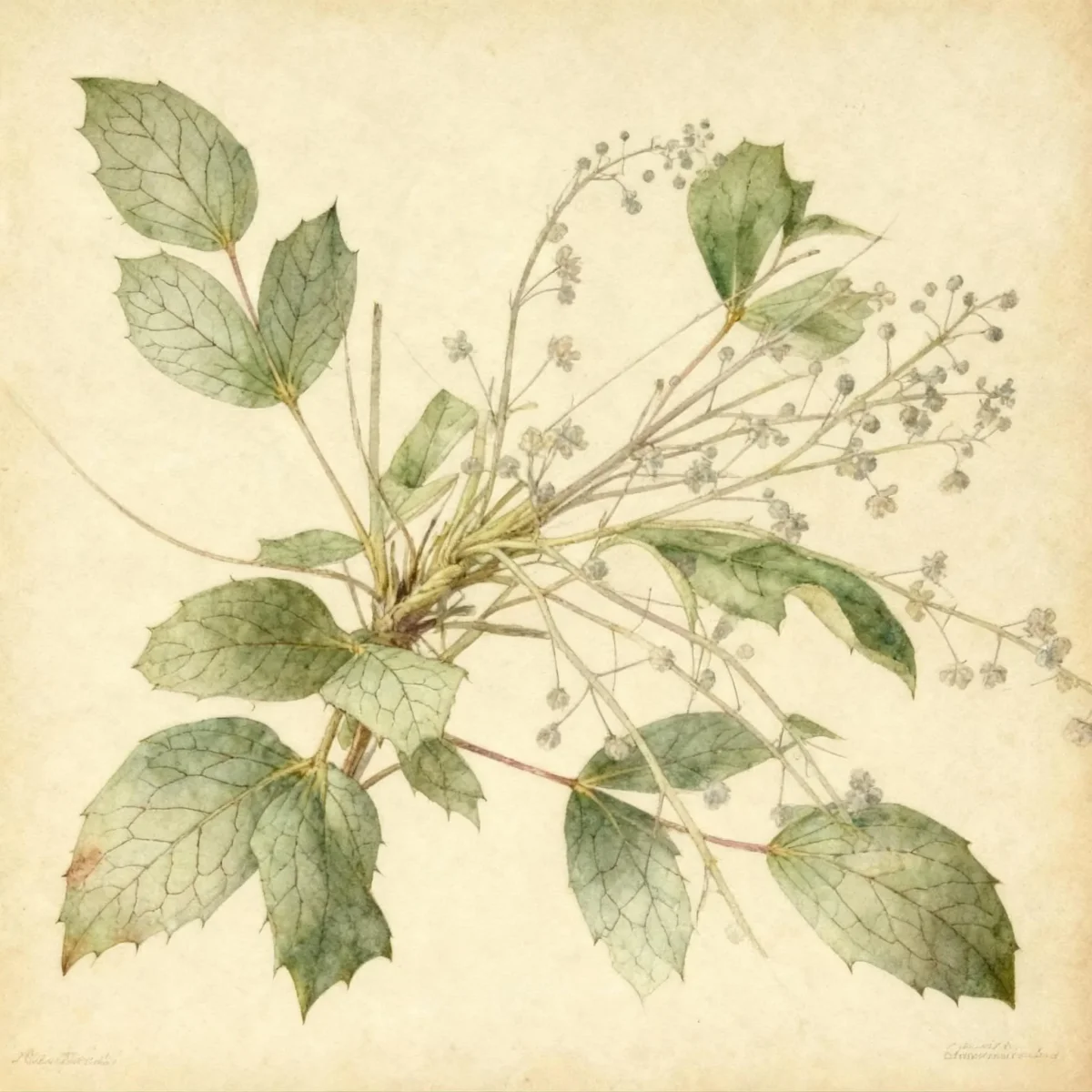
May-apple (Podophyllum 'Spotty Dotty')
Discover Podophyllum 'Spotty Dotty', a striking perennial May-apple known for its uniquely spotted foliage and hidden maroon blooms.
Scroll down to discover growing tips, care requirements, companion plants, and more
Complete Plant Information
Overview
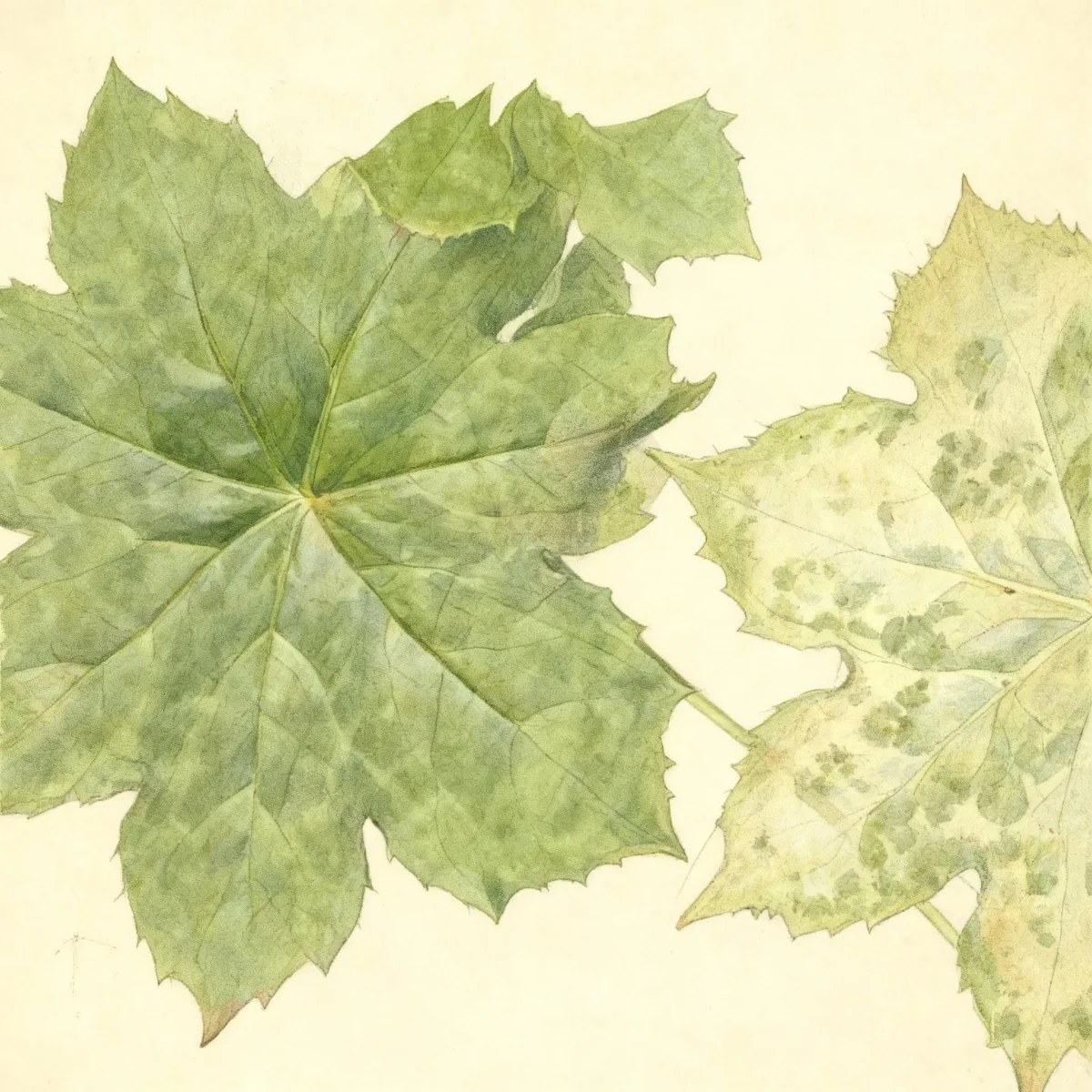
Podophyllum ‘Spotty Dotty’ is a highly distinctive herbaceous perennial, prized by shade gardeners for its unique, mottled foliage. This cultivar of May-apple offers a striking visual element beginning in spring when its chartreuse leaves emerge splashed with brown spots, evolving into green with lighter spotting throughout summer. Growing typically between one and one-and-a-half feet tall, Podophyllum ‘Spotty Dotty’ creates a lovely groundcover effect through slow rhizomatous spread. While its maroon red flowers bloom hidden beneath the dramatic leaves in spring, the combination of unusual leaf texture and nodding blooms makes this May-apple a rewarding addition to dark garden areas.
Fast Facts
- Plant Family: Berberidaceae
- Plant Type: Herbaceous perennial
- Hardiness Zones: USDA Zones 6-9
- Size at Maturity:
- Height: 1-1.5 ft
- Spread: 0.75-1 ft
- Bloom Time: April to May
- Bloom Description: Maroon red
- Sun Exposure: Part shade to full shade
- Water Needs: Medium
- Maintenance Level: Medium
How to Grow
The best time to establish Podophyllum ‘Spotty Dotty’ is when dormant, ensuring you plant it in a location that mimics its preferred natural habitat. This May-apple thrives in average, well-drained soils, ideally rich, moist, and slightly acidic with plenty of humus. Ensure consistent and even moisture, especially during the growing season; allowing the soil to dry out may cause the plant to enter summer dormancy prematurely. While maintenance is rated medium, this perennial generally requires little intervention beyond watering. Protect emerging spring shoots from late hard frosts, as these can damage the delicate foliage.
These rhizomatous perennials spread slowly to form colonies, offering excellent low-maintenance coverage once established. Avoid overly dry conditions, as this is the primary stressor for May-apple varieties. Although reproduction is often done via commercial tissue culture, the plants will naturally increase their footprint underground over time, creating dense patches of their ornamental foliage.
Landscape Uses
The unique, umbrella-like foliage of Podophyllum ‘Spotty Dotty’ makes it an essential component for deep shade plantings where color and texture are needed. It performs admirably in sunny areas of borders that receive dappled light or in rock gardens where soil pockets retain consistent moisture. Consider placing this May-apple in woodland garden settings or cottage gardens to enhance the textural contrast against ferns or hostas. Since the magnificent spring flowers are nodding and hidden beneath the leaves, focus on pairing Podophyllum ‘Spotty Dotty’ with groundcovers that offer bright blooms at ground level during the same period.
Standout Features
Flower Qualities
- Showy
Fruit Qualities
- Showy
Noteworthy Characteristics
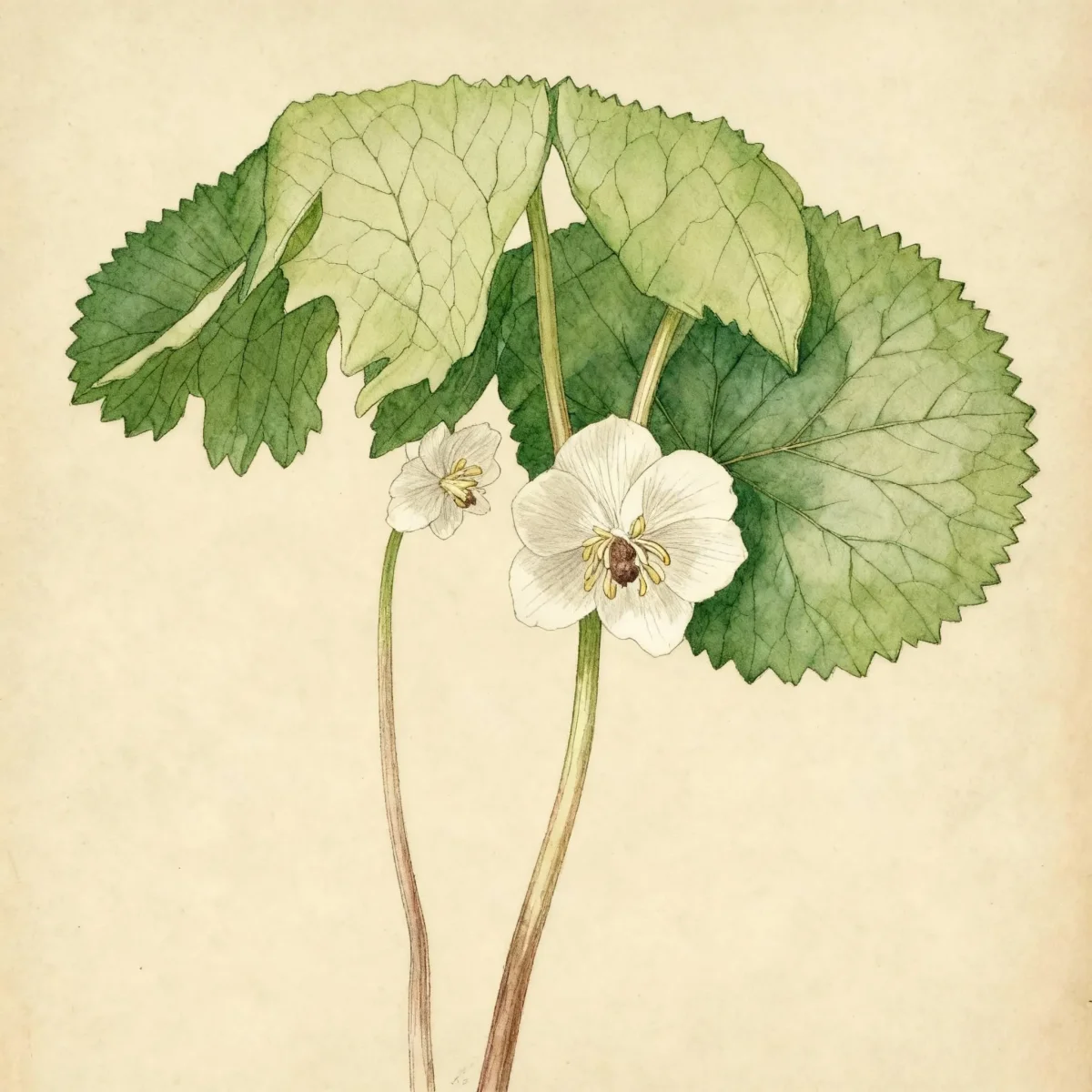
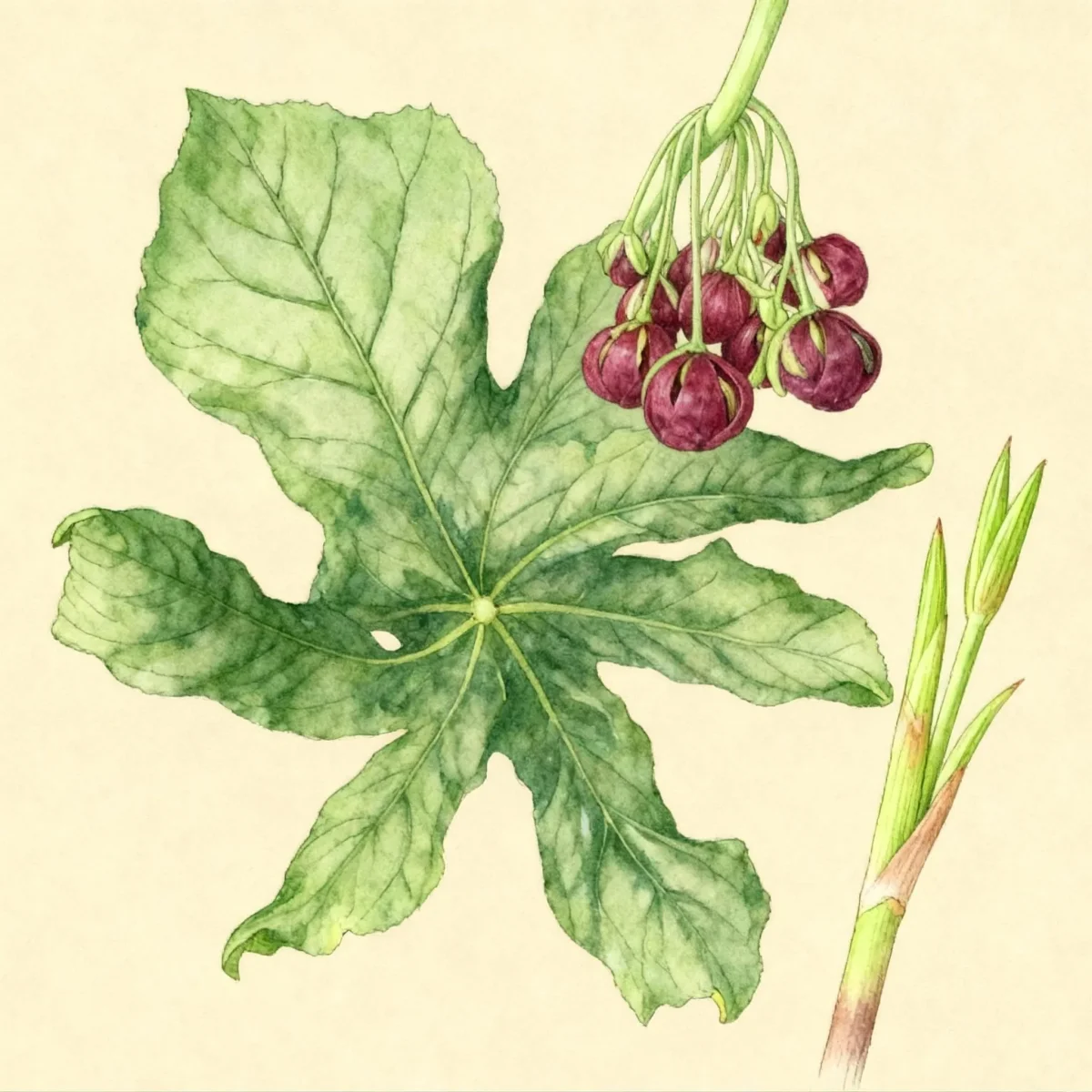
Podophyllum ‘Spotty Dotty’ is a rhizomatous perennial distinguished by its unusual spotted leaves, typically growing 12-18” tall. Each stem is crowned by one or two large, palmately-lobed leaves that emerge chartreuse with brown spotting before maturing to green with lighter spots. Two-leaved plants produce nodding, star-shaped, maroon red flowers hidden beneath the canopy, which may develop into green, spherical mayapple fruits.
Tolerances
- Protect from spring frosts
Potential Problems
This May-apple generally exhibits remarkable resistance to most common pests and diseases, making it a reliable choice for low-input gardening. The primary concern stems from its culture requirements: susceptible to root rot if planted in poorly drained soils, always amend heavy clay heavily with organic matter. Gardeners must also remain mindful of spring frosts, which can severely damage the newly emerging foliage early in the season.
Frequently Asked Questions
What hardiness zones is May-apple suitable for?
This perennial, Podophyllum ‘Spotty Dotty’, is reliably hardy in USDA Zones 6 through 9, provided cultural needs regarding moisture and shade are met.
How large does Podophyllum ‘Spotty Dotty’ grow?
At maturity, this May-apple typically reaches a height between 1 and 1.5 feet, with a spread of approximately 0.75 to 1 foot wide.
When does May-apple bloom?
The spectacular flowers of Podophyllum ‘Spotty Dotty’ bloom relatively early, generally appearing from April to May, exhibiting a nodding, maroon red color just beneath the emerging leaves.
What sun exposure does May-apple need?
Ideal placement for this plant is in areas receiving part shade to full shade, replicating the filtered light conditions often found on the forest floor.
Conclusion
For gardeners seeking unique texture and reliable shade performance, Podophyllum ‘Spotty Dotty’ is an excellent cultivar to incorporate into woodland or border designs. The mottled foliage of this May-apple provides season-long interest beyond its brief but beautiful spring bloom. Before planting, confirm your site offers rich, consistently moist, well-drained soil within USDA Hardiness Zones 6 to 9.
Companion Planting
When designing a shaded border featuring Podophyllum ‘Spotty Dotty’, select companions that complement its moisture requirements and vertical structure. Shade-loving ferns, such as Japanese Painted Ferns or Ostrich Ferns, pair wonderfully, offering diverse textures alongside the large, umbrella-shaped leaves of the May-apple. Hostas with deep green or blue foliage create a solid backdrop, allowing the spotted pattern of the Podophyllum to stand out prominently in the understory planting scheme.
Seasonal Care Calendar
Early Spring: This is the critical time to protect new growth. Monitor forecasts and be ready to cover emerging shoots if hard frost is predicted after the bloom period begins in April. Ensure the soil is damp prior to leaf emergence.
Late Spring/Early Summer: Focus on maintaining even moisture levels, especially if you experience dry spells while the foliage is fully expanded. Deadheading spent flowers is generally unnecessary, as the ornamental value lies primarily in the leaves and fruit, not the discrete blooms.
Late Summer/Autumn: If soils dry significantly, the May-apple may go dormant, appearing to die back completely. If this occurs, reduce watering until spring growth resumes. The rhizomes are durable and will survive dormancy provided the soil drains well.