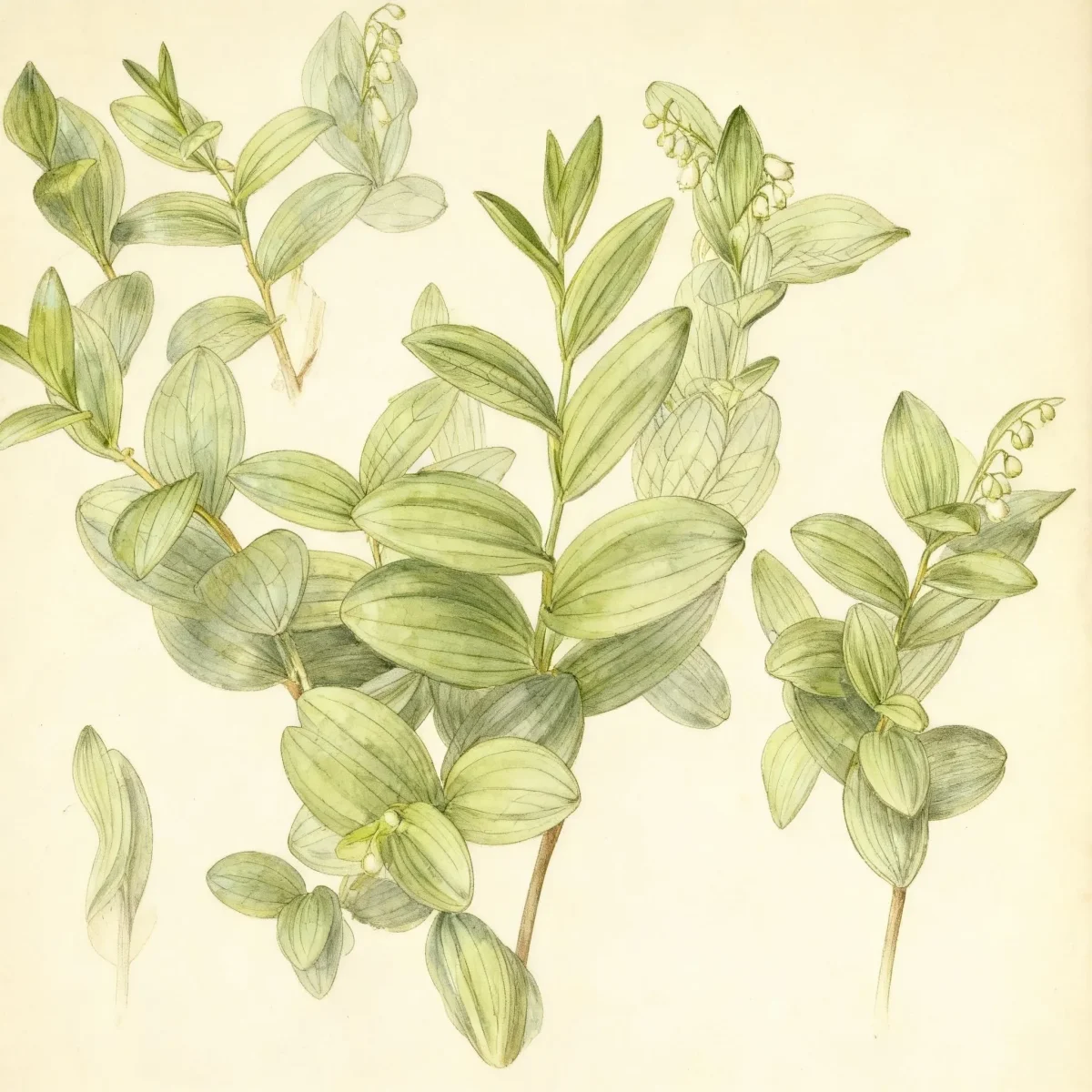
Solomon's seal (Polygonatum odoratum var. pluriflorum 'Variegatum')
Polygonatum odoratum var. pluriflorum 'Variegatum' (Solomon's seal) offers showy, fragrant spring blooms and striking variegated foliage. Low maintenance.
Scroll down to discover growing tips, care requirements, companion plants, and more
Complete Plant Information
Overview
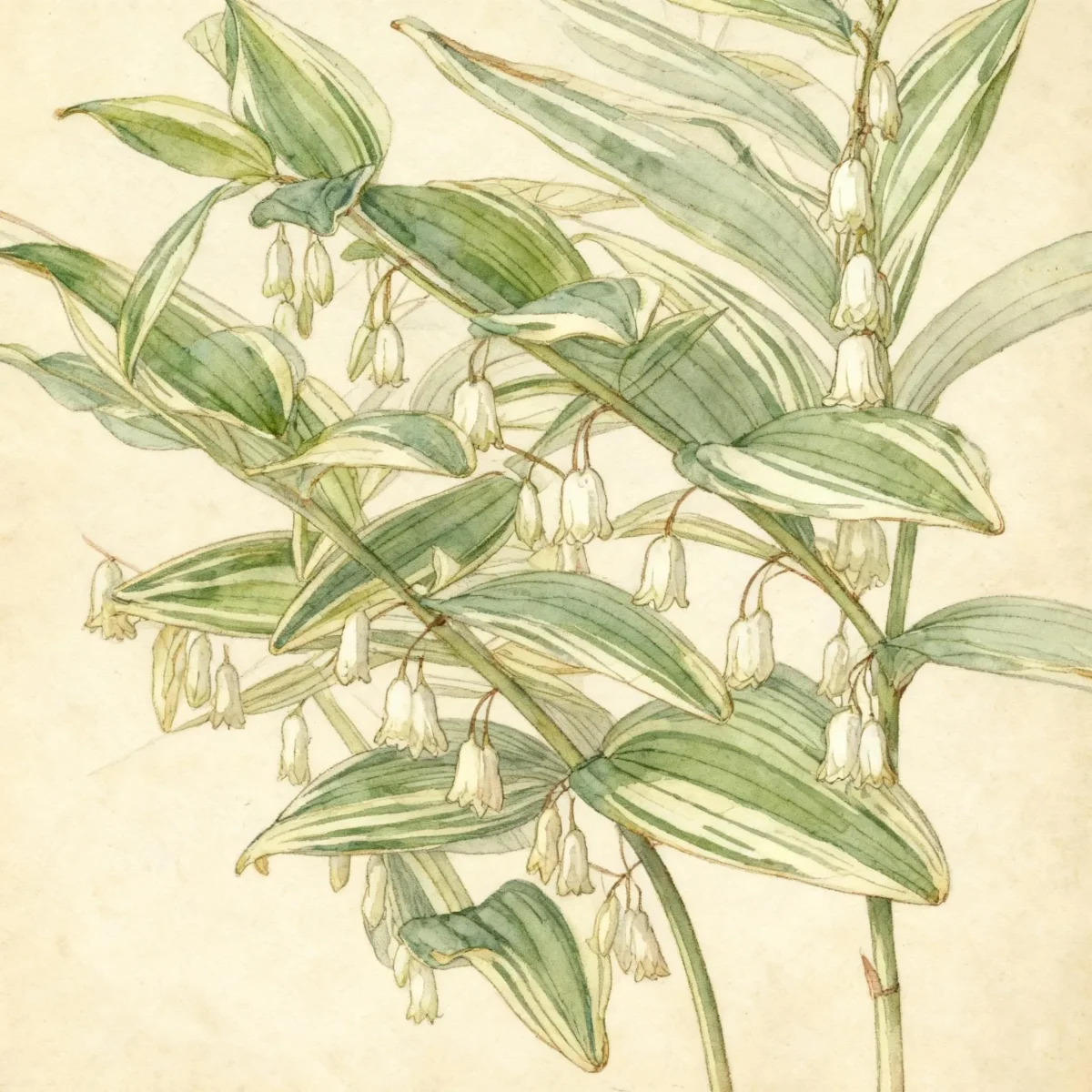
Polygonatum odoratum var. pluriflorum ‘Variegatum’ is a highly prized herbaceous perennial valued for its elegant, arching stems and captivating foliage. This cultivar of Solomon’s seal stands out due to its light green leaves visibly edged with contrasting white variegation, making it a superior ornamental for shady spaces throughout the growing season. It was recognized as the Perennial Plant Association’s 2013 Perennial Plant of the Year for its exceptional garden presence.
This species, often simply called Solomon’s seal, thrives in cool, sheltered environments, gracefully displaying greenish-white, fragrant flowers drooping beneath the stems in spring. The plant spreads slowly via rhizomes to form attractive, uniform colonies once established in optimal conditions. Gardeners appreciate Polygonatum odoratum var. Pluriflorum ‘Variegatum’ for its low maintenance requirements and ability to add vertical interest where many other plants struggle.
The structure of the plant, with its distinctly angled stems rising from the ground, provides a unique architectural element in shade gardens. As the season progresses, the foliage often finishes with a pleasant yellow fall color, ensuring visual appeal until dormancy. Consider this striking Solomon’s seal variety for adding year-round structure and brightness to dark corners.
Fast Facts
- Plant Family: Asparagaceae
- Plant Type: Herbaceous perennial
- Hardiness Zones: USDA Zones 3-8
- Size at Maturity:
- Height: 2-3 ft
- Spread: 0.75-1 ft
- Bloom Time: April to May
- Bloom Description: White
- Sun Exposure: Part shade to full shade
- Water Needs: Medium to wet
- Maintenance Level: Low
How to Grow
Planting Polygonatum odoratum var. pluriflorum ‘Variegatum’ is best done in spring or fall when soil conditions are moderate. Position this Solomon’s seal in soil that is moist, humusy, and organically rich, ensuring it remains well-drained despite its preference for moisture. Although it tolerates dry spells once established, its best performance occurs in cool, sun-dappled locations, as it dislikes intense summer heat.
Water requirements are medium to wet, particularly during establishment or during dry summer periods; consistency is key to maintaining its lush look. Fertilizing is rarely necessary if the soil is amended with plenty of organic matter, such as compost, annually. Pruning is minimal; typically, only old leaves should be cut back once they have yellowed completely in the fall or early spring.
The slow rhizomatous spread of the Polygonatum odoratum var. pluriflorum ‘Variegatum’ means it may take a few seasons to fully populate an area. If division is desired, this can be done gently in early spring or fall when the plant is dormant and you can clearly see the jointed rhizomes. Keep new plantings consistently moist until they show active, vigorous growth.
Landscape Uses
The distinctive, arching habit of Solomon’s seal makes it invaluable for woodland gardens, where it mimics natural forest floor growth patterns. Its variegated foliage provides essential contrast against solid green shade perennials, brightening up deeply shaded borders and rock gardens border fronts. This plant excels in naturalizing large areas beneath mature trees where overhead canopy limits light penetration.
For functional landscaping, Polygonatum odoratum var. pluriflorum ‘Variegatum’ is highly effective in rain garden designs due to its tolerance for wet soil conditions. It pairs beautifully with other moisture-loving shade companions such as hostas, ferns, and bleeding hearts, creating layers of texture. Furthermore, the arching stems packed with variegated leaves are attractive when cut for use in informal, shady flower arrangements indoors.
Standout Features
Flower Qualities
- Showy
- Fragrant
Noteworthy Characteristics
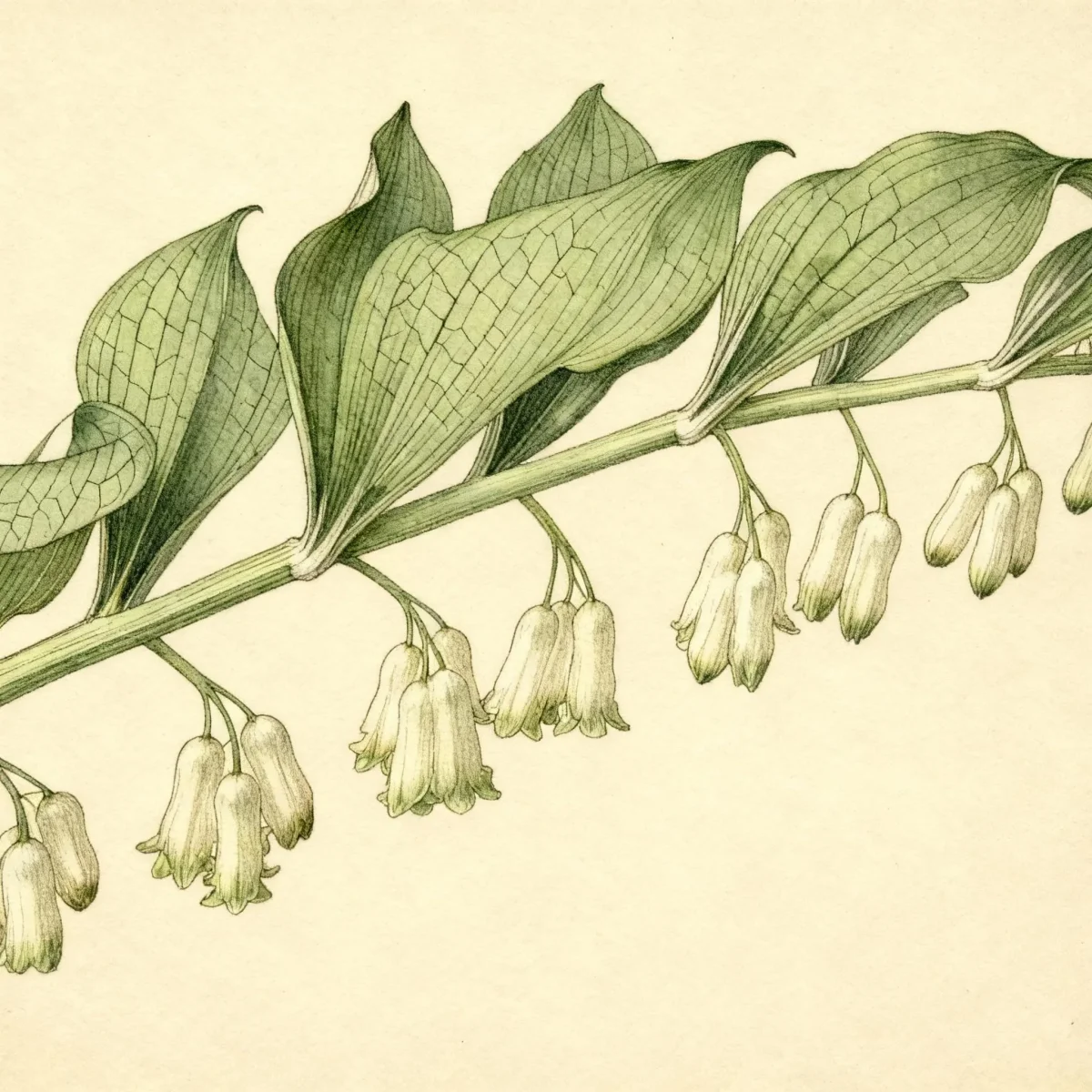
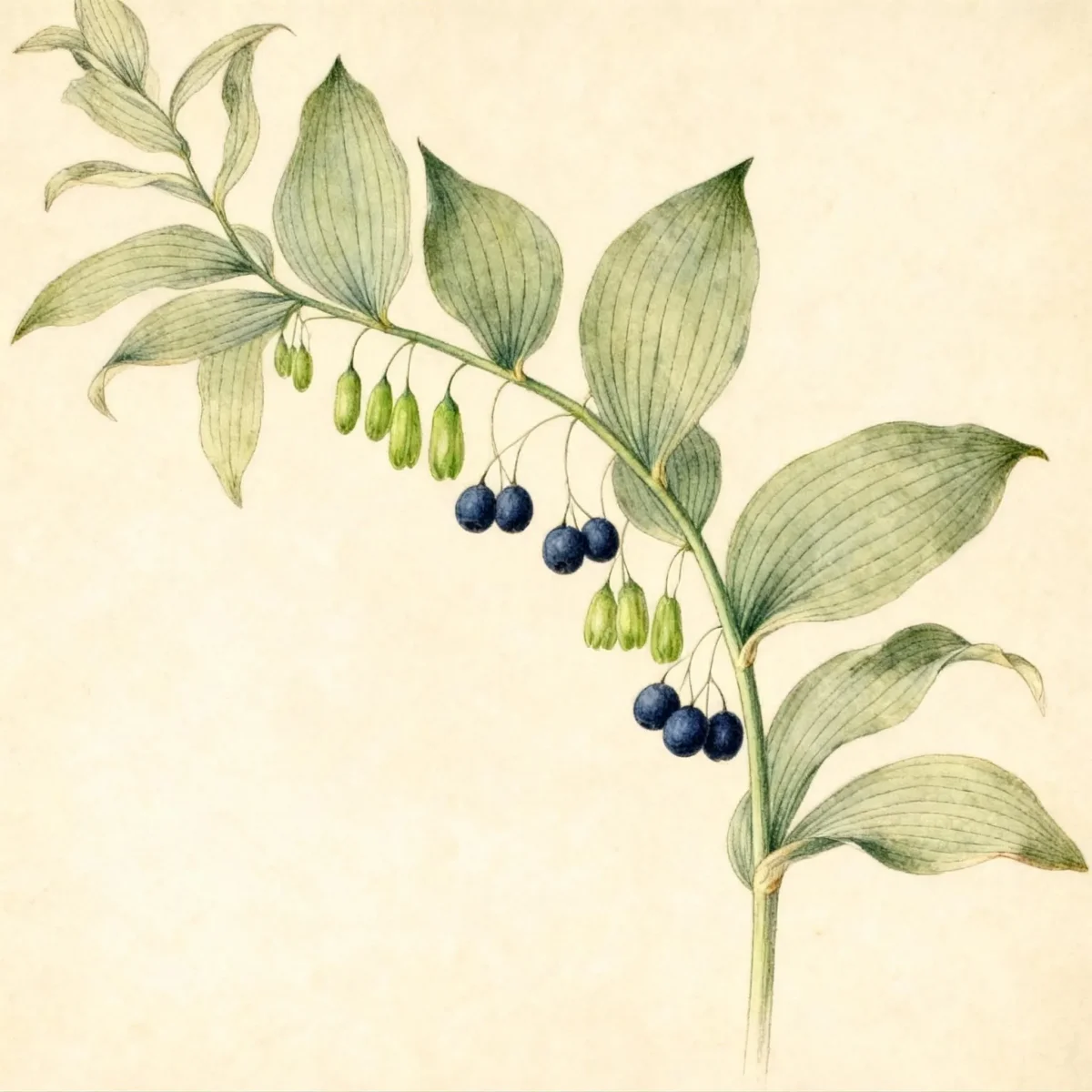
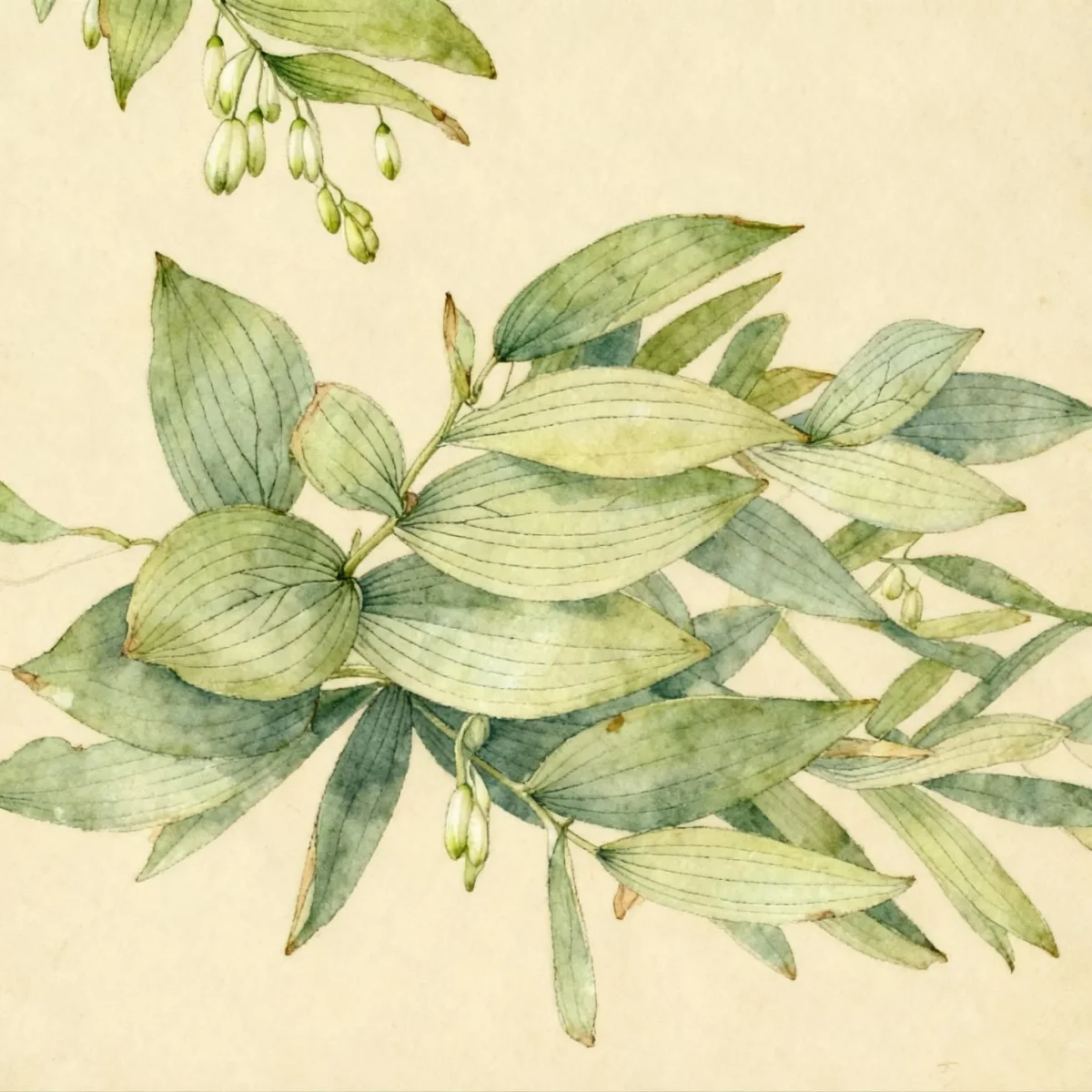
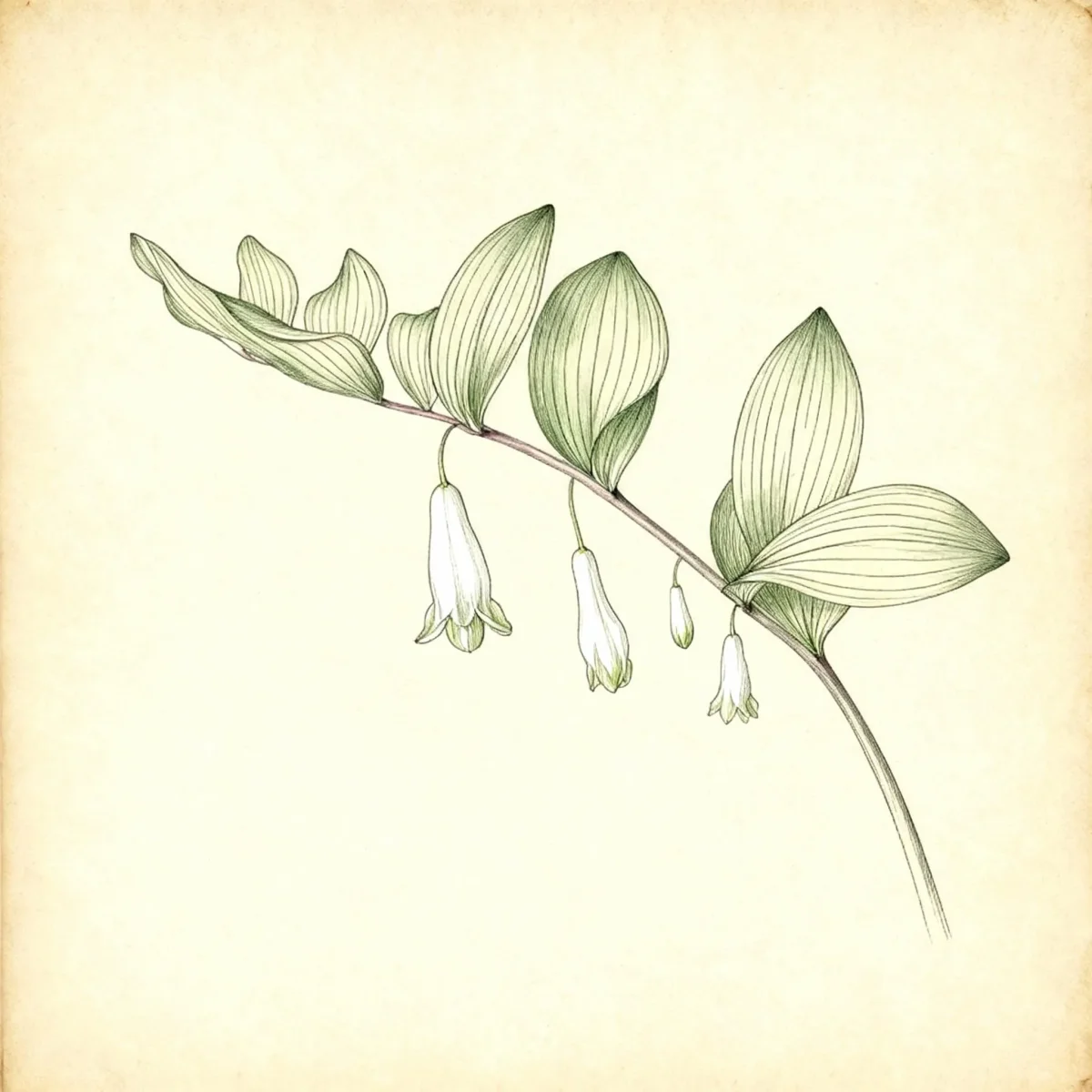
Polygonatum odoratum, commonly called fragrant Solomon’s seal, is a rhizomatous, shade-loving perennial that typically grows to 18-24” tall on low, gracefully arching, angled (as opposed to cylindrical), unbranched stems. Each stem rises singly from the rhizome clad with alternate, upright leaves that turn an attractive yellow in fall. Greenish-white tubular flowers droop from the leaf axils along and beneath the arching stems, possessing a sweet, lily-like fragrance. The cultivar ‘Variegatum’ is a popular choice, featuring showy light green leaves edged with white, establishing it as a superior foliage ornamental for shady garden areas.
Tolerances
- Drought
- Heavy Shade
- Erosion
- Dry Soil
- Wet Soil
Potential Problems
This plant generally experiences no serious insect or disease issues, making the Polygonatum odoratum var. pluriflorum ‘Variegatum’ an easy addition to the garden. Occasionally, common garden pests like slugs, snails, weevils, or sawflies might appear, so regular inspection, especially of new growth, is recommended. Management usually involves hand removal or organic baits for mollusks. Be aware that all parts of this Solomon’s seal contain saponins and can cause mild discomfort if ingested by humans or pets. Leaf spot and rust are infrequent fungal concerns that can sometimes appear but rarely cause significant damage.
Frequently Asked Questions
What hardiness zones is Solomon’s seal suitable for?
Polygonatum odoratum var. pluriflorum ‘Variegatum’ is suitable for USDA Hardiness Zones 3 through 8.
How large does Solomon’s seal grow?
This herbaceous perennial typically reaches a height between 2 and 3 feet, with a spread of 0.75 to 1 foot, forming moderate colonies over time.
What sun exposure does Polygonatum odoratum var. pluriflorum ‘Variegatum’ need?
This species prefers part shade to full shade; ensure it receives protection from intense afternoon sun, especially in hotter climates.
When does Solomon’s seal bloom?
The fragrant, white flowers of this Solomon’s seal bloom reliably in the spring, generally appearing from April to May.
Conclusion
The striking foliage and delicate, sweet-smelling blooms solidify Polygonatum odoratum var. pluriflorum ‘Variegatum’ as an essential component for any effective shade garden design. This Solomon’s seal offers exceptional low-maintenance beauty, thriving in various moist soil conditions. Before planting, confirm that your site falls within USDA Zones 3-8 and provides the necessary part shade environment to enjoy this 2013 Perennial Plant of the Year.
Companion Planting for Shade Gardens
When integrating the variegated Solomon’s seal into your landscape, consider companions that mirror its preference for moist, well-drained, humus-rich soil and low light. Ferns, such as the Japanese Painted Fern or Autumn Fern, offer complementary textural contrasts without competing for resources. Hostas planted nearby will amplify the effect of variegated foliage—choose varieties with blue or deep green leaves to make the white margins of the Polygonatum odoratum var. pluriflorum ‘Variegatum’ truly pop.
For color contrast in early spring and early summer, plant early-flowering bulbs like snowdrops (Galanthus) or species tulips that can bloom before the Solomon’s seal foliage matures. As the season progresses, Hellebores (Lenten Rose) provide long-lasting interest near the base of the arching stems. These companions allow the structural beauty of the Polygonatum to shine through, providing a cohesive, multi-layered shade tapestry.
Propagation Tips for Rhizome Division
The easiest way to increase your stock of this stunning Solomon’s seal is through division of its thin rhizomes, which is best done outside the active growing window. Wait until the foliage has died back in late fall or very early spring before disturbing the clump. Gently lift sections of the colony, ensuring that each separated piece has at least two or three healthy growth nodes attached to a substantial portion of the rhizome.
Plant the divided sections immediately at the same depth they were previously growing—the top of the rhizome should be just beneath the soil surface. Keep the newly transplanted sections consistently moist for several weeks to encourage rapid root re-establishment. While these cuttings might appear smaller initially, they will return to the majestic 2-3 foot height of the parent Polygonatum odoratum var. pluriflorum ‘Variegatum’ within two seasons.