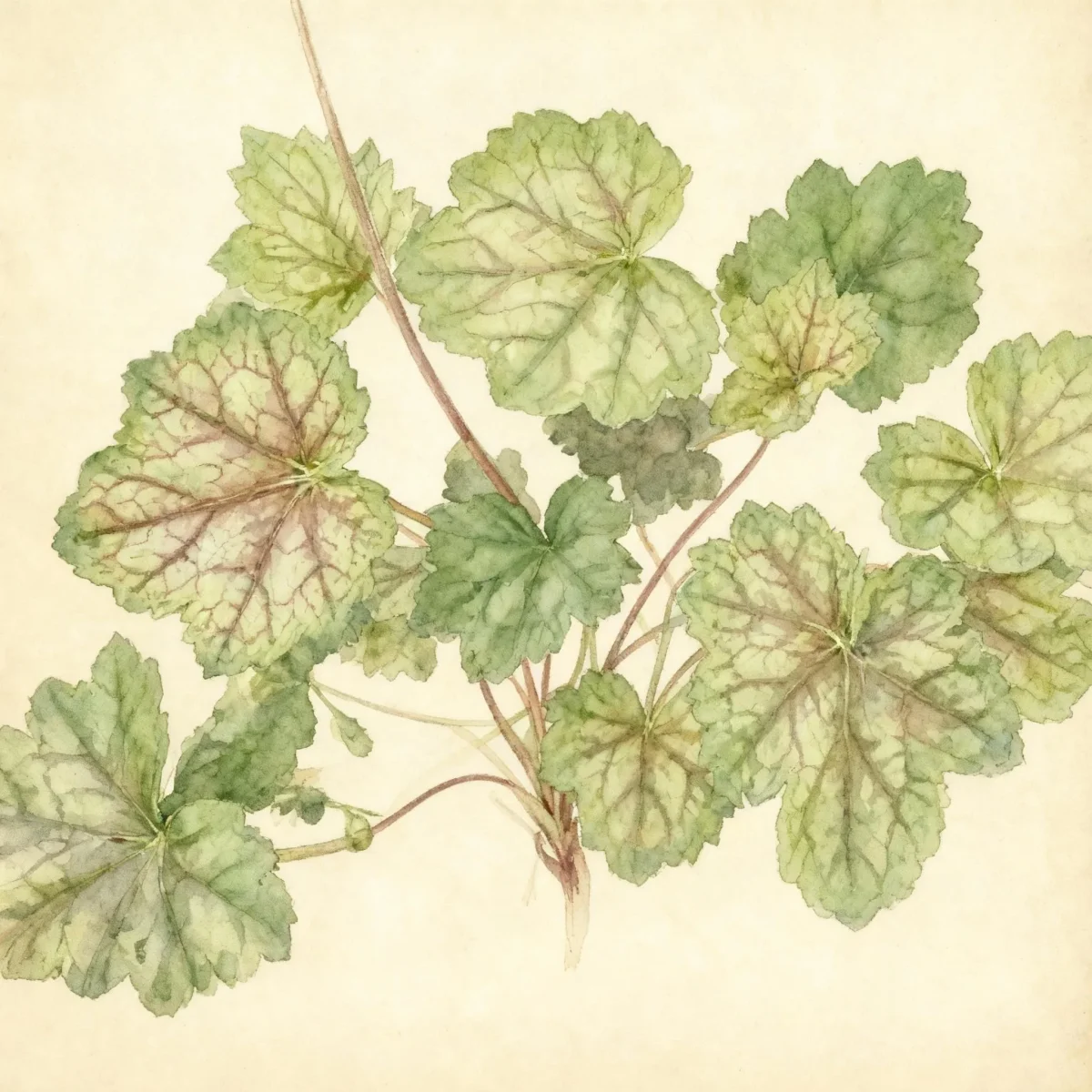
Coral bells (Heuchera sanguinea 'Splendens')
Heuchera sanguinea 'Splendens' (Coral bells) offers scarlet red summer flowers and is a medium-maintenance perennial for Zones 5-9.
Scroll down to discover growing tips, care requirements, companion plants, and more
Complete Plant Information
Overview
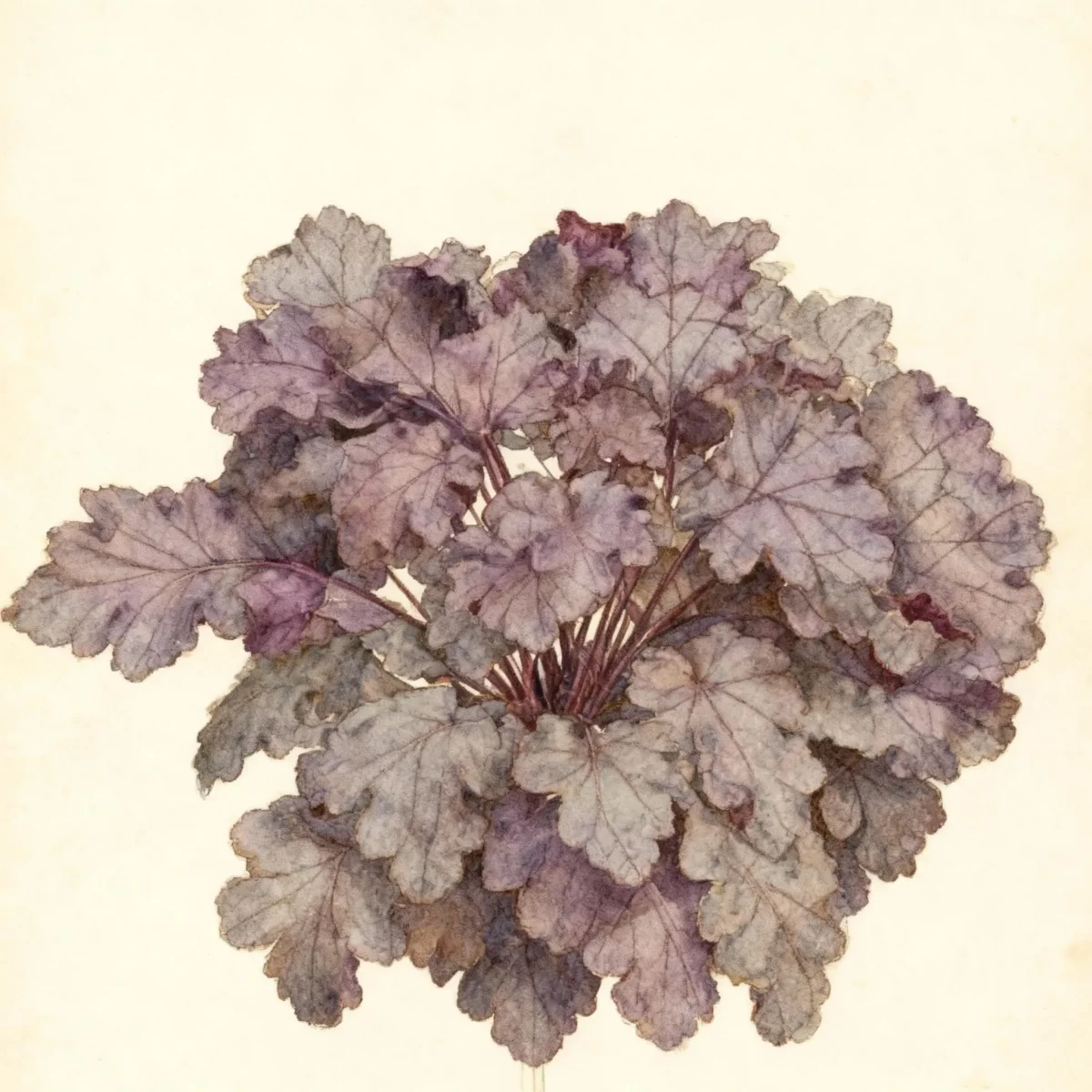
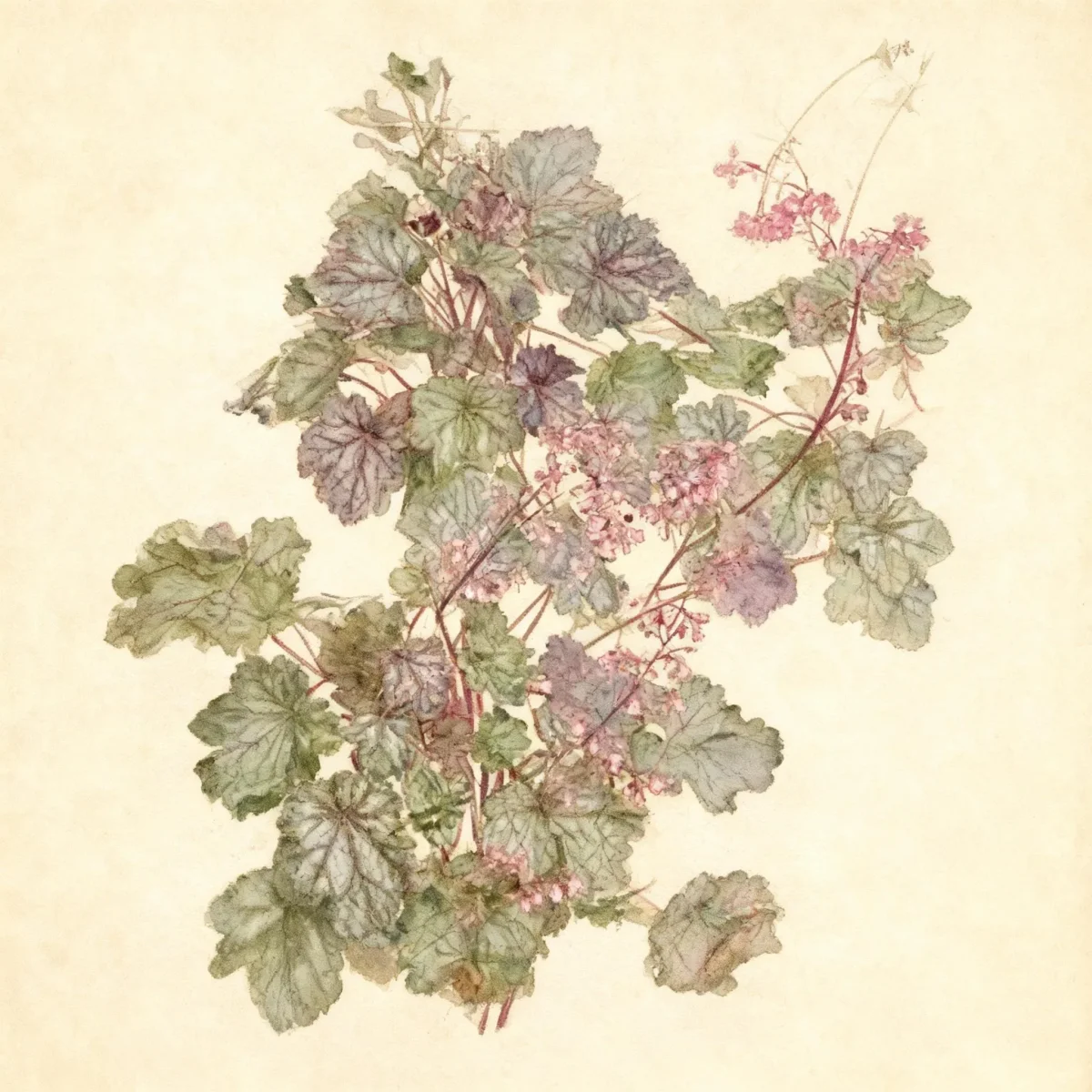
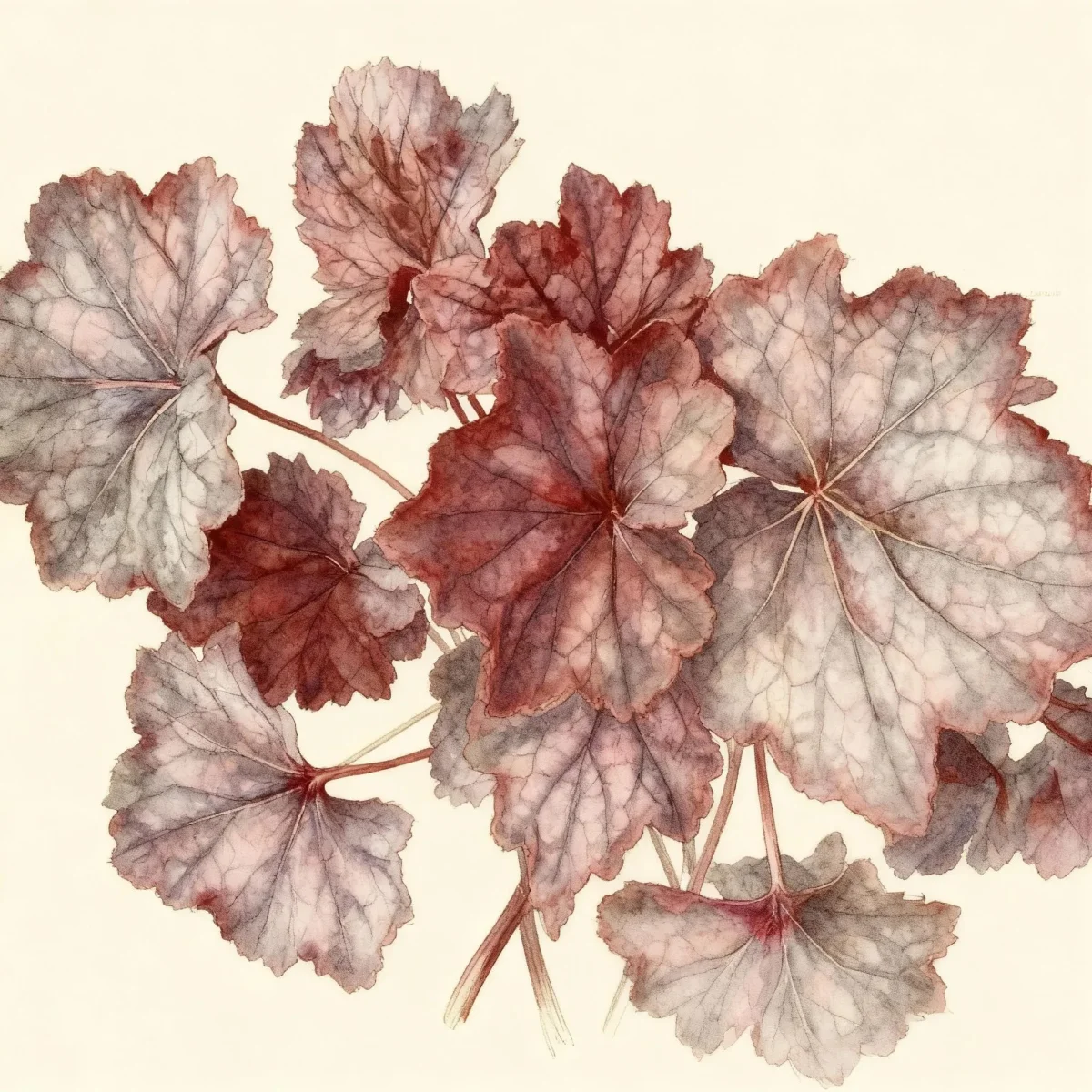
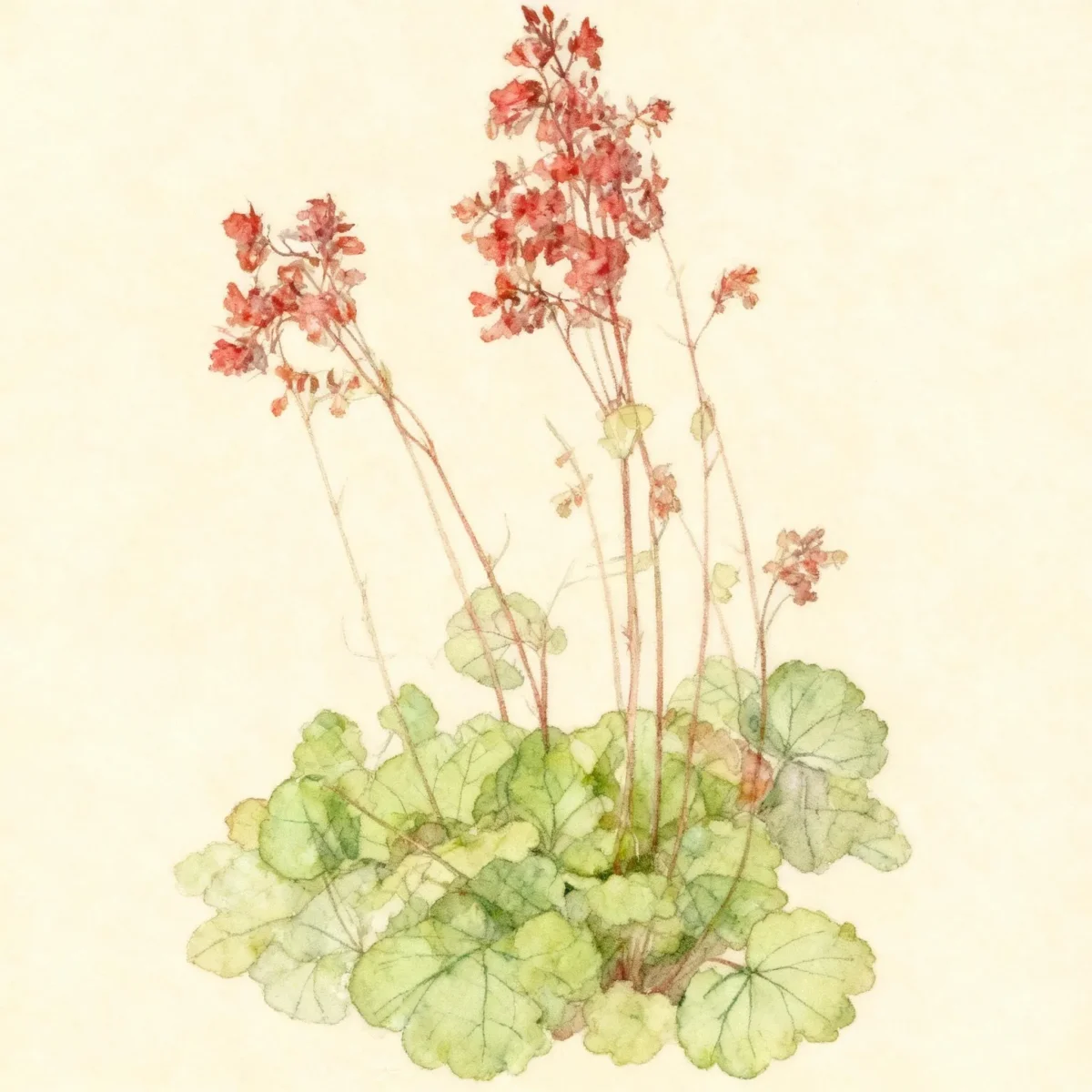
Heuchera sanguinea ‘Splendens’, commonly known as Coral bells, provides vibrant color interest through its distinctive flower display against a refreshing green foliage mound. This herbaceous perennial is cherished for its tall, airy panicles covered in scarlet red, bell-shaped blossoms that attract hummingbirds throughout the summer months.
The primary appeal of Heuchera sanguinea ‘Splendens’ lies in its reliable summer bloom time, which enhances borders and rock gardens when many spring bloomers are fading. Reaching modest heights of 1 to 1.5 feet, it maintains a tidy, clump-forming habit, making it an excellent structural element in mixed plantings.
This cultivar thrives when provided with consistent moisture and adequate drainage. While adaptable, gardeners should pay close attention to watering, especially in full sun exposures, to ensure the foliage remains healthy and the plant performs optimally through the peak heat of summer.
Fast Facts
- Plant Family: Saxifragaceae
- Plant Type: Herbaceous perennial
- Hardiness Zones: USDA Zones 5-9
- Size at Maturity:
- Height: 1-1.5 ft
- Spread: 1-1.5 ft
- Bloom Time: June to July
- Bloom Description: Red
- Sun Exposure: Full sun to part shade
- Water Needs: Medium
- Maintenance Level: Medium
How to Grow
For the best results with Heuchera sanguinea ‘Splendens’ (Coral bells), ensure planting occurs in humusy, organically rich, and well-drained soil. While it performs well in rocky soils, heavy clay should be avoided as it risks poor drainage. Optimal sun exposure varies by climate; prioritize full sun in cooler northern areas, but transition to part afternoon shade in hotter southern regions to prevent leaf scorch.
Watering should be consistent, especially if the plant is situated in full sun, as allowing the soil to dry out can cause foliage decline. These Coral bells require medium moisture to maintain their structure throughout the growing season. Fertilization is rarely critical if the soil is enriched annually with organic matter.
Maintenance is generally straightforward. In cold winter climates, apply a winter mulch once the ground has frozen completely to prevent damaging root heaving during freeze-thaw cycles. Deadheading faded flower stems throughout the summer encourages sporadic additional blooming and keeps the silhouette tidy. Clumps should be divided every three to four years in the spring to maintain vigor.
Landscape Uses
Coral bells shine as long-blooming perennials across various landscape settings. Heuchera sanguinea ‘Splendens’ is perfectly suited for definition; use mass plantings or groups in perennial beds where their vertical flower spikes can contrast nicely with lower-growing neighbors. They also excel as an effective edger along stone pathways or walkways, softening hard lines with their dense basal foliage.
When incorporating Heuchera sanguinea ‘Splendens’ into your garden design, consider their cultural needs—rich, well-drained soil and partial afternoon shade in hot zones. They integrate beautifully into rock gardens, mimicking their native cliff or alpine origins. Furthermore, their manageable size makes them excellent candidates for containers, adding seasonal color near patios or entryways.
The vertical habit of the flower stalks ensures they pair well with mounds of hostas, groundcover sedums, or lower-growing, shade-tolerant annuals. This classic perennial texture provides reliable interest from early summer well into the season, reinforcing the structure of the design.
Standout Features
Flower Qualities
- Showy
Noteworthy Characteristics
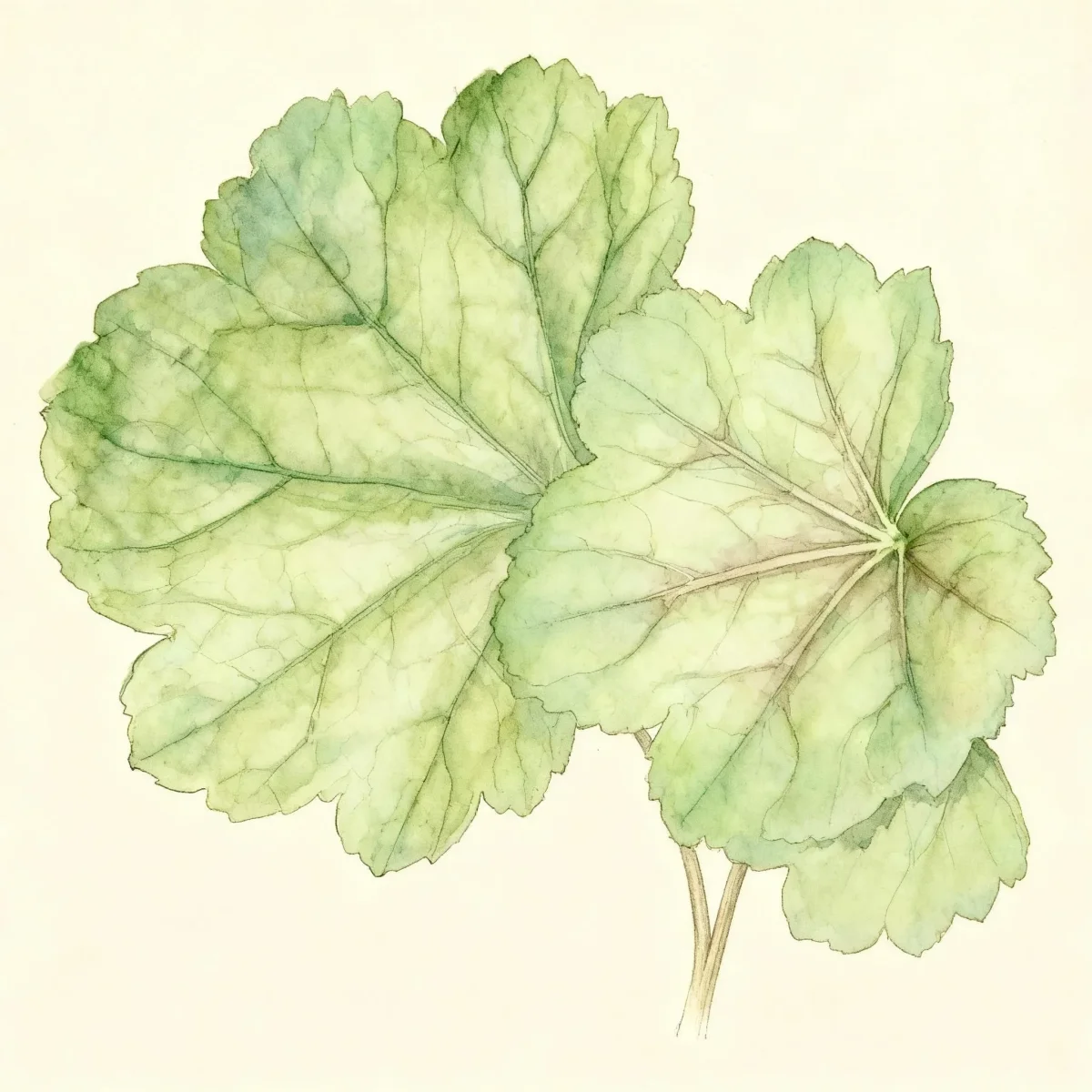
Heuchera sanguinea, commonly called coral bells, is an herbaceous, clump-forming perennial primarily native to cliffs, hills and alpine areas from New Mexico and Arizona south into northern Mexico. Mature plants typically forms a basal foliage mound to 8-10” tall and 12” wide with rounded, cordate-based basal leaves. Showy, sweetly fragrant, bell-shaped, deep pink to red flowers bloom in open airy panicles atop slender leafless flowering stems rising above the foliage. The flowers are notably attractive to hummingbirds, and consistent deadheading can extend the bloom period. The specific cultivar ‘Splendens’ features medium green basal leaves and vibrant panicles of scarlet red flowers.
Tolerances
No information provided for specific tolerance lists.
Potential Problems
Heuchera sanguinea ‘Splendens’ generally resists serious insect or disease issues, which contributes to its medium maintenance rating. The most common cultural problem involves root heaving, which occurs when winter temperatures fluctuate widely, pushing the clump partially out of the soil.
To mitigate frost heaving in colder zones, ensure a protective layer of winter mulch is applied only after the soil has completely frozen solid. Consistent watering during dry spells is crucial; allowing the soil to dry out, especially when the plant receives full sun, often leads to scorched foliage or general decline.
Frequently Asked Questions
What hardiness zones is Coral bells suitable for?
This specific cultivar, Heuchera sanguinea ‘Splendens’, is winter hardy in USDA Zones 5 through 9.
How large does Heuchera sanguinea ‘Splendens’ grow?
Mature plants typically form a basal mound 1 to 1.5 feet tall and spread equally across, with flowering stems rising higher.
What sun exposure does Coral bells need?
Heuchera sanguinea ‘Splendens’ performs best in full sun to part shade, though afternoon shade is recommended in the warmest parts of its range.
When does Heuchera sanguinea ‘Splendens’ bloom?
Coral bells typically produce their showy red flowers from June into July, with bloom duration extended via deadheading.
Conclusion
Heuchera sanguinea ‘Splendens’ remains a highly valued addition to perennial landscapes due to its reliable summer color and low susceptibility to pests. The scarlet-red blooms of these Coral bells provide fantastic visual contrast against rich green foliage. Before planting, verify that your garden falls within USDA Zones 5-9 and plan for adequate moisture to maximize its performance throughout the season.
Companion Planting
When designing beds for Heuchera sanguinea ‘Splendens’, focusing on plants that complement its moisture needs and partial shade tolerance yields the best results. Pair it with other shade-loving favorites such as Hostas, which offer contrasting leaf texture and form, or Astilbe, which shares a similar preference for rich, consistently moist soil conditions.
For sunny borders where sufficient summer watering is guaranteed, Coral bells can serve as a mid-border anchor. Try grouping them alongside nepeta or shorter salvias; the vertical lines of the Heuchera bloom spike offer a great counterpoint to the softer texture of these companions, preventing the border from becoming too uniformly mounding.
Remember that Heuchera sanguinea ‘Splendens’ performs well in well-drained, rocky soils. Incorporating plants used in rock gardens, such as creeping thyme or certain low-growing sempervivums, provides excellent textural contrast without competing for the same deep soil resources.
Wildlife Benefits
The specific flower structure of Heuchera sanguinea ‘Splendens’ is highly adapted for attracting specific pollinators. The small, bell-shaped, scarlet red flowers are particularly alluring to hummingbirds seeking nectar. Planting these Coral bells near seating areas or windows can provide engaging wildlife viewing opportunities throughout early summer.
The dense basal foliage mound created by Heuchera sanguinea ‘Splendens’ also supplies low-level cover for small ground-dwelling beneficial insects. While deer and rabbit resistance varies greatly by region, the fragrance and slightly fuzzy texture of the leaves often deter casual browsing compared to softer, broader-leafed perennials.
To maximize the ecological benefits, ensure faded flower stems are not immediately removed entirely, particularly later in the season. Allowing individual spikes to mature slightly can provide incidental seed sources for small birds, though the primary wildlife draw remains the nectar provided during the main bloom phase.