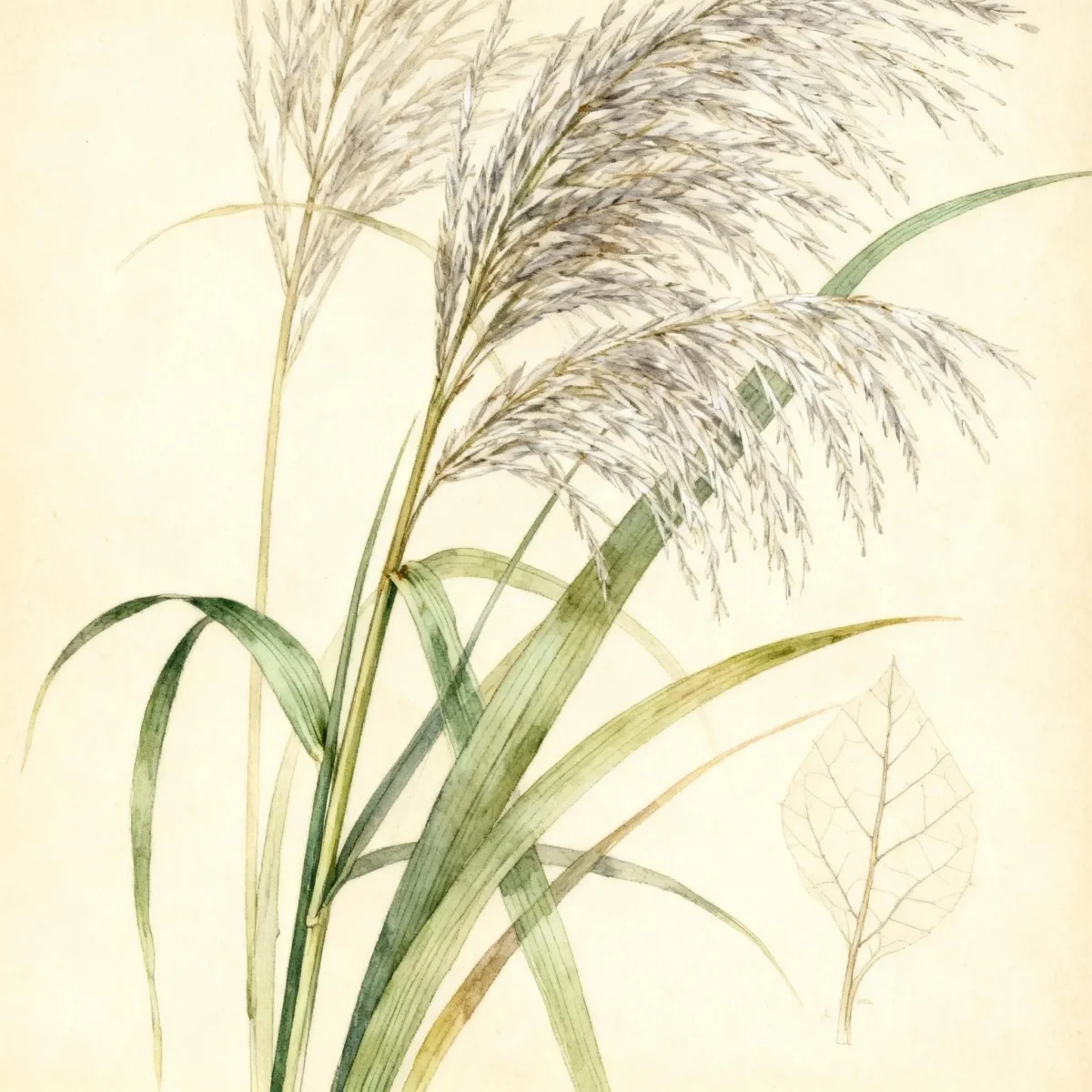
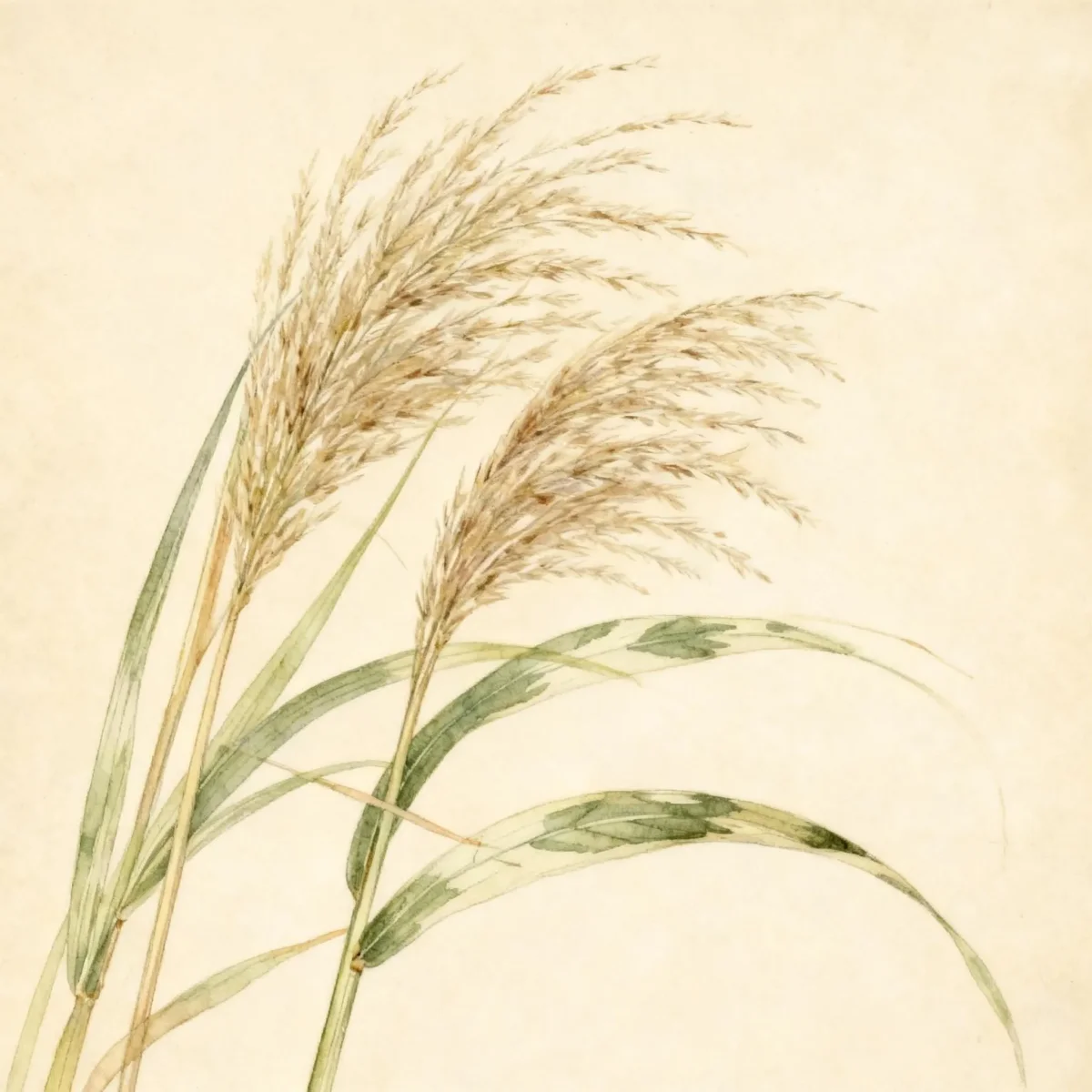
Eulalia (Miscanthus sinensis 'Little Zebra')
Miscanthus sinensis 'Little Zebra' (Eulalia) offers striking horizontal yellow banding on its foliage and is a low-maintenance, compact ornamental grass.
Scroll down to discover growing tips, care requirements, companion plants, and more
Complete Plant Information
Overview
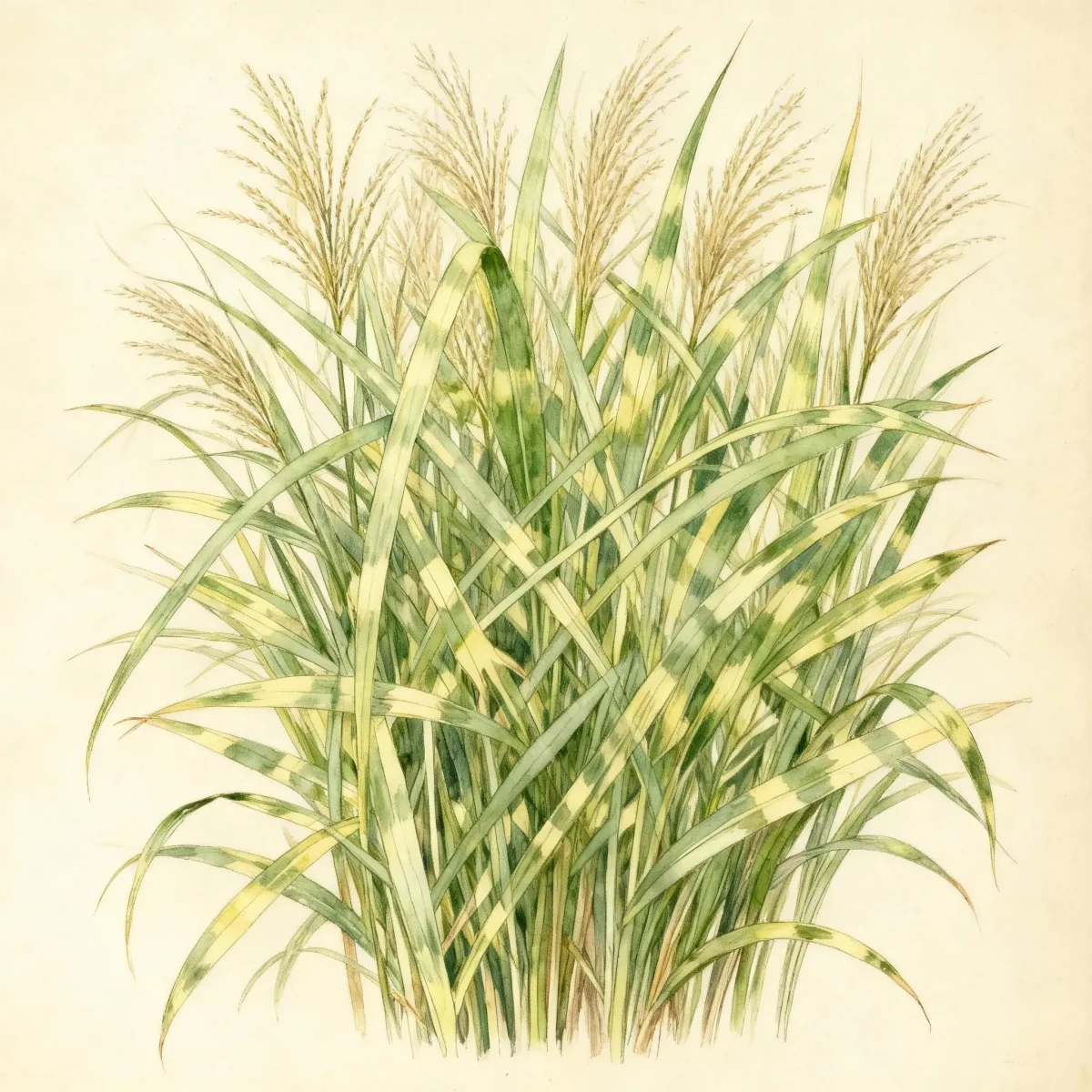
Miscanthus sinensis ‘Little Zebra’, often called Eulalia grass, is a standout cultivar prized for its striking, horizontally banded foliage. Its dense, upright, fountain-like habit makes it an excellent specimen plant where its zebra striping can be fully appreciated throughout the growing season. This cultivar offers a compact size compared to other silver grasses, fitting well into mixed borders without becoming overwhelmingly large.
As a clump-forming, warm-season ornamental grass, this Eulalia provides structure and late-season interest when many perennials begin to fade. It tolerates high heat and humidity, thriving with minimal extra care once established. The foliage transitions beautifully into winter, often coated with frost, adding significant textural appeal to the dormant landscape.
The appeal of Miscanthus sinensis ‘Little Zebra’ lies in its visual impact combined with its reliable, low-maintenance nature. Gardeners rely on this grass for dramatic contrast against solid-colored plantings, ensuring year-round structure in their designs. Its wine-purple plumes further enhance its ornamental value late into the year.
Fast Facts
- Plant Family: Poaceae
- Plant Type: Ornamental grass
- Hardiness Zones: USDA Zones 5-9
- Size at Maturity:
- Height: 3-4 ft
- Spread: 2-3 ft
- Bloom Time: August to February
- Bloom Description: Wine purple fading to tan
- Sun Exposure: Full sun to part shade
- Water Needs: Medium
- Maintenance Level: Low
How to Grow
The Miscanthus sinensis ‘Little Zebra’ thrives when planted in the spring or fall, provided the soil is prepared well. Aim for an average, medium-moisture, well-drained soil environment. While it tolerates a wide soil range, including heavy clays, ensuring drainage is key to robust growth. Plant in full sun for the best performance; while it tolerates light shade, decreased vigor and a tendency to flop may occur if light is insufficient.
Watering should be consistent while the plant is establishing its root system. Once mature, this Eulalia requires medium water; it handles periods of drought well due to the establishment of its rhizomes. Avoid excessive fertilization, as this encourages lush, floppy growth rather than sturdy, upright form. This grass slowly expands its circumference via short rhizomes but generally maintains a tight, appealing clump shape.
Routine maintenance for Miscanthus sinensis ‘Little Zebra’ is minimal. Crucially, leave the foliage standing throughout the winter months; this provides crucial crown protection and excellent visual interest, especially when snow-covered. Cut the entire clump back to about 4 to 6 inches above the ground in late winter, just before new spring shoots emerge. Propagation is achieved through division of the crown, best done during the spring.
Landscape Uses
This versatile ornamental grass excels as an accent or specimen planting where its distinct horizontal banding can serve as a focal point. Due to its manageable 3-4 foot height, Miscanthus sinensis ‘Little Zebra’ fits beautifully into borders or cottage style gardens, providing vertical rhythm without overpowering surrounding structures or perennials. It looks striking when grouped in small clusters, creating masses of striped texture.
Consider planting Eulalia near solid-colored shrubs or bold-leaved hostas to maximize the contrast created by its zebra striping. It is also an excellent choice for naturalized areas or meadows, adding architectural interest to softer plantings. Furthermore, the dried flower plumes are long-lasting, making Miscanthus sinensis ‘Little Zebra’ suitable for arrangements where dried floral materials are desired.
Standout Features
Flower Qualities
- Showy
Noteworthy Characteristics
Miscanthus sinensis, known widely as Chinese silver grass or eulalia grass, is characterized by its dense clump of upward-arching stems, creating a fountain-like appearance. The cultivar ‘Little Zebra’ is specifically noted for its compact size (3-4’ tall) and the distinctive horizontal yellow bands displayed along its leaf blades throughout the season. In late summer, it presents wine-purple flower plumes that fade to creamy tan, adding textural interest that persists into the winter landscape.
Tolerances
- Drought
- Erosion
- Dry Soil
- Black Walnut
- Air Pollution
Potential Problems
Miscanthus sinensis ‘Little Zebra’ generally avoids common pest and disease issues, contributing to its low maintenance profile. However, gardeners in some regions of the US should be aware of miscanthus mealybug, which causes stunted growth as it lives inside the stems, and miscanthus blight, a fungal issue affecting the blades. Leaf rust can also occasionally occur. To manage potential invasive spread, particularly in milder climates where it may reseed, applying mulch around the clump base helps suppress seedling germination.
Frequently Asked Questions
What hardiness zones is Eulalia suitable for?
Miscanthus sinensis ‘Little Zebra’ is reliably hardy in USDA Zones 5 through 9.
How large does Eulalia grow?
This compact cultivar typically reaches a height between 3 and 4 feet, with a spread of 2 to 3 feet at maturity.
What sun exposure does Miscanthus sinensis ‘Little Zebra’ need?
For optimal flowering and upright habit, it requires full sun, though it can tolerate part shade.
When does Eulalia bloom?
The blooms appear from August and can remain attractive through February, emerging as wine purple plumes that eventually fade to tan.
Conclusion
The defining feature of Eulalia, Miscanthus sinensis ‘Little Zebra’, remains its unforgettable horizontally striped foliage combined with easy-care requirements. Its compact structure and tolerance for various conditions make it a highly dependable choice for adding dynamic texture to beds and borders throughout the growing season. Before planting, always confirm that your local USDA hardiness zone falls within the 5 to 9 range for best results.
Propagation Tips
Propagating Miscanthus sinensis ‘Little Zebra’ should generally be done through division of the crown, as this maintains the cultivar’s specific characteristics. The ideal time for division is early spring, just as new growth is beginning to emerge, or in early fall. Carefully dig up the entire clump using a sharp spade or garden fork. You will need to use a clean, sharp tool to divide the thick rhizome mass into smaller, viable sections, ensuring each new piece has sufficient roots and growth buds attached. Replant these divisions immediately at the same depth they were previously growing.
Seasonal Care Calendar
Spring cleanup is a vital, though simple, task for maintaining healthy Eulalia. Wait until late winter or very early spring, just before the new green shoots become apparent, to cut the old, dried foliage down to a few inches above the ground. This pruning clears the way for the striped new growth of Miscanthus sinensis ‘Little Zebra’. During the summer, focus primarily on ensuring medium soil moisture, especially during dry spells, to support the upright growth and consistent beauty of this ornamental grass.