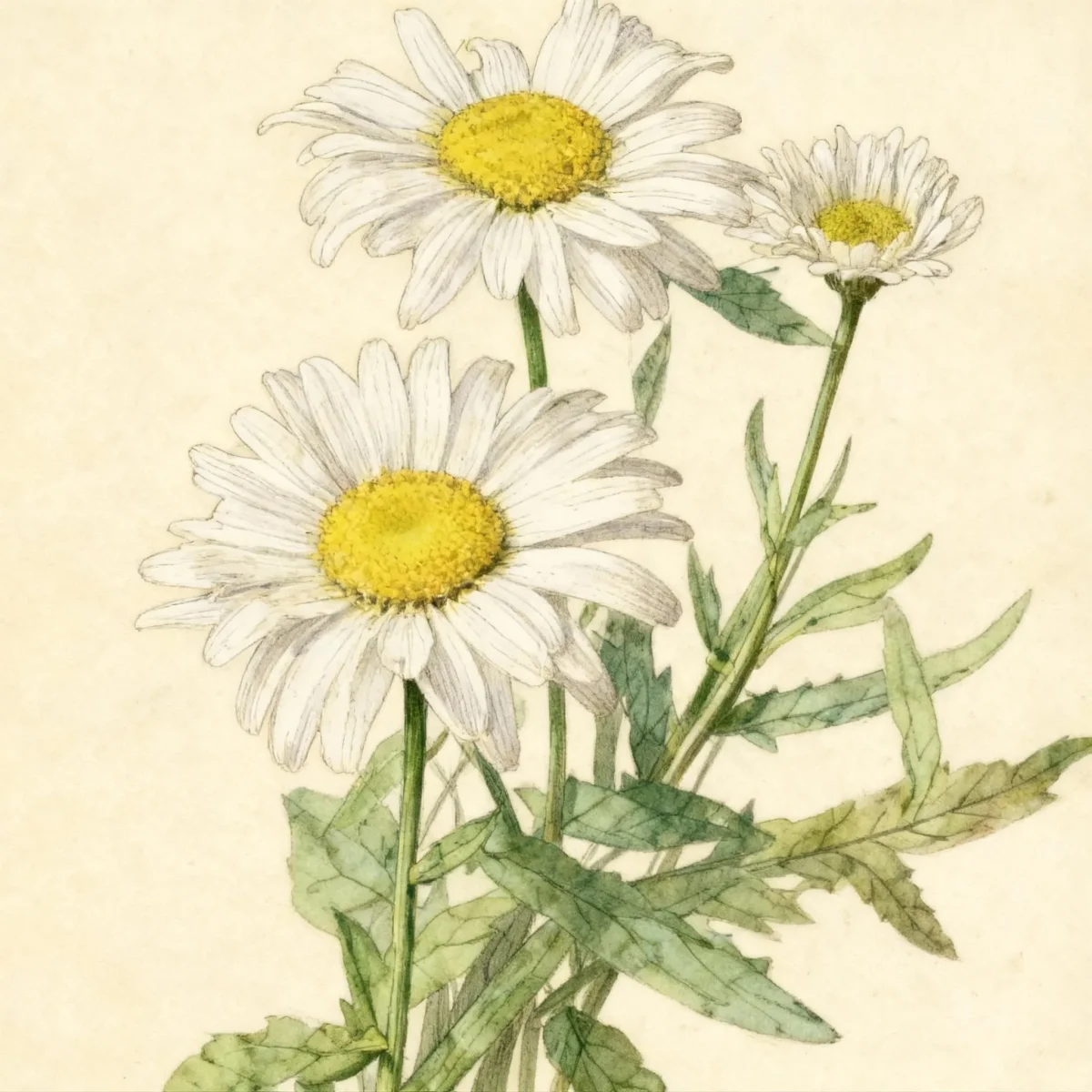
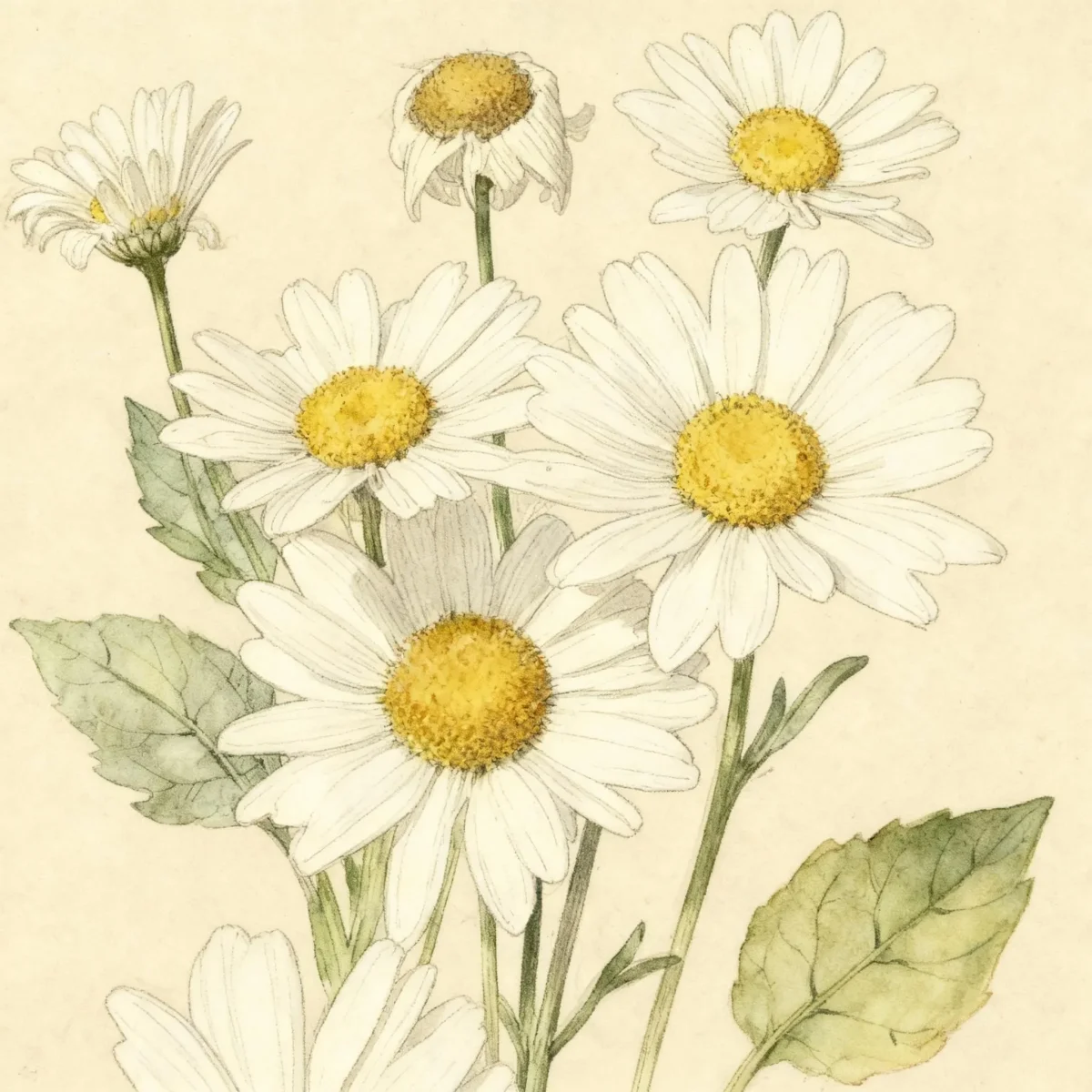
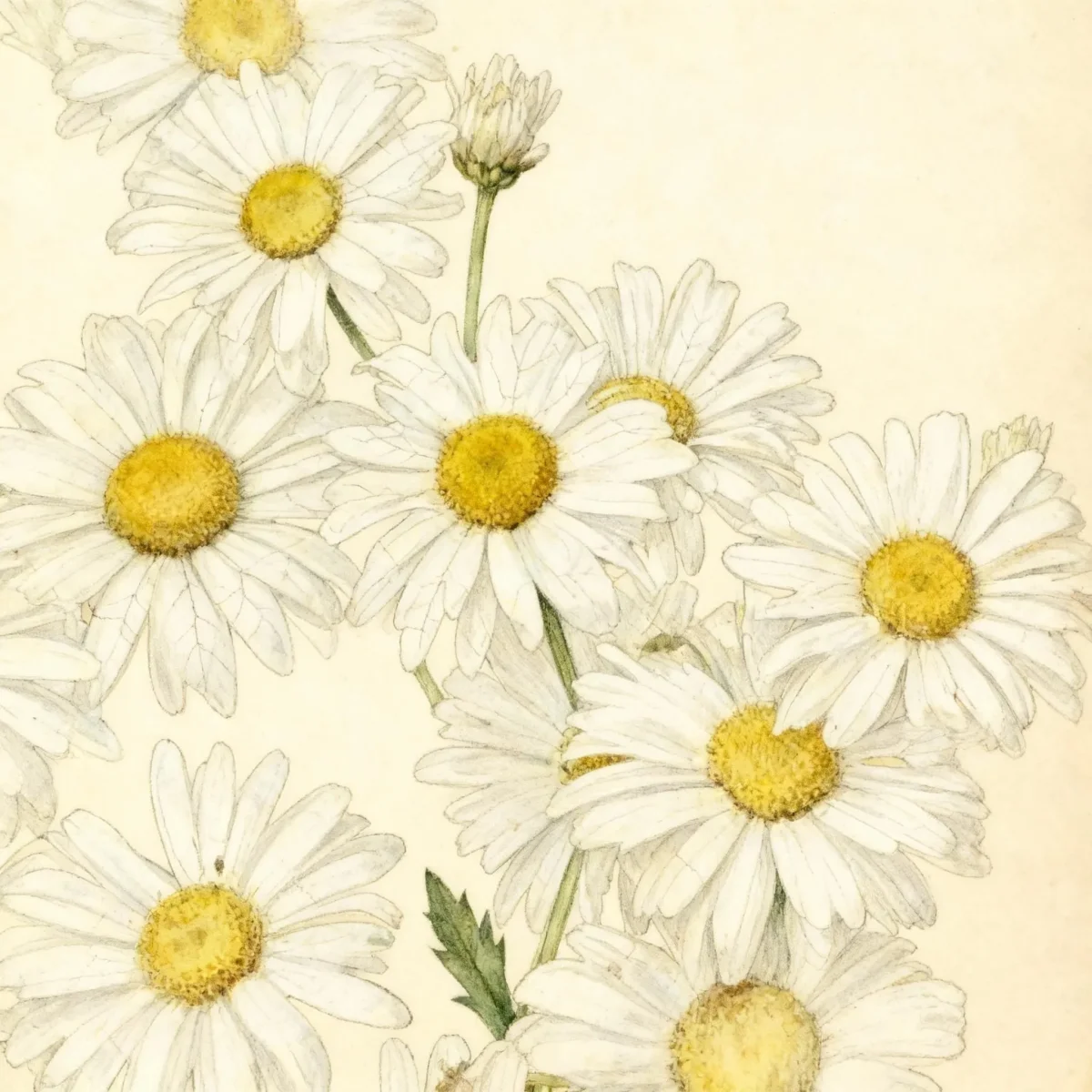
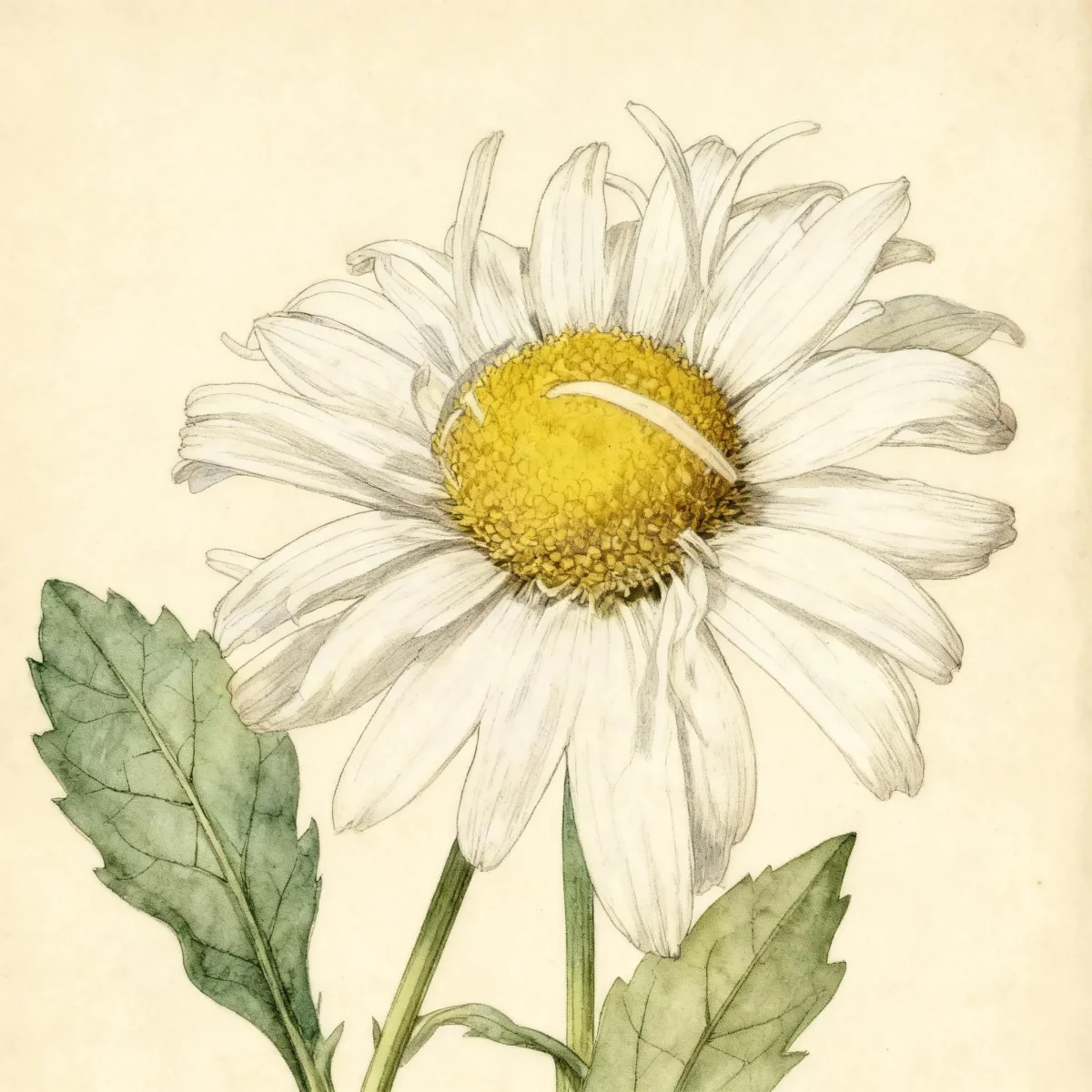
Shasta daisy (Leucanthemum × superbum 'Sunny Side Up')
Leucanthemum × superbum 'Sunny Side Up' is a compact Shasta daisy offering large, long-lasting white and yellow blooms from June to August.
Scroll down to discover growing tips, care requirements, companion plants, and more
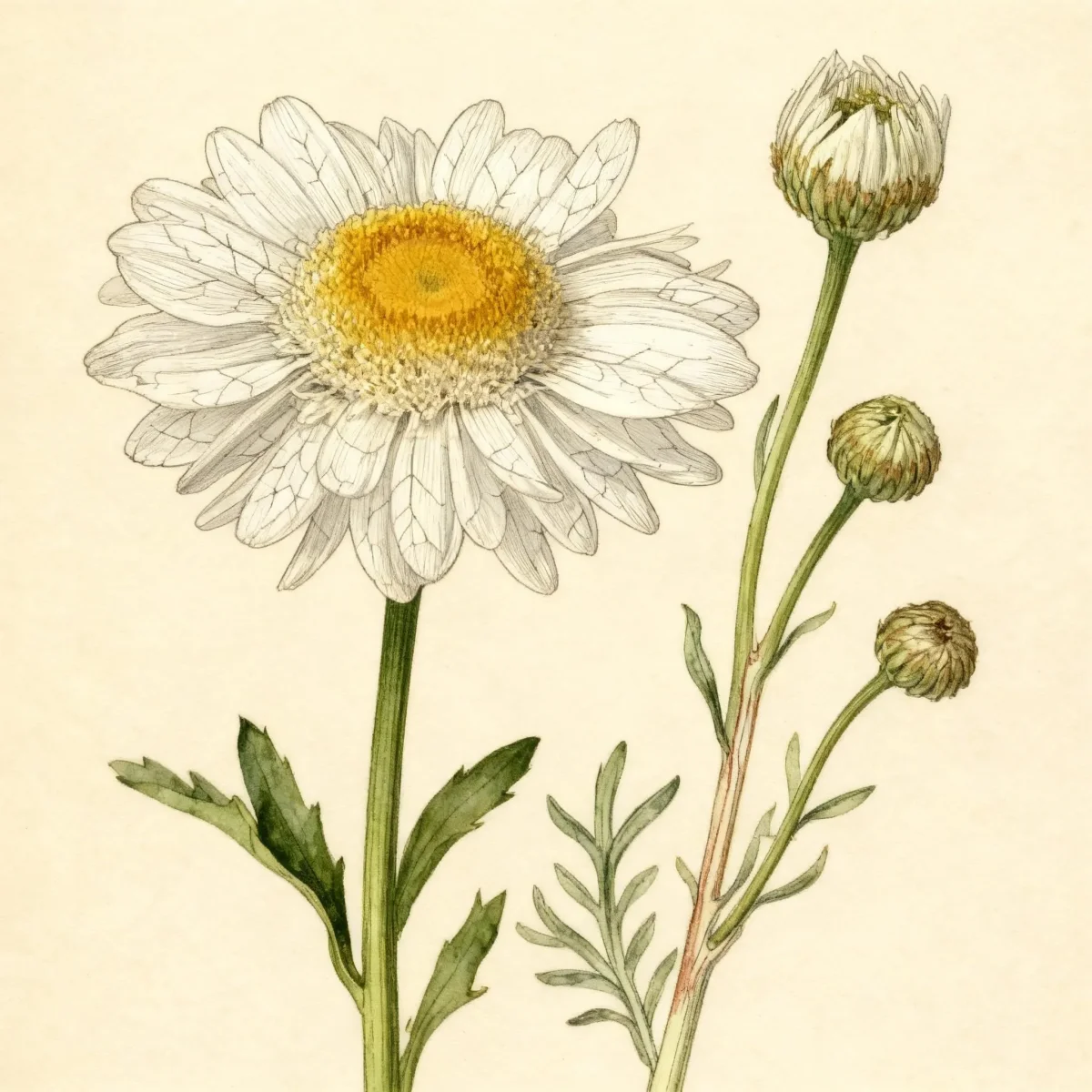
Complete Plant Information
Overview
The Leucanthemum × superbum ‘Sunny Side Up’ is a highly valued herbaceous perennial that brings bright, classic daisy forms to the summer garden. As a compact cultivar of the popular Shasta daisy, this variety maintains the superb bloom quality that made its predecessors famous while fitting neatly into smaller spaces or containers. Gardeners especially appreciate the reliable, cheerful display of white rays surrounding distinct yellow centers that lasts throughout the peak summer months.
This variety of Shasta daisy focuses on providing excellent, long-lasting color with relatively low effort. It thrives in locations receiving full sun and prefers average, well-drained soil conditions, reflecting a generally drought-tolerant nature once established. Utilizing Leucanthemum × superbum ‘Sunny Side Up’ ensures a consistent, traditional look in perennial borders and cutting gardens alike.
Developed from complex European and Asian daisy crosses, the resulting Leucanthemum × superbum offers robustness and vibrant color. Though somewhat short-lived compared to other perennials, its stunning bloom performance and ease of care make it a garden staple, provided its need for excellent soil drainage is met, especially during winter dormancy.
Fast Facts
- Plant Family: Asteraceae
- Plant Type: Herbaceous perennial
- Hardiness Zones: USDA Zones 4-9
- Size at Maturity:
- Height: 1-1.5 ft
- Spread: 0.5-1 ft
- Bloom Time: June to August
- Bloom Description: White rays with yellow center disk
- Sun Exposure: Full sun
- Water Needs: Dry to medium
- Maintenance Level: Low
How to Grow
Plant Leucanthemum × superbum ‘Sunny Side Up’ in the spring or fall, ensuring the location receives consistent full sun exposure for best flowering. The most critical soil requirement for this Shasta daisy is excellent drainage; wet or soggy winter soils can quickly prove fatal to the plant clumps. Average, dry to medium soils are ideal, but avoid overly rich, constantly moist conditions.
Maintenance for this cultivar is straightforward, fitting its “Low” maintenance rating. Though it tolerates some light shade, avoid heavy summer shade, especially in hot climates where the soil might retain too much moisture. Deadheading—removing spent flower heads—is highly encouraged, as this practice promotes the production of additional blooms throughout the season.
To maintain strong, vigorous plants, divide the clumps every two to three years, as Shasta daisies can become overcrowded over time. As a helpful tip to potentially prolong the life of a clump, consider cutting the stems back to the basal foliage once the primary blooming flush has ended. Be aware that seed propagation of ‘Sunny Side Up’ will not result in identical plants, making division the preferred method for preserving that specific compact form.
Landscape Uses
Shasta daisies, particularly reliable forms like the Leucanthemum × superbum ‘Sunny Side Up’, are essential mainstays of the traditional perennial border, providing structural height and bright white contrast against deeper green foliage. Their long-lasting summer bloom makes them perfect for filling gaps that emerge after early spring bloomers fade. They combine beautifully with blues, purples, and deep reds found in plants like Salvia or Russian Sage.
These tough performers are also mainstays of the cottage garden aesthetic, mixing well with traditional cottage flowers like peonies, phlox, and delphiniums. For gardeners focused on continuous harvest, the excellent, long-lasting flowers of Leucanthemum × superbum ‘Sunny Side Up’ make it a foundation plant for any cutting garden. Furthermore, their moderate size and drought tolerance allow them to be successfully incorporated into rock gardens or used as infill plants in structured mixed containers.
Standout Features
Flower Qualities
- Showy
Noteworthy Characteristics
Leucanthemum × superbum, commonly called Shasta daisy, is a hybrid developed by Luther Burbank (1849-1926) in the 1890s following crosses between several chrysanthemum and daisy species, leading to the robust classification of Leucanthemum × superbum. This specific cultivar, ‘Sunny Side Up’, is noted for developing large semi-double blooms up to three inches in diameter, featuring classic white rays and vivid yellow center disks. Distinct from taller types, this hybrid typically stays compact, reaching only 15–20 inches in height, offering fantastic reliability for bedding design.
Tolerances
- Rabbit
- Deer
- Drought
- Dry Soil
Potential Problems
While generally robust, Leucanthemums are susceptible to a few common issues that gardeners should monitor. Fungal diseases such as verticillium wilt, various leaf spots, and stem rots can affect plants, often exacerbated by overly humid conditions or poor air circulation. Proper cultural practices, focusing on full sun and excellent drainage, are the best preventative measures against these diseases.
Pest pressure is usually minor, though watch for occasional infestations of aphids, which cluster on new growth, or leaf miners that create visible trails within the foliage. Mites may also appear during hot, dry spells. Most infestations can be managed with horticultural oils or targeted insecticidal soaps if necessary, but robust, healthy plants often tolerate minor pest colonization without significant damage.
Frequently Asked Questions
What hardiness zones is Shasta daisy suitable for?
Leucanthemum × superbum ‘Sunny Side Up’ is well-suited for cultivation across USDA Zones 4 through 9.
How large does Leucanthemum × superbum ‘Sunny Side Up’ grow?
This compact Shasta daisy cultivar generally reaches a mature height between 1 and 1.5 feet tall, with a spread ranging from 0.5 to 1 foot wide.
What sun exposure does Shasta daisy need?
For optimum flowering and plant health, Leucanthemum × superbum ‘Sunny Side Up’ requires full sun exposure throughout the day.
When does Shasta daisy bloom?
This perennial blooms reliably during the summer months, typically starting in June and continuing through August, displaying its white rays with yellow center disk flowers.
Conclusion
The Leucanthemum × superbum ‘Sunny Side Up’ provides exceptional value through its extended summer bloom season and low-maintenance needs, making it a superb choice for reliable color. By ensuring sharp drainage, you can successfully integrate this charming Shasta daisy into sunny borders or containers. Check your local hardiness zone now, and plan to incorporate this compact perennial for years of classic, cheerful displays starting next growing season.
Companion Planting
Choosing companions that appreciate similar sunny, well-drained conditions enhances the overall health and aesthetic of the border where Leucanthemum × superbum ‘Sunny Side Up’ is planted. Plants that thrive in dry to medium conditions, such as Lavender (Lavandula spp.) or Sedum, pair beautifully both culturally and visually with the white-and-yellow blooms. Consider placing contrasting deep purple or blue companions like Catmint (Nepeta) or Russian Sage (Perovskia atriplicifolia) nearby to make the Shasta daisy ‘Sunny Side Up’ pop.
Avoid pairing these daisies with moisture-loving plants that require constant irrigation, as this can lead to crown rot during the summer or winter dormancy periods, issues the daisy is highly susceptible to. Focus on plants with similar structural forms—medium-height perennials or spiky architectural plants—to create a balanced, low-water perennial tapestry.
Propagation Tips
While Leucanthemum × superbum ‘Sunny Side Up’ does not reliably grow true to type from seed, the primary and recommended method for propagation is division. This procedure should be undertaken every 2 to 3 years, typically in early spring before new growth fully emerges, or in the early fall. Carefully dig up established clumps and gently tease apart the root ball to separate smaller sections, ensuring each piece has a healthy crown and adequate roots.
Replant the divided sections immediately into prepared soil at the same depth they were previously growing. Prompt watering will help settle the soil around the newly separated roots. This regular division is crucial not just for increasing your plant numbers but also for maintaining the overall vigor of established plants that tend to become somewhat short-lived if left undisturbed for too long.