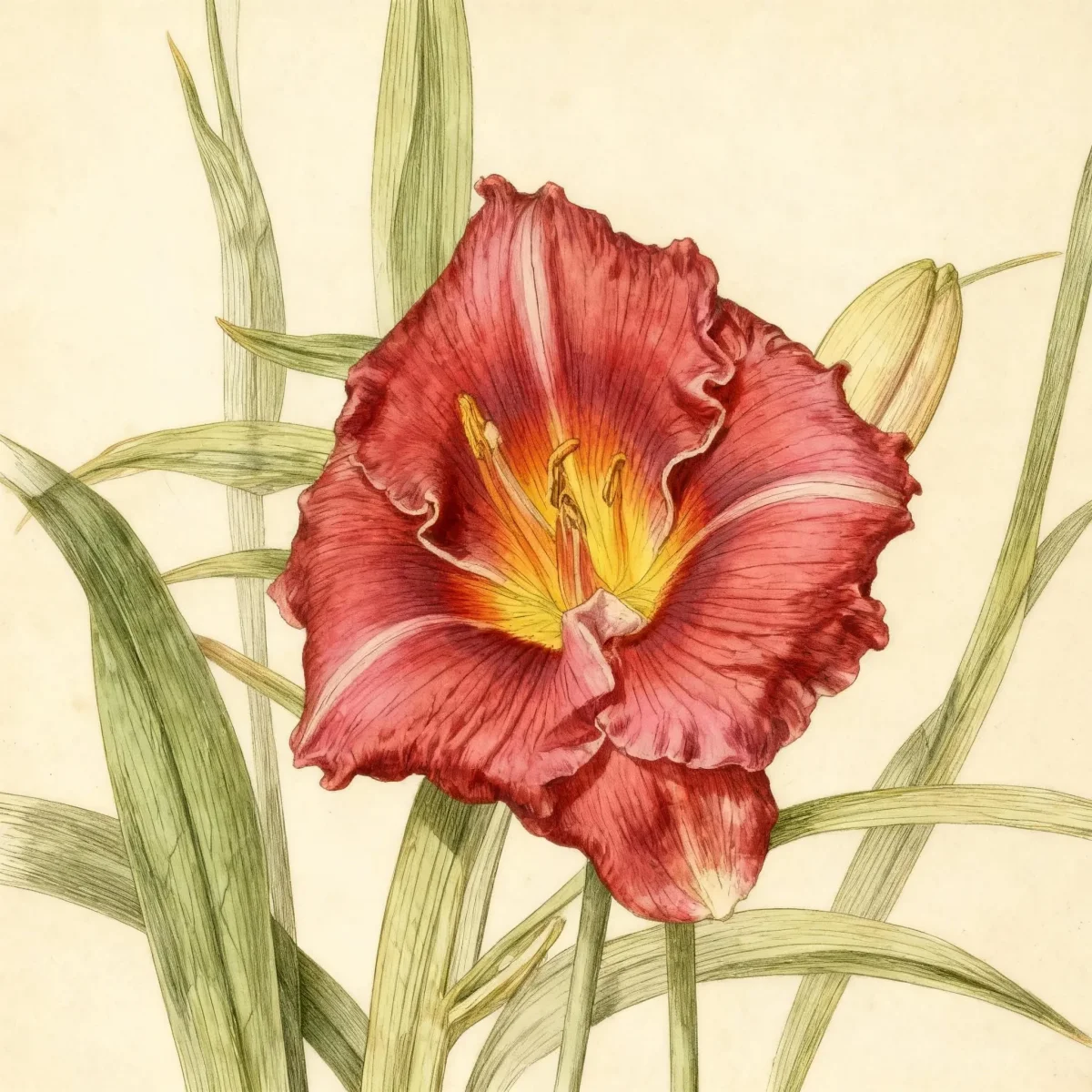
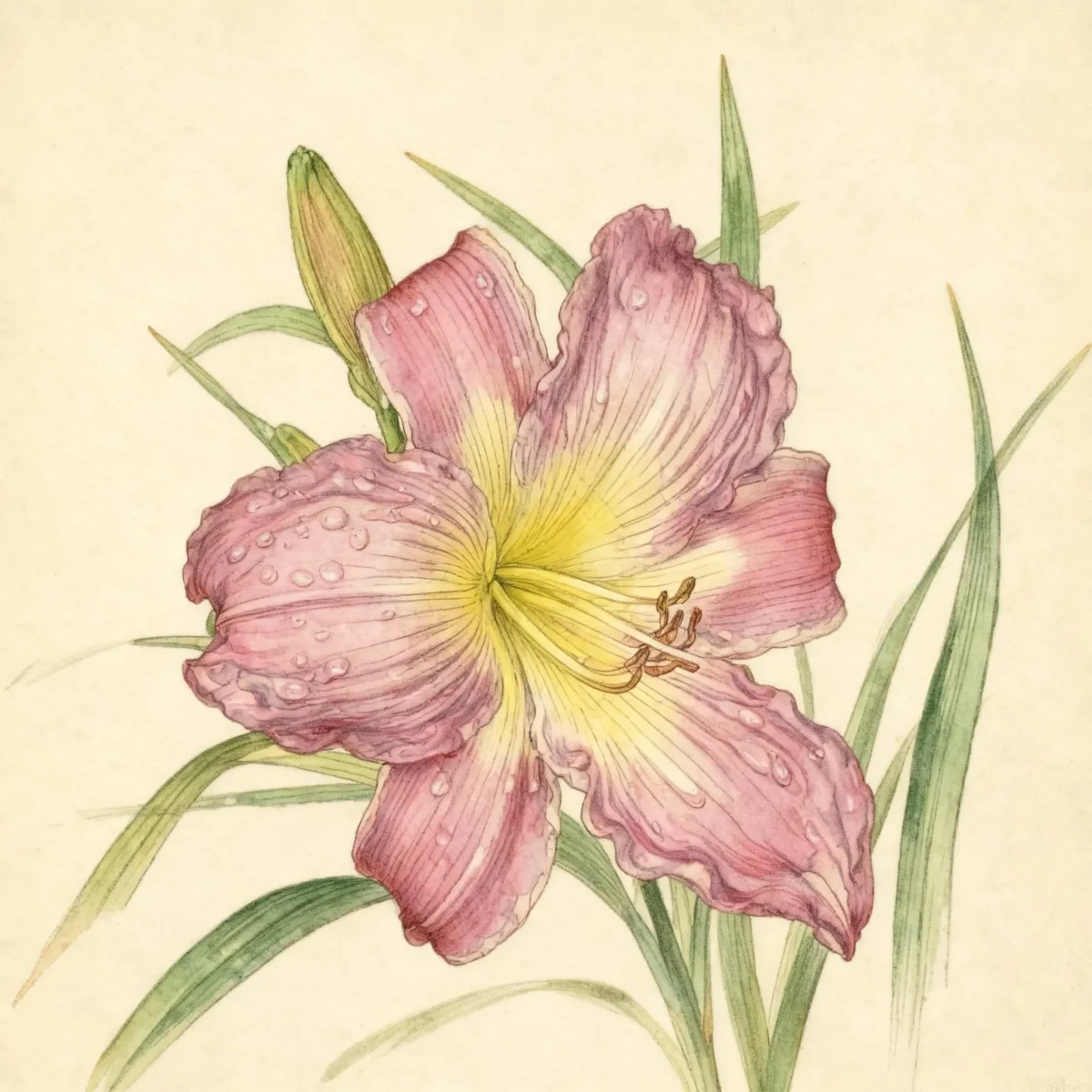
Daylily (Hemerocallis 'Apricot Petticoats')
Hemerocallis 'Apricot Petticoats' Daylily provides showy, fragrant blooms in apricot shades. Low maintenance perennial for Zones 3-9.
Scroll down to discover growing tips, care requirements, companion plants, and more
Complete Plant Information
Overview
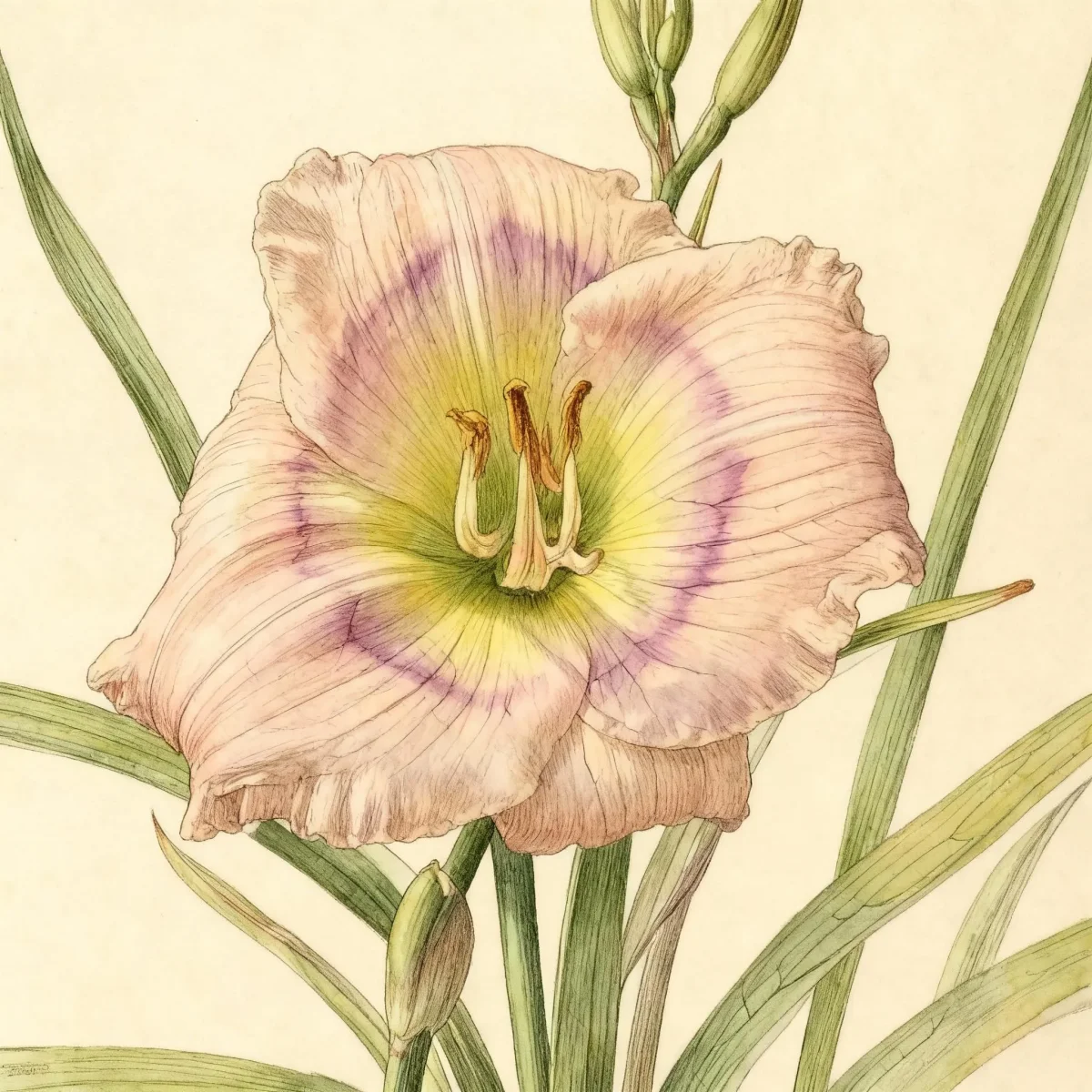
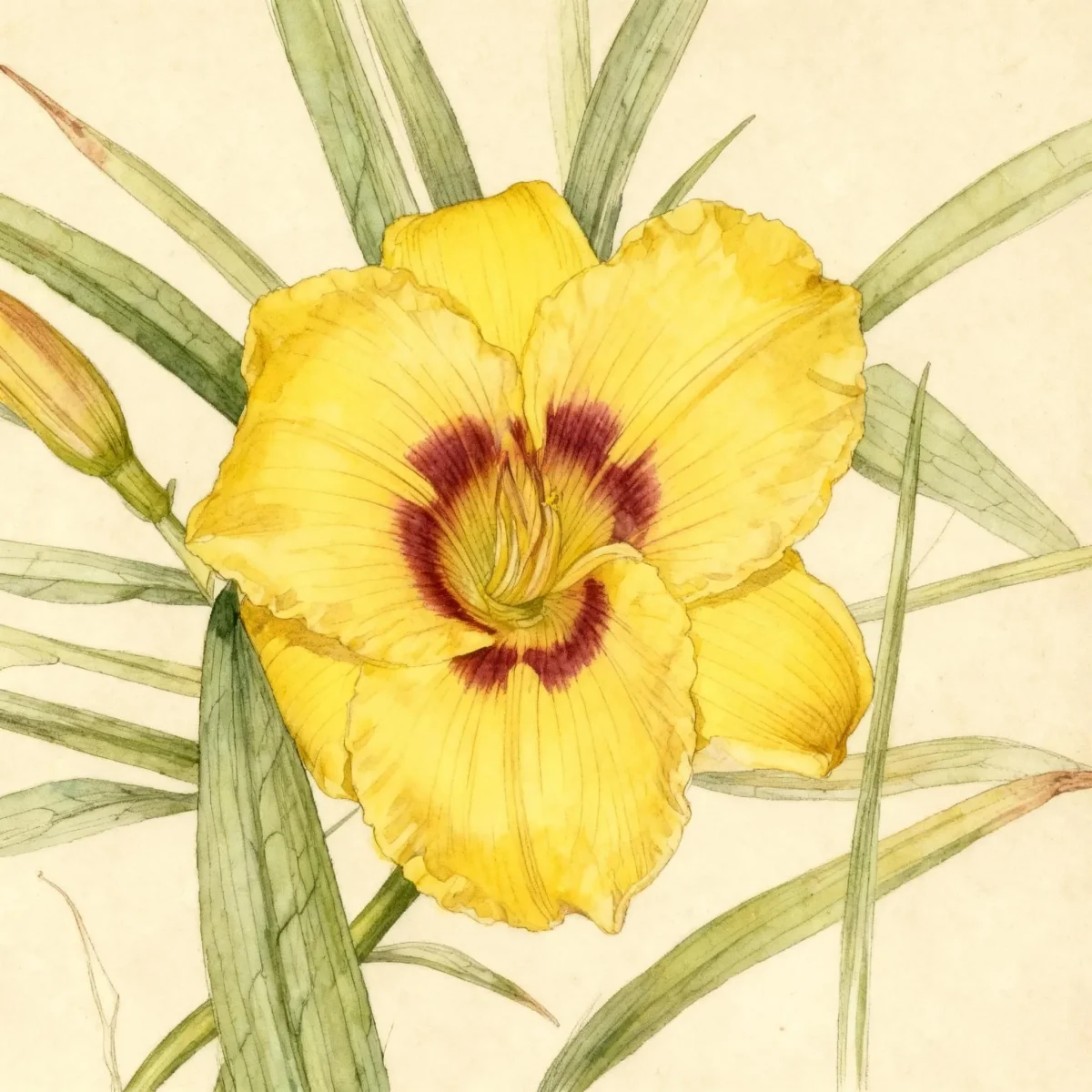
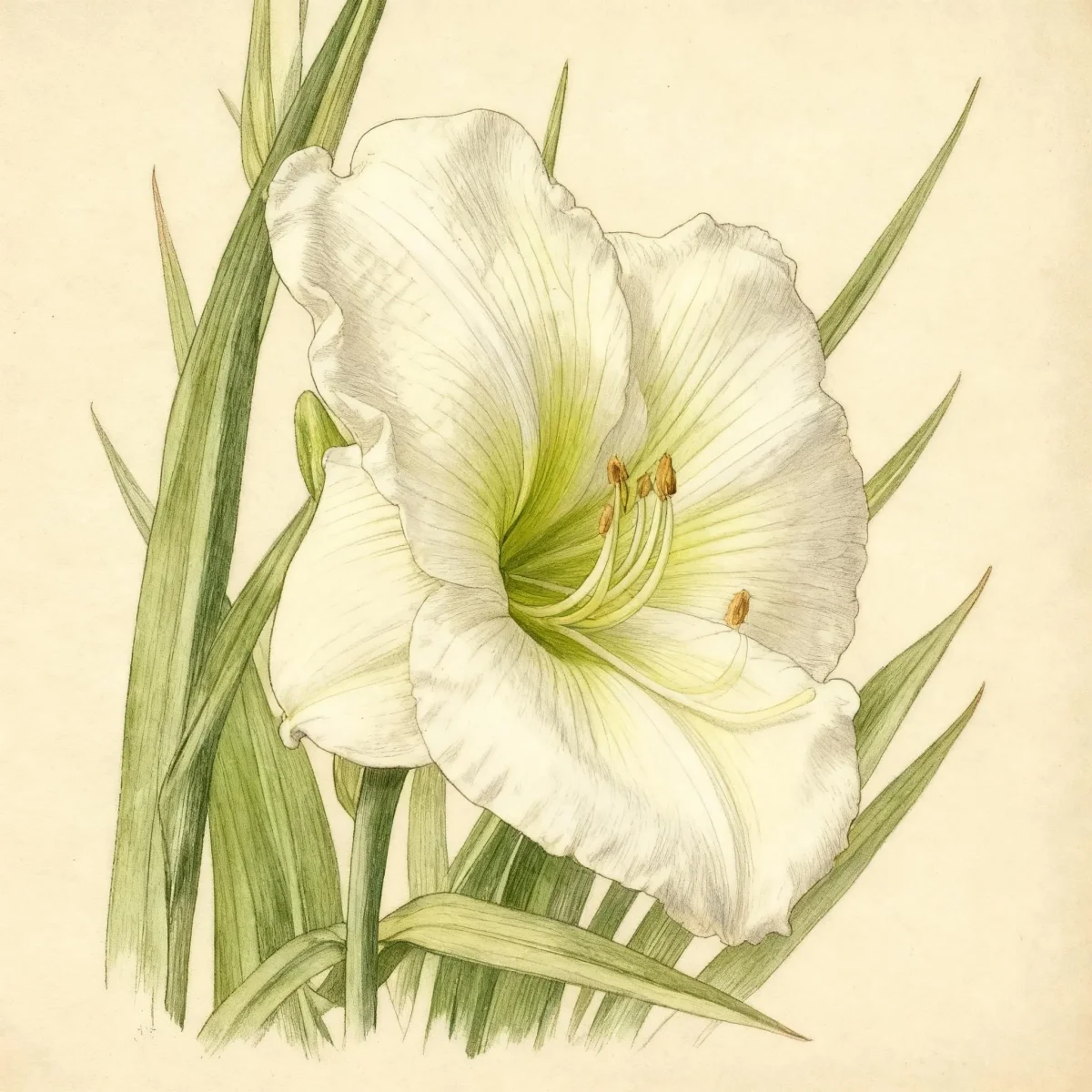
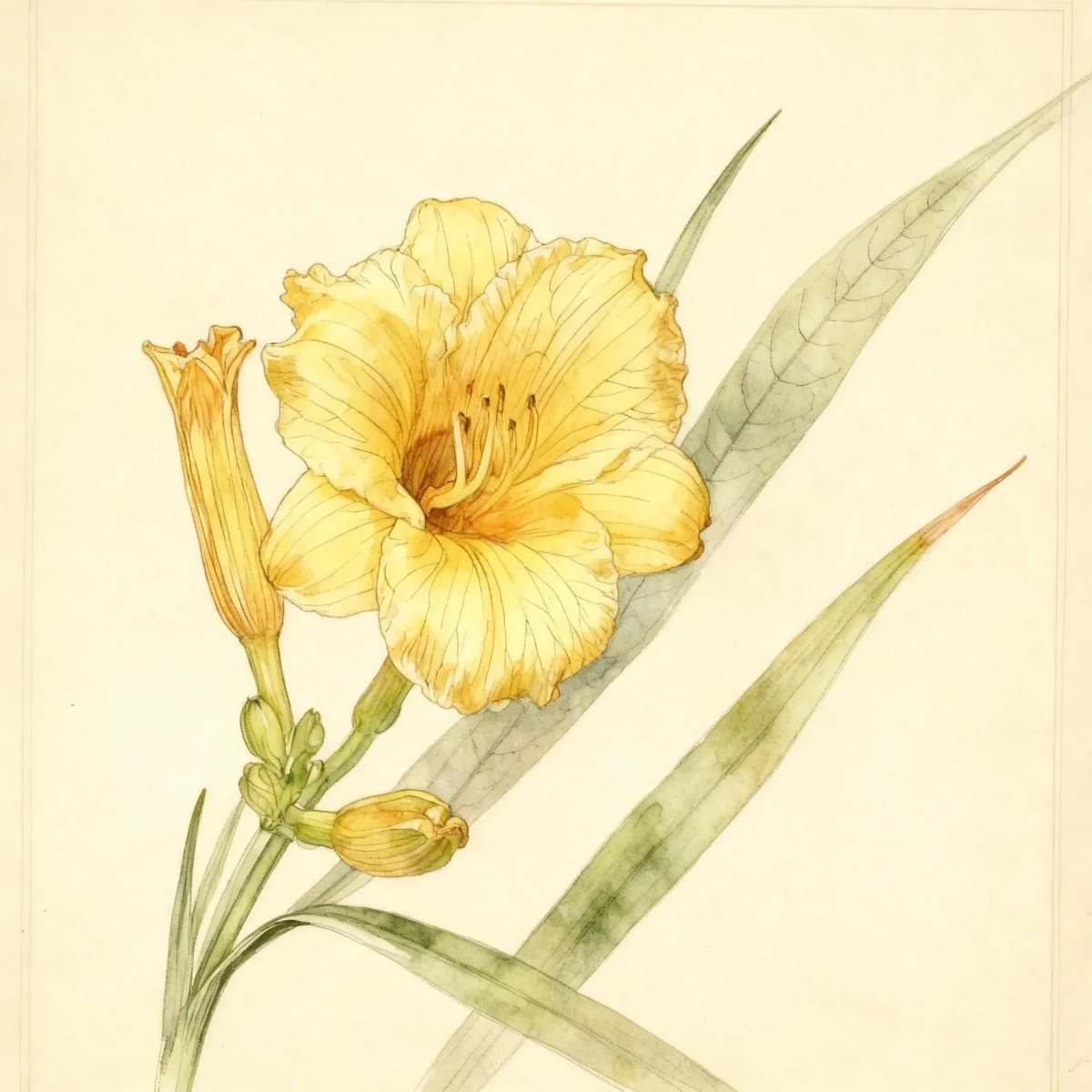
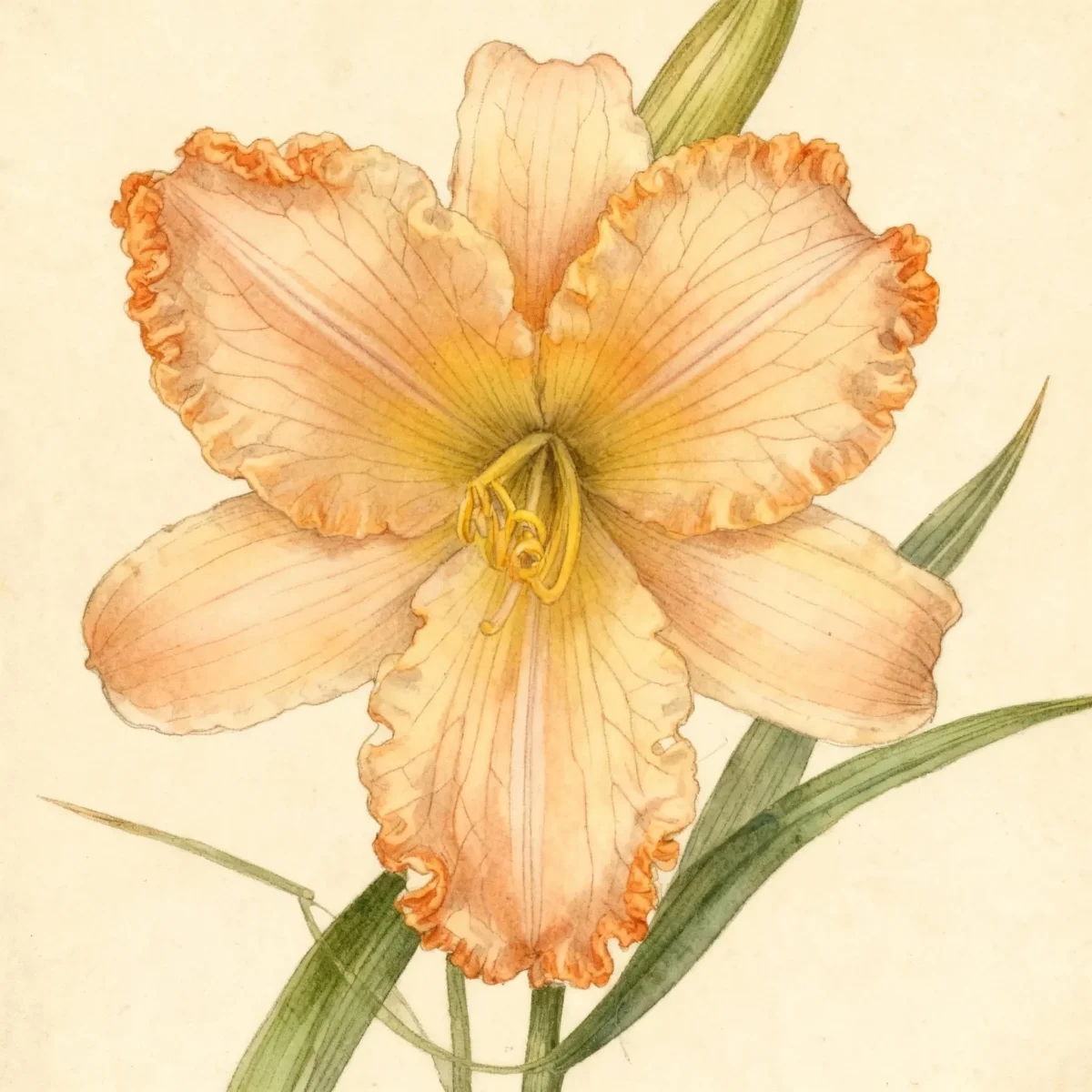
Hemerocallis ‘Apricot Petticoats’ is a highly desirable herbaceous perennial, commonly known as a Daylily, valued for its reliable bloom performance and attractive coloration. This cultivar produces soft apricot flowers beautifully contrasted by a deep apricot edging, making it a standout in mixed borders throughout the growing season. As a hybrid Daylily, it offers excellent vigor and adaptability across a wide spectrum of garden settings.
This variety thrives as a low-maintenance addition to nearly any landscape, provided it receives adequate light and consistent moisture. The physical structure, featuring arching, linear green leaves below the blooms, provides good texture even when not flowering. Gardeners appreciate the seasonal impact of Daylily masses, and Hemerocallis ‘Apricot Petticoats’ delivers a refined color palette.
It is important to note that while individual flowers last only a single day, the succession of blooms ensures a long flowering display from early to midsummer. With robust tolerances including resistance to rabbits, Hemerocallis ‘Apricot Petticoats’ is a practical choice for gardeners seeking both beauty and resilience in their perennial beds.
Fast Facts
- Plant Family: Asphodelaceae
- Plant Type: Herbaceous perennial
- Hardiness Zones: USDA Zones 3-9
- Size at Maturity:
- Height: 2-2.5 ft
- Spread: 1.5-2 ft
- Bloom Time: June to July
- Bloom Description: Soft apricot with deep apricot edging
- Sun Exposure: Full sun to part shade
- Water Needs: Medium
- Maintenance Level: Low
How to Grow
Planting Hemerocallis ‘Apricot Petticoats’ should ideally occur in spring or fall, establishing them in average, medium-moisture, well-drained soils. While Daylilies tolerate various soil types, they perform optimally in deep, fertile loams. Ensure the crown of the plant sits at or just slightly above the soil line to prevent rot or drying out.
Ongoing care for this Daylily is minimal. Deadheading spent flowers daily promotes garden neatness, and spent flower stalks (scapes) should be removed once all blooms have faded. While Daylilies are tolerant of summer heat and humidity, supplemental deep watering during extended dry spells will maintain attractive foliage.
For long-term health and the best displays of blooms, plan on dividing your Daylily clump every three to four years, preferably in the spring, especially in colder winter regions. Since this is a hybrid, remember that growing Hemerocallis ‘Apricot Petticoats’ from seed will not reproduce the desired parent characteristics. Winter dormant types benefit greatly from the cold period provided by Zones 3-8.
Landscape Uses
As an easy-to-grow herbaceous perennial, this Daylily excels when deployed in mass plantings to create vibrant drifts of color across large areas. Hemerocallis ‘Apricot Petticoats’ is perfectly suited for defining borders or providing consistent edging along walkways, thanks to its tidy clump structure. The mid-range height of 2 to 2.5 feet allows it to form a middle layer in perennial borders without obscuring shorter foreground plants.
Due to their general adaptability, these plants pair well with many other sun-loving perennials. Consider planting them alongside ornamental grasses for contrasting texture, or group them with plants that bloom earlier or later in the season to extend visual interest beyond the June to July bloom window of Hemerocallis ‘Apricot Petticoats’. Their robust nature also makes them great for low-maintenance groundcover solutions once established.
Standout Features
Flower Qualities
- Showy
- Fragrant
Noteworthy Characteristics
Hemerocallis is a genus commonly known as Daylilies, celebrated because hybridizers have created over 60,000 registered cultivars featuring complex colors and patterns. Each flower is short-lived, lasting only a single day, yet the plant produces blooms in succession for a prolonged season of color. The cultivar ‘Apricot Petticoats’ showcases this breeding effort with its soft apricot flowers accented by a deep, contrasting edging on scapes reaching about 30 inches tall.
Tolerances
- Rabbit
- Erosion
- Air Pollution
Potential Problems
Daylilies are renowned for being extremely adaptable and easy to grow perennials, making pest and disease issues infrequent. If pests like mites, aphids, or thrips do appear, they are usually minor annoyances; monitor foliage closely following hot, dry periods when these pests tend to show up. In certain humid climates, Daylily rust can become a more serious concern, requiring preventative fungicide applications if prevalent in your gardening area.
The good news is that the primary nemesis of many garden plants—rabbits—tends to avoid consuming Hemerocallis foliage entirely, making this a secure choice for areas where browsing is common. Maintaining plant health through proper soil drainage and dividing overcrowded clumps every few years will always be the best defense against most potential problems.
Frequently Asked Questions
What hardiness zones is Daylily suitable for?
Hemerocallis ‘Apricot Petticoats’ is exceptionally hardy, thriving in USDA Zones 3 through 9.
How large does Daylily grow?
This variety typically reaches a mature height between 2 and 2.5 feet, with a spread spanning 1.5 to 2 feet.
When does Daylily bloom?
Hemerocallis ‘Apricot Petticoats’ blooms consistently from June into July, displaying soft apricot petals with deep apricot edging.
What sun exposure does Daylily need?
This plant performs best with Full sun to part shade exposure, though more intense afternoon sun may require slightly more consistent watering.
Conclusion
Hemerocallis ‘Apricot Petticoats’ offers dependable performance, striking apricot coloration, and low maintenance requirements, solidifying its role as a garden staple. This Daylily variety provides extended seasonal beauty without demanding excessive care. Ensure you check your local hardiness zone compatibility and plan for spring planting to enjoy the abundant blooms of your new Hemerocallis ‘Apricot Petticoats’ next summer.
Companion Planting
Selecting companions that share the need for full sun to part shade and medium water creates a harmonious visual and horticultural grouping. Excellent partners for this Daylily include salvias and catmint (Nepeta), whose fine textures contrast nicely with the broad, arching foliage of the Hemerocallis. Consider planting these near Coreopsis or Echinacea, as these perennials often bloom concurrently or just after the main flush of the Daylily, ensuring continuous color interest.
When designing borders, use lower-growing groundcovers around the base of the Daylily clumps. This helps keep the soil cool and slightly moist, which benefits the roots, while also masking the foliage as it naturally declines later in the season. Good draping companions that appreciate similar conditions include creeping thyme or sedums, which are tolerant of heat and drought once established.
Seasonal Care Calendar
Spring preparation is crucial for vigorous growth; remove any old, dead foliage from the previous season before new shoots emerge. Fertilizing established Daylilies should be done sparingly in early spring, but heavy feeding is often unnecessary and can promote excessive foliage at the expense of blooms. Focus your watering efforts during this time on establishing deep root systems, especially if planting during a dry spell.
Summer maintenance centers heavily on aesthetics, primarily deadheading the individual daylily flowers daily to keep the plant looking fresh. As scapes finish flowering in July, they should be cut back near the base. In late summer or early fall, if division is planned, this is the time to prepare the area or execute the division, ensuring the new sections have time to establish before winter dormancy sets in.