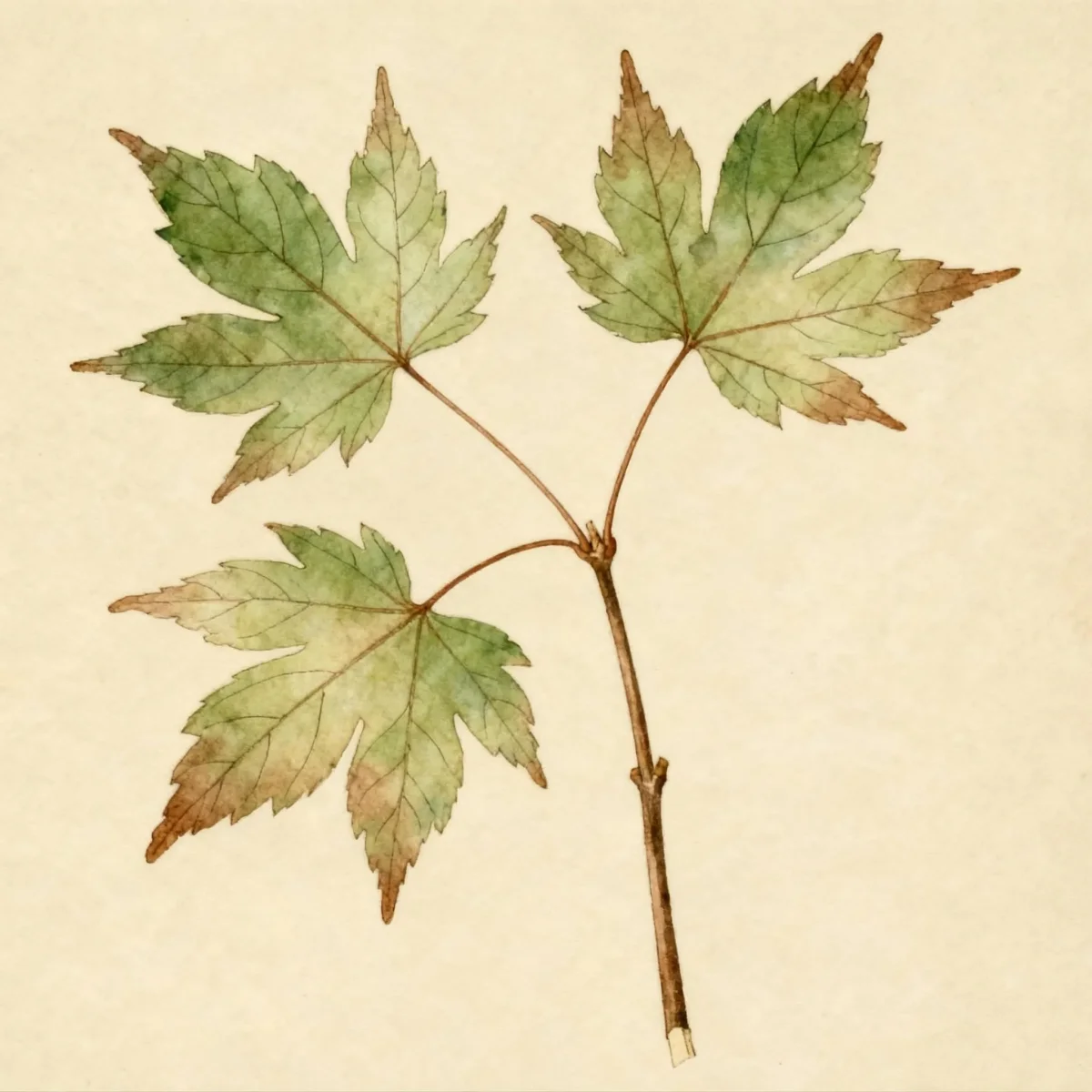
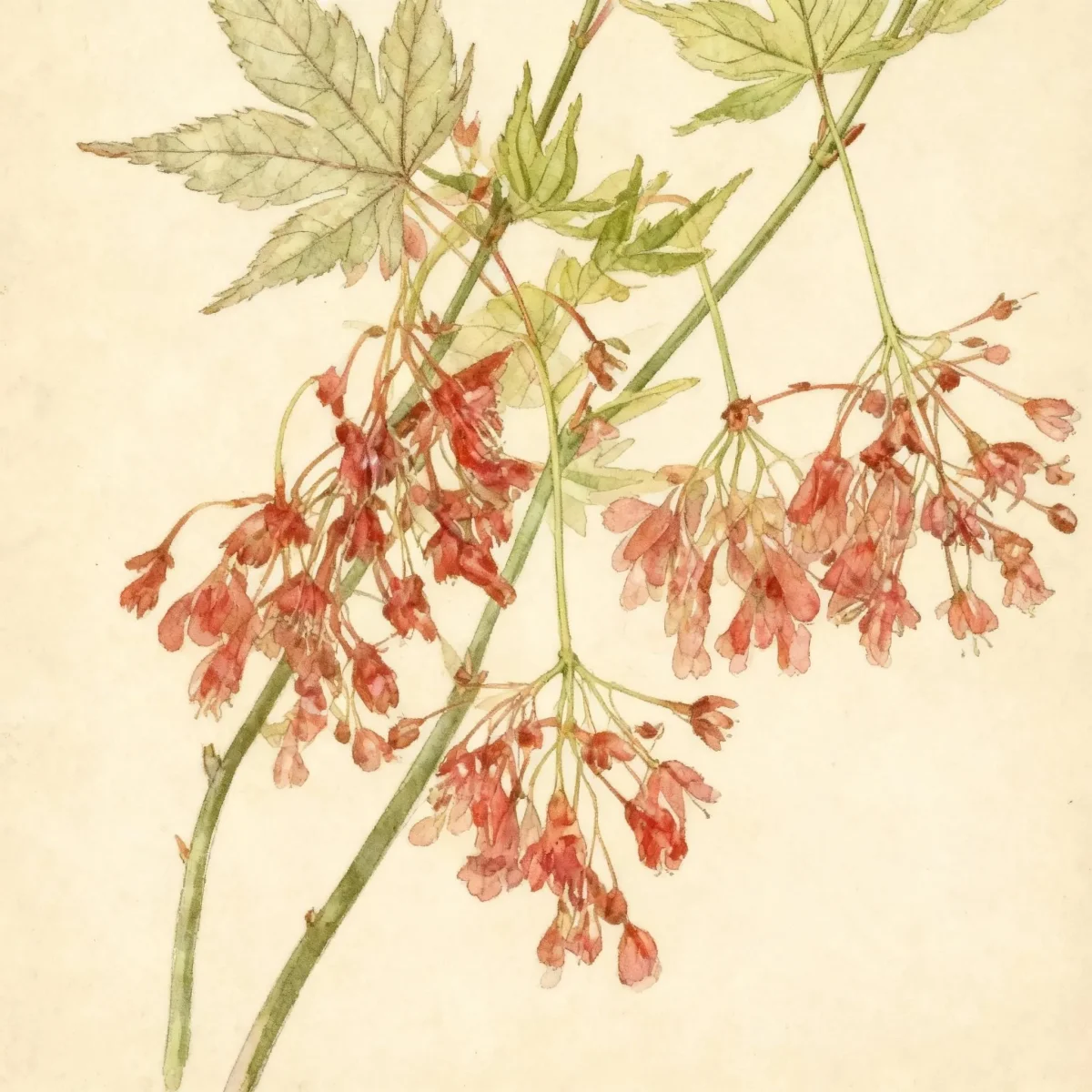
Full moon maple (Acer japonicum 'O-isami')
Discover Acer japonicum 'O-isami', the Full moon maple, renowned for its deeply lobed green foliage and stunning yellow-red fall color. Low maintenance and thrives in zones 5-7.
Scroll down to discover growing tips, care requirements, companion plants, and more
Complete Plant Information
Overview
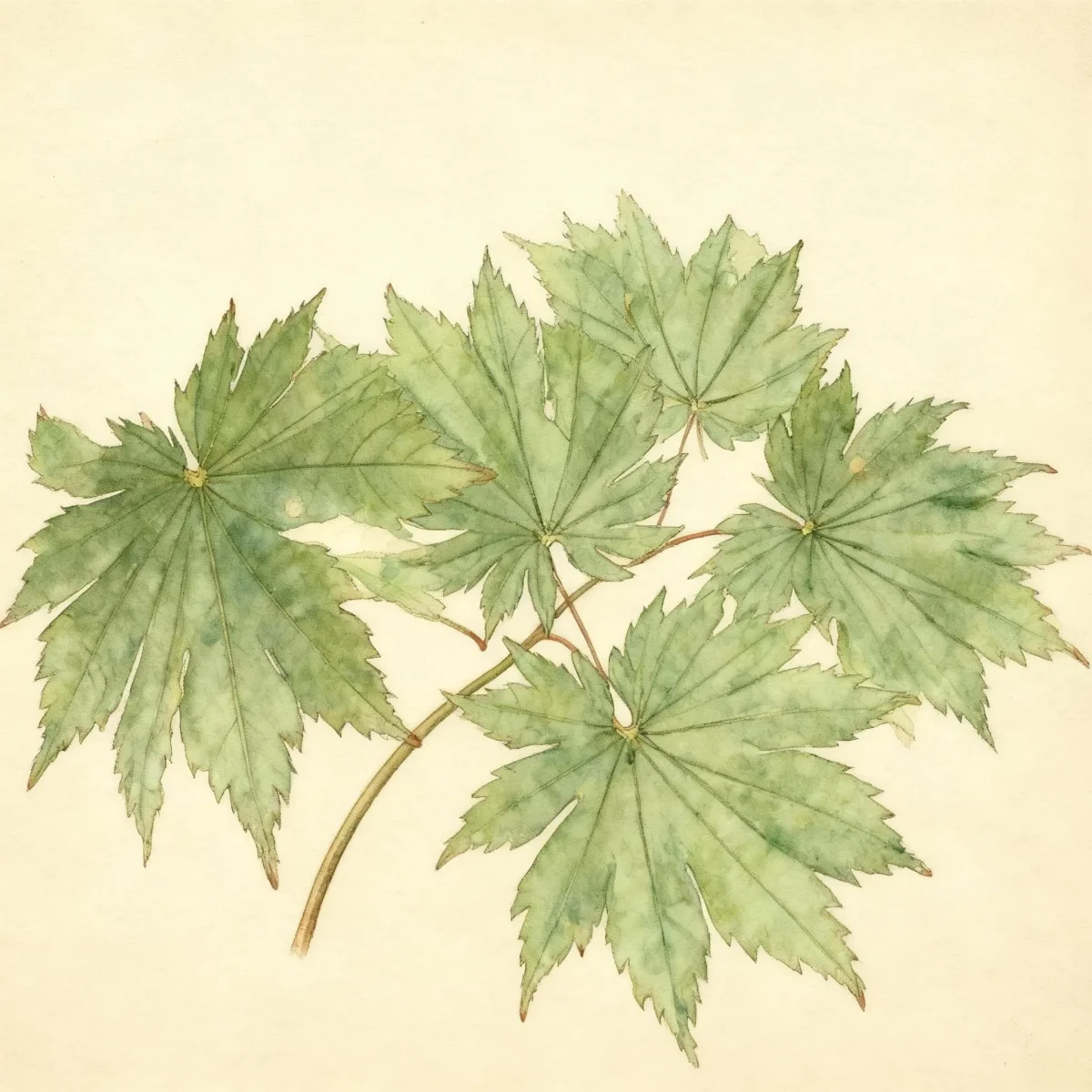
The Full moon maple, scientifically known as Acer japonicum ‘O-isami’, is a highly sought-after specimen tree prized for its spectacular, deeply divided foliage. This cultivar of the Japanese maple relative features orbicular leaves that look similar to a full moon, providing exceptional texture in the garden landscape. It is a slow-growing, deciduous tree or large shrub, often developing a graceful, multi-trunked form.
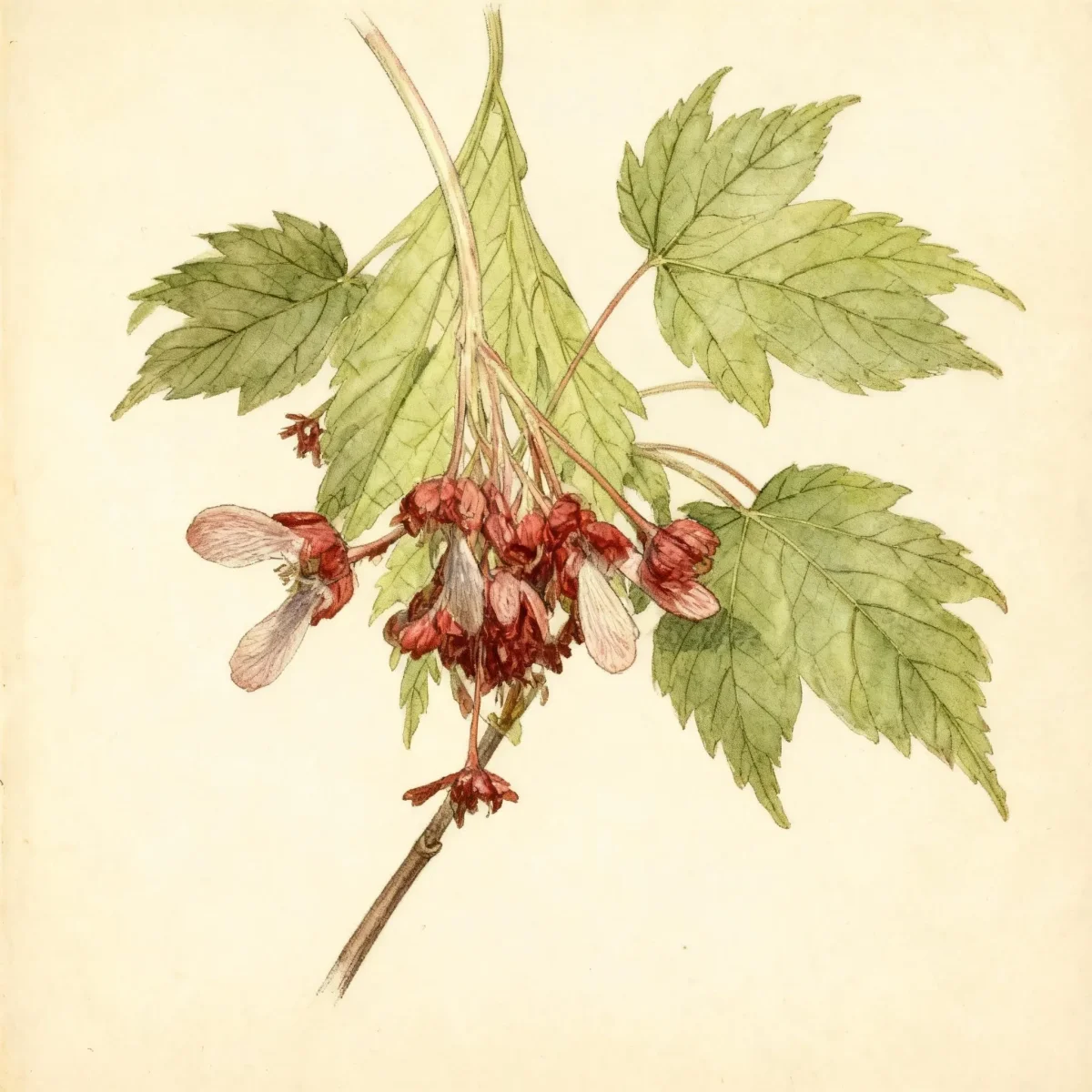
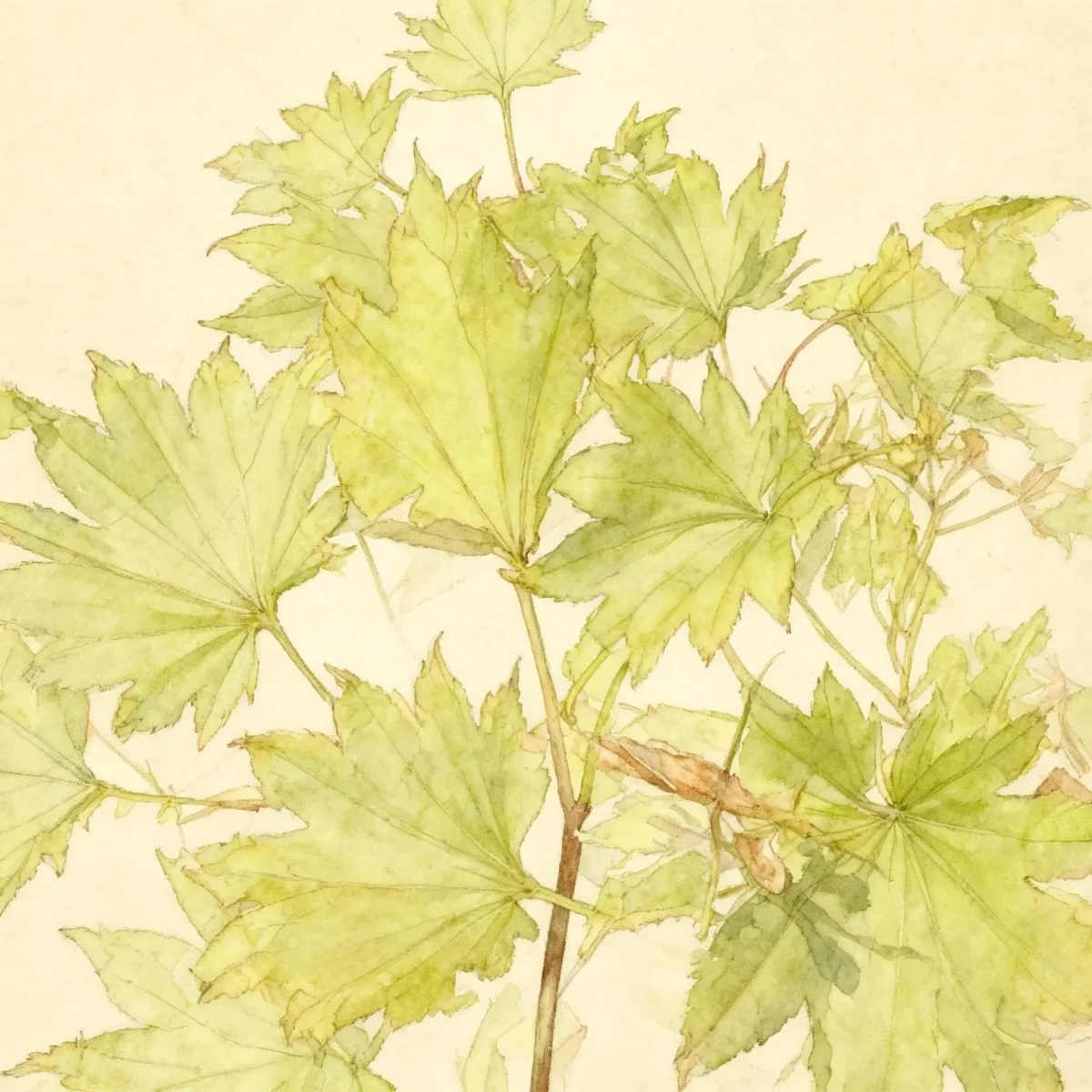
Acer japonicum ‘O-isami’ offers year-round visual interest, beginning with small purplish-red blooms in early spring before the main show: its leaves. While emerging light green, they mature to a rich green for summer before transforming into brilliant shades of yellow, orange, and red in autumn. Gardeners value this Full moon maple for its low maintenance needs and its ability to serve as a stunning focal point.
Native to the mountainous regions of Japan, this species prefers climates with cool summers. When sited correctly, Acer japonicum ‘O-isami’ is a resilient addition to the landscape, offering structure and vibrant color without demanding excessive care from the dedicated gardener.
Fast Facts
- Plant Family: Sapindaceae
- Plant Type: Tree
- Hardiness Zones: USDA Zones 5-7
- Size at Maturity:
- Height: 20-30 ft
- Spread: 20-30 ft
- Bloom Time: April
- Bloom Description: Purplish-red
- Sun Exposure: Full sun to part shade
- Water Needs: Medium
- Maintenance Level: Low
How to Grow
The establishment of your Full moon maple begins with selecting the correct location. Aim for average, well-drained soil rich in organic matter. While tolerant of full sun, Acer japonicum ‘O-isami’ performs best when offered lightly dappled shade, especially protecting it from the intense afternoon sun common in hotter climates, which can cause leaf scorch. Ensure the planting site is protected from severe, drying winds.
Watering should be consistent; this tree requires medium water needs. Maintain evenly moist soil, especially during dry periods, ensuring that the soil never remains waterlogged, as this can lead to root rot issues common in maples. Because this cultivar performs poorly south of Zone 7, plants demand cool summer conditions to thrive long-term.
Maintenance for Acer japonicum ‘O-isami’ is generally low. Staking young trees gently can encourage a more perfectly erect growth habit as the plant matures. Minimal pruning is typically required; address crossing or damaged branches during the dormant season. Be mindful that the foliage leafs out early, making it vulnerable to late spring frosts, which can temporarily damage new growth.
Landscape Uses
The Full moon maple is primarily utilized as a specimen tree, providing an architectural anchor in residential or formal garden settings. Its relatively slow growth and open, rounded crown make it ideal for placement near patios or walkways where its unique leaf shape can be appreciated up close across all seasons. This species also works beautifully when planted in small groupings to create a layered understory effect.
Its stunning fall transformation from deep summer green to fiery reds and yellows ensures it draws the eye. For companion planting, group this maple with shade-tolerant, low-growing perennials that appreciate similar moisture levels, such as hostas or Japanese forest grass (Hakonechloa). Avoid planting where it receives environmental stress.
As a vigorous understory tree, the Acer japonicum ‘O-isami’ offers unparalleled texture. It works exceptionally well under the canopy of taller, more open canopy trees, mimicking its native habitat and providing the filtered light conditions it prefers.
Standout Features
Flower Qualities
- Showy
Noteworthy Characteristics
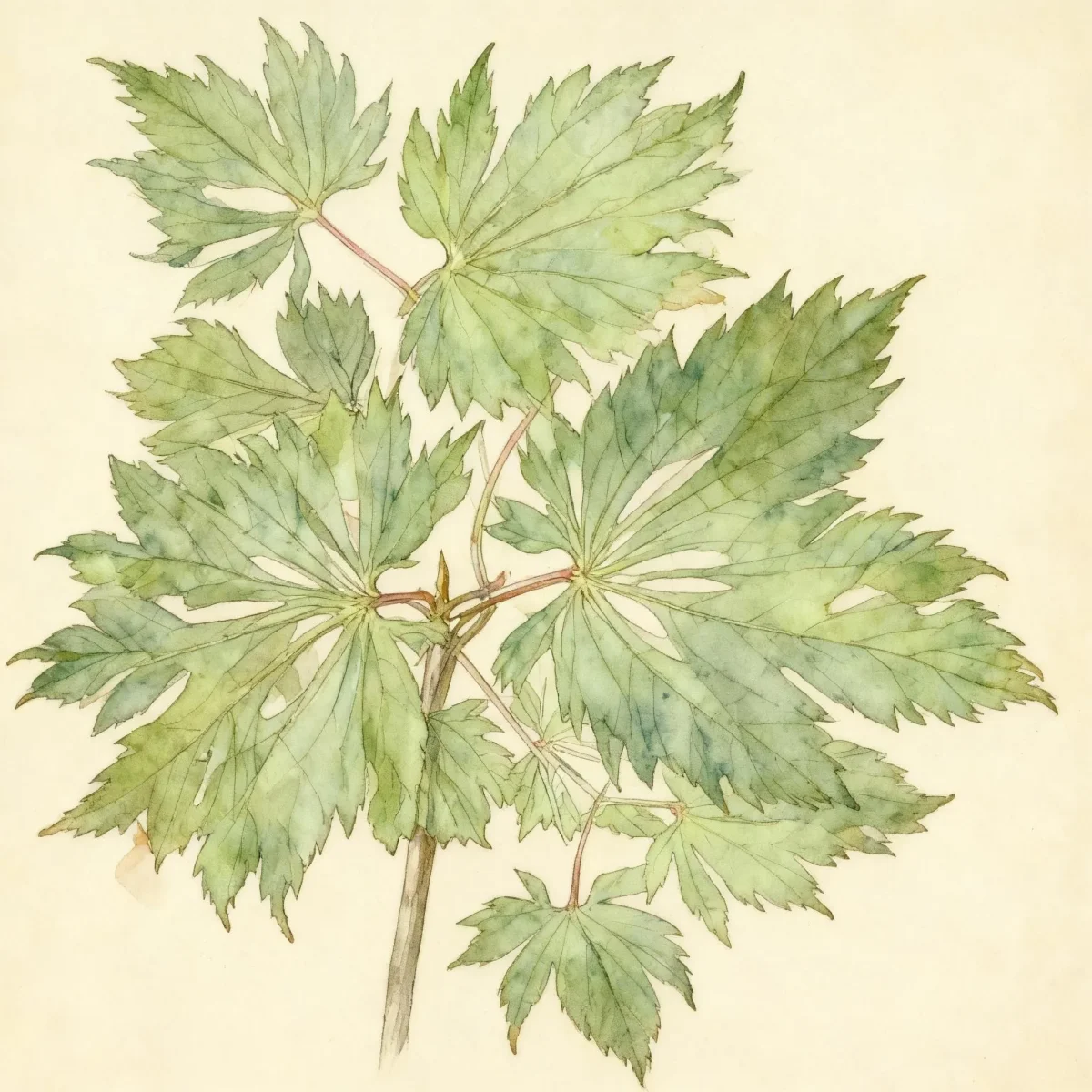
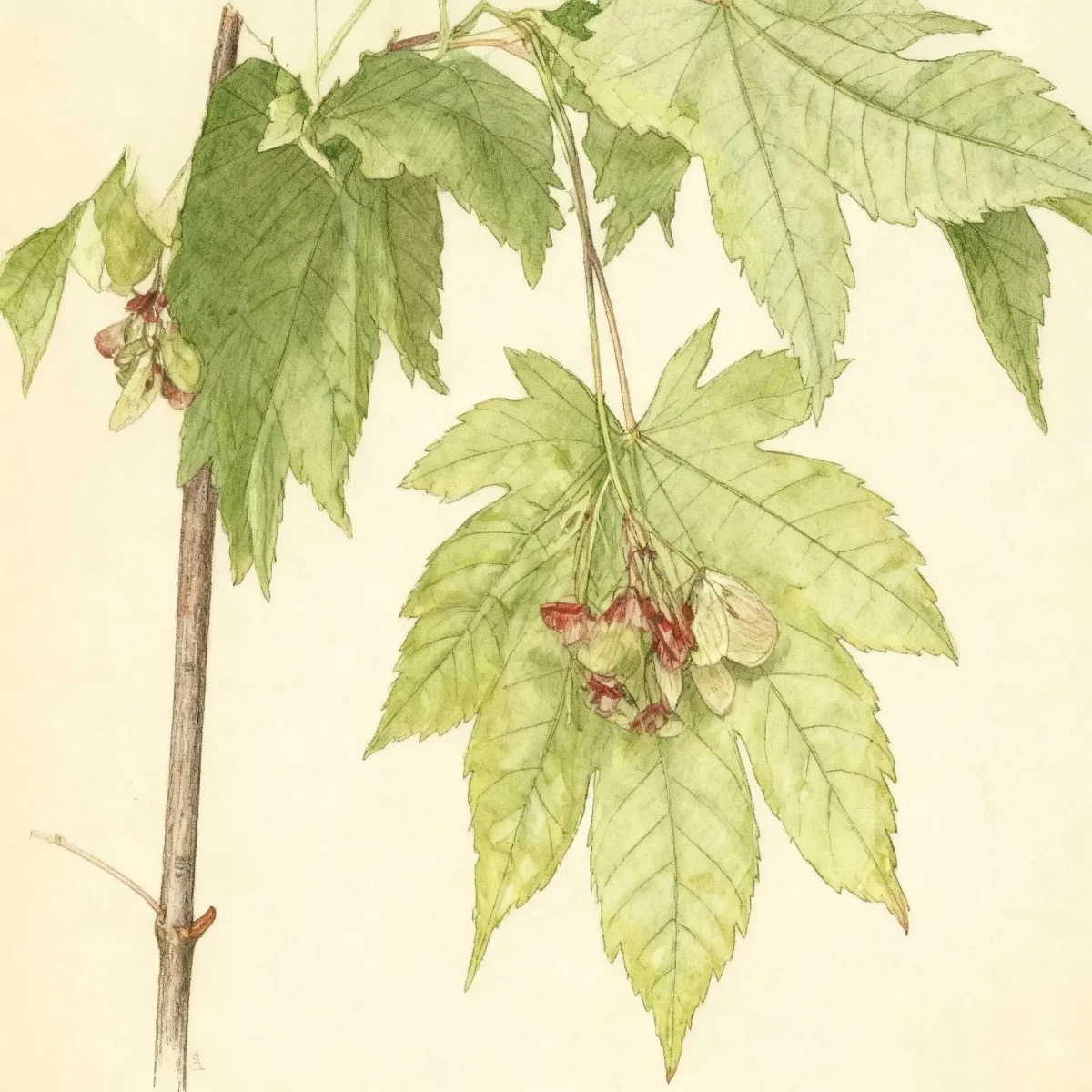
Acer japonicum, commonly called full moon maple, is a deciduous, spreading, small tree or large shrub that grows to 20-30’ tall. It often grows in a multi-trunked form. It features rounded, palmate, almost fern-like, medium green leaves (to 3-6” across) which are deeply divided into 7-11 acuminate, toothed and cut, ovate to lance-shaped lobes, which turn yellow and red in fall. The cultivar ‘O-isami’ is specifically noted as an upright variety with large orbicular leaves, measuring up to 6” long and 7” wide, culminating in spectacular bright yellow, orange, and red hues when the season turns.
Tolerances
- Rabbit
- Black Walnut
Potential Problems
Foliage on Acer japonicum ‘O-isami’ tends to leaf out early in spring, creating susceptibility to damage from late frosts, which can brown limited portions of the developing leaves. The tree is susceptible to various fungal and bacterial issues, including verticillium wilt, leaf spots, root rots, anthracnose, collar rot, and stem canker. Careful drainage management minimizes rot risk.
Potential insect pests include aphids, scale, borers, and caterpillars, while mites can also appear, usually during hot, dry periods. Inspect your Full moon maple regularly, particularly the undersides of leaves and branch crotches, to catch pest infestations early. Healthy, well-watered trees are naturally more resilient to minor pest outbreaks.
Frequently Asked Questions
What hardiness zones is Full moon maple suitable for?
The Acer japonicum ‘O-isami’ Full moon maple is reliably hardy in USDA Zones 5 through 7.
How large does Acer japonicum ‘O-isami’ grow?
This cultivar typically reaches a mature height between 20 and 30 feet, with a comparable spread of 20 to 30 feet, often developing a wide, open crown.
What sun exposure does Full moon maple need?
This tree performs best in locations receiving full sun to part shade, though it strongly prefers lightly dappled shade conditions to prevent leaf scorch during hot summers.
Conclusion
The Acer japonicum ‘O-isami’ Full moon maple is an exceptional choice for gardeners seeking high-impact foliage and superb fall color with relatively low overall labor. Its distinctive leaf structure and manageable size ensure it remains a garden highlight for decades. Before planting, confirm your climate falls within USDA Zones 5-7 and plan its location carefully to buffer it from harsh sun and wind exposure.
Companion Planting
Since the Full moon maple thrives in medium moisture and prefers some protection from intense sun, companion planting should focus on moisture-loving, shade-tolerant groundcovers. Consider planting varieties of Hosta or Astilbe near the drip line; these plants share similar moisture requirements and provide a contrasting texture beneath the overhead canopy of the maple.
Another excellent pairing involves ferns, such as the Japanese Painted Fern or Autumn Fern. These choices enhance the woodland aesthetic that suits the Acer japonicum ‘O-isami’ perfectly, while their preference for consistent ground moisture mirrors the maple’s needs, simplifying your long-term watering strategy.
Design Ideas for Specimen Planting
Utilizing the Full moon maple as a specimen means placing it where its form and seasonal color transitions can be fully appreciated. For modern landscape designs, plant it against a simple, dark fence or wall to maximize the visual contrast of its bright new spring growth and vibrant autumn display. Ensure ample space is provided so that when the mature 25-30 foot spread is reached, the tree does not feel crowded by hardscaping or structures.
In traditional or Japanese-inspired gardens, use the Full moon maple as a counterpoint to fine-textured evergreens or stone elements. Its gracefully spreading branches naturally lend themselves to viewing from beneath, making it an ideal candidate near seating areas or along slow-moving pathways where the complexity of the deeply cut foliage can be admired overhead.