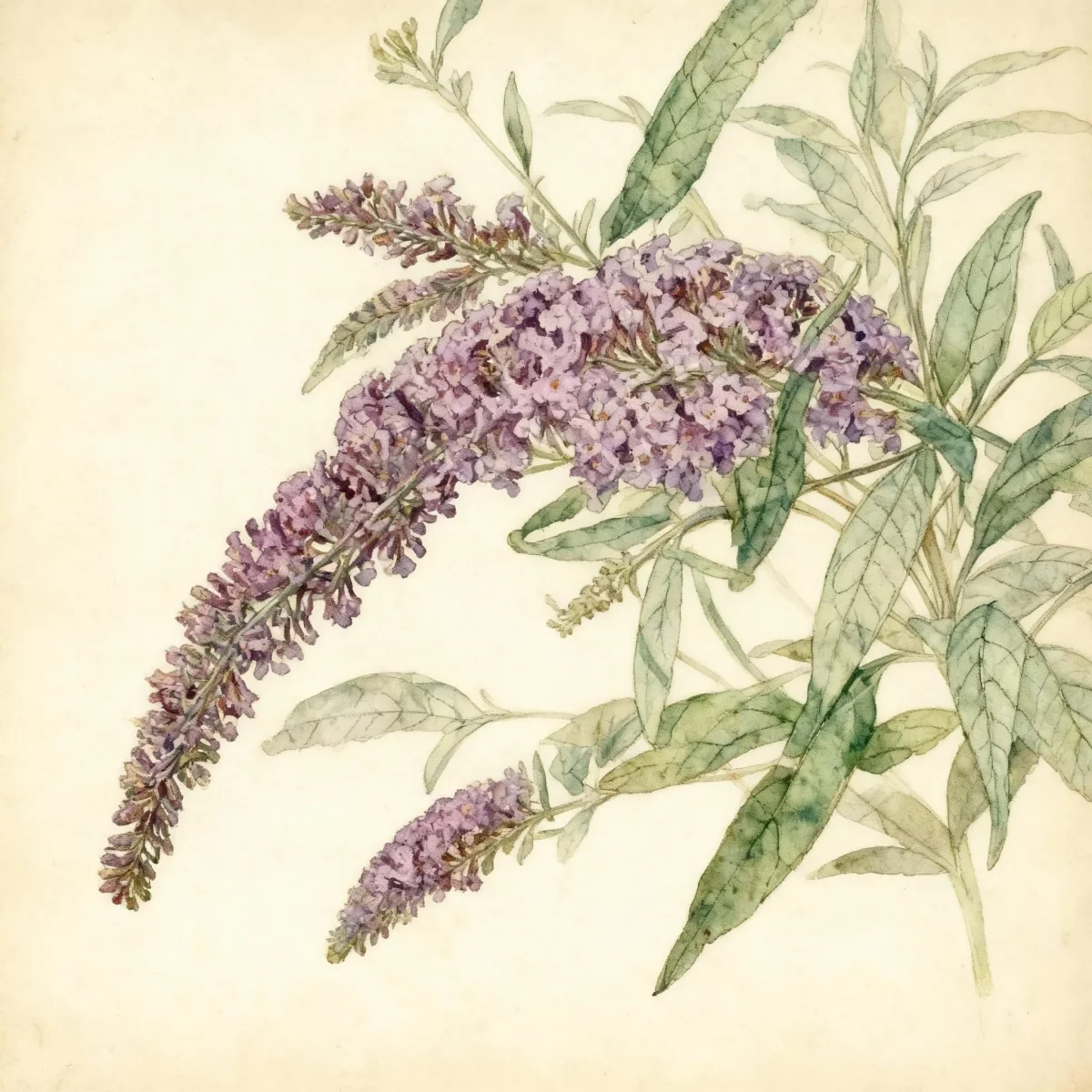
Butterfly bush (Buddleja davidii 'Adokeep' ADONIS BLUE)
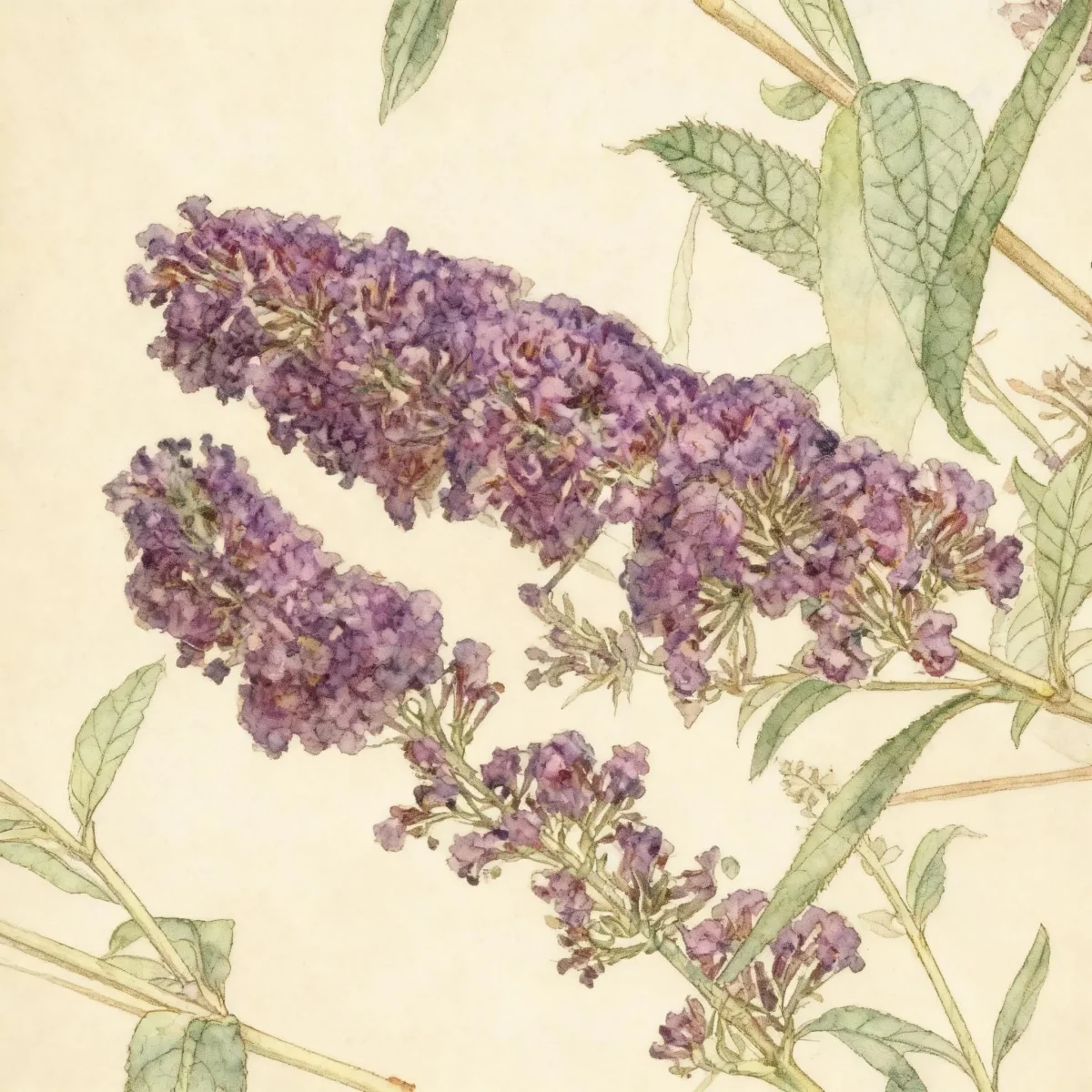
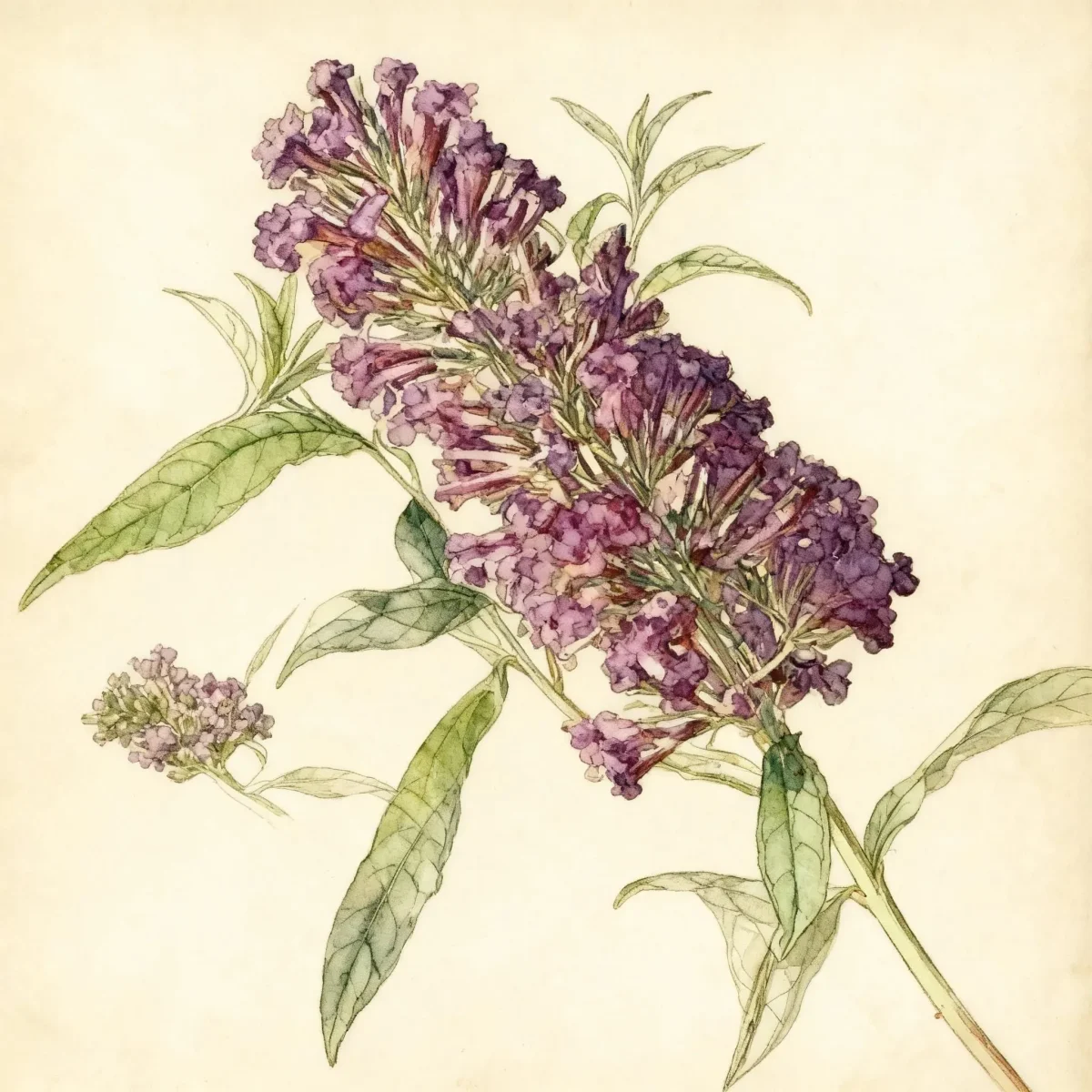
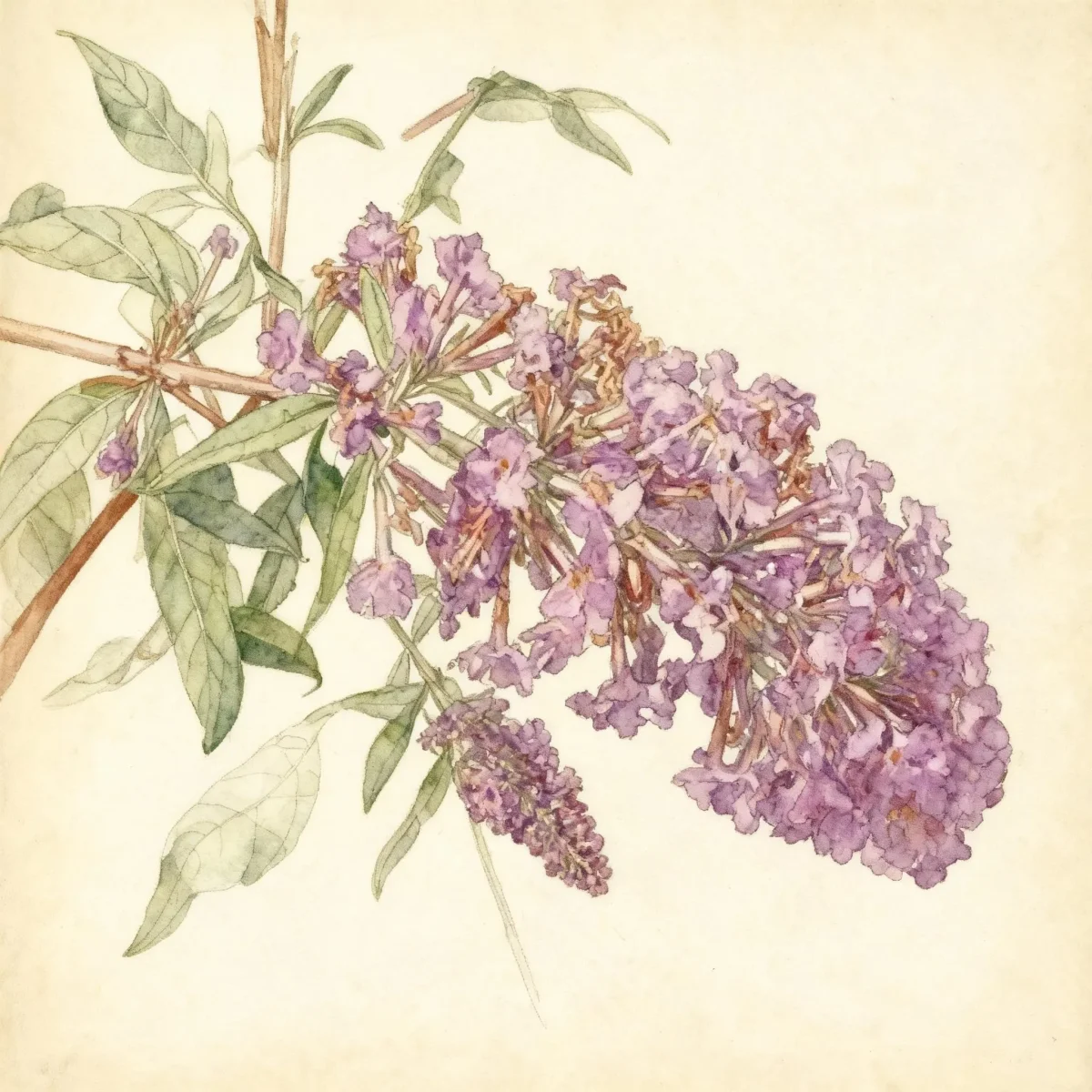
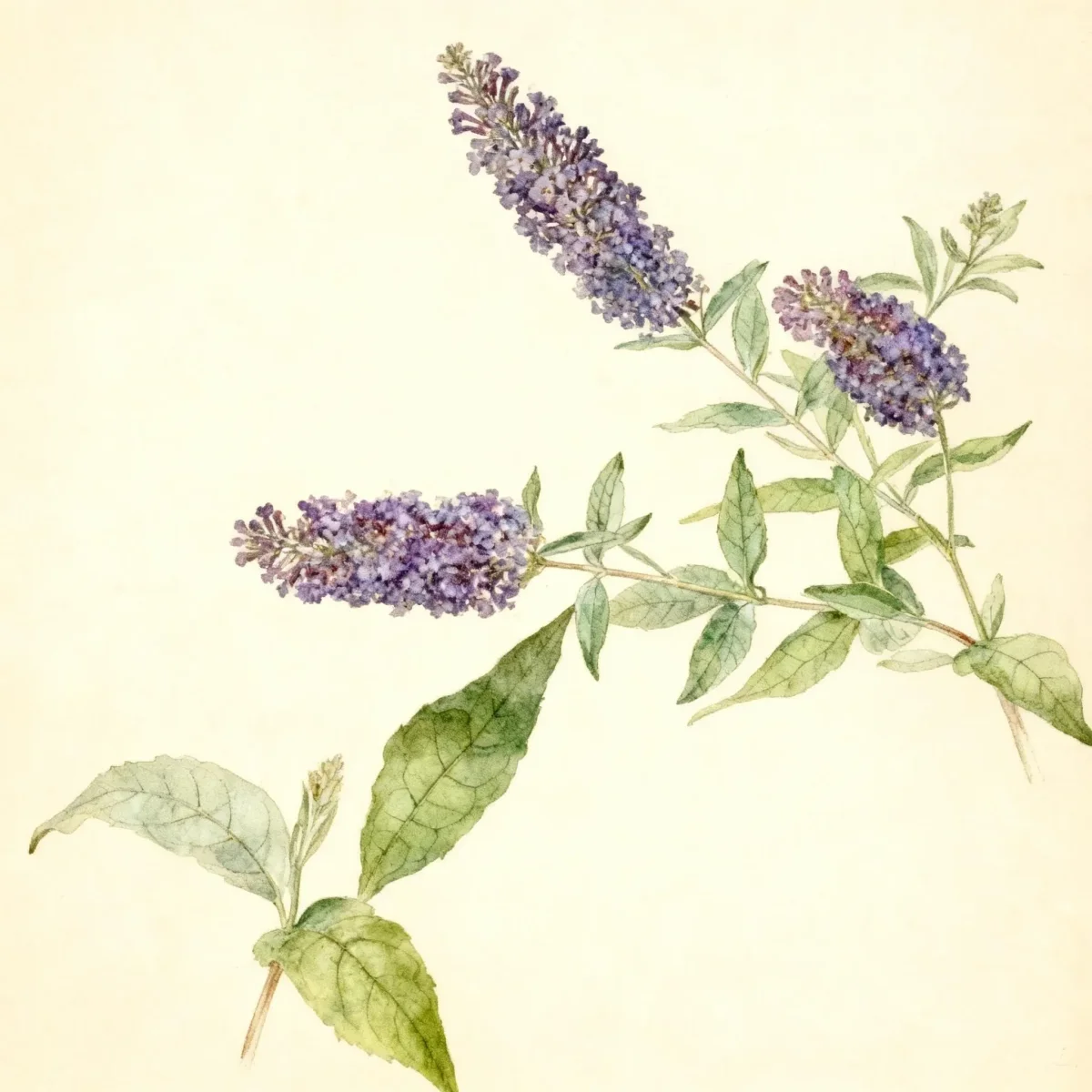
Buddleja davidii 'Adokeep' ADONIS BLUE is a compact Butterfly bush offering dense, dark blue flowers from June to September.
Scroll down to discover growing tips, care requirements, companion plants, and more
Complete Plant Information
Overview
The Buddleja davidii ‘Adokeep’ ADONIS BLUE is a prized cultivar of the common Butterfly bush, developed to provide the massive floral display characteristic of the species in a more manageable, compact form. This dwarf variety is highly valued for its dense branching and abundance of rich, dark blue flower spikes, making it a stellar performer in smaller gardens or foundation plantings where larger shrubs would overwhelm the space. As its common name suggests, this Butterfly bush is exceptionally attractive to pollinators, ensuring vibrant activity throughout the summer season.
This deciduous shrub thrives when given adequate sunlight, rewarding gardeners with continuous bloom from early summer right through to the first frost. While robust, proper pruning is key to maintaining its superior shape and flowering vigor, especially in cooler parts of its range. The ADONIS BLUE selection balances vigorous growth with a refined stature, typically reaching 3 to 5 feet tall and wide.
Gardeners seeking reliable color and significant wildlife benefit should consider planting Buddleja davidii ‘Adokeep’ ADONIS BLUE. Its low maintenance needs, coupled with its tolerance for less-than-ideal soil conditions like clay, make it a practical favorite for borders, cottage gardens, and dedicated butterfly habitats.
Fast Facts
- Plant Family: Scrophulariaceae
- Plant Type: Deciduous shrub
- Hardiness Zones: USDA Zones 5-9
- Size at Maturity:
- Height: 3-5 ft
- Spread: 3-5 ft
- Bloom Time: June to September
- Bloom Description: Dark blue
- Sun Exposure: Full sun
- Water Needs: Medium
- Maintenance Level: Low
How to Grow
Buddleja davidii ‘Adokeep’ ADONIS BLUE establishes best when planted during the spring or fall in locations receiving full sun. Full sun exposure is non-negotiable; insufficient light leads to weedy, sparse growth and significantly diminished flowering performance. This plant performs well in average, well-drained soil with medium moisture, but it will adapt to clay soil, provided the soil is properly amended to improve drainage. Avoid overly wet, poorly draining sites, as this cultivar struggles under those conditions.
For irrigation, maintain medium soil moisture during the growing season. Fertilization is rarely necessary if sited correctly, though a balanced feed in early spring can boost vigor. Pruning is the most important cultural requirement: in USDA Zones 5 and 6, the plant often dies back to the ground and should be cut close in late winter, treating it like a herbaceous perennial for the best shape and most vigorous rebloom. Even in warmer zones, annual hard pruning in late winter promotes superior flower production.
Deadheading, or the prompt removal of spent flower spikes throughout the summer, encourages the plant to produce more blooms until the season ends. Be aware that this Butterfly bush has the potential to self-seed aggressively, particularly where winter dieback is minor. If controlling the spread is a concern, ensure all spent flower clusters are removed before seeds have a chance to disperse by wind.
Landscape Uses
The compact stature of Buddleja davidii ‘Adokeep’ ADONIS BLUE makes it highly versatile, moving beyond the scale of traditional Butterfly bushes. It excels when used in mass plantings along borders, providing a consistent ribbon of dark blue color from early summer onward. Because of its manageable size (3-5 ft), it functions wonderfully in cottage gardens or even strategically placed in rose gardens where its contrasting form and color complement traditional plantings.
While often too large for small accent pots, this cultivar works well as a mid-border anchor or, if kept pruned, can serve as a compact specimen in a corner of the landscape. Its strong attraction to wildlife means it is naturally suited for dedicated butterfly gardens, acting as a reliable nectar source. Furthermore, the spike-like terminal clusters are popular as fresh cut flowers, bringing the rich color indoors.
Standout Features
Flower Qualities
- Showy
- Fragrant
Noteworthy Characteristics
The ADONIS BLUE cultivar is part of the English Butterfly Series and offers large flower clusters on a dense shrub that is significantly smaller than typical B. davidii types, growing only to 3-5 feet tall. These dense, spike-like clusters display appealing dark blue flowers, drawing in butterflies, bees, and hummingbirds throughout the summer months. While the straight species can become weedy, this cultivar provides manageable, high-impact color.
Tolerances
- Rabbit
- Clay Soil
Potential Problems
The Butterfly bush generally experiences few serious insect or disease issues, contributing to its low maintenance rating. Gardeners should monitor closely for spider mites, particularly during hot, dry weather, which can signal a problem by causing dusty or stippled leaves. In areas further south, nematodes can sometimes become troublesome below ground, impacting root health if present in sandy soils. Prevention mainly involves ensuring good air circulation through proper spacing and routine, hard pruning each late winter.
Frequently Asked Questions
What hardiness zones is Butterfly bush suitable for?
The Buddleja davidii ‘Adokeep’ ADONIS BLUE is hardy in USDA Zones 5 through 9.
How large does the ADONIS BLUE Butterfly bush grow?
This compact cultivar typically matures to a height and spread between 3 and 5 feet.
What sun exposure does Buddleja davidii ‘Adokeep’ ADONIS BLUE need?
For optimal performance, this shrub absolutely requires full sun exposure.
When does Buddleja davidii ‘Adokeep’ ADONIS BLUE bloom?
It produces its signature dark blue flowers beginning in June and continuing through September.
Conclusion
The Buddleja davidii ‘Adokeep’ ADONIS BLUE is an essential choice for gardeners seeking substantial, long-lasting summer color without the imposing size of standard Butterfly bushes. Its dark blue, fragrant flowers reliably attract pollinators while its low maintenance profile simplifies upkeep. Before planting, ensure your location receives full dedication to sunlight and check that your USDA Hardiness Zone falls between 5 and 9 for the best results with this compact gem.
Companion Planting
Selecting appropriate companions helps enhance the aesthetic appeal and overall garden health surrounding your ADONIS BLUE Butterfly bush. Since this shrub demands full sun and thrives in average to medium moisture, pair it with other drought-tolerant or sun-loving perennials that bloom at different times to ensure succession interest. Consider planting lower-growing Lavender or Russian Sage nearby; their silvery foliage contrasts beautifully with the fine texture of the Buddleja leaves, and they share similar low-water needs once established.
For vertical contrast, pairing the mounding habit of the ADONIS BLUE with upright ornamental grasses can create dynamic movement as they sway together in the breeze. Because this plant grows best when watered reliably but not excessively, avoid using it directly beside plants that require consistently moist or boggy conditions, which can lead to root rot issues for the Butterfly bush.
Wildlife Benefits
The primary draw of the Buddleja davidii ‘Adokeep’ ADONIS BLUE is unequivocally its role as a powerful nectar source for local fauna. The dense spikes of dark blue flowers are highly scented and irresistible to countless species of butterflies, earning the plant its common name. Beyond Lepidoptera, gardeners will notice frequent visits from beneficial bees and hummingbirds feasting on the rich supply offered from June through September.
Planting this shrub helps support local ecology precisely when many other shrubs have finished their main flush of bloom. By providing continuous, season-long nectar, the ADONIS BLUE acts as a critical fuel stop for migrating pollinators. Even if you must manage seed dispersal, the sheer flower volume guarantees significant support for beneficial insects during peak summer months.