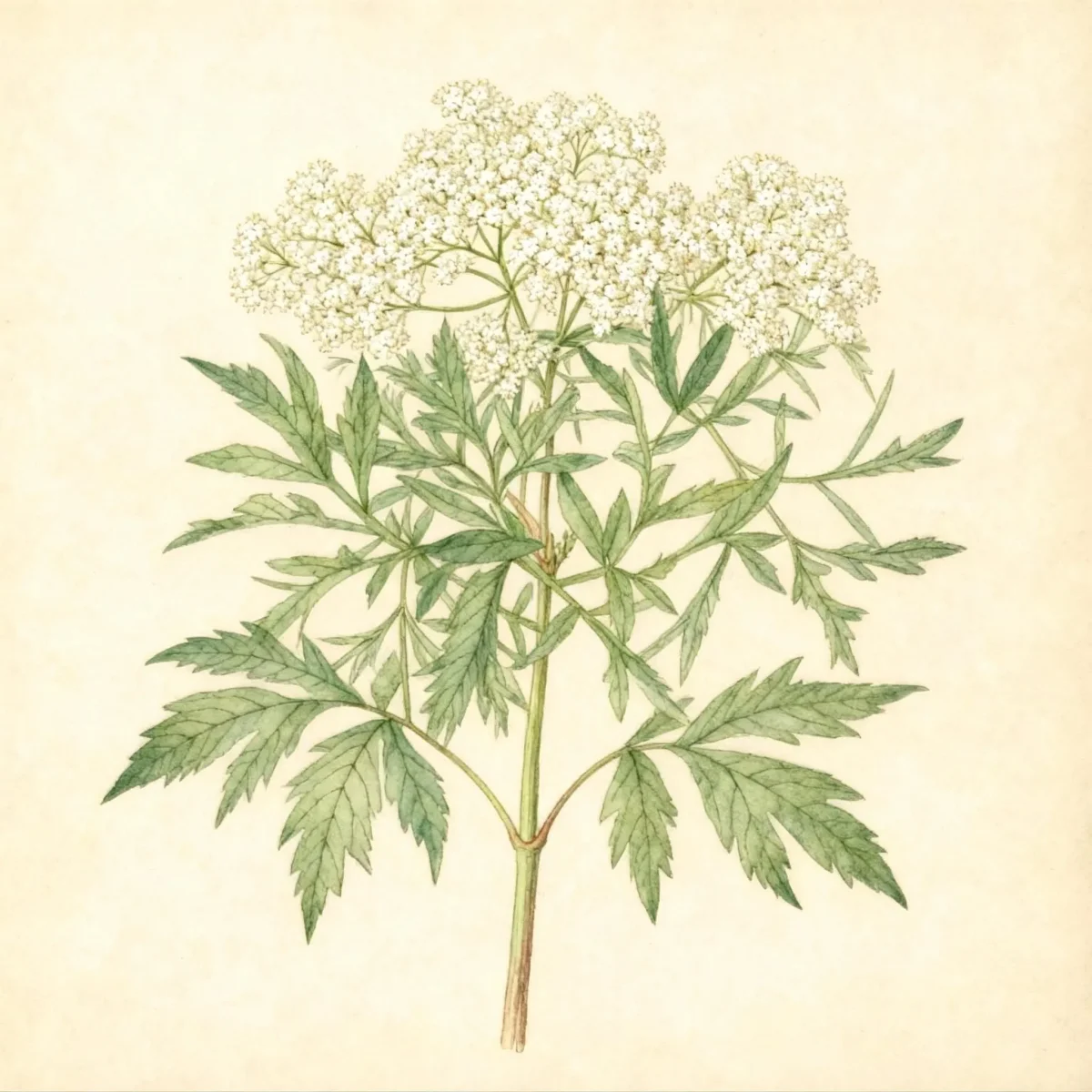
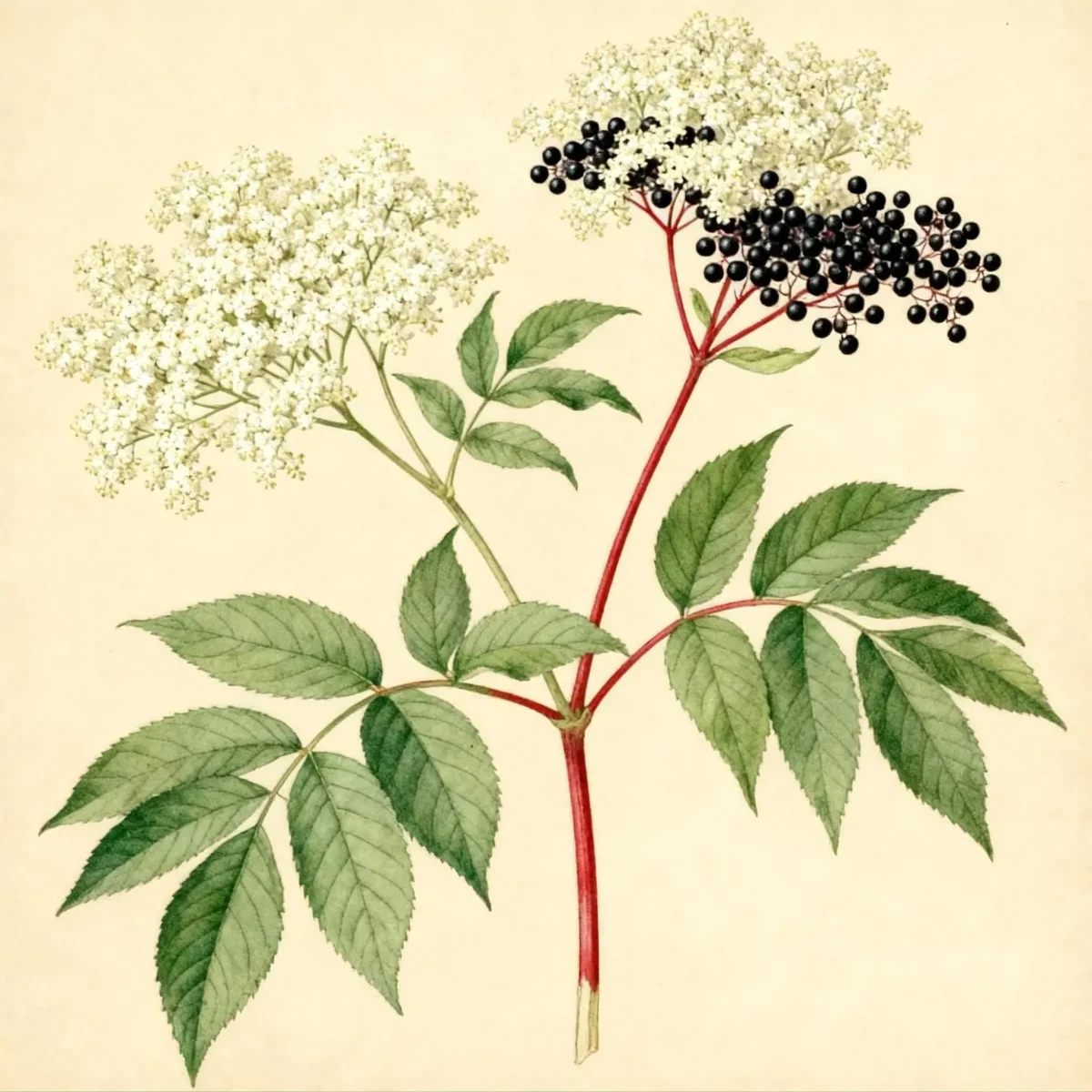
Black elder (Sambucus nigra 'Eva' BLACK LACE)
Sambucus nigra 'Eva' BLACK LACE, the Black elder, offers deeply cut dark purple foliage, pink flowers, and edible berries. A high maintenance, large shrub.
Scroll down to discover growing tips, care requirements, companion plants, and more
Complete Plant Information
Overview
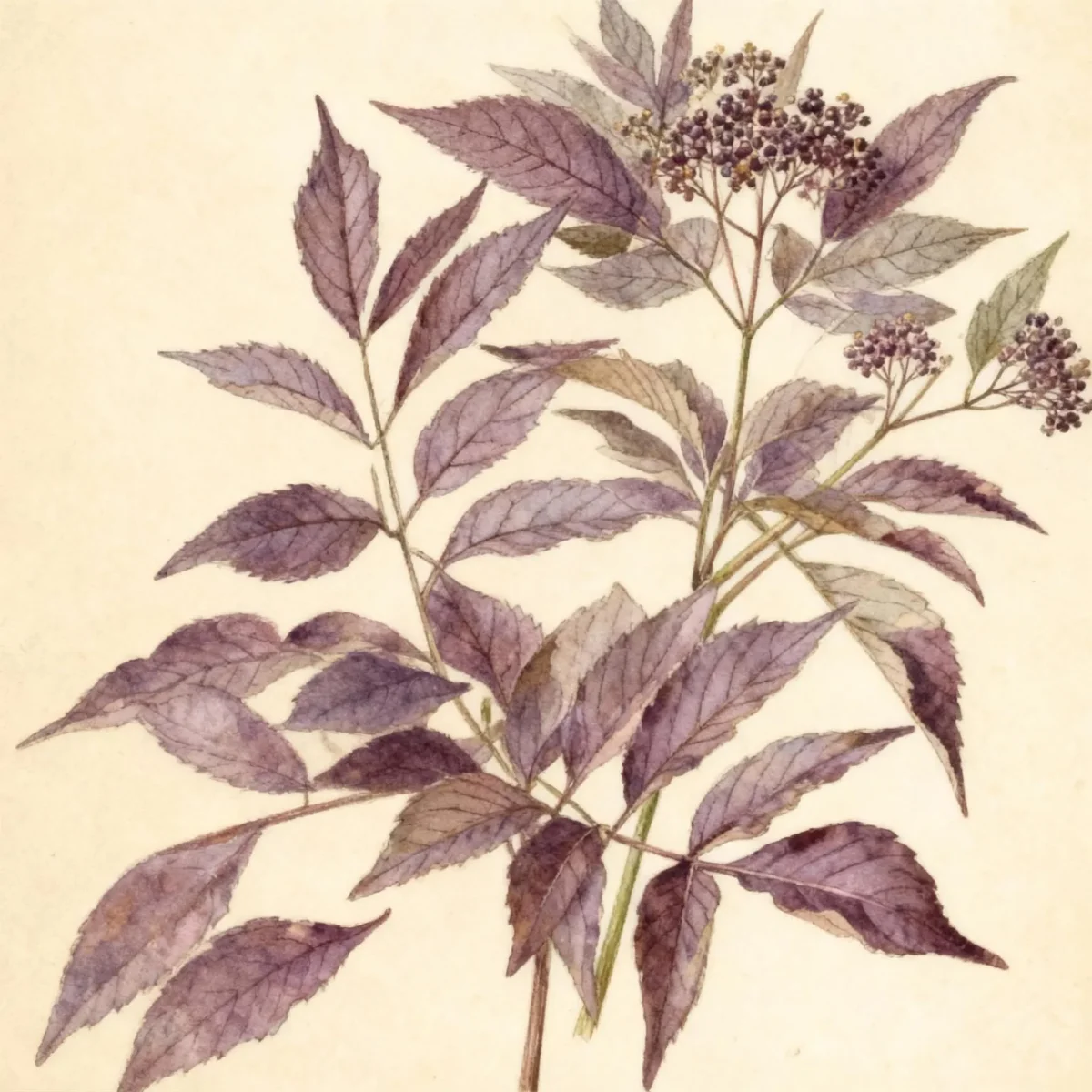
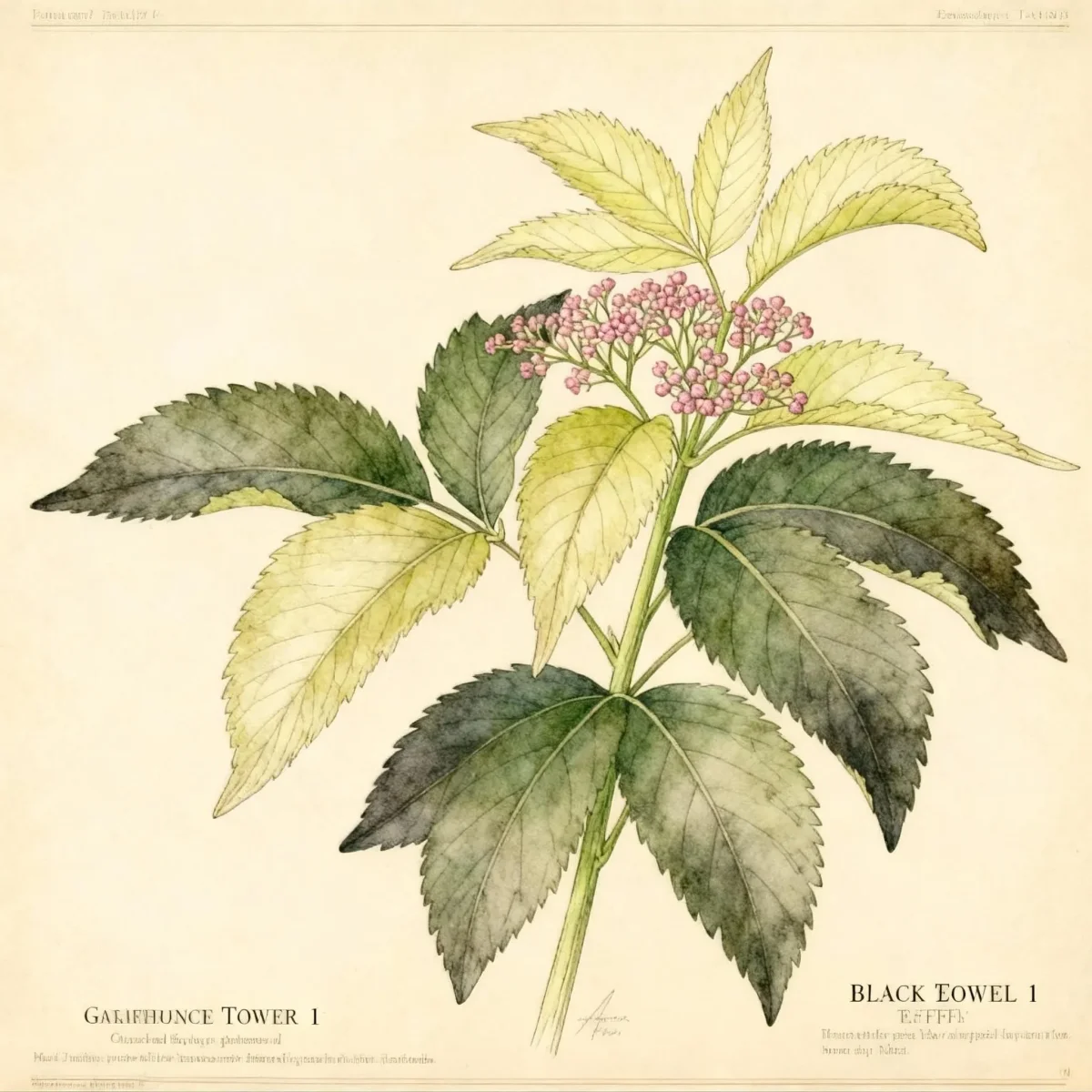
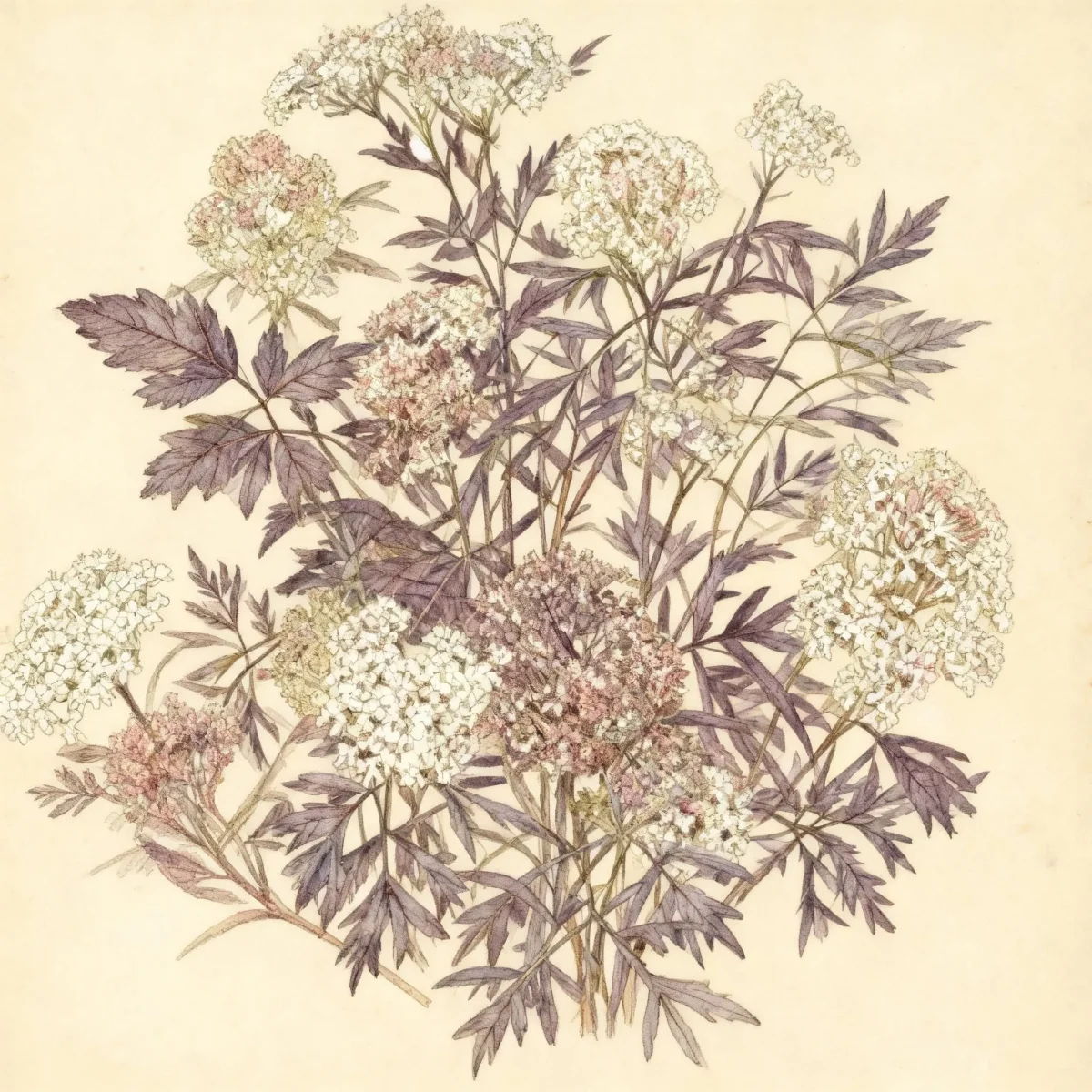
The Sambucus nigra ‘Eva’ BLACK LACE, commonly known as Black elder, is prized by gardeners for its dramatic, deeply cut dark purple foliage that provides striking contrast in the landscape. This cultivar offers a unique aesthetic blend, featuring lemon-scented, pink flowers that bloom in summer followed by dark elderberries. While requiring high maintenance, the Black elder rewards the dedicated grower with substantial size and year-round visual interest.
This large, upright deciduous shrub typically reaches 6 to 8 feet tall and wide, easily establishing itself in informal settings or as a dramatic accent. Its fast growth rate and tendency to spread by suckers mean careful placement and pruning are necessary to maintain desired form. Gardeners utilizing Sambucus nigra ‘Eva’ BLACK LACE gain beauty, interesting fruit for wildlife, and excellent performance in settings requiring moisture.
The distinctive leaf structure of Sambucus nigra ‘Eva’ BLACK LACE truly sets it apart from green-leaved elders, providing a fine texture that catches light beautifully. Successful cultivation relies on providing ample moisture and sufficient sunlight to maintain that deep purple coloration. Plan for regular pruning if you wish to control its size and maximize the visual impact of this stunning Black elder selection.
Fast Facts
- Plant Family: Adoxaceae
- Plant Type: Deciduous shrub
- Hardiness Zones: USDA Zones 4-7
- Size at Maturity:
- Height: 6-8 ft
- Spread: 6-8 ft
- Bloom Time: June to July
- Bloom Description: Pink
- Sun Exposure: Full sun to part shade
- Water Needs: Medium to wet
- Maintenance Level: High
How to Grow
Plant the Sambucus nigra ‘Eva’ BLACK LACE during the dormant season, ideally early spring or fall, ensuring the location receives full sun for the best purple leaf color. This shrub is happiest and thrives best in medium to wet, well-drained soils, though it exhibits tolerance for various soil conditions, including clay soils. Although adaptable, prioritize providing consistently moist, humus-rich locations, especially when young.
Watering requirements are medium to wet; avoid letting the soil dry out completely, particularly during hot summer months, to support robust growth. Due to its vigorous nature, maintenance is considered high. Plants readily spread by root suckers, necessitating immediate pruning of unwanted suckers unless the goal is to allow the shrub to naturalize freely into colonies.
Pruning is essential for maintaining the appeal of Sambucus nigra ‘Eva’ BLACK LACE. Options available in late winter or early spring include removing dead or weakened stems, shortening one-year-old stems, or cutting the plant back almost to the ground for complete rejuvenation. Regular pruning of the current year’s foliage will specifically promote the development of additional rich purple leaves, enhancing the cultivar’s signature feature.
Landscape Uses
The intense color and texture of Sambucus nigra ‘Eva’ BLACK LACE make it an excellent choice as an accent shrub, particularly effective when contrasted against lighter green foliage or bright flowers. Its substantial size allows it to serve well as a background plant in informal borders where it can be allowed to develop its natural, somewhat sprawling habit. This Black elder thrives beautifully when allowed to naturalize in larger, less manicured areas of the garden.
Consider using this plant in rain gardens due to its preference for medium to wet soil conditions. When used formally, it excels as a dense hedge, though this requires diligent pruning to maintain sharp lines against its sprawling nature. For maximum effect, site it where the deeply cut purple leaves can be appreciated up close, perhaps near a deck or walkway where its flowering structure is also noticeable.
This cultivar is noted for providing interesting structures with both attractive flowers and edible fruits, attracting wildlife throughout the season. While it can serve as a good hedge, it truly shines when used to add dramatic texture and dark color to mixed shrub borders or naturalized plantings where its spreading nature is less problematic.
Flower Qualities
- Showy
- Fragrant
Fruit Qualities
- Showy
- Edible
Noteworthy Characteristics
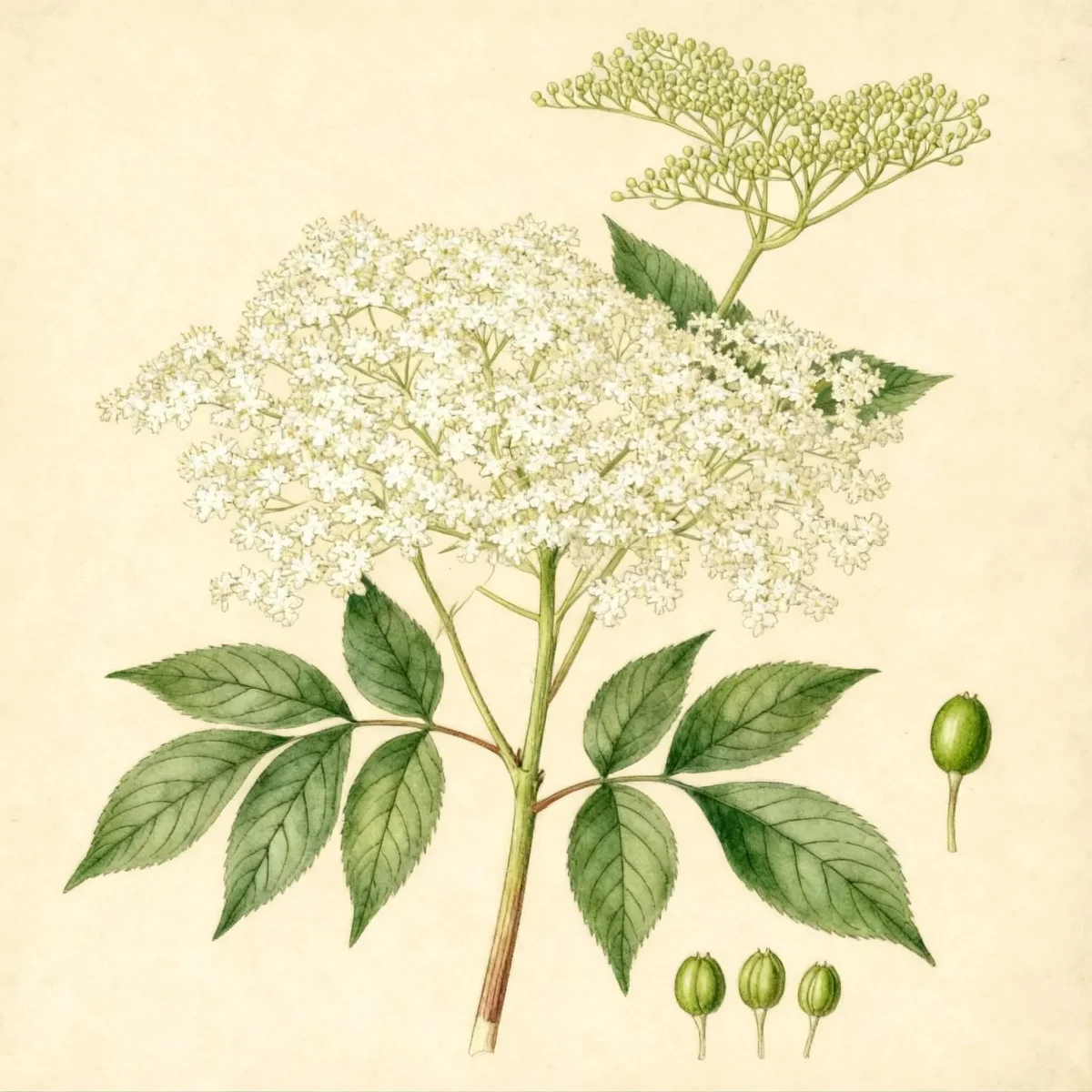
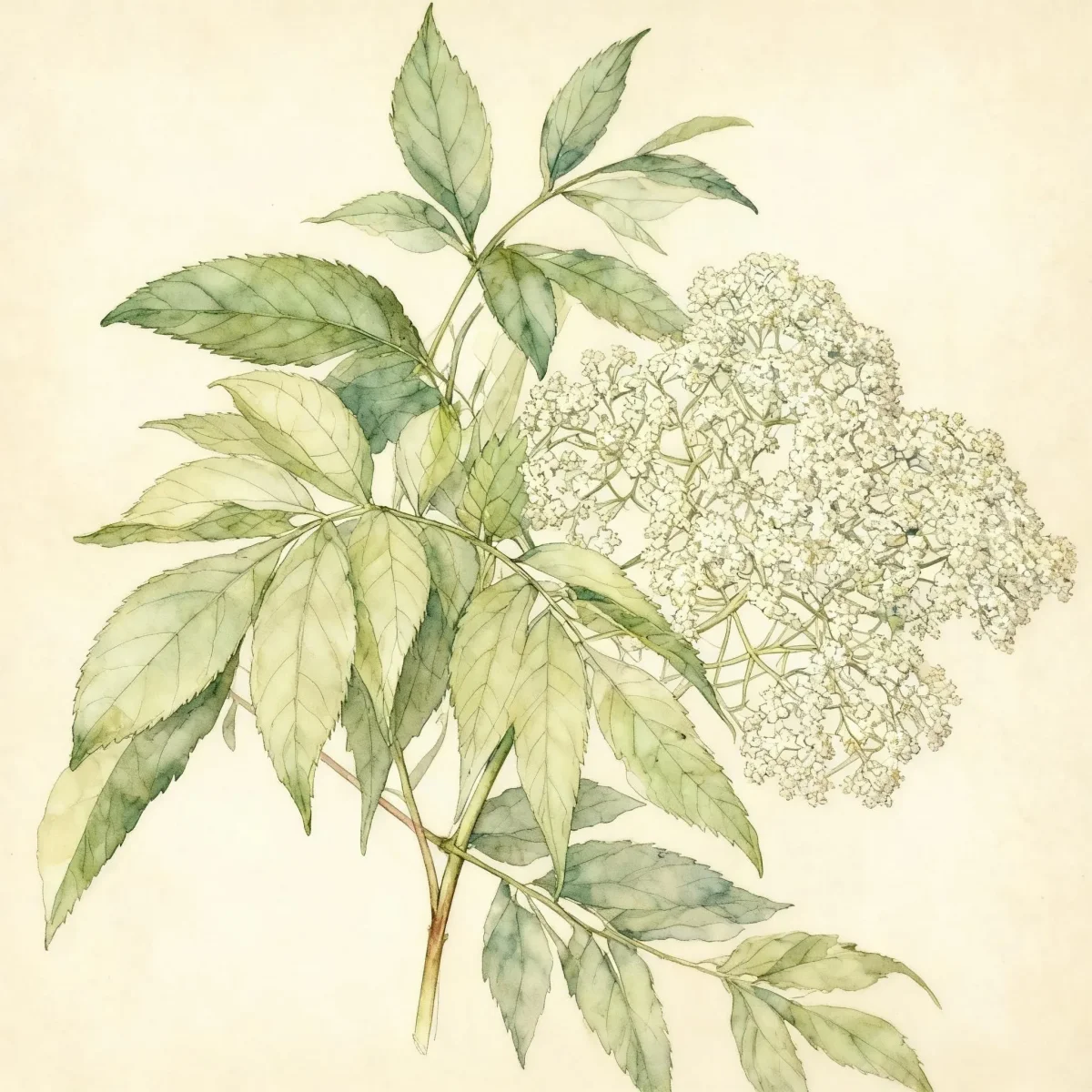
Sambucus nigra, commonly called European elder, is a deciduous shrub noted for its aromatic flowers and edible fruits. The specific cultivar BLACK LACE stands out due to its deeply cut, dark purple foliage and lemon-scented pink flowers, maturing typically between 6 to 8 feet tall. This European elder’s young stems are also purple, contrasting with older branches that weather to a rough, gray-brown.
Tolerances
- Clay Soil
Potential Problems
The Black elder, Sambucus nigra ‘Eva’ BLACK LACE, can spread somewhat aggressively, especially in ideal, moist growing conditions, requiring vigilant management of suckers. Gardeners should also watch for potential disease and pest issues, as susceptible plants may contract canker or powdery mildew. Other common issues cited include leaf spot, borers, spider mites, and aphids, which can detract from the foliage quality.
Structural integrity can be a concern; the branches are susceptible to damage from heavy snow or ice accumulation during winter, and high winds can cause breakage. Maintaining a vigorous, healthy plant through proper pruning (as discussed in cultivation) helps mitigate stress that can invite pests and diseases, thus protecting the dramatic appearance of the purple leaves.
Frequently Asked Questions
What hardiness zones is Black elder suitable for?
The Sambucus nigra ‘Eva’ BLACK LACE is suitable for USDA Hardiness Zones 4 through 7.
How large does Sambucus nigra ‘Eva’ BLACK LACE grow?
This shrub typically matures to a height between 6 and 8 feet, with a comparable spread of 6 to 8 feet.
When does Black elder bloom?
The flowering period for this cultivar generally occurs from June through July, producing pink blooms.
What sun exposure does Sambucus nigra ‘Eva’ BLACK LACE need?
For best performance and to ensure the foliage color remains deep purple, this plant prefers full sun, although it tolerates partial shade.
Conclusion
The Sambucus nigra ‘Eva’ BLACK LACE offers unparalleled dramatic foliage and fragrant summer flowers, making it a high-impact specimen even though it requires dedicated pruning. This Black elder is invaluable for adding deep color and contrasting texture to the garden. Before planting, confirm your site meets its medium to wet soil needs and plan for routine late-winter pruning to maintain its highly decorative structure.
Companion Planting
Choosing companions that appreciate similar conditions—moist soils and partial shade tolerance—will ensure a harmonious planting scheme around your Sambucus nigra ‘Eva’ BLACK LACE. Hydrangeas, Astilbes, and various moisture-loving ferns provide excellent textural and color contrast to the deeply divided leaves of the black elder. Positioning lighter green or chartreuse shrubs nearby will help amplify the dramatic purple hue of the foliage.
When planting near the edges of a rain garden, consider moisture-loving perennials such as Swamp Milkweed (Asclepias incarnata) or various ornamental grasses that thrive with consistent water. Even though the Sambucus nigra ‘Eva’ BLACK LACE spreads via suckers, these companions can help visually integrate the shrub into a larger, water-wise design area.
Wildlife Benefits
The elderberry fruits produced by the Sambucus nigra ‘Eva’ BLACK LACE are a welcome food source for local bird populations late in the season. While the flowers are enjoyed by various garden visitors, the primary wildlife benefit comes from the persistent, showy black elderberries. Providing food and cover enhances biodiversity in your garden structure.
The fragrant flowers, which bloom in early to mid-summer, also attract pollinators, though the primary show is visual. Remember that if you plan to use the fruits for culinary purposes (jams or wine), you must harvest responsibly, leaving plenty for wildlife enjoyment.