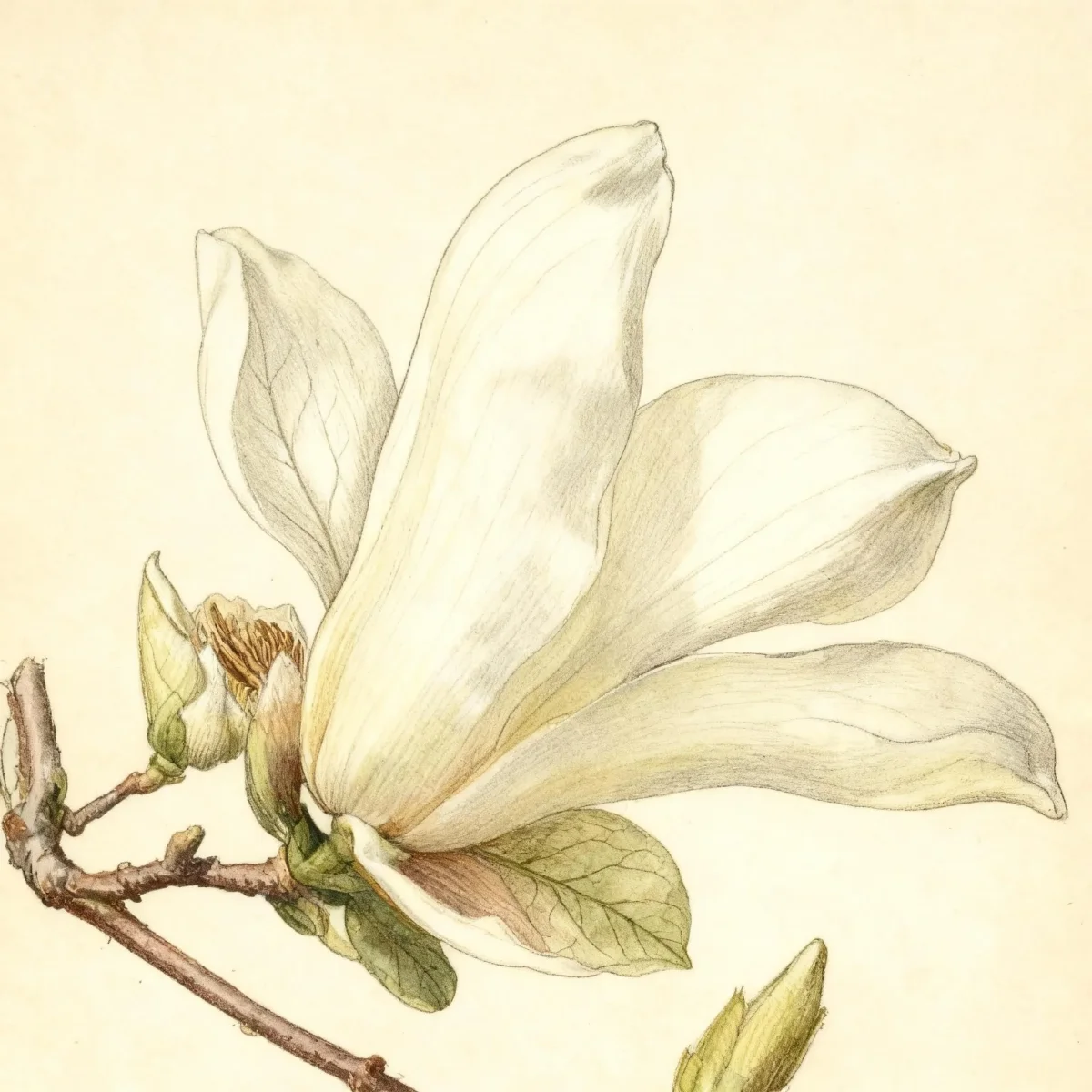
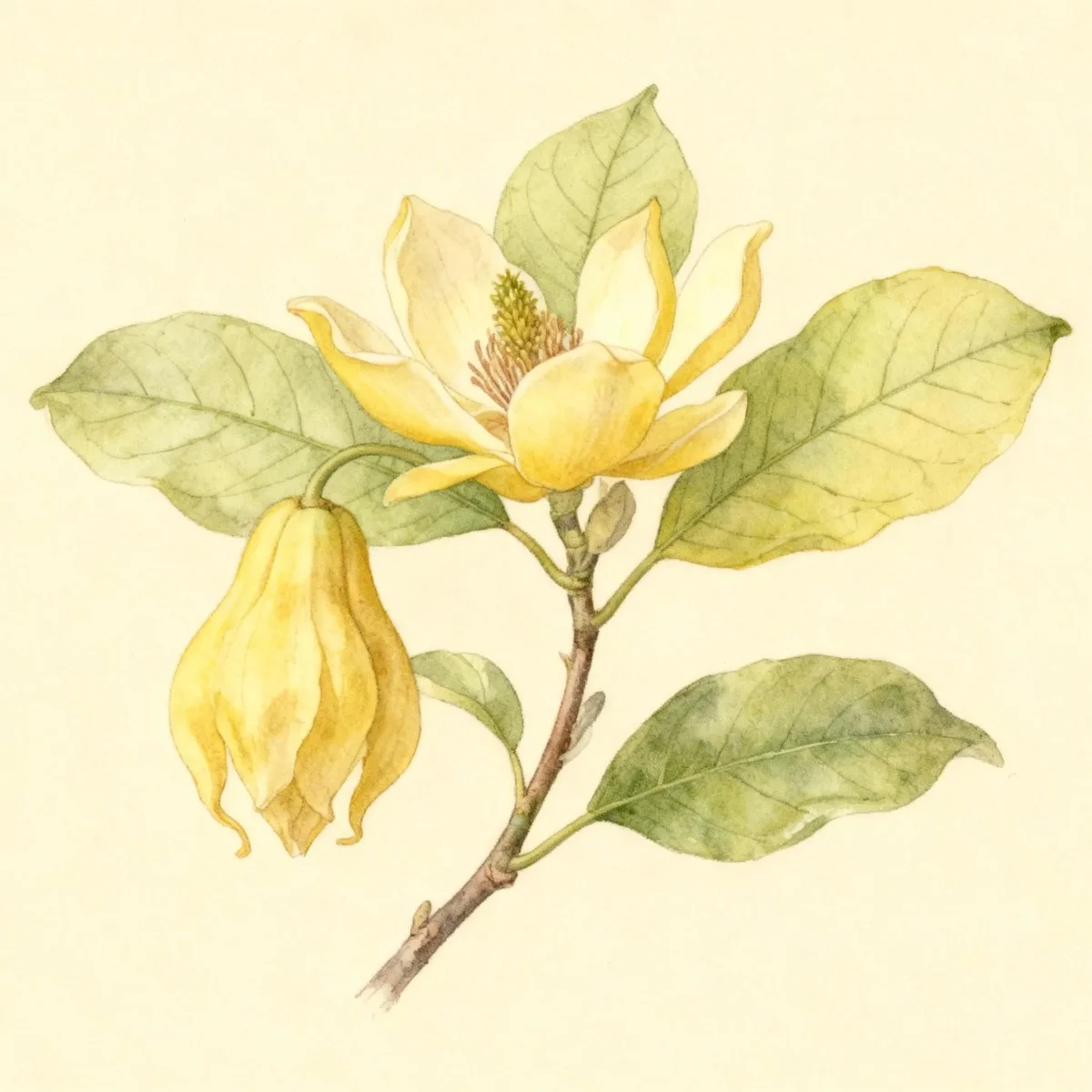
Magnolia (Magnolia 'Solar Flair')
Magnolia 'Solar Flair' is a low-maintenance, yellow-flowered deciduous tree perfect for specimen planting in USDA Zones 4-8.
Scroll down to discover growing tips, care requirements, companion plants, and more
Complete Plant Information
Overview
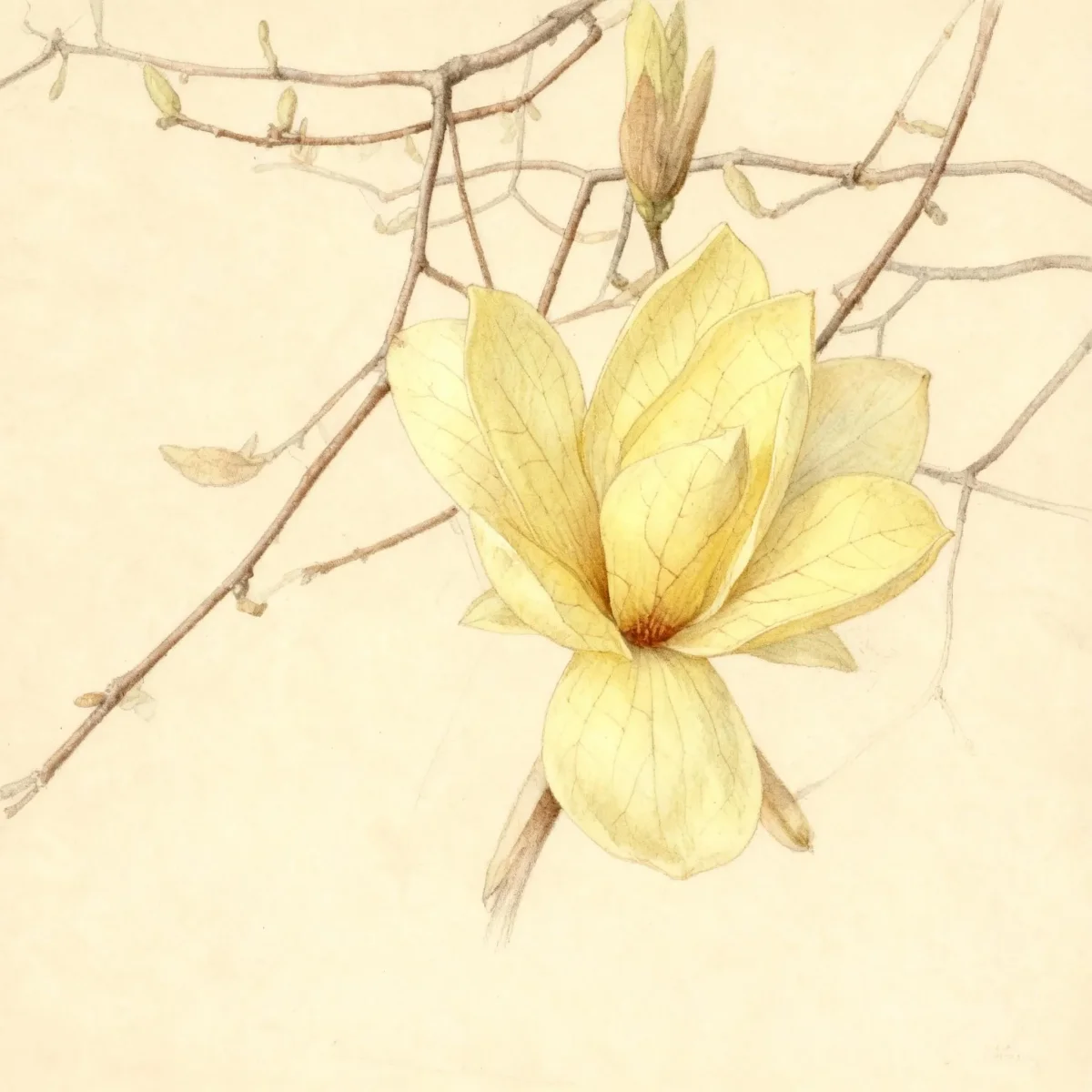
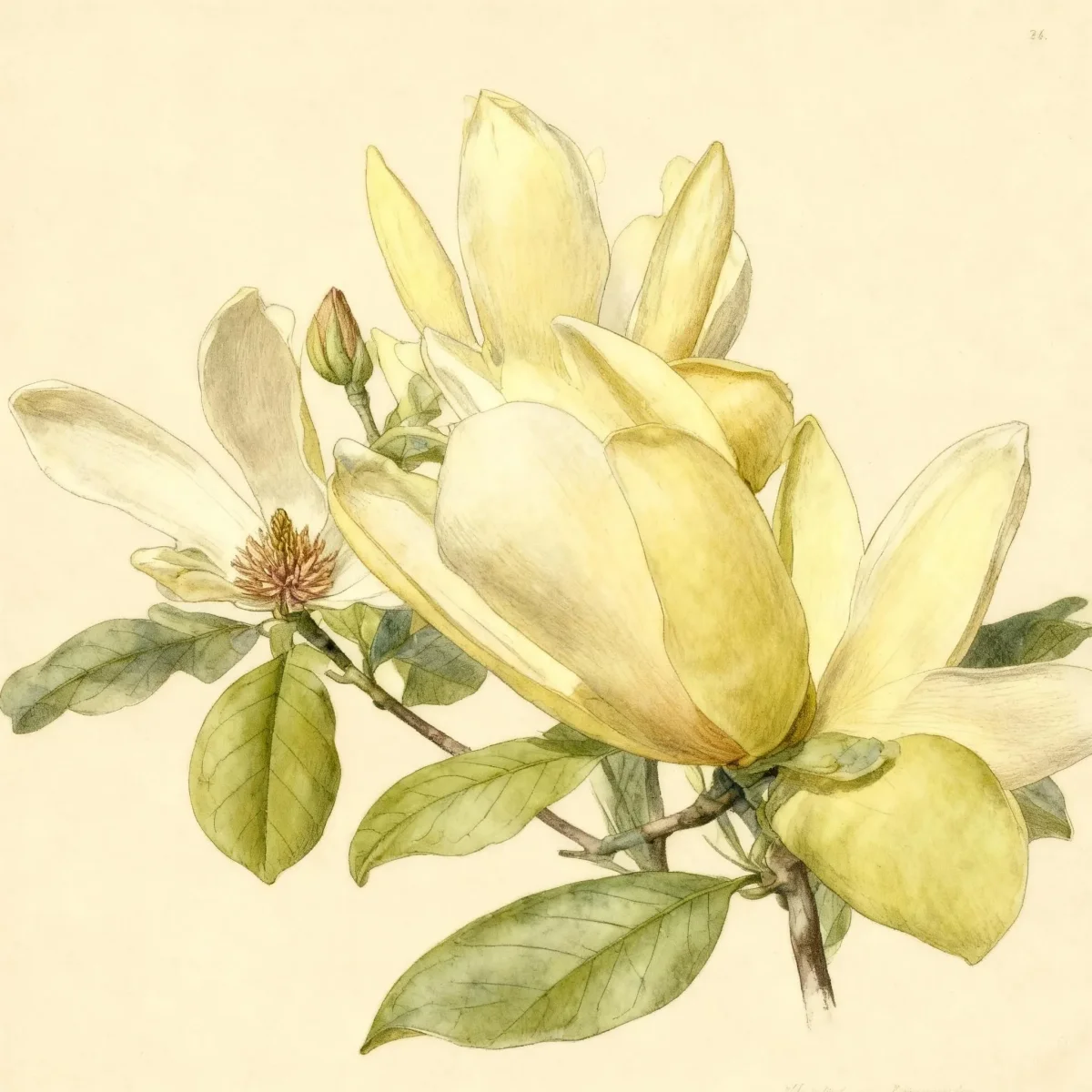
Magnolia ‘Solar Flair’ offers gardeners a striking, relatively low-maintenance deciduous tree distinguished by its vibrant bloom color. As a hybrid magnolia, it inherits desirable traits, delivering upright, deep yellow flowers, often subtly tinged with rose at the base, appearing before the foliage emerges in early spring. This stunning display makes the Magnolia ‘Solar Flair’ a focal point in any early-season landscape.
This cultivar develops into a straight-trunked tree with a maturing pyramidal crown, reaching heights of 20 to 30 feet. Growing successfully in USDA Zones 4 through 8, it requires moderate water and thrives best when sited where it can receive full sun to partial shade. Successful establishment of this Magnolia hinges on careful placement due to its easily damaged, fleshy root system.
The aesthetic value of Magnolia ‘Solar Flair’ lies not only in its showy spring flowers but also in its textured, medium-green foliage throughout the growing season. For gardeners seeking reliable spring color and structural interest, this specific Magnolia cultivar provides an exceptional alternative to traditional white or pink bloomers.
Fast Facts
- Plant Family: Magnoliaceae
- Plant Type: Tree
- Hardiness Zones: USDA Zones 4-8
- Size at Maturity:
- Height: 20-30 ft
- Spread: 15-20 ft
- Bloom Time: March
- Bloom Description: Yellow
- Sun Exposure: Full sun to part shade
- Water Needs: Medium
- Maintenance Level: Low
How to Grow
The most critical aspect of planting Magnolia ‘Solar Flair’ is selecting a permanent location carefully, as the fleshy root system is notoriously sensitive to disturbance during transplanting. Aim to plant in spring or fall in organically rich, neutral to slightly acidic, well-drained soils. Full sun exposure promotes the best flowering, though it tolerates light afternoon shade.
Once established, this Magnolia requires medium watering, especially during dry periods. Apply a root-zone mulch to help conserve necessary soil moisture, which is vital for its health. While generally low maintenance, site selection should also consider protection from harsh, strong winds. Furthermore, avoid warm southern exposures that might accidentally trigger premature bud opening before the danger of hard frost passes in spring.
Pruning for this low-maintenance specimen is typically minimal, restricted mainly to removing any dead or damaged branches. If pruning is necessary for shaping, perform this task immediately after the spring flowering season concludes. The genus Magnolia benefits from this timing to ensure next year’s flower buds remain intact.
Landscape Uses
The primary recommendation for Magnolia ‘Solar Flair’ is as a stunning spring-flowering tree, making it an ideal specimen plant where its unique yellow blooms can be fully appreciated. Its pyramidal habit also allows it to feature prominently as a focal point near entryways or within mixed borders where it commands attention as the first large element to flower.
Planting this Magnolia in small groups can create a magnificent color impact across a yard or park setting. Due to its eventual size, avoid crowding it with large shrubs or mature trees that would compete for root space or obscure the lower branches.
Consider underplanting the drip line with shade-tolerant, acid-loving perennials like hostas or azaleas, ensuring root competition is minimized during the initial establishment phase. This Magnolia offers substantial seasonal structure and vertical accent regardless of its placement.
Standout Features
Flower Qualities
- Showy
Noteworthy Characteristics
The genus Magnolia consists of about 100 species plus numerous hybrids and cultivars, presenting either deciduous or evergreen forms. Most plants feature large simple leaves and showy, sometimes fragrant flowers which bloom in early spring or summer. ‘Solar Flair’ itself is a specific yellow-flowered hybrid whose parents include M. X brooklynensis ‘Woodsman’ and M. ‘Gold Star’. This cultivar features upright, deep yellow flowers, sometimes tinged light rose at the base, contrasting beautifully with its medium green, textured leaves.
Tolerances
Potential Problems
Potential issues with this Magnolia typically involve fungal diseases and specific insect pests. Fungal concerns often manifest as leaf spots, anthracnose, canker, dieback, and powdery mildew, which can generally be mitigated by ensuring good air circulation and proper cultural practices, especially keeping foliage dry when possible.
Insect pests requiring vigilance include weevils, snails, scale, and thrips. Managing these pests often involves cultural controls first, such as keeping the area clean, or targeted treatments if infestations become severe. Avoid cultural stress, as weak plants are more susceptible to damage from these common Magnolia issues.
Frequently Asked Questions
What hardiness zones is Magnolia ‘Solar Flair’ suitable for?
Magnolia ‘Solar Flair’ is suitable for cultivation across USDA Hardiness Zones 4 through 8.
How large does Magnolia ‘Solar Flair’ grow?
This tree typically reaches a mature height between 20 and 30 feet tall, with a spread ranging from 15 to 20 feet wide.
When does Magnolia ‘Solar Flair’ bloom?
This Magnolia blooms in early spring, specifically in March, producing striking yellow flowers.
What sun exposure does Magnolia ‘Solar Flair’ need?
For optimal flowering and growth, plant Magnolia ‘Solar Flair’ in locations receiving full sun to part shade.
Conclusion
Magnolia ‘Solar Flair’ is a valuable addition to the landscape, offering gardeners a unique opportunity to incorporate brilliant yellow blooms into the early spring display without significant effort, owing to its low maintenance needs. Given the sensitivity of the root system, thoroughly plan its final resting spot before planting this beautiful Magnolia. Ensure your site aligns with USDA Zones 4-8 requirements for sustained success.
Companion Planting
Selecting appropriate companions for Magnolia ‘Solar Flair’ helps ensure its root system remains undisturbed and thrives. Focus on low-growing, shallow-rooted groundcovers or acid-loving shrubs that do not require aggressive cultivation near the base of the tree. Excellent choices include established rhododendrons, camellias, or azaleas, which share similar soil pH preferences.
When choosing groundcovers, consider plants that do not compete heavily for surface moisture, such as several varieties of pachysandra or Japanese forest grass (Hakonechloa macra). These selections provide texture beneath the tree canopy without necessitating annual digging that could damage the surface roots of the Magnolia.
Seasonal Care Calendar
Spring care centers on observing the flower progression in March and pruning immediately after flowering concludes to prepare for next year’s display. Ensure consistent medium watering, especially as the weather warms and the new foliage expands rapidly. Protect the root zone with mulch during these active growth periods.
Summer maintenance focuses primarily on monitoring moisture levels; while established trees tolerate some dryness, the Magnolia genus prefers consistently hydrated soil, so supplement rainfall as needed. Summer is also the best time for minor selective pruning to improve structure or remove wayward branches.
Winter preparation involves ensuring the tree is adequately watered going into dormancy, particularly if fall was dry. Avoid applying heavy fertilizers late in the season, which can encourage tender new growth susceptible to early spring frost damage near or after the tree establishes its unique yellow spring display.