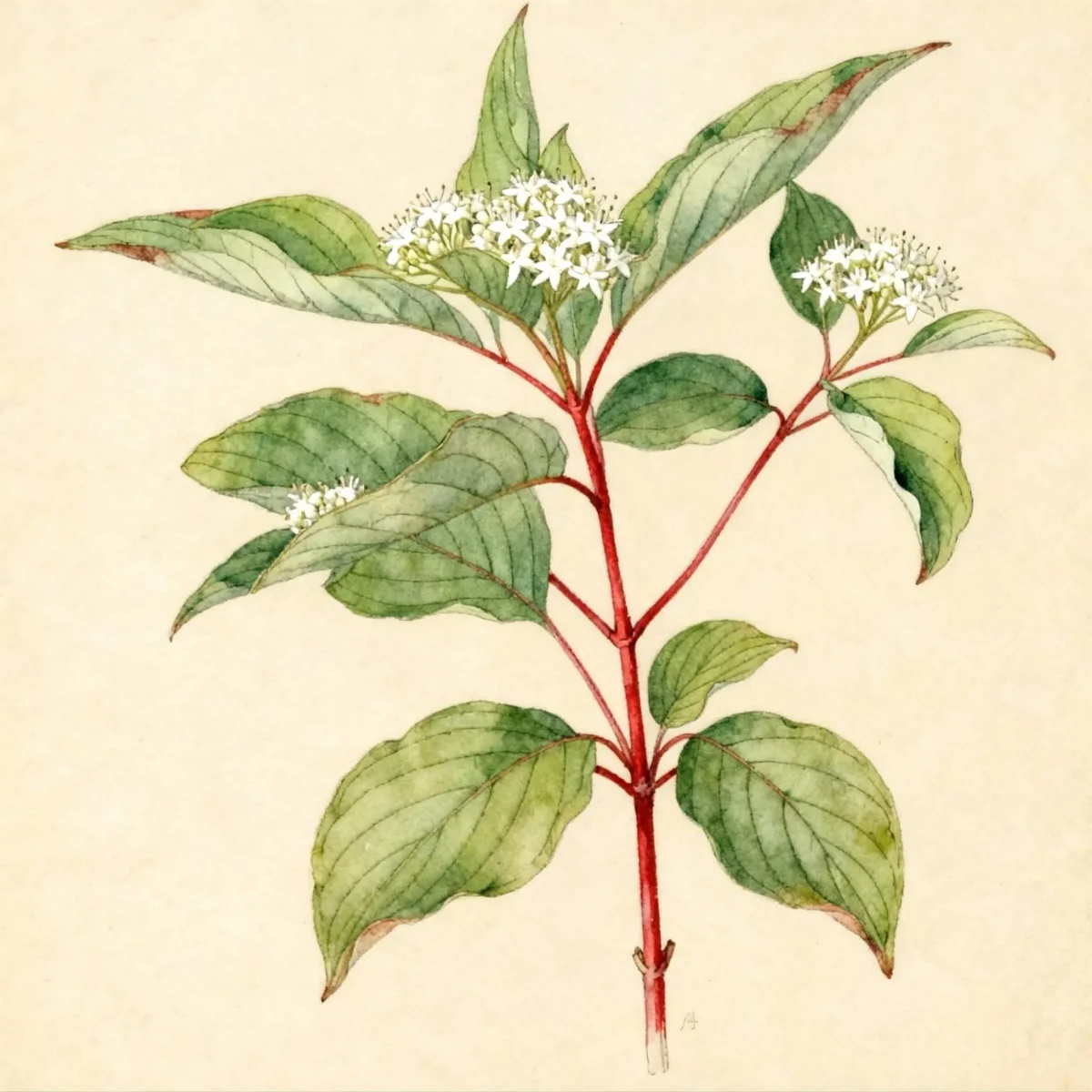
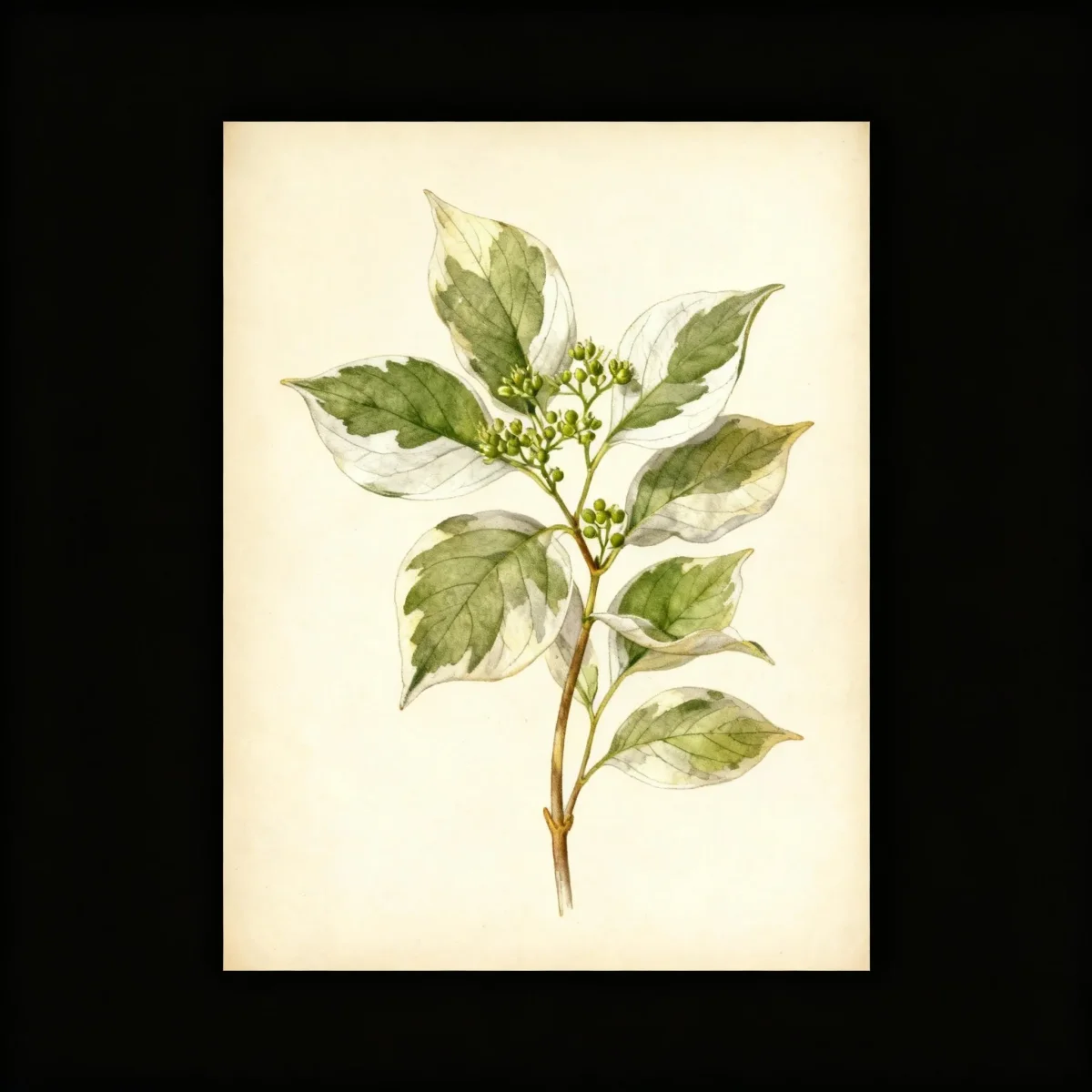
Red twig dogwood (Cornus sericea 'Farrow' ARCTIC FIRE)
Dwarf Red twig dogwood cultivar grown for brilliant red winter stems. Cornus sericea 'Farrow' ARCTIC FIRE thrives in wet soils, Zones 3-7.
Scroll down to discover growing tips, care requirements, companion plants, and more
Complete Plant Information
Overview
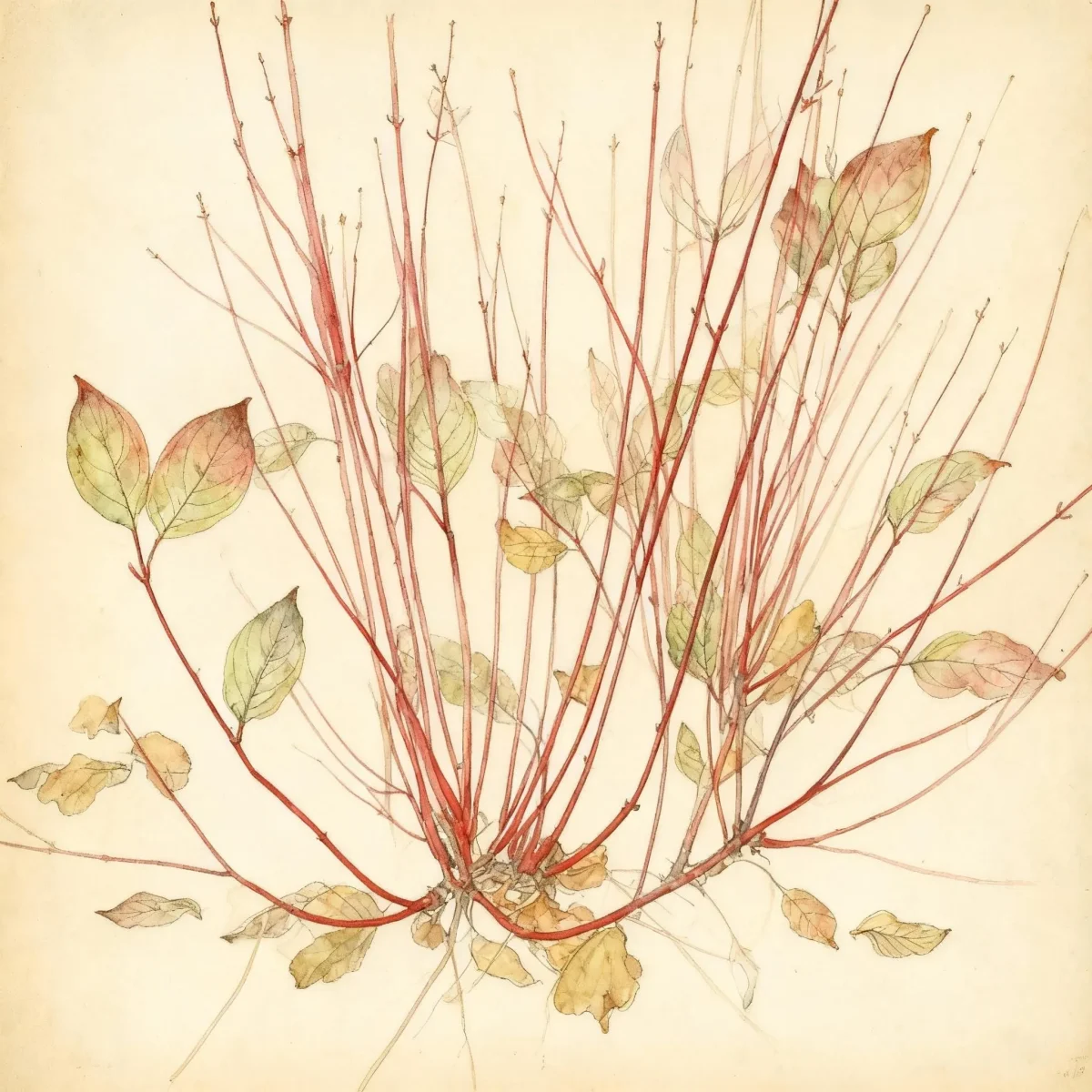
Cornus sericea ‘Farrow’ ARCTIC FIRE, a dwarf cultivar of Red twig dogwood, is highly valued in the landscape primarily for its intense, bright red winter stems, providing crucial color when little else is active. Unlike its larger relatives, this cultivar typically remains compact, offering manageable stature alongside its exceptional ornamental value. Gardeners use this variety to provide year-round structure and vibrant contrast against snow or evergreen backdrops.
This deciduous shrub exhibits a dense, upright-spreading growth habit, reaching only 3 to 4 feet tall and wide, making it an excellent choice for smaller gardens or mass plantings. It performs best when provided with consistent moisture, flourishing in conditions ranging from medium soil moisture to genuinely wet, boggy sites. The presence of brilliant stems ensures this Red twig dogwood remains a focal point across all four seasons.
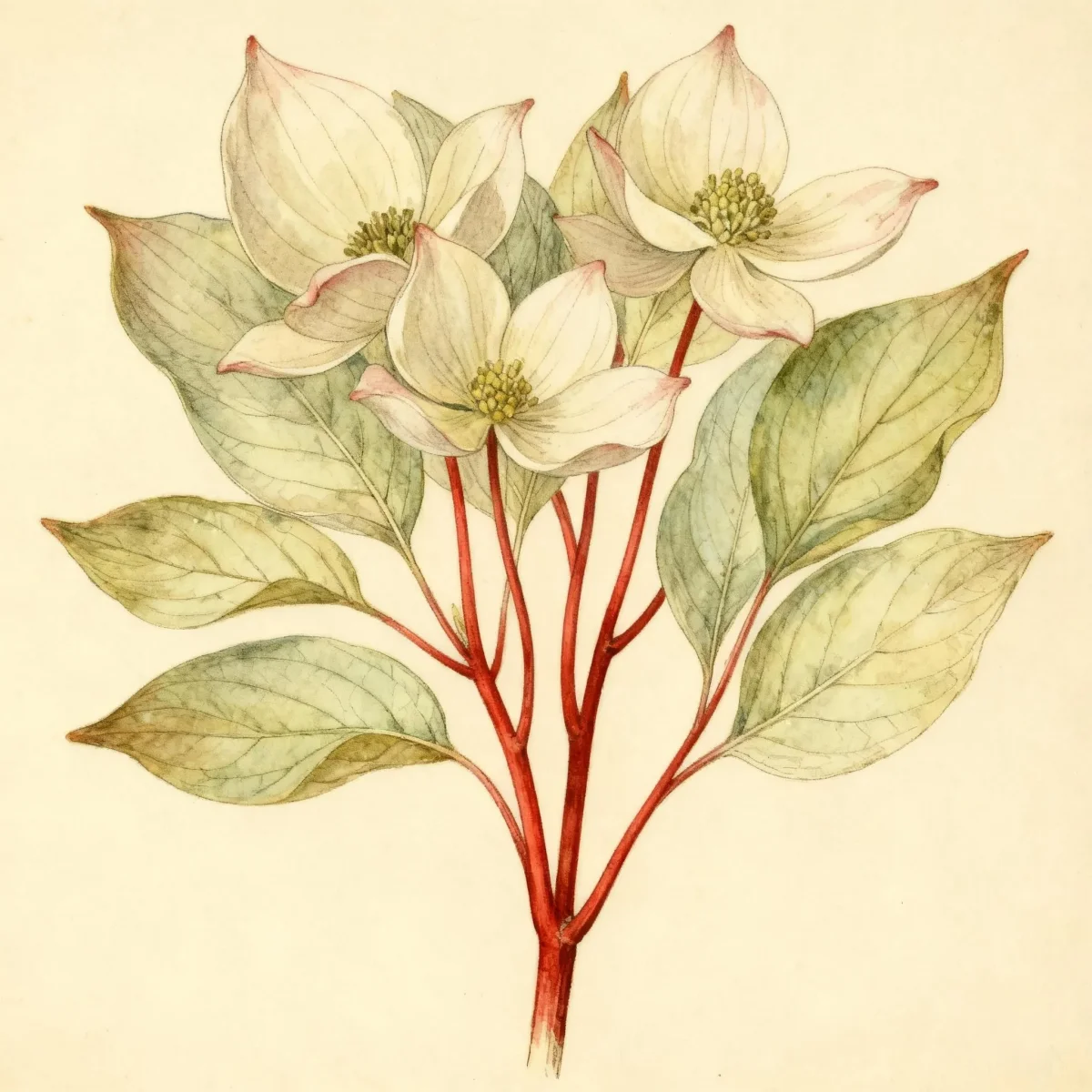
The small white flowers in late spring give way to bird-attractive fruit, though the stems remain the chief feature. Cornus sericea ‘Farrow’ ARCTIC FIRE is adaptable to various soil types but demands consistent moisture to maintain vigor. Its reliable winter color cements its place as a cornerstone plant for winter interest in perennial borders and naturalized settings.
Fast Facts
- Plant Family: Cornaceae
- Plant Type: Deciduous shrub
- Hardiness Zones: USDA Zones 3-7
- Size at Maturity:
- Height: 3-4 ft
- Spread: 3-4 ft
- Bloom Time: May to June
- Bloom Description: White
- Sun Exposure: Full sun to part shade
- Water Needs: Medium to wet
- Maintenance Level: Medium
How to Grow
For optimal performance, plant Cornus sericea ‘Farrow’ ARCTIC FIRE in organically rich, fertile soils where moisture is consistently available, ideally in full sun to light afternoon shade. This cultivar is quite tolerant of diverse soil conditions, including heavy clay and swampy areas, making it a reliable choice for rain gardens or low spots. If you wish to restrict its spread, it is wise to trim its roots using a spade and promptly remove any root suckers that attempt to colonize new areas.
Watering needs lean toward the medium to wet side; ensure the soil does not completely dry out, especially during establishment or hot, dry spells. While the plant is somewhat adaptable, plants grown in hot, humid climates south of Zone 7 may become stressed and more susceptible to issues like canker. Fertilization is rarely necessary if the soil is rich; focus efforts instead on maximizing stem health.
Pruning is the key to maintaining the vibrant stem color of your Red twig dogwood. The best color occurs on the newest one- to two-year-old stems. Although annual pruning isn’t mandatory, gardeners often remove 20-25% of the oldest stems each early spring to encourage fresh, brightly colored growth for the following winter. Alternatively, a harder renewal prune (coppicing all stems to about 8 inches) every two to three years achieves the same effect, sacrificing a season of flowers for vigorous renewal.
Landscape Uses
Cornus sericea ‘Farrow’ ARCTIC FIRE is excellently suited for use in rain gardens where its preference for wet soil can be fully utilized. It excels as a specimen plant, drawing attention with its contrasting winter bark, or when massed to create a blazing, low-growing screen. For truly dramatic effect, plant Cornus sericea ‘Farrow’ ARCTIC FIRE near foundation plantings of dark green evergreens, which serve as the perfect foil for the intense red stems.
This variety functions well in shrub borders, providing reliable structure in the winter garden when deciduous perennials have faded. Because of its tolerance for wet soil and its ability to combat erosion, it is highly effective along stream banks, pond edges, or in low-lying areas of the yard. Combine this cultivar with its yellow-stemmed relatives, such as Cornus sericea ‘Cato’ ARCTIC SUN, for a striking interplanting display of contrasting winter color.
Standout Features
Flower Qualities
- Showy
Fruit Qualities
- Showy
Noteworthy Characteristics
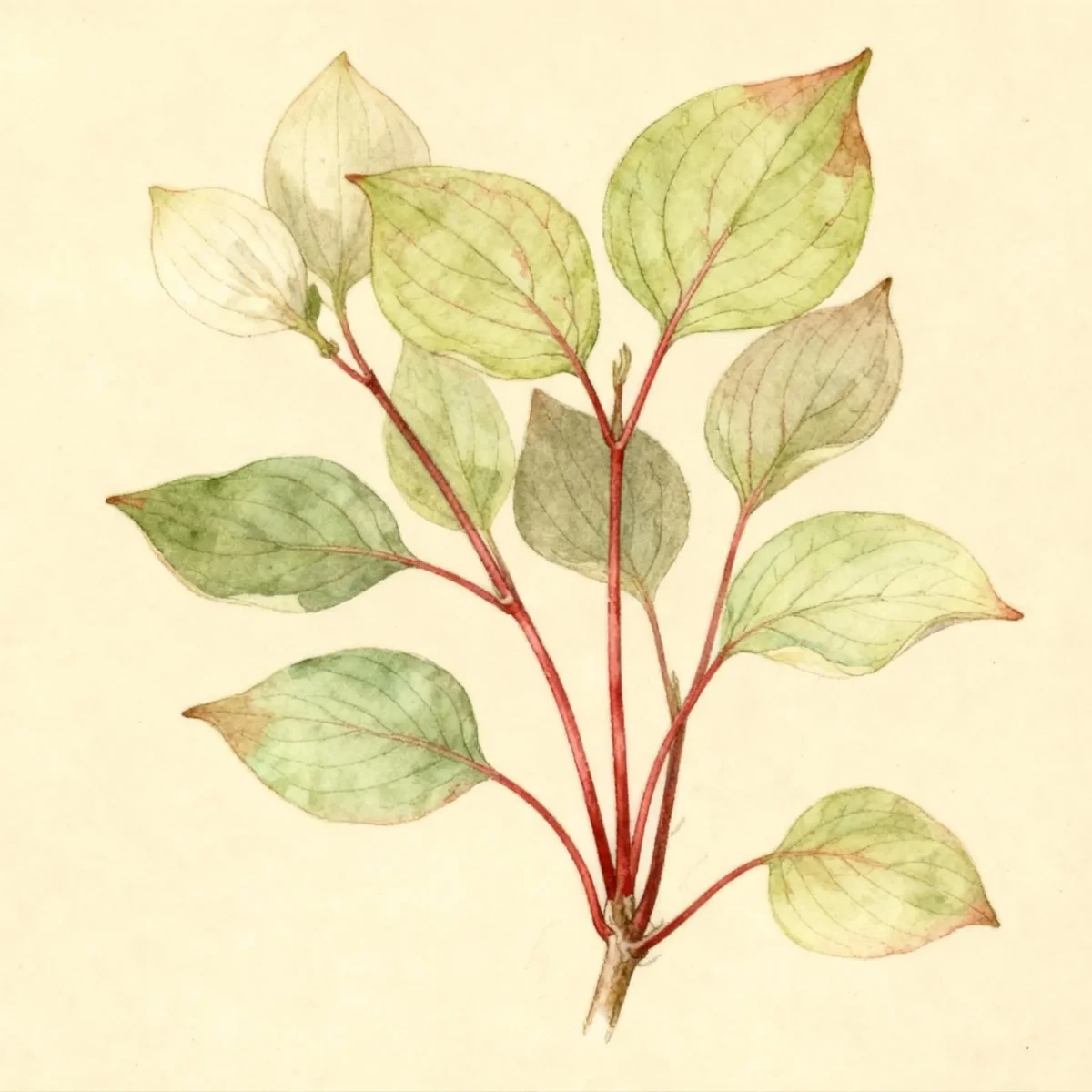
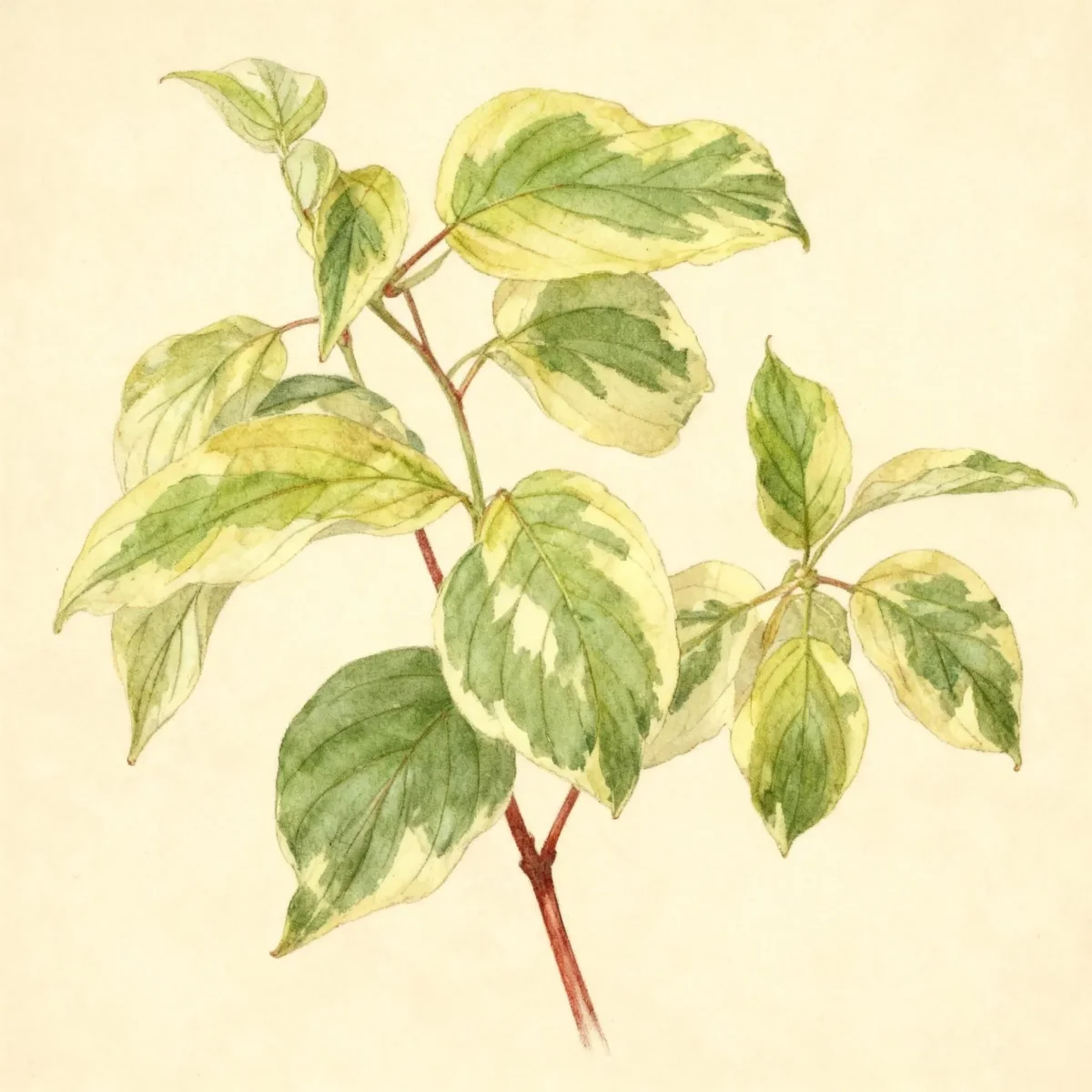
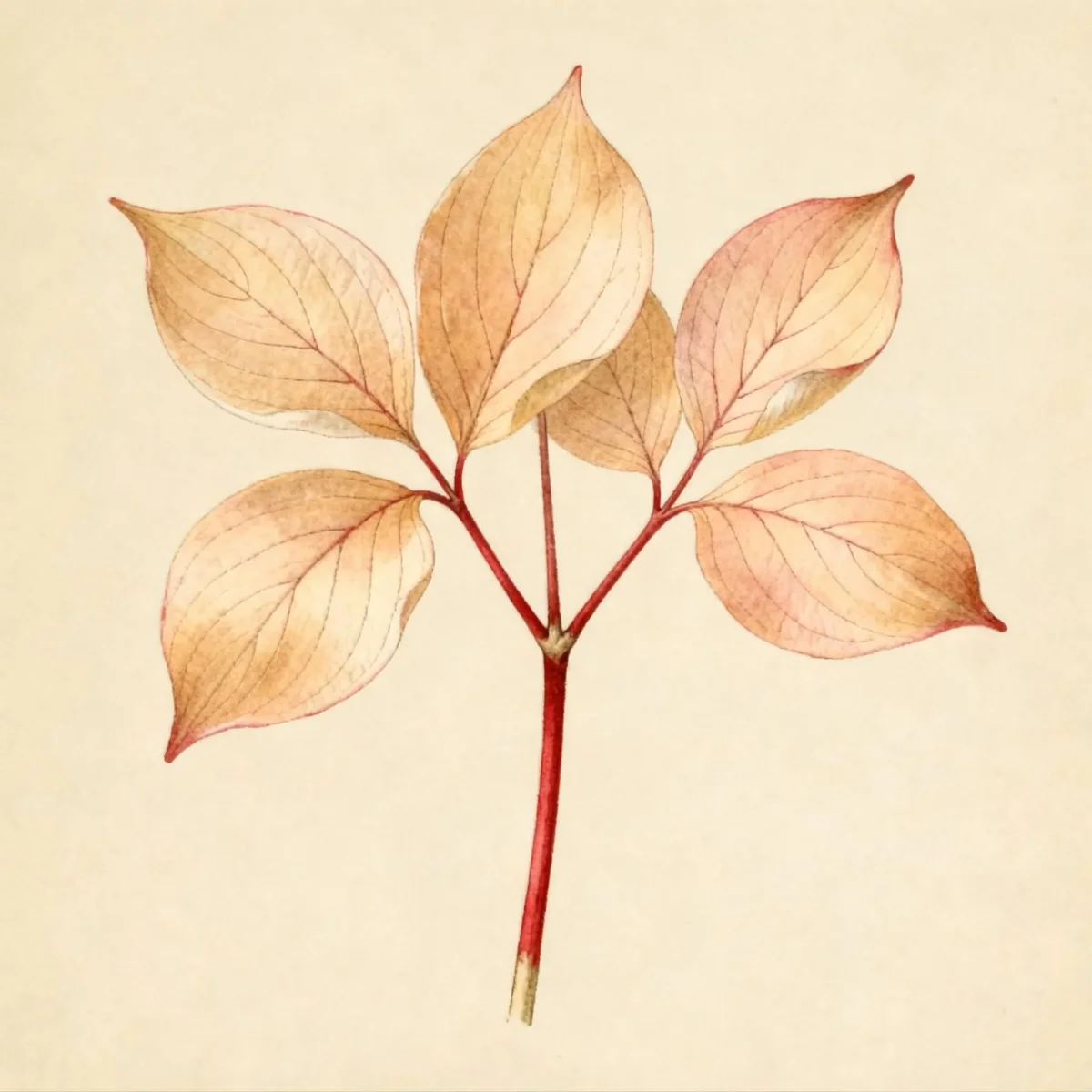
The cultivar ‘Farrow’, often marketed as ARCTIC FIRE, distinguishes itself as a dwarf Red twig dogwood, typically reaching 3 to 4 feet tall and wide with dense stems, lacking the aggressive spreading habit of the full species. Its primary ornamental draw is the bright red winter stems, which stand out vividly against snow; it also offers medium green leaves in summer that transition to reddish-orange and purple hues in autumn. Historically recognized as Cornus stolonifera, this plant belongs to a genus known for wood density, hence the name derived from the Latin word for “horn.”
Tolerances
- Deer
- Erosion
- Clay Soil
- Wet Soil
Potential Problems
Red twig dogwood plants, including the ARCTIC FIRE cultivar, can be susceptible to several fungal diseases, notably leaf and twig blights and canker, especially when stressed by heat and humidity found outside optimal zones. From an insect standpoint, occasional problems include scale insects, leaf miners, and bagworms. Proper air circulation, provided by the recommended annual pruning of older stems, is crucial for prevention, as density can trap moisture and encourage fungal issues.
Frequently Asked Questions
What hardiness zones is Red twig dogwood suitable for?
Cornus sericea ‘Farrow’ ARCTIC FIRE is reliably hardy across USDA Zones 3 through 7.
How large does Cornus sericea ‘Farrow’ ARCTIC FIRE grow?
This dwarf cultivar matures to a height and spread of approximately 3 to 4 feet, providing excellent low-mounding interest.
What sun exposure does Red twig dogwood need?
For the best stem color and overall health, this shrub performs in conditions ranging from full sun to partial shade.
When does Cornus sericea ‘Farrow’ ARCTIC FIRE bloom?
The small, white flowers typically appear from May into June, offering sparse intermittent blooming sometimes continuing into summer.
Conclusion
The Cornus sericea ‘Farrow’ ARCTIC FIRE offers unparalleled winter beauty in a manageable, dwarf size, making it an indispensable plant for consistent seasonal color. Its adaptability to wet soils and tolerance for clay further enhance its practical value for challenging garden spaces. Be sure to incorporate this vibrant Red twig dogwood into your landscape planning and prune annually to ensure those brilliant red stems make a statement next winter.
Companion Planting
When selecting companions for your Cornus sericea ‘Farrow’ ARCTIC FIRE, focus on plants that either complement its wet soil needs or provide textural and color contrast during the dormant season. Because this cultivar thrives in moist conditions, pairing it with moisture-loving evergreens such as certain slow-growing Ilex or Taxus varieties frames the red stems beautifully in winter. Consider late-season bloomers such as Astilbe or certain Iris varieties that enjoy rich, damp soils for vibrant summer performance.
Alternatively, plant it alongside deciduous shrubs that offer contrasting winter stem colors, such as Cornus sericea ‘Cato’ ARCTIC SUN (yellow-stemmed dogwood), to create a dynamic winter grouping. The key is ensuring companions share the need for consistent moisture; avoid xeriscaping plants unless you reserve this dogwood for a dedicated wet area of the garden.
Seasonal Care Calendar
Spring is the most critical time for caring for your Red twig dogwood. Early spring, before new growth begins, is the ideal schedule for stem renewal pruning; remove the oldest, thickest, and least colorful stems to encourage the new, brightest red growth. During the summer, monitor moisture levels closely, especially if you are growing it outside of its preferred wet margins, and apply a layer of mulch to conserve water and keep roots cool, which is vital in hot climates.
In the fall, the foliage provides a brief show of red and purple tones before dropping; this is the time to observe which stems promise the best winter display. Winter maintenance is minimal, focusing instead on enjoying the visual impact of the scarlet branches against the snow—this is the plant’s peak ornamental period. If persistent leaf spots or blight are noted, remove any fallen debris promptly before spring to minimize overwintering spores.