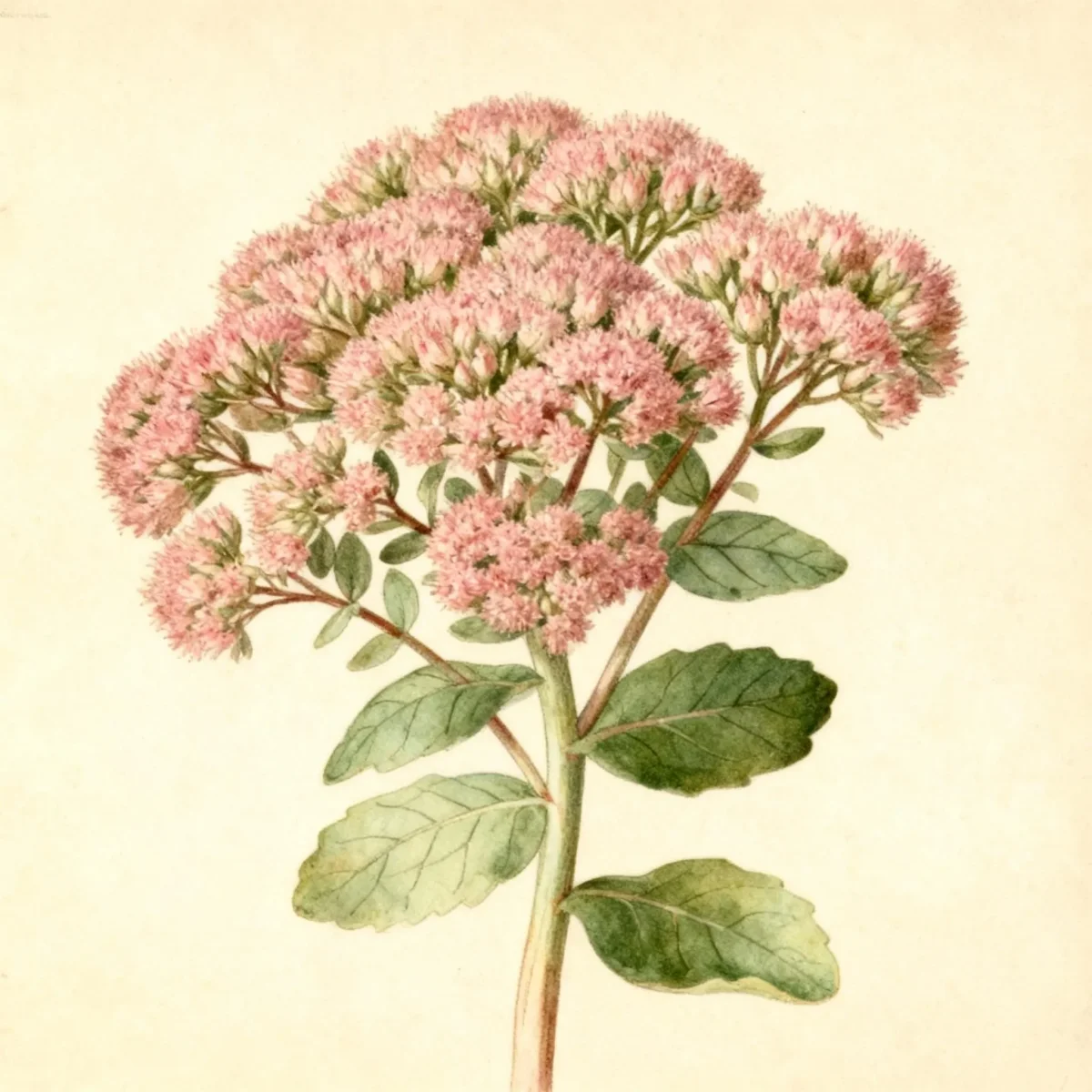
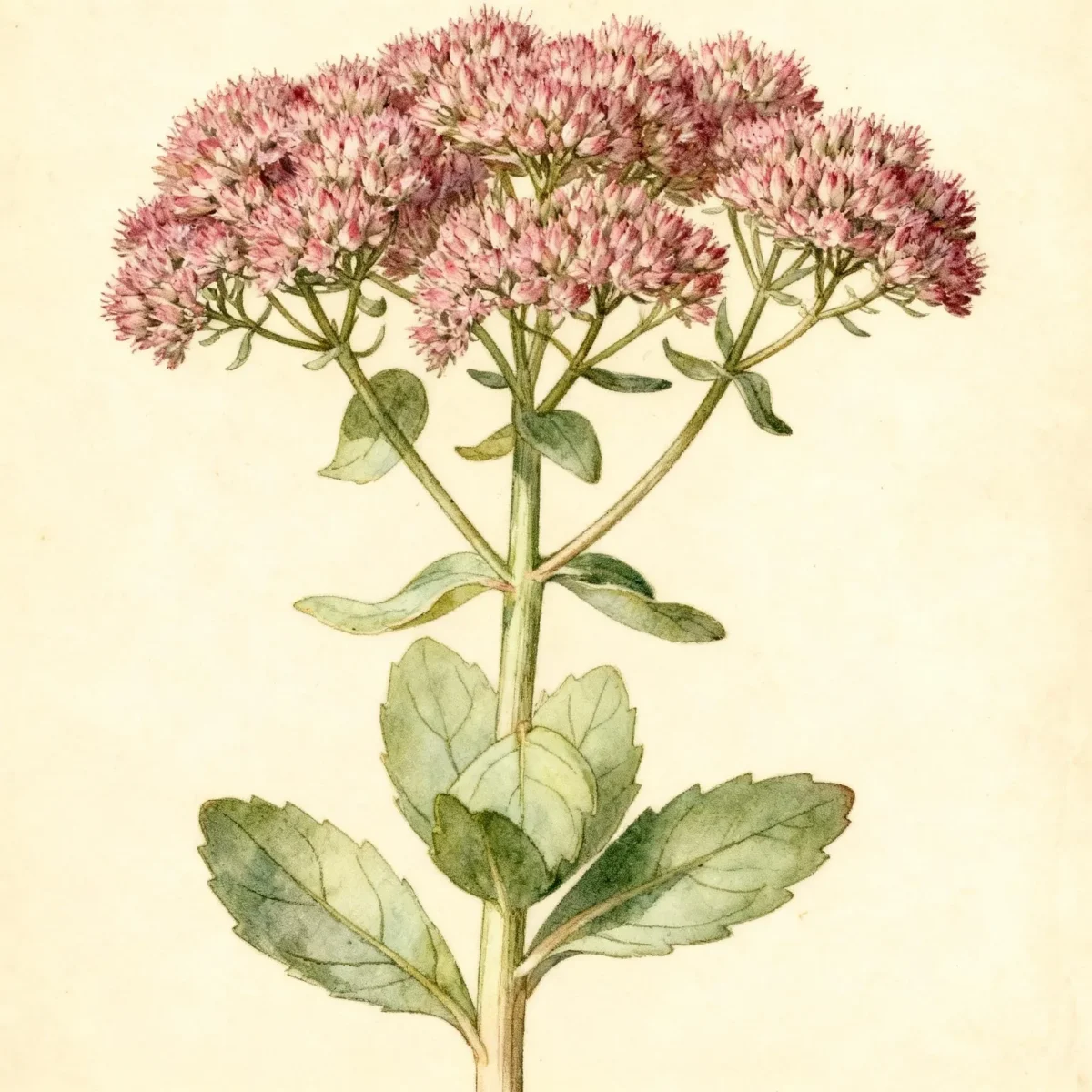
Stonecrop (Hylotelephium telephium 'Samuel Oliphant')
Hylotelephium telephium 'Samuel Oliphant' Stonecrop provides stunning tricolor foliage all season long. This low-maintenance perennial thrives in full sun and poor, dry soils.
Scroll down to discover growing tips, care requirements, companion plants, and more
Complete Plant Information
Overview
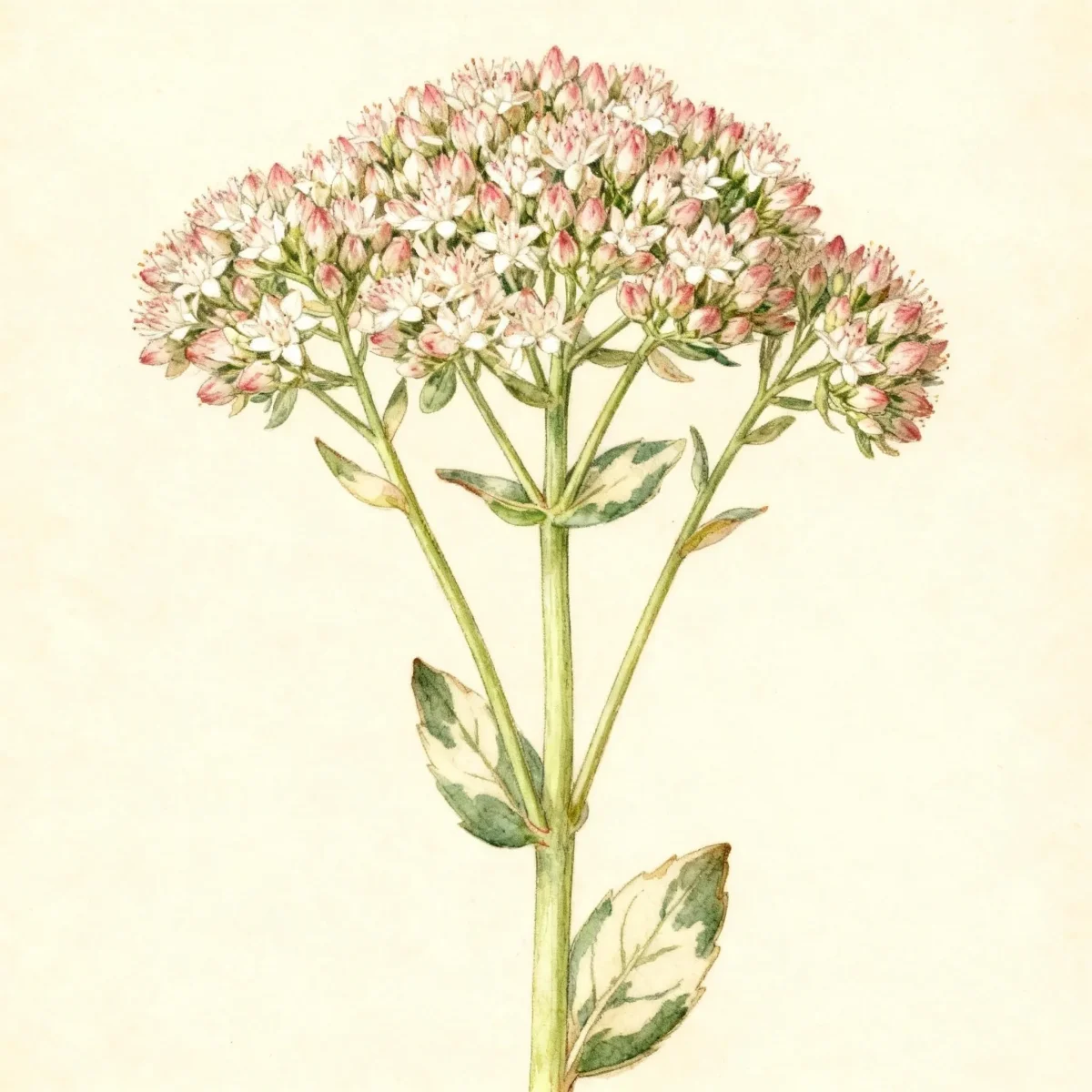
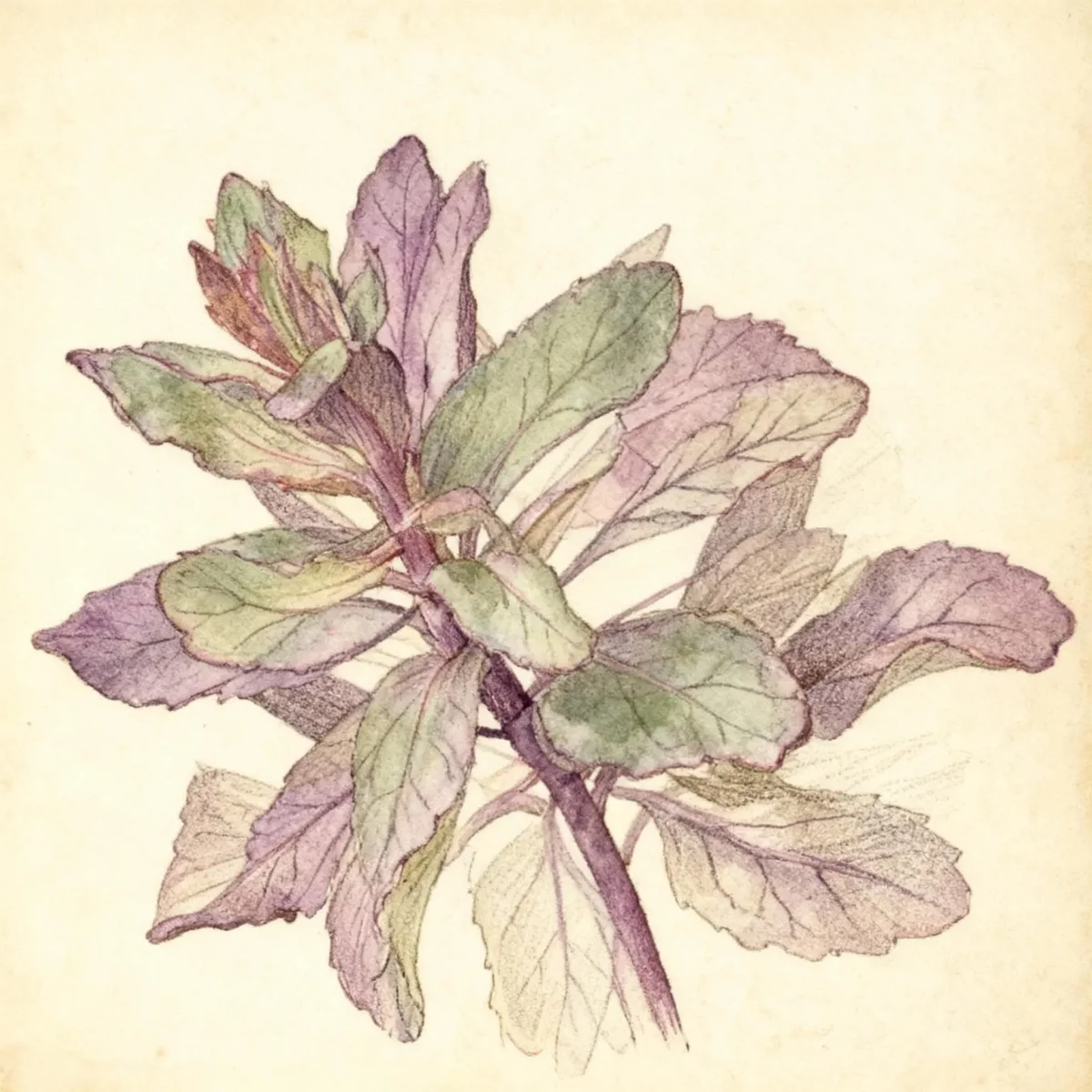
Hylotelephium telephium ‘Samuel Oliphant’, commonly referred to as Stonecrop, is a highly valued succulent perennial celebrated for its exceptional foliage that retains color throughout the growing season. This cultivar boasts succulent gray-green leaves dramatically edged with creamy-yellow and tipped with carmine, offering visual interest long before and after bloom time. As a robust and easy-to-care-for plant, the Stonecrop performs admirably even in challenging, low-fertility conditions where other plants struggle.
This herbaceous perennial typically forms a strong mound, reaching 1 to 2 feet tall and wide, ideal for providing structure in borders and rock gardens. Beyond its striking appearance, Hylotelephium telephium ‘Samuel Oliphant’ offers functional benefits, attracting vital pollinators like bees and butterflies with its late-season blooms, ensuring garden vitality extends into autumn.
Its inherent toughness and drought tolerance make this Stonecrop a staple for low-maintenance gardening. Successful cultivation relies primarily on ensuring excellent soil drainage, as damp winter conditions are its main potential drawback.
Fast Facts
- Plant Family: Crassulaceae
- Plant Type: Herbaceous perennial
- Hardiness Zones: USDA Zones 3-9
- Size at Maturity:
- Height: 1-2 ft
- Spread: 1-2 ft
- Bloom Time: August to October
- Bloom Description: Light pink
- Sun Exposure: Full sun
- Water Needs: Dry to medium
- Maintenance Level: Low
How to Grow
For optimal performance of Hylotelephium telephium ‘Samuel Oliphant’, plant it in early spring or fall into a location receiving full sun. While it tolerates some light part shade in extreme heat, insufficient light will result in weak, floppy growth, diminishing the tricolor effect. The most crucial requirement is excellent soil drainage; this Stonecrop thrives in sandy or gravelly soils of moderate to low fertility.
Water needs are minimal once established, as this variety is highly drought tolerant. Avoid overly rich soils, which also contribute to legginess. Fertilization is generally unnecessary, as Stonecrop prefers leaner conditions.
Perform cleanup in early spring, removing any lingering dead foliage from the previous winter. The best time for propagation is division of the clumps in spring, or by taking stem cuttings during the summer months. Propagating Hylotelephium telephium ‘Samuel Oliphant’ is exceptionally easy, as even detached leaves can root successfully in soil.
Landscape Uses
The upright, sturdy habit and persistent foliage color make this Stonecrop an excellent choice for adding vertical accents without being too tall or invasive. Use it effectively to anchor the front of perennial borders or to provide year-round structure in large rock gardens where sharp drainage is naturally provided. It also proves highly effective when used as a specimen planting or grouped for mass color effect.
Because of its succulent nature and adaptability to well-drained, even poor soils, Hylotelephium telephium ‘Samuel Oliphant’ integrates well with other sun-loving, drought-tolerant plants such as ornamental grasses, Rudbeckia, or various Sedums. Consider planting it in containers; its tidy shape and persistent foliage provide reliable color through the entire season, even when paired with thirsty annuals that will eventually wilt.
Standout Features
Flower Qualities
- Showy
Noteworthy Characteristics
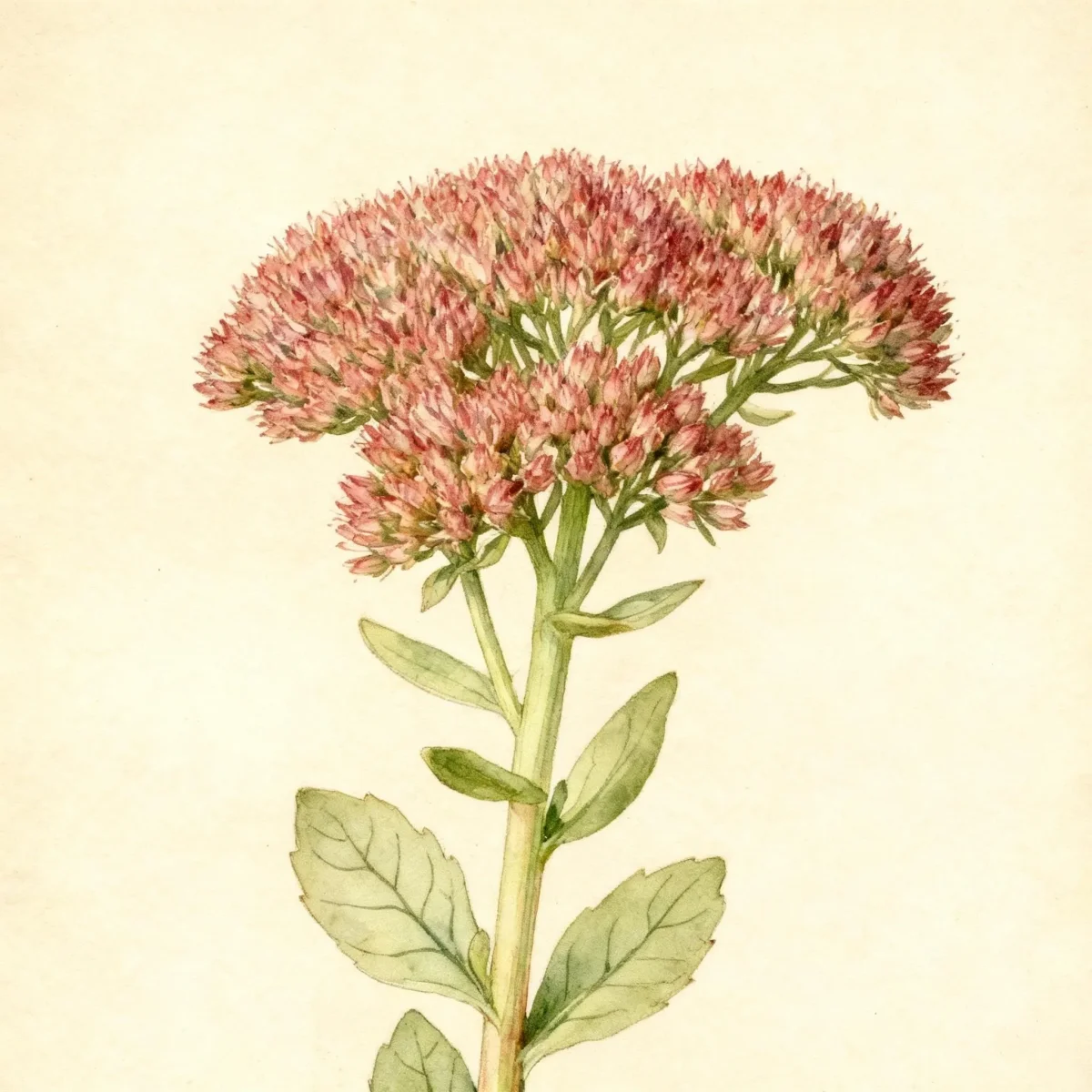
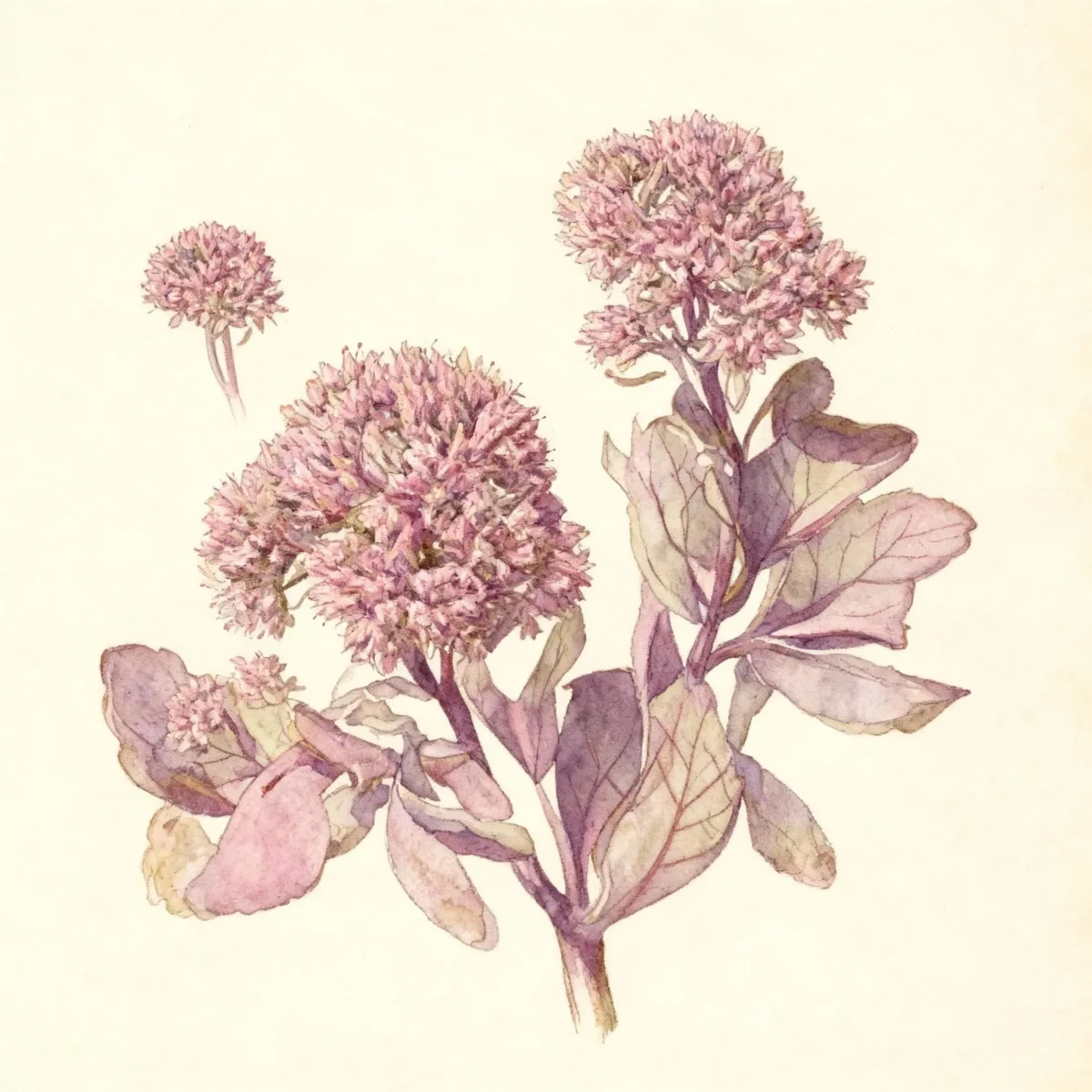
Hylotelephium telephium, commonly known as stonecrop or live-forever, is a succulent herbaceous perennial notable for its upright mound on unbranched stems. This specific cultivar, ‘Samuel Oliphant’, is distinguished by its attractive tricolor foliage: succulent gray-green leaves subtly edged with creamy-yellow margins and tipped with carmine, often holding this color well into the summer heat. From late summer till frost, it produces flattened cymes of tiny, star-like flowers, which are light pink and highly attractive to late-season pollinators like bees and butterflies.
Tolerances
- Drought
- Dry Soil
- Shallow-Rocky Soil
Potential Problems
Hylotelephium telephium ‘Samuel Oliphant’ generally proves robust with no serious insect or disease issues under ideal growing conditions. The primary threat centers around poor drainage, especially during winter, which can lead to crown rot. In warm, humid environments, minor pest skirmishes may occur. Watch for slugs, scale, mealybugs, nematodes, aphids, and weevils if the plant becomes stressed or overcrowded. Ensuring sharp drainage remains the best preventative measure against most issues.
Frequently Asked Questions
What hardiness zones is Stonecrop suitable for?
Hylotelephium telephium ‘Samuel Oliphant’ is typically hardy across a wide range, suitable for USDA Zones 3 through 9.
When does Stonecrop bloom?
This Stonecrop variety blooms late in the season, typically from August through October, displaying light pink flowers that age to a deeper tone.
How large does Hylotelephium telephium ‘Samuel Oliphant’ grow?
This perennial forms mounds that generally reach 1 to 2 feet in height and spread 1 to 2 feet wide when mature.
What sun exposure does Stonecrop need?
The best growth for this plant is achieved in full sun, which helps maintain the crisp delineation of the tricolor foliage.
Conclusion
The tricolor foliage and exceptional drought resistance make Hylotelephium telephium ‘Samuel Oliphant’ a foundational plant for high-impact, low-effort gardening designs. This Stonecrop truly lives up to its common name by persisting reliably year after year, offering late-season bloom for wildlife. Before planting, confirm your site offers full sun and excellent soil drainage to maximize the vibrancy of ‘Samuel Oliphant’.
Companion Planting
Selecting companions for Stonecrop is straightforward, as its success hinges on cultural requirements similar to many Mediterranean or Western native perennials. Look for plants that prefer lean, sharp-draining soil and intense heat, avoiding those that demand rich, constantly moist conditions. Plants that contrast nicely in texture and color—such as deep purple Sedum varieties or fine-bladed ornamental grasses like Festuca glauca—create excellent visual pairings.
Consider pairing this Hylotelephium with other late-season bloomers to extend the interest well into fall. Catmint (Nepeta) or Russian Sage (Perovskia) complement the structural upright growth of the Stonecrop while sharing similar low-water needs once established. These companions allow you to create a cohesive, water-wise island bed.
Propagation Tips
Propagating Hylotelephium telephium ‘Samuel Oliphant’ is delightfully easy, contributing to its “live-forever” reputation. The most reliable method for creating mature clones is by division, which should ideally be carried out in the spring just as new growth begins to emerge. Gently dig up the clump and divide it into sections, ensuring each division has healthy roots attached.
For increasing stock rapidly during the growing season, stem cuttings taken in summer perform very well. Snip off short sections of stem, remove the lower leaves, and place them directly into a gritty, well-draining potting mix, keeping the soil barely moist until roots form. Even fallen leaves, if placed on moist soil, can sometimes develop into new plants, highlighting the plant’s vigorous nature.