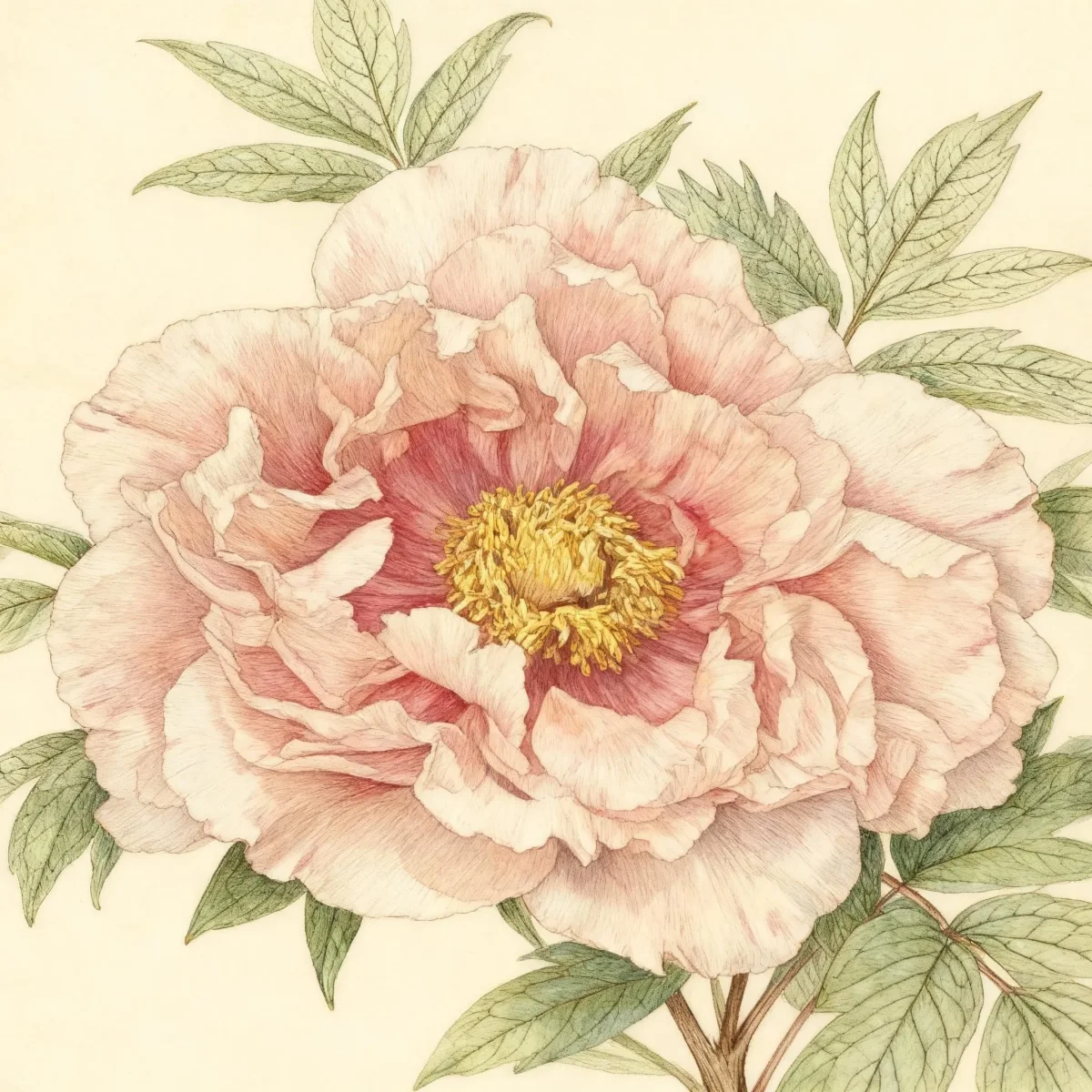
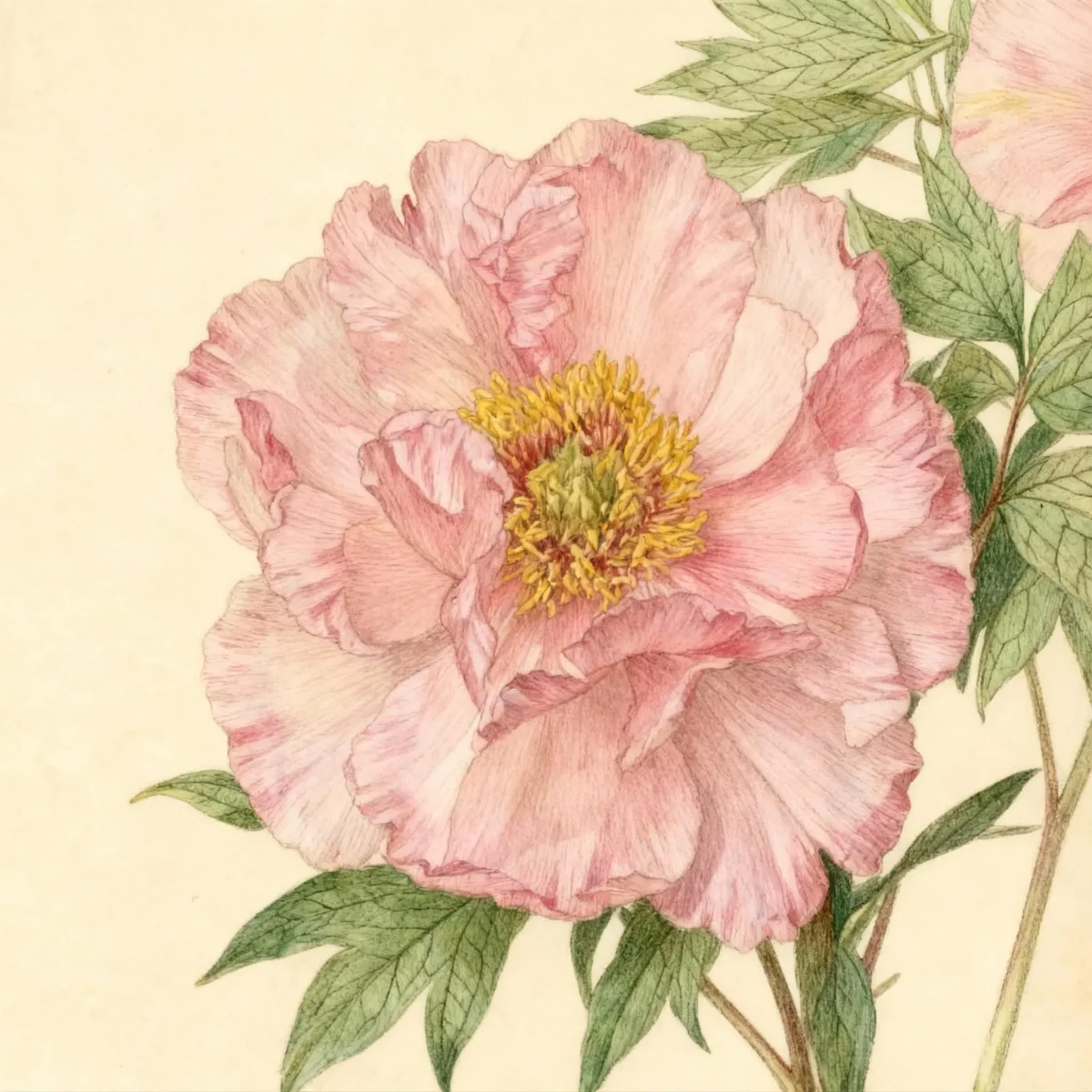
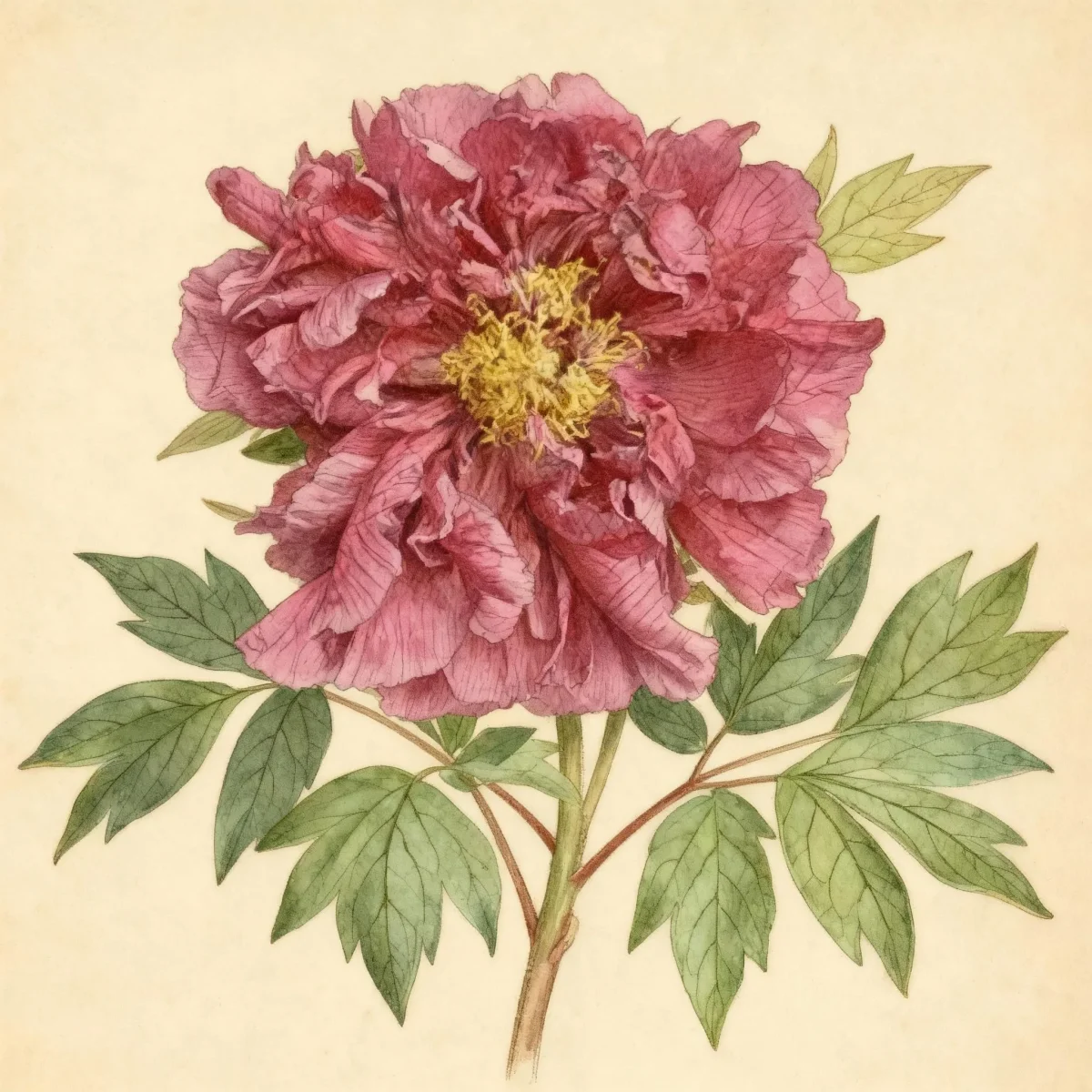
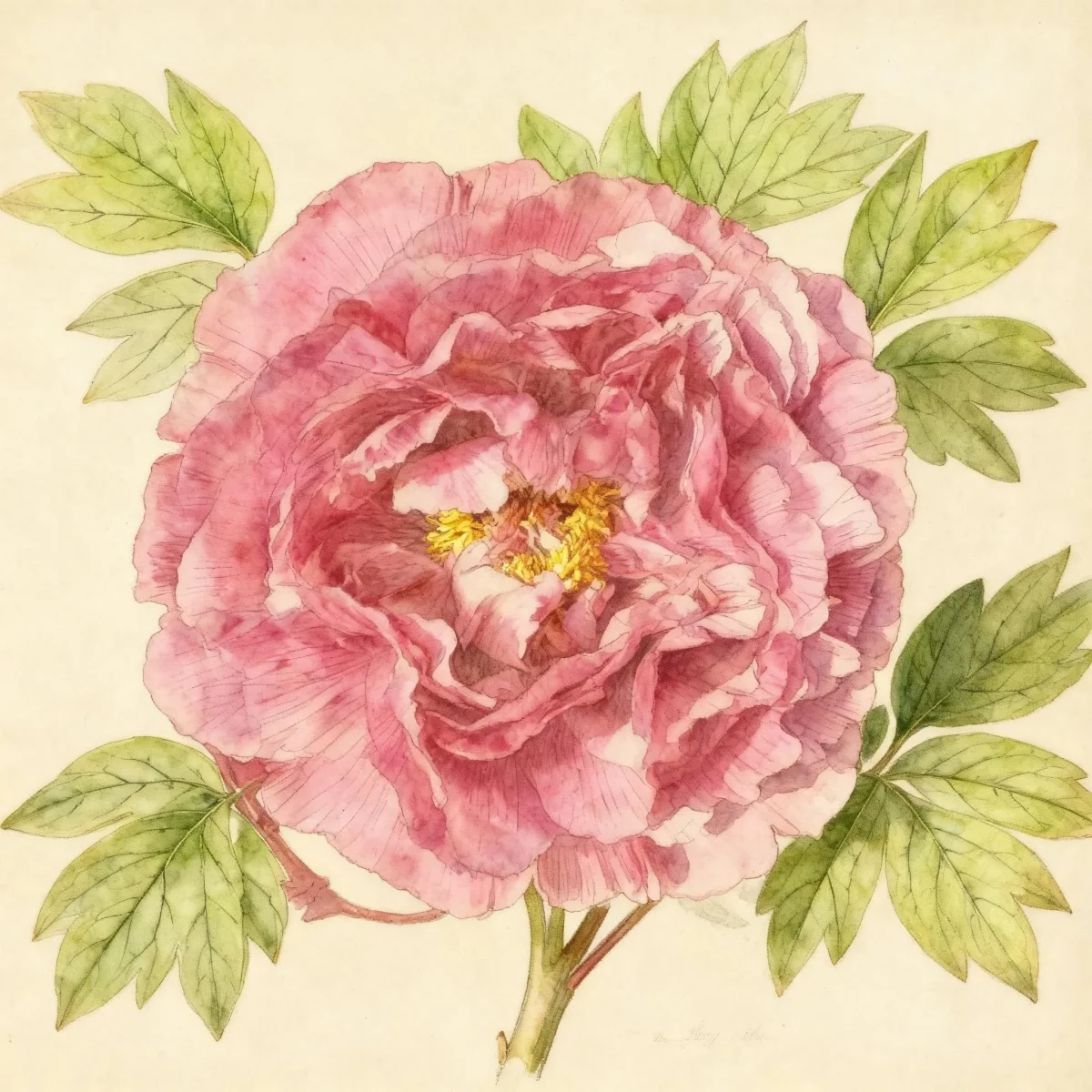
Tree peony (Paeonia suffruticosa 'Kamada-nishiki' KAMADA BROCADE)
Discover Paeonia suffruticosa 'Kamada-nishiki' KAMADA BROCADE, a striking Tree peony reaching 3-5 ft. Enjoy its dark purple semi-double blooms from May.
Scroll down to discover growing tips, care requirements, companion plants, and more
Complete Plant Information
Overview
The magnificent Tree peony, Paeonia suffruticosa ‘Kamada-nishiki’ KAMADA BROCADE, is a highly valued woody shrub prized for its long lifespan and dramatic spring floral display. Unlike its herbaceous cousins, this shrub retains its architectural structure throughout the winter, providing year-round interest in the garden setting. Gardeners cherish the large, showy flowers offered by this cultivar.
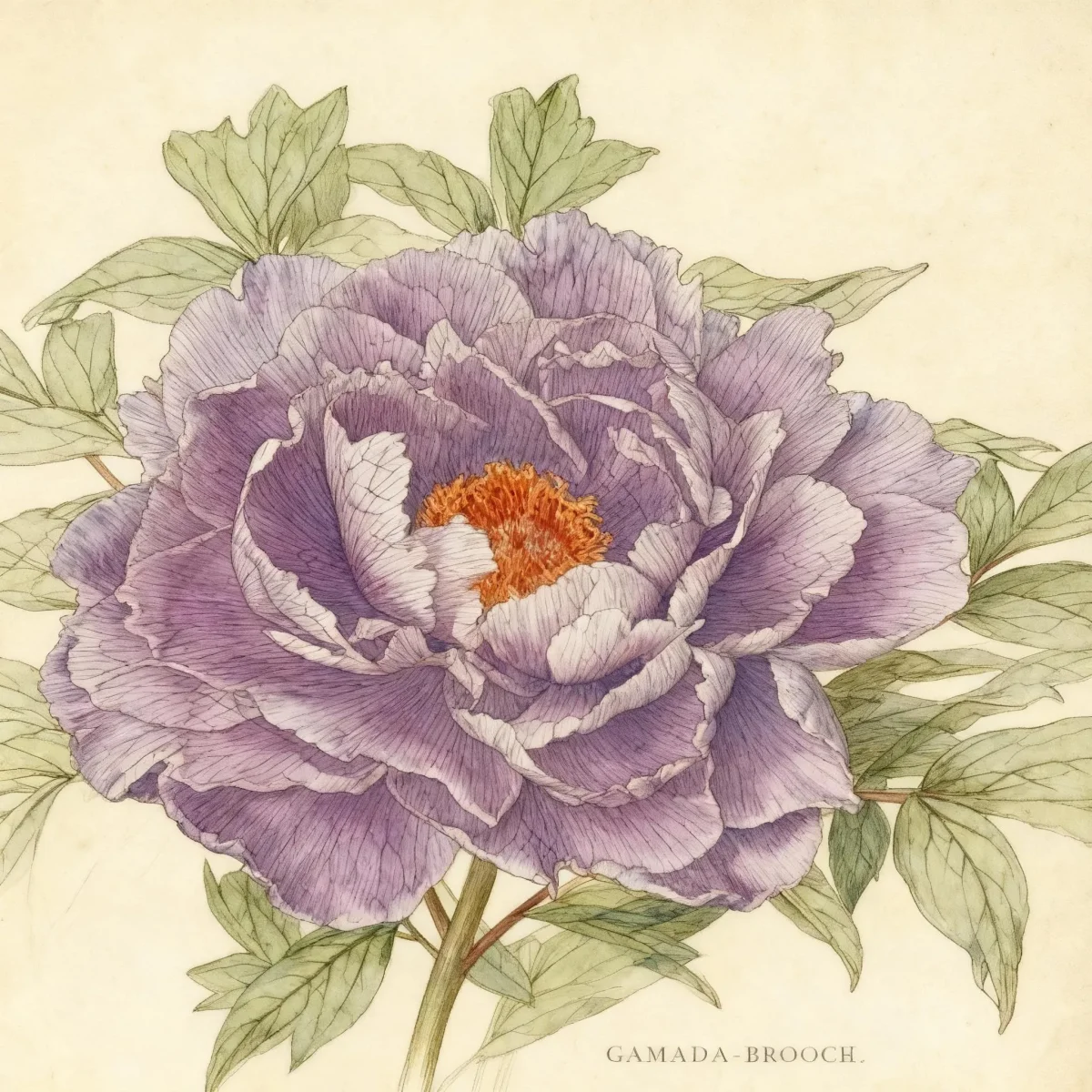
This specific variety, Paeonia suffruticosa ‘Kamada-nishiki’ KAMADA BROCADE, produces deep, dark purple semi-double blooms that showcase a dense center of contrasting yellow stamens in May. Growing reliably between 3 to 5 feet tall, it offers excellent presence as a specimen plant or integrated into mixed borders.
As a long-lived perennial shrub, establishing Tree peony correctly is paramount, as they resent disturbance once their deep root systems are set. Providing the correct conditions ensures years of stunning performance from this elegant specimen.
Fast Facts
- Plant Family: Paeoniaceae
- Plant Type: Deciduous shrub
- Hardiness Zones: USDA Zones 4-8
- Size at Maturity:
- Height: 3-5 ft
- Spread: 3-4 ft
- Bloom Time: May
- Bloom Description: Dark purple (semi-double)
- Sun Exposure: Full sun to part shade
- Water Needs: Medium
- Maintenance Level: Medium
How to Grow
For optimal establishment of your Tree peony, plant in deep, fertile, well-drained soil. Position the shrub where it receives full sun, though it tolerates light afternoon shade, especially in hot climates. Incorporate compost into the planting area before installation to ensure rich, medium moisture conditions. Larger shrubs benefit from a location protected from harsh, strong winds to prevent stem damage.
Watering should remain consistent to maintain medium soil moisture, particularly while the plant is establishing its deep root system over the first few years. Tree peonies are known for being heat tolerant once mature. Pruning is minimal; unlike herbaceous types, the woody stems of Paeonia suffruticosa ‘Kamada-nishiki’ KAMADA BROCADE should never be cut back after frost. Only remove dead wood or suckers emerging from the base in early spring.
These plants are long-lived and best left undisturbed. Transplanting is notoriously difficult due to deep roots, so select the location carefully upfront. Gardeners in the colder reaches of Zones 4 and 5 should provide some winter protection during the initial establishment period to prevent early damage.
Landscape Uses
The bold presence and showy flowers of the Tree peony make it an exceptional focal point in landscape design. Paeonia suffruticosa ‘Kamada-nishiki’ KAMADA BROCADE is highly effective when used as a specimen plant, standing alone to showcase its structure and blooms during the spring season. It also performs beautifully planted in groups or used formally as a hedge along sidewalks, driveways, or walls, where its mid-height foliage provides an attractive backdrop. Remove spent flowers after blooming to maintain neatness, as the medium green foliage remains attractive throughout the summer, framing other seasonal plantings beautifully.
Standout Features
Flower Qualities
- Showy
Noteworthy Characteristics
Paeonia suffruticosa, commonly called tree peony, develops into a woody shrub reaching 3-5 feet tall. The specific cultivar, ‘Kamada-nishiki’, sold as KAMADA BROCADE, features large, semi-double flowers, often six to eight inches across, whose expansive dark purple petals nearly conceal the central cluster of yellow stamens. This magnificent bloom display occurs reliably in early spring, typically May, complemented by deeply divided, attractive medium green foliage that persists throughout the growing season.
Tolerances
- Rabbit
- Deer
Potential Problems
Tree peonies are sturdy plants generally considered pest-free, but monitoring is still warranted against certain issues. Susceptibility exists for fungal problems like canker, leaf blight, and stem wilt, which typically result from excessive moisture or poor air circulation around the plant base. Scale insects can occasionally appear, requiring manual removal or horticultural oil application. A common sight, ants on peony buds, are completely harmless—they are attracted to the nectar and should be ignored unless the infestation is extreme.
Frequently Asked Questions
What hardiness zones is Tree peony suitable for?
Paeonia suffruticosa ‘Kamada-nishiki’ KAMADA BROCADE is reliably hardy in USDA Zones 4 through 8.
How large does Tree peony grow?
This cultivar typically achieves a mature height between 3 to 5 feet, spreading approximately 3 to 4 feet wide.
What sun exposure does Paeonia suffruticosa ‘Kamada-nishiki’ KAMADA BROCADE need?
For the best flowering and health, plant this Tree peony where it receives full sun to partial shade.
When does Tree peony bloom?
Blooms usually appear in May, featuring dark purple, semi-double flowers.
Conclusion
The Paeonia suffruticosa ‘Kamada-nishiki’ KAMADA BROCADE offers unparalleled springtime elegance with its richly colored, semi-double flowers set against enduring green foliage. This magnificent Tree peony brings structure and vibrancy to mature gardens, serving well as both an accent or a backdrop element. Before planting, confirm your location falls within USDA Zones 4-8 and ensure the soil is deep and well-draining to guarantee decades of establishment for this treasured woody shrub.
Companion Planting Considerations
Selecting appropriate neighbors is key to enhancing the display of your Tree peony while meeting its cultural needs. Since the Tree peony blooms early in the season and then settles into its foliage role, pair it with summer-blooming perennials that can fill the gap later in the year. Hostas, with their varying leaf textures and shade tolerance (which complements the tree peony’s tolerance for part shade), work excellently at the base. Consider Iris sibirica or Oriental Lilies, planted slightly further out, as their bloom times overlap with or immediately follow the Paeonia suffruticosa ‘Kamada-nishiki’ KAMADA BROCADE, maintaining color continuity.
Seasonal Care Calendar
Spring care focuses on cleaning up any winter debris and observing new growth. Early spring (before substantial leaf-out) is the ideal time to prune out any dead wood from the winter or undesired suckers. Avoid fertilizing heavily if the soil is rich, as excessive nitrogen can promote foliage over blooms; a light application of compost is usually sufficient annually. During summer heat, ensure consistent medium watering, especially if the plant is in a full sun location. Fall offers the opportunity for minor shaping if the shrub has become leggy, but avoid heavy pruning this late. Winter maintenance primarily involves ensuring adequate drainage and providing physical protection in very cold pockets of Zone 4.