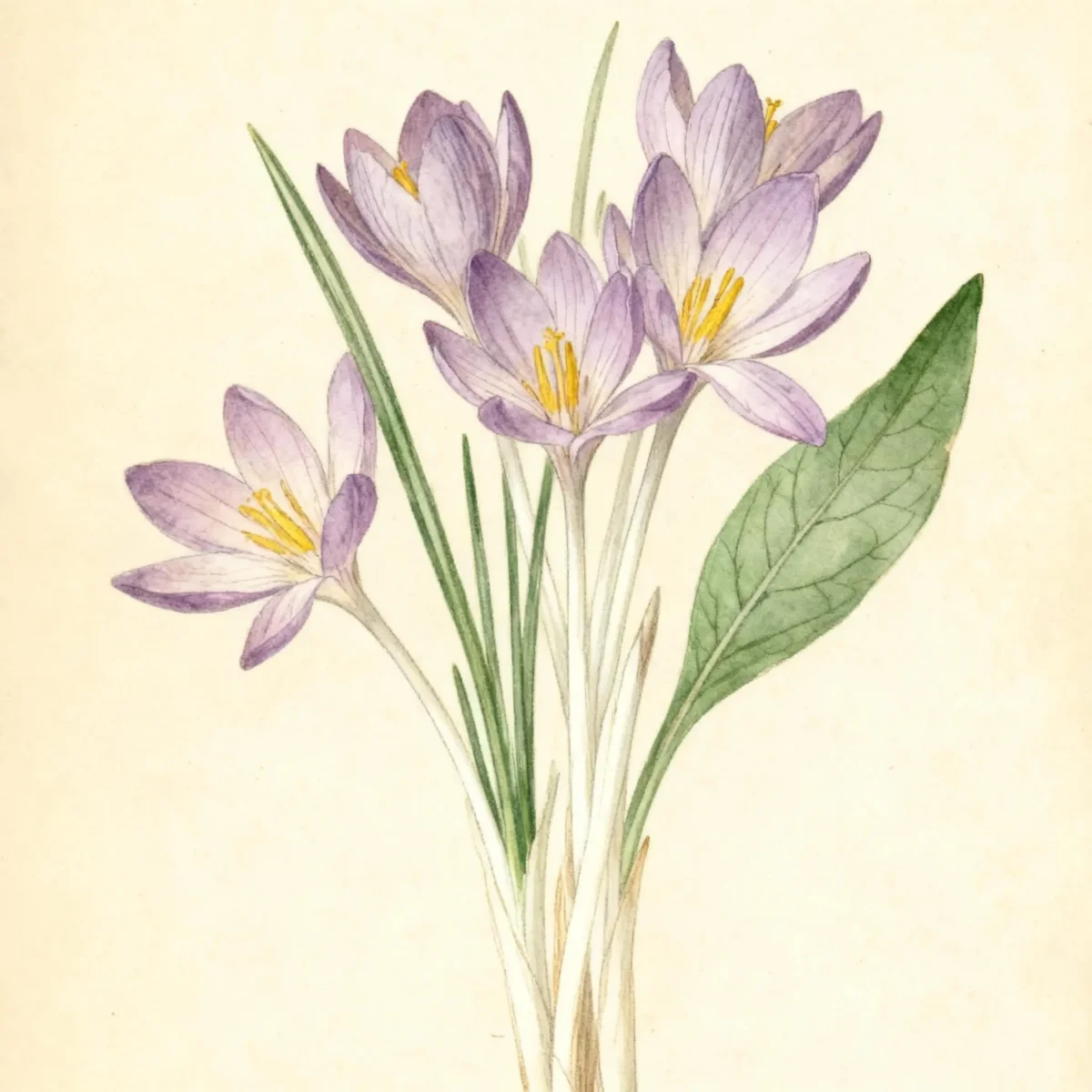
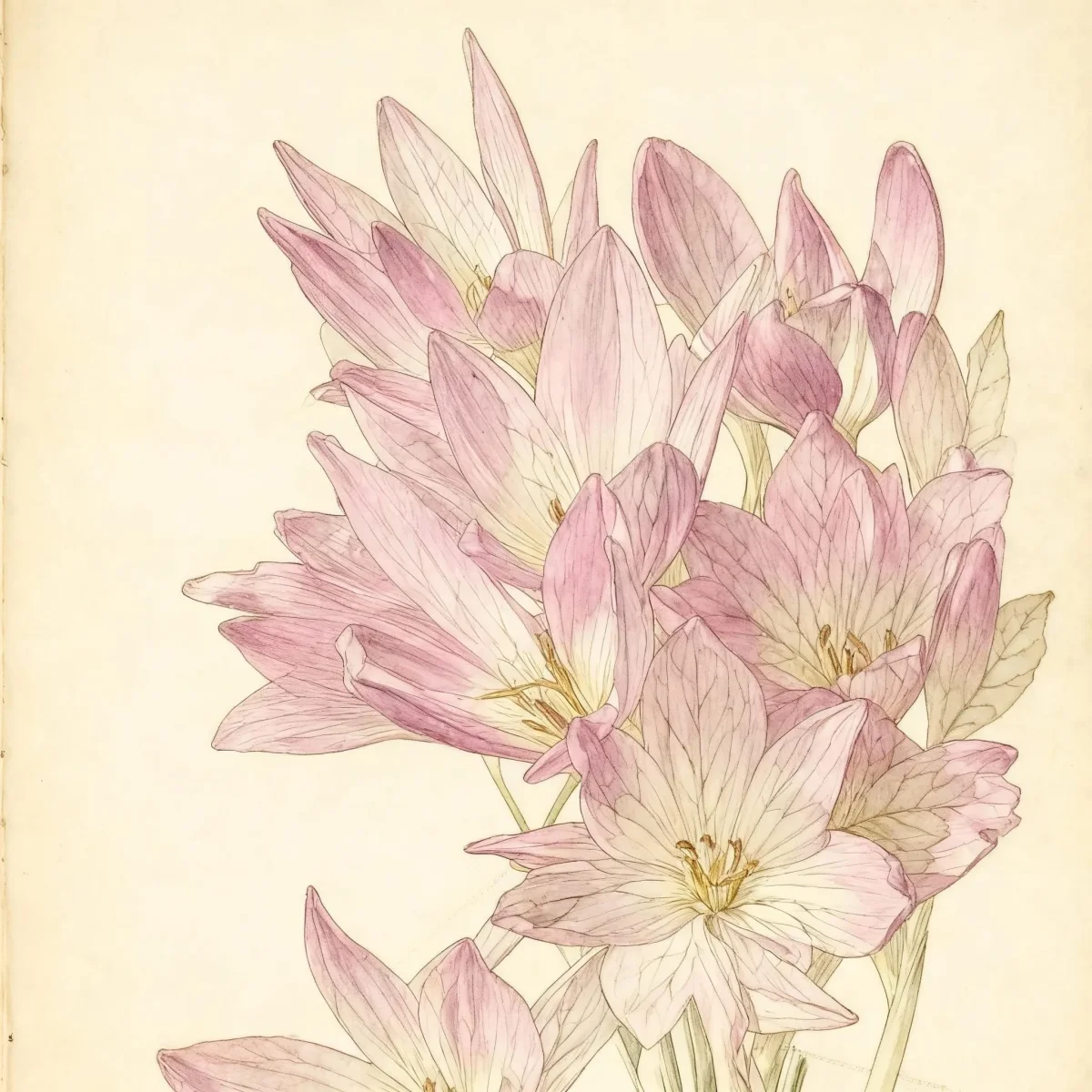
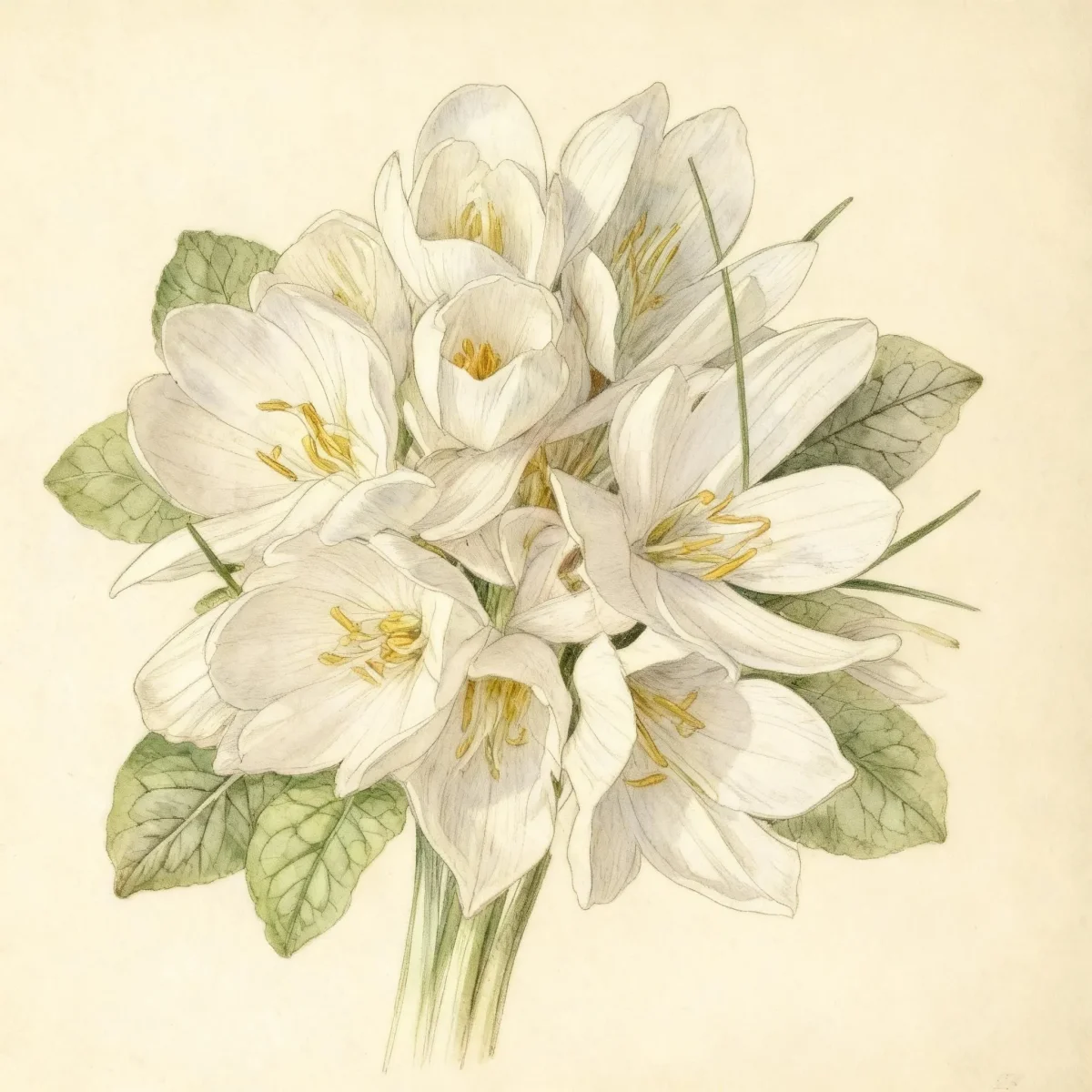
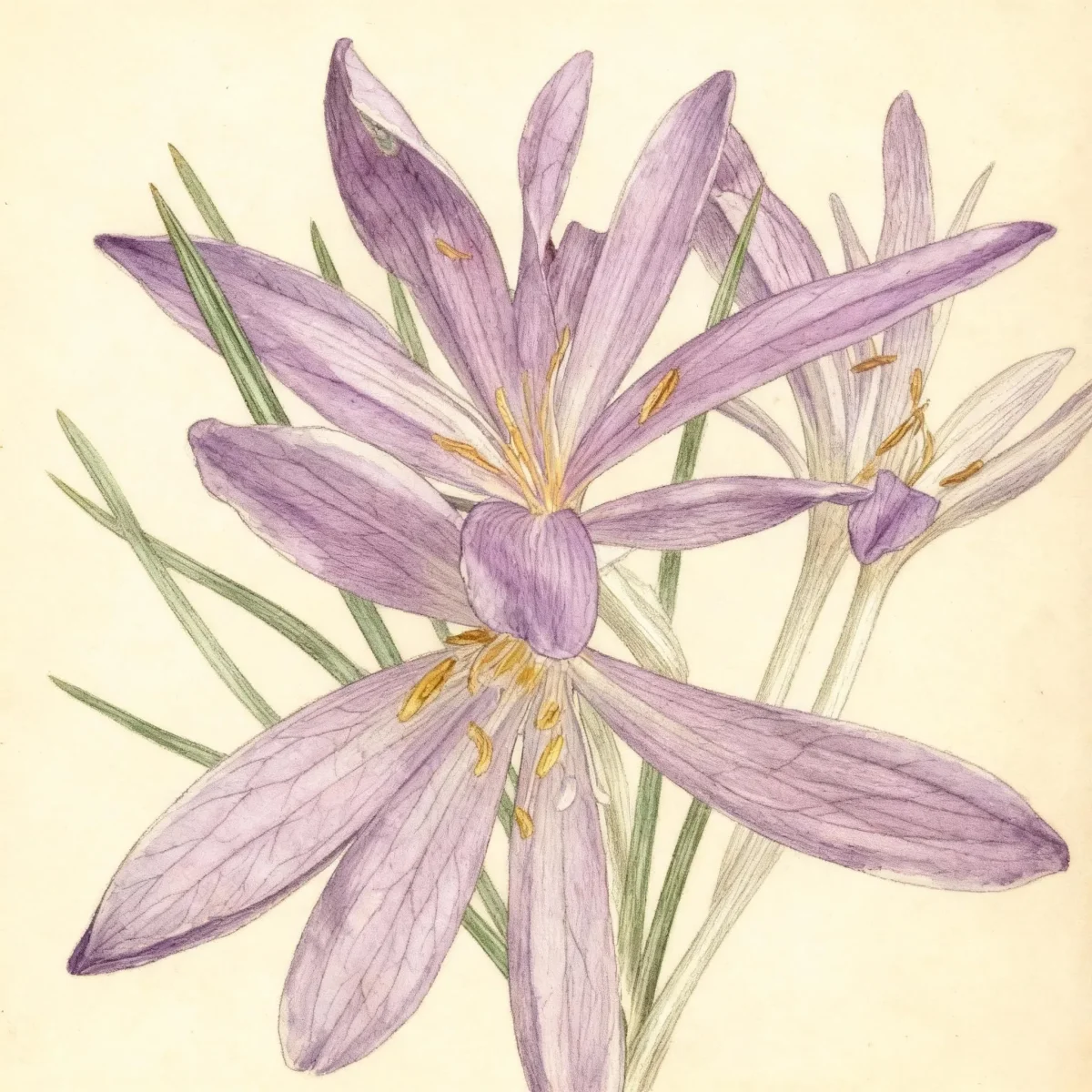
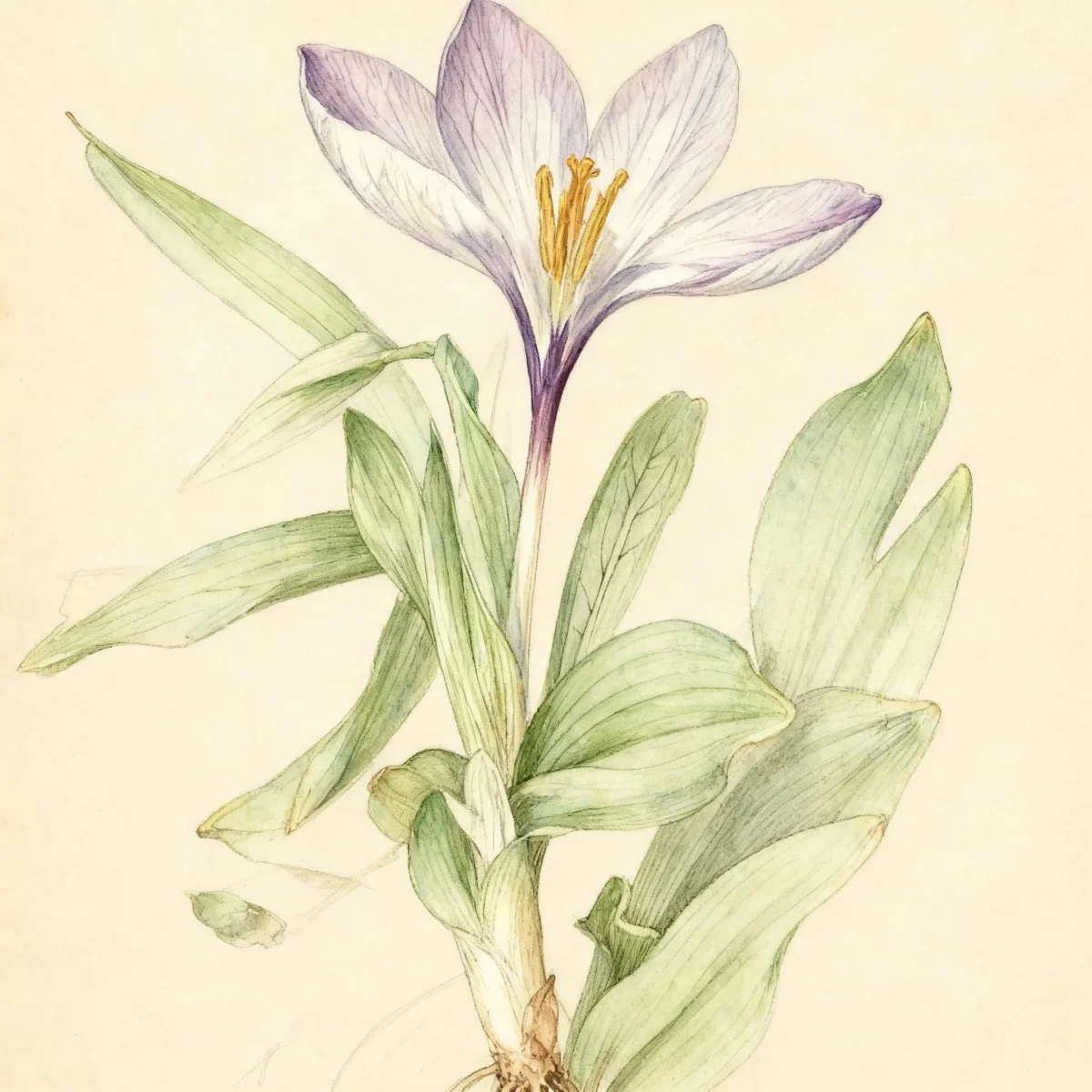
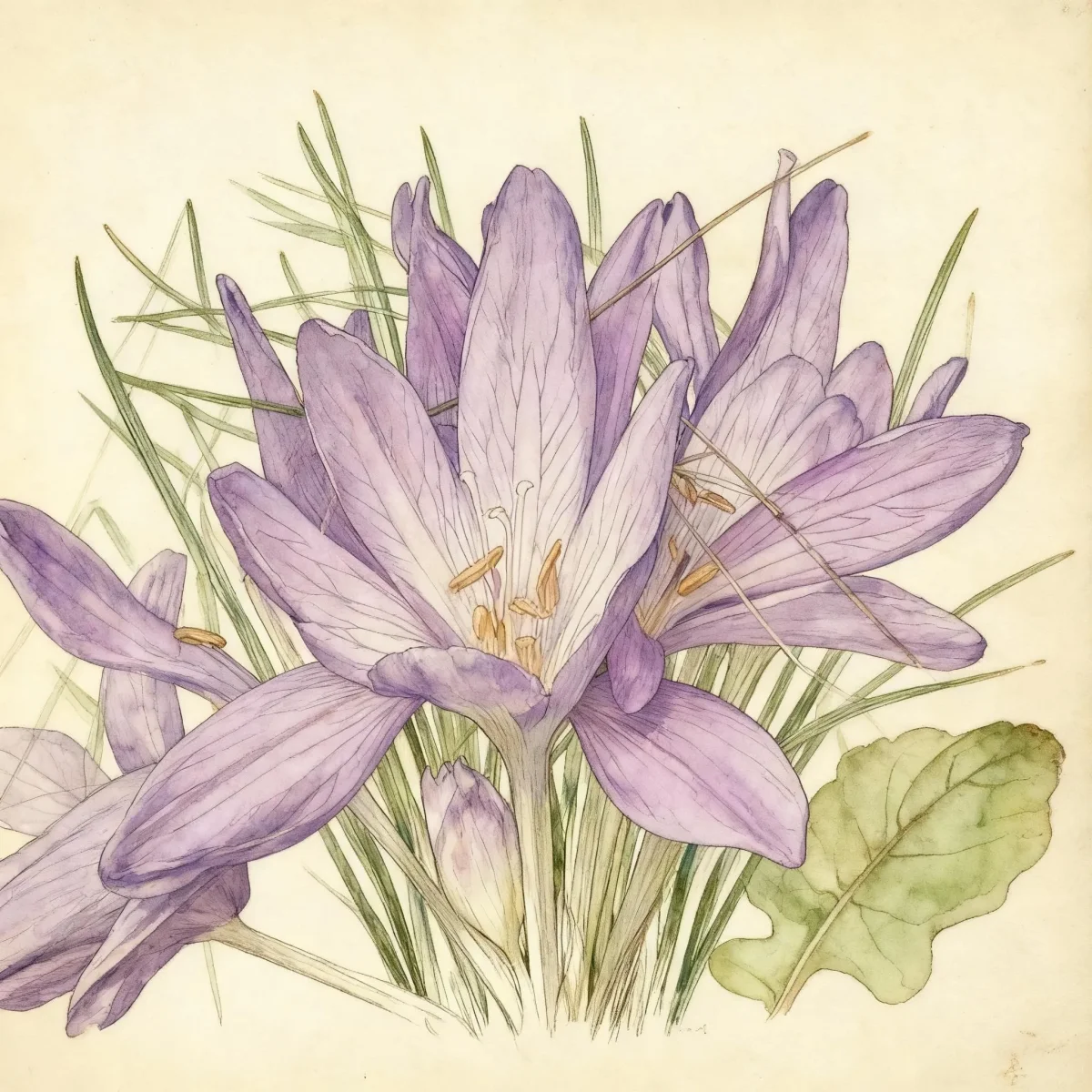
Autumn crocus (Colchicum autumnale 'Pleniflorum')
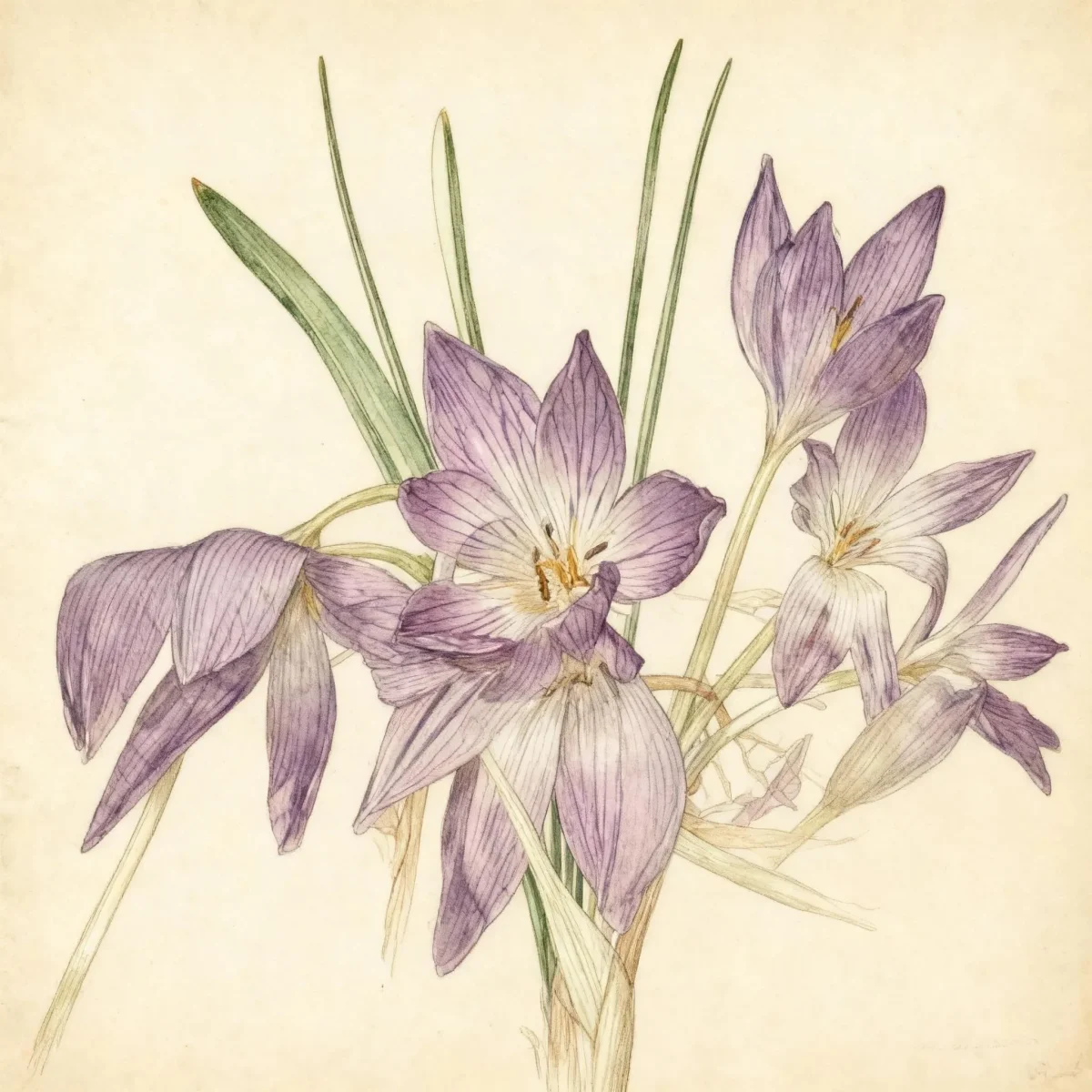
Experience late-season color with Colchicum autumnale 'Pleniflorum', the Autumn crocus. This cormous perennial offers rose-pink double blooms in fall.
Scroll down to discover growing tips, care requirements, companion plants, and more
Complete Plant Information
Overview
The striking feature of Colchicum autumnale ‘Pleniflorum’ is its spectacular fall emergence where vibrant flowers seem to appear magically overnight without accompanying foliage, earning it the common name ‘Naked Ladies’. This cultivar distinguishes itself by offering delicate, rose-pink, double blooms during late summer and early autumn, providing valuable color when most other bulbs are long finished. As a cormous perennial, the required dormancy period is crucial for success, as the spring foliage dies back completely by early summer. Plant Colchicum autumnale ‘Pleniflorum’ in areas where its short fall display can be fully appreciated without noticing the awkward yellowing spring leaves later in the season.
Fast Facts
- Plant Family: Colchicaceae
- Plant Type: Bulb
- Hardiness Zones: USDA Zones 4-8
- Size at Maturity:
- Height: 0.25-0.5 ft
- Spread: 0.25-0.5 ft
- Bloom Time: August to September
- Bloom Description: Rose-pink (double)
- Sun Exposure: Full sun to part shade
- Water Needs: Medium
- Maintenance Level: Medium
How to Grow
Colchicum autumnale ‘Pleniflorum’ thrives when planted in organically rich, medium-moisture soils that possess sharp drainage, as poor drainage leads directly to corm rot. Purchase dormant corms in late summer, specifically August, and plant them immediately at a depth of 3 inches with spacing of 6 inches between each bulb to ensure success for the autumn bloom season. Maintain medium water levels during active growth, but notably reduce watering in July as the spring foliage yellows and dies back before the dormant period begins. Resume light watering in late summer to encourage bulb activity, and plan to dig and divide crowded clumps of Colchicum autumnale ‘Pleniflorum’ every three years to maintain vigor.
Site your planting area thoughtfully; position the corms where the short, stunning flowers of the Autumn crocus will not be obscured, but also where the taller, 10-inch lanceolate spring foliage will not clash with or interfere with neighboring summer perennials. Low-growing ground covers can be beneficial here, subtly masking the foliage decline as the plant moves toward summer dormancy. The care for this plant is relatively straightforward once its unique foliage cycle is understood.
Landscape Uses
Thanks to their sudden appearance, these bulbs work wonderfully in meadows or softly naturalized woodland beds, providing an unexpected splash of color toward the end of the gardening year. Colchicum autumnale ‘Pleniflorum’ is excellent for filling in pockets in the landscape right as summer bedding plants are finishing their run. Consider planting them generously around patios or along walkways where their fall flowers can be easily admired up close. Companion planting with low ground covers is often recommended as these partners can help anchor and disguise the sometimes unsightly summer decline of the broad spring leaves. This makes the late-season impact of the Autumn crocus even more effective.
Standout Features
Flower Qualities
- Showy
Noteworthy Characteristics
Colchicum autumnale, commonly called autumn crocus or meadow saffron, is a cormous perennial that typically blooms in early fall. Plants send up only foliage (5-8 lanceolate dark green leaves to 10” long) in spring, which gradually yellows and dies by early summer when the plants go dormant. Naked flower stems rise from the ground in late summer to early fall, bearing the star-shaped flowers; the cultivar ‘Pleniflorum’ features particularly desirable rose-pink double flowers. Be aware that while called autumn crocus, this plant is not closely related to true spring crocus, differing notably in stamen count.
Tolerances
- Deer
Potential Problems
Generally, Colchicum autumnale ‘Pleniflorum’ avoids serious insect or disease issues, requiring only medium maintenance attention. Gardeners should scout the area for slugs and snails, which are known to occasionally target the tender autumn foliage and flowers. Fungal smut is a potential issue that specifically attacks the leaves; if this occurs, immediately remove and destroy all affected plant material to prevent spread. A structural concern is that the flower stems of the Autumn crocus can sometimes be weak and prone to flopping, especially if conditions are too wet or planting depth is too shallow.
Frequently Asked Questions
What hardiness zones is Autumn crocus suitable for?
Colchicum autumnale ‘Pleniflorum’ is suitable for cultivation in USDA Hardiness Zones 4 through 8.
How large does the Autumn crocus grow?
This bulb typically reaches a mature height between 0.25 and 0.5 feet tall, with a similar spread of 0.25 to 0.5 feet.
When does Autumn crocus bloom?
The bloom time for Colchicum autumnale ‘Pleniflorum’ is generally August to September, displaying unique rose-pink double flowers.
What sun exposure does Autumn crocus need?
This plant adapts well to a range of light conditions, thriving in locations receiving full sun to part shade.
Conclusion
The reliability and unique seasonal timing of the Autumn crocus make Colchicum autumnale ‘Pleniflorum’ an essential component for adding structure to the late-season garden palette. Its dramatic, foliage-free fall display of double rose-pink flowers is unmatched by nearly any other bulb. Before planting, ensure your site offers sharp drainage and verify that your area falls within USDA Zones 4-8 to guarantee successful seasonal performance.
Companion Planting
When selecting companions for your Colchicum autumnale ‘Pleniflorum’, focus on plants that fulfill the aesthetic gap left by the dying foliage or that offer low-growing cover. Low-growing, late-blooming perennials like Sedum (Stonecrop) varieties offer excellent ground coverage that matures just as the Autumn crocus foliage is declining. Furthermore, choose plants whose primary visual appeal is in summer, as their growth will mask the unattractive yellowing process of the Colchicum in early summer. Ensure any companions selected have similar medium water and soil drainage requirements to avoid problems for the corms.
Seasonal Care Calendar
Spring care centers around monitoring the emerging foliage; allow these leaves to mature naturally until they die back in early summer—do not cut them prematurely, as this depletes the corm’s energy reserves for the fall bloom. By July, reduce watering significantly as the plants enter summer dormancy and the foliage yellows completely. In late August, it is prime time to plant new dormant corms 3 inches deep. When leaves are completely gone and soil temperatures begin to cool in early fall, resume normal watering to encourage the flower stems of the Autumn crocus to emerge.