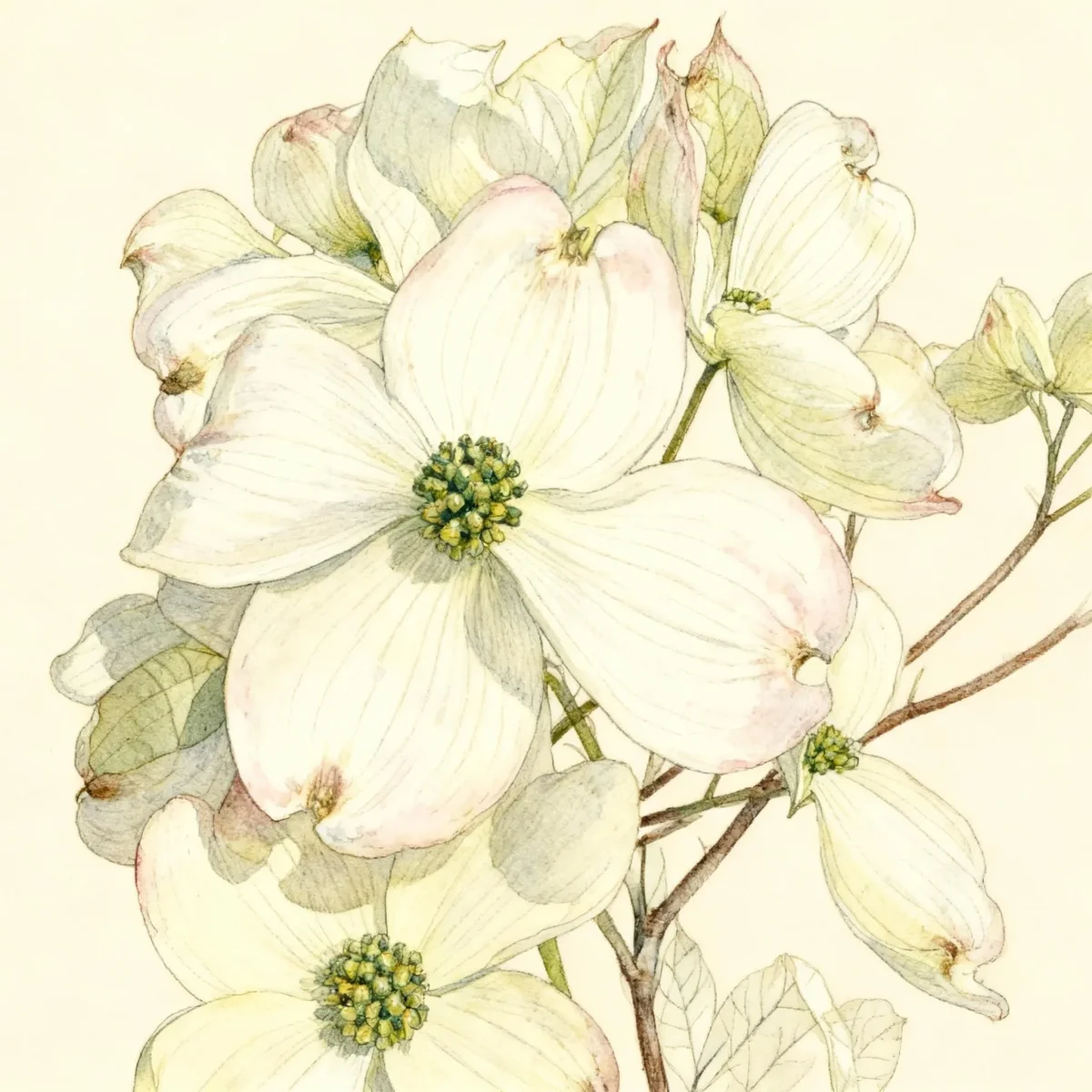
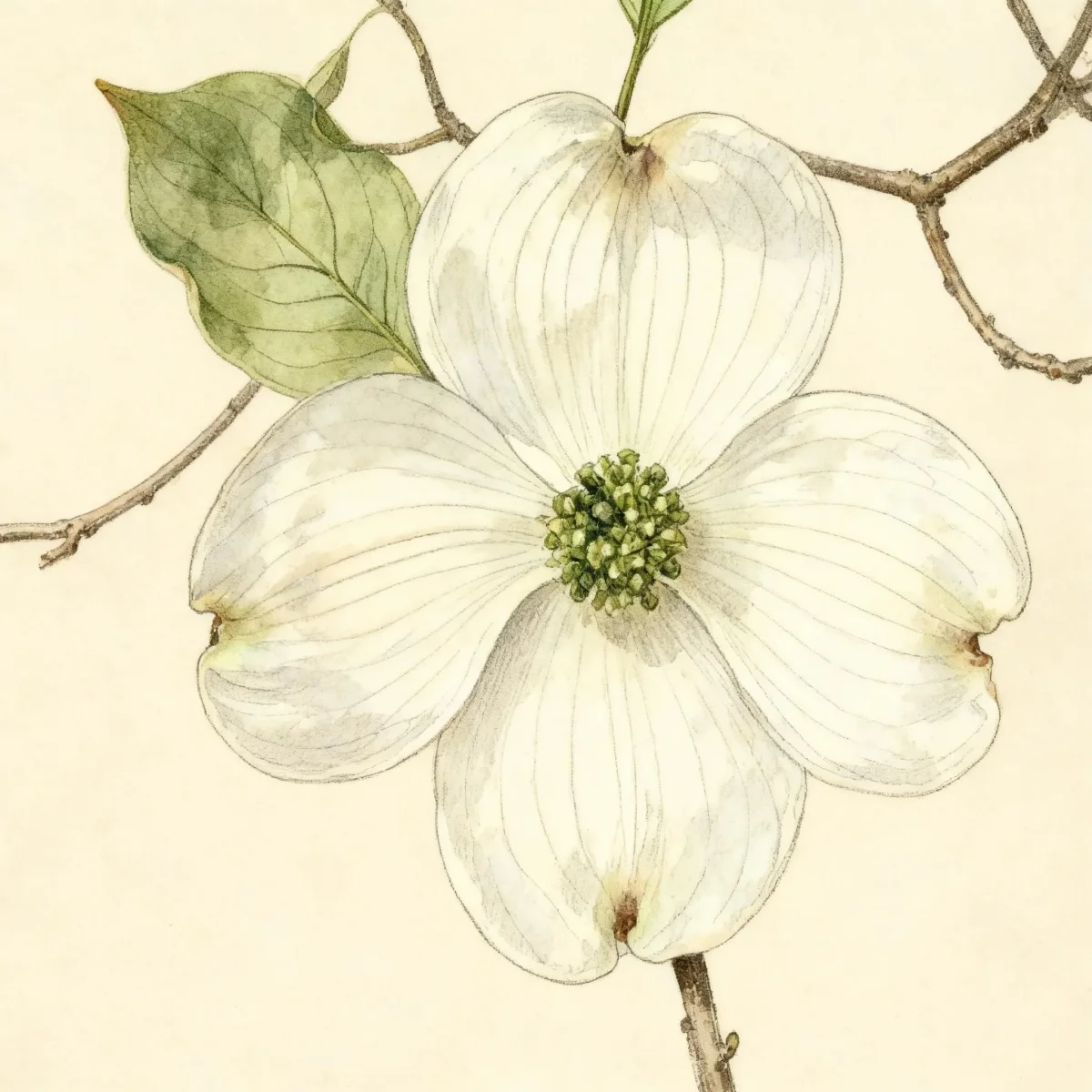
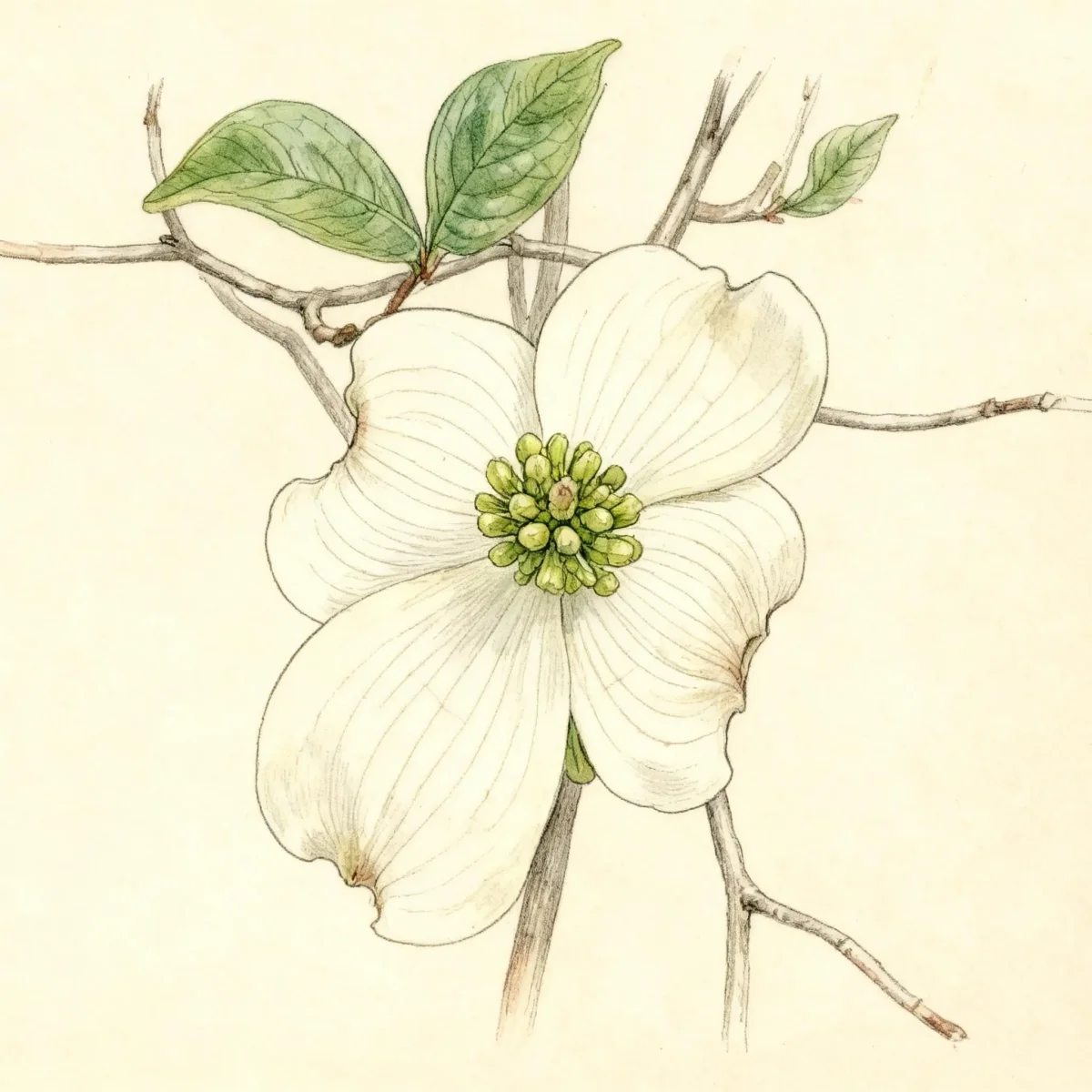
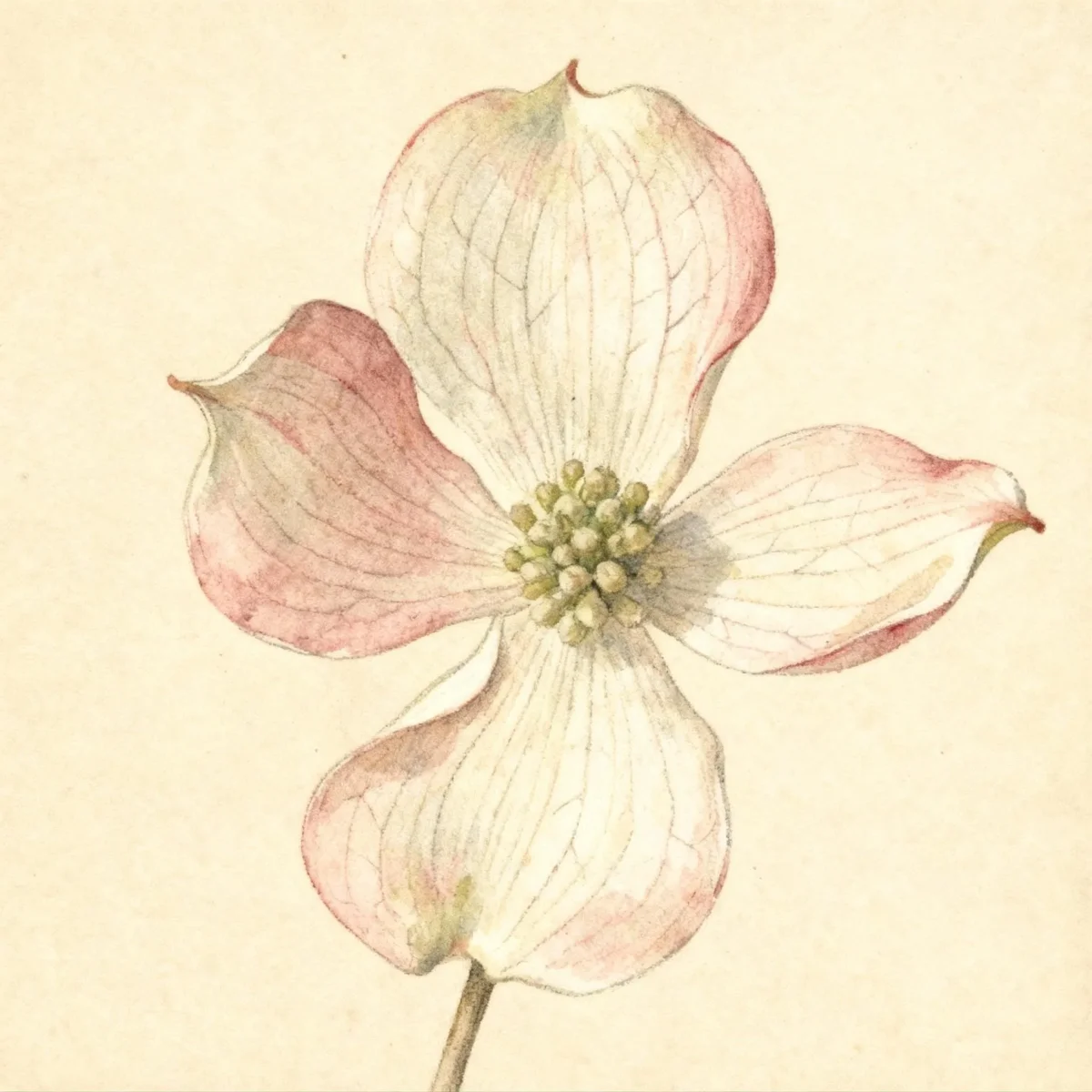
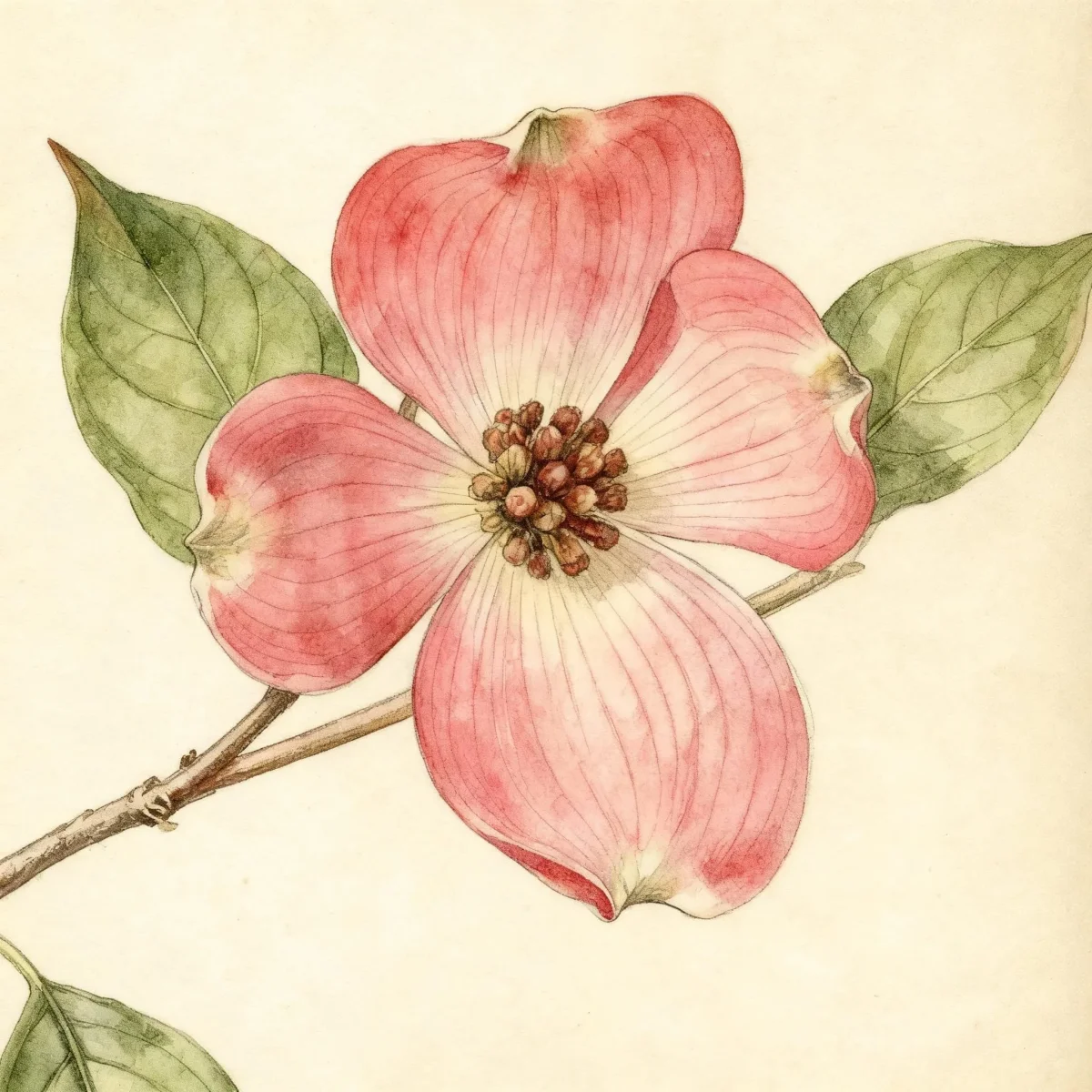
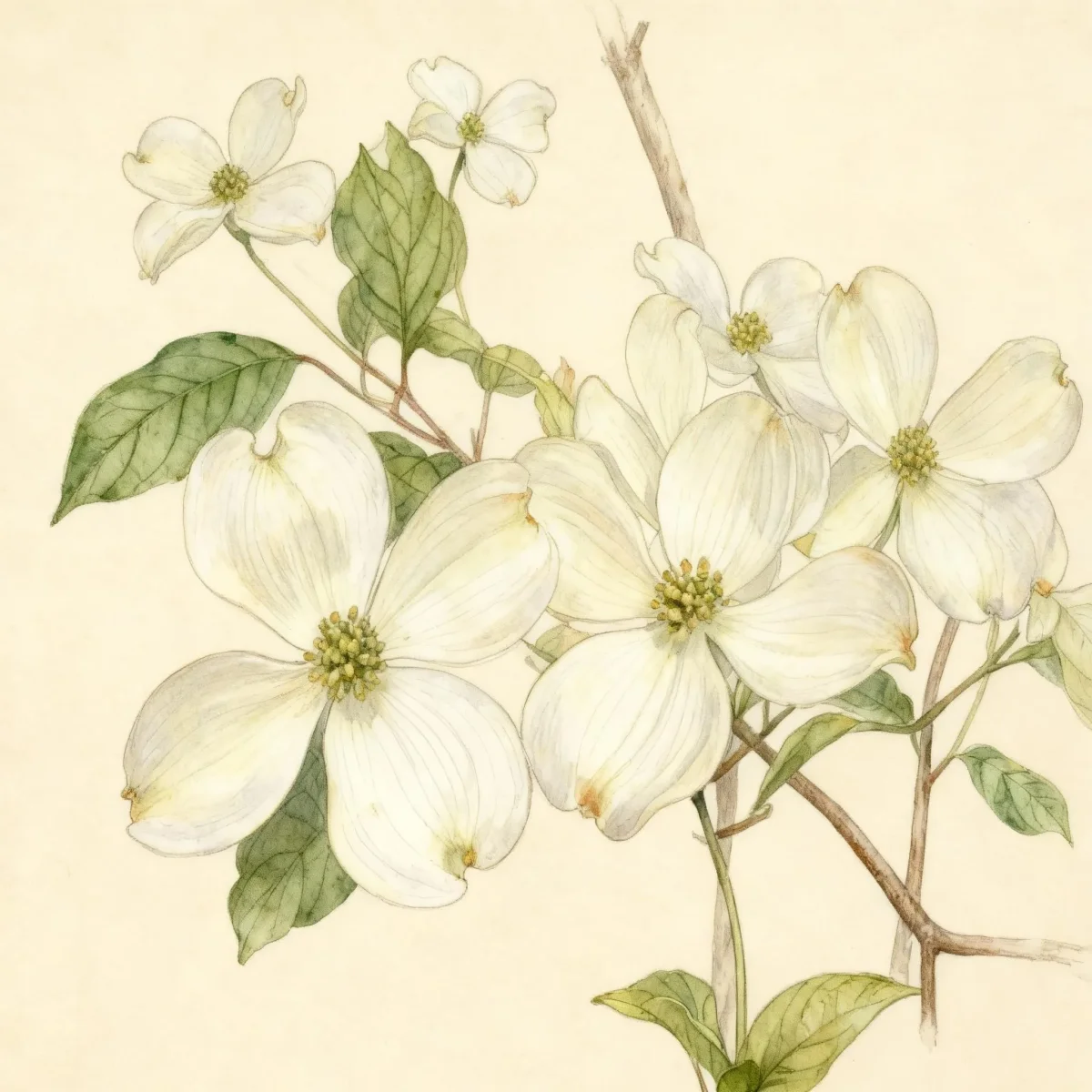
Flowering dogwood (Cornus florida 'White Cloud')
Cornus florida 'White Cloud' offers creamy white bracts in spring. A valued deciduous tree for zones 5-9.
Scroll down to discover growing tips, care requirements, companion plants, and more
Complete Plant Information
Overview
The cultivar Cornus florida ‘White Cloud’ is celebrated as one of the most beautiful native American flowering trees, providing spectacular spring interest. This selection specifically enhances the display of the Flowering dogwood with its notably floriferous nature and creamy white flower bracts. It matures into a small deciduous tree with a signature low-branching, broadly-pyramidal habit, offering excellent aesthetic structure throughout the year.
Cornus florida ‘White Cloud’ brings significant value to the garden beyond its spring show, featuring attractive red fruits loved by birds in the late summer and fall, followed by interesting red fall foliage. Though categorized as medium maintenance, understanding its specific soil and placement needs ensures a healthy specimen that will anchor residential landscapes for years to come.
Gardeners appreciate this plant for its reliable performance in partial shade, making it an ideal understory or specimen choice where the intensity of full sun might prove too harsh. Planting a Flowering dogwood like ‘White Cloud’ guarantees a vibrant focal point across multiple seasons.
Fast Facts
- Plant Family: Cornaceae
- Plant Type: Tree
- Hardiness Zones: USDA Zones 5-9
- Size at Maturity:
- Height: 15-30 ft
- Spread: 15-30 ft
- Bloom Time: April to May
- Bloom Description: White (bracts)
- Sun Exposure: Full sun to part shade
- Water Needs: Medium
- Maintenance Level: Medium
How to Grow
Planting Flowering dogwood specimens should ideally occur in spring or fall when temperatures are milder, allowing the roots to establish before summer heat or deep winter freezes arrive. This tree thrives best in locations receiving full sun to part shade, though it shows a strong preference for moist, organically rich, and acidic soils that are well-drained.
Consistent moisture is crucial, especially during establishment. While maintaining medium water needs, apply a 2-4 inch layer of mulch annually. This mulch layer is highly beneficial as it helps keep the tree’s shallow roots cool and moist throughout the warmer months.
Pruning should be minimal, focusing only on removing dead, damaged, or crossing branches, typically done in late winter when the tree is dormant. Be aware that stressed trees are more susceptible to pests and diseases; therefore, ensuring proper soil conditions addresses many potential future issues for your Cornus florida ‘White Cloud’.
Landscape Uses
The primary appeal of the Flowering dogwood is its versatility as a magnificent flowering tree. Cornus florida ‘White Cloud’ functions perfectly as a specimen plant, drawing the eye toward entryways or flanking open lawns where its layered branching structure can be fully appreciated. It is also highly effective when massed in small groupings near patios or outdoor living spaces.
Its preference for part shade naturally integrates the Flowering dogwood into woodland gardens, mimicking its native habitat. Consider pairing it with spring-ephemeral bulbs or shade-tolerant groundcovers beneath its canopy for continuous seasonal interest beneath the creamy white blooms of Cornus florida ‘White Cloud’.
Standout Features
Flower Qualities
- Showy
Fruit Qualities
- Showy
Noteworthy Characteristics
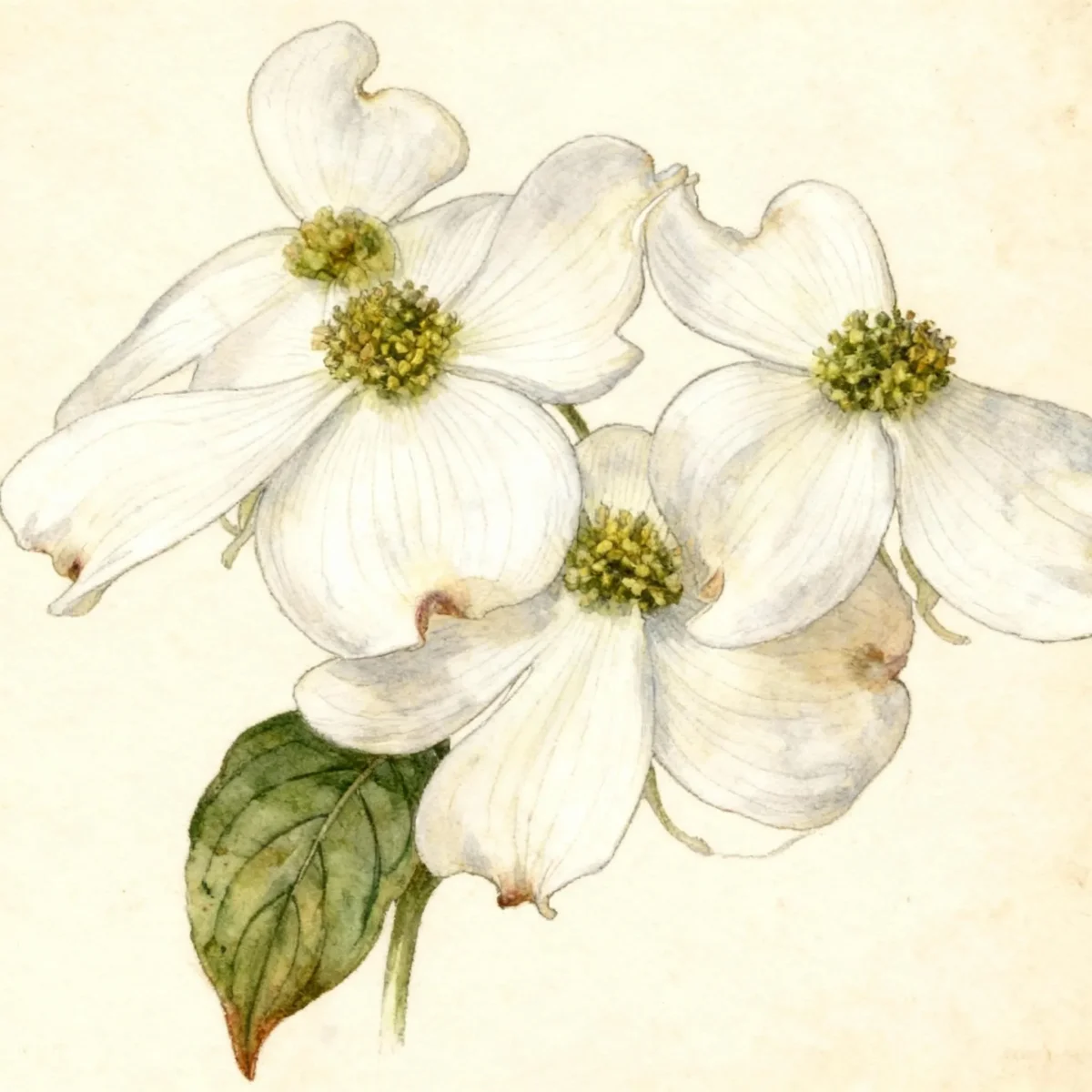
Cornus florida, commonly known as flowering dogwood, is a small deciduous tree that typically grows 15-30’ tall with a low-branching, broadly-pyramidal but somewhat flat-topped habit. It arguably may be the most beautiful of the native American flowering trees. The true dogwood flowers are tiny and insignificant, but they are surrounded by four showy, white, petal-like bracts which create the appearance of a large, 3-4” diameter flower. The cultivar ‘White Cloud’ is specifically noted for its creamy white flower bracts, exceptional floriferousness, and bronze-tinged fall foliage, attributes that make it a standout.
Tolerances
- Deer
- Clay Soil
- Black Walnut
Potential Problems
While beautiful, stressed Flowering dogwood is vulnerable to several diseases, the most devastating being dogwood anthracnose, which has caused significant damage in Eastern US regions. To promote vigor and help prevent infection in your Cornus florida ‘White Cloud’, always aim for optimal planting conditions—moist, acidic, and well-drained soil.
Other risks include powdery mildew, leaf spot, canker, and root rot. Stressed trees may also suffer from borer infestations. Avoiding compaction around the root zone and ensuring adequate, consistent moisture are the best proactive measures against generalized stress that invites these issues.
Frequently Asked Questions
What hardiness zones is Flowering dogwood suitable for?
The Cornus florida ‘White Cloud’ variety is reliably hardy in USDA Zones 5 through 9, offering a wide range of successful growing locations.
How large does Flowering dogwood grow?
This dogwood typically attains a mature height between 15 and 30 feet, with a similar spread, maintaining a manageable size suitable for most residential properties.
What sun exposure does Cornus florida ‘White Cloud’ need?
It performs well in conditions ranging from full sun to part shade, though it appreciates protection from the harshest afternoon sun, which can help keep its roots cool.
When does Flowering dogwood bloom?
You can expect the showy creamy white bracts of the Flowering dogwood to appear in the landscape during early spring, specifically from April to May.
Conclusion
The Flowering dogwood cultivar ‘White Cloud’ is an essential element for any garden aiming for structure, seasonal elegance, and wildlife support. Its creamy white spring display and manageable size ensure it remains a premier choice among native trees. Before planting, verify that your local hardiness zone falls within 5-9 and plan for placement in soil that retains consistent moisture to ensure the long-term health of your Cornus florida ‘White Cloud’.
Wildlife Benefits
As a native tree, Cornus florida ‘White Cloud’ provides crucial ecological services. While the true flowers are small, the subsequent fruit production is highly valued by numerous bird species, offering a necessary late-season food source. Planting this tree supports local biodiversity in your yard, especially when positioned near natural areas or woodland borders.
Companion Planting
Due to the Flowering dogwood’s preference for moist, acidic soil and part shade, it pairs beautifully with woodland-edge companions. Consider planting acid-loving shrubs like Rhododendrons or Azaleas nearby, ensuring they are situated where they receive filtered light. Low-growing groundcovers such as Hosta or Foamflower (Tiarella) also thrive in similar conditions and maintain soil moisture around the shallow roots of the dogwood.