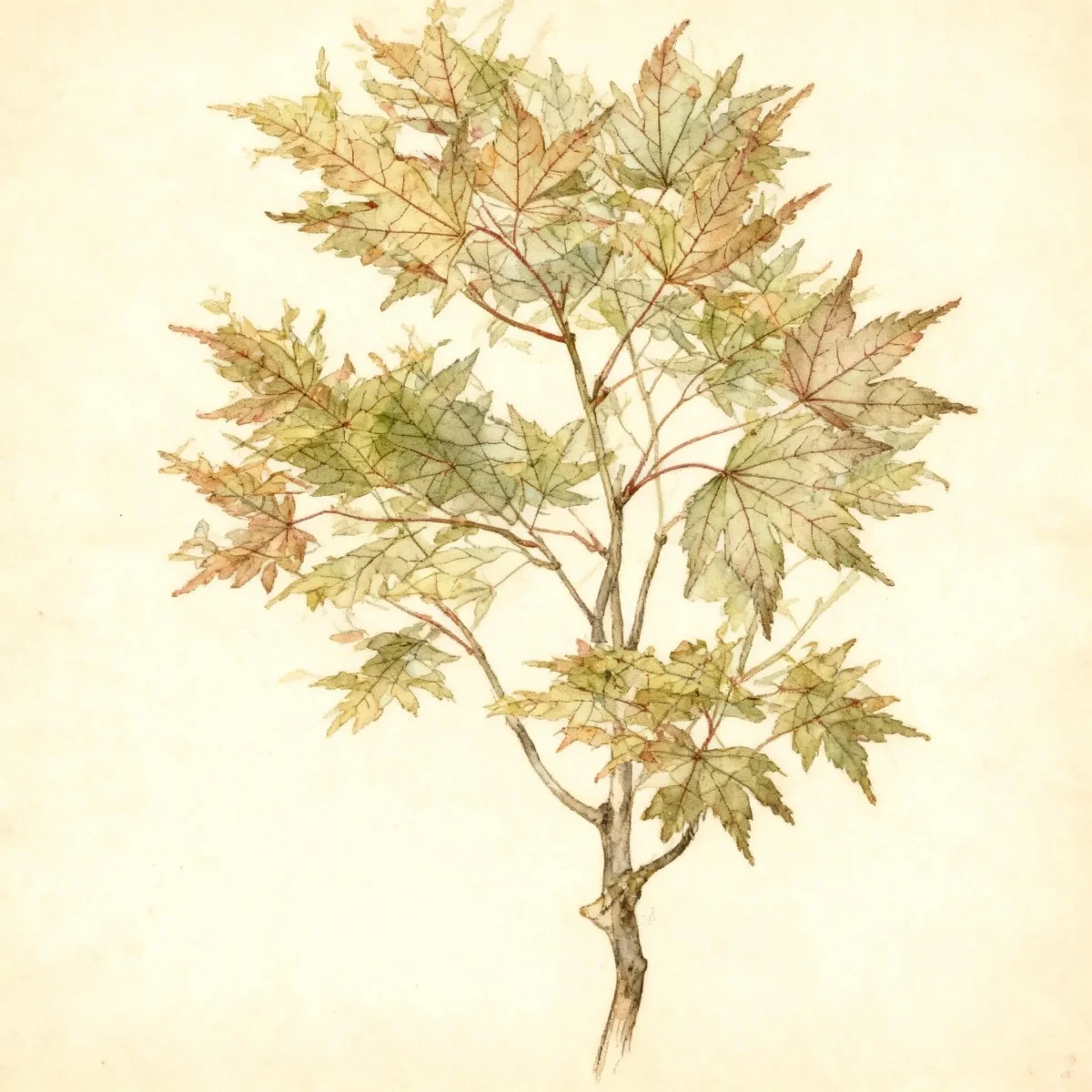
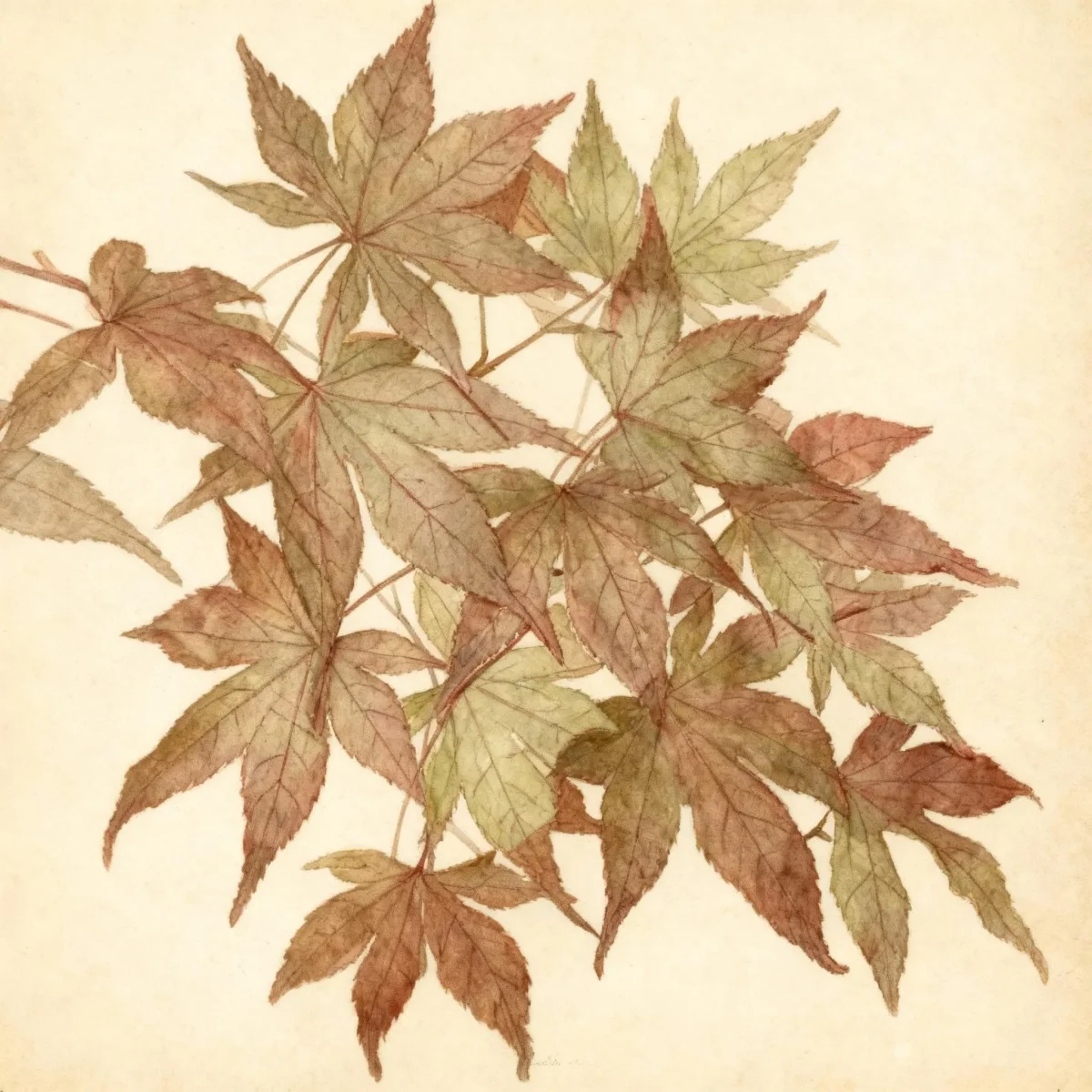
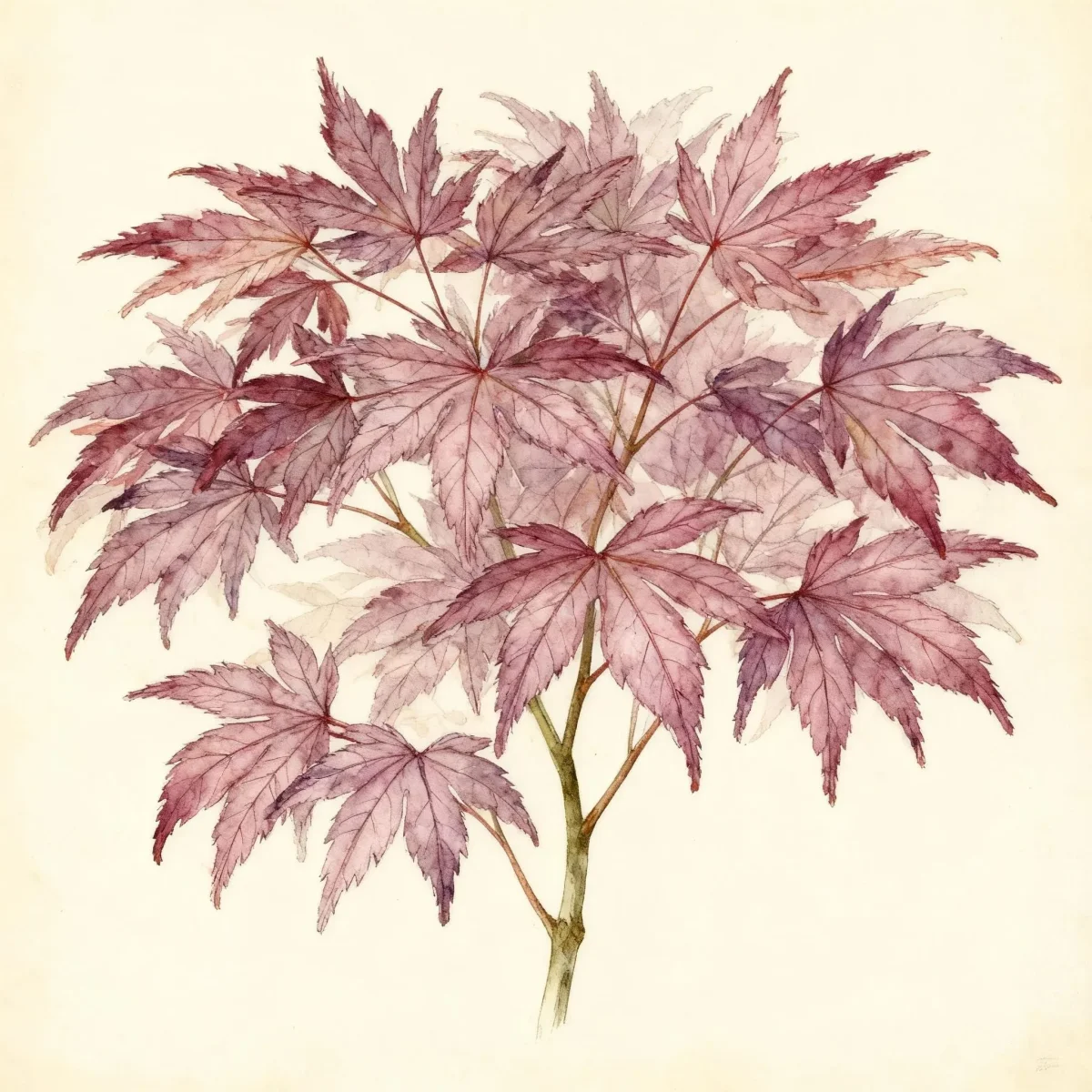
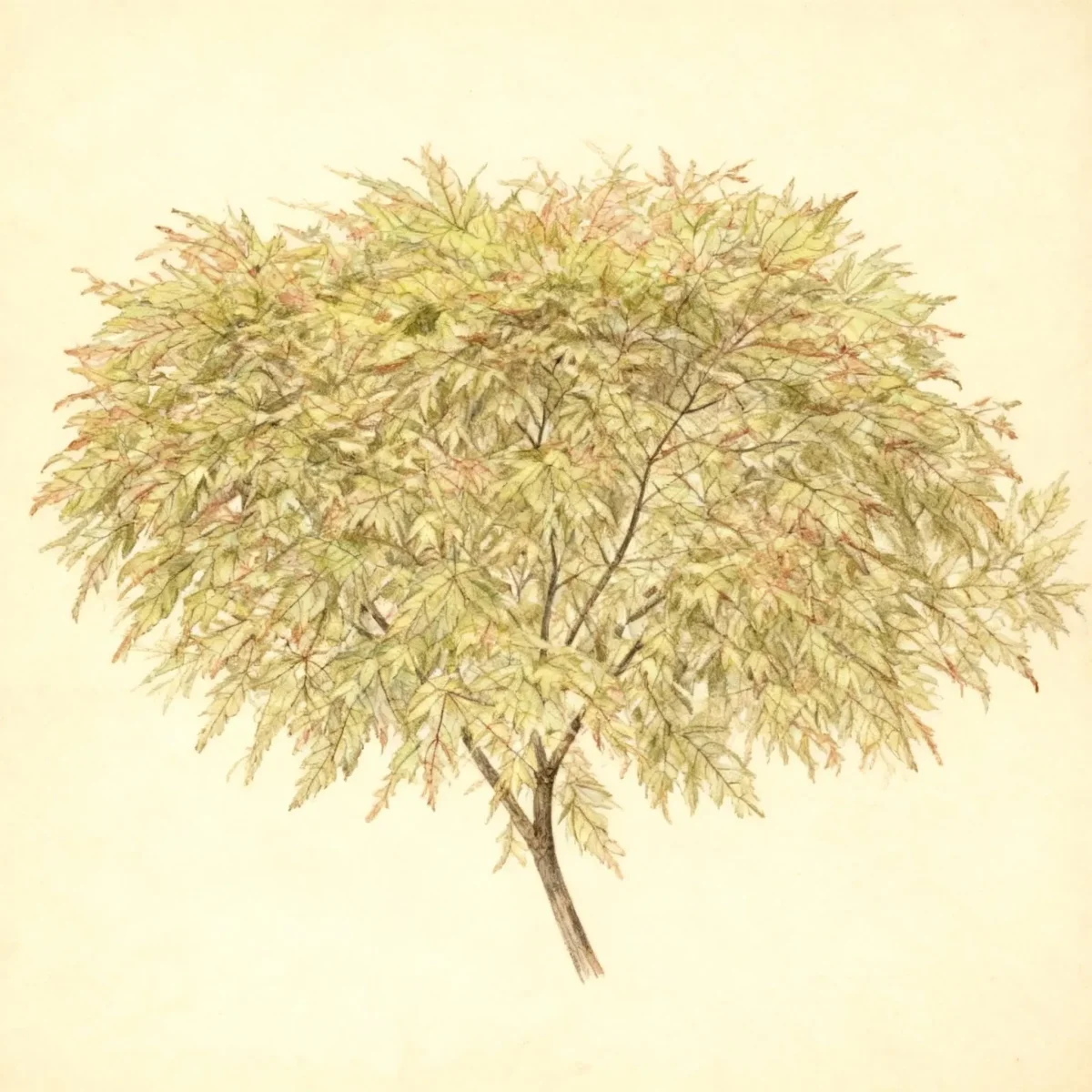
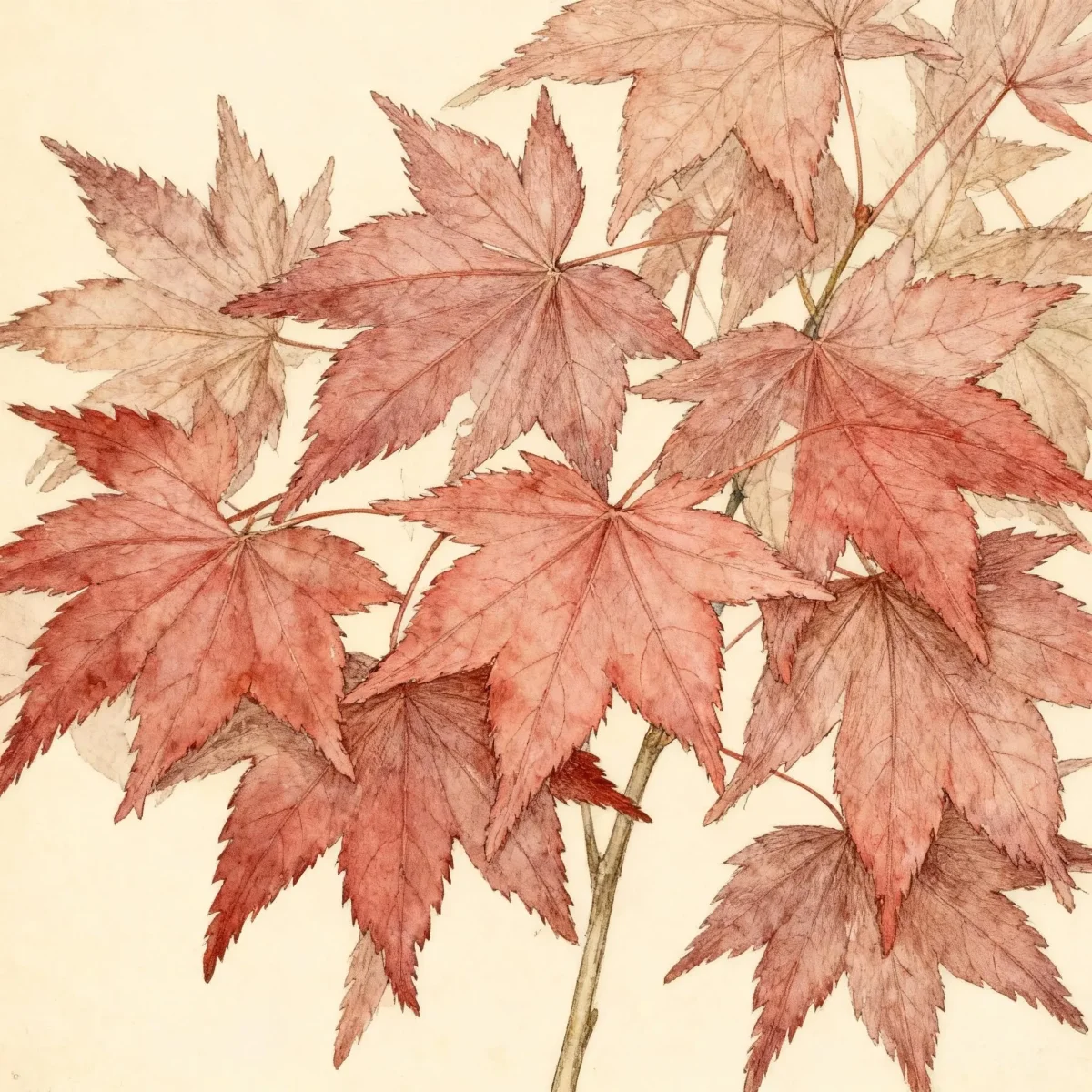
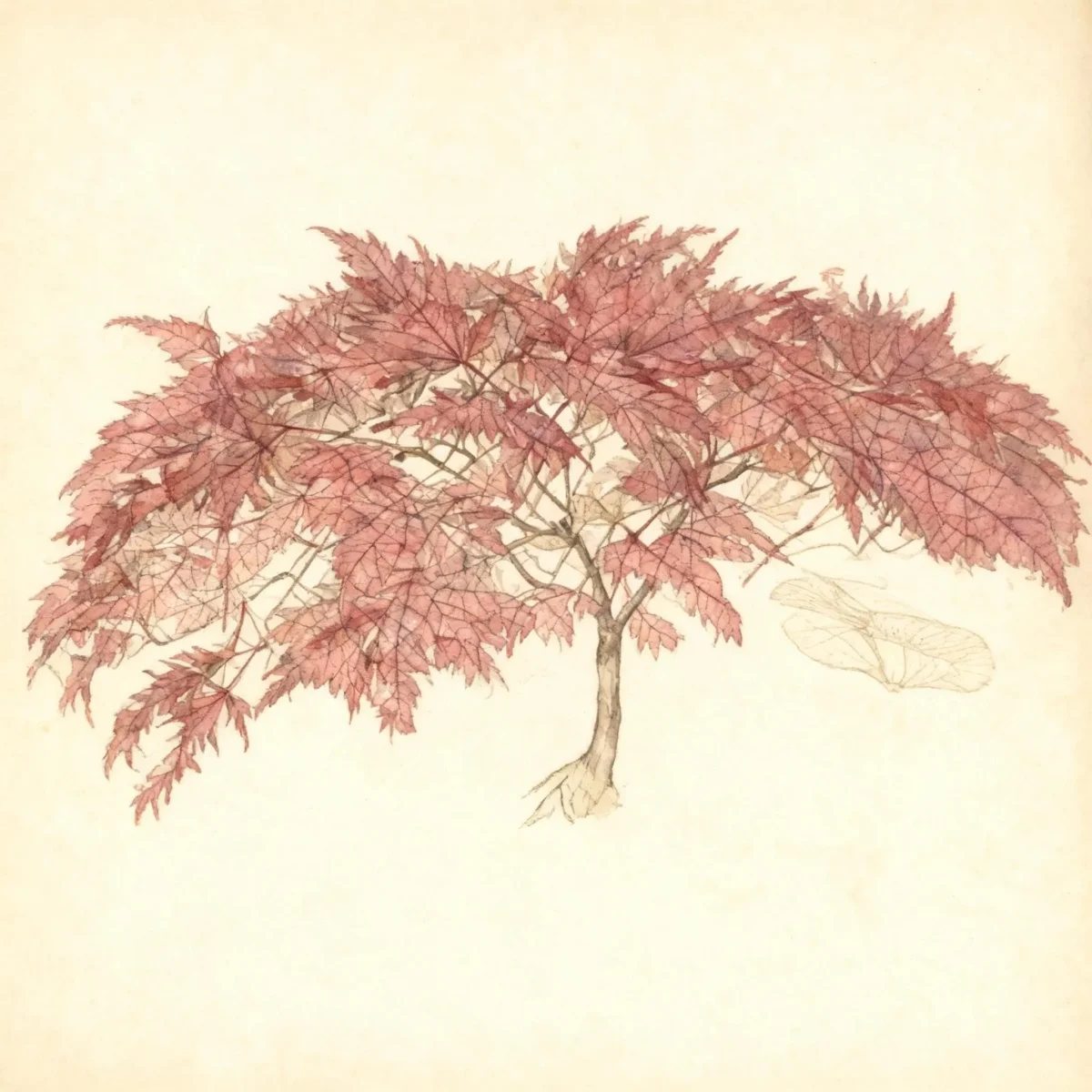
Japanese maple (Acer palmatum var. dissectum 'Waterfall')
Acer palmatum var. dissectum 'Waterfall' is a stunning laceleaf Japanese maple known for its weeping habit and brilliant golden fall color.
Scroll down to discover growing tips, care requirements, companion plants, and more
Complete Plant Information
Overview
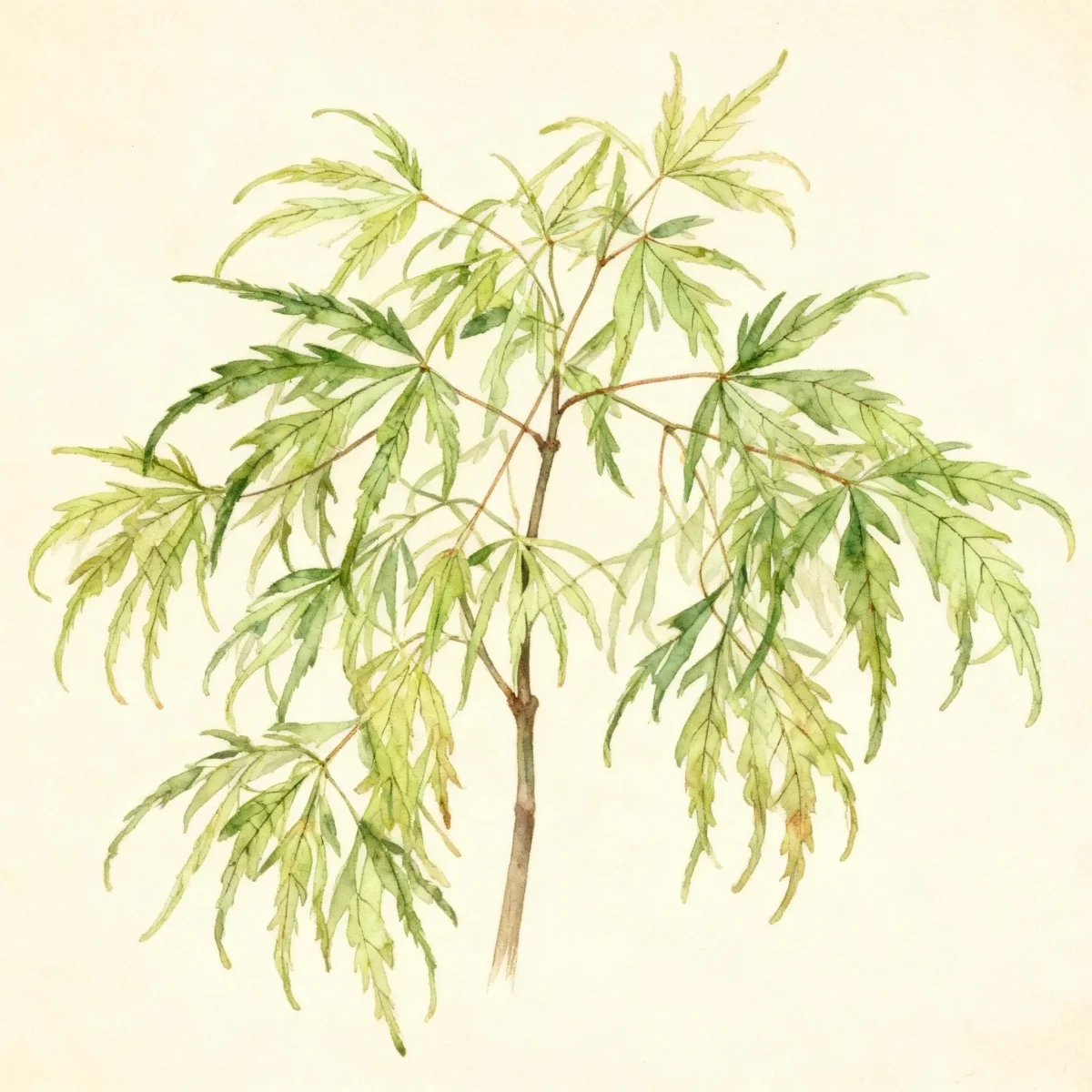
The Acer palmatum var. dissectum ‘Waterfall’ is a highly sought-after specimen prized for its graceful, cascading form, perfectly embodying the elegance of a laceleaf Japanese maple. This cultivar develops finely dissected, dark green foliage that remains attractive throughout the summer months before igniting into shimmering shades of gold, orange, and red as autumn arrives. Its weeping architectural habit makes the ‘Waterfall’ Japanese maple an outstanding focal point in nearly any garden setting.
As a slow-growing deciduous shrub, Acer palmatum var. dissectum ‘Waterfall’ typically reaches heights between 6 to 10 feet with a spread of 8 to 12 feet, creating a broad, mounding silhouette. It requires thoughtful placement to appreciate its texture, performing best when sited where it is protected from harsh afternoon sun and strong winds. Achieving the signature weeping effect requires dedication to proper soil conditions and minimal maintenance.
Gardeners value this specific Japanese maple for its textural contrast against broad-leaved plants and its remarkable winter silhouette once the foliage drops. Providing year-round interest, the ‘Waterfall’ cultivar offers weeping structure in winter, delicate texture in summer, and compelling fall color, solidifying its place as a premier ornamental shrub.
Fast Facts
- Plant Family: Sapindaceae
- Plant Type: Deciduous shrub
- Hardiness Zones: USDA Zones 5-9
- Size at Maturity:
- Height: 6-10 ft
- Spread: 8-12 ft
- Bloom Time: April
- Bloom Description: Reddish-purple
- Sun Exposure: Full sun to part shade
- Water Needs: Medium
- Maintenance Level: Low
How to Grow
The Acer palmatum var. dissectum ‘Waterfall’ thrives when treated with the care typical for quality Japanese maples. Plant in the spring or fall, choosing a site that offers protection from drying winds and intense, scorching afternoon sun, especially in warmer zones. The ideal growing medium is moist, organically rich, slightly acidic, and must be well-drained; sandy loams are particularly acceptable.
Maintain consistent soil moisture, especially during establishment and hot summer periods, as the new foliage can scorch if allowed to dry out. Apply a thick layer of mulch to help conserve soil moisture and maintain cool root temperatures, but ensure the mulch does not touch the trunk itself. Water deeply when needed, adhering to its medium water requirement level.
Pruning should be kept to an absolute minimum to maintain the natural weeping form of the Acer palmatum var. dissectum ‘Waterfall’. If shaping or removal of damaged wood is necessary, perform this task in late fall or mid-winter. Pruning during active growth periods in spring or summer often leads to significant sap “bleeding” from the cuts.
Landscape Uses
Dissected forms of Japanese maples like the ‘Waterfall’ cultivar are outstanding choices when visual texture and a low, mounding shape are desired. Due to its cascading branches and delicate foliage, it excels as a solitary specimen plant where its form can be fully appreciated without obstruction. It works beautifully grouped around patios, near entryways, or incorporated into the periphery of borders.
This cultivar is an excellent selection for sun-dappled understory planting beneath taller, open-canopy trees, mimicking its native woodland environment. Furthermore, the dramatic, drooping habit of the laceleaf Japanese maple is highly effective when placed near reflective surfaces, such as a pond or water garden feature, doubling the visual impact of its flowing structure. Smaller specimens adapt well to large, high-quality containers, though winter protection may be necessary in the colder ends of its hardiness range.
Standout Features
Flower Qualities
- Insignificant
Noteworthy Characteristics
Acer palmatum, commonly called Japanese Maple, offers intricate branching when dormant and finely cut leaves throughout the active season. Var. Dissectum forms are characterized by deeply incised, feathery foliage, and the ‘Waterfall’ cultivar specifically showcases branches that cascade downward, resembling a waterfall of dark green leaves. This plant concludes the season with a striking transformation, turning golden with showy streaks of orange and red.
Tolerances
- Rabbit
- Black Walnut
Potential Problems
This beautiful Japanese maple is susceptible to several potential diseases, including verticillium wilt, stem canker, and various leaf spots. Control starts with cultural practices; ensure excellent drainage to prevent root rots and avoid stressed conditions that invite disease. Monitor closely for insect pests such as scale, borers, and aphids, treating promptly with appropriate horticulture oils or insecticides as necessary to prevent population buildup. Foliage is sensitive to late spring frosts, as the leaves tend to emerge early; site selection to avoid frost pockets is a crucial preventative measure. Chlorosis, or yellowing between the veins, can signal a problem with high pH soils, which should be corrected by incorporating sulfur or using acidic soil amendments.
Frequently Asked Questions
What hardiness zones is Japanese maple suitable for?
The Acer palmatum var. dissectum ‘Waterfall’ is best suited for USDA Hardiness Zones 5 through 9.
How large does Acer palmatum var. dissectum ‘Waterfall’ grow?
This specific weeping cultivar usually matures to a height between 6 to 10 feet tall and spreads outward 8 to 12 feet wide.
What sun exposure does Japanese maple need?
This plant performs best when provided full sun to part shade conditions, though it benefits from afternoon shade in hotter climates to prevent leaf scorch.
When does Acer palmatum var. dissectum ‘Waterfall’ bloom?
Blooming occurs in April, producing small flowers described as reddish-purple.
Conclusion
The Acer palmatum var. dissectum ‘Waterfall’ remains a premier choice for gardeners seeking superior texture, graceful form, and reliable autumn spectacle in a manageable shrub size. Careful attention to moist, well-drained soil and protection from harsh sites will ensure this stunning laceleaf Japanese maple establishes its signature weeping habit successfully. Before planting, always confirm that your garden site falls within USDA Zones 5-9 to guarantee optimal growth for your new specimen.
Companion Planting
Selecting appropriate neighbors is key to showcasing the unique texture of the ‘Waterfall’ Japanese maple. Plants with contrasting texture, such as hostas with large, bold leaves or ferns with upright habits, emphasize the fine, dissected nature of the laceleaf foliage. Pair it with evergreen shrubs that maintain structure during winter months, providing a solid backdrop against which the weeping branches of the Acer palmatum var. dissectum ‘Waterfall’ can stand out. Ensure companion species share the preference for acidic, well-drained soils and protection from harsh, direct midday sun.
Seasonal Care Calendar
Spring is the critical time for monitoring the emerging foliage of your Japanese maple against potential late frosts; protect young leaves if cold warnings are issued. Once summer heat sets in, focus diligently on consistent, deep watering to maintain soil moisture, especially around the root zone, and avoid high-heat stress. In the fall, enjoy the spectacular golden-red color transition of the Acer palmatum var. dissectum ‘Waterfall’ foliage. Winter care involves checking mulch depth and ensuring branches are protected from heavy, ice-laden snow that could cause breakage to the delicate, weeping wood structure.