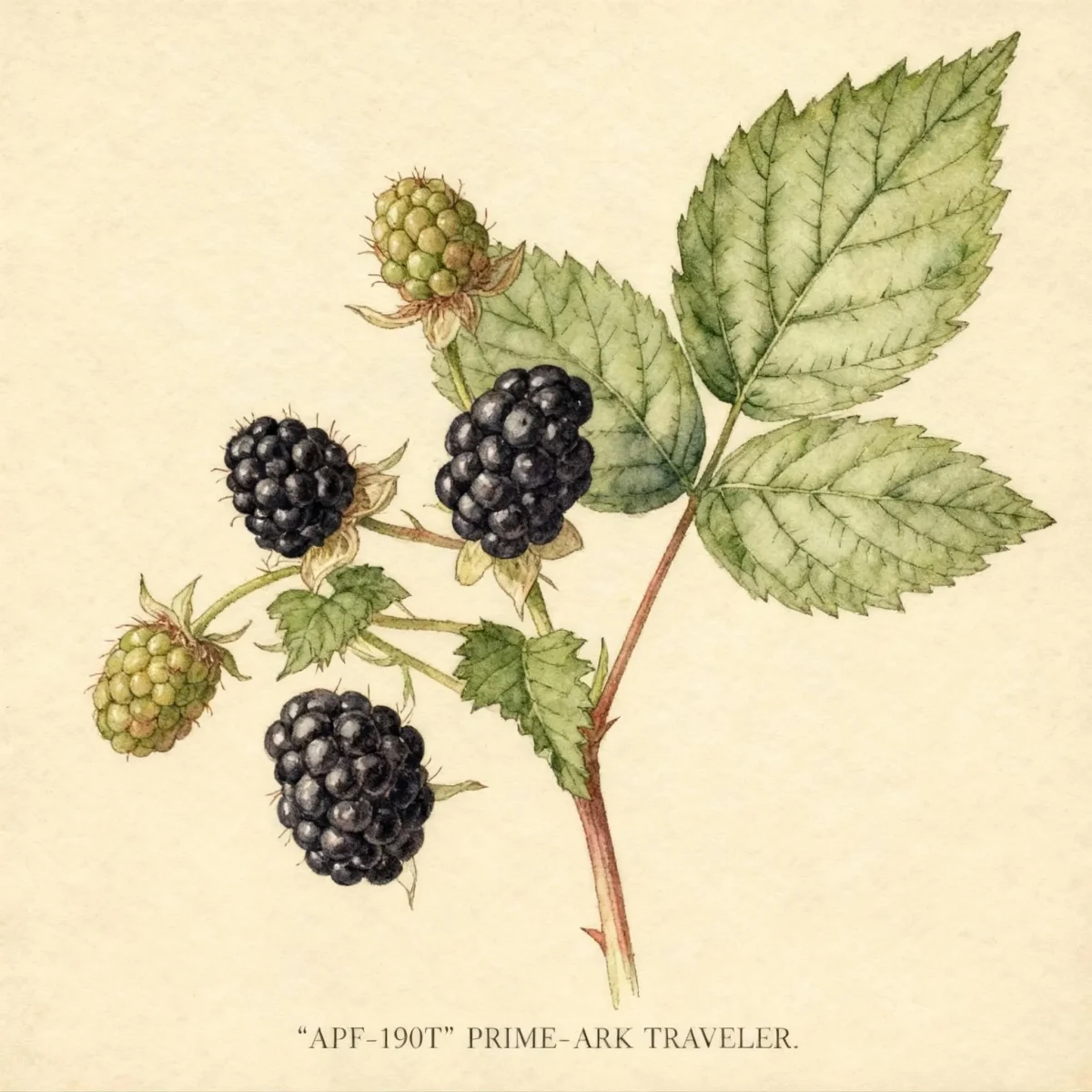
Blackberry (Rubus fruticosus 'Chester')
Thornless Rubus fruticosus 'Chester' Blackberry yields excellent summer fruit and grows 3-5 ft tall in USDA Zones 5-8.
Scroll down to discover growing tips, care requirements, companion plants, and more
Complete Plant Information
Overview
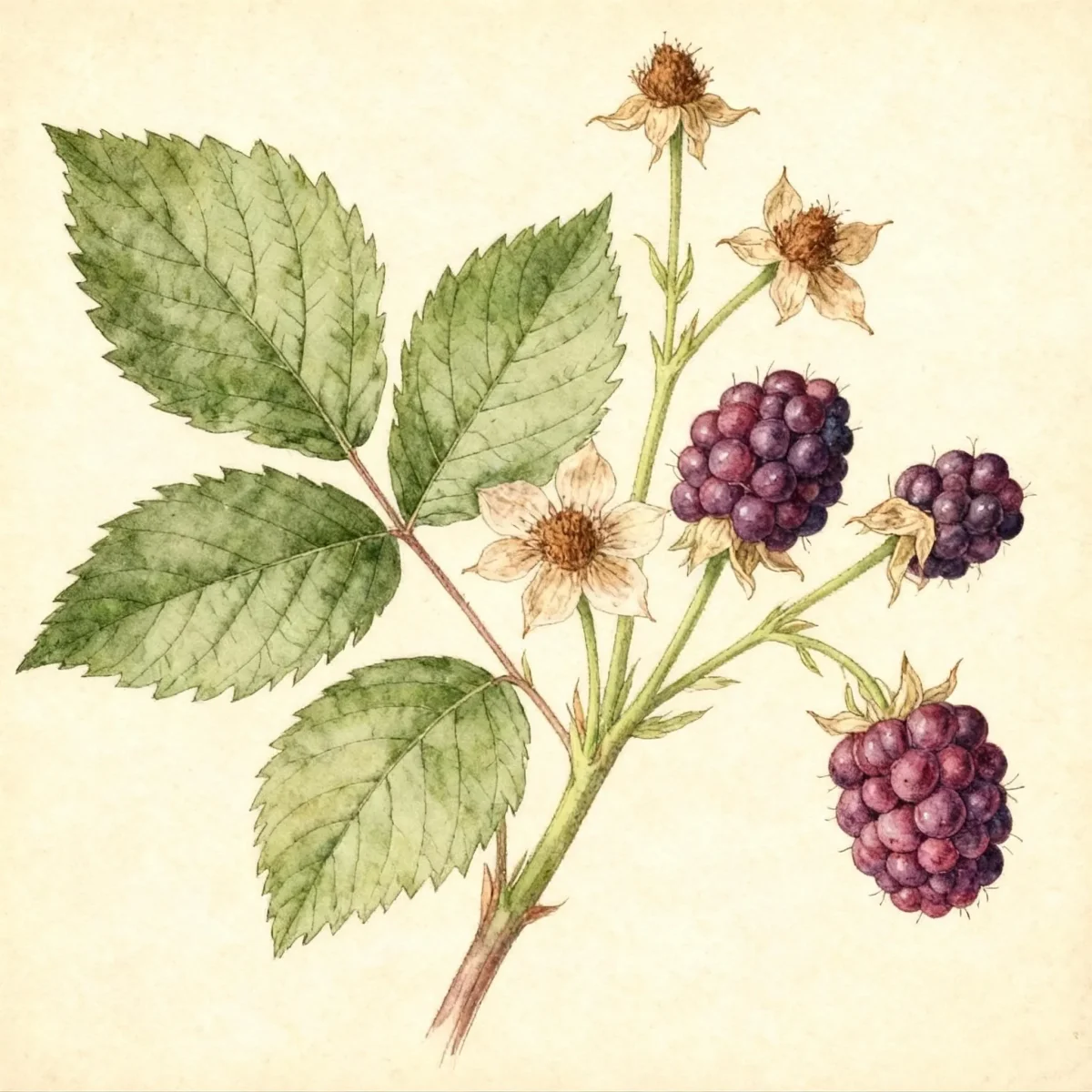
The Rubus fruticosus ‘Chester’, commonly known as Blackberry, is a highly valued fruiting shrub, particularly for its thornless nature and the quality of its summer harvest. As a self-fruitful cultivar, it simplifies backyard berry production, offering heavy yields of firm, delicious fruit usually ready by mid- to late July. This semi-erect shrub provides both spring visual interest and tangible edible rewards.
Rubus fruticosus ‘Chester’ is perennial, though its canes are biennial, requiring specific pruning management to ensure productivity and plant health. Gardeners should note that while it offers attractive pinkish-white flowers, its primary function is food production rather than pure ornamentation. Successful cultivation depends on providing the right moisture and soil drainage conditions.
This variety offers a reliable, free-standing shrub habit suitable for many manageable garden spaces. For gardeners seeking dependable, delicious, thornless blackberries, establishing Rubus fruticosus ‘Chester’ offers a rewarding long-term investment in the kitchen garden.
Fast Facts
- Plant Family: Rosaceae
- Plant Type: Fruit
- Hardiness Zones: USDA Zones 5-8
- Size at Maturity:
- Height: 3-5 ft
- Spread: 3-5 ft
- Bloom Time: April to May
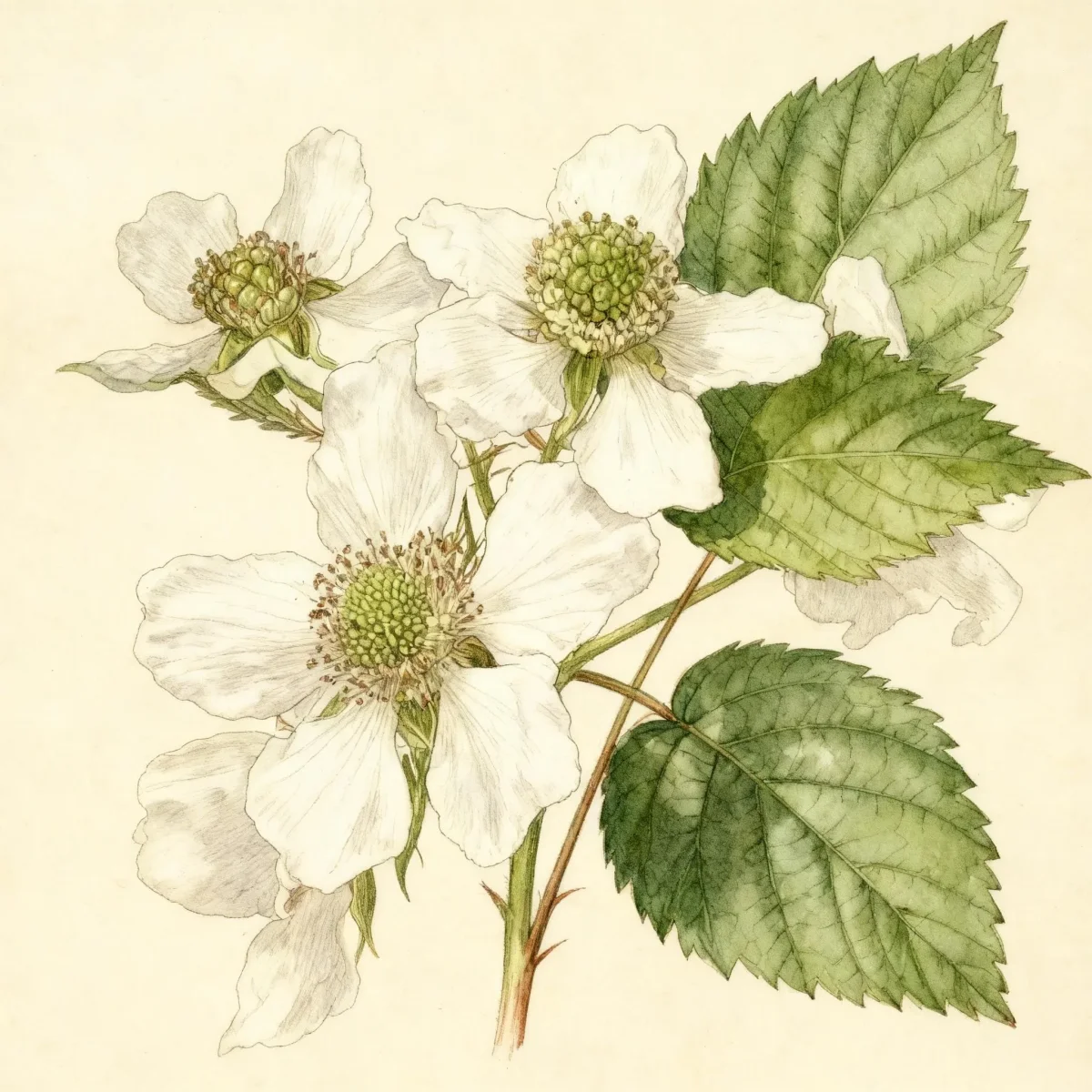
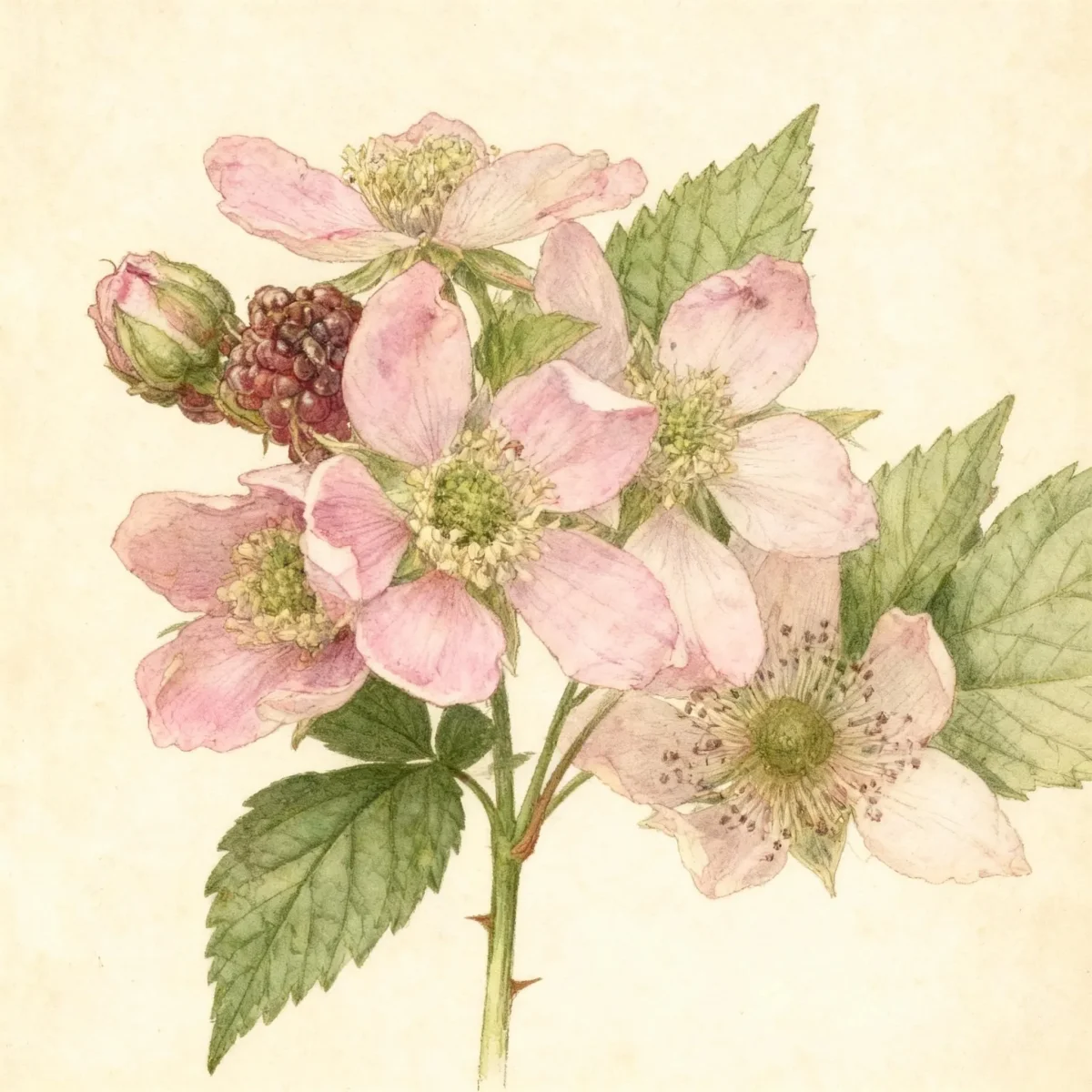
- Bloom Description: Pinkish white
- Sun Exposure: Full sun to part shade
- Water Needs: Medium
- Maintenance Level: Medium
How to Grow
For optimal results, plant Rubus fruticosus ‘Chester’ in locations receiving full sun to light afternoon shade. The soil must be moist, organically rich, and slightly acidic while remaining well-drained. If you manage heavy clay soils prone to waterlogging, strongly consider planting this Blackberry variety in raised beds to prevent issues associated with wet roots.
Water needs are listed as medium; maintain consistent moisture, especially when fruits are sizing up, though the plant is intolerant of perpetually waterlogged conditions. Pruning is essential for healthy, productive canes. Tip-prune new, non-fruiting vegetative canes during the summer months. Immediately after harvesting your crop, cut all canes that bore fruit straight down to the ground.
In late winter or early spring, perform final structural pruning before new growth vigorously begins. Remove any canes that show winter damage. Thin the remaining healthy canes, selecting for 4 to 5 strong, well-spaced canes, and trim back their laterals. Due to their semi-erect habit, these plants generally perform best when provided with staking support to manage mature height and fruit load.
Landscape Uses
Although the blooms of Rubus fruticosus ‘Chester’ are attractive, this Blackberry is grown almost exclusively as an edible food crop and is generally not recommended where purely ornamental appeal is the main goal. Consequently, its best placement is within the kitchen garden layout, perhaps near other berry patches or vegetable rows. The semi-erect nature means it can form a manageable, edible screen or hedge when properly staked and spaced three to five feet apart.
When integrating this edible shrub into a landscape design, pair it with other fruit producers that share similar cultural requirements, such as raspberries or blueberries, creating a dedicated berry patch. If space allows, use an informal mass planting to maximize harvest potential. Ensure companion plants do not shade the Blackberry excessively, as light is crucial for fruit development.
Consider using its dense structure to conceal utilitarian garden elements, such as compost bins or irrigation manifolds, while simultaneously providing high-value yield. The deep green foliage provides a handsome backdrop for lighter-colored spring flowers from adjacent plants.
Standout Features
Flower Qualities
- Showy
Fruit Qualities
- Showy
- Edible
Noteworthy Characteristics
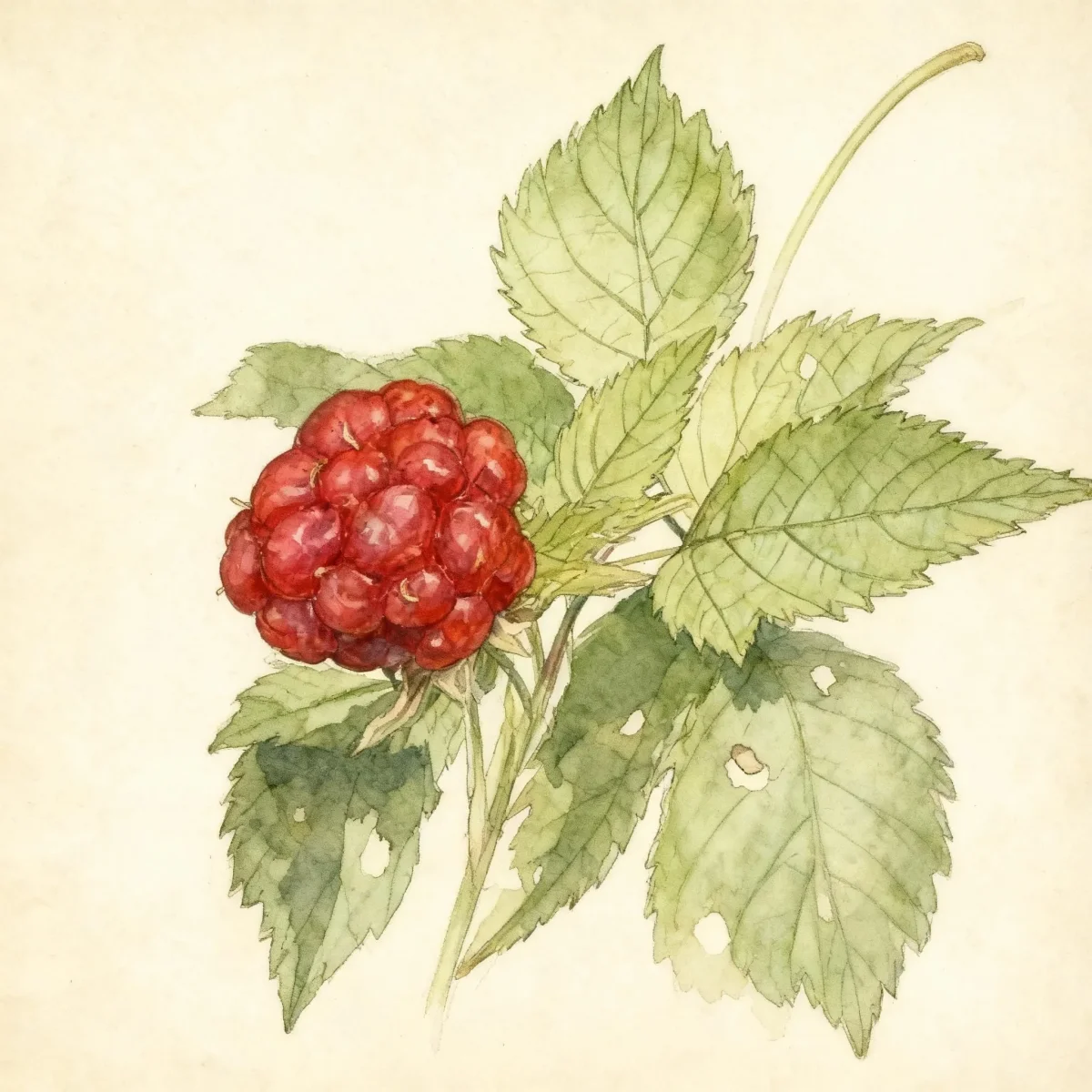
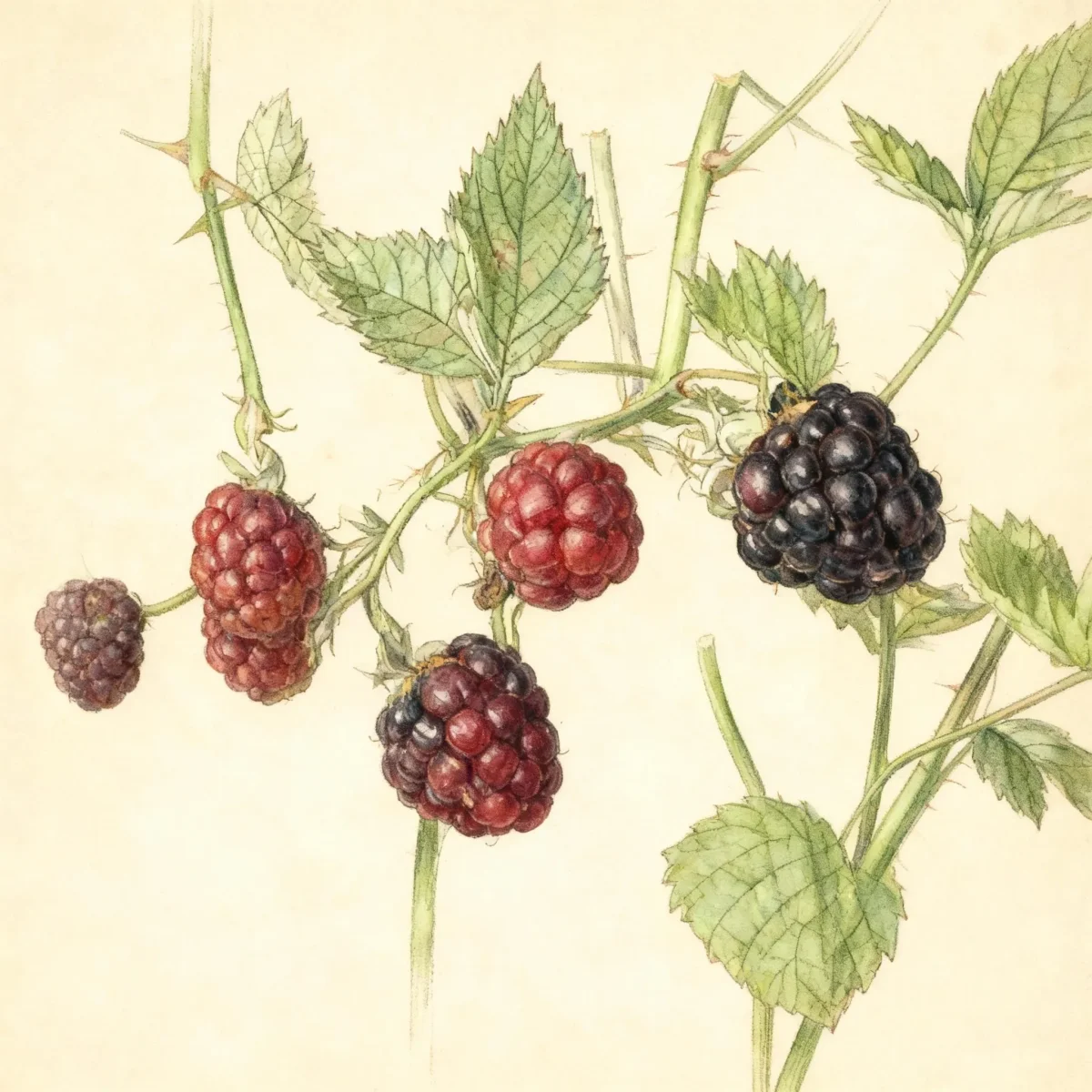
‘Chester’ is recognized as a noteworthy, semi-erect, thornless blackberry cultivar. This variety is self-fruitful, establishing as a free-standing shrub that produces a single, substantial crop of fruit annually. The harvest matures in summer, yielding blackberries renowned for excellent eating quality.
Tolerances
Potential Problems
Anthracnose, botrytis, and verticillium wilt pose potentially serious disease threats to your Blackberry. Regular sanitation, particularly the immediate removal of fruited canes after harvest, helps minimize fungal pressure. Ensure excellent air circulation through proper pruning techniques to reduce humidity around the foliage.
Insect pests, including cane borers and crown borers, can also cause significant damage. Inspect canes regularly for signs of boring activity or girdling. Implementing preventative cultural controls, such as maintaining overall plant vigor and avoiding unnecessary wounding, is the best defense against these pests.
Frequently Asked Questions
What hardiness zones is Blackberry suitable for?
Rubus fruticosus ‘Chester’ is hardy and thrives in USDA Zones 5 through 8, making it a reliable choice across a wide temperate range.
How large does Blackberry grow?
This Blackberry cultivar typically matures to a height between 3 and 5 feet, spreading approximately 3 to 5 feet wide, often benefiting from staking due to its semi-erect form.
What sun exposure does Rubus fruticosus ‘Chester’ need?
For the best fruiting performance, this Blackberry requires full sun, though it can tolerate partial shade; however, lower light levels will reduce the fruit yield.
When does Blackberry bloom?
Clusters of pinkish-white, five-petaled flowers appear relatively early, typically blooming from April to May.
Conclusion
The Rubus fruticosus ‘Chester’ stands out as an essential addition to any edible landscape, primarily due to its reliable yield of high-quality, thornless fruit. Successfully growing this Blackberry variety relies on adhering to its need for well-drained soil and rigorous biennial pruning practices. Before planting, confirm that your growing area falls within USDA Zones 5-8 and plan for necessary staking to support your future summer harvest.
Companion Planting
When choosing companions for Rubus fruticosus ‘Chester’, prioritize plants that enjoy similar levels of sun and organic matter but avoid species within the same family (Rosaceae) to minimize shared disease susceptibility. Asparagus and bush beans are excellent companions; they occupy different soil depths and offer complementary planting structures within the garden plot.
Consider planting low-growing herbs like mint or chives around the base of the staked canes. These herbs can help repel some minor pests while utilizing the space under the higher canopy. Ensure that these lower-growing companions do not compete heavily for the medium water supply this Blackberry cultivar requires.
Seasonal Care Calendar
Spring preparation is crucial for maximizing the Blackberry harvest. In late winter/early spring, perform your main structural pruning, removing winter-damaged wood and thinning canes to the best 4 or 5 main stems. As spring progresses into bloom time (April–May), monitor closely for emerging pests or fungal signs.
Summer management focuses on controlling vegetative growth and harvesting. During the summer, tip-prune any new, non-fruiting canes that are actively growing longer than needed. Immediately after the fruit ripens and harvest concludes—usually mid-to-late July—remove all canes that have completed their fruiting cycle entirely, cutting them flush with the ground to encourage next year’s strong growth.
Wildlife Benefits
While Rubus fruticosus ‘Chester’ is grown primarily for human consumption, its dense structure and abundant flowers offer secondary benefits to local wildlife. The showy flowers in spring attract numerous pollinating insects, including bees, crucial for fruit set in this self-fruitful plant.
The dense cane structure, even when managed, provides excellent cover and protected nesting sites for small, beneficial songbirds throughout the year. Although the fruit is quickly claimed by gardeners, any dropped or overlooked berries can become a valuable food source for mammals and birds in the late summer and early fall.