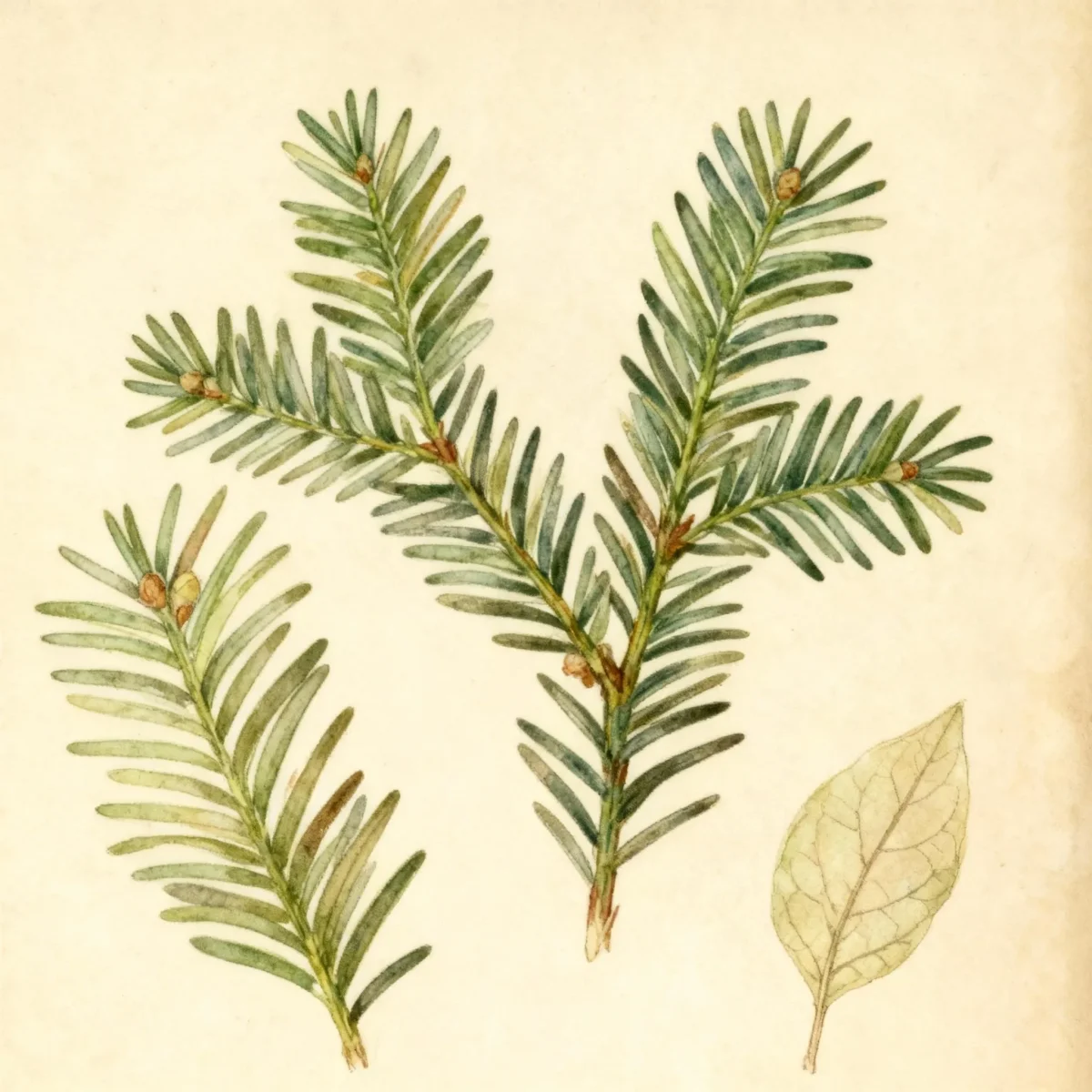
Yew (Taxus baccata 'Stove Pipe')
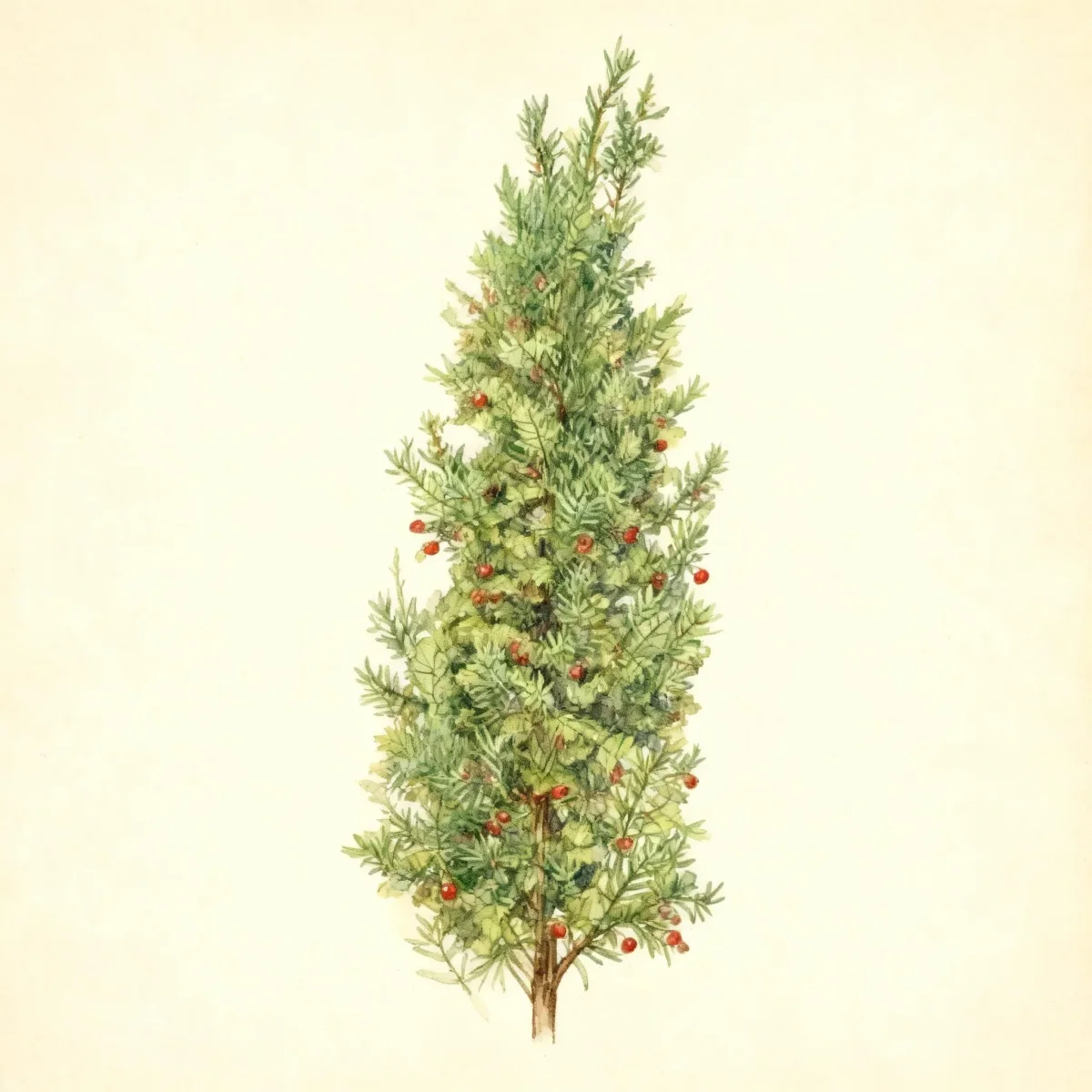
Taxus baccata 'Stove Pipe' Yew is a columnar needled evergreen, ideal for tight spaces, offering rich dark green foliage year-round.
Scroll down to discover growing tips, care requirements, companion plants, and more
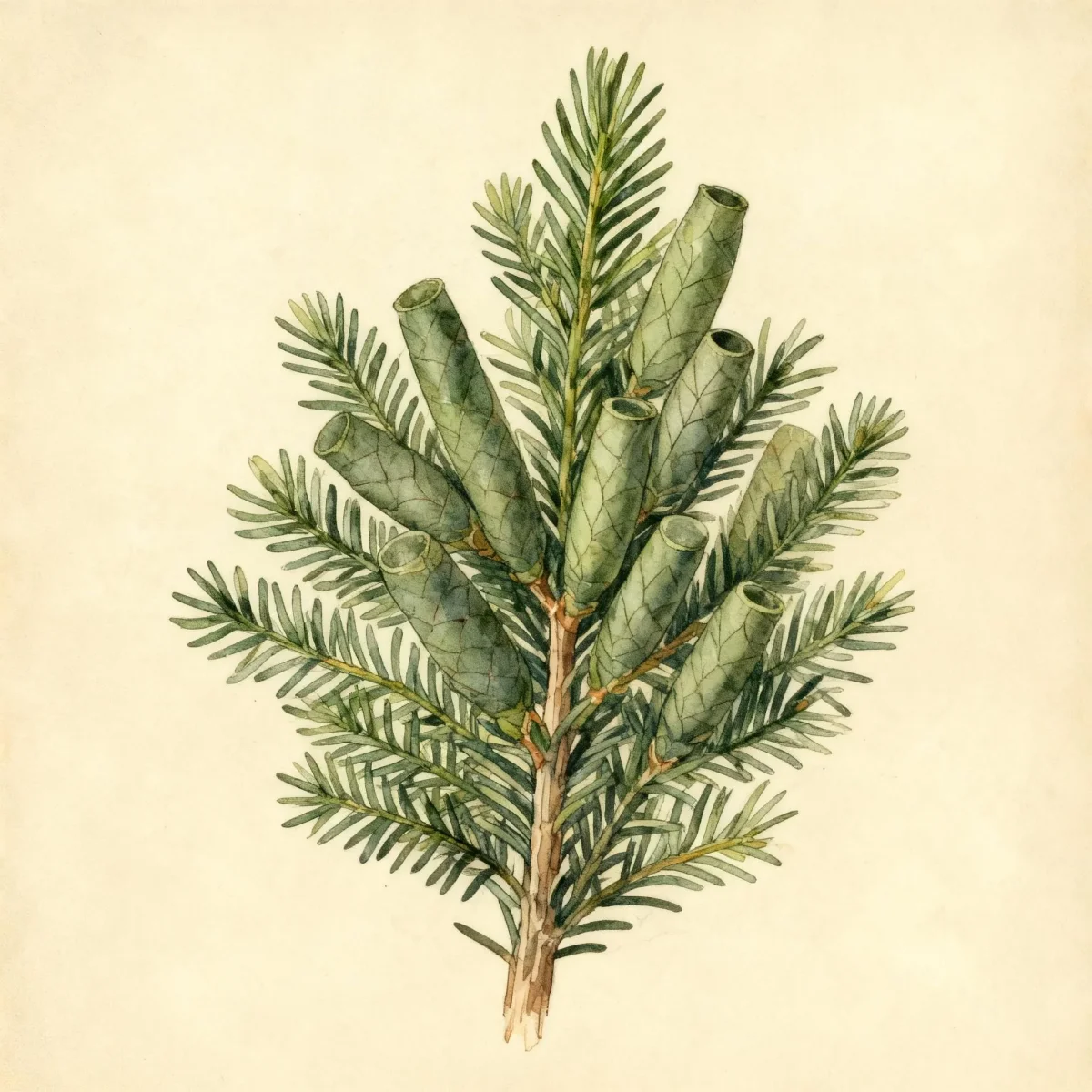
Complete Plant Information
Overview
The Taxus baccata ‘Stove Pipe’ is a highly valued cultivar of the English Yew, prized for its exceptionally tight, upright, and columnar habit, resembling a stove pipe in its youth. This Yew provides dense, dark green, lustrous focal points in structured landscapes where space is limited. As a needled evergreen, it offers consistent year-round color and form, which is crucial for maintaining winter interest.
This particular cultivar, Taxus baccata ‘Stove Pipe’, is genetically distinct as an all-male selection, meaning gardeners do not need to worry about the production of the berry-like cones characteristic of female yews. Requiring low maintenance once established, this columnar Yew thrives with consistency in soil moisture and a preferred location that shields it from harsh environmental extremes.
Its narrow growth pattern makes the Taxus baccata ‘Stove Pipe’ an excellent vertical accent, perfect for contrasting against broader shrubs or framing architectural elements. Gardeners appreciate the Yew for its tolerance to challenging conditions, including deep shade, provided the soil drainage is adequate.
Fast Facts
- Plant Family: Taxaceae
- Plant Type: Needled evergreen
- Hardiness Zones: USDA Zones 6-7
- Size at Maturity:
- Height: 10-12 ft
- Spread: 4-6 ft
- Bloom Time: Non-flowering
- Bloom Description: Non-flowering
- Sun Exposure: Full sun to part shade
- Water Needs: Medium
- Maintenance Level: Low
How to Grow
Plant the Yew during the cooler parts of the year—fall or early spring—to minimize transplant shock. Optimal sites feature fertile, sandy loams with assured, excellent drainage. While Taxus baccata ‘Stove Pipe’ tolerates considerable shade, it requires full sun to part shade for the densest, best color. Ensure planting beds are not poorly-drained, as this is a primary precursor to root rot issues.
Water needs are medium; maintain evenly moist soil, especially while the plant is establishing its root system. After establishment, regular watering during dry spells is usually sufficient. This cultivar is quite tolerant of pruning and responds very well to shaping. Use pruning shears to maintain the tight, columnar shape, or shear lightly to keep the outline crisp.
Be cautious regarding location; the Taxus baccata ‘Stove Pipe’ is intolerant of severe temperature extremes. In colder or windier areas within its range, locate it in sheltered spots protected from persistent winter winds, which cause discoloration and burn. Avoid planting where summer heat is excessively prolonged or intense.
Landscape Uses
The compact, upright nature of the Taxus baccata ‘Stove Pipe’ makes it an indispensable element for formal and contemporary garden designs. Its narrow profile is perfect for incorporating into foundation plantings immediately adjacent to structures where lateral spread must be restricted. Use individual specimens as strong vertical anchors flanking entryways or gate openings.
For gardeners needing screens or tall accents, planting several Taxus baccata ‘Stove Pipe’ specimens in a tight row creates a highly effective, narrow screen that maintains its density throughout the year. They also serve exceptionally well in rock gardens where their dark, unchanging texture provides superb contrast to lighter-colored stones or more rugged, textural companions. Owing to their easy-pruning nature, they integrate seamlessly with sheared hedges and geometric plantings.
Standout Features
Noteworthy Characteristics
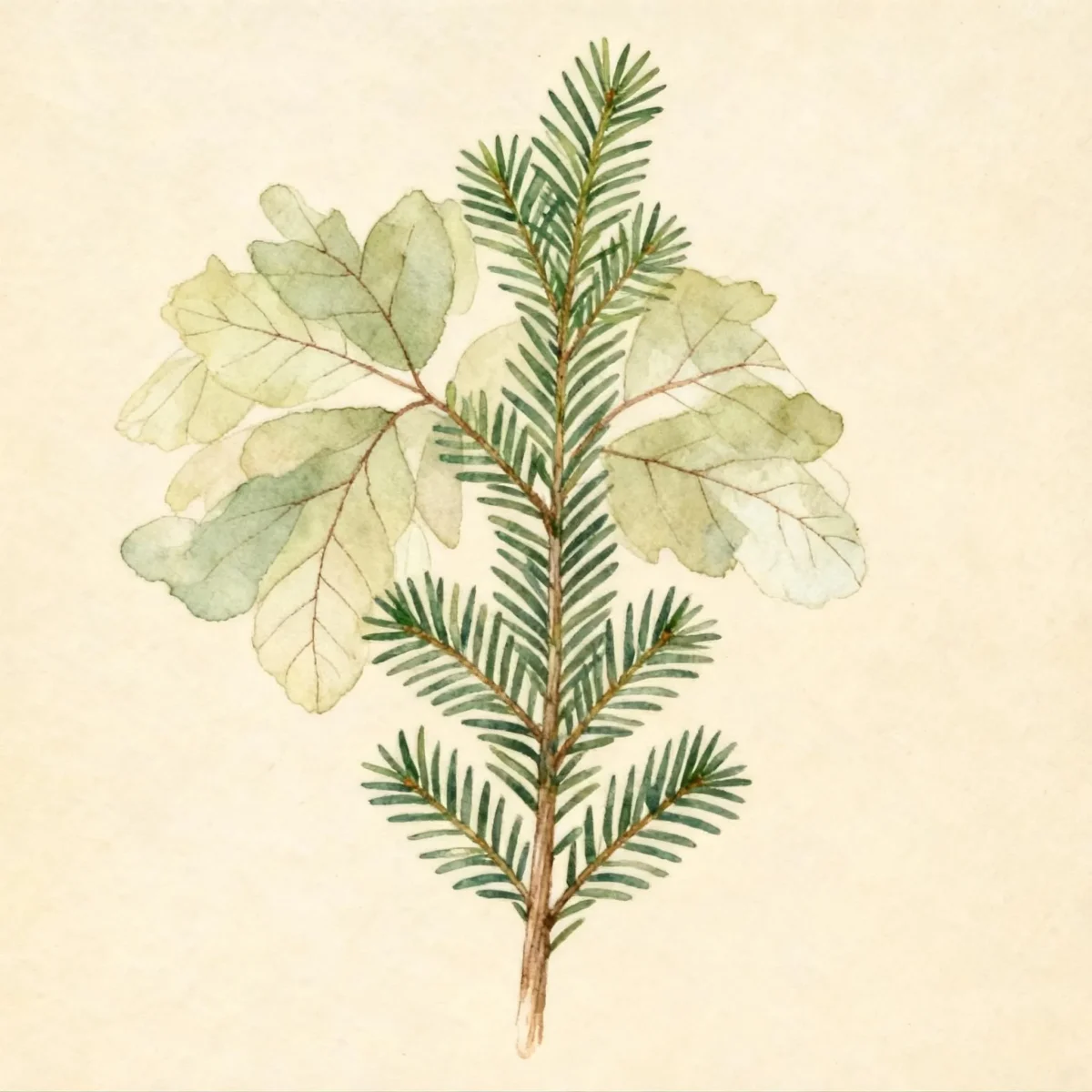
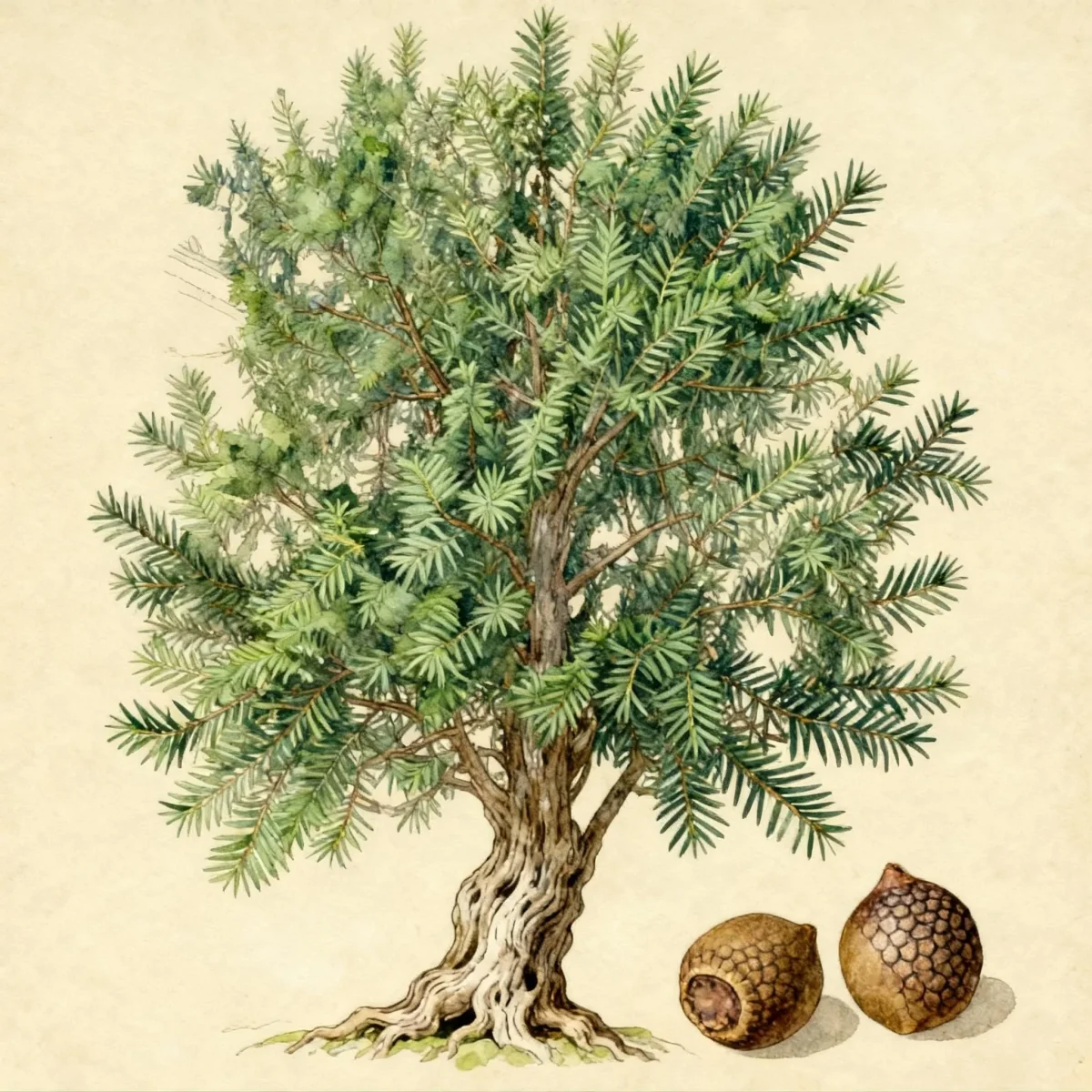
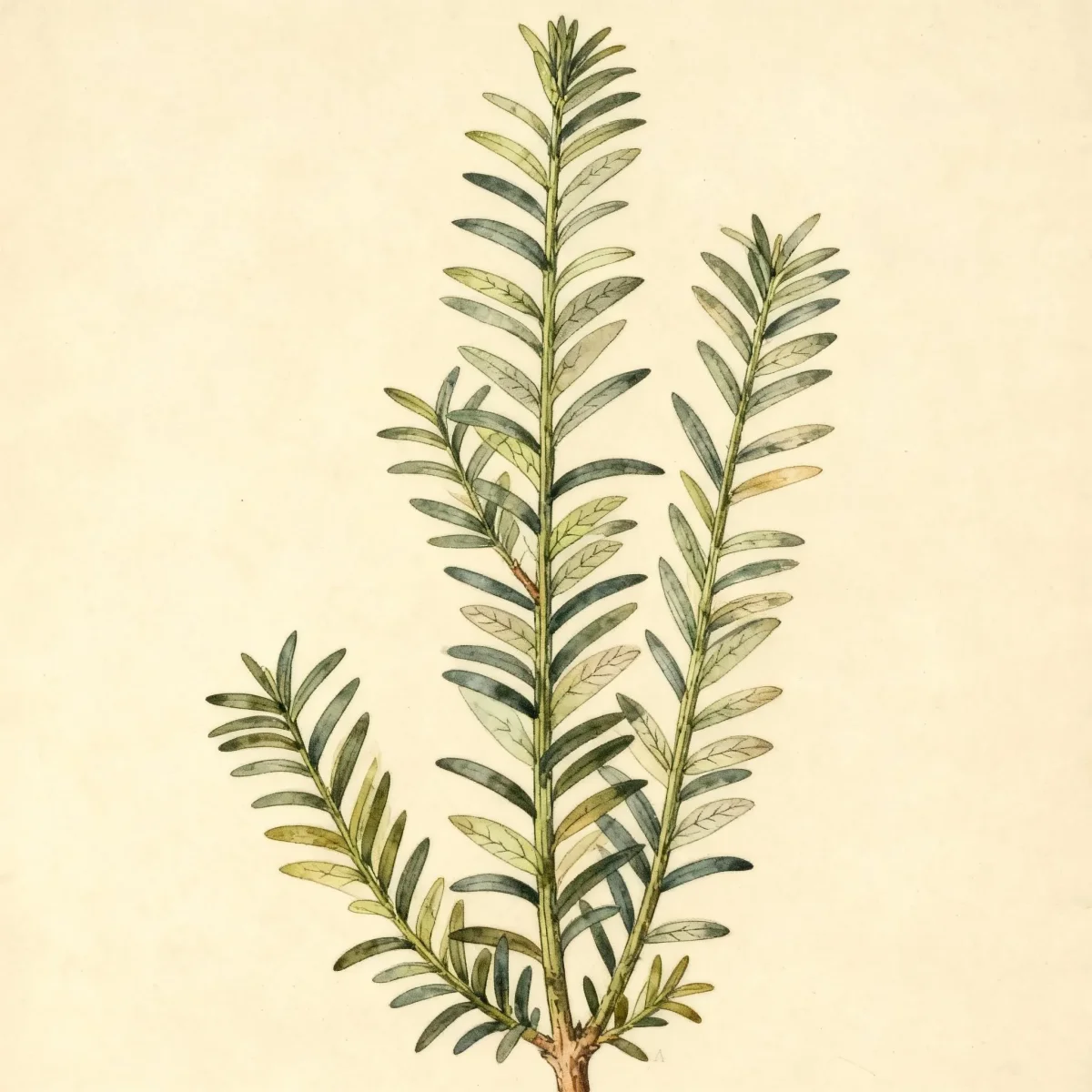
Taxus baccata, commonly called English yew, details a long-lived, evergreen, conical tree known for its attractive, lustrous, flat-needled, dark green foliage present year-round. The specific cultivar ‘Stove Pipe’ is distinguished by its upright, columnar growth, seldom exceeding 12 feet tall with a narrow 4-6 foot spread, resembling a vertical column, particularly when young. Importantly, ‘Stovepipe’ is an all-male selection, ensuring it does not produce the berry-like cones and associated toxins found on female plants.
Tolerances
- Rabbit
- Heavy Shade
Potential Problems
The Yew is susceptible to winter burn, especially when exposed to dry winter winds and extreme cold, leading to browned needle tips—plant strategically in sheltered areas to mitigate this. Twig blights and needle blights can occasionally appear; promptly sterilize pruning tools when removing affected branches to prevent spread. Poorly drained soils invite root rot, which can quickly damage or kill the Taxus baccata ‘Stove Pipe’. Routine inspection for insect pests like scale, mealybugs, and vine weevils is recommended for optimal plant health.
Frequently Asked Questions
What hardiness zones is Taxus baccata ‘Stove Pipe’ suitable for?
This columnar Yew is generally hardy in USDA Zones 6 through 7, though highly exposed locations within zone 6 may require winter protection.
How large does Taxus baccata ‘Stove Pipe’ grow?
The mature size for this cultivar is typically narrow, reaching between 10 to 12 feet in height with a restricted spread of 4 to 6 feet wide.
What sun exposure does Taxus baccata ‘Stove Pipe’ need?
It performs best in locations receiving full sun to part shade, though it demonstrates notable tolerance for heavy shade once established.
When does Yew bloom?
Taxus baccata ‘Stove Pipe’ is non-flowering; it is a coniferous evergreen prized for its foliage rather than blooms or fruit.
Conclusion
The Taxus baccata ‘Stove Pipe’ offers unparalleled architectural structure in a relatively compact, easily managed form, making it a cornerstone for tight spaces requiring evergreen definition. Its low maintenance, tolerance for shade, and distinctive columnar habit confirm its status as a garden staple, especially when seeking a formal accent. Before planting, verify your site conditions align with USDA Zones 6-7 and ensure excellent soil drainage to maximize the longevity of your Yew.
Companion Planting
When selecting companions for Taxus baccata ‘Stove Pipe’, prioritize plants that also appreciate partial shade and well-drained soil to create harmonious conditions. Consider pairing the dark evergreen foliage with plants that offer bright textural contrast during the summer months, such as Hostas with chartreuse or variegated leaves. Low-growing groundcovers that do not compete heavily for surface moisture, like certain ferns or Vinca minor, work well beneath the canopy of the Yew. For seasonal color pops that disappear in winter, annuals or early-blooming perennials that thrive in shade can fill the gaps around the base.
Design Ideas for Vertical Interest
The primary value of the Taxus baccata ‘Stove Pipe’ lies in its vertical emphasis. Use pairs of these narrow evergreens to flank formal elements like urns, low walls, or garden gates, creating immediate symmetry and focus. If you possess a long, relatively narrow border, planting these cultivars in an intentionally staggered pattern provides rhythmic vertical punctuation without overwhelming the sightline—a technique very effective in Japanese-inspired or contemporary designs. Their ability to tolerate pruning allows skilled gardeners to train them into perfect geometric forms, enhancing the structure of hedges meant to be seen from a distance.