Avens (Geum coccineum 'Cooky')
Vibrant orange Geum coccineum 'Cooky' Avens offers low-maintenance perennial color from May to July in zones 5-7.
Scroll down to discover growing tips, care requirements, companion plants, and more
Complete Plant Information
Overview
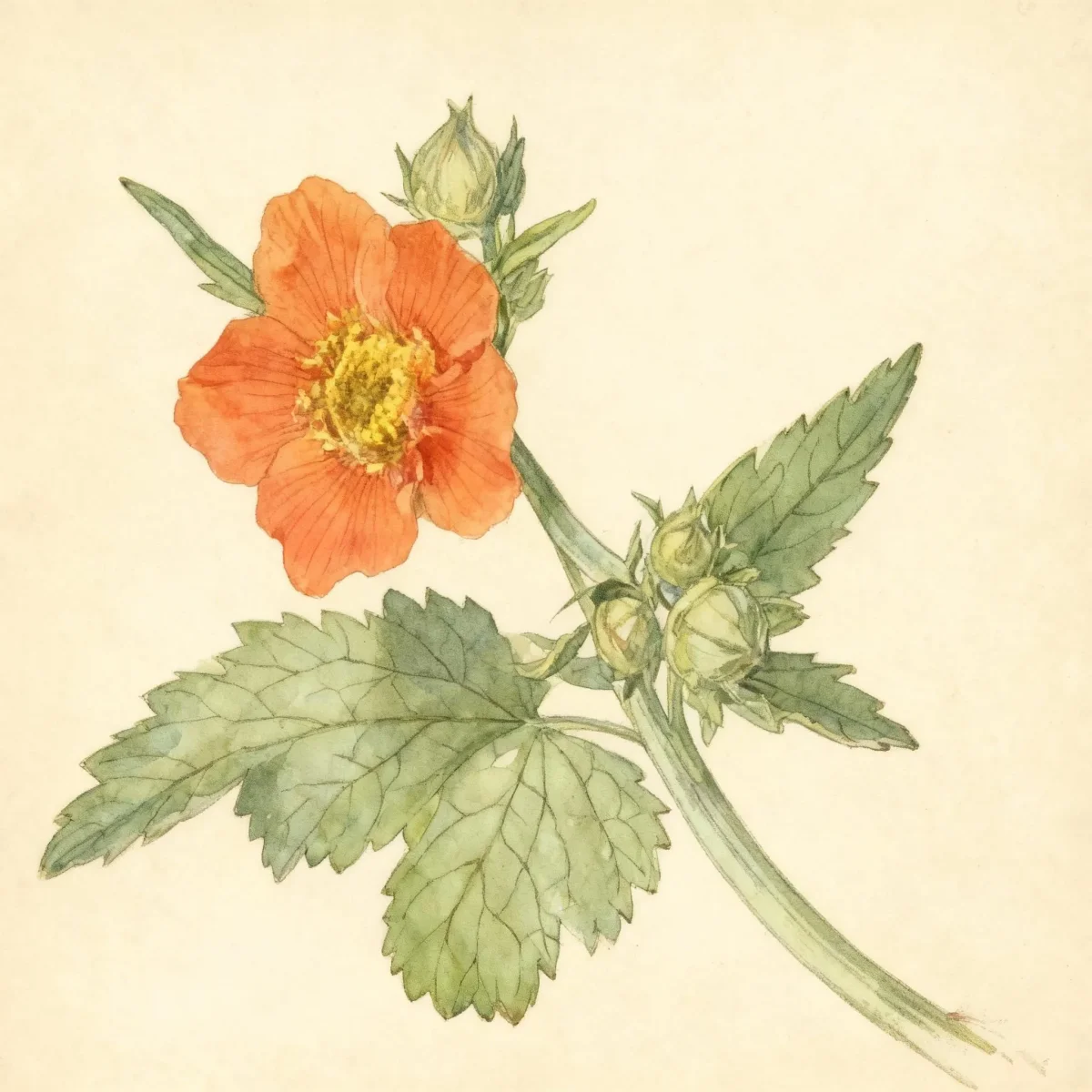
The striking Geum coccineum ‘Cooky’, commonly known as Avens, is a garden favorite prized for its reliable display of bright orange flowers set against attractive semi-evergreen foliage. This clump-forming perennial brings vibrant color to the late spring and early summer garden, providing visual interest when many other plants are just getting started. Gardeners appreciate Geum coccineum ‘Cooky’ for its low maintenance needs, though it prefers climates with cooler summers.
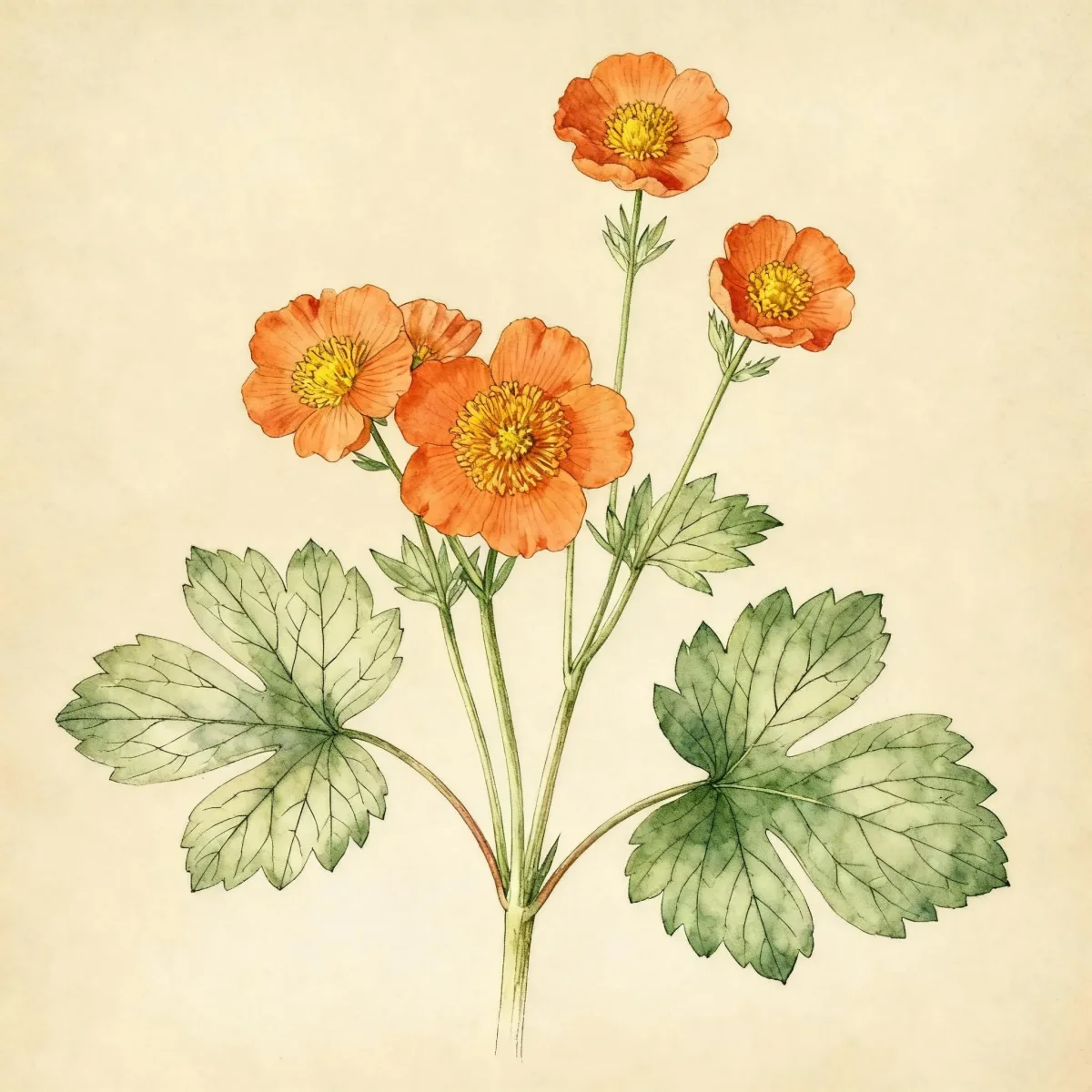
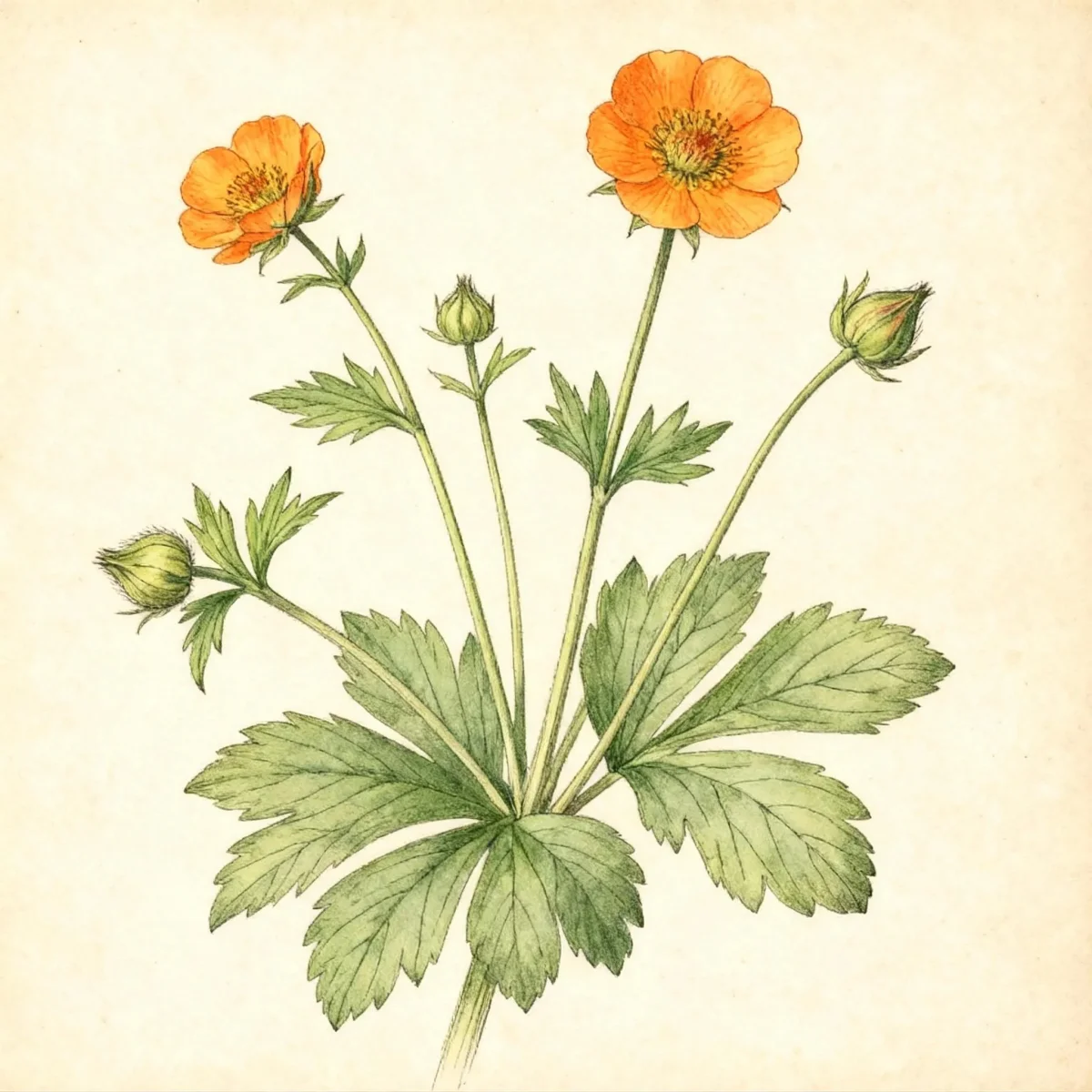
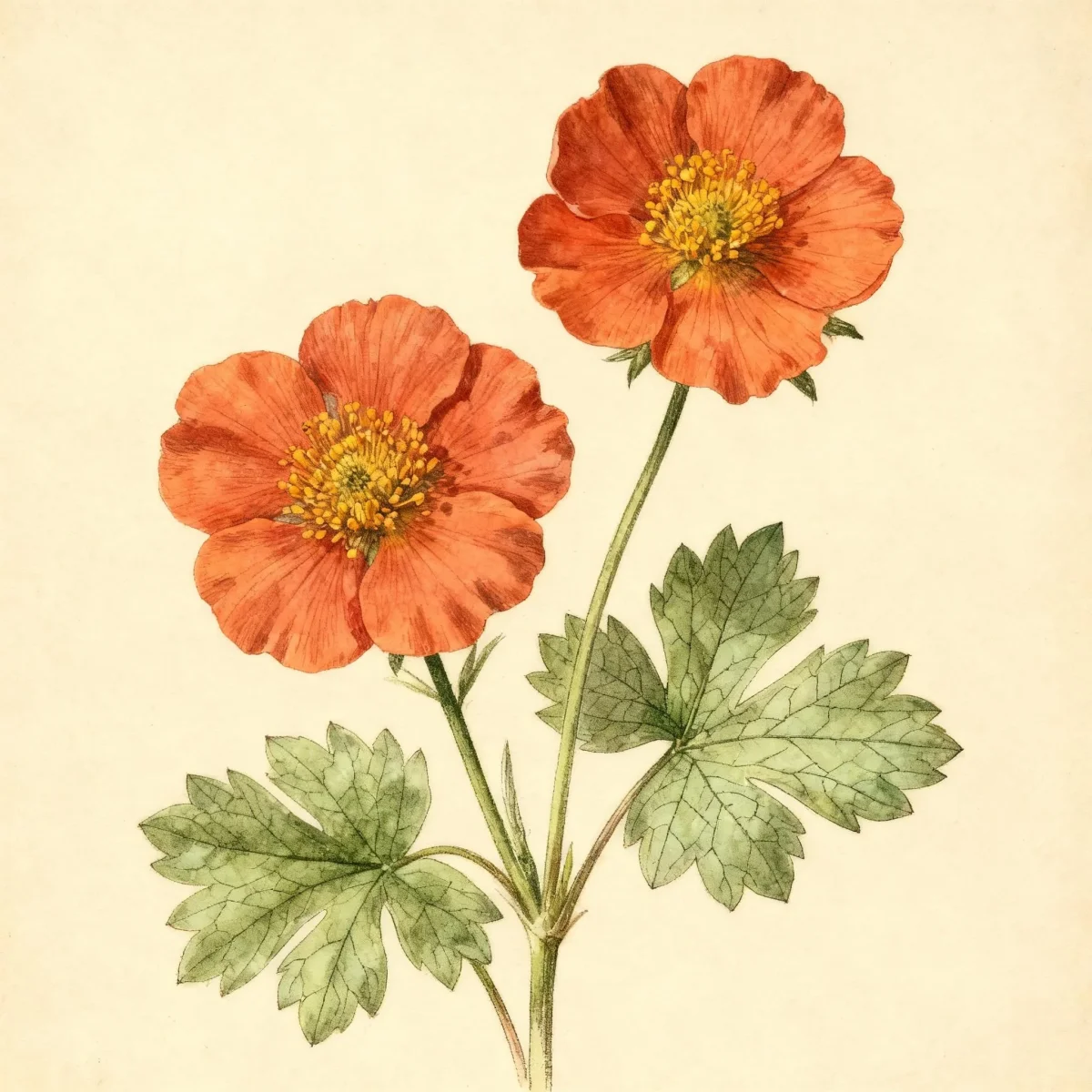
This particular cultivar, Geum coccineum ‘Cooky’, showcases vivid orange blooms, usually appearing between May and July. These flowers feature eye-catching orange-yellow stamens that enhance their visual appeal. While they are sturdy plants, they establish best in well-drained soil and may struggle where summer heat and humidity are intense, generally limiting successful planting south of Zone 7.
For optimal performance, treat this Avens as a mid-border or rock garden inclusion where it can receive consistent moisture without sitting in soggy winter soil. Prompt deadheading can sustain sporadic rebloom, extending the season of this cheerful, low-growing perennial throughout the warmer months.
Fast Facts
- Plant Family: Rosaceae
- Plant Type: Herbaceous perennial
- Hardiness Zones: USDA Zones 5-7
- Size at Maturity:
- Height: 0.5-1 ft
- Spread: 0.5-0.75 ft
- Bloom Time: May to July
- Bloom Description: Orange with orange-yellow stamens
- Sun Exposure: Full sun to part shade
- Water Needs: Medium
- Maintenance Level: Low
How to Grow
Plant this beautiful Avens in the spring after the danger of hard frost has passed, ensuring the site offers medium moisture and excellent drainage. Geum coccineum ‘Cooky’ thrives best in full sun but benefits from partial afternoon shade, especially in hotter climates like the St. Louis area, where intense summer conditions can stress the plant. Ensure the soil is fertile, as happy plants perform significantly better.
Watering should be consistent to maintain medium soil moisture; avoiding dry spells is crucial during the main growing season. However, take extreme care regarding winter moisture: wet, poorly drained soils during cold periods are frequently fatal to this species. Avoid excessive fertilization, as low maintenance is one of its greatest assets.
Deadheading spent flowers encourages the plant to produce a secondary flush of blooms, keeping the color show going. If you prefer a more natural look or want to attract beneficial insects with seed heads, leave the late season blooms to develop their distinct fluffy structures. For vigorous, long-lasting clumps, divide your Geum coccineum ‘Cooky’ every few years, preferably in the spring. Foliage remains attractive and evergreen in the milder portions of its hardiness range (Zones 6-7).
Landscape Uses
The relatively compact size of Geum coccineum ‘Cooky’, typically remaining under one foot tall, makes this Avens highly versatile in landscape designs. It shines when massed together to create bold sweeps of orange color along borders, softening the edge between lawns or walkways. They are also excellent candidates for introduction into rock gardens, where their cheerful color contrasts beautifully with stone textures.
Consider planting this perennial toward the middle or front of mixed perennial beds. After the spring bloom subsides, the foliage of Geum coccineum ‘Cooky’ still provides coverage, acting as an attractive, low-growing ground cover until the next season. Companions that appreciate similar sun and moisture conditions, such as certain varieties of hardy Geraniums, Alchemilla mollis (Lady’s Mantle), or smaller Nepeta cultivars, make excellent partners.
The clear, clean color provided by
Geum coccineum ‘Cooky’ works well in cottage gardens or modern settings that require pops of warm color without overwhelming the surrounding palette. Remember that its intolerance for extreme heat means it performs best when situated where it receives relief during the hottest parts of the summer afternoons.
Standout Features
Flower Qualities
- Showy
Noteworthy Characteristics
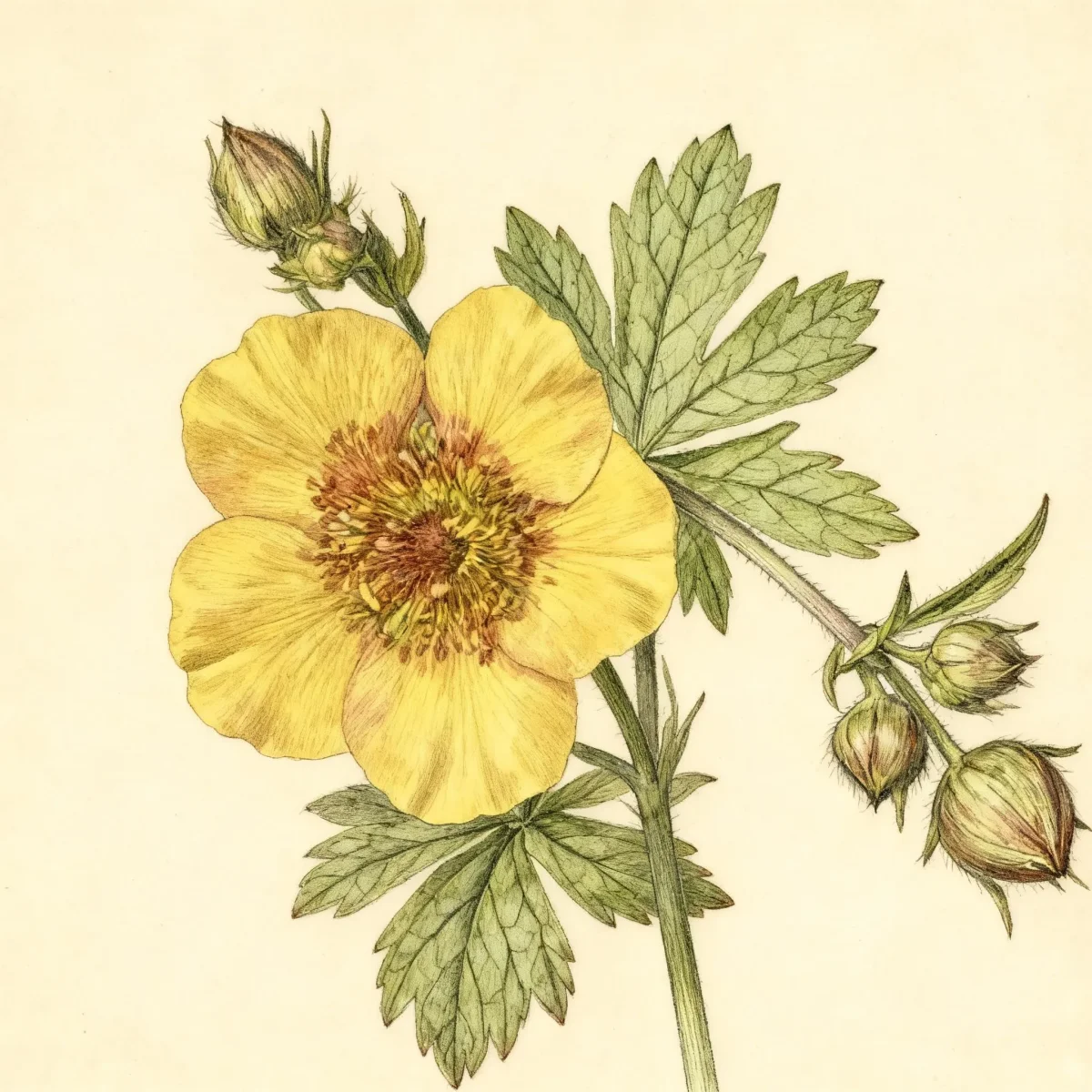
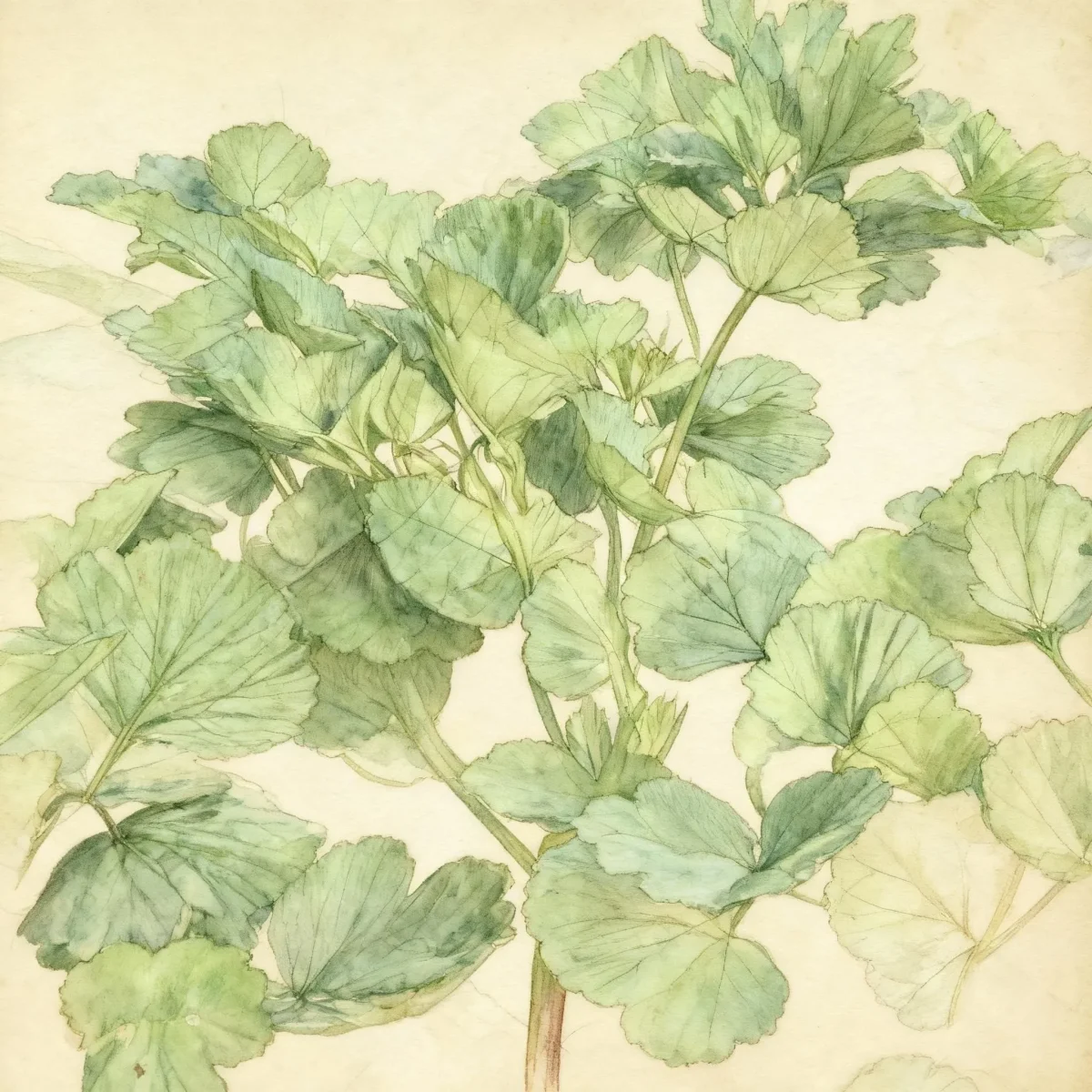
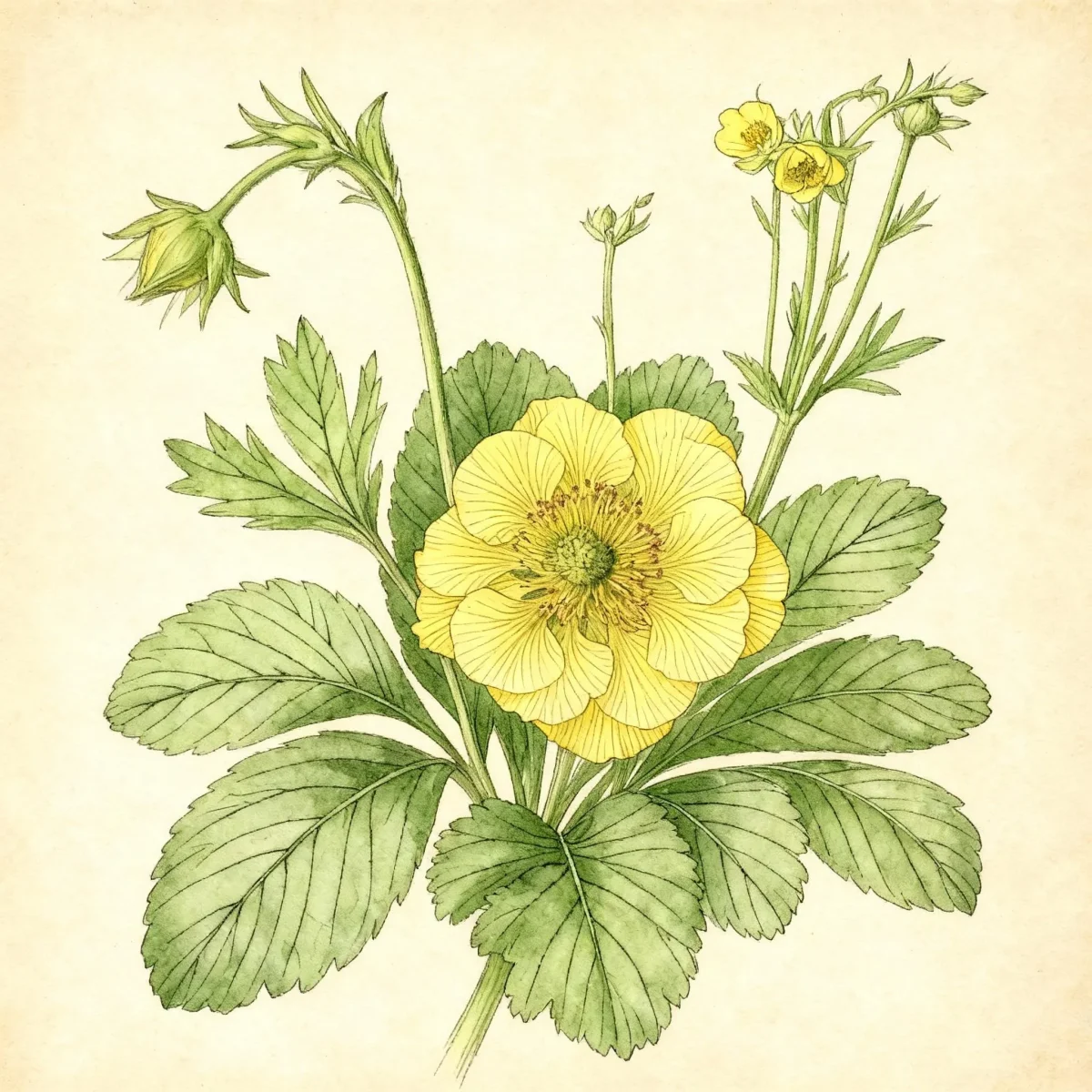
The species, Geum coccineum, often called avens, forms a dense basal mound of hairy, medium-green, lobed leaves. Rising above this mound are wiry stems bearing cymes of five-petaled flowers, though the ‘Cooky’ cultivar specifically offers bright orange blooms up to 1.5 inches across, highlighted by striking orange-yellow stamens. These flowers appear profusely from late spring into mid-summer, sometimes reblooming if deadheaded, and are eventually replaced by delightful fluffy seed heads.
Tolerances
- No serious insect or disease problems.
Potential Problems
While generally robust, growers should be aware that Geum coccineum ‘Cooky’ may exhibit a shorter lifespan when grown in heavy clay soils that retain too much water, particularly heading into winter dormancy. The primary challenge for this Avens often comes from excessive summer heat and high humidity, which can cause the plants to decline or cease blooming effectively.
To mitigate potential issues, ensure your planting location offers sharp drainage, especially during winter months when crowns can easily rot if conditions become waterlogged. Selecting a spot with some afternoon shade offers essential relief in zones bordering the southern edge of its survivability (Zone 7).
Frequently Asked Questions
What hardiness zones is Avens suitable for?
Geum coccineum ‘Cooky’ is reliably hardy in USDA Zones 5 through 7.
How large does Avens grow?
This herbaceous perennial typically reaches a height between 0.5 and 1 foot high, spreading outward to occupy between 0.5 and 0.75 feet.
When does Avens bloom?
The primary bloom time for this variety of Avens is from May to July, featuring vibrant orange flowers with orange-yellow stamens.
What sun exposure does Geum coccineum ‘Cooky’ need?
It adapts well to full sun but appreciates filtering shade, performing best in partial sun conditions, especially during hot afternoons.
Conclusion
The low-maintenance nature and cheerful, long-lasting orange blooms make Geum coccineum ‘Cooky’ an essential addition to the perennial garden for reliable seasonal color. This charming Avens provides excellent texture and brightness throughout late spring, provided its need for good drainage and relatively cool summers is respected. Always confirm that your growing location falls within USDA Zones 5-7 before planning your planting design.
Companion Planting
Selecting companions for Geum coccineum ‘Cooky’ should focus on plants that share a preference for medium moisture and well-drained soil, avoiding anything too aggressive that might shade out the lower-growing Avens. Early-blooming bulbs make excellent temporary neighbors, as their foliage will often die back by the time the heat of summer stresses the Geum. Consider pairing it with plants that offer contrasting texture, such as the fine, silvery foliage of Artemisia or the mounding habit of Brunnera macrophylla, which enjoys similar dappled light conditions.
Propagation Tips
The easiest way to increase your stock of Geum coccineum ‘Cooky’ is through spring division, which should be performed as needed to keep the established clumps vigorous and prevent overcrowding. The plant can also be successfully grown from seed, with most resulting plants flowering in their first year of growth, offering a cost-effective way to establish large swathes of this orange-flowering gem. While vegetative propagation is possible through root cuttings rather than stem cuttings, division remains the most straightforward method for the home gardener.