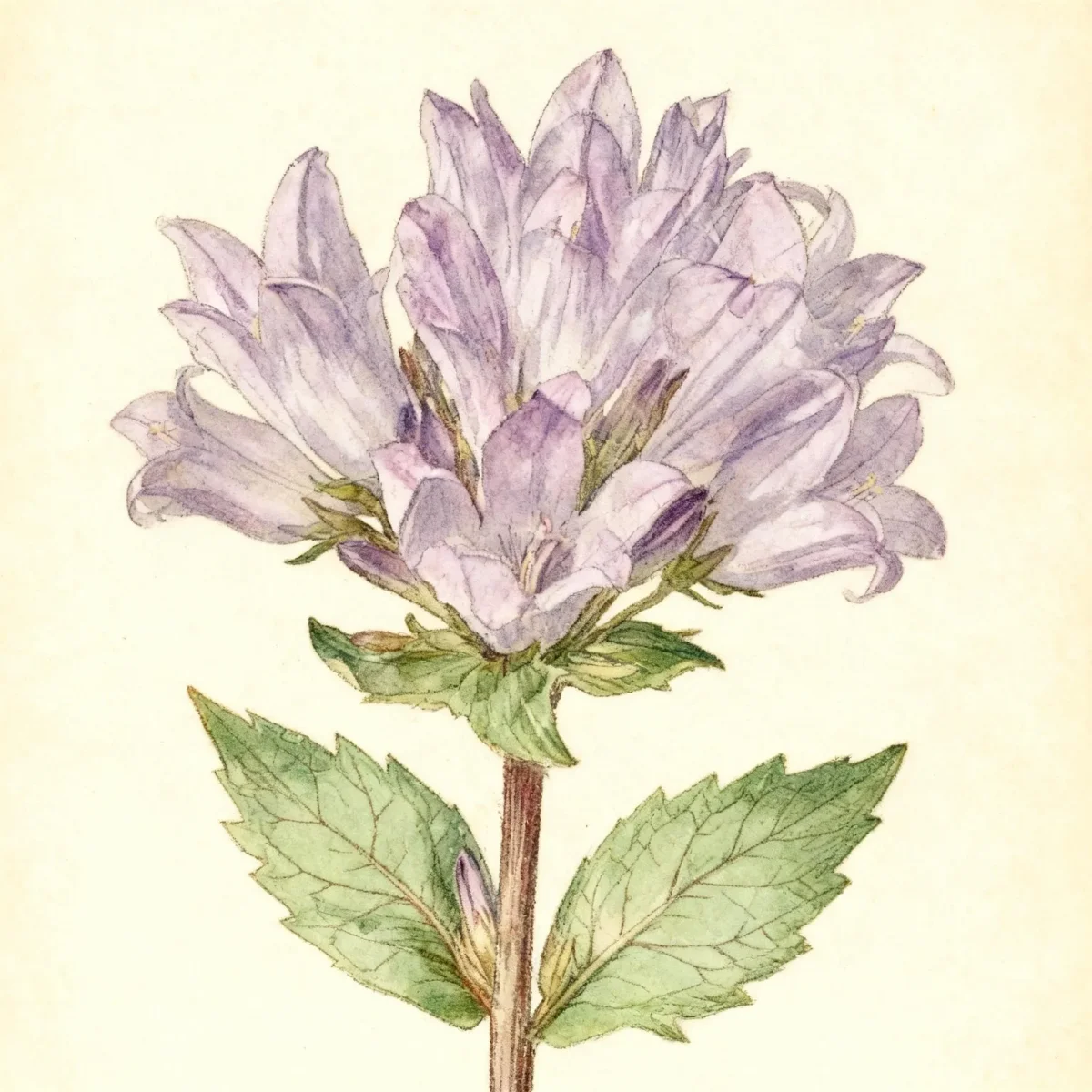
Ladybells (Adenophora 'Amethyst')
Adenophora 'Amethyst', or Ladybells, offers showy, fragrant amethyst blue bells from May to July in zones 3-8.
Scroll down to discover growing tips, care requirements, companion plants, and more
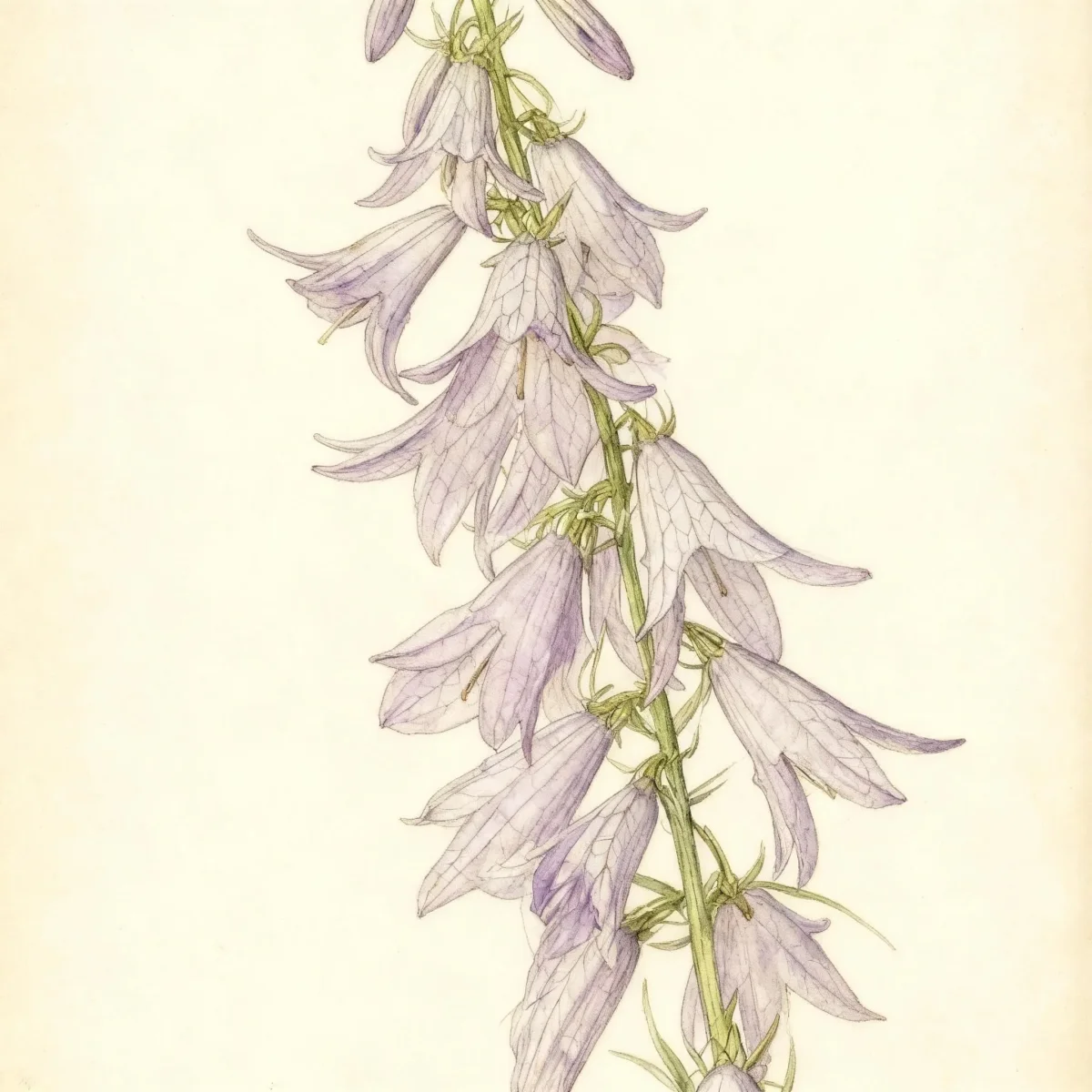
Complete Plant Information
Overview
Adenophora ‘Amethyst’, commonly known as Ladybells, is a desirable herbaceous perennial prized for its graceful presentation of nodding, bell-shaped flowers. This cultivar develops erect, leafy stems topped by racemes of amethyst blue blooms, providing excellent vertical color during the late spring and early summer months. Gardeners appreciate Ladybells for their low maintenance needs and their close similarity to beloved Campanulas.
This hybrid, Adenophora ‘Amethyst’, thrives across a wide range of climates, suitable for USDA Zones 3 through 8. It establishes itself as a slow spreader, offering reliable structure in borders without being overly aggressive. The foliage remains attractive, complementing the showy flower display when they appear from May to July.
Planting Ladybells invites a touch of elegance into the mixed border or woodland setting. With medium water needs and relatively low fuss, Adenophora ‘Amethyst’ serves as a dependable, long-lived perennial feature. Ensure it has well-drained soil to support its deep root system, allowing this beautiful cultivar to flourish for many seasons.
Fast Facts
- Plant Family: Campanulaceae
- Plant Type: Herbaceous perennial
- Hardiness Zones: USDA Zones 3-8
- Size at Maturity:
- Height: 1.5-3 ft
- Spread: 1-2 ft
- Bloom Time: May to July
- Bloom Description: Amethyst blue
- Sun Exposure: Full sun to part shade
- Water Needs: Medium
- Maintenance Level: Low
How to Grow
Adenophora ‘Amethyst’ is easily established when set out during the spring or early fall. Locate Ladybells where they receive full sun to partial shade, favoring locations with moist, organically rich, and well-drained soil. Because this plant develops deep roots, it dislikes disturbance once established; ensure the final location is a long-term home before planting.
Care is generally straightforward, earning this plant its low maintenance rating. Provide medium, consistent moisture, especially during dry spells, as this genus prefers rich, moist conditions. Avoid excessive fertilization, as rich soil is generally preferred over heavily amended sites.
Pruning should be minimal. Cut back the spent flower heads, especially if you wish to limit self-seeding, though deadheading is not mandatory for its health. In the fall, simply cut the stems back to the basal foliage once the plants die back naturally. Remember that splitting or moving established Ladybells plants can be challenging due to their root structure, so plan accordingly.
Landscape Uses
The ornamental value of Adenophora ‘Amethyst’ makes it highly versatile for numerous garden designs. Its upright habit makes it excellent for grouping in mixed perennial borders where it provides mid-height structure. Consider planting Ladybells near the edge of woodland areas or underneath high shrubs where dappled sunlight filters through.
These plants naturalize slowly, blending beautifully into less formal settings over time. For structured designs, massing Adenophora ‘Amethyst’ alongside contrasting textures, such as fine-leaved ornamental grasses or broader-leaved hostas, creates visual interest. The deep amethyst blue flowers serve as a cool contrast to hot-colored blooms nearby.
Standout Features
Flower Qualities
- Showy
- Fragrant
Noteworthy Characteristics
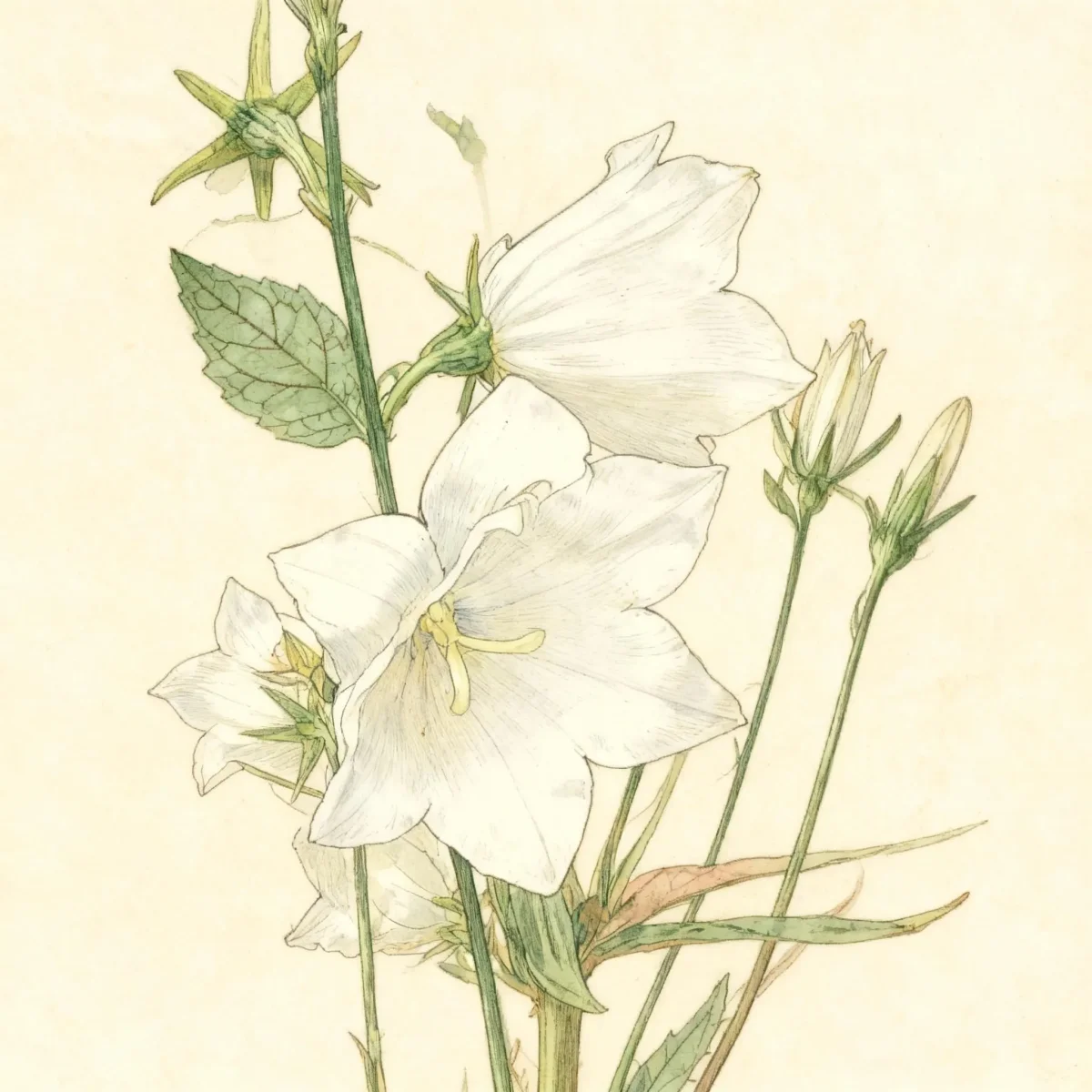
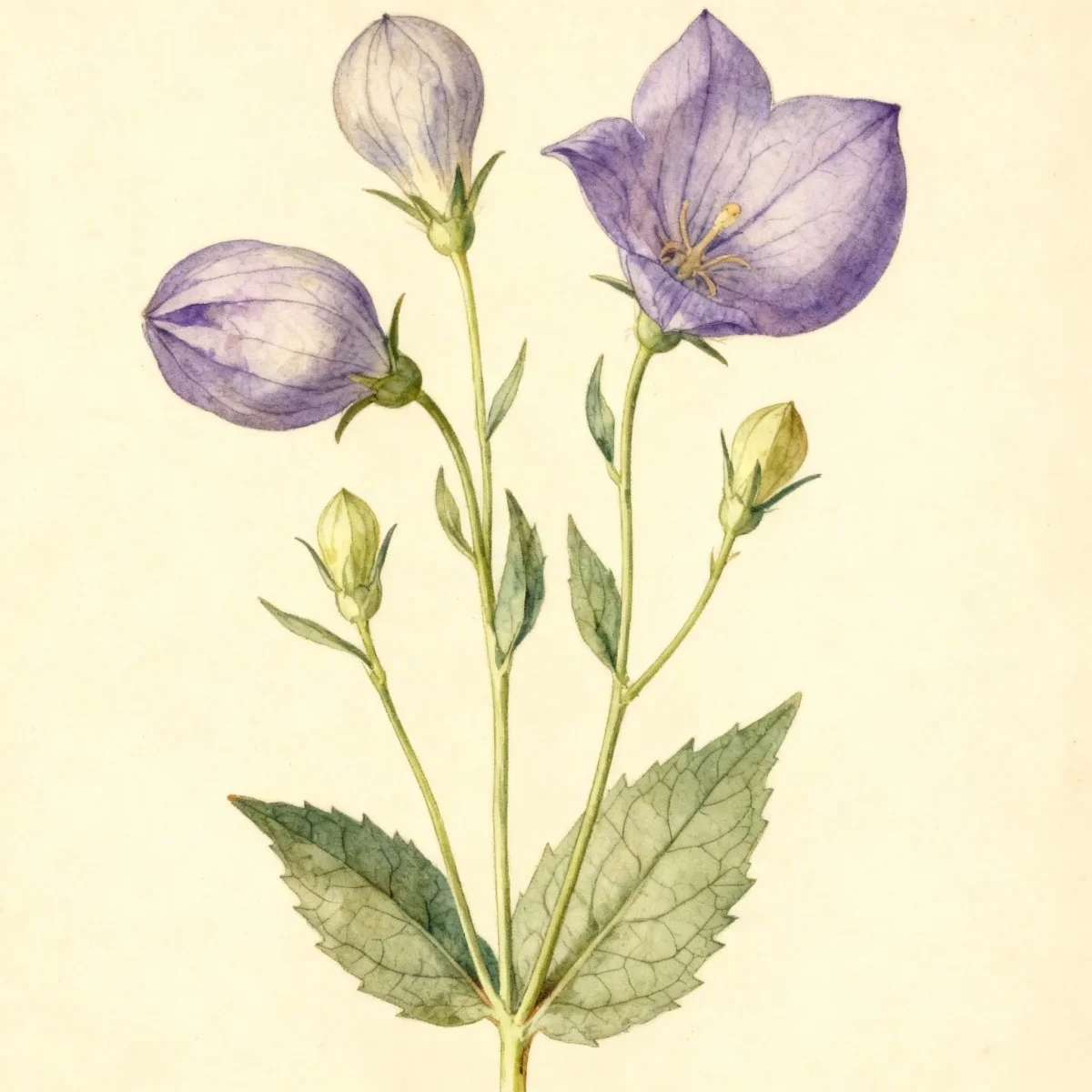
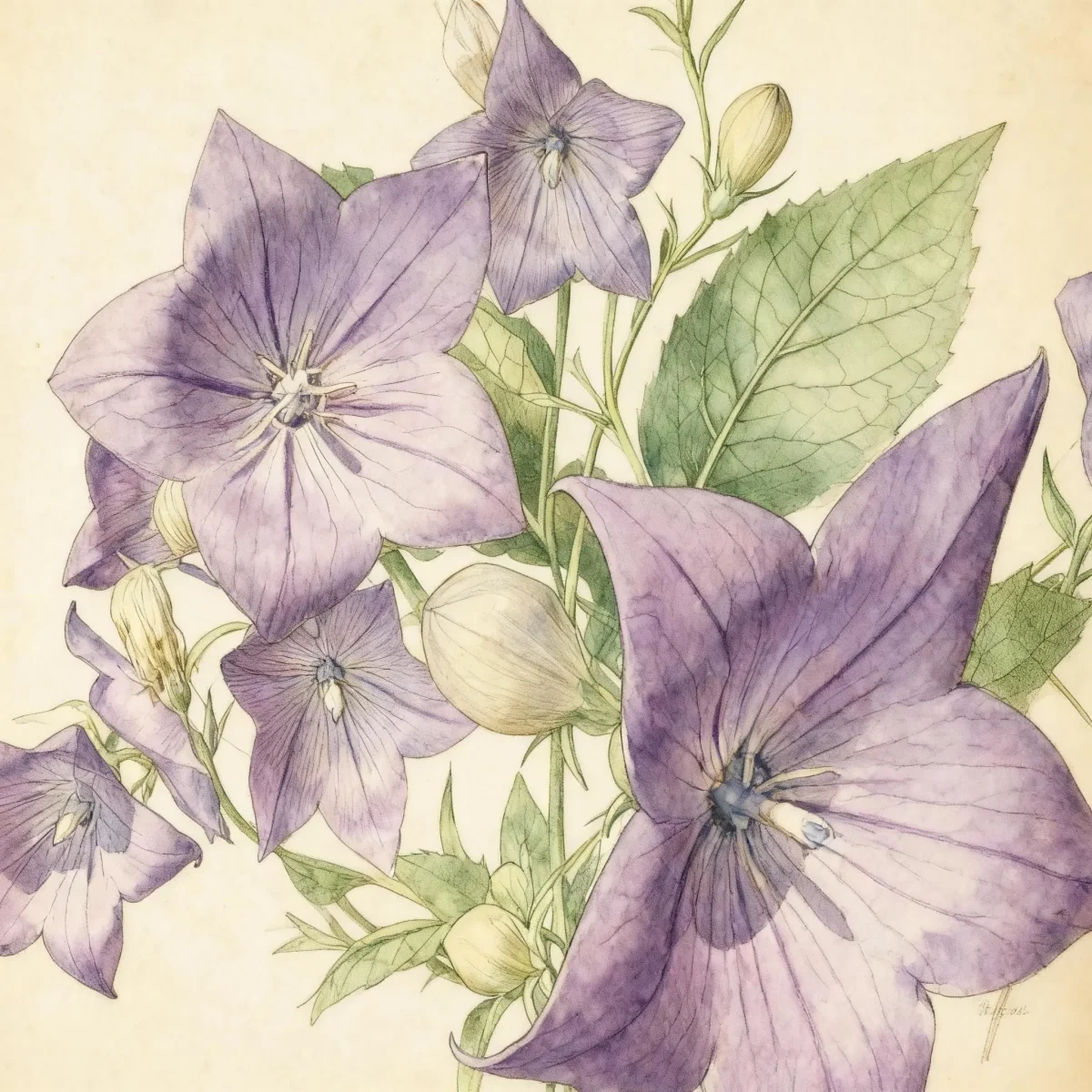
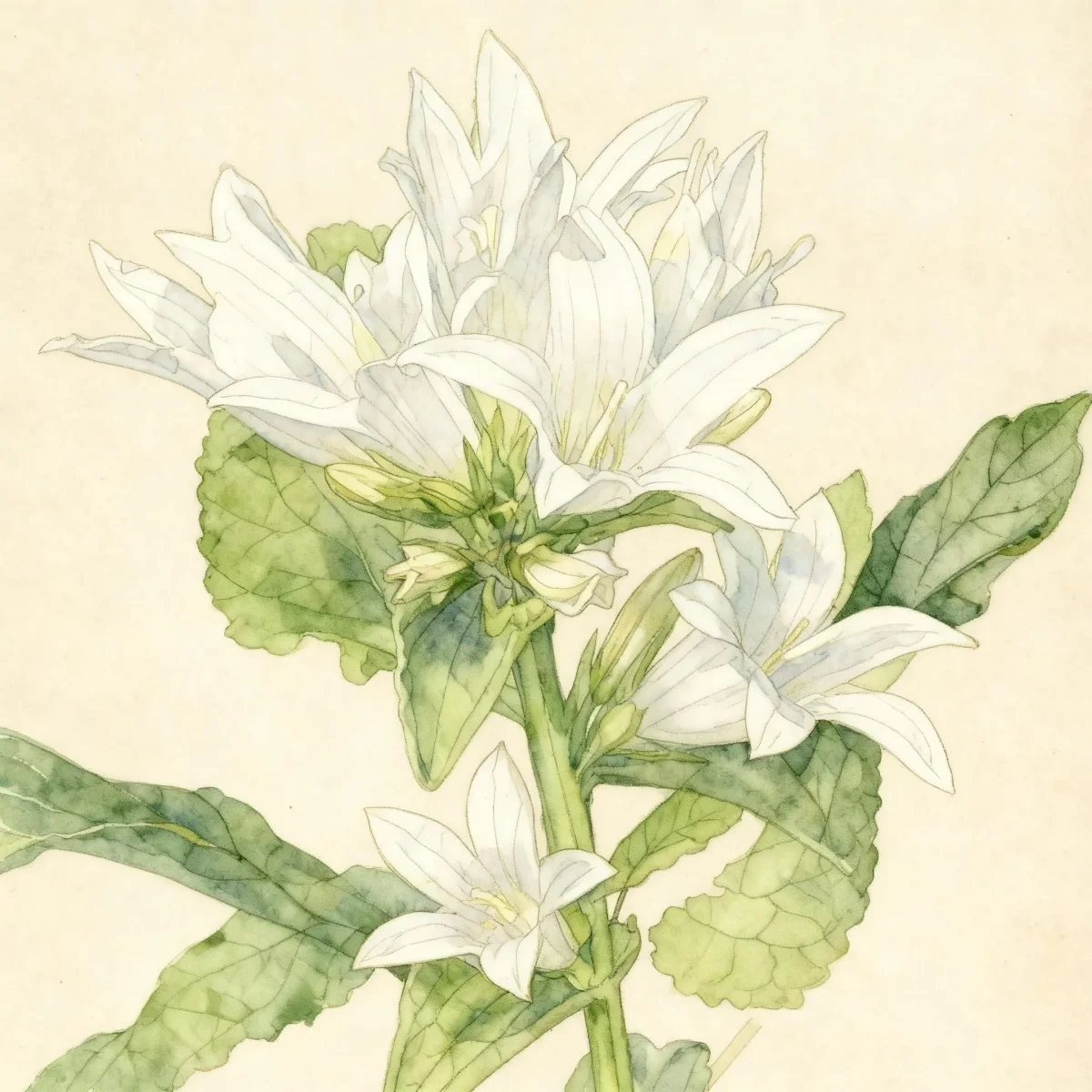
Adenophora is a genus of about 40 fleshy rooted perennials, commonly called ladybells, which are similar to campanulas (differing in having disks at the bases of the styles). Genus plants generally feature narrow, leafy stems bearing fragrant, nodding blue bells in the upper portions. Hybrids of indeterminate parentage are known to exist.Genus name comes from the Greek words aden meaning gland and phorea meaning to bear.‘Amethyst’ is a ladybells hybrid cultivar that typically grows to 36” tall. Parents are unknown. Erect leafy stems are topped in late spring with terminal racemes of drooping, flaring, nodding, bell-shaped, mildly fragrant, amethyst blue flowers. Toothed, ovate to lance-shaped stem leaves (to 3” long) are medium green. Ladybells are close relatives of the campanulas, and are sometimes commonly called false campanula.
Tolerances
No specific tolerances were listed for this cultivar in the provided data.
Potential Problems
Adenophora ‘Amethyst’ generally demonstrates strong resistance, reporting no serious insect or disease problems under typical garden conditions. Gardeners should remain vigilant, however, regarding common mollusks. Watch out for slugs and snails, which can severely damage the leaves, especially when plants are young or situated in damp, mulched areas. Implementing slug bait or physical barriers early in the season can help protect the foliage of your Ladybells.
Frequently Asked Questions
What hardiness zones is Ladybells suitable for?
Adenophora ‘Amethyst’ is reliably hardy across USDA Zones 3 through 8, offering wide adaptability for many temperate gardeners.
How large does Adenophora ‘Amethyst’ grow?
This perennial typically reaches a height between 1.5 and 3 feet tall, spreading slowly to occupy an area of 1 to 2 feet wide.
When does Ladybells bloom?
You can expect the nodding, amethyst blue flowers of Adenophora ‘Amethyst’ to appear reliably from May through July.
What sun exposure does Adenophora ‘Amethyst’ need?
This plant performs best when situated where it receives full sun or light part shade, thriving in locations that avoid the harshest afternoon heat.
Conclusion
Adenophora ‘Amethyst’ is a refined, low-maintenance perennial that rewards the gardener with beautiful, fragrant, amethyst blue bells throughout early summer. Its robust hardiness across zones 3-8 makes Ladybells an excellent choice for adding vertical texture without demanding constant fuss. Before planting, confirm your site offers medium moisture and well-drained soil, ensuring this deep-rooted beauty settles in for long-term enjoyment.
Companion Planting
When designing a border around Adenophora ‘Amethyst’, select companions that share similar needs for medium moisture and rich soil. Plants that thrive in partial shade and provide contrasting foliage texture are ideal partners. Consider pairing Ladybells with Japanese Forest Grass (Hakonechloa) for soft, arching movement or Coral Bells (Heuchera) for deep purple or lime-green foliage contrast right below the nodding blue bells.
Silver Brunnera or pale Hosta varieties also work well, bridging the gap between the groundcover layer and the taller stems of Adenophora ‘Amethyst’. Avoiding overly aggressive spreaders is wise, as these plants prefer not to be disturbed once rooted. This combination ensures a mid-summer display that requires minimal extra watering or feeding beyond the initial preparation.
Seasonal Care Calendar
Spring cleanup for Ladybells involves removing any remaining dead foliage from the previous year once new basal growth appears. This prepares the plant for its upward ascent. Focus watering efforts during the spring months to ensure the soil remains consistently moist as the flower spikes develop their structure.
During the summer bloom period, deadheading spent flower heads can encourage a later, although usually less prolific, rebloom and prevents unwanted self-seeding. If the weather turns very dry, maintain even moisture; Ladybells do not tolerate drying out completely, so supplemental watering is critical during heatwaves.
As autumn approaches and the foliage yellows, cut the stems back down to ground level. This final act of tidiness prepares Adenophora ‘Amethyst’ for winter dormancy. Due to its deep root system, no specific winter protection is usually necessary in its recommended hardiness range of Zones 3 to 8.