Winter heath (Erica carnea 'Springwood Pink')
Erica carnea 'Springwood Pink' is a showy, low-growing Winter heath blooming pink from January to March.
Scroll down to discover growing tips, care requirements, companion plants, and more
Complete Plant Information
Overview
Erica carnea ‘Springwood Pink’, commonly known as Winter heath, provides crucial winter color when the garden appears dormant. This low-growing, broadleaf evergreen shrub offers masses of charming pink blooms, signaling the early arrival of spring even under snow in its cooler northern range. Its evergreen nature ensures year-round textural interest, making the ‘Springwood Pink’ cultivar a staple for brightening gray winter landscapes.
Native primarily to the European Alps, this hardy heath forms a dense, spreading groundcover over time. It typically mounds to less than a foot high but can spread outward considerably, covering slopes or rock crevices effectively. The fine, needle-like foliage provides a soft texture contrast against stone or larger shrubs.
For gardeners seeking reliable winter interest and low stature, Erica carnea ‘Springwood Pink’ is an excellent choice. Achieving its best performance requires attention to soil drainage, as it thrives in acidic, well-drained loam. If successfully sited, the long bloom period from January through March rewards the dedicated gardener immensely.
Fast Facts
- Plant Family: Ericaceae
- Plant Type: Broadleaf evergreen
- Hardiness Zones: USDA Zones 5-7
- Size at Maturity:
- Height: 0.5-1 ft
- Spread: 0.5-1.5 ft
- Bloom Time: January to March
- Bloom Description: Pink
- Sun Exposure: Full sun to part shade
- Water Needs: Medium
- Maintenance Level: Medium
How to Grow
Plant Winter heath in the early spring or fall when temperatures are mild, ensuring the best establishment time before summer heat or deep winter freezes. The soil is paramount for Erica carnea ‘Springwood Pink’: it demands sandy, acidic, medium-moisture, well-drained loams enriched with peat. To ensure sharp drainage, especially in heavy clay areas, consider planting in raised beds. This species is unique among heaths as it tolerates slightly alkaline soils, though peaty, acidic conditions remain ideal for peak flowering.
Watering should be consistent, maintaining medium moisture, especially during dry spells, but never allowing the plant to become waterlogged, as root rot is a significant concern in poor drainage. Fertilization is rarely necessary if the soil is adequately amended with organic matter initially. Pruning should only occur immediately following the winter bloom period; avoid cutting into old wood later in the season, as this might eliminate next year’s flower buds.
In colder northern climates within its range, provide winter protection by covering the low-growing plants with mulch, such as straw or evergreen boughs, especially during the first couple of winters. While heaths are known to bloom under the snow, minimizing winter wind exposure helps protect the tender new growth. Remember that Erica carnea ‘Springwood Pink’ thrives in cool summers and is not recommended for areas south of USDA Zone 7 due to heat stress.
Landscape Uses
The low-growing, spreading habit of Erica carnea ‘Springwood Pink’ makes it a premier choice for ground cover applications. It effectively blankets slopes where its fine texture creates a soft, continuous sweep of color during the late winter months when little else is showing color. Its ability to maintain dense foliage year-round ensures visual structure in the landscape long after its blooms fade.
Consider utilizing Winter heath in rock gardens, nestled between stones where sharp drainage is naturally provided. It creates an excellent foreground planting along borders, providing a low, weeping edge. While it prefers to spread, its relatively short stature ensures it won’t overwhelm smaller companion plants.
Look for companions that share its preference for acidic soil and cool conditions, such as azaleas, rhododendrons, or dwarf conifers. Planting Erica carnea ‘Springwood Pink’ in groupings allows for the best visual impact when the mass of pink flowers emerges in January or February.
Standout Features
Flower Qualities
- Showy
Noteworthy Characteristics
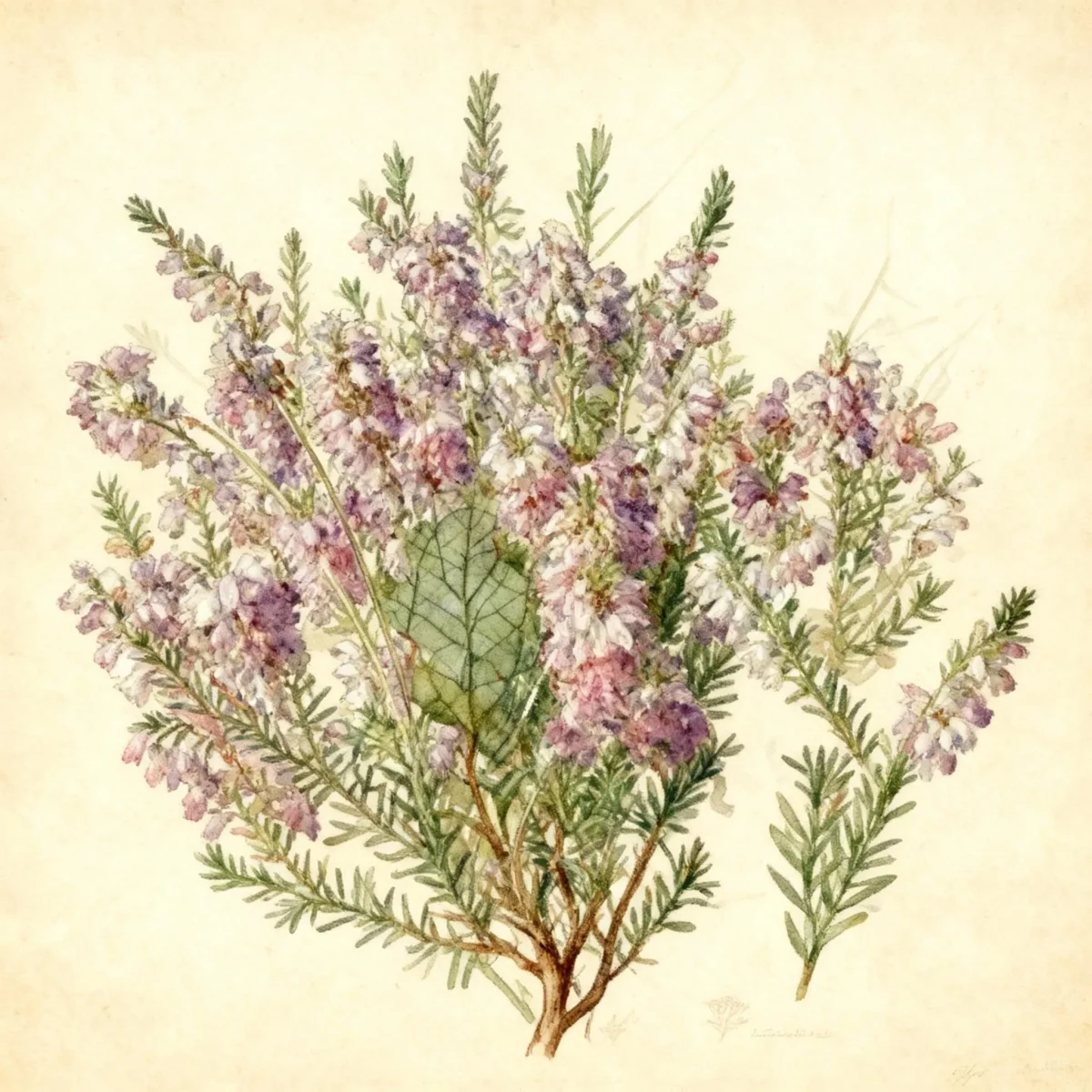
Erica carnea, commonly called winter heath, is a low-growing, evergreen shrub that is primarily native to the Alps in Europe. It typically grows in a mound to 6-9” (less frequently to 12”) tall, slowly spreading along the ground by procumbent stems to 20” or more. Over time, well-sited plants will form a dense ground cover. Specific epithet means flesh-colored or deep pink; ‘Springwood Pink’ features urn-shaped, pure pink blooms (1/4” long) in one-sided racemes (to 3” long) from January to March.
Tolerances
- Root rot may occur in poorly drained soils.
Potential Problems
While generally robust, potential problems for Erica carnea ‘Springwood Pink’ involve environmental factors rather than serious pest or disease pressure. Although it boasts “No serious insect or disease problems,” root rot is a risk if the crucial requirement for sharp soil drainage is ignored.
Fungal issues such as powdery mildew, rust, and wilt can occasionally appear, usually exacerbated by high humidity or wet foliage combined with poor air circulation. Always prune immediately after flowering to promote good airflow through the plant structure.
If you notice bronzing or decline, immediately assess the soil conditions. Amending the planting site with peat and grit to improve drainage is the most proactive step in long-term management for this beautiful Winter heath.
Frequently Asked Questions
What hardiness zones is Winter heath suitable for?
Erica carnea ‘Springwood Pink’ is reliably hardy in USDA Zones 5 through 7.
How large does Winter heath grow?
This evergreen typically reaches a mature height between 0.5 and 1 foot tall with a spread ranging from 0.5 to 1.5 feet wide.
When does Erica carnea ‘Springwood Pink’ bloom?
This variety produces beautiful pink flowers during the winter months, specifically from January to March.
What sun exposure does Winter heath need?
For the best display of pink flowers, Erica carnea ‘Springwood Pink’ prefers full sun, though it appreciates some part afternoon shade in areas experiencing very hot summers.
Conclusion
Erica carnea ‘Springwood Pink’ is truly valuable for its extraordinary ability to provide persistent evergreen texture and vibrant pink blooms during the coldest months. As a standout Winter heath, it anchors the late-winter garden scene. Plan your planting site carefully, prioritizing excellent drainage to ensure your Erica carnea ‘Springwood Pink’ thrives for many seasons to come.
Companion Planting
Selecting appropriate companions enhances the success of Erica carnea ‘Springwood Pink’ by mirroring its specific cultural needs. Plants that prefer acidic, well-drained soil thrive nearby. Consider grouping it with low-growing, late-flowering bulbs like dwarf irises or small Muscari varieties to layer spring interest above the heath.
For year-round structure, pair the spreading habit of this heath with slow-growing, dwarf conifers, especially those with contrasting forms like upright junipers or mounding Chamaecyparis varieties. These offer textural diversity while sharing the need for sunny, well-drained environments.
Avoid planting near moisture-loving perennials or shrubs that require rich, heavy garden soil, as these conditions are detrimental to the health of the Ericaceae family. Creating a specialized rock garden area optimized for acidic, sharp drainage maximizes the ornamental value of your Winter heath display.
Seasonal Care Calendar
Spring maintenance for Erica carnea ‘Springwood Pink’ should begin immediately after the pink blooms fade, typically late March through early April, depending on your location. This is the prime window for any necessary pruning; trim lightly to shape the mound or encourage tighter growth, remembering to shear only lightly into the fresh growth.
Summer care focuses heavily on water monitoring, especially in the hottest months, ensuring the medium moisture requirement is met without overwatering, which invites root rot. If you reside in the hotter end of Zone 7, ensure afternoon shade is available to prevent leaf scorch or excessive stress.
As autumn approaches, avoid heavy fertilization, allowing the Erica carnea ‘Springwood Pink’ to harden off naturally for winter survival. Prepare for cold weather (Zones 5-6) by applying a protective layer of loose mulch, such as evergreen needles or straw, around the base of the plant before the ground freezes deeply.