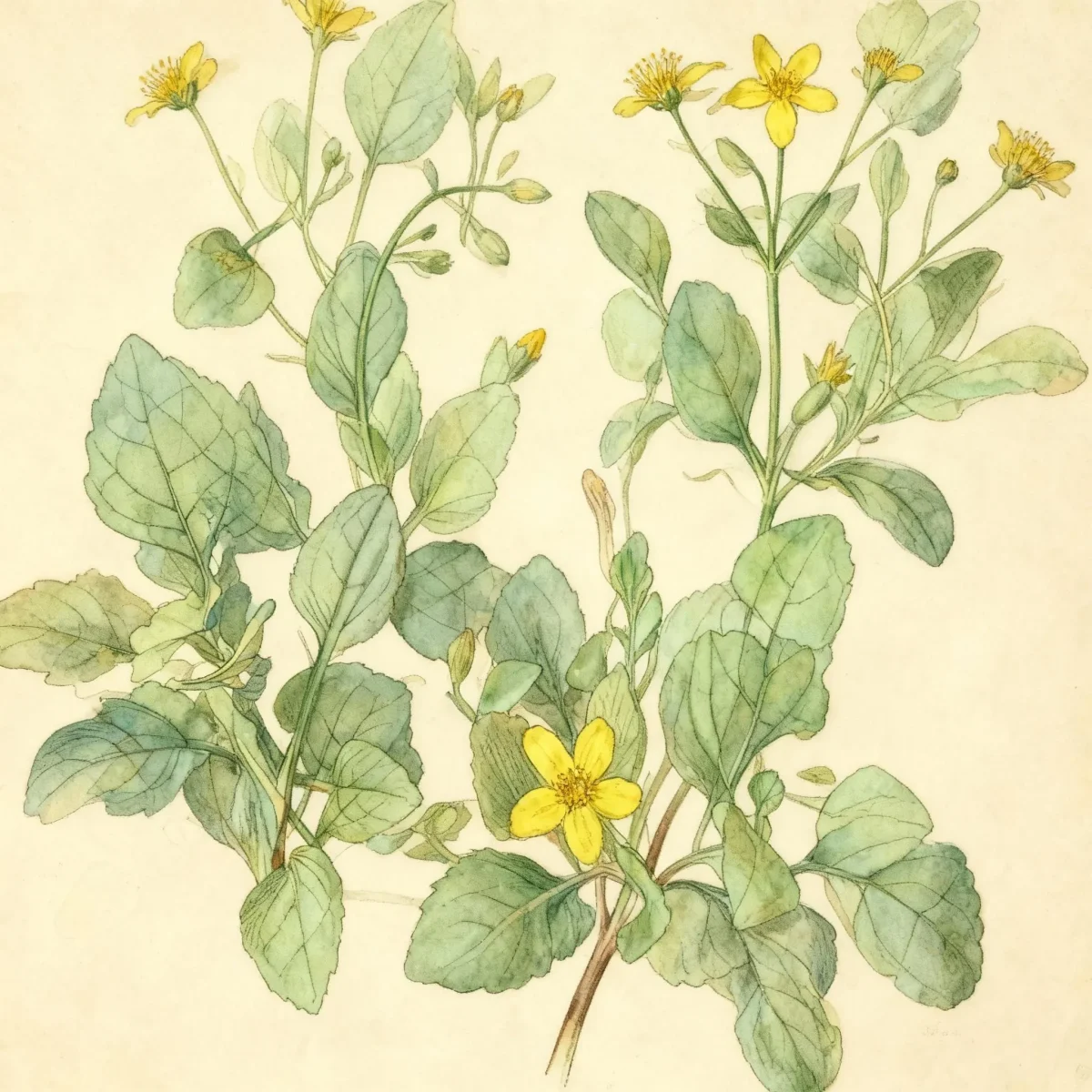
Farfugium (Farfugium japonicum var. giganteum)
Discover Farfugium japonicum var. giganteum, a bold herbaceous perennial from Japan, prized for its massive, glossy, kidney-shaped leaves and late-season yellow blooms.
Scroll down to discover growing tips, care requirements, companion plants, and more
Complete Plant Information
Overview
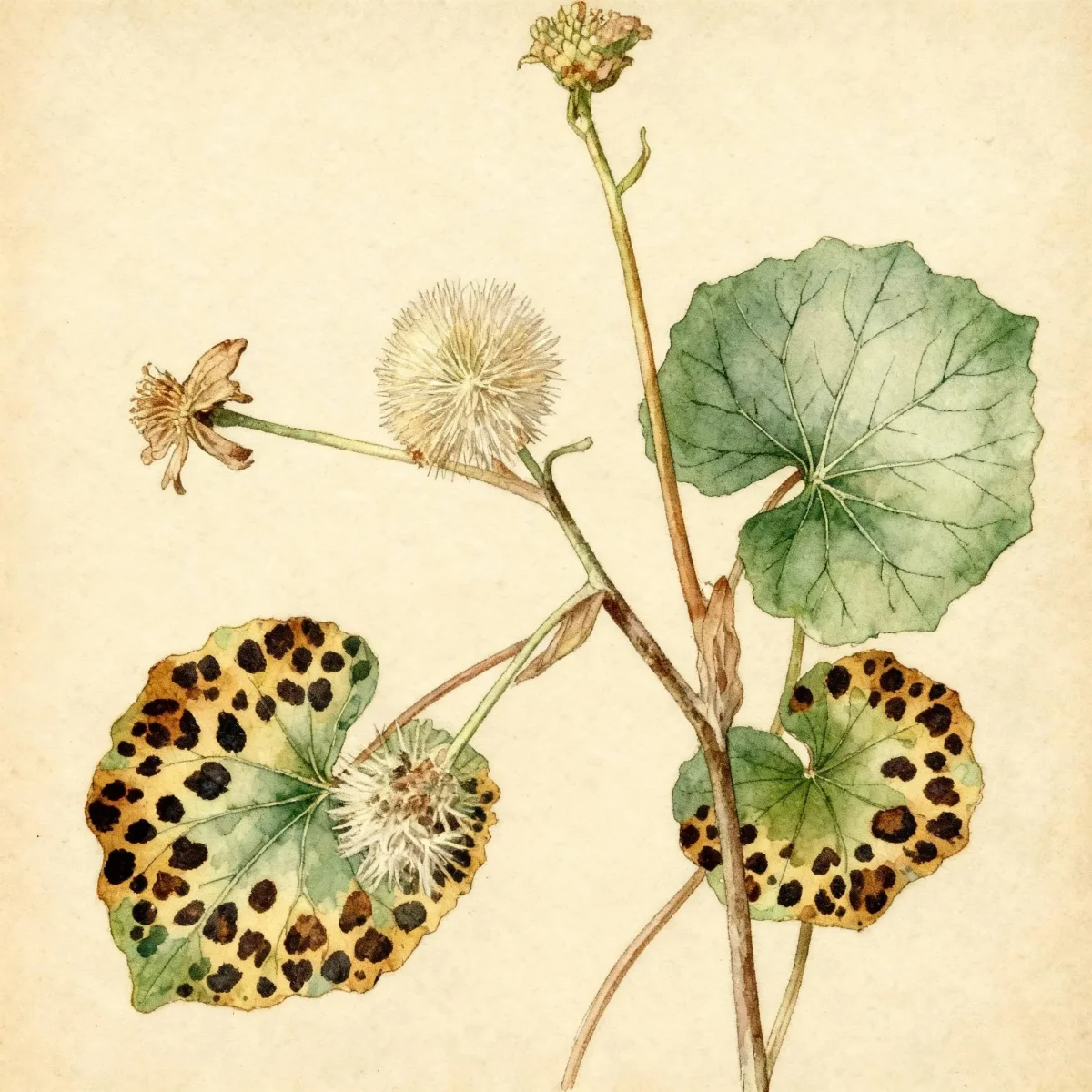
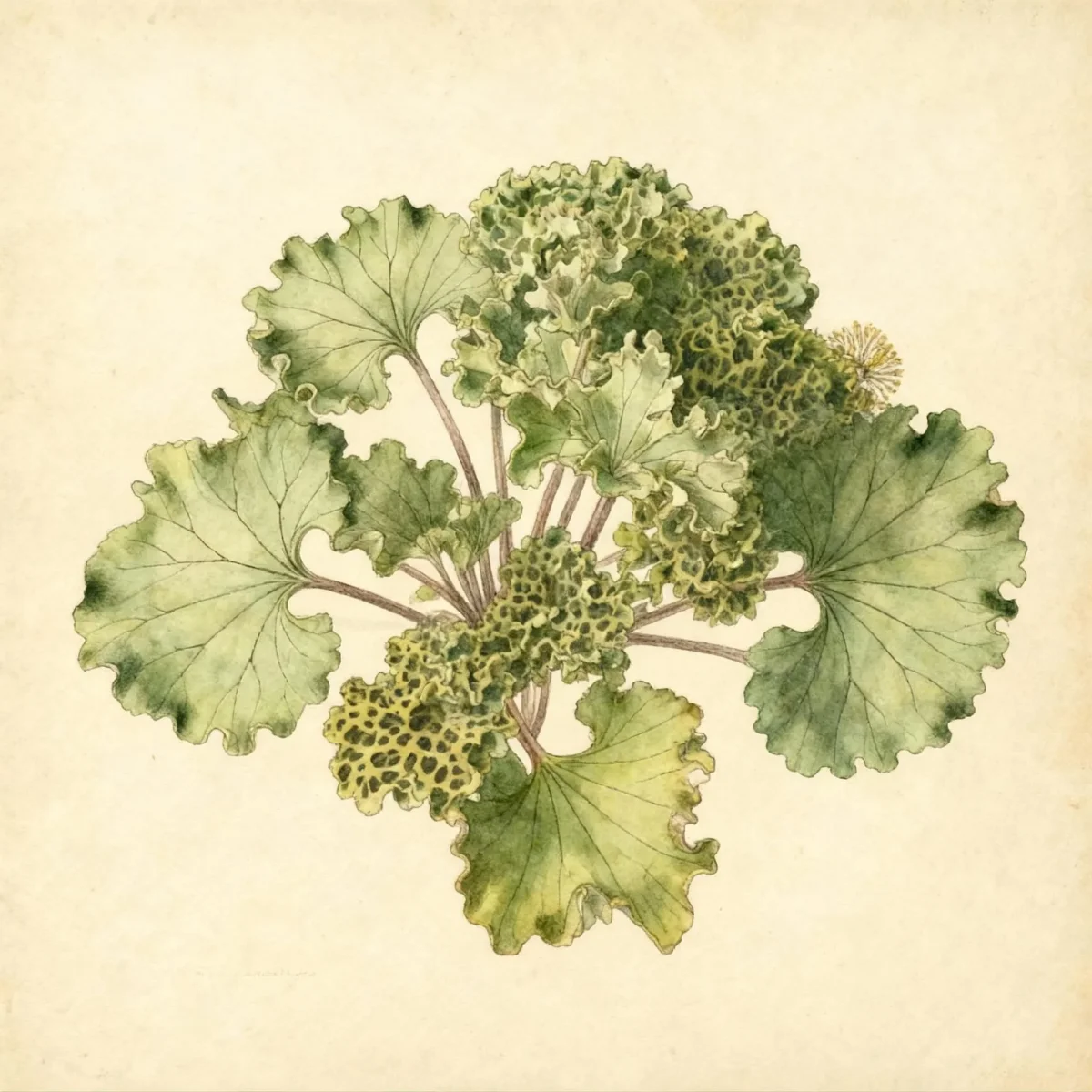
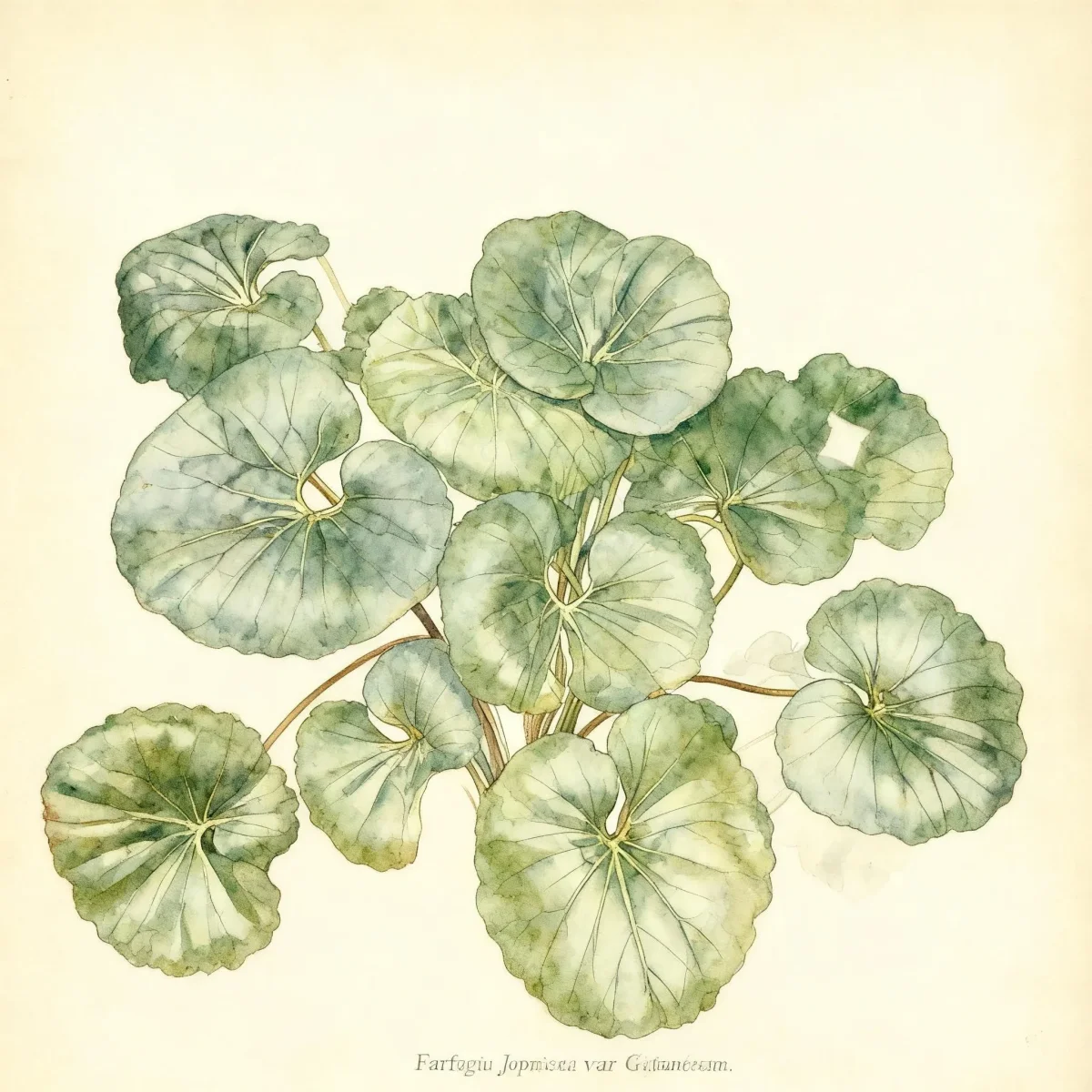
The Farfugium, scientifically known as Farfugium japonicum var. giganteum, is an exceptional choice for gardeners seeking strong architectural foliage in shaded areas. This clump-forming herbaceous perennial draws immediate attention due to its huge, glossy, leathery, kidney-shaped leaves, which can reach up to 18 inches across on the ‘Giganteum’ variety. As a relative of the Ligularias, this plant brings tropical texture to temperate shade gardens, contrasting beautifully with fine-textured ferns and hostas.
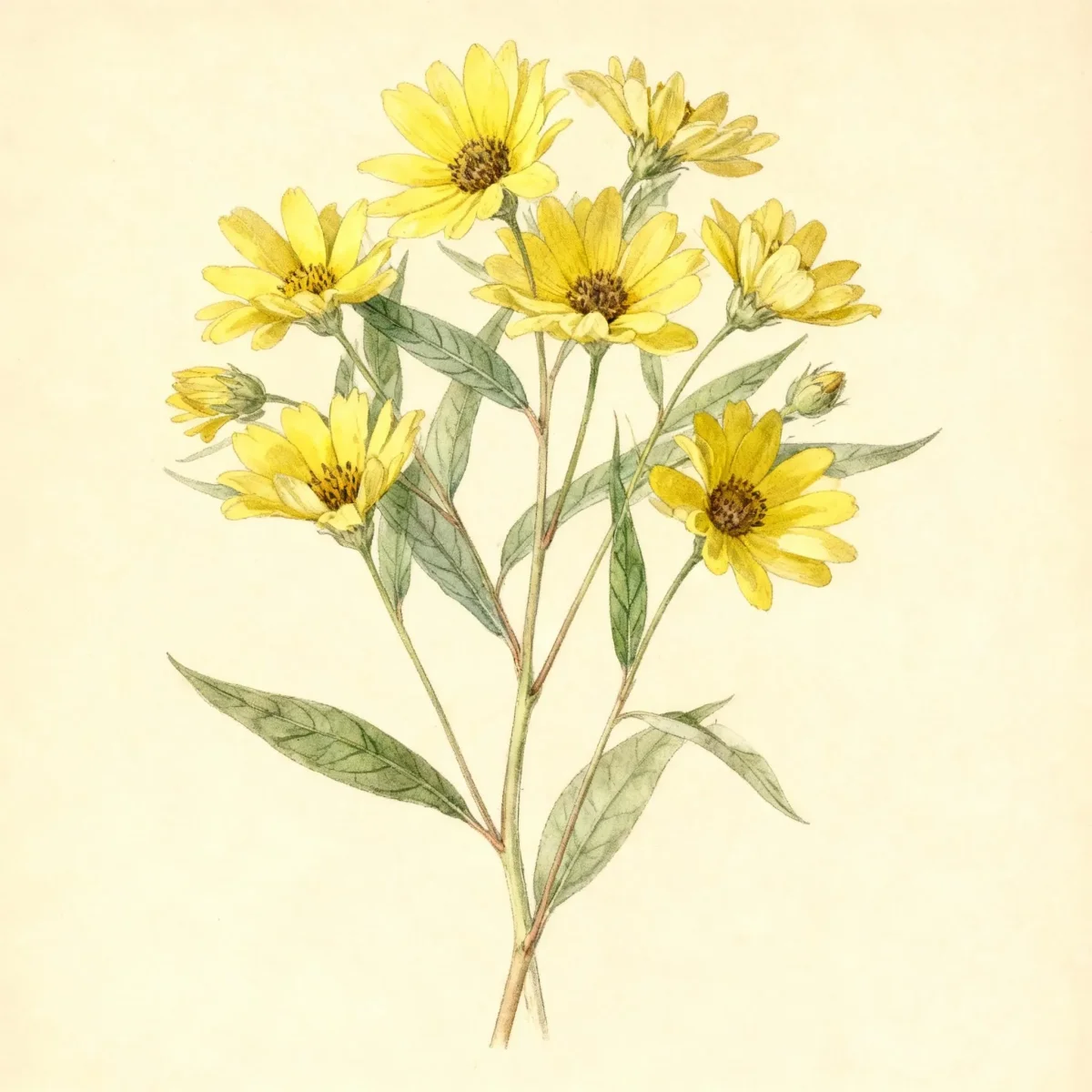
Native to the moist meadows and stream banks of Japan, the Farfugium thrives where many other ornamental perennials struggle—deep shade. While celebrated primarily for its foliage, it rewards patient gardeners with clusters of cheerful, daisy-like, yellow flowers that rise above the leaves in the late summer to early autumn months. Successful cultivation of Farfugium japonicum var. Giganteum relies heavily on providing ample moisture and protection from harsh afternoon sun.
This plant is valuable not only for its aesthetic drama but also for its relatively low susceptibility to common pests and diseases. However, gardeners must be mindful of slugs and snails, which find the large, tender leaves incredibly appealing. Achieving the best performance with Farfugium means placing it in humusy, rich soil and ensuring consistent hydration, especially during hot summer spells.
Fast Facts
- Plant Family: Asteraceae
- Plant Type: Herbaceous perennial
- Native Range: Japan
- Hardiness Zones: USDA Zones 7-10
- Size at Maturity:
- Height: 1-2 ft
- Spread: 1-2 ft
- Bloom Time: September to October
- Bloom Description: Yellow
- Sun Exposure: Part shade to full shade
- Water Needs: Medium
- Maintenance Level: Medium
How to Grow
The ideal time to plant Farfugium japonicum var. giganteum is when conditions are consistently mild, allowing the plant to establish roots before facing temperature extremes. When planting, site selections must prioritize deep or part shade; foliage will promptly wilt if exposed to scorching midday sun. Soil preparation is crucial: ensure the ground is humusy, organically rich, and holds a medium moisture level.
Ongoing cultural care for the Farfugium centers on moisture management. These plants strongly prefer moist soils that never fully dry out, necessitating regular, deep watering, particularly during hot summer periods. While they tolerate slightly less moisture than some related Ligularias, inconsistent watering can lead to leaf wilting even when plants are otherwise healthy, especially in hot climates.
For gardeners in the northern reaches of its range (like Zone 7), it is highly recommended to treat Farfugium as a container specimen. Containers allow for easy winter protection, as the foliage dies back to the ground below 20°F. Even where winter hardy, containers protect the plant from strong winds. Gardeners focused solely on foliage display often choose to pinch off the flowering stalks before they open, redirecting energy into leaf production.
Landscape Uses
The unique, bold texture of Farfugium makes it an outstanding specimen plant for adding drama to shaded areas. Where winter hardy (Zones 7-10), mass groupings of Farfugium japonicum var. giganteum along stream banks, pond edges, or bordering moist woodland gardens create stunning visual impact due to the reflective, glossy nature of the large leaves. In regions requiring winter protection, growing Farfugium in containers is the preferred method, allowing the gardener to move the substantial foliage to sheltered locations near patios or entryways for the winter months.
These perennials contrast exceptionally well with plants featuring fine, airy textures or contrasting cool colors. Consider placing them near Japanese forest grass (Hakonechloa), delicate ferns, or deep purple Heucheras to maximize the visual punch of the huge, round leaves of the Farfugium. Their ability to handle deep shade also makes them excellent understory plantings beneath larger deciduous trees where they thrive away from direct light.
Standout Features
Flower Qualities
- Showy
Noteworthy Characteristics
Farfugium japonicum, synonymous with and formerly known as Ligularia tussilaginea and Ligularia kaempferi, is a clump-forming perennial that is grown in gardens as much for its attractive foliage as for its autumn flowers. Its best ornamental feature may be the foliage which consists of huge, long-stalked, glossy, leathery, kidney-shaped, dark green leaves (12” or more across) that form a basal clump to 2’ tall. Daisy-like, yellow flowers (1-2” across) bloom in loose corymbs atop thick stalks that rise above the foliage to 30” in late summer to fall.
Tolerances
Potential Problems
The Farfugium is generally robust, reporting no serious insect or disease problems under ideal conditions. The primary threat to the aesthetic appeal of this plant comes from terrestrial mollusks. Slugs and snails can readily discover and significantly damage the large, luscious foliage, leaving unsightly holes. Management here requires diligent scouting and application of appropriate slug and snail control measures, such as baits or protective copper barriers, especially in damp environments.
Leaf wilting can be another common issue, even when soil moisture appears adequate. This is often a sign of thermal stress, typically occurring when the plant is exposed to too much direct sun or insufficiently cool temperatures during summer heat. Ensure that any Farfugium receiving afternoon sun is given extra water during extreme heat events to help mitigate this wilting behavior.
Frequently Asked Questions
What hardiness zones is Farfugium suitable for?
Farfugium japonicum var. giganteum is typically suited for USDA Hardiness Zones 7 through 10, offering evergreen foliage in the warmer end of that spectrum.
How large does Farfugium grow?
This robust perennial generally reaches a height between 1 and 2 feet tall and spreads to a width of 1 to 2 feet, forming a dense basal clump.
What sun exposure does Farfugium need?
The ideal location for growing Farfugium japonicum var. Giganteum is in part shade to full shade conditions; too much direct sun will cause the foliage to wilt.
When does Farfugium bloom?
This plant brings color to the landscape late in the season, with yellow, daisy-like flowers appearing from September into October.
Conclusion
The sheer scale and enduring glossiness of the foliage set Farfugium japonicum var. giganteum apart as a cornerstone plant for sophisticated shade gardens. Its reliable commitment to vibrant texture, coupled with late-season floral interest, makes Farfugium a worthwhile addition to any moisture-retentive, shaded border. Before planting, confirm your local hardiness zone compatibility or plan for container cultivation to ensure this architectural beauty thrives for years to come.
Companion Planting in Shade Gardens
When selecting companions for the Farfugium, focus on plants that share its preference for rich, medium-moisture soil and low light levels. Fine-textured foliage provides a fantastic counterpoint to the massive leaves of the Farfugium. Consider pairing it with Japanese Forest Grass (Hakonechloa macra), whose flowing habit softens the edges of the bold, static leaves. The delicate, lacy fronds of many native ferns, such as Christmas Fern (Polystichum acrostichoides), also create an excellent textural contrast beneath deciduous canopy trees.
For color variation throughout the season, incorporate shade-tolerant bloomers that emerge before or after the Farfugium begins its late-season display. Hellebores (Lenten Rose) offer early spring color, while Astilbe hybrids can provide vertical plumes of pink, white, or red during the summer months when the Farfugium japonicum var. Giganteum is in its prime leafing phase. Always ensure companions do not aggressively compete for water or nutrients, as consistent moisture is paramount for this species.
Container Growing for Architectural Impact
Container culture is not just a necessity for Zone 6 growers but an excellent design tool for creating moveable focal points using Farfugium japonicum var. giganteum. Use large, heavy pots to stabilize the plant and prevent tipping, given its wide, platter-like leaves that can catch wind. Select premium quality potting mix amended heavily with compost or aged leaf mold to mimic its nature as a rich woodland resident.
In elevated containers, drainage becomes even more critical, though the soil must still be kept evenly moist. Because containers heat up faster than in-ground soil, monitor watering frequently during summer heat waves to prevent the dreaded foliage wilting. In autumn, if you are in a borderline hardiness zone, move the containerized Farfugium to a protected, unheated garage or shed once temperatures consistently dip near freezing, ensuring the soil doesn’t completely freeze solid for extended periods.