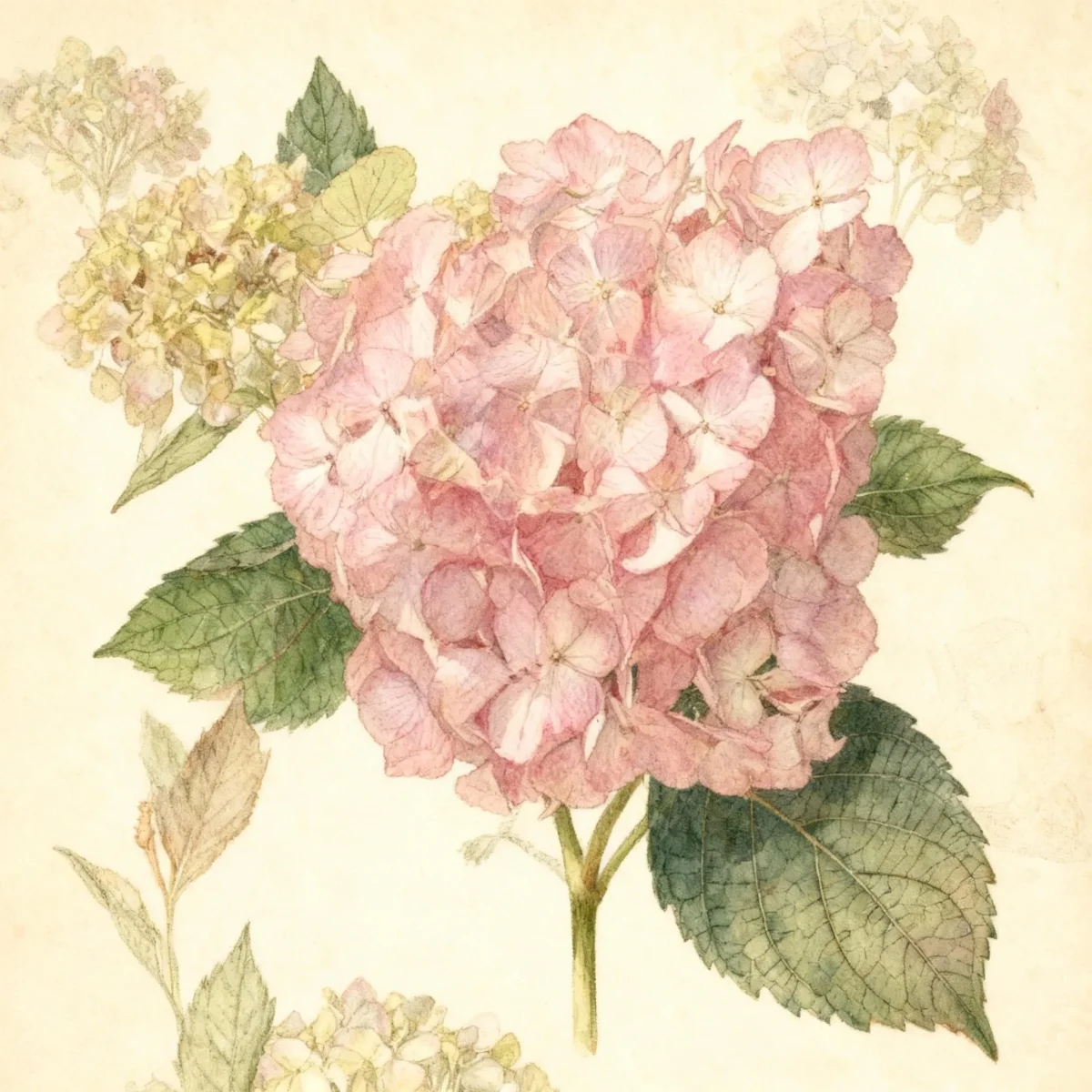
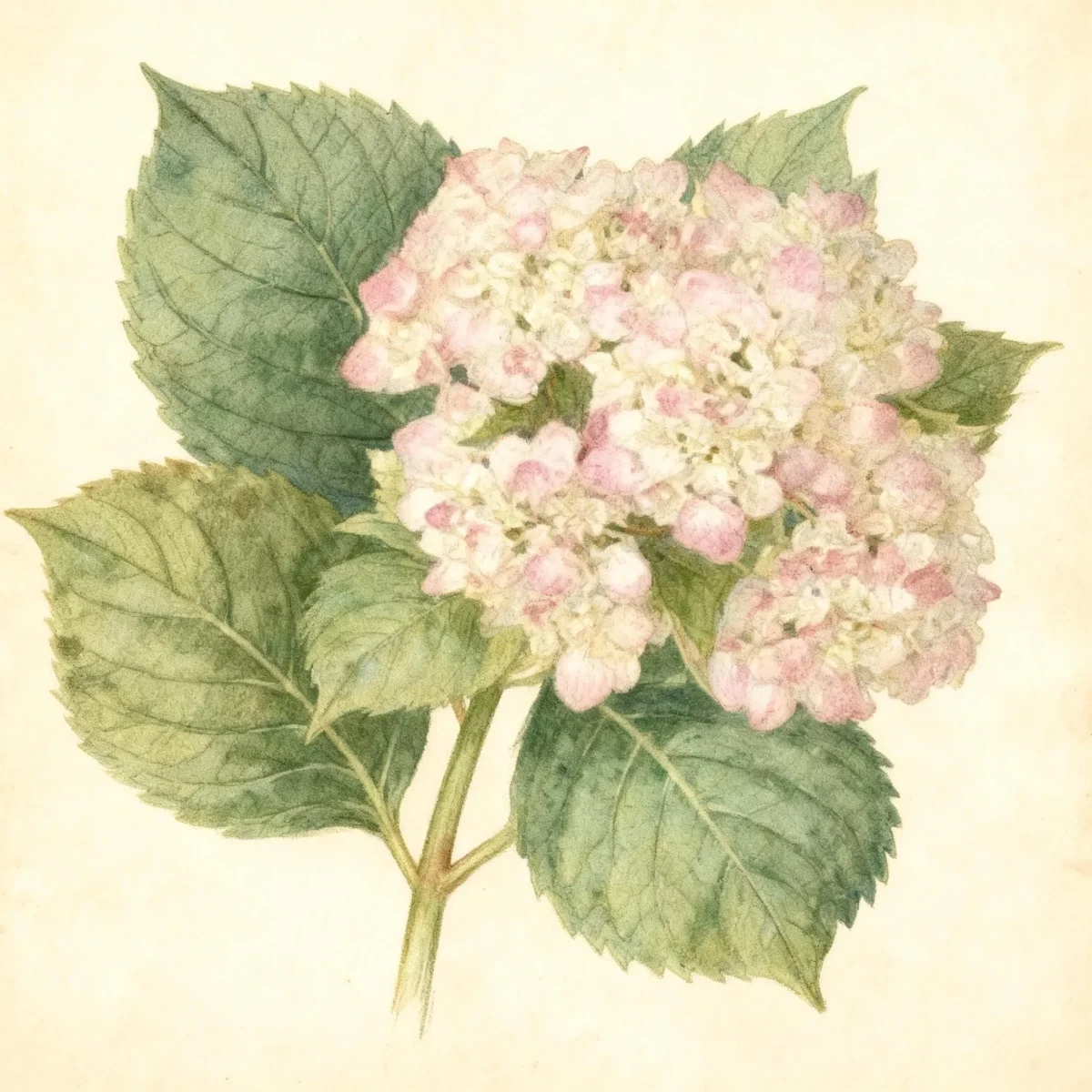
Bigleaf hydrangea (Hydrangea macrophylla 'Merritt's Supreme')
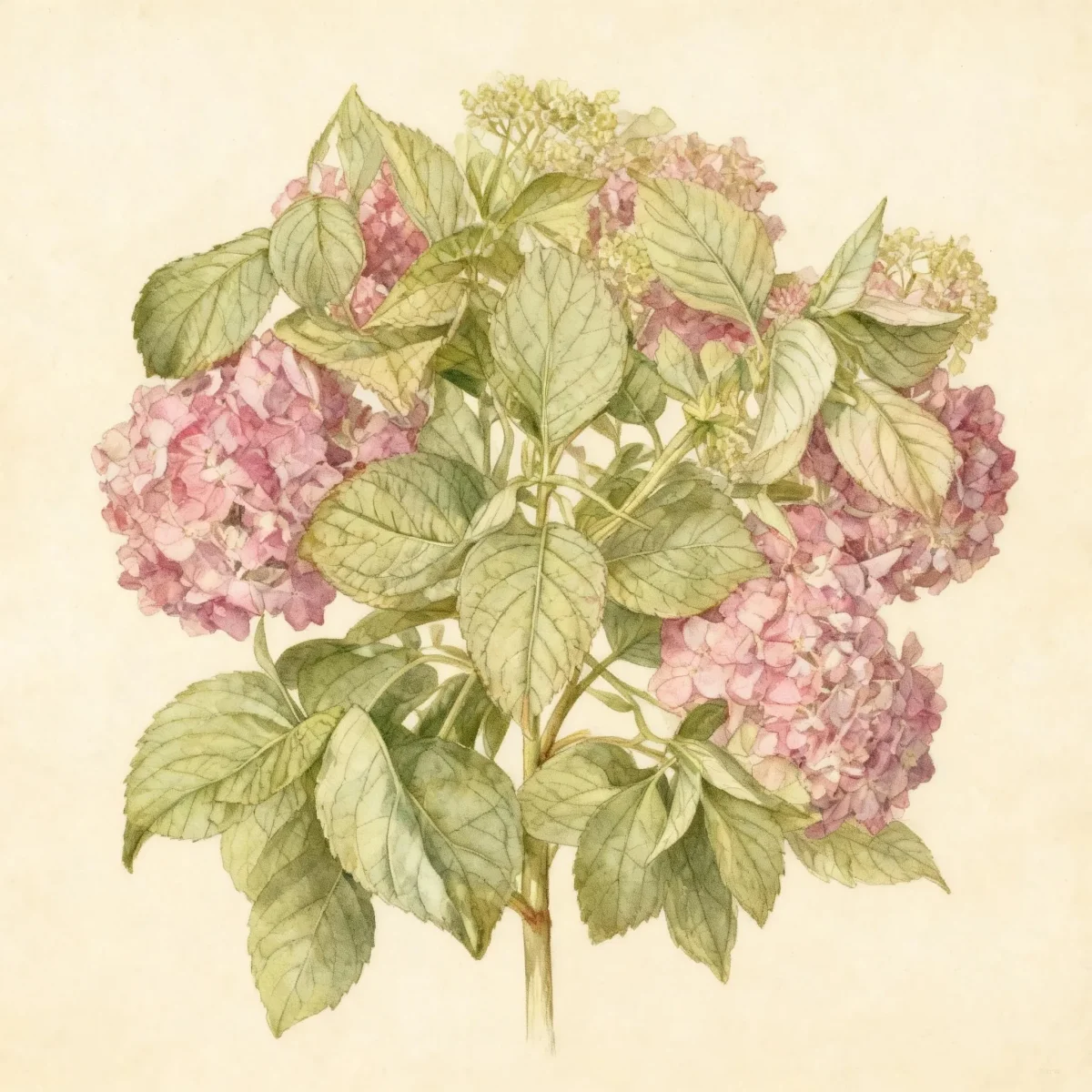
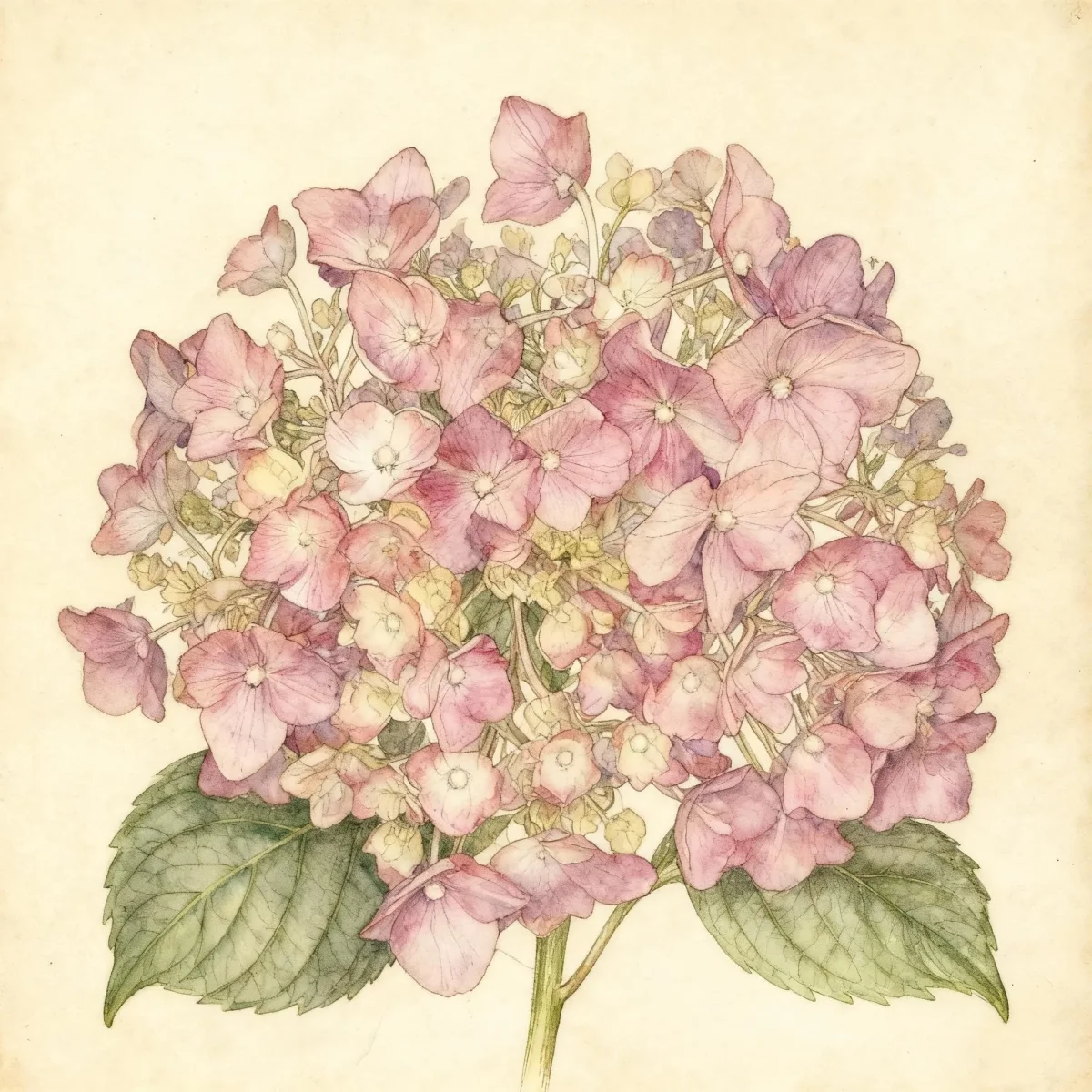
The Hydrangea macrophylla 'Merritt's Supreme' offers huge, spherical rose-to-red mophead blooms. This Bigleaf hydrangea thrives in part shade and is a medium-maintenance shrub.
Scroll down to discover growing tips, care requirements, companion plants, and more
Complete Plant Information
Overview
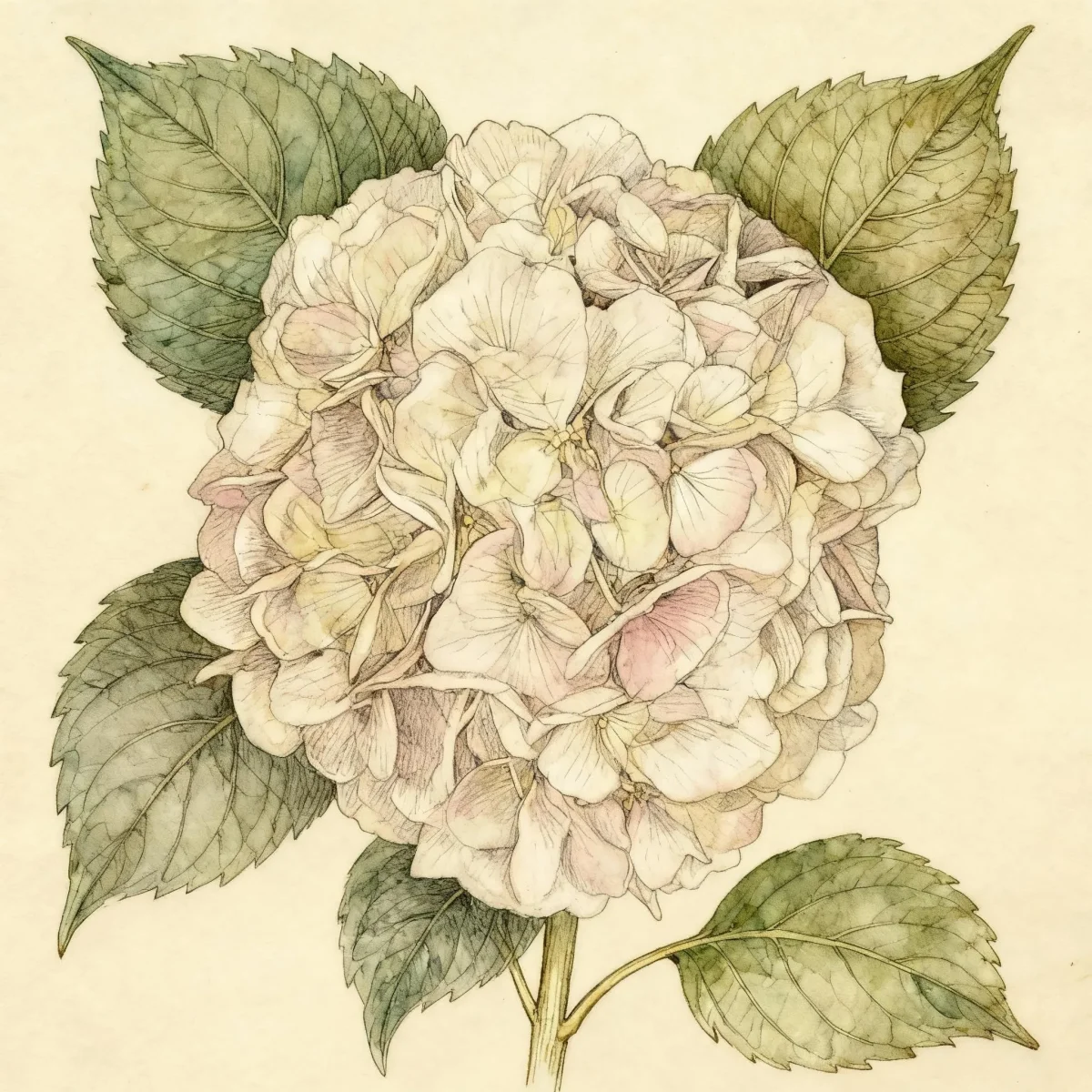
The Bigleaf hydrangea, specifically the cultivar Hydrangea macrophylla ‘Merritt’s Supreme’, is highly valued for its impressive summer display. This deciduous shrub produces large, globe-shaped flower clusters typically ranging from rose to deep red hues. Gardeners rely on this plant for its robust form and long-lasting color throughout the mid-summer months.
Hydrangea macrophylla ‘Merritt’s Supreme’ generally matures to a manageable size of 3 to 4 feet tall and wide, making it perfect for foundation plantings or mixed borders. As a mophead-type cultivar, it provides consistent visual impact, though its cultural needs require attention to soil moisture and pH management for optimal performance.
This Bigleaf hydrangea offers significant aesthetic contributions to the landscape, providing bold structure and vibrant color when placed in appropriate part shade conditions. Successfully growing Hydrangea macrophylla ‘Merritt’s Supreme’ requires respecting its medium water and maintenance requirements, rewarding the gardener with reliable summer beauty.
Fast Facts
- Plant Family: Hydrangeaceae
- Plant Type: Deciduous shrub
- Hardiness Zones: USDA Zones 6-9
- Size at Maturity:
- Height: 3-4 ft
- Spread: 3-4 ft
- Bloom Time: July to August
- Bloom Description: Rose to red
- Sun Exposure: Part shade
- Water Needs: Medium
- Maintenance Level: Medium
How to Grow
The ideal planting location for your Bigleaf hydrangea involves rich, well-drained soil kept consistently medium moist. These shrubs prefer morning sun followed by protection in the hot afternoon, thriving best in part shade. While they tolerate full sun, this exposure necessitates keeping the soil perpetually moist to prevent scorching the foliage or stressing the plant.
Ongoing care focuses heavily on consistent moisture management, especially during dry spells. Pruning for Hydrangea macrophylla ‘Merritt’s Supreme’ should be minimal, as it typically flowers on old wood. If pruning is necessary, complete it immediately after blooming ceases by cutting stems back to a lower set of healthy buds. Remove any weak or winter-damaged stems in late winter or early spring before new growth begins.
Winter protection is key in cooler zones like USDA Zone 6. Applying a 3-inch layer of mulch—such as shredded bark, peat, or compost—around the plant base helps stabilize soil temperatures. Gardeners in very cold areas should consider extra protection, as harsh winters can damage flower buds, leading to fewer blooms the following season. Remember that soil pH significantly dictates the final flower color, with acidic conditions favoring blue tones and alkaline conditions promoting pinks.
Landscape Uses
Bigleaf hydrangeas are versatile architectural plants perfect for various landscape designs. Hydrangea macrophylla ‘Merritt’s Supreme’ is highly effective when used in groupings or masses within a shrub border to create a solid block of color. Its defined, rounded habit also makes it an excellent specimen plant near patios or flanking entryways where its summer flowers can be easily admired.
Use this cultivar as a structured hedge along property lines or pathways, providing seasonal visual interest. Because it maintains a manageable 3-4 foot size, it fits well in foundation plantings near homes, provided it receives the necessary part shade environment. For added visual appeal, companion plant with dark green azaleas or lower-growing ferns that enjoy similar damp, rich soil conditions but offer textural contrast.
Standout Features
Flower Qualities
- Showy
Noteworthy Characteristics
The genus name Hydrangea comes from hydor meaning “water” and aggeion meaning “vessel,” in reference to the cup-like capsular fruit. The specific epithet refers to the plant’s large leaves. Merritt’s Supreme is noted for its mophead form, featuring huge spherical clusters clothed in rose to red sterile florets that bloom vividly from early July onward for up to two months.
Tolerances
- Tolerates full sun only if grown in consistently moist soils.
Potential Problems
This Bigleaf hydrangea can occasionally face issues such as leaf spot, mildew, and bacterial wilt. Occasionally, aphids may appear, requiring inspection, particularly on new, tender growth. Preventative cultural practices are the best defense against most fungal issues; ensure excellent air circulation around the shrubs and avoid overhead watering late in the day to keep foliage dry overnight.
If you notice signs of wilting unrelated to drought, investigate for bacterial wilt, which is more serious. Fungal issues like powdery mildew are often mitigated simply by applying the recommended mulch and ensuring the plant is protected from harsh midday sun, as recommended for Hydrangea macrophylla ‘Merritt’s Supreme’.
Frequently Asked Questions
What hardiness zones is Bigleaf hydrangea suitable for?
This Hydrangea macrophylla cultivar is generally hardy in USDA Zones 6 through 9.
How large does Hydrangea macrophylla ‘Merritt’s Supreme’ grow?
It typically reaches a height and spread between 3 and 4 feet tall and wide under ideal conditions.
When does Bigleaf hydrangea bloom?
The profuse, rose to red blooms on Hydrangea macrophylla ‘Merritt’s Supreme’ appear from July through August.
What sun exposure does Bigleaf hydrangea need?
This shrub performs best when situated in part shade, though it can tolerate more sun if kept consistently moist.
Conclusion
The Hydrangea macrophylla ‘Merritt’s Supreme’ is a fantastic mid-sized shrub delivering bold, consistent mophead color throughout the middle of summer. Its ability to shift flower color based on soil chemistry adds an engaging element for dedicated gardeners. Before planting, confirm your location falls within USDA Zones 6-9 and plan for placement in bright, part shade to maximize the vivid rose-red display of this exceptional Bigleaf hydrangea.
Companion Planting
Selecting appropriate companions ensures your Bigleaf hydrangea thrives without undue competition or stress. Because Hydrangea macrophylla ‘Merritt’s Supreme’ requires rich, moist soil and part shade, pair it with other acid-loving woodland plants. Consider planting species like Astilbe, Hosta, or low-growing evergreen Azaleas beneath its canopy.
These companion plants share similar cultural requirements concerning moisture and filtered light, creating a cohesive, healthy planting scheme. Avoid placing your hydrangea near drought-tolerant, high-sun lovers, as this will complicate your watering schedule and potentially stress the hydrangea foliage.
Seasonal Care Calendar
Early Spring is the time to prune out any dead or damaged wood from winter exposure, followed by applying your annual layer of mulch or compost to retain moisture and stabilize temperatures. Watering should remain steady throughout the growing season, increasing frequency during documented heat waves to support the medium water needs of this shrub.
In late Autumn, focus on soil amendment if you wish to influence next year’s bloom color; alum added now encourages bluer flowers, while lime promotes pinker tones for your Hydrangea macrophylla ‘Merritt’s Supreme’. Ensure any winter protection measures are in place for late autumn/early winter in the coldest reaches of Zone 6.