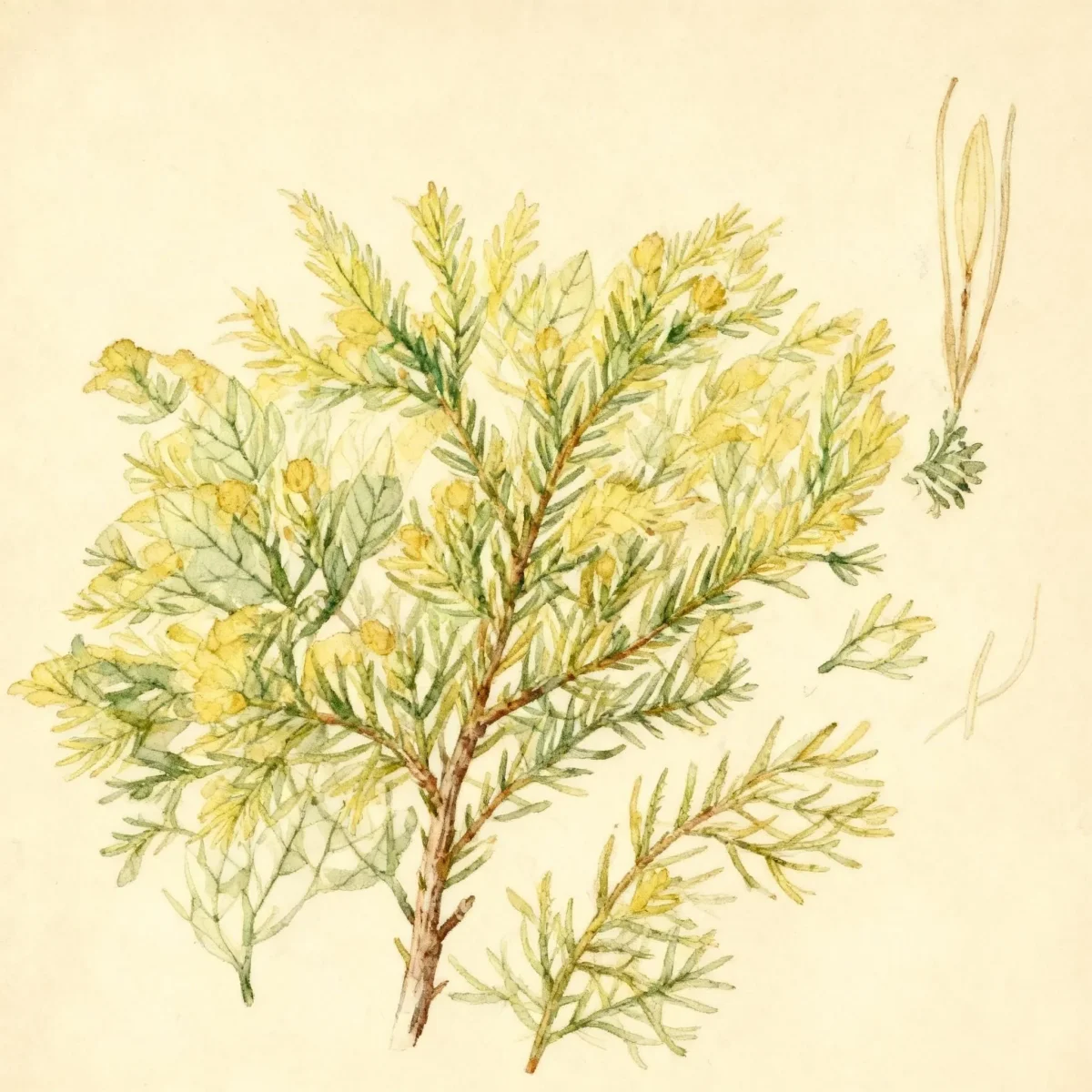
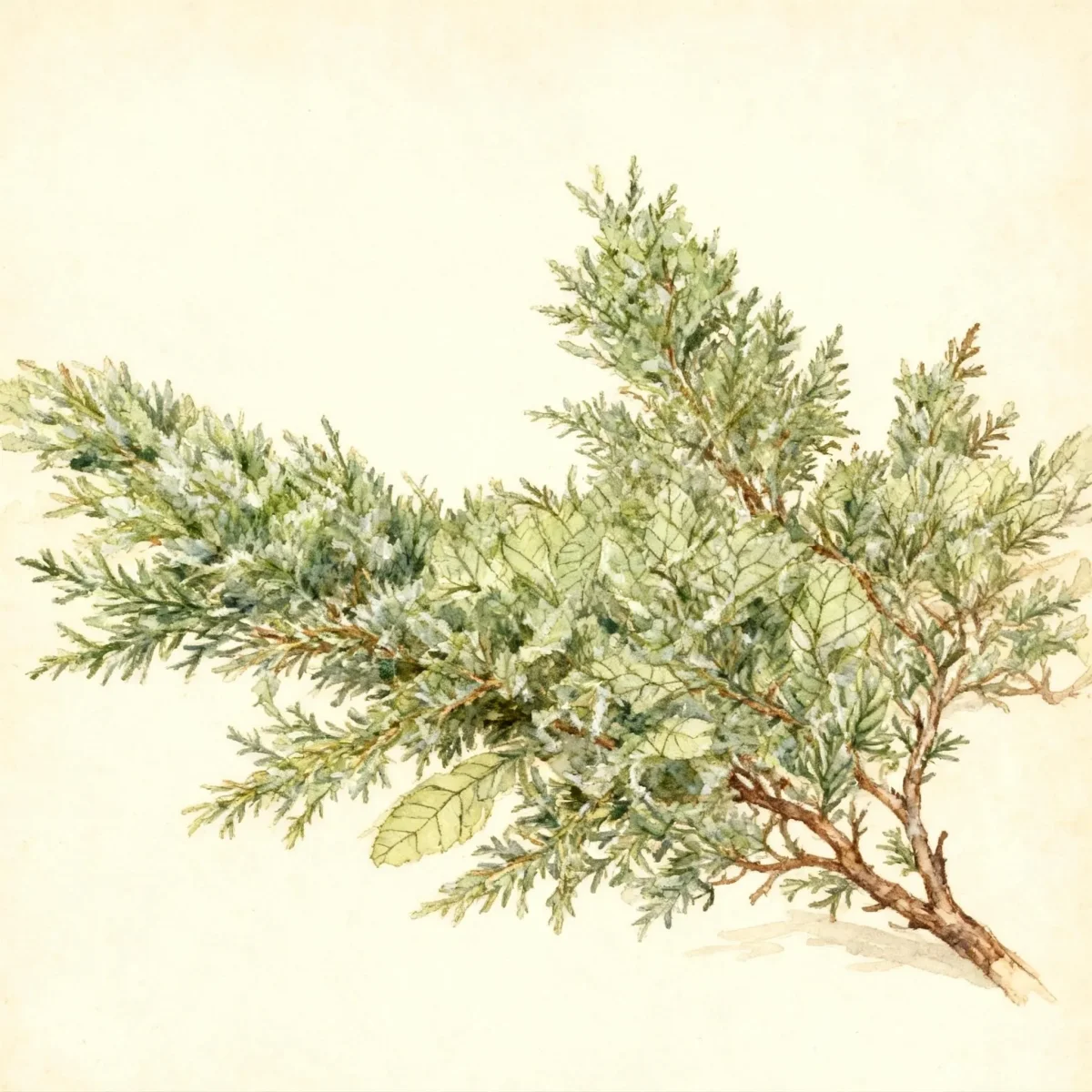
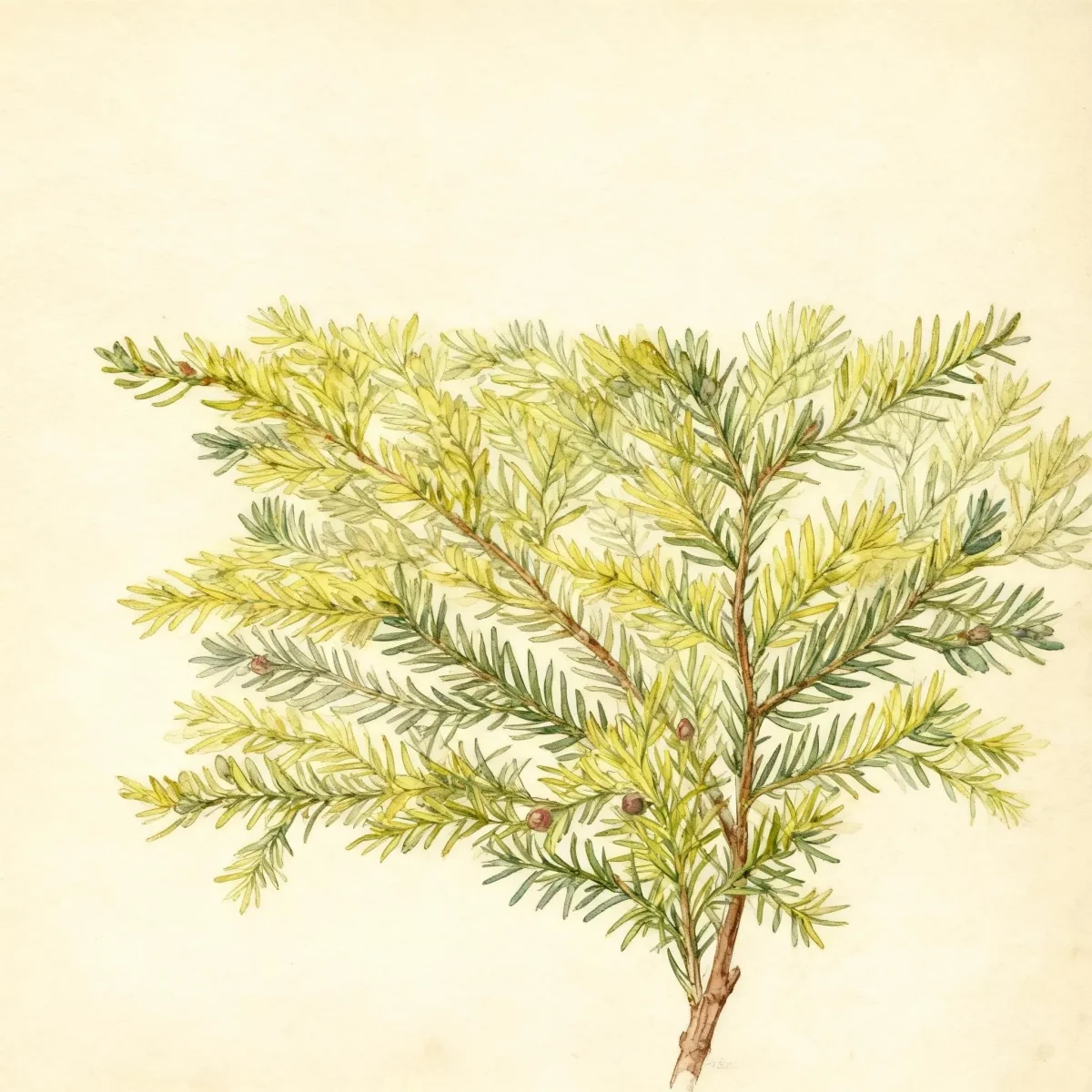
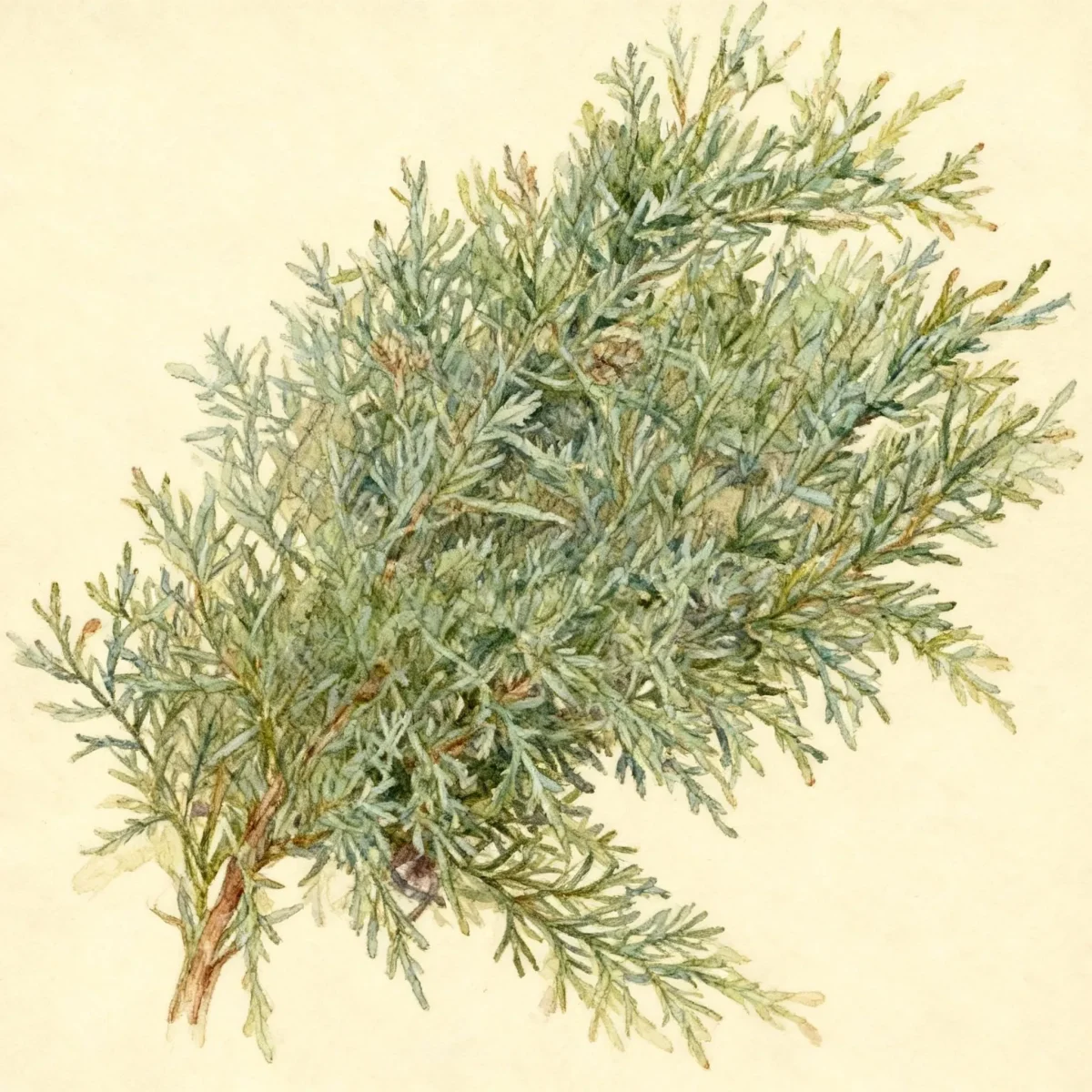
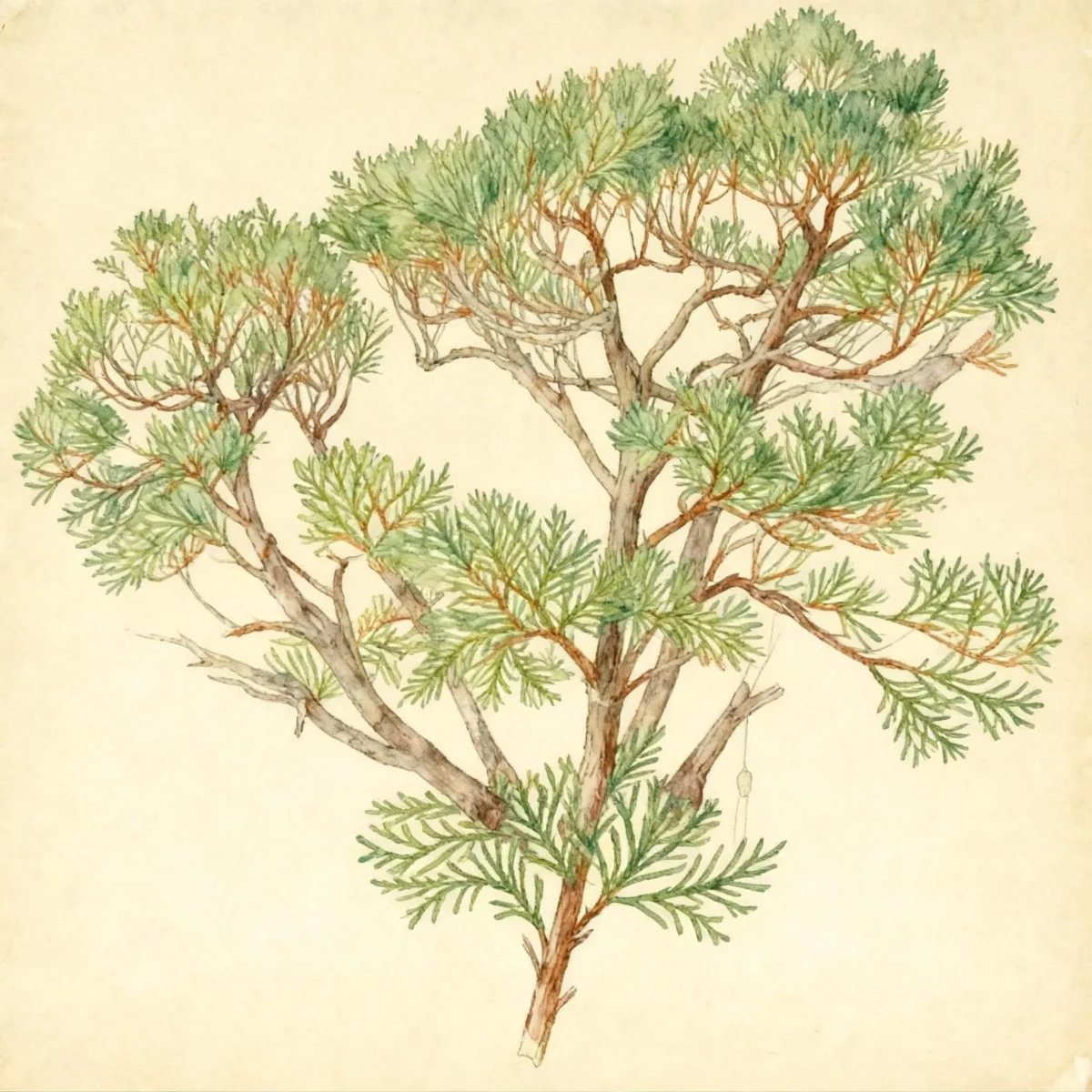
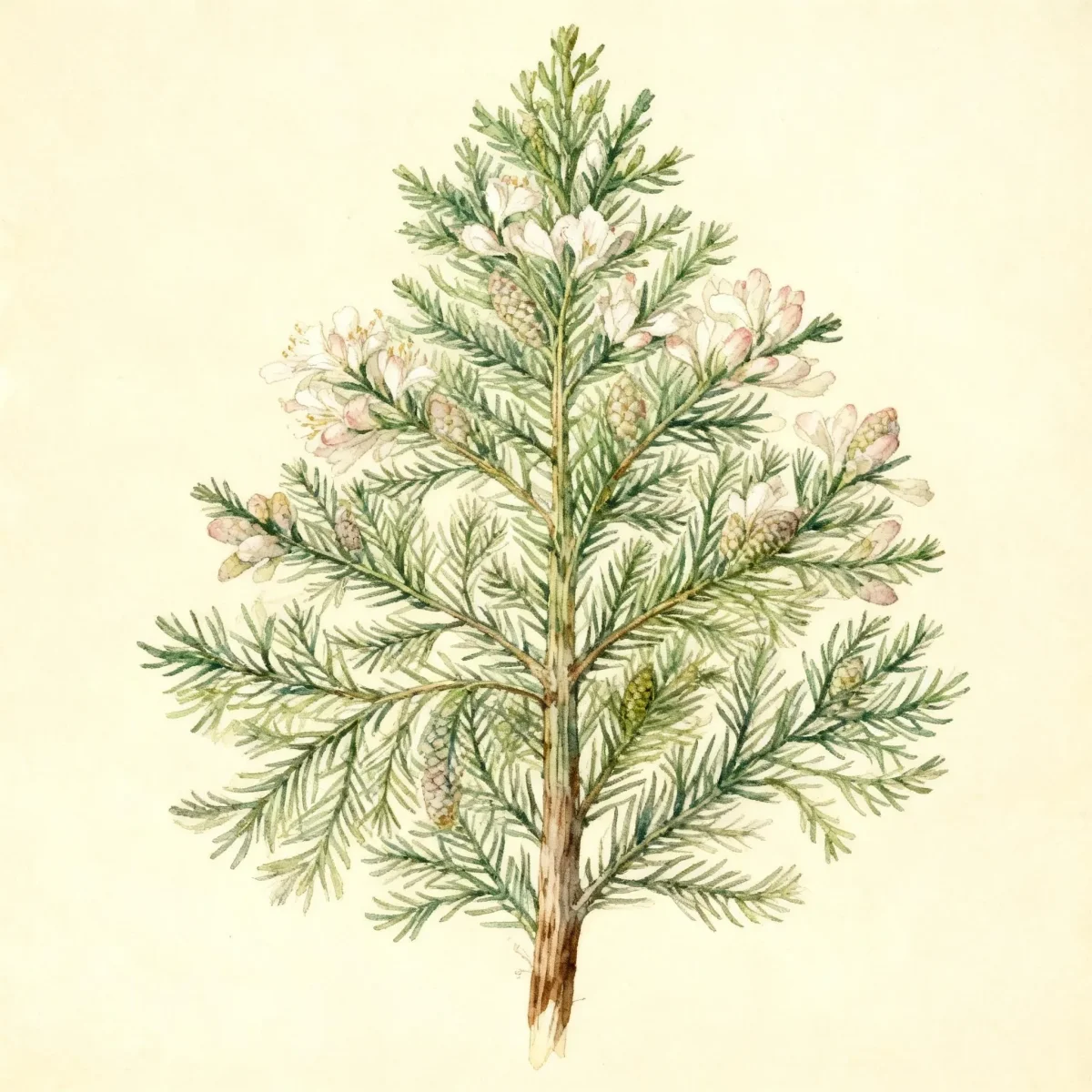
Juniper (Juniperus × pfitzeriana 'Kallay's Compact')
Juniperus × pfitzeriana 'Kallay's Compact' is a low-maintenance, dwarf needled evergreen Juniper perfect for low hedges and rock gardens.
Scroll down to discover growing tips, care requirements, companion plants, and more
Complete Plant Information
Overview
The Juniperus × pfitzeriana ‘Kallay’s Compact’ is a highly valuable cultivar within the Pfitzer Group of junipers, known for its robust constitution and easy-care nature. This needled evergreen provides excellent year-round texture and deep green color, making it a superb choice for year-round structure in the landscape. Gardeners appreciate this specific Juniper for its gracefully spreading, somewhat flattened habit that stays relatively compact.
As a dwarf, shrubby form, Juniperus × pfitzeriana ‘Kallay’s Compact’ typically reaches only three feet tall but can spread up to six feet wide. This dense, spreading habit makes it functional for ground cover or low borders. Furthermore, the foliage releases a pleasant fragrance when crushed, adding a sensory dimension to any garden space where this handsome Juniper is planted.
Its tolerance for varied, and sometimes harsh, growing conditions further enhances its appeal. Requiring only full sun and medium water once established, this hardy plant is surprisingly versatile. Whether used as a low hedge or placed within challenging xeriscapes, the Juniperus × pfitzeriana ‘Kallay’s Compact’ offers dependable, low-maintenance evergreen beauty.
Fast Facts
- Plant Family: Cupressaceae
- Plant Type: Needled evergreen
- Hardiness Zones: USDA Zones 4-9
- Size at Maturity:
- Height: 2-3 ft
- Spread: 3-6 ft
- Bloom Time: Non-flowering
- Sun Exposure: Full sun
- Water Needs: Medium
- Maintenance Level: Low
How to Grow
Juniperus × pfitzeriana ‘Kallay’s Compact’ thrives when planted in early spring or fall, avoiding the stress of extreme summer heat. It requires full sun exposure to maintain its dense growth and best color. This Juniper is highly adaptable to soil types, tolerating clay and dry conditions, but success hinges on ensuring excellent drainage; it must never be planted in wet, poorly drained locations where root rot is a risk.
Care throughout the growing season is minimal, living up to its low maintenance rating. Water consistently to establish the root system, especially during the first year. Once mature, this Juniper exhibits good drought tolerance. Fertilizing is generally unnecessary unless the soil is extremely poor. Occasional pruning can be employed to manage its shape and encourage denser growth if necessary.
Be mindful of air quality when citing this plant; the Juniper is notably tolerant of many city air pollutants, making it suitable for urban plantings. In winter, ensure the plant is not exposed to harsh drying winds, although its hardiness zones (4-9) suggest strong cold tolerance for most regions. Clean up any fallen debris promptly to discourage fungal issues.
Landscape Uses
The compact, wide-spreading habit of Juniperus × pfitzeriana ‘Kallay’s Compact’ makes it exceptionally versatile. It performs perfectly as a low hedge, providing a non-fussy border along walkways or property lines where taller shrubs would overwhelm the space. Its form naturally lends itself to rock gardens where its trailing branches can spill gracefully over stone edges.
This Juniper is also an excellent selection for foundation plantings near buildings, offering reliable green coverage year-round without excessive pruning demands. When used as a spreading ground cover shrub, it effectively suppresses weeds while providing excellent erosion control, particularly on slopes where drought tolerance is beneficial. Pair it with contrasting textures like hostas (in partial shade areas near the edge) or deciduous shrubs that offer bright fall color.
Standout Features
Fruit Qualities
- Showy
Noteworthy Characteristics
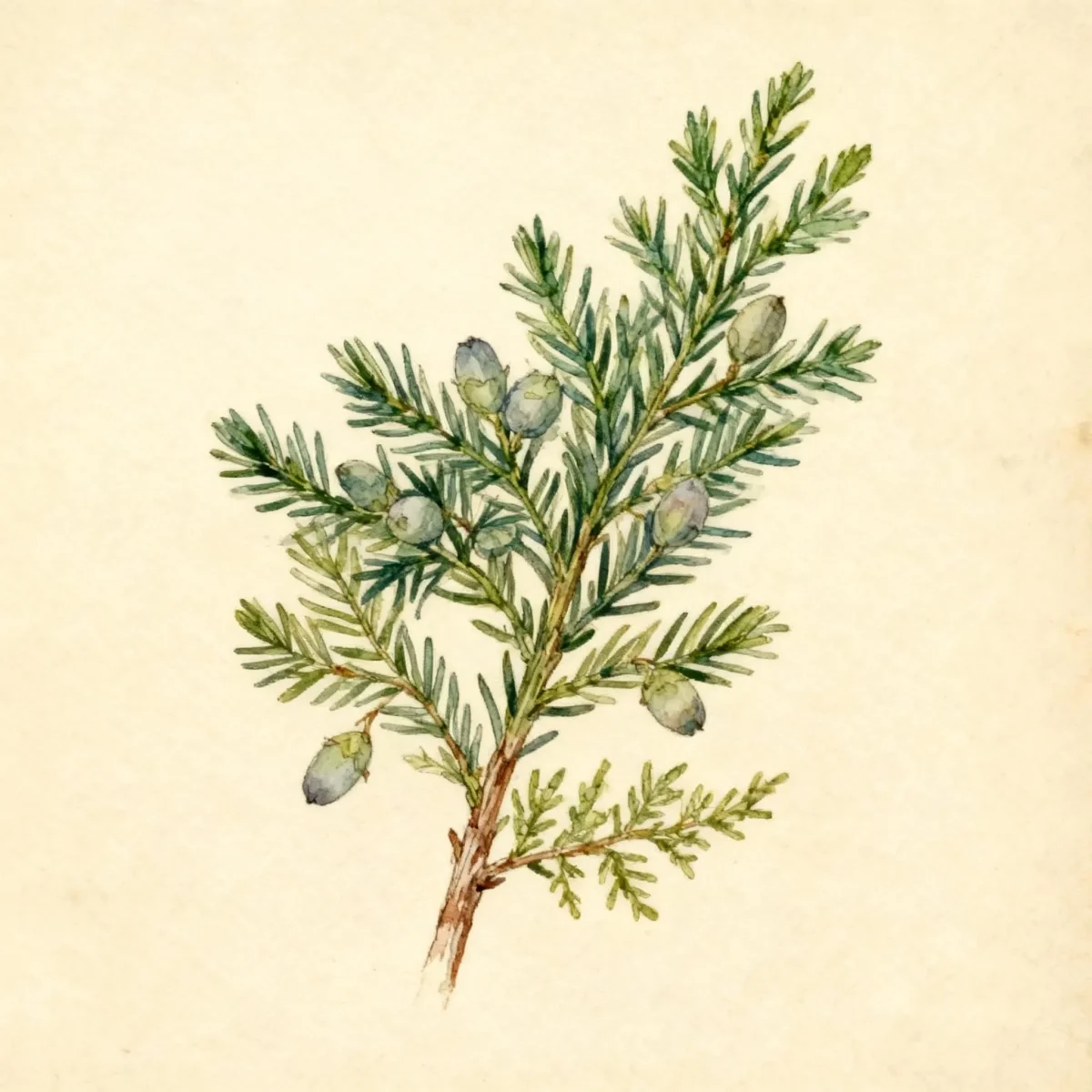
Juniperus × pfitzeriana is a hybrid designation that includes certain cultivars that are crosses between J. Chinensis and J. Sabina. Such cultivars in the Pfitzer Group are sometimes commonly called pfitzer juniper. The genus name comes from the Latin name for the juniper. ‘Kallay’s Compact’ is a dwarf, shrubby, pfitzer-type juniper that typically grows to only 3’ tall but spreads to 6’ wide with horizontally-spreading branching that forms a somewhat flat top. Adult, scale-like, medium green needles are soft to the touch, and the foliage is fragrant when crushed.
Tolerances
- Deer
- Drought
- Erosion
- Dry Soil
- Shallow-Rocky Soil
- Air Pollution
Potential Problems
Junipers are generally susceptible to several common diseases and pests, requiring yearly vigilance. Tip and needle blights can appear, often linked to overhead watering or poor air circulation. Cedar-apple rust and related rust diseases are a concern, as junipers serve as an alternate host for part of their life cycle; managing nearby apple or hawthorn trees can help mitigate this risk.
Root rot is a significant danger if the soil drains poorly, as this shrub strongly dislikes wet feet. If you notice yellowing or dieback, check soil conditions immediately. Canker diseases can attack the bark or main stems, often entering through wounds. For insect management, watch for occasional sporadic pests like aphids, scale insects, bagworms, and webworms, typically treatable with horticultural oils or targeted insecticides.
Frequently Asked Questions
What hardiness zones is Juniperus × pfitzeriana ‘Kallay’s Compact’ suitable for?
This handsome Juniper is adaptable across a wide range, suitable for USDA Zones 4 through 9.
How large does Juniper (Juniperus × pfitzeriana ‘Kallay’s Compact’) grow?
It typically matures to a height between 2 and 3 feet, but enjoys a much wider spread, reaching 3 to 6 feet wide.
What sun exposure does Juniper need?
This evergreen requires a commitment to Full sun exposure to achieve the best, densest growth habit.
When does Juniperus × pfitzeriana ‘Kallay’s Compact’ bloom?
This plant is classified as Non-flowering, meaning it does not produce noticeable flowers, though female plants develop attractive, small seed cones.
Conclusion
The Juniperus × pfitzeriana ‘Kallay’s Compact’ stands out as a rugged, low-maintenance evergreen offering year-round structure and exceptional adaptability. Its fragrant foliage and spreading habit make this particular Juniper a reliable workhorse for foundations, slopes, and low hedges. Before planting, confirm your site receives full sun and inquire about local best practices for managing potential blights common to the Juniper genus.
Companion Planting
Selecting appropriate companions ensures that neighboring plants share similar cultural needs, maximizing the health of your Juniperus × pfitzeriana ‘Kallay’s Compact’. Since this Juniper prefers sharp drainage and full sun, perennial partners like Sedum, creeping Thyme, or ornamental grasses are excellent matches, thriving under the same dry, sunny conditions. Avoid planting moisture-loving perennials directly beneath its canopy, as this increases the risk of root rot for the Juniper.
When accenting this medium-green shrub, consider color contrast. Utilizing plants with silver or chartreuse foliage, such as certain Artemisia cultivars or Japanese Forest Grass (Hakonechloa) placed where it gets morning sun only, will make the deep green needles of the Juniper pop visually. The low profile of the Juniperus × pfitzeriana ‘Kallay’s Compact’ allows you to feature taller specimens directly behind it without obscuring the entire view.
Design Ideas for Low Hedges
Using Juniperus × pfitzeriana ‘Kallay’s Compact’ for low hedging provides a softer, more informal edge than tightly sheared boxwood hedges. Because it spreads wider than it grows tall (3-6 ft spread vs. 2-3 ft height), plan for adequate spacing—at least 3 feet between plants—to allow the natural, dense mat to form effectively. This creates an excellent transition between manicured lawn areas and garden beds.
In contemporary landscaping, this spreading Juniper is superb when allowed an unpruned, mounded appearance near patios or decks, providing functional screening without blocking sightlines. For formal contrast, line a walkway with low-growing edging materials, then allow the Juniper to cascade sightly over the edge as a textural, living border. This application showcases its moderate size and attractive scale-like needles.