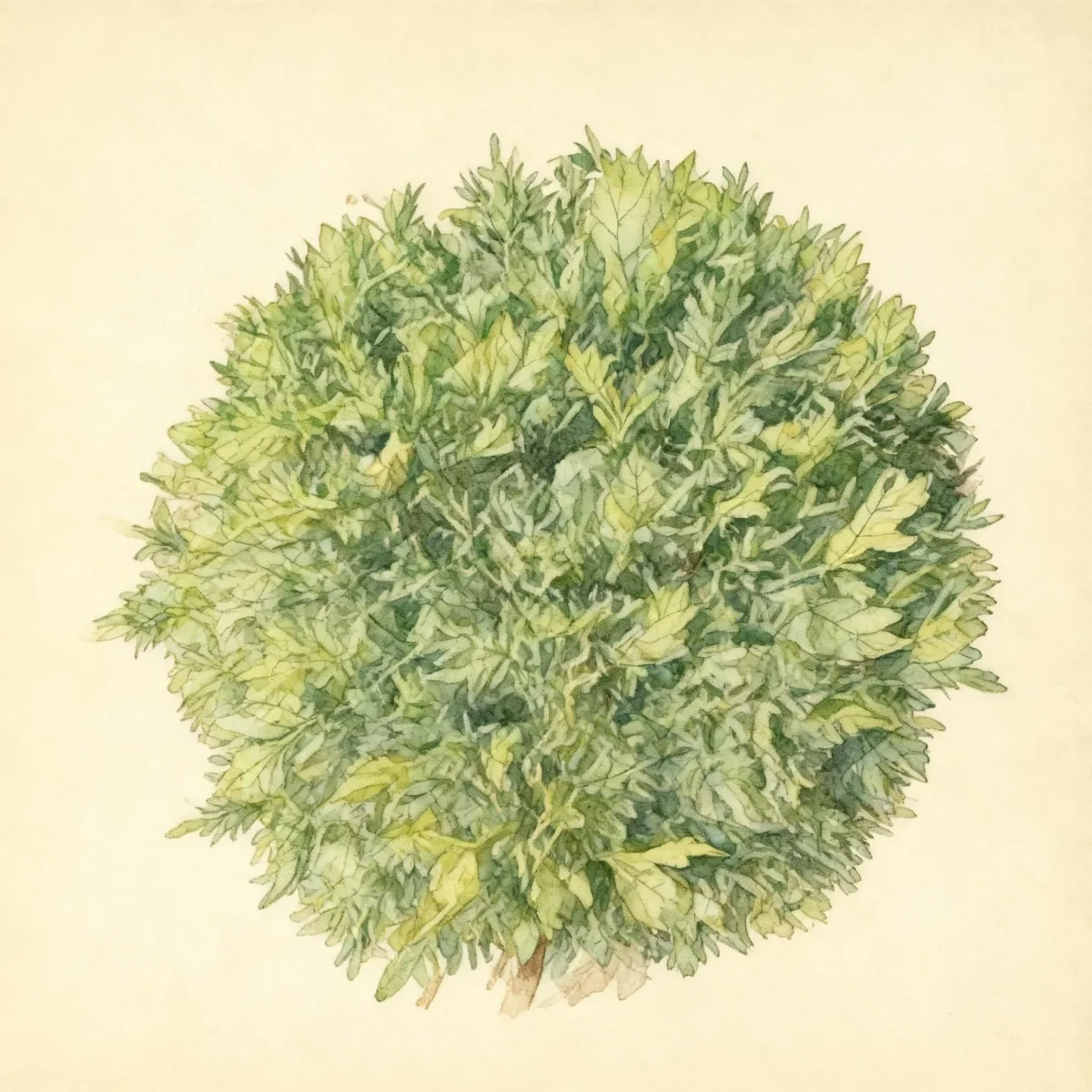
Chinese juniper (Juniperus chinensis 'Perfecta')
Juniperus chinensis 'Perfecta' is a handsome, low-maintenance, needled evergreen perfect for structure or screening in US Zones 4-9.
Scroll down to discover growing tips, care requirements, companion plants, and more
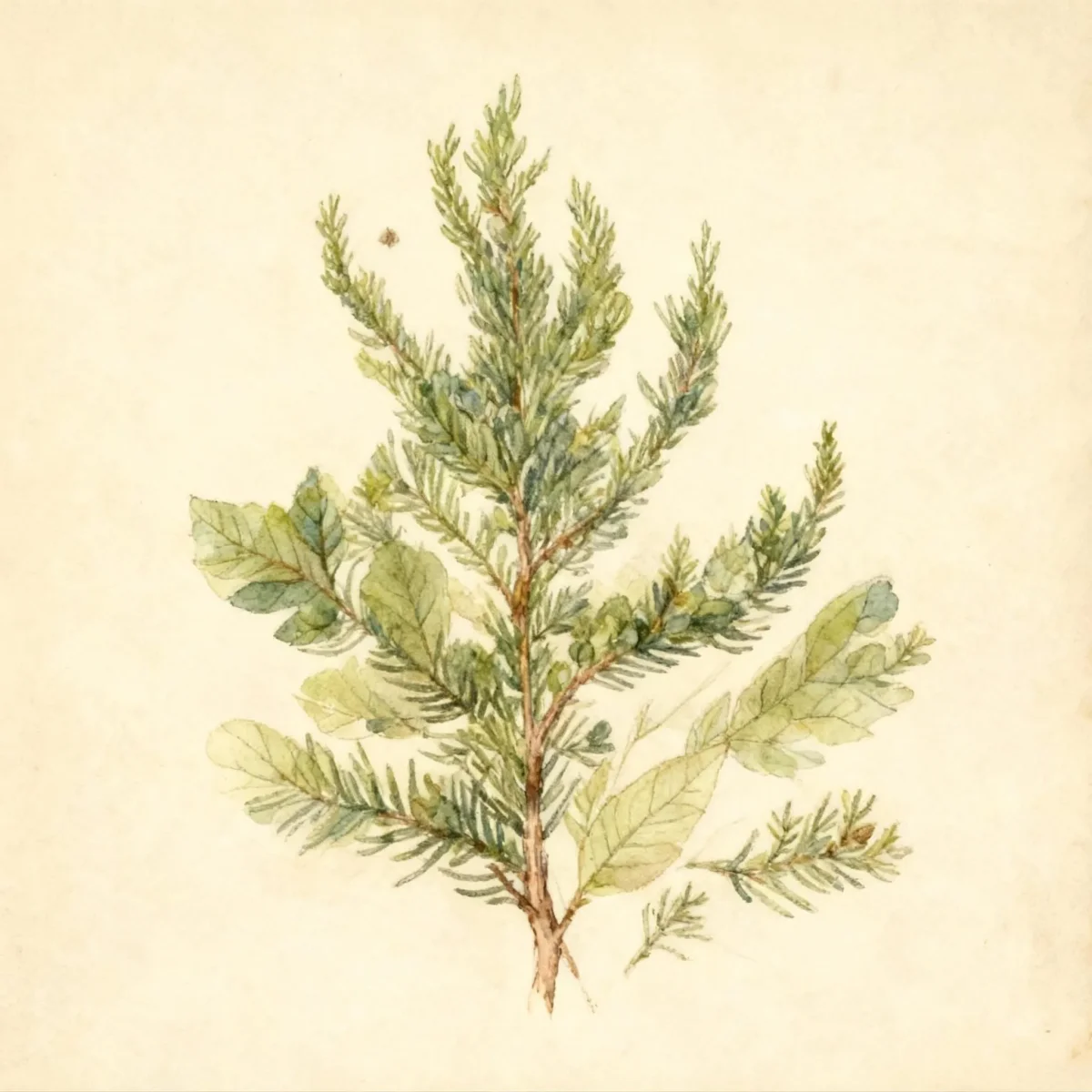
Complete Plant Information
Overview
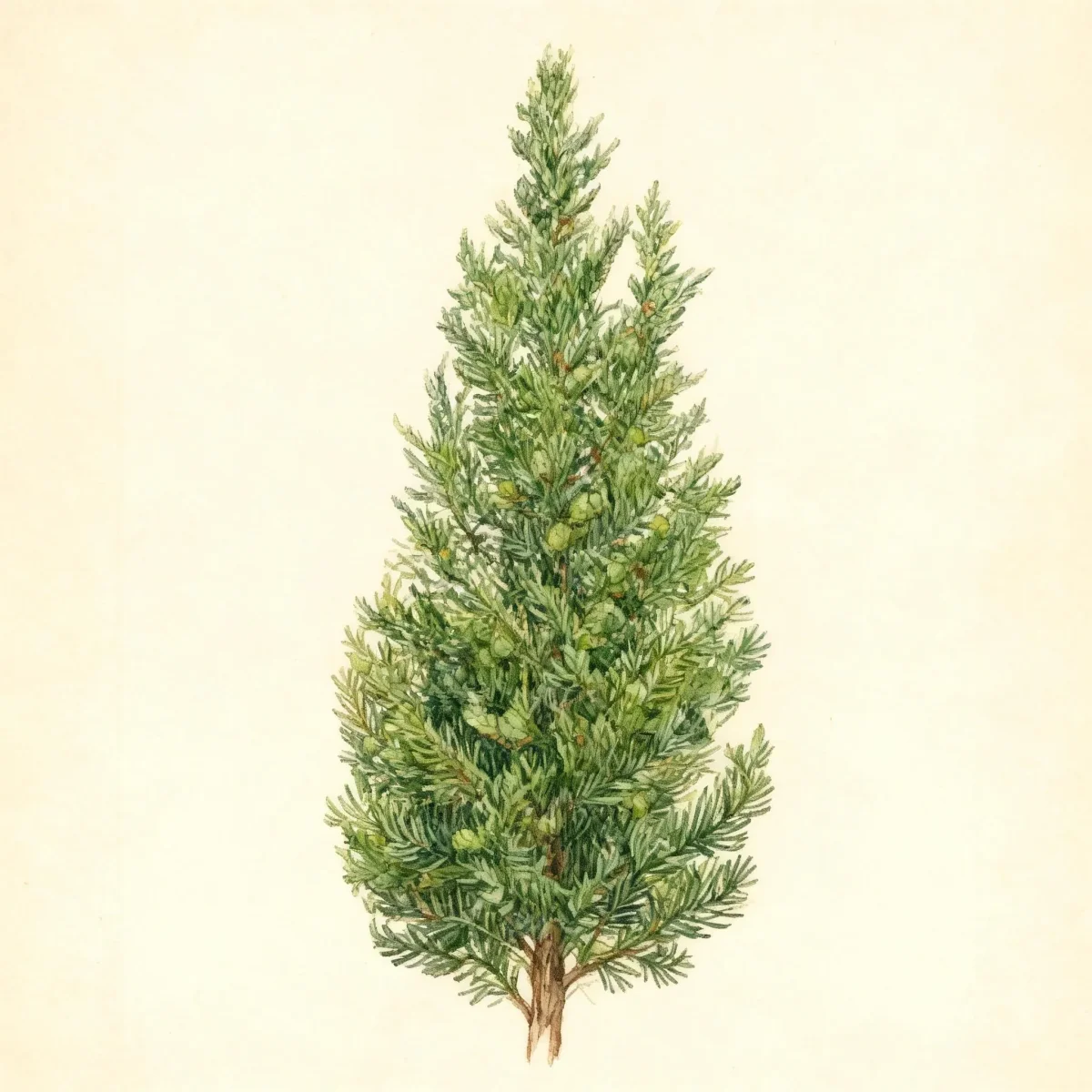
Juniperus chinensis ‘Perfecta’, commonly known as Chinese juniper, is a highly prized, upright, narrow-pyramidal needled evergreen celebrated for its year-round visual appeal. Selected cultivars like ‘Perfecta’ offer reliable structure, maturing into an attractive shape ideal for formal landscape elements or accent planting. This conifer brings year-round dark green texture to the garden, making it an indispensable anchor plant in mixed borders and foundation plantings.
As a low-maintenance specimen, the Chinese juniper thrives when sited in full sun and is remarkably adaptable to various soil types, including clay, provided drainage is adequate. While it prefers average moisture, established plants exhibit impressive drought tolerance, reducing long-term water demands for the conscientious gardener. Its ability to handle urban stresses further solidifies the value of Juniperus chinensis ‘Perfecta’ in modern landscapes.
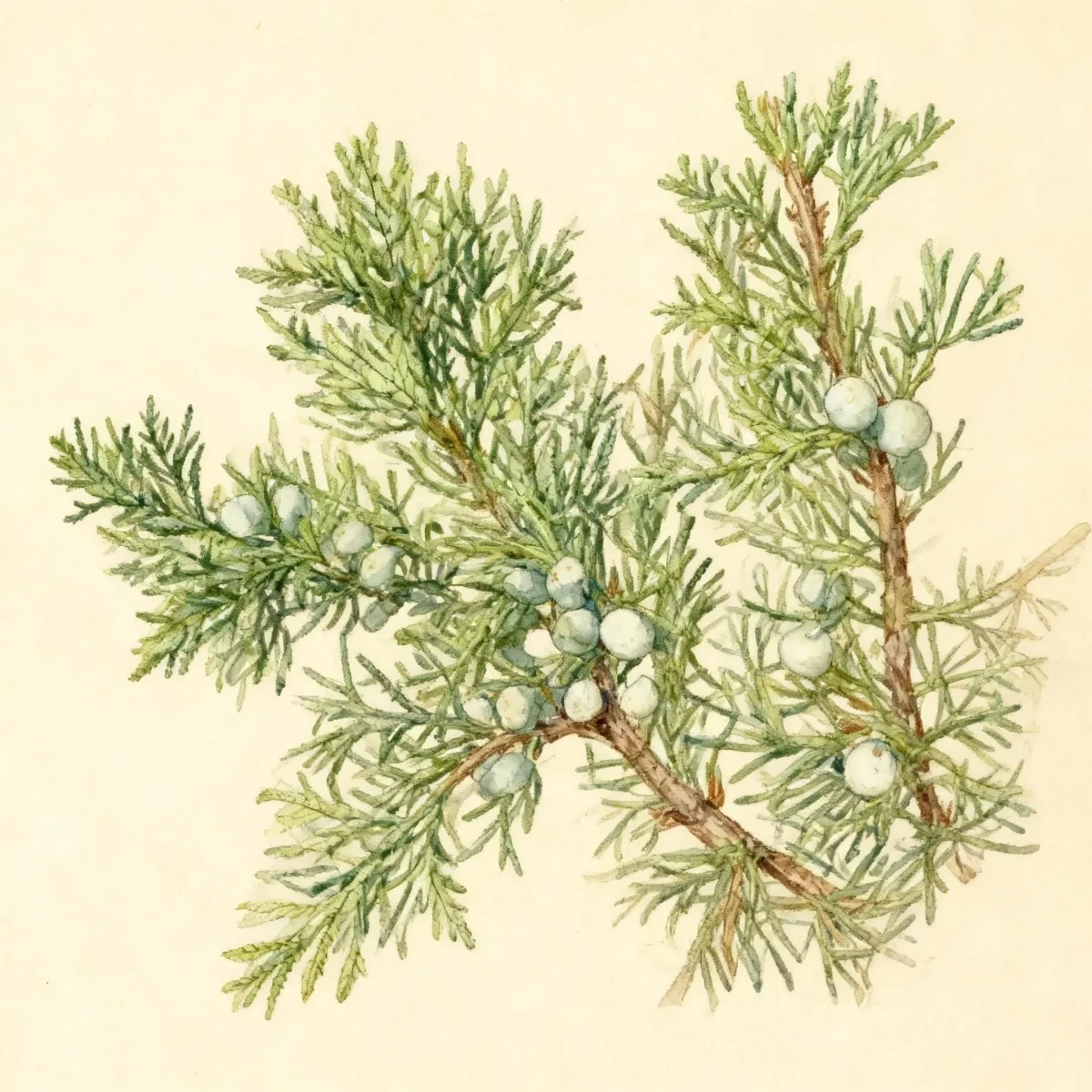
This plant is dioecious, meaning both male and female plants are needed for berry production, though the primary ornamental value lies in its evergreen foliage and stately, upright habit throughout the seasons. If fortunate to have filtering female cones, they emerge whitish-blue before aging to violet-brown tones.
Fast Facts
- Plant Family: Cupressaceae
- Plant Type: Needled evergreen
- Hardiness Zones: USDA Zones 4-9
- Size at Maturity:
- Height: 15-18 ft
- Spread: 6-8 ft
- Bloom Time: Non-flowering
- Bloom Description: Non-flowering
- Sun Exposure: Full sun
- Water Needs: Medium
- Maintenance Level: Low
How to Grow
For optimal health, site Juniperus chinensis ‘Perfecta’ where it receives full, direct sunlight throughout the day. While it excels in good, well-drained soils, this variety shows remarkable tolerance for heavier clay soils, which is a significant benefit in many garden settings. Avoid planting locations where water tends to pool, as this species is intolerant of wet soils and is susceptible to root rot in saturated conditions.
Watering should be regular when the plant is young or newly planted to help establish a deep root system. Once established, the Chinese juniper exhibits good drought tolerance and requires only medium water input, responding well to deep, infrequent soaking rather than shallow, daily watering. Fertilization is rarely necessary; however, a light application of an all-purpose evergreen fertilizer in early spring can benefit plants situated in nutrient-poor conditions.
Pruning for formal shaping is minimal due to the cultivar’s naturally appealing narrow-pyramidal form. Most pruning involves light shaping or removing any dead or damaged foliage, preferably during late winter before new spring growth begins. Since Juniperus chinensis ‘Perfecta’ tolerates many city air pollutants, it is a reliable choice for adding structure near urban hardscapes.
Landscape Uses
The defined, upright structure of Juniperus chinensis ‘Perfecta’ makes it an excellent architectural specimen in the landscape. Its narrow profile (6–8 ft spread relative to its height) allows placement in smaller yard spaces or where room for sprawling junipers is limited. Use several plants to create a solid, formal screen or hedge that offers robust winter interest.
This Chinese juniper works beautifully when positioned near entryways or flanking important architectural features where a vertical accent is desired. Pair its dark green foliage with contrasting textures, such as broadleaf deciduous shrubs or fine-textured ornamental grasses that will complement its year-round color. Its tolerance for air pollution also makes it a good candidate for foundation plantings near driveways or street edges.
Standout Features
Fruit Qualities
- Showy
Noteworthy Characteristics
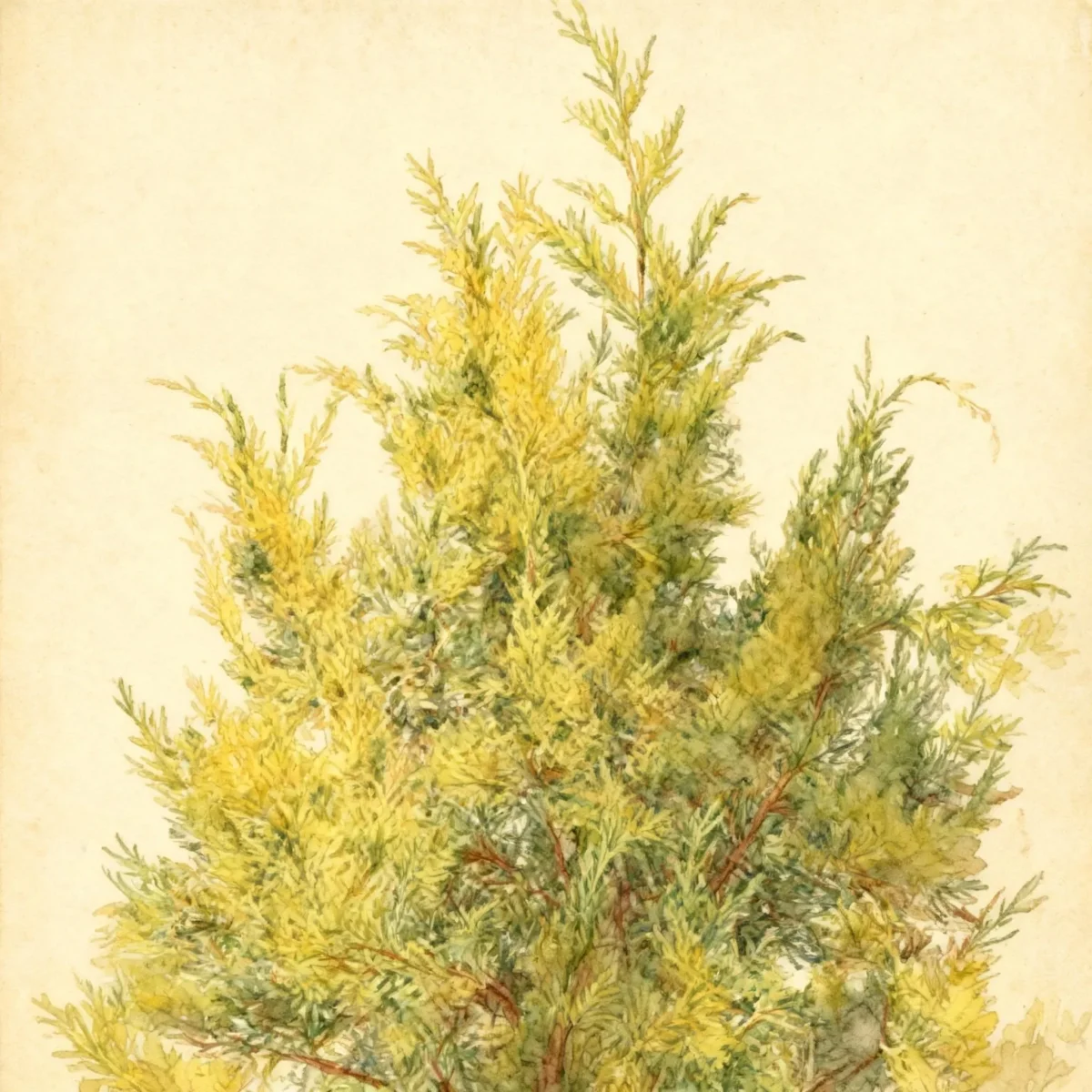
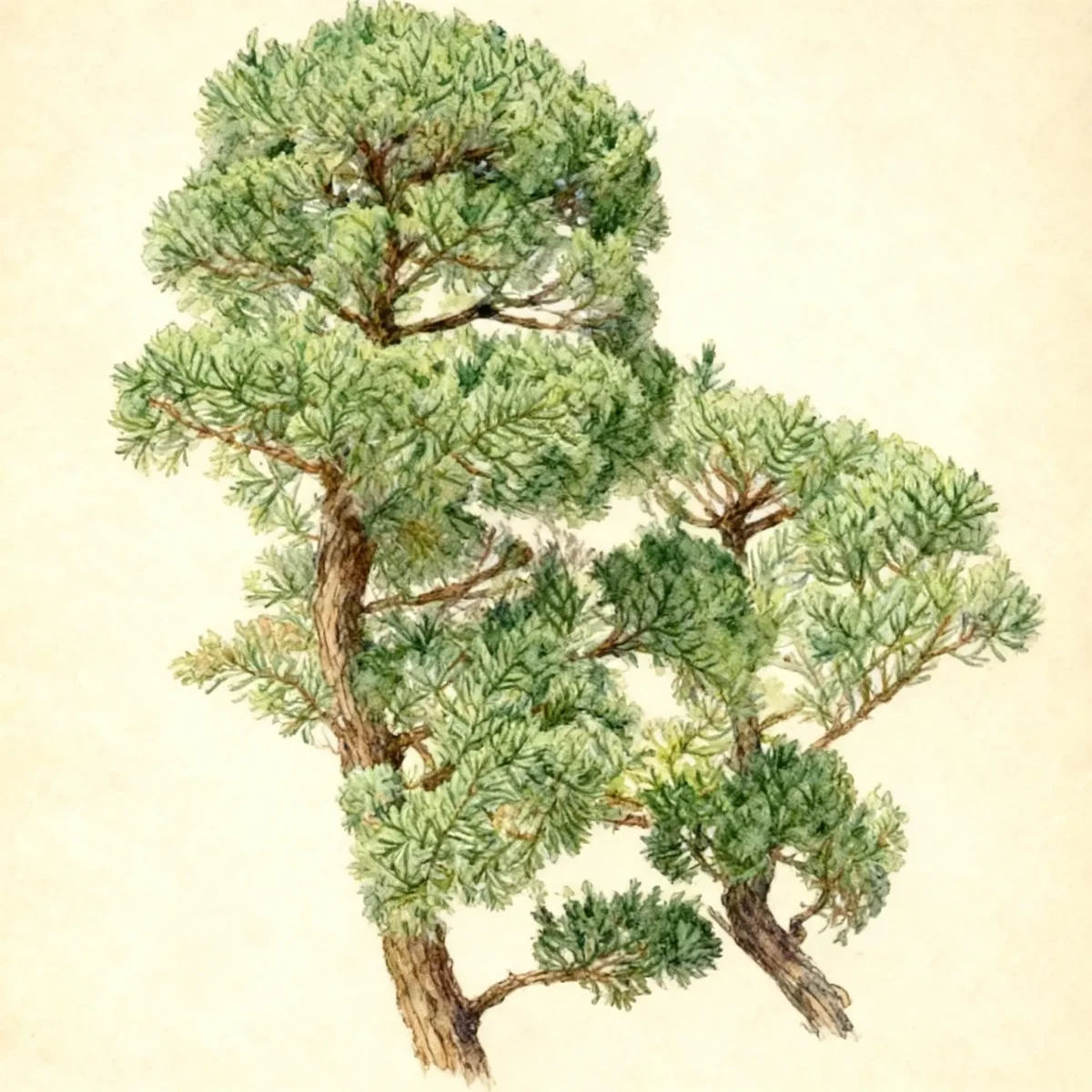
Juniperus chinensis, commonly called Chinese juniper, is a dioecious evergreen conifer that is native to China, Japan, Mongolia and the Himalayas. It is often seen in the wild as a conical tree to 50’ tall and 20’ wide, but also appears in much shorter shrubby or spreading forms. Foliage is dark green. Brown bark on mature stems peels in strips. Although species plants are rarely sold in commerce, a large number of cultivated varieties ranging in size from large trees to large/small shrubs to low-growing groundcovers have become popular ornamental landscape plants. Chinese juniper leaves come in two types: scale-like (adult) and awl/needle-like (juvenile). Cones (pollen and seed-bearing) appear on different plants. Male plants produce catkin-like pollen cones. Female plants produce fleshy, berry-like, whitish-blue seed cones that usually acquire violet-brown tones as they mature over two years.Genus name comes from the Latin name for the juniper.Specific epithet means of China.‘Perfecta’ is an upright, narrow-pyramidal cultivar that grows to 15-18’ tall and to 6-8’ wide. Foliage is attractive throughout the year.
Tolerances
- Deer
- Drought
- Erosion
- Dry Soil
- Shallow-Rocky Soil
- Air Pollution
Potential Problems
Junipers are generally susceptible to tip and needle blights, which appear as browning or dying foliage tips. Ensure good air circulation around the Juniperus chinensis ‘Perfecta’ to minimize fungal issues. Cedar-apple rust and related rust diseases are another concern, requiring preventative fungicide treatments if nearby apple or hawthorn trees are present where the pathogen completes its life cycle.
Poor drainage is a major catalyst for more serious issues. Root rot may occur, particularly in wet, poorly drained soils, leading to significant decline or plant death. Additionally, watch for canker, which attacks the bark or main stems, often entering through wounds. Inspect regularly for occasional insect pests, including aphids, bagworms, webworms, and various scale insects, which should be managed with horticultural oils or insecticides as needed.
Frequently Asked Questions
What hardiness zones is Chinese juniper suitable for?
Juniperus chinensis ‘Perfecta’ is suitable for USDA Hardiness Zones 4 through 9.
How large does Juniperus chinensis ‘Perfecta’ grow?
This cultivar typically reaches 15 to 18 feet tall with a spread between 6 and 8 feet wide.
What sun exposure does Chinese juniper need?
The Chinese juniper requires full sun exposure to maintain dense foliage and a strong, upright shape.
When does Juniperus chinensis ‘Perfecta’ bloom?
This plant is non-flowering, meaning it does not produce noticeable flowers; its ornamental interest comes from its evergreen needles and occasional cones.
Conclusion
Juniperus chinensis ‘Perfecta’ offers gardeners a robust, formal vertical element with minimal upkeep required, making it an excellent backbone plant for year-round structure. Utilize this handsome Chinese juniper where you need dependable texture, screening ability, or drought tolerance. Before planting, always confirm your specific growing location falls within USDA Zones 4 to 9 and ensure the site has excellent drainage.
Companion Planting
When designing a border around your Chinese juniper, select plants that share similar cultural requirements for sun and water conservation. Consider pairing the upright Juniperus chinensis ‘Perfecta’ with structural, low-water perennials like Russian Sage (Perovskia atriplicifolia) or the architectural form of ornamental grasses such as Blue Fescue (Festuca glauca). These companions maintain visual interest even when the juniper is dormant or during dry summer spells.
For foundational plantings, utilizing low-growing sedums or creeping thyme around the base of the juniper helps suppress weeds while reinforcing the low-maintenance theme. Since junipers tolerate drier conditions once established, avoid pairing them directly with heavy water users like astilbes or hostas, as this will lead to overwatering the juniper or underwatering the moisture-loving companions.
Seasonal Care Calendar
Spring is the best time to evaluate the health of your Juniperus chinensis ‘Perfecta’ after winter dormancy. Clear away any accumulated leaf debris from around the base to improve air circulation near the root zone, which helps prevent fungal diseases from establishing. If necessary, apply a slow-release granular fertilizer formulated for evergreens around the drip line just as new growth begins.
Summer care focuses primarily on watering deeply during extended dry periods, especially during the first two years of establishment. Avoid overhead watering, aiming the hose directly at the soil base. In the late summer or early fall, perform a final check for scale insects or bagworms before cold weather sets in; treating pests before dormancy simplifies spring maintenance.
Wildlife Benefits
Although the Chinese juniper does not produce showy flowers, the small, berry-like cones on female plants offer minor winter interest for birds, though they are not a primary food source for many species. On the foliage, the dense, needled coverage provides excellent protective cover and nesting sites for small garden birds throughout the year, especially small songbirds seeking shelter from harsh winter weather or predators.
The evergreen nature of Juniperus chinensis ‘Perfecta’ is critical for providing year-round habitat structure in the garden ecosystem. In colder climates where deciduous plants lose their leaves, this juniper maintains critical visual screens and windbreaks that birds rely on for security against the elements. Focusing on providing this consistent shelter is a significant functional benefit of using healthy specimens.