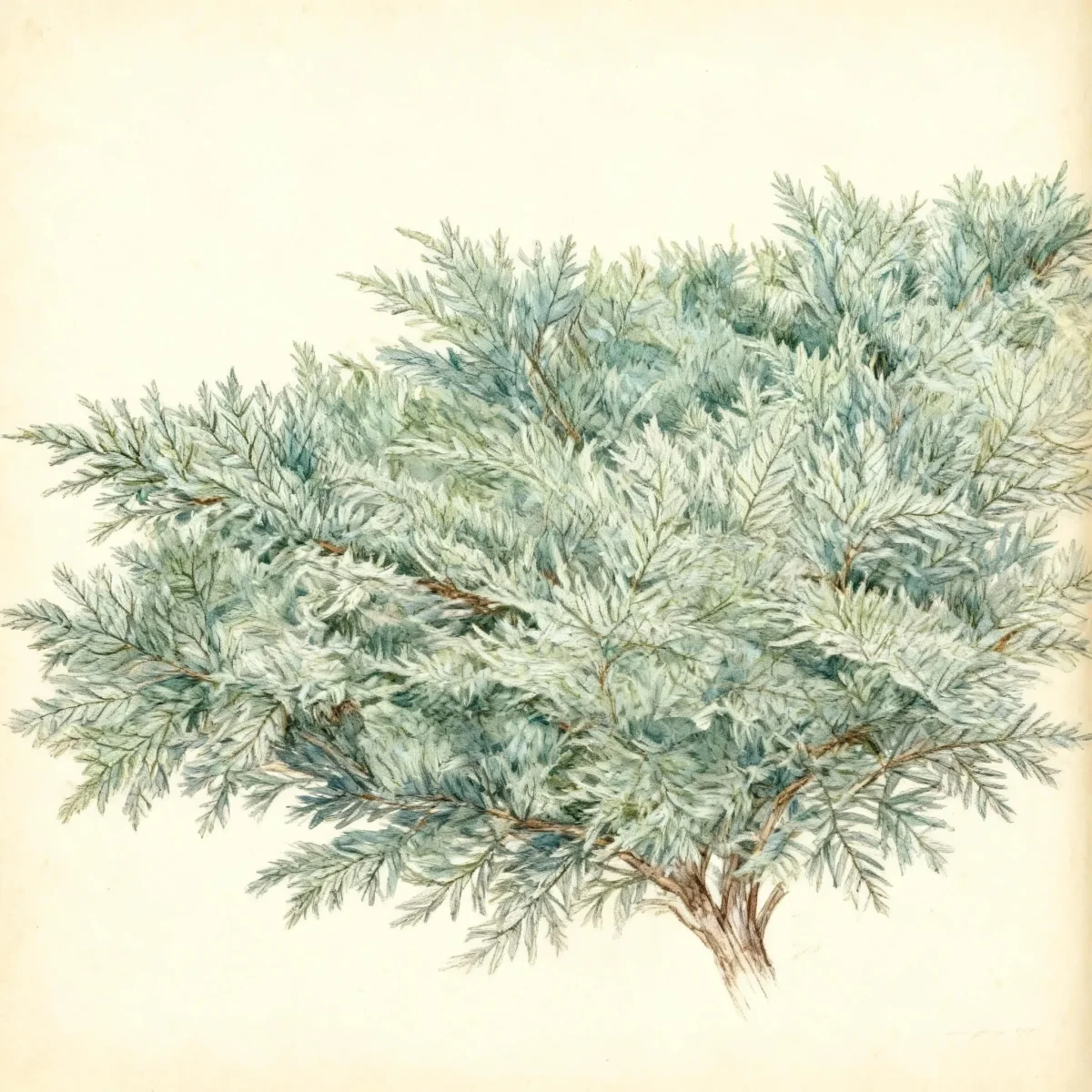
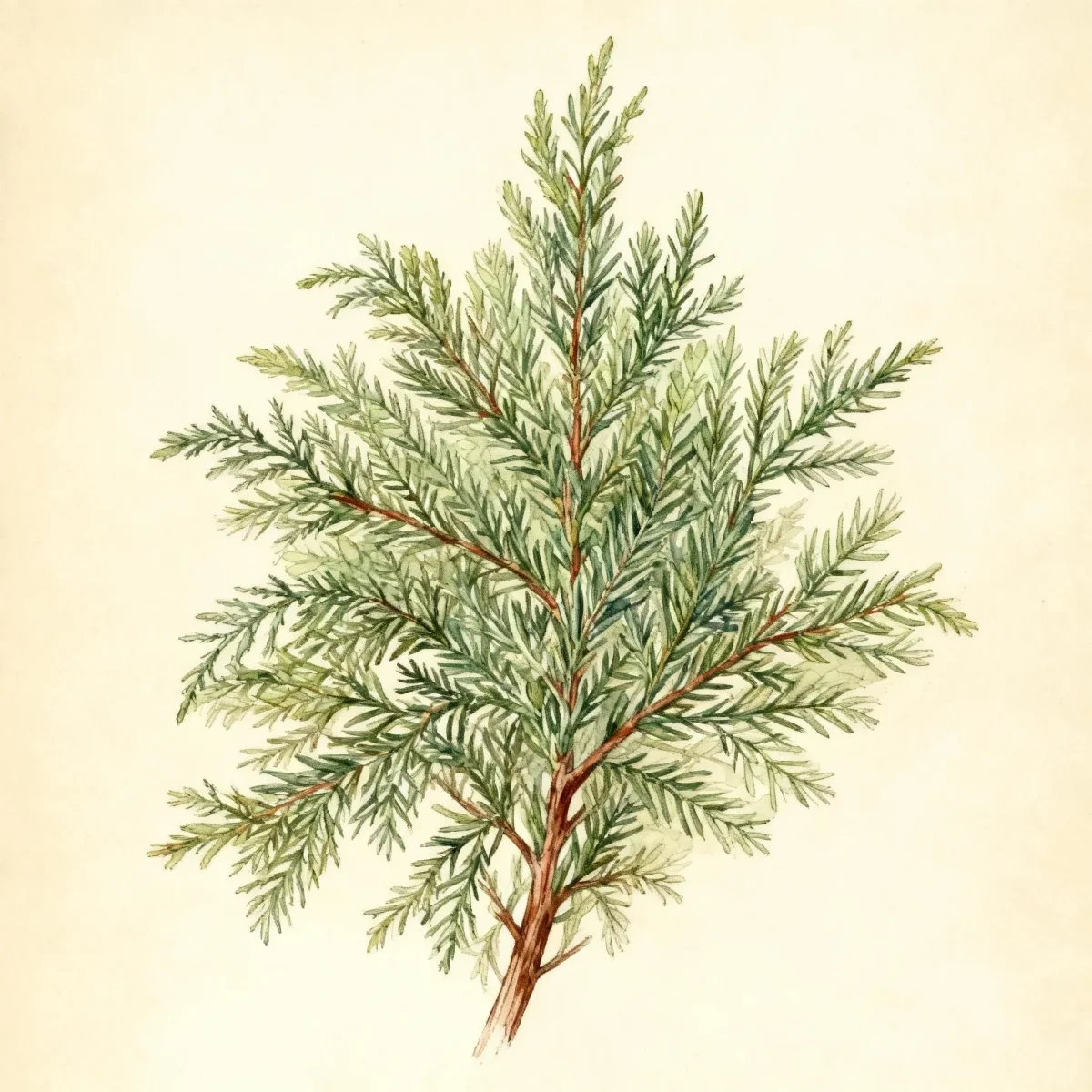
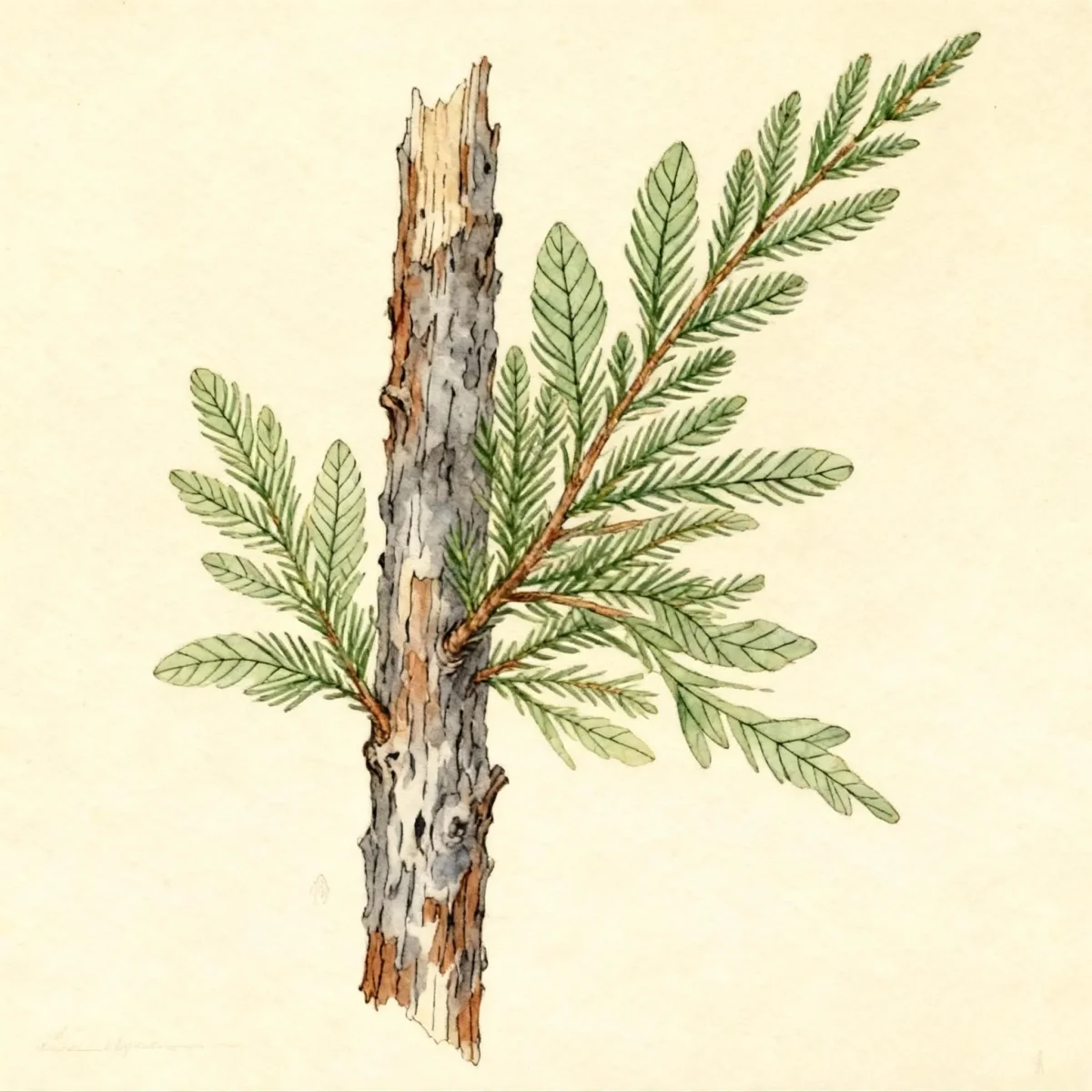
Red cedar (Juniperus virginiana 'Canaertii')
Hardy Juniperus virginiana 'Canaertii' (Red cedar) offers dense, pyramidal form and attractive blue cones, ideal for screens in USDA zones 3-9.
Scroll down to discover growing tips, care requirements, companion plants, and more
Complete Plant Information
Overview
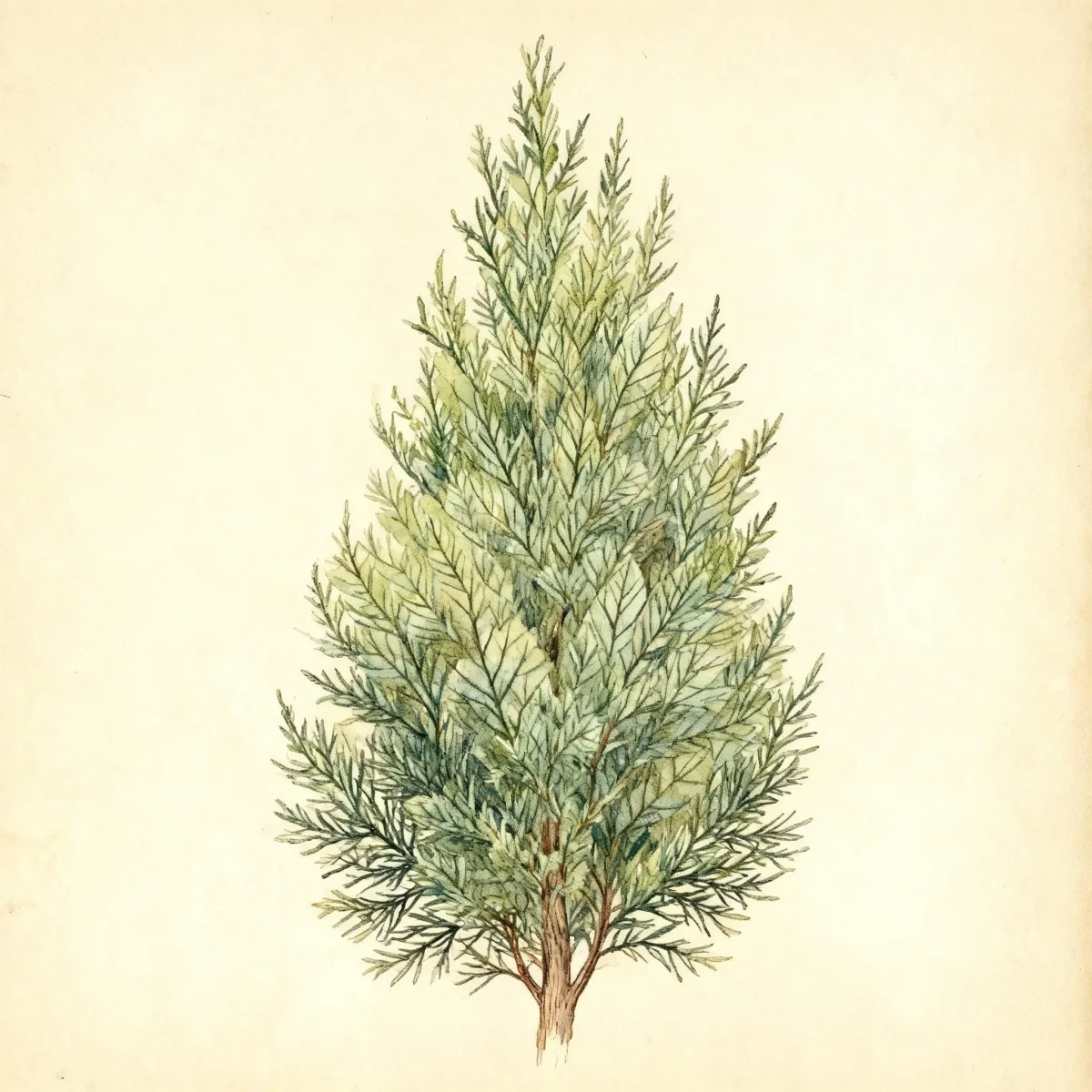
The Juniperus virginiana ‘Canaertii’ is a highly valued cultivar of the Eastern red cedar, prized by homeowners and landscape architects for its reliable, dense, pyramidal habit. This needled evergreen brings consistent, dark green color to the garden, often retaining better winter foliage than the species. Its compact structure makes the Juniperus virginiana ‘Canaertii’ an excellent vertical accent in mixed plantings.
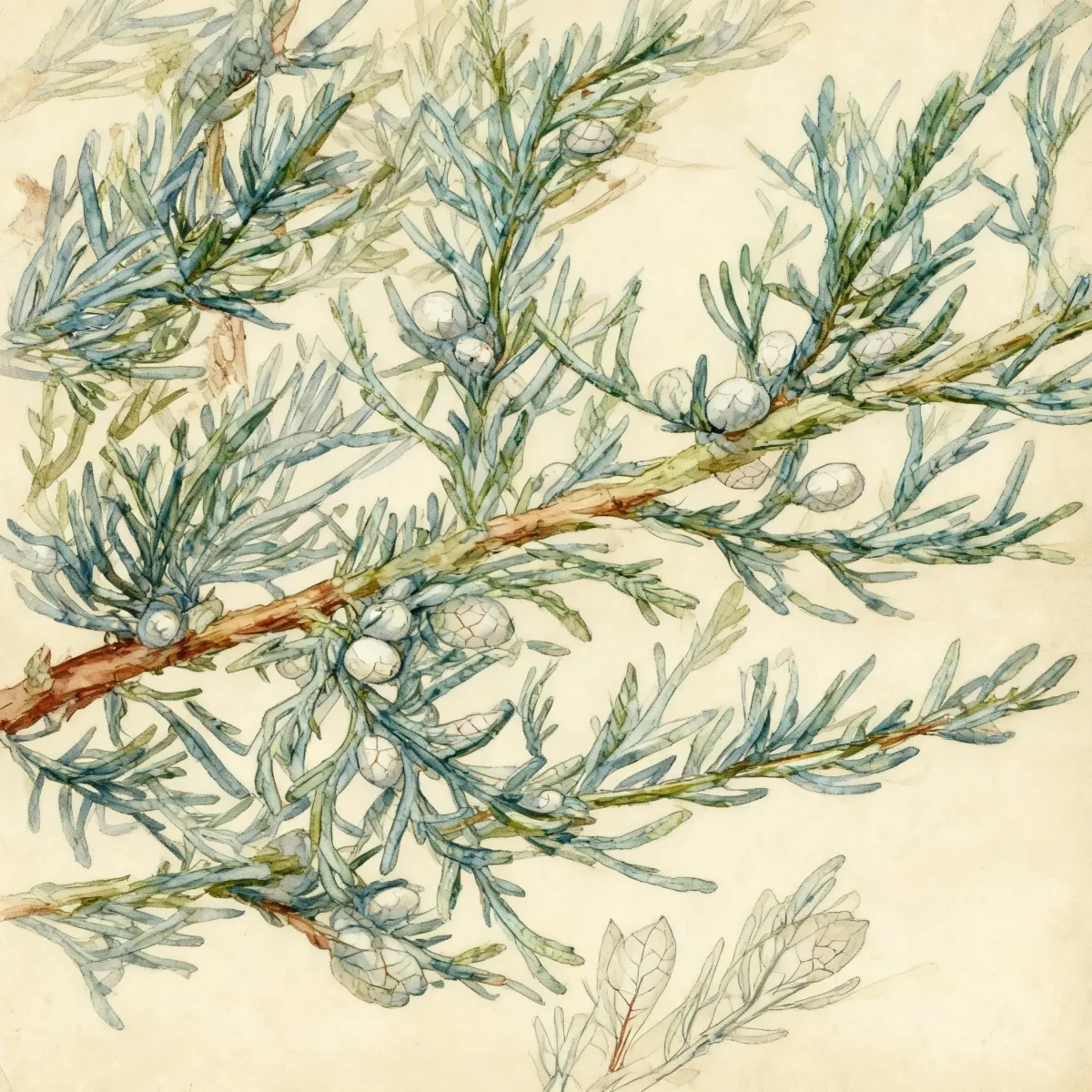
As a low-maintenance conifer, this Red cedar variety offers significant year-round interest, highlighted by profuse, ornamental blue, berry-like cones on female clones. It is exceptionally adaptable, thriving across a wide swath of climates within USDA Zones 3 through 9. Gardeners appreciate the relatively modest size compared to towering forest specimens, making it highly functional for screens and specimens.
Functionally, the robust nature of Juniperus virginiana ‘Canaertii’ means it tolerates tough conditions where other ornamentals fail, including dry soil and roadside pollution. For those seeking evergreen structure without demanding regular pruning or excessive care, this cultivar provides lasting aesthetic impact and year-round screening capacity.
Fast Facts
- Plant Family: Cupressaceae
- Plant Type: Needled evergreen
- Hardiness Zones: USDA Zones 3-9
- Size at Maturity:
- Height: 20-35 ft
- Spread: 8-15 ft
- Bloom Time: Non-flowering
- Bloom Description: Non-flowering
- Sun Exposure: Full sun
- Water Needs: Medium
- Maintenance Level: Low
How to Grow
Planting the Juniperus virginiana ‘Canaertii’ is best executed in spring or fall, allowing the medium water needs to be met during establishment without the stress of summer heat. This Red cedar variety is incredibly adaptable, easily grown in average soils, though it performs best in well-drained locations. It tolerates everything from swamps to dry, rocky glades, showing the best drought resistance of eastern U.S. conifers once established.
For ongoing care, water Juniperus virginiana ‘Canaertii’ regularly during the first growing season; thereafter, supplemental watering is usually only necessary during extended drought periods. Due to its pleasing natural shape, pruning is generally minimal, focusing mostly on the removal of dead or damaged interior wood if necessary. Avoid excessively wet conditions, as this cultivar is intolerant of constantly saturated soil, even though it adapts well to many adverse conditions.
Prepare the planting site by ensuring adequate space for its mature spread of 8 to 15 feet. Though the mature shape opens up, the juvenile stages require good airflow. There are no significant seasonal tasks other than monitoring for common juniper pests, which require prompt attention if observed.
Landscape Uses
The dense, upright growth habit of the Juniperus virginiana ‘Canaertii’ makes it an outstanding choice for creating natural, tall screens on property lines where structure is required year-round. While it functions well as a solitary landscape specimen due to its appealing conical shape in youth, grouping several plants together significantly enhances privacy. It is specifically recommended for large screen installations over formal hedging.
When selecting companions, consider plants that appreciate full sun and tolerate drier conditions once established. Avoid planting this Red cedar near apple trees, as a significant pest concern—cedar apple rust—can affect apple foliage when planted in close proximity to juniper species.
This cultivar provides excellent textural contrast against broadleaf shrubs or deciduous trees, leveraging its deep green needles to anchor plantings during the winter months. The attractive blue cones provide essential late-season color that draws the eye to the evergreen structure.
Standout Features
Fruit Qualities
- Showy
Noteworthy Characteristics
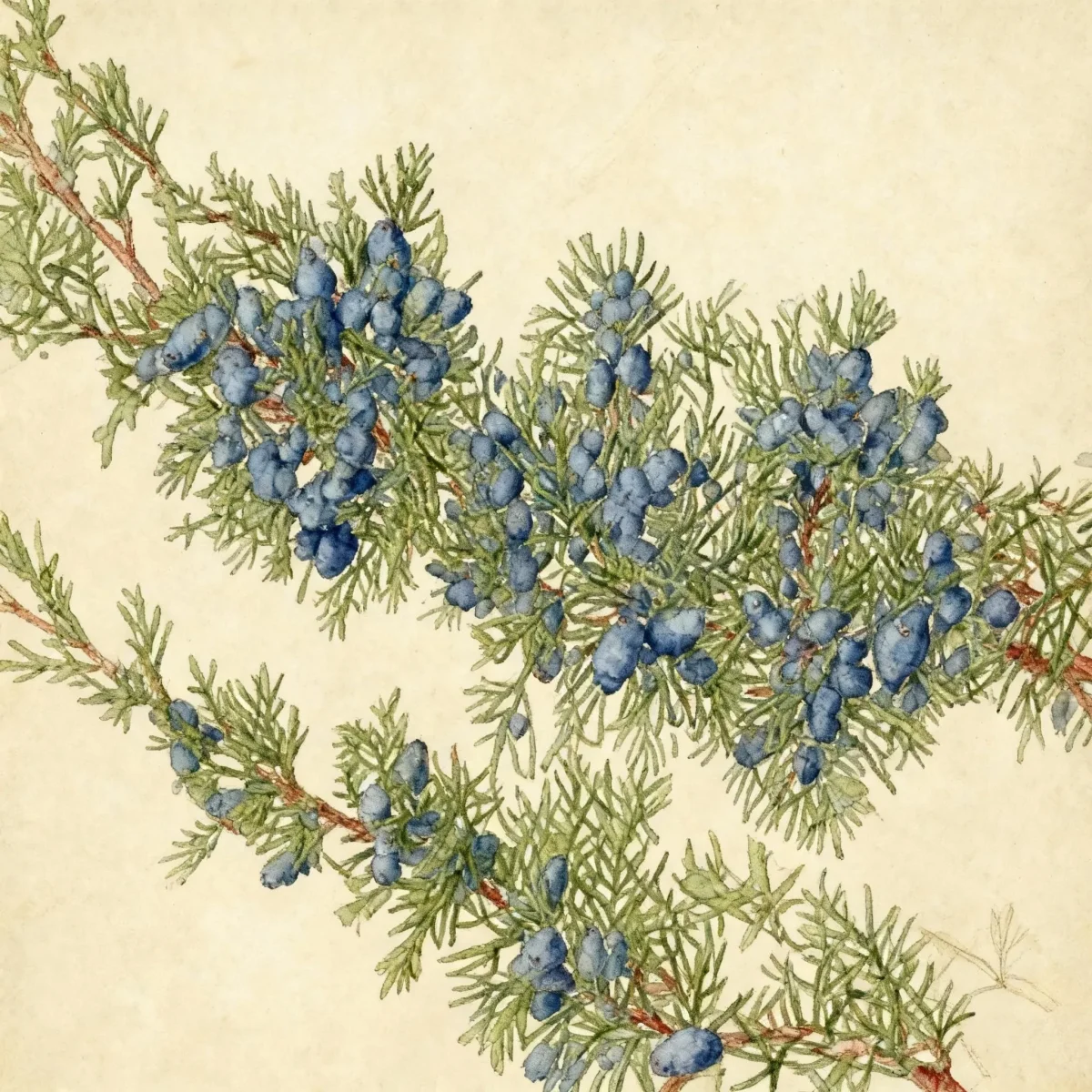
Juniperus virginiana, commonly called Eastern red cedar, is native to Missouri where it typically occurs on limestone bluffs and glades, wood margins, fields, pastures and fence rows throughout the state except for the southeastern lowlands (Steyermark). It is a broadly conical, sometimes columnar, dense, evergreen conifer with horizontal branching that typically grows to 30-65’ tall. This specific cultivar, ‘Canaertii’, is a compact pyramidal clone with ascending branching, known for retaining good green color through the winter. Female ‘Canaertii’ trees produce profuse, round, blue, berry-like cones with a whitish bloom that are highly ornamental.
Tolerances
- Deer
- Drought
- Erosion
- Dry Soil
- Shallow-Rocky Soil
- Black Walnut
- Air Pollution
Potential Problems
Cedar apple rust is a common problem for many different junipers and poses a significant risk, especially if apple trees are nearby. Furthermore, scale infestations can suppress vigor, and bagworms should be watched for as they can rapidly defoliate branches. Mites may also become an issue during hot, dry periods. Proactive cultural care, such as avoiding overhead watering to keep foliage dry, can help mitigate fungal issues like rust.
Frequently Asked Questions
What hardiness zones is Red cedar suitable for?
Juniperus virginiana ‘Canaertii’ is hardy across a wide spectrum, thriving in USDA Zones 3 through 9.
How large does Juniperus virginiana ‘Canaertii’ grow?
This cultivar typically reaches heights between 20 and 35 feet, with a spread ranging from 8 to 15 feet when mature.
What sun exposure does Red cedar need?
This conifer requires full sun exposure to maintain its best shape and foliage density.
When does Juniperus virginiana ‘Canaertii’ bloom?
This plant is non-flowering; however, female clones produce decorative, berry-like cones in the fall.
Conclusion
The Juniperus virginiana ‘Canaertii’ stands out as a resilient, low-maintenance evergreen perfectly suited for challenging sites and screening needs across the Eastern U.S. Its dense habit and ornamental blue cones ensure visual interest throughout the year. Ensure your site offers full sun compatibility before planting this sturdy Red cedar cultivar to guarantee decades of impressive, sturdy performance.
Companion Planting
Selecting appropriate companions ensures the long-term health and aesthetic appeal of your Juniperus virginiana ‘Canaertii’ planting. Because this Red cedar variety thrives in full sun and tolerates dry, rocky soils, pair it with other tough, drought-tolerant natives or adaptation-tested evergreens. Good partners include various flowering native grasses or low-growing sedums that won’t compete aggressively for shallow soil resources while under the canopy drip line.
When designing borders, incorporate plants that offer seasonal contrast in texture or color, such as summer-blooming perennials with finer foliage. Since the ‘Canaertii’ cones appear in the fall, consider companion shrubs that offer bright berries or good fall color earlier in the season to maintain interest before the juniper cones become prominent.
Wildlife Benefits
The blue, berry-like cones produced by the female Juniperus virginiana ‘Canaertii’ are a significant source of winter food for many bird species, including chickadees and robins, significantly boosting the plant’s ecological value. While these cones are ornamental to humans, they serve a crucial survival purpose for local fauna when other food sources are scarce.
Beyond providing food, the dense, scale-like foliage of this evergreen offers excellent year-round shelter and nesting cover for smaller birds escaping harsh weather or predators. Planting several of these cedars together creates dense thickets that support local wildlife populations throughout the colder months.