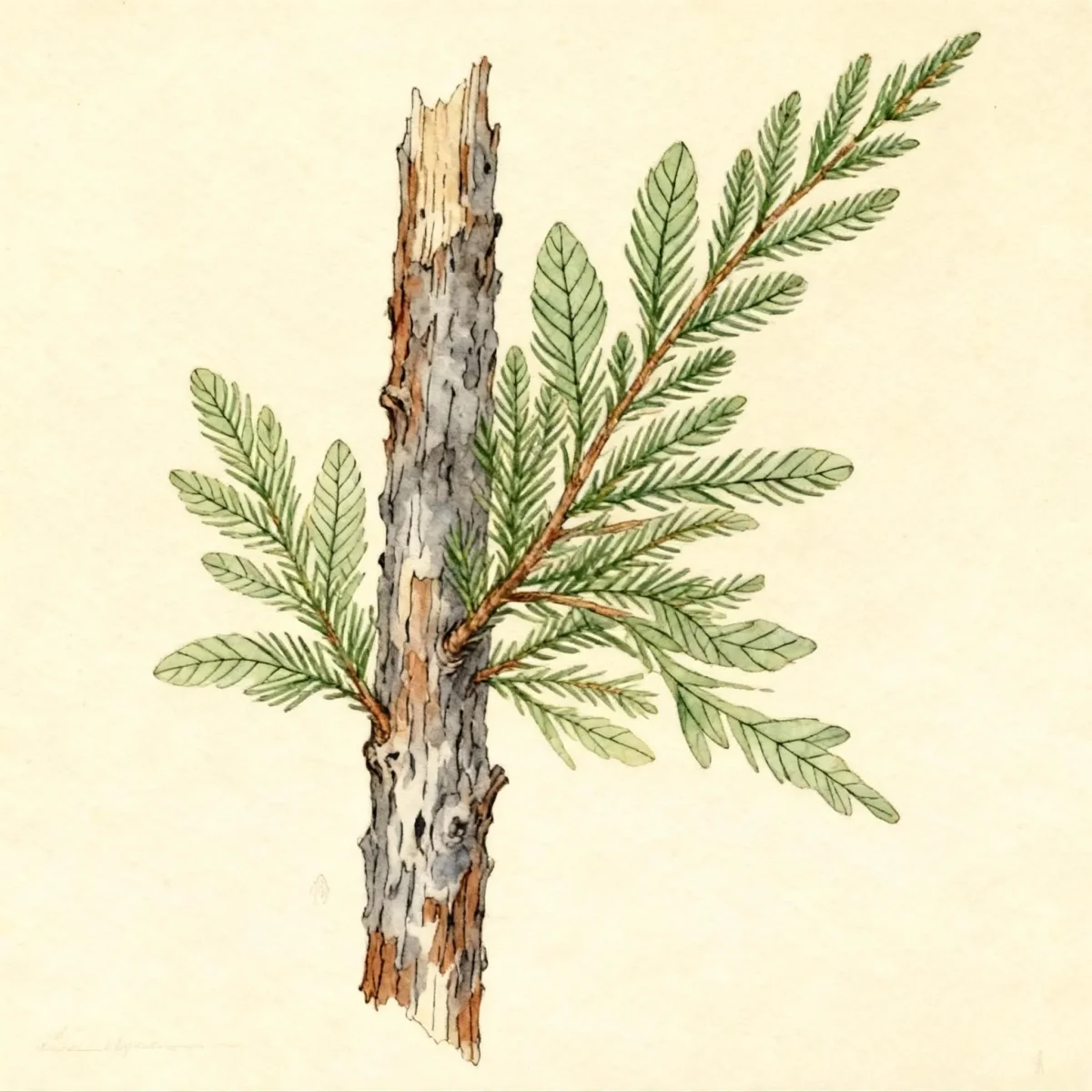
Red cedar (Juniperus virginiana 'Hetzii')
Juniperus virginiana 'Hetzii' is a hardy, low-maintenance Red cedar perfect for screens or hedges, offering dense, bluish-green evergreen structure.
Scroll down to discover growing tips, care requirements, companion plants, and more
Complete Plant Information
Overview
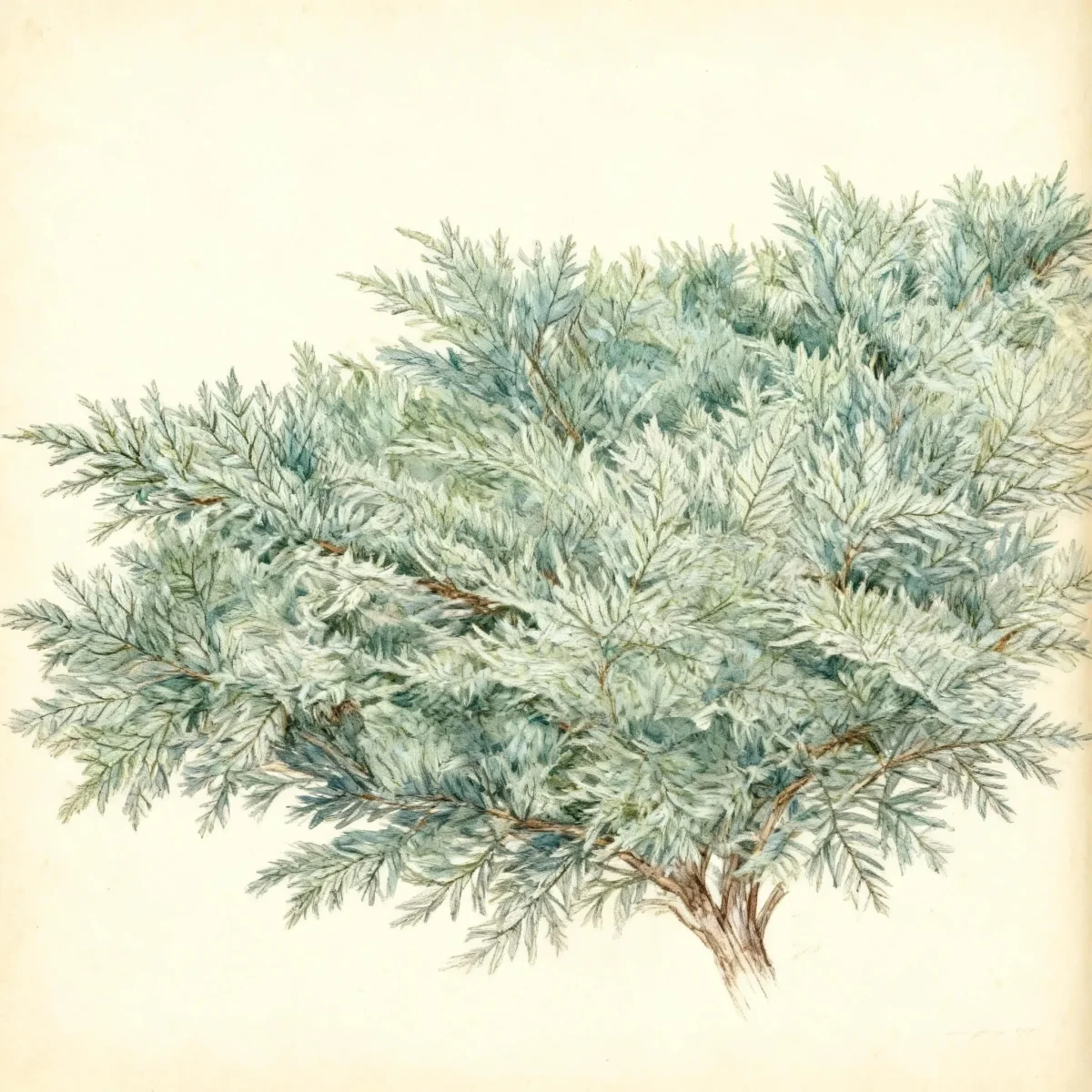
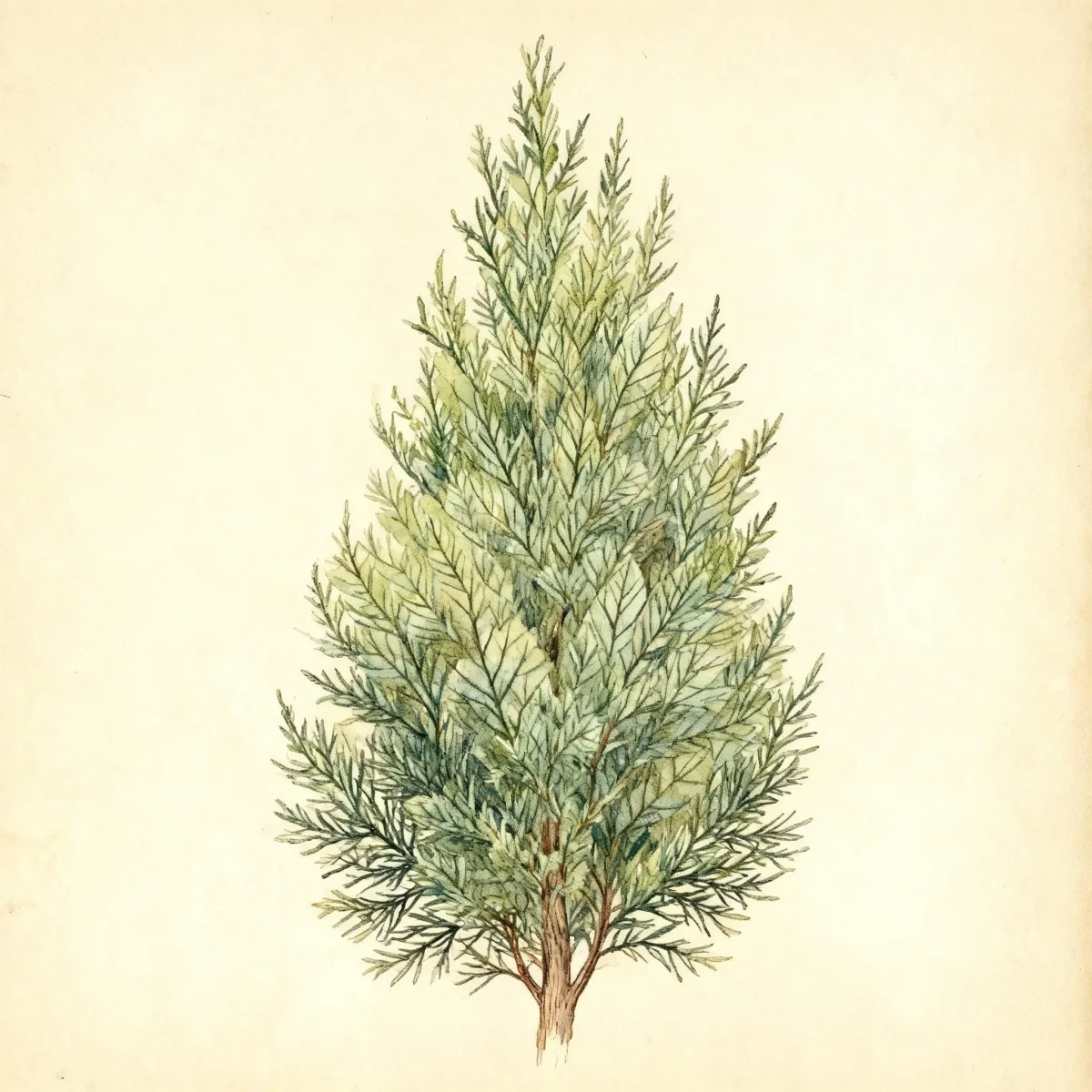
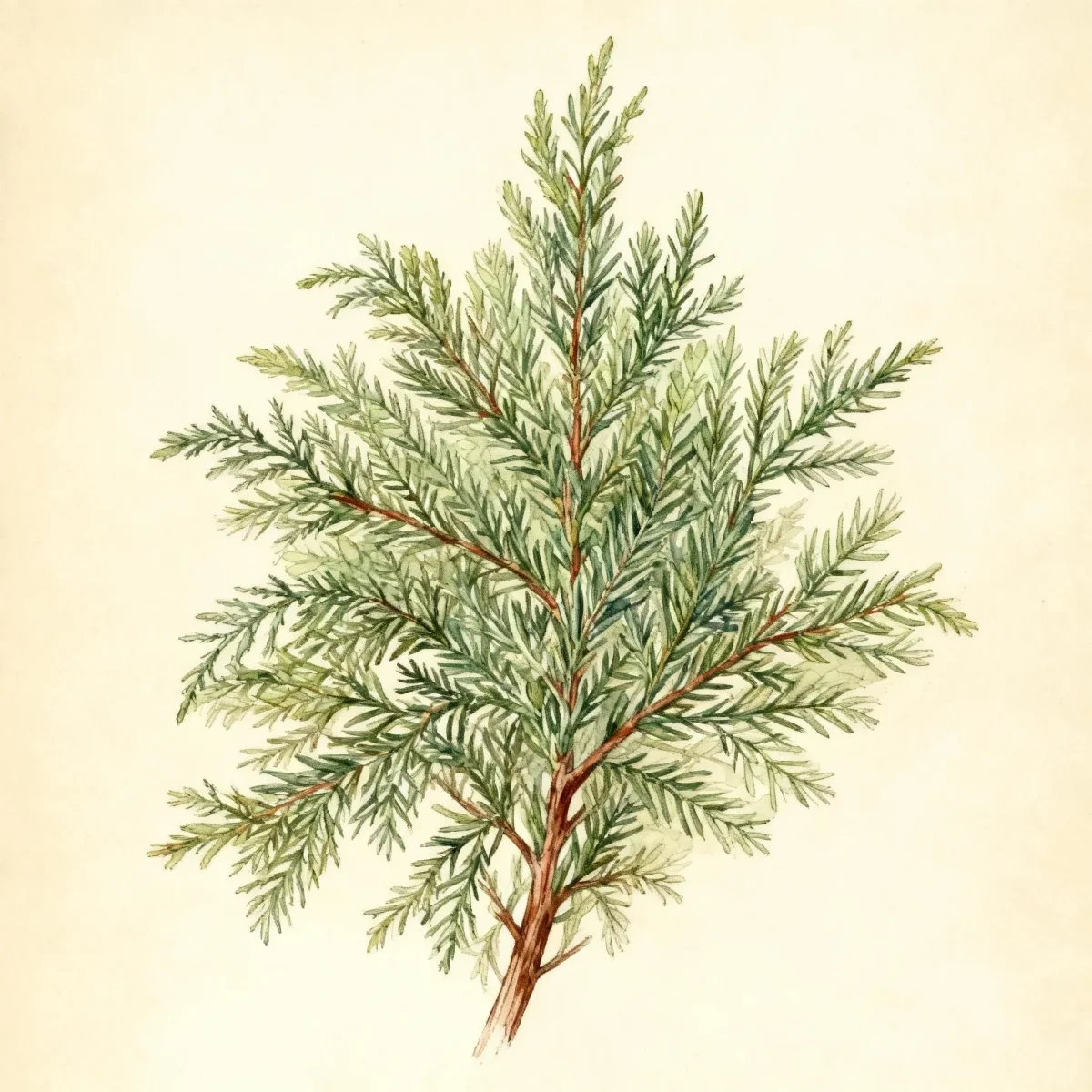
Juniperus virginiana ‘Hetzii’, commonly known as Red cedar, is a highly adaptable needled evergreen valued for its dense, bushy, fountain-shaped habit. This cultivar offers excellent year-round color, typically featuring bluish-green to gray-green foliage that retains its look well into the winter months when many other plants fade. It provides a robust, low-maintenance screening solution for residential landscapes.
As a cultivar of Eastern red cedar, Juniperus virginiana ‘Hetzii’ inherits strong tolerance characteristics, thriving in surprisingly tough conditions that might challenge less resilient conifers. Its compact, ascending branching creates an appealing texture that breaks up linear landscapes beautifully.
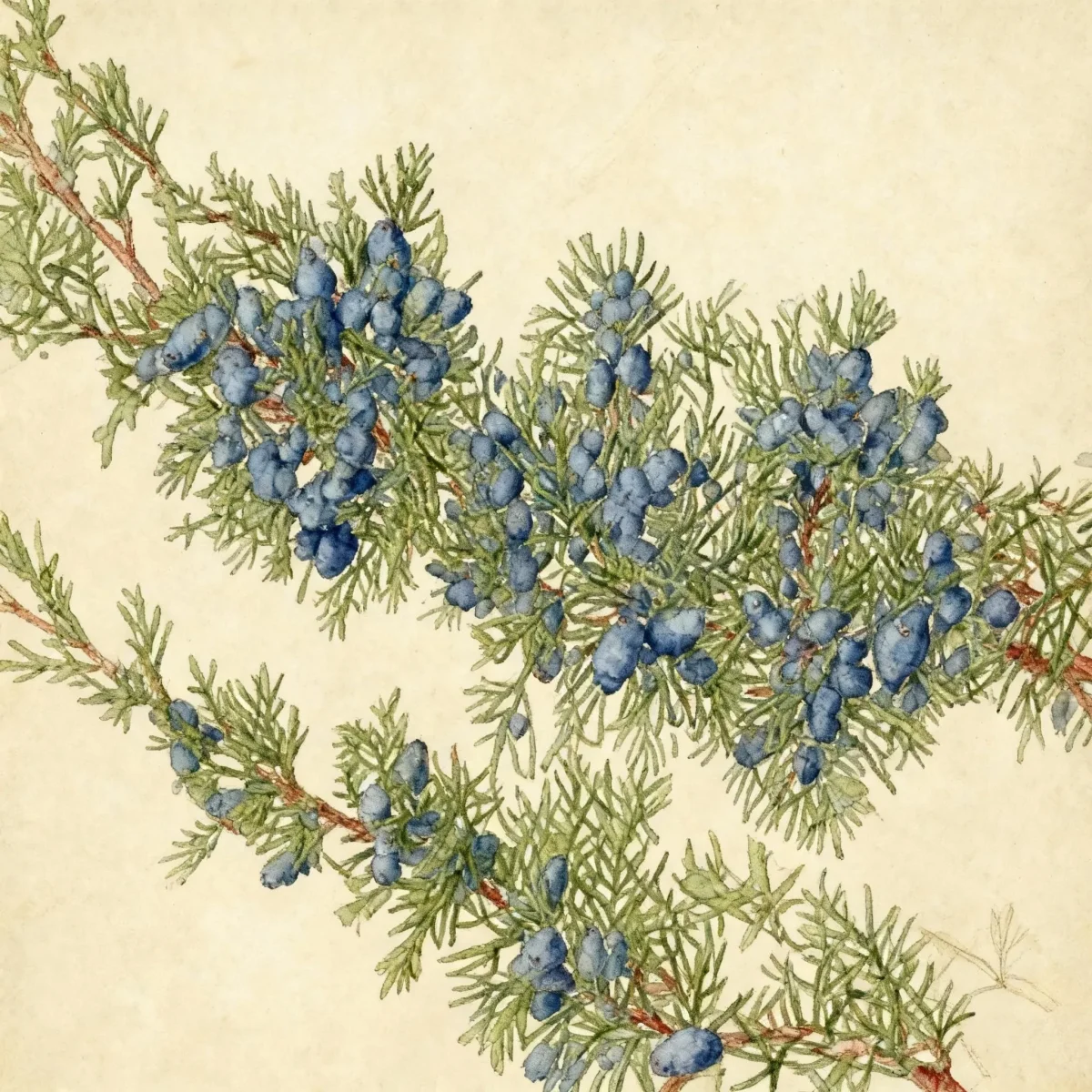
Gardeners appreciate the Red cedar for its functional versatility, serving as an outstanding hedge, large screen, or specimen plant. The ornamental, blue-purple berry-like cones further enhance its appeal, often attracting local bird populations during the fall and winter seasons.
Fast Facts
- Plant Family: Cupressaceae
- Plant Type: Needled evergreen
- Hardiness Zones: USDA Zones 3-9
- Size at Maturity:
- Height: 12-15 ft
- Spread: 10-15 ft
- Bloom Time: Non-flowering
- Bloom Description: Non-flowering
- Sun Exposure: Full sun
- Water Needs: Medium
- Maintenance Level: Low
How to Grow
Plant this versatile evergreen in the spring or fall for the best establishment, ensuring it receives full sun exposure daily. Juniperus virginiana ‘Hetzii’ is exceptionally adaptable, succeeding in average soils that are well-drained, whether they lean toward dry or moist. It notably handles dry soils and resists drought better than many eastern U.S. conifers.
Water moderately, especially during the first year after planting, to encourage deep root development. While it prefers moist conditions, avoid locations where water pools, as constantly wet soils are detrimental to its health. Fertilizing is rarely necessary for this naturally vigorous plant; focus instead on proper placement and initial watering.
Pruning should be minimal, primarily limited to shaping or removing any dead or damaged growth during the dormant season. When spacing for hedges or screens, remember that Juniperus virginiana ‘Hetzii’ can reach 15 feet wide, requiring adequate room for air circulation and mature spread.
Landscape Uses
The primary architectural use for Juniperus virginiana ‘Hetzii’ is creating living barriers or formal structure. Its dense growth makes it an excellent choice for a large screen, effectively buffering views or noise between properties. When planted as a landscape specimen, its unique, bushy, open form provides year-round deep green texture.
When planning for hedges, ensure generous spacing; planting this Red cedar too closely will restrict necessary air movement and limit its final 15-foot spread. Because of its broad mature size, it’s wise to avoid planting it too close to structures or utility lines where its eventual width could cause interference.
If considering companion plantings, select low-growing perennials or groundcovers that prefer well-drained, sunny conditions, or those that can tolerate the slightly drier root zone that develops beneath mature juniper canopies. Always avoid planting this juniper species near apple trees due to the known risk of Cedar apple rust transmission.
Standout Features
Fruit Qualities
- Showy
Noteworthy Characteristics
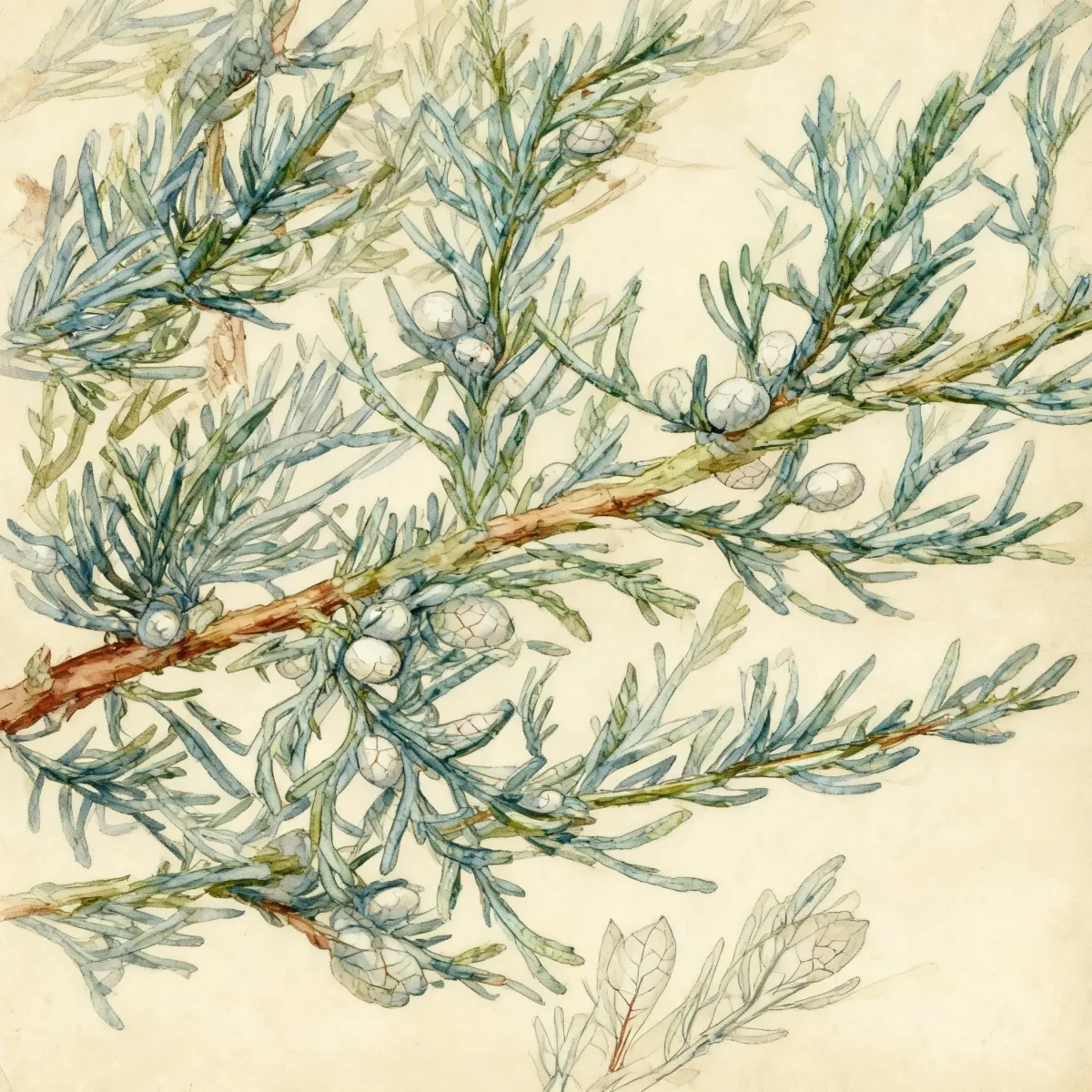
Juniperus virginiana ‘Hetzii’ develops distinguishing bluish-green to gray-green foliage that utilizes both scale-like (adult) and awl/needle-like (juvenile) needles on younger growth. Female plants produce highly ornamental, round, blue-purple, berry-like cones in the fall, which contrast nicely against the evergreen needles. Introduced in the 1930s, this popular cultivar often retains superior winter foliage color compared to the species standard.
Tolerances
- Deer
- Drought
- Erosion
- Dry Soil
- Shallow-Rocky Soil
- Black Walnut
- Air Pollution
Potential Problems
Cedar apple rust represents the most common fungal challenge for Juniperus virginiana ‘Hetzii’ and many other junipers. To manage this, ensure good air movement around the plant, which helps dry foliage quickly, and monitor for gall development, especially near susceptible apple trees which serve as an alternate host. This cultivar is also susceptible to problems like twig blight and scale insects. Regularly inspect the branch tips for early signs of blight infection, and promptly prune out any affected areas to maintain the plant’s overall vigor.
Frequently Asked Questions
What hardiness zones is Red cedar suitable for?
Juniperus virginiana ‘Hetzii’ is exceptionally cold-hardy and suitable for USDA Zones 3 through 9.
How large does Juniperus virginiana ‘Hetzii’ grow?
This cultivar typically matures to a height between 12 and 15 feet, with a spread ranging from 10 to 15 feet wide.
What sun exposure does Red cedar need?
This evergreen requires full sun exposure to maintain its best color and dense form throughout the growing season.
When does Juniperus virginiana ‘Hetzii’ bloom?
This species is non-flowering; reproductive structures are cone-like, and female plants bear berry-like cones, but it does not produce true flowers.
Conclusion
The Juniperus virginiana ‘Hetzii’ brings reliable, low-maintenance evergreen structure to any landscape, excelling in drought conditions once established. Its dense foliage and attractive blue-purple cones make this Red cedar indispensable for screening and year-round interest. Before planting, confirm your site provides full sun and adequate space to accommodate its 15-foot mature spread.
Wildlife Benefits
The cones produced by female Red cedar plants provide a valuable food source for many bird species, particularly throughout the late fall and winter when other food sources become scarce. While not a primary pollinator plant given its non-flowering nature, the dense evergreen structure offers crucial winter cover and nesting sites for smaller songbirds in cold climates. Its tolerance for tough, dry sites means it establishes wildlife habitat in areas where moisture-loving plants would fail.
Companion Planting
Because Juniperus virginiana ‘Hetzii’ thrives in full sun and prefers drier, well-drained to rocky soils, pair it with other highly adaptable, drought-tolerant evergreens and perennials. Consider low-growing sedums, ornamental grasses that thrive in hot, dry conditions, or other hardy, low-maintenance shrubs like certain Russian Sage varieties. This approach prevents competition for water in drier microclimates often found beneath spreading conifers.