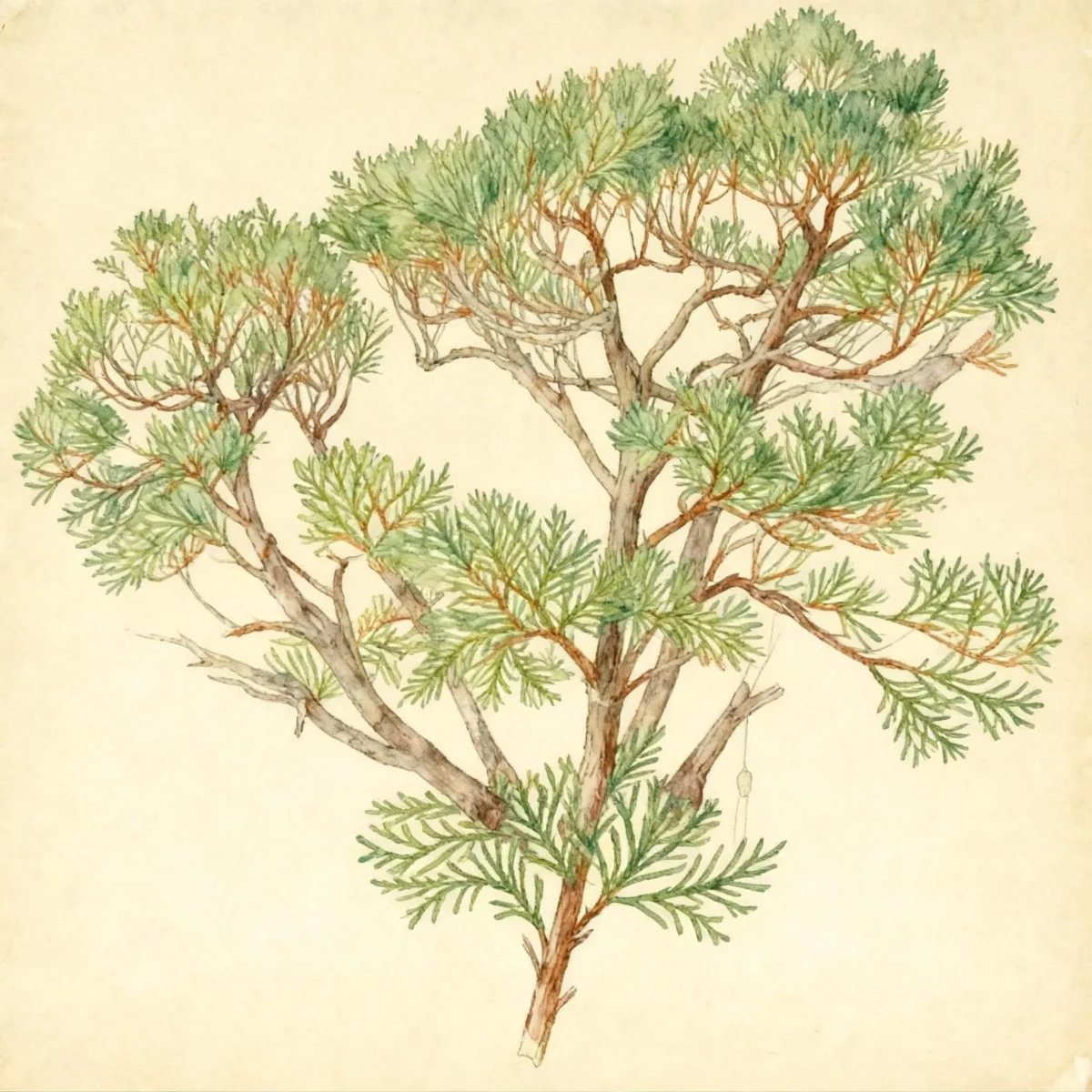
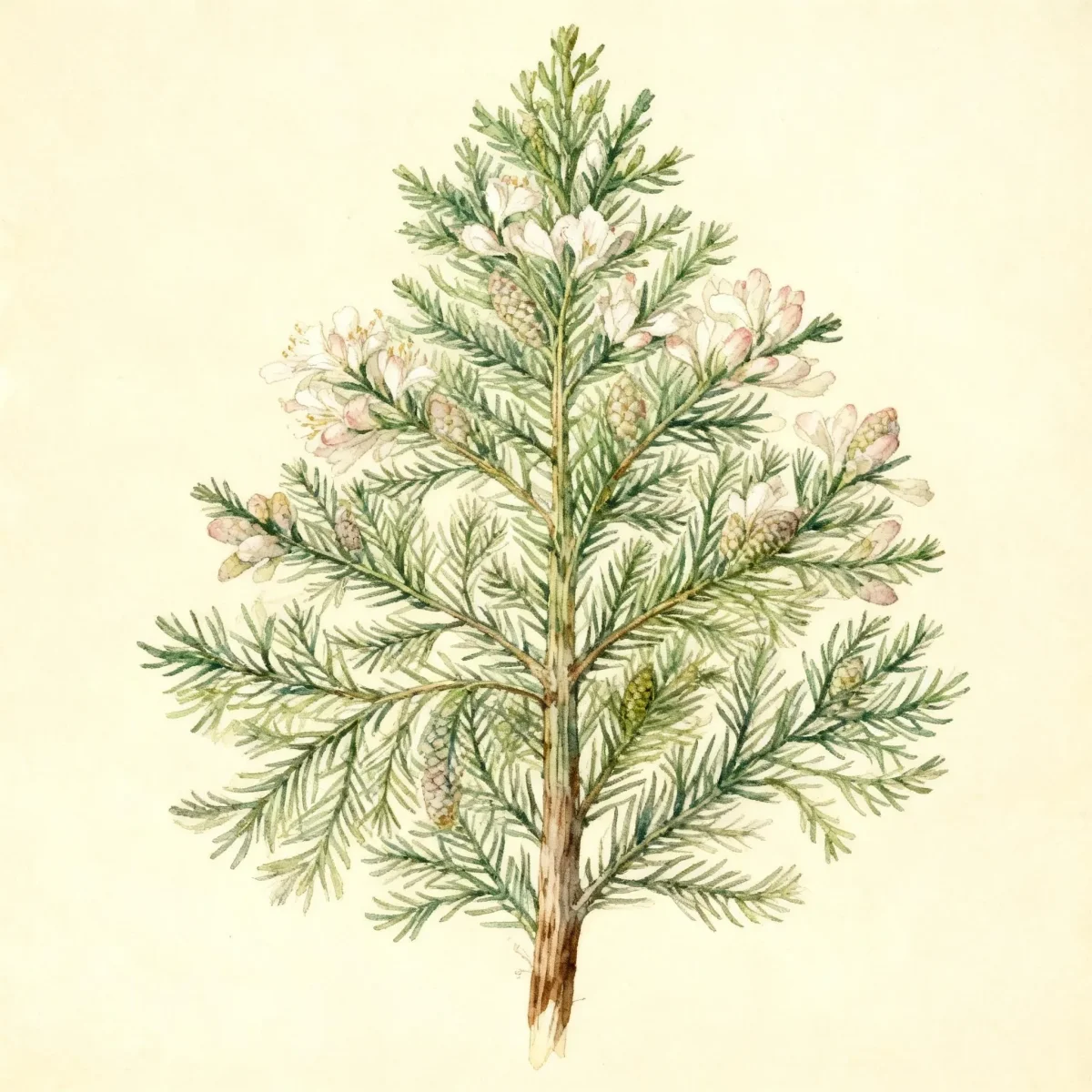
Juniper (Juniperus × pfitzeriana 'Gold Coast')
The Juniperus × pfitzeriana 'Gold Coast' is a low-maintenance, needled evergreen valued for its bright golden foliage.
Scroll down to discover growing tips, care requirements, companion plants, and more
Complete Plant Information
Overview
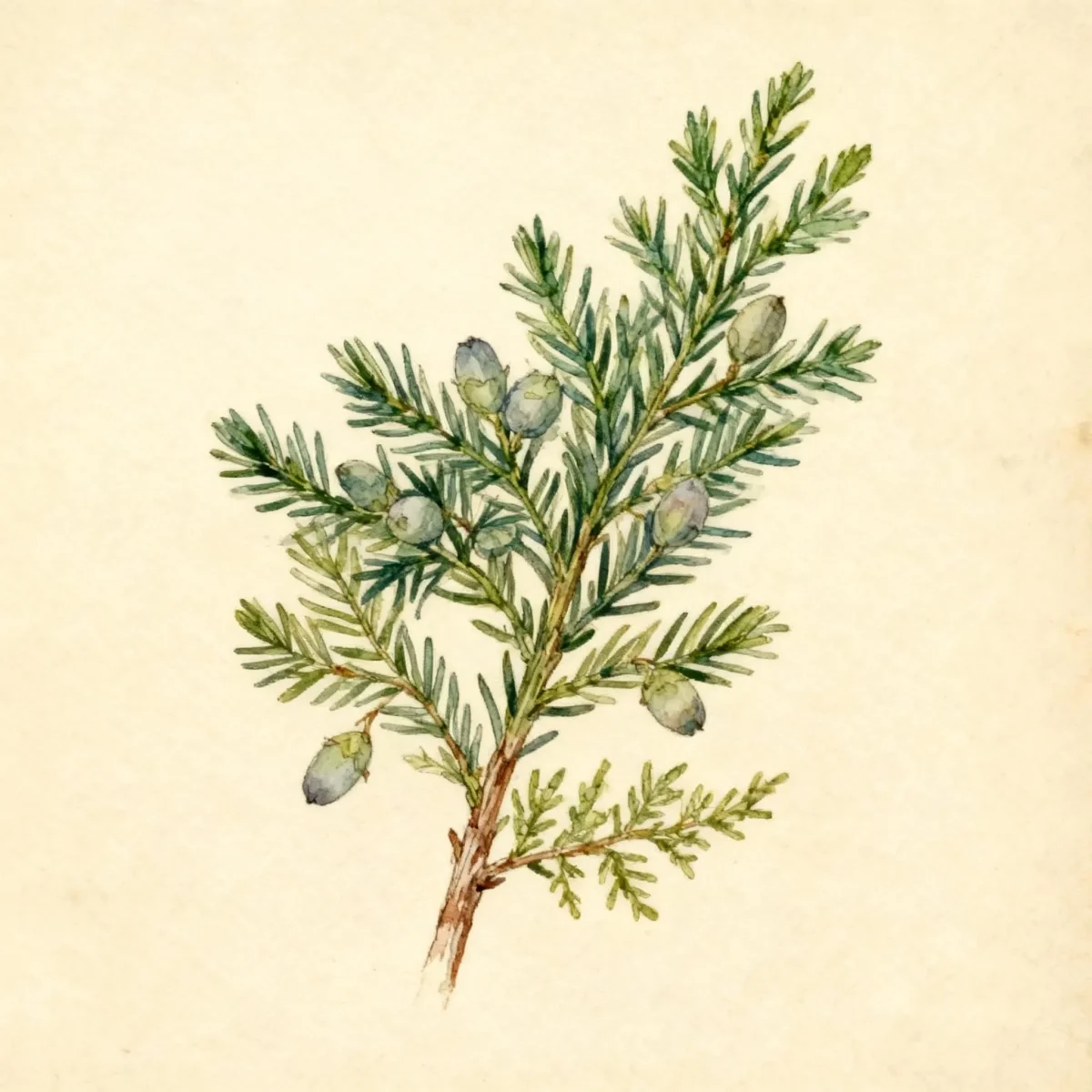
The Juniperus × pfitzeriana ‘Gold Coast’ is a strikingly attractive, spreading needled evergreen that brings year-round color to the landscape. As a hybrid cultivar, this Juniper boasts compact growth and outstanding golden foliage that maintains its brightness even through the winter months, distinguishing it from many standard green junipers. Gardeners prize this variety for its low maintenance needs coupled with its resilience against common urban stresses.
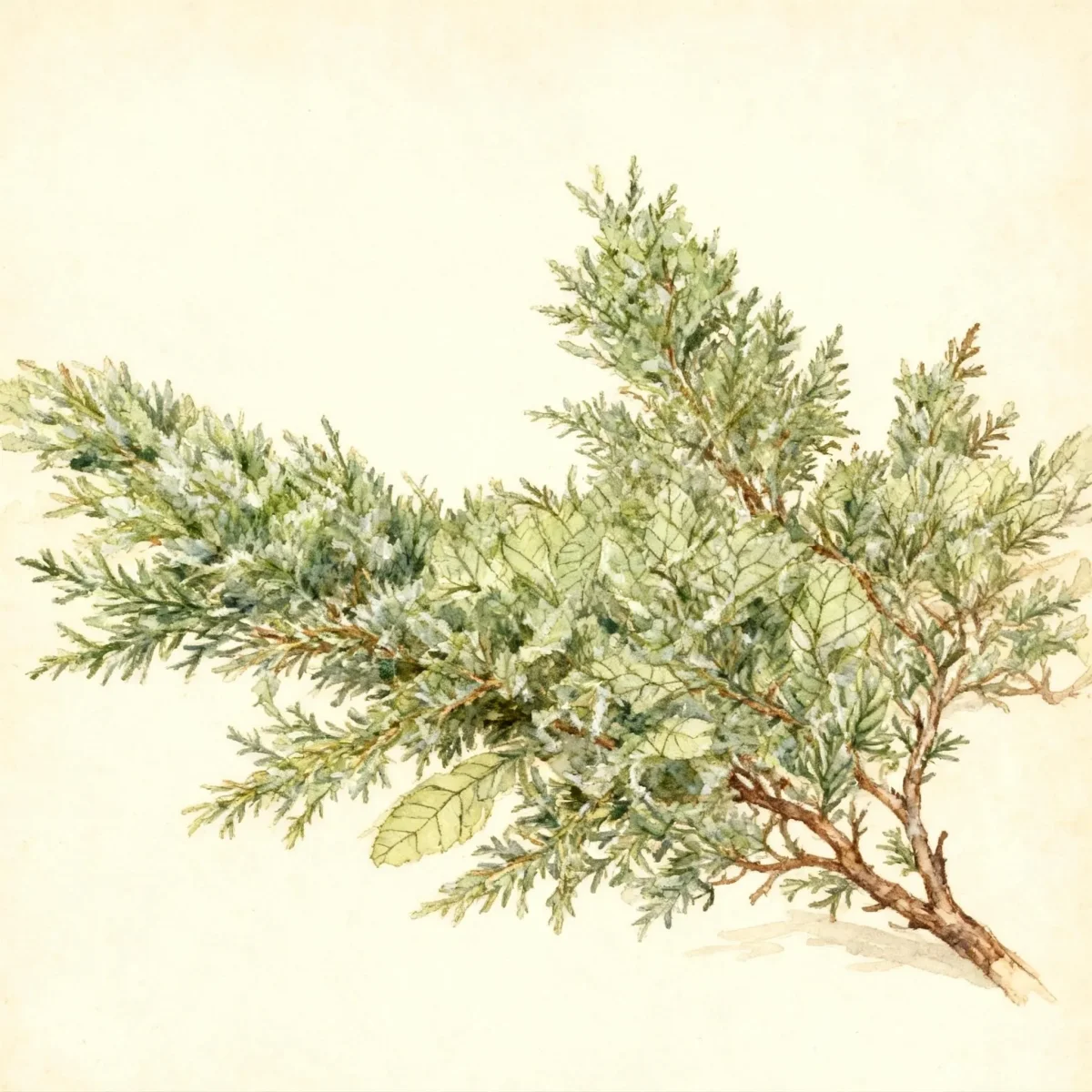
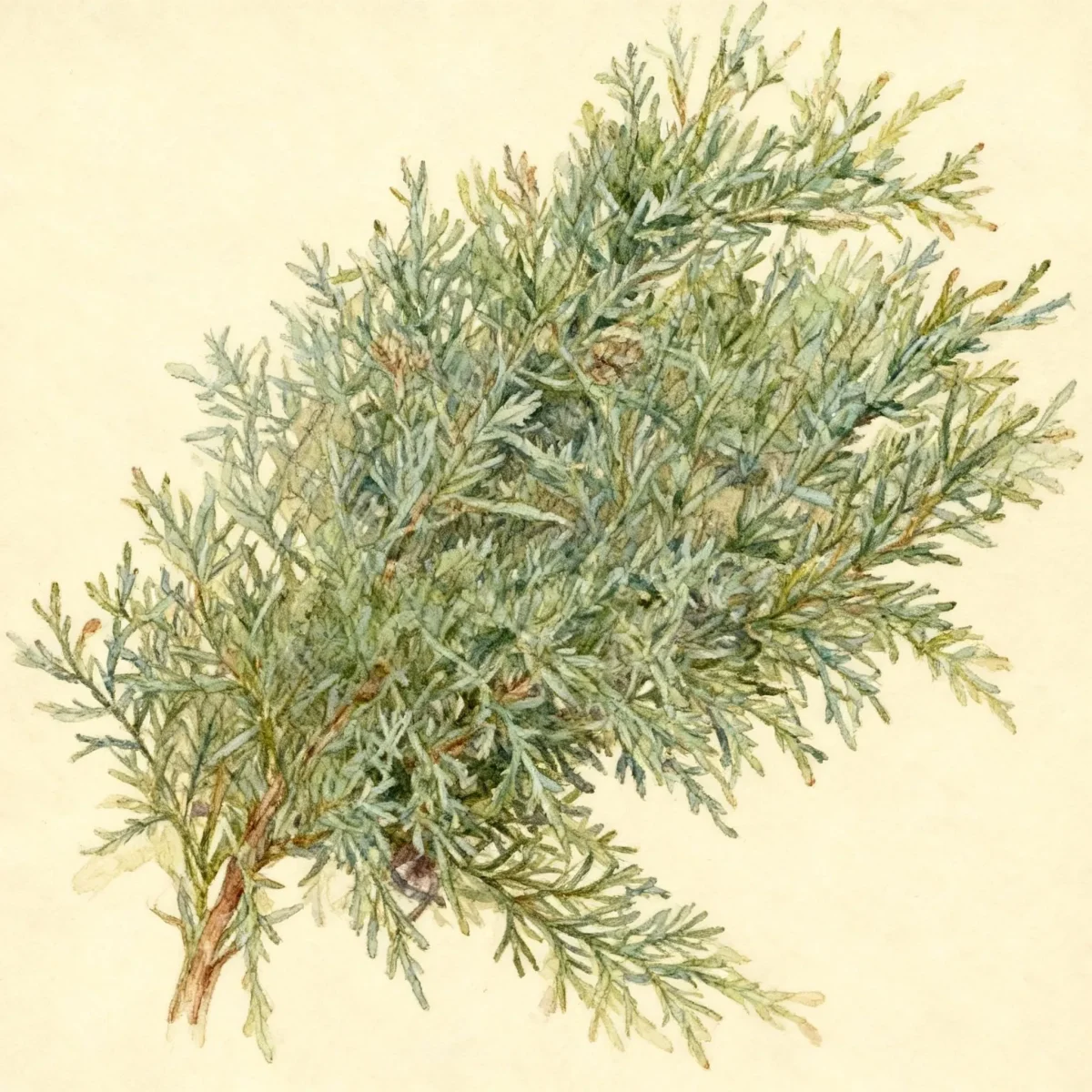
This plant is classified as a compact, spreading shrub, rarely exceeding three feet in height with a spread of up to four feet. It forms a dense, lacy mound ideal for softening borders or providing low evergreen structure when placed in full sun. Successfully cultivating Juniperus × pfitzeriana ‘Gold Coast’ offers year-round visual interest with minimal fuss from pests or disease, provided drainage is adequate.
The versatility of this Juniper makes it a workhorse in many garden designs. While it is resistant to many issues, its primary appeal remains its manageable size and persistent golden hue. Choose this cultivar when you need a durable, colorful groundcover or low hedge that handles challenging conditions well.
Fast Facts
- Plant Family: Cupressaceae
- Plant Type: Needled evergreen
- Hardiness Zones: USDA Zones 4-9
- Size at Maturity:
- Height: 2-3 ft
- Spread: 3-4 ft
- Bloom Time: Non-flowering
- Bloom Description: Non-flowering
- Sun Exposure: Full sun
- Water Needs: Medium
- Maintenance Level: Low
How to Grow
Planting Juniperus × pfitzeriana ‘Gold Coast’ is best done in the spring or fall to allow the root system time to establish before extreme summer heat or deep winter cold sets in. Locate this Juniper in an area receiving full sun; adequate light is crucial for developing and maintaining its signature golden foliage color. It thrives in average, well-drained soils, though it is notably tolerant of a wide variety of soil types, including clay.
Water needs are medium, requiring consistent moisture until the plant is fully established in its new location. Once drought tolerant, especially once established, routine deep watering during extended dry spells is sufficient. Avoid wet locations entirely, as this Juniper is intolerant of wet soils and standing moisture, which severely increases the risk of root rot.
Maintenance for this hybrid Juniper is generally low. While it is slow-growing, occasional light pruning can help maintain a perfectly compact habit or shape it for a specific role like a low hedge. Be aware that city air pollutants are generally tolerated well by this particular cultivar.
Landscape Uses
The spreading habit of the Juniperus × pfitzeriana ‘Gold Coast’ makes it highly effective as a spreading ground cover shrub, effectively suppressing weeds while adding textural interest. It excels in rock gardens where its creeping nature can cascade over stones, contrasting beautifully with upright textures. Furthermore, its manageable dimensions mean it functions perfectly as a low hedge defining front pathways or bordering foundation plantings without obscuring lower windows.
For design impact, use this Juniper to line walkways, providing year-round light punctuation against darker evergreens like blue spruces or yews. Because of its rugged nature and drought tolerance, it pairs well with other tough, sun-loving perennials and shrubs that prefer lean soils. Consider interplanting with contrasting textures such as Sedum or ornamental grasses for dynamic visual interest throughout the seasons.
Standout Features
Noteworthy Characteristics
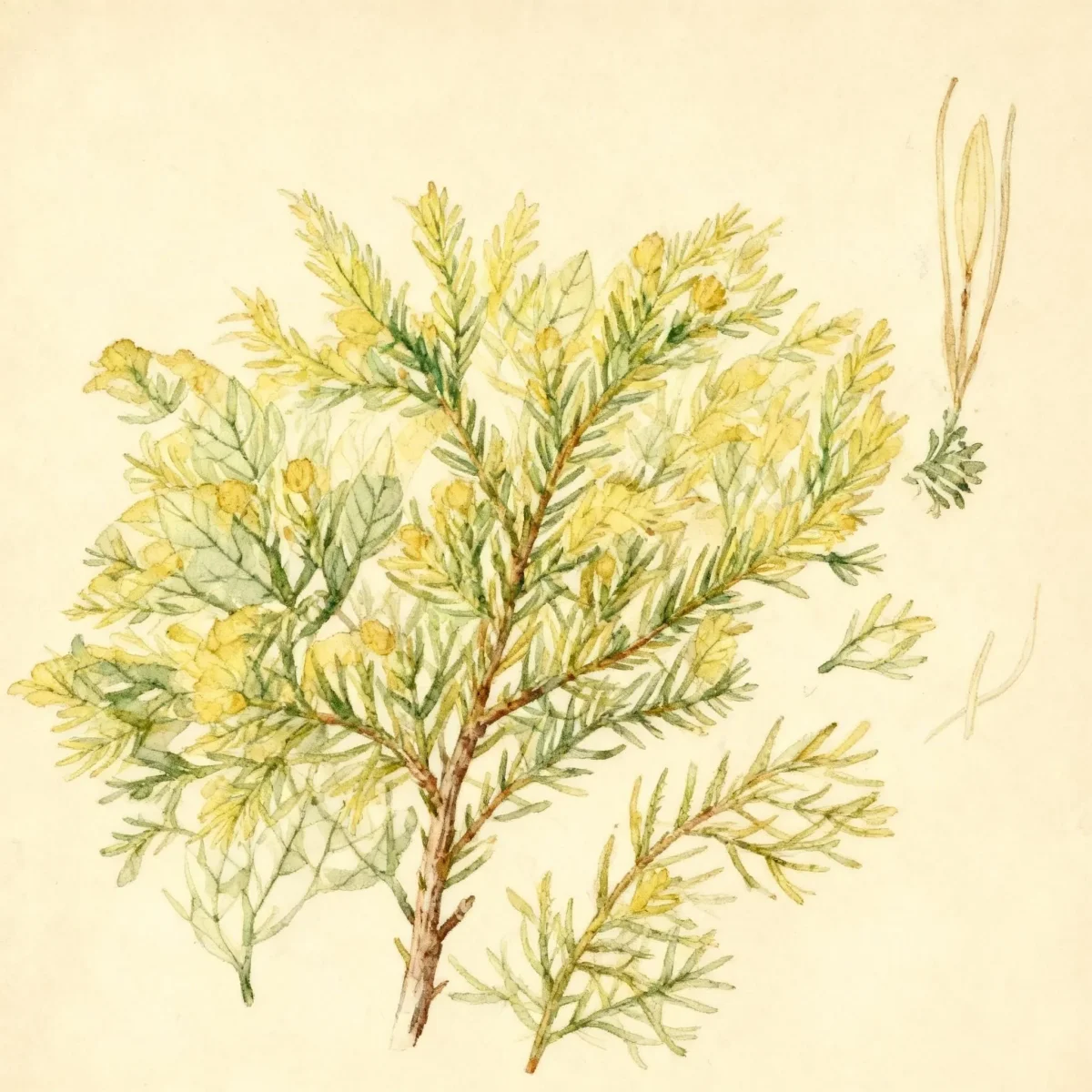
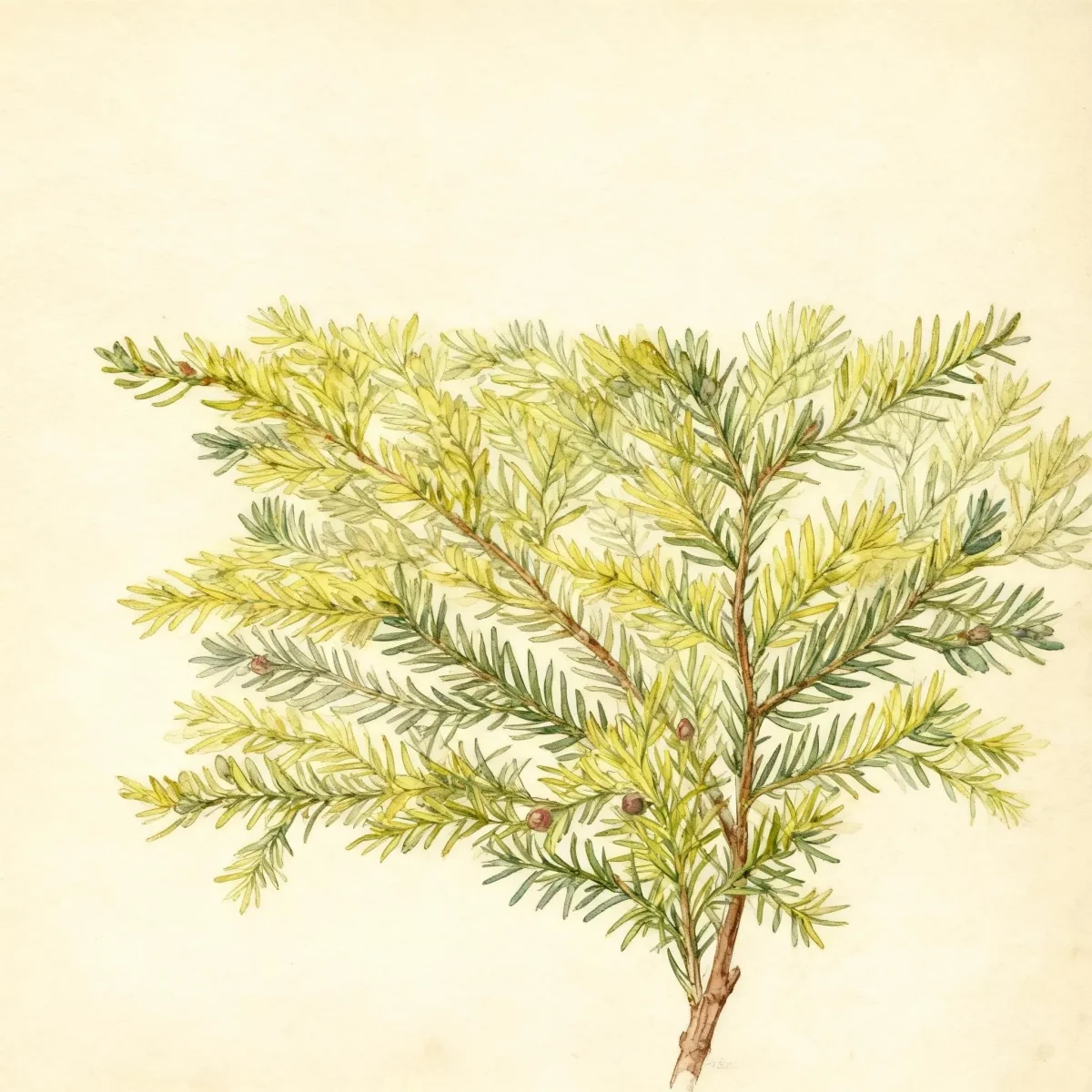
Juniperus × pfitzeriana is a hybrid designation that includes certain cultivars that are crosses between J. Chinensis and J. Sabina. Such cultivars in the Pfitzer Group are sometimes commonly called pfitzer juniper. The genus name comes from the Latin name for the juniper. The ‘Gold Coast’ cultivar is a compact, spreading, evergreen shrub that typically grows 2-3’ tall and 3-4’ wide over the first 10 years. As the cultivar name suggests, it is noted for its golden foliage which retains yellow coloring throughout winter, and its foliage has a distinctively lacy appearance.
Tolerances
- Deer
- Drought
- Erosion
- Dry Soil
- Shallow-Rocky Soil
- Air Pollution
Potential Problems
Junipers, including the Juniperus × pfitzeriana ‘Gold Coast’, are generally susceptible to fungal issues such as tip and needle blights. Cedar-apple rust is another common cedar-apple rust related rust diseases spend part of their life cycle on junipers risk, though this cultivar reportedly shows good resistance. To prevent serious issues like root rot, meticulous attention must be paid to soil drainage; never allow water to collect around the base of the plant.
If pests like aphids, scale, or bagworms appear, they can usually be managed with standard horticultural oils or insecticidal soaps applied when pests are observed. For bark protection, monitor stems annually for signs of canker, ensuring pruning cuts are clean and avoiding unnecessary wounds to the bark structure.
Frequently Asked Questions
What hardiness zones is Juniper suitable for?
The Juniperus × pfitzeriana ‘Gold Coast’ is reliably hardy across USDA Zones 4 through 9.
How large does Juniper grow?
This spreading evergreen typically matures to a height between 2 and 3 feet tall, with a corresponding spread of 3 to 4 feet wide.
What sun exposure does Juniperus × pfitzeriana ‘Gold Coast’ need?
This plant requires full sun exposure to flourish and maintain its vibrant golden coloration throughout the year.
When does Juniper bloom?
This Juniper is classified as non-flowering, meaning it does not produce noticeable blooms in the traditional sense.
Conclusion
The Juniperus × pfitzeriana ‘Gold Coast’ stands out as a fantastic, low-effort shrub offering exceptional year-round color with its bright, lacy golden foliage. Its superior tolerance to dry soils and air pollution makes this Juniper a reliable choice for challenging sites. Before planting, confirm your landscape offers full sun and excellent drainage to ensure the best performance from your new Juniper.
Companion Planting
Selecting companions for Juniperus × pfitzeriana ‘Gold Coast’ involves seeking plants that share its love for full sun, well-drained soil, and low moisture once established. Because this shrub forms an excellent, low, spreading base, pair it with plants that offer vertical accents or contrasting textures. Consider taller blue or dark green conifers for maximum color contrast against the gold, such as upright cultivars of Serbian Spruce or columnar Eastern Red Cedar.
For perennial borders situated near this Juniper, look towards drought-tolerant flowering options. Plants like Russian Sage (Perovskia atriplicifolia), various ornamental grasses (like Blue Fescue, due to its compact, blue mounds), or sturdy succulents thrive in similar conditions. This strategic pairing ensures that the entire planting scheme remains attractive and low-maintenance through the seasons, complementing the enduring structure of the Juniper.
Seasonal Care Calendar
Early spring is an ideal time to inspect your Juniperus × pfitzeriana ‘Gold Coast’ after winter dormancy, looking for broken branches that may need tidying up before new growth emerges. Perform any shaping or pruning required to maintain its low hedge form during late spring or early summer while active growth is underway. Avoid heavy pruning in late summer or fall, as new growth stimulated then may not harden off sufficiently before winter arrives.
Summer care focuses primarily on the establishment phase; if rainfall is scarce, provide supplemental, deep watering, especially to younger plants, ensuring the soil surface dries slightly between watering cycles. During the dormant season, protect the plant from de-icing salts if planted near driveways, and ensure heavy snow loads are gently brushed off the branches of the Juniper to prevent breakage.