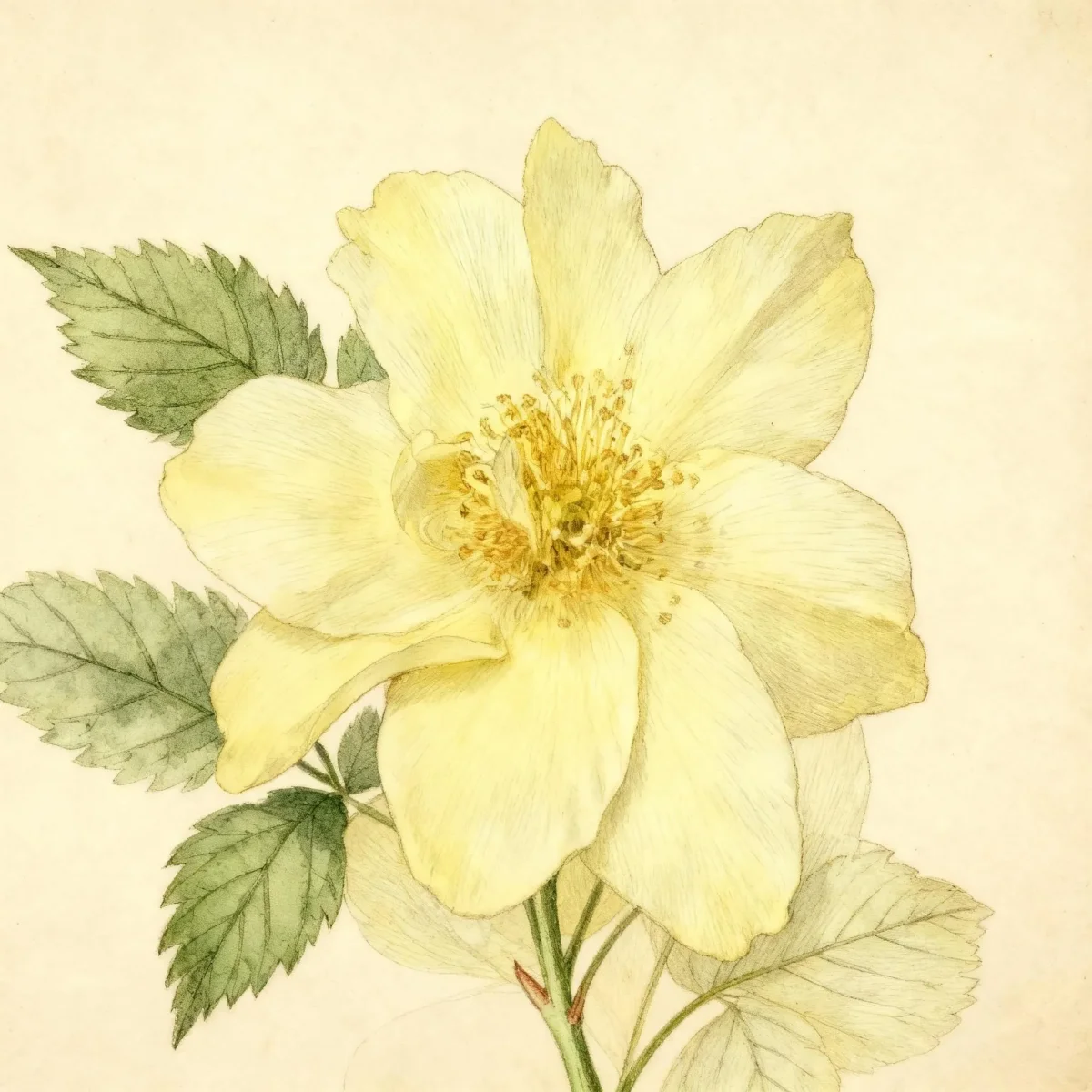
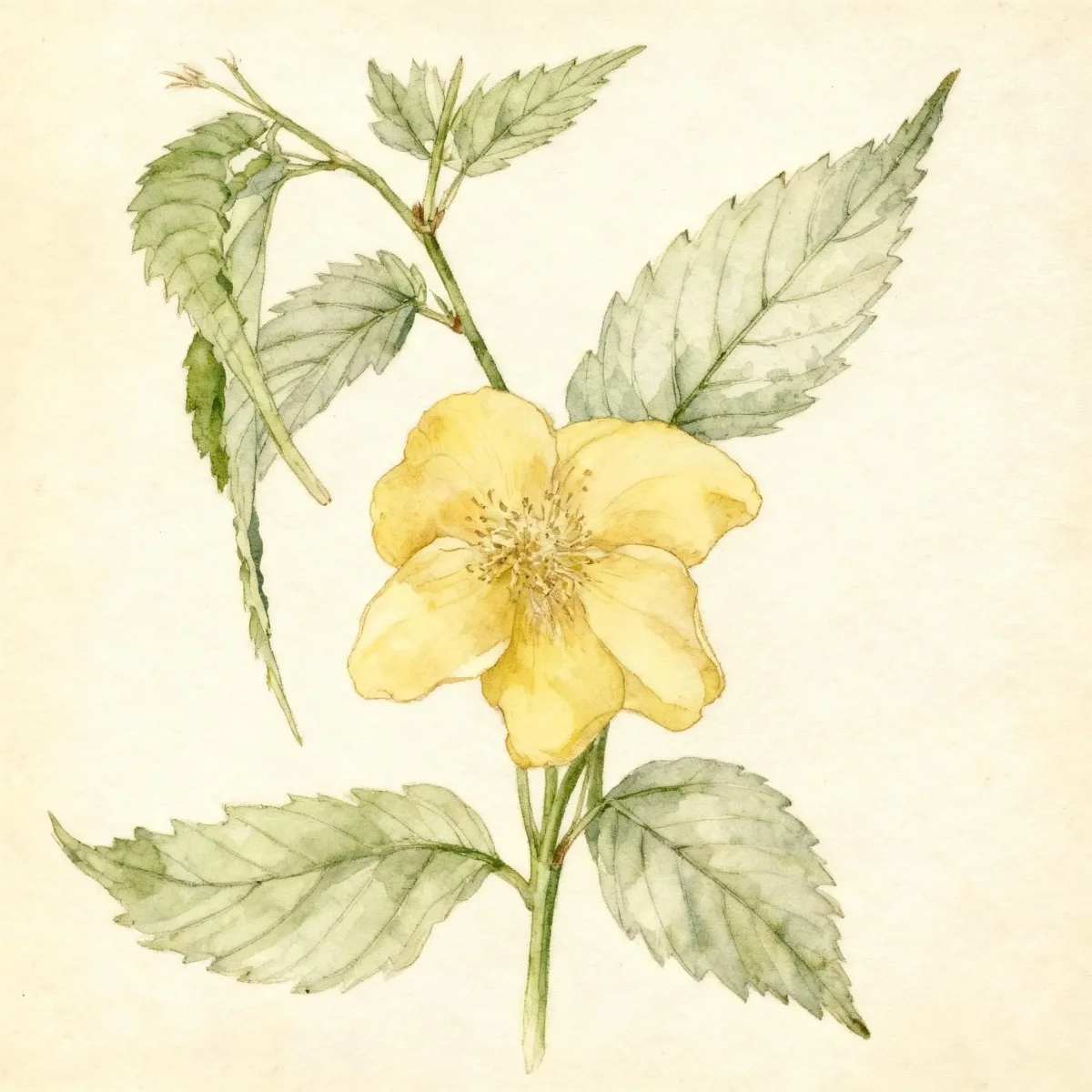
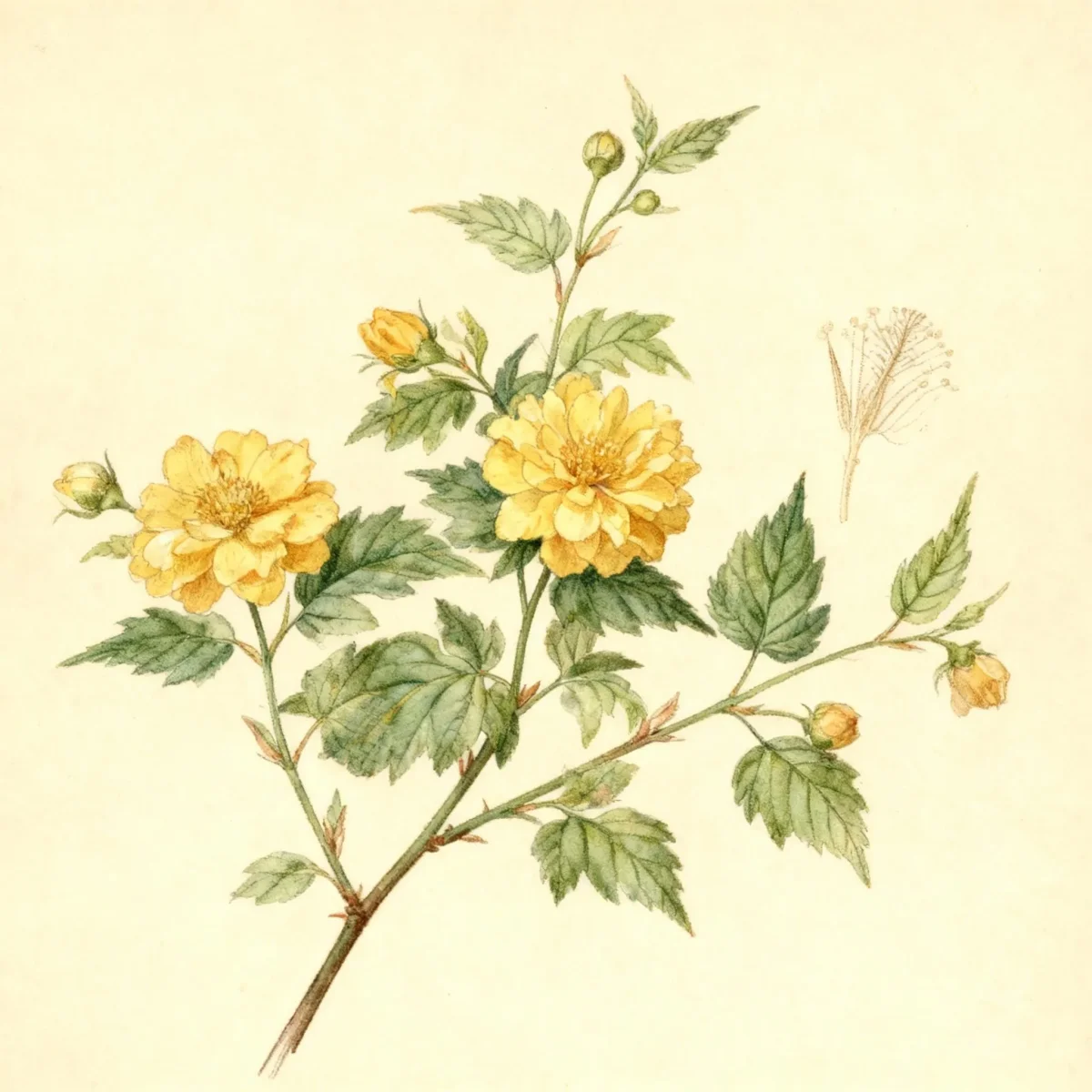
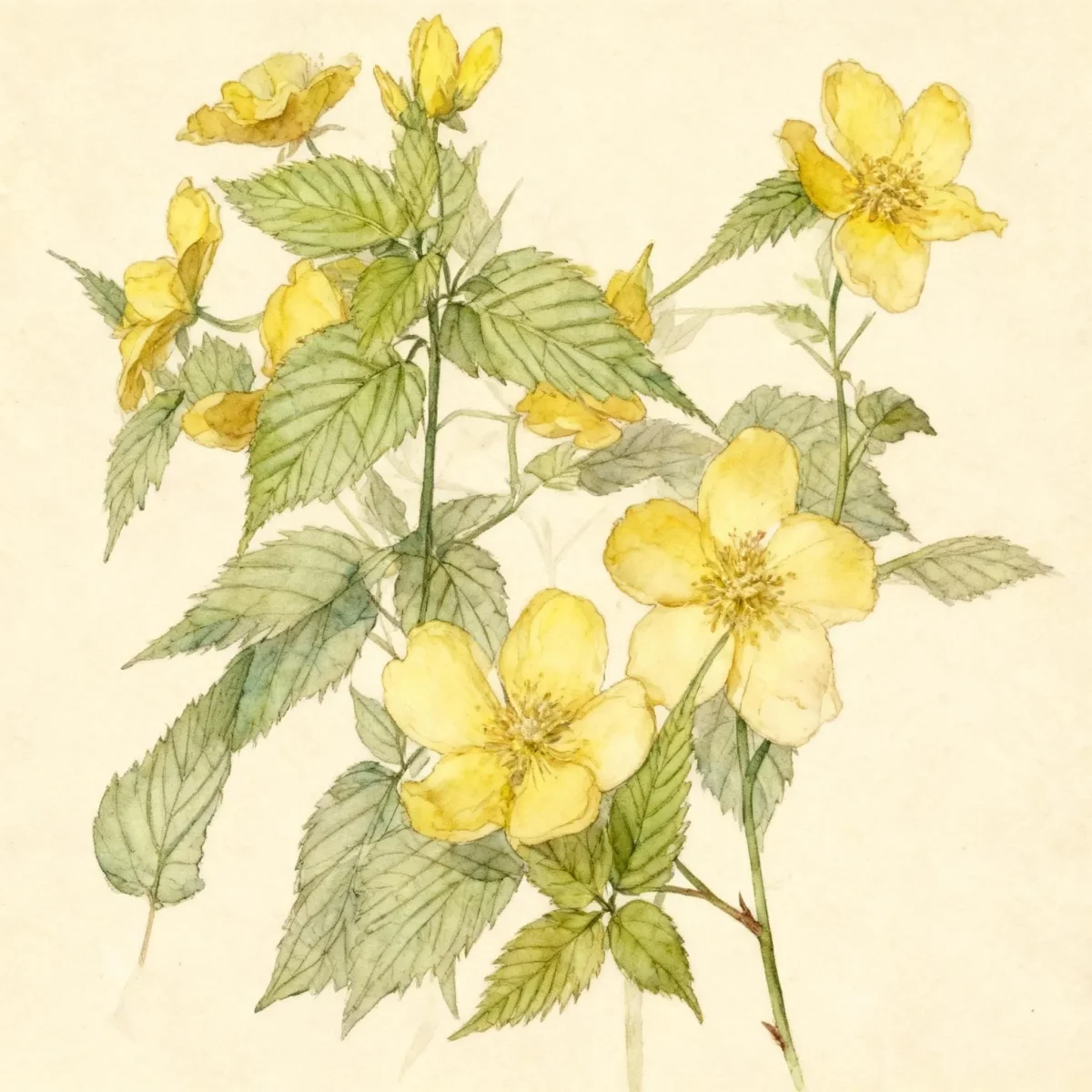
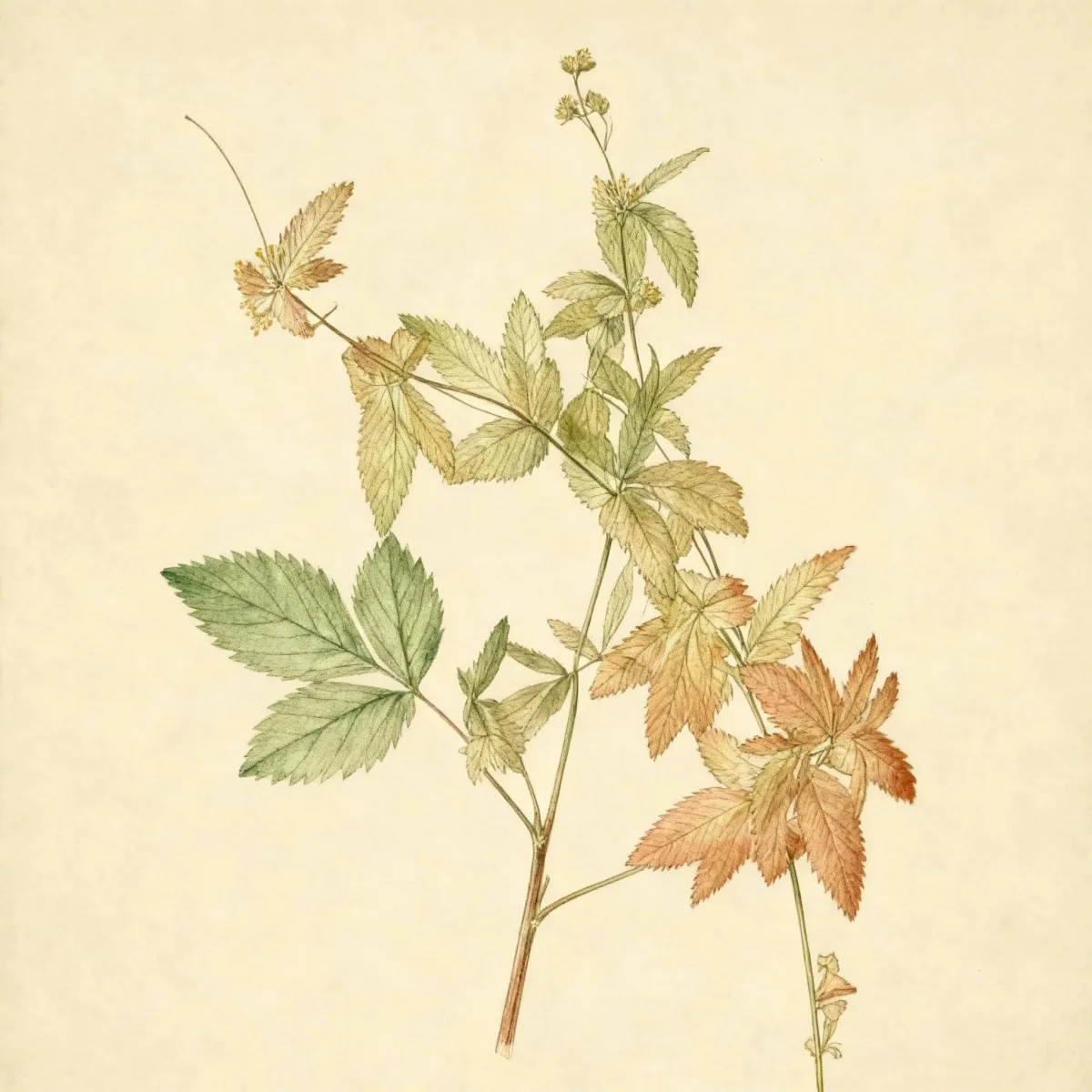
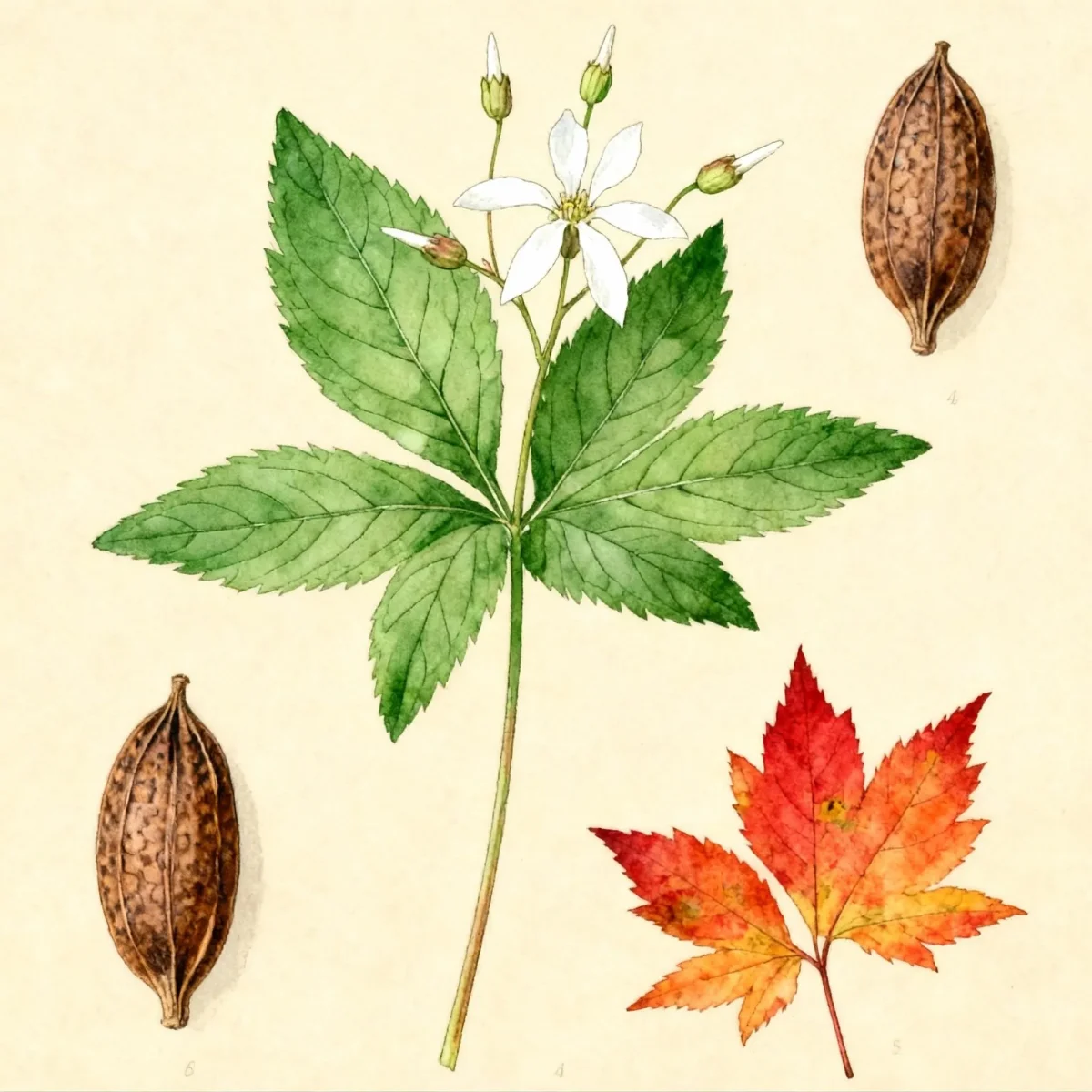
Japanese kerria (Kerria japonica 'Golden Guinea')
Discover Kerria japonica 'Golden Guinea', a deciduous shrub offering brilliant yellow spring blooms and striking green winter stems.
Scroll down to discover growing tips, care requirements, companion plants, and more
Complete Plant Information
Overview
The Japanese kerria, specifically the cultivar Kerria japonica ‘Golden Guinea’, is a highly valued deciduous shrub known for its cheerful, profuse yellow bloom, making it a standout feature in early spring landscapes. This variety is appreciated not only for its striking flowers but also for its bright green, arching stems that provide excellent winter interest, long after the foliage has dropped. As a relatively tough plant, Japanese kerria offers reliable color and structure in locations where many other shrubs struggle.
This resilient shrub is native to mountainous regions of China and Japan and adapts well to a wide range of conditions once established. While it thrives in part shade, it is notably tolerant of heavy shade, though excessive afternoon sun may cause its flowers to fade prematurely. The architectural habit of Kerria japonica ‘Golden Guinea’ offers year-round visual appeal.
Gardeners looking for medium-sized, low-maintenance flowering shrubs will benefit from incorporating Japanese kerria into their borders or woodland settings. Its reliable spring display coupled with its persistent, colorful stems ensures that this plant contributes interest through every season. Ensure proper pruning habits reward you with beautiful blooms on Kerria japonica ‘Golden Guinea’ next year.
Fast Facts
- Plant Family: Rosaceae
- Plant Type: Deciduous shrub
- Hardiness Zones: USDA Zones 4-9
- Size at Maturity:
- Height: 4-8 ft
- Spread: 5-9 ft
- Bloom Time: April to May
- Bloom Description: Yellow
- Sun Exposure: Part shade
- Water Needs: Medium
- Maintenance Level: Medium
How to Grow
For best establishment, plant Kerria japonica ‘Golden Guinea’ in the spring or fall when temperatures are mild. Select a site that offers average, medium moisture, well-drained soils, positioned where it receives part shade—though it tolerates full shade. While it prefers loamy, moderately fertile soils, avoid planting in heavy clay areas which can hinder drainage.
Water needs are medium; ensure consistent moisture, especially during dry spells, as this shrub performs best with regular hydration. Fertilization is rarely necessary unless the soil is extremely poor; focus instead on maintaining consistent moisture levels. The critical maintenance task for this shrub involves pruning. Since Japanese kerria blooms only on wood grown the previous year, prune immediately after flowering concludes in the spring.
If an older specimen requires renovation due to poor structure or excessive size, the entire plant can be cut back to the ground at that time. Be vigilant against its natural suckering habit, which can cause spread; remove any unwanted suckers promptly at the base to maintain your desired form and prevent unwanted colonization.
Landscape Uses
The upright, graceful nature of Kerria japonica ‘Golden Guinea’ makes it an excellent specimen plant, perfect for highlighting an entry or foundation planting corner. Its vibrant spring color excels when used in mixed shrub borders or massed together near woodland edges where dappled light suits its needs. As this shrub is loosely arching and develops interesting green stems, it functions well as an informal hedge or a natural screen where a formal, clipped barrier is not required.
This plant establishes beautifully in naturalized areas or wild gardens, where allowing it to spread gently via its suckers can create a lush, informal grouping. The bright yellow flowers provide a stunning contrast against the deep greens of conifers or the emerging foliage of later-blooming perennials. When considering companions, focus on plants that thrive in part shade and medium moisture, such as hostas or astilbes, allowing the Japanese kerria to serve as the early-season focal point.
Standout Features
Flower Qualities
- Showy
Noteworthy Characteristics
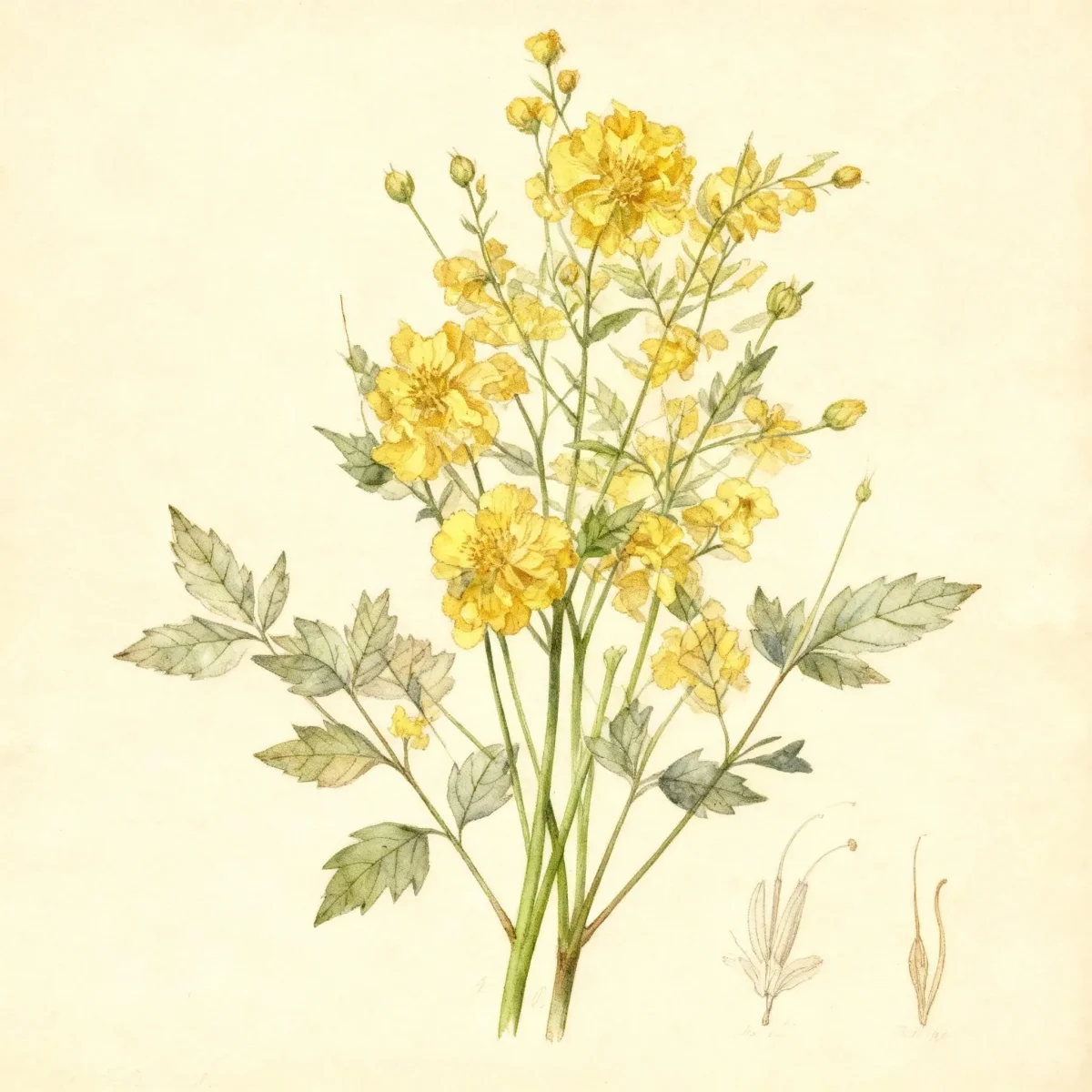
Kerria japonica, commonly called Japanese kerria or Japanese rose, is a tough-but-graceful, spring-flowering, deciduous shrub that is native to certain mountainous areas of China and Japan. It typically grows to 3-6’ tall and to 6-8’ wide on slender, arching, yellowish-green stems that remain an attractive green in winter. Single, five-petaled, rose-like, yellow flowers (to 1 1/2” diameter) bloom somewhat profusely in spring. The cultivar ‘Golden Guinea’ is specifically noted for its large, five-petaled, yellow flowers reaching up to 2 1/2” in diameter and its heavily veined leaves.
Tolerances
- Deer
- Heavy Shade
- Dry Soil
- Wet Soil
Potential Problems
Kerria japonica ‘Golden Guinea’ is generally resilient, exhibiting no serious insect or disease problems under ideal conditions. However, gardeners should remain aware of potential fungal issues common to many shrubs in humid environments. Susceptibility exists for leaf spots, cankers, blights, and root rot. To mitigate risks, ensure excellent air circulation by spacing plants appropriately and adhering strictly to the need for well-drained soil; root rot is often a direct result of poor drainage, especially in heavy clay.
Frequently Asked Questions
What hardiness zones is Japanese kerria suitable for?
The Kerria japonica ‘Golden Guinea’ is hardy and reliable across USDA Zones 4 through 9, offering flexibility for many regions.
How large does Kerria japonica ‘Golden Guinea’ grow?
This cultivar typically reaches a mature height between 4 to 8 feet tall, spreading outward from 5 to 9 feet wide, showcasing an attractive, arching habit.
What sun exposure does Japanese kerria need?
Japanese kerria prefers part shade for optimal performance, although it tolerates full shade. Be mindful that flowers can pale if the plant receives too much prolonged, intense afternoon sun.
When does Japanese kerria bloom?
The main display for this favorite early shrub is typically from April through May, showcasing brilliant yellow flowers.
Conclusion
The unparalleled bright yellow bloom in early spring, complemented by attractive green stems throughout the winter, confirms the value of Kerria japonica ‘Golden Guinea’ in the garden. This tough, adaptable plant is a dependable source of color and structure. Before planting, confirm your site’s hardiness zone falls between 4 and 9 and plan pruning immediately after flowering to ensure maximum bloom potential next spring.
Companion Planting
When designing beds around your Japanese kerria, select plants that share its preference for part shade and medium moisture levels to simplify care. Hostas, with their large textural foliage, provide an excellent low-growing contrast to the upright, arching stems of the Kerria japonica ‘Golden Guinea’. Other excellent companions include shade-loving ferns or woodland wildflowers that bloom later in the season, allowing the bright yellow of the Japanese kerria to dominate the early spring landscape.
Seasonal Care Calendar
Spring is the most active time for Kerria japonica ‘Golden Guinea’. After the last frost, inspect the shrub; this is the ideal time for any structural pruning, as blooming occurs on old wood—pruning now ensures the best flower display. Summer care focuses almost entirely on moisture management; water consistently to keep the soil medium moist, especially during heat waves. In the fall, enjoy the yellow leaf color before the stems take over winter display duties; minimal intervention is needed other than removing any dead or damaged suckers you notice near the base.