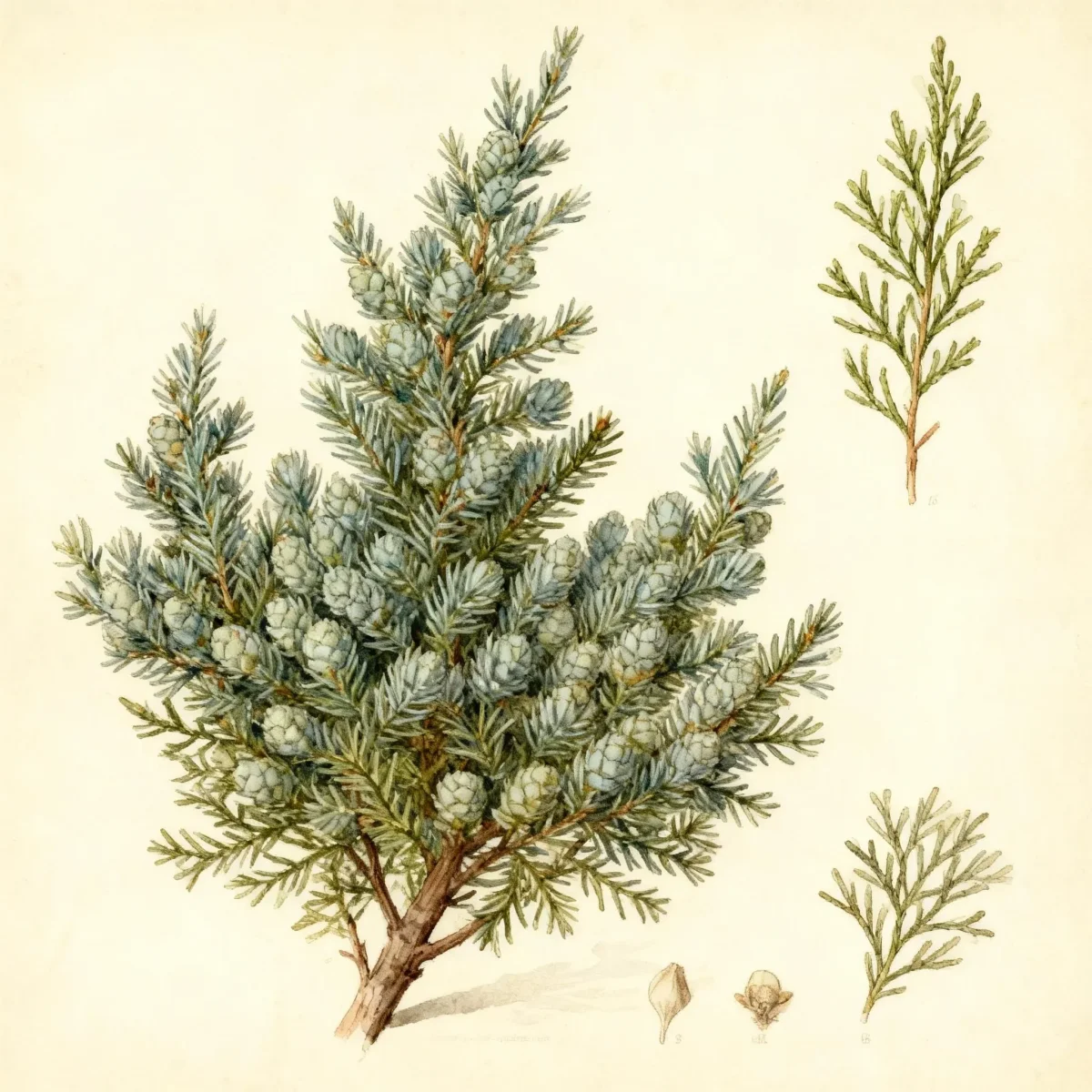
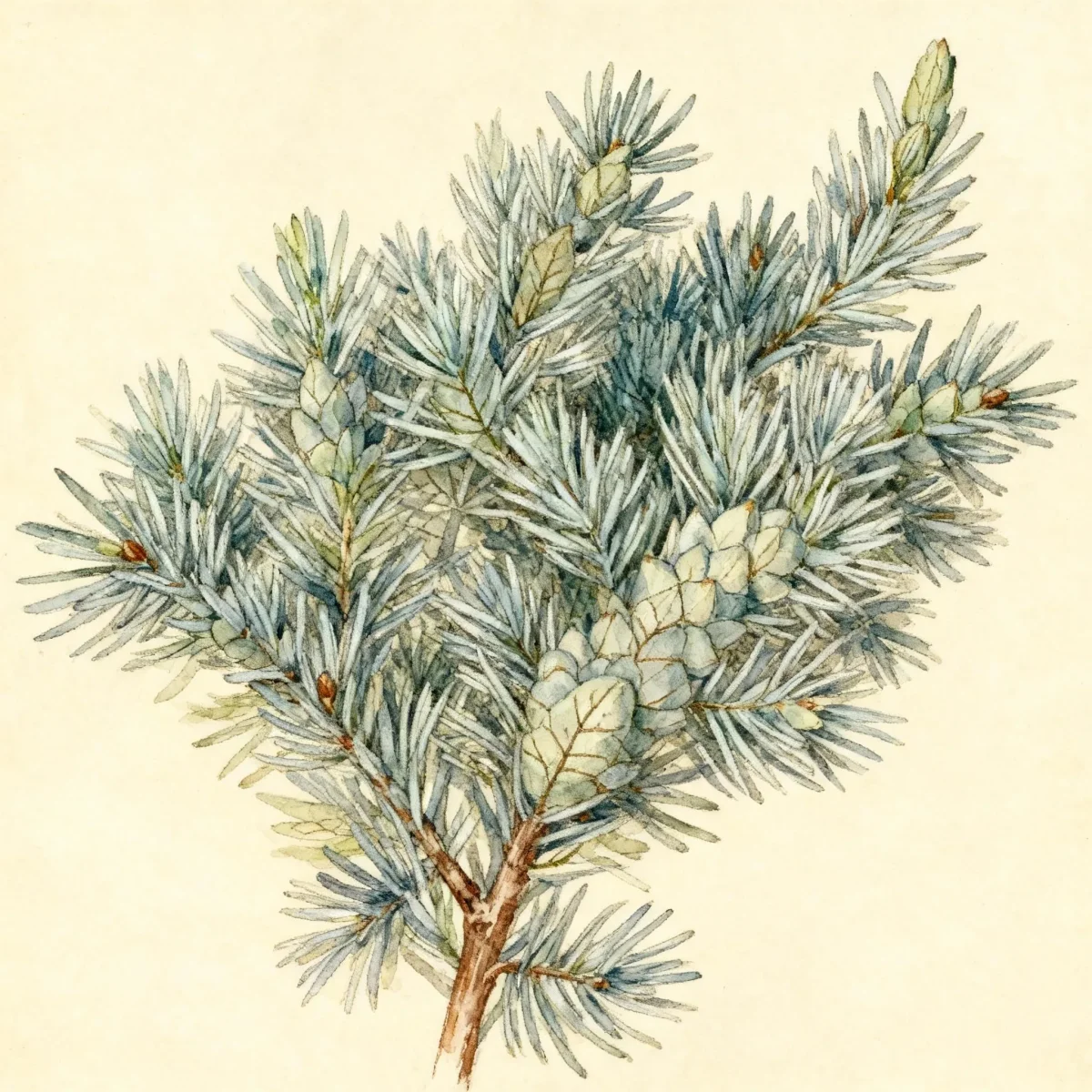
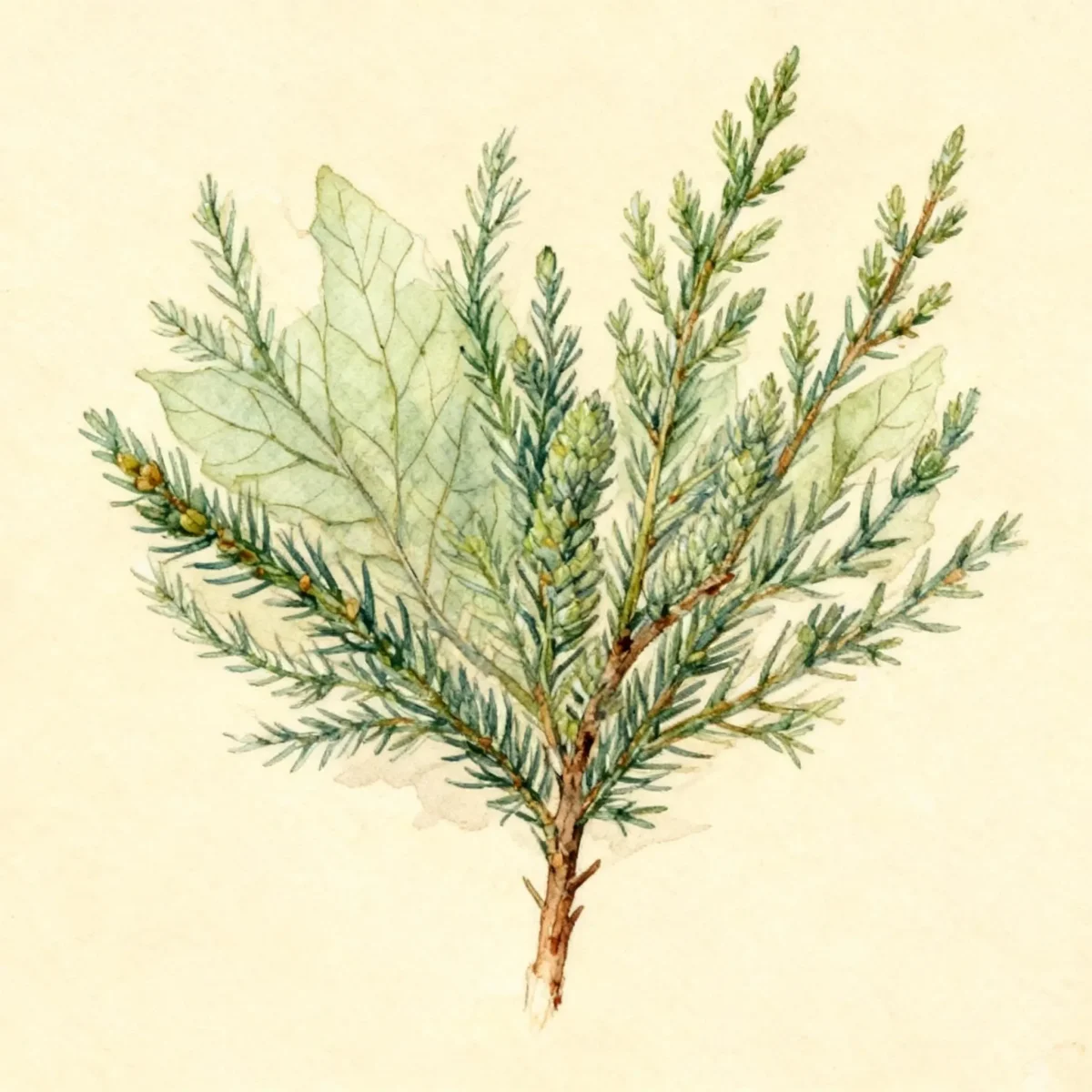
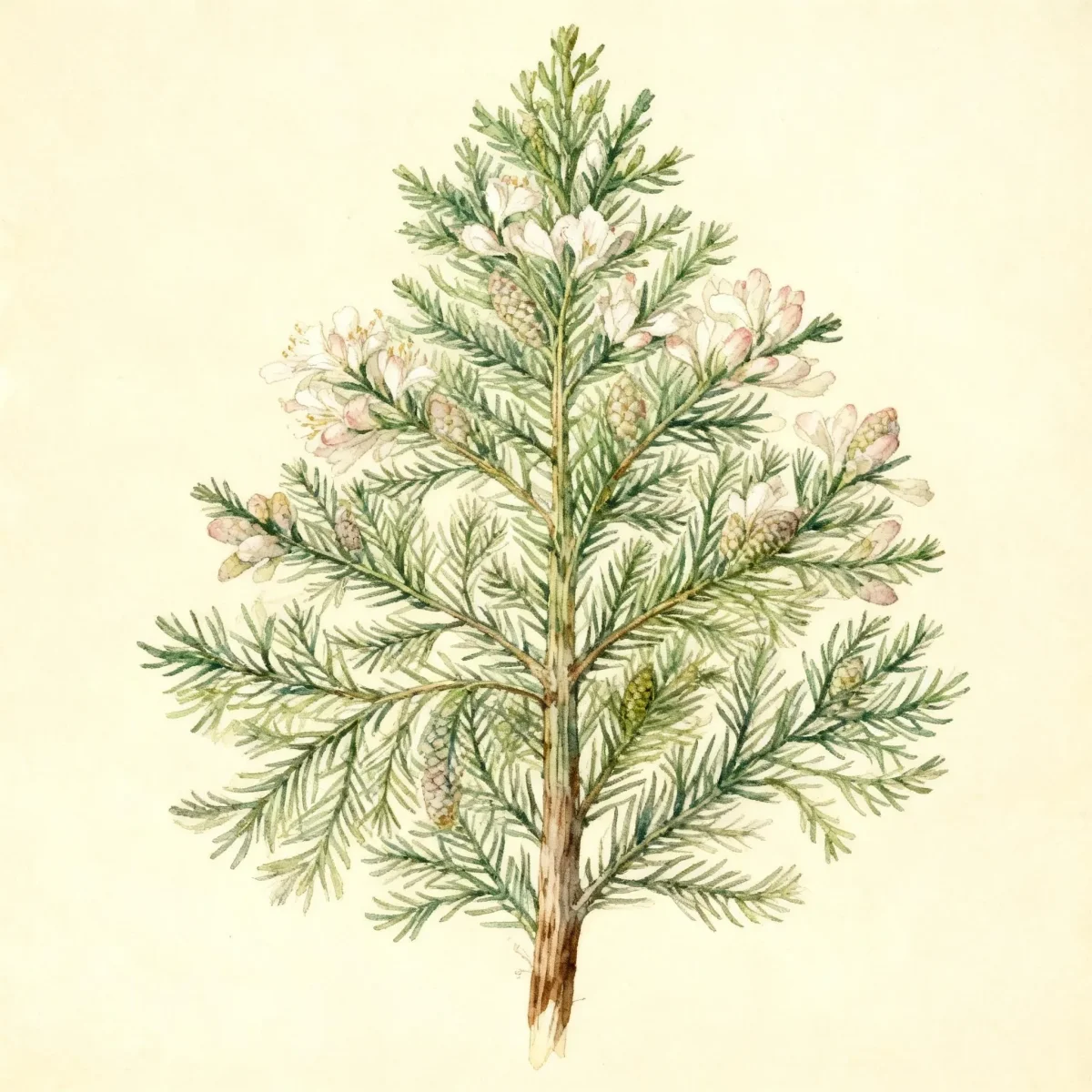
Singleseed juniper (Juniperus squamata 'Meyeri')
Juniperus squamata 'Meyeri' is a low-maintenance, steel-blue needled evergreen notable for its attractive foliage and drought tolerance.
Scroll down to discover growing tips, care requirements, companion plants, and more
Complete Plant Information
Overview
The Singleseed juniper, Juniperus squamata ‘Meyeri’, brings exceptional texture and steely blue-green color to the landscape, establishing itself as a versatile, needled evergreen. This cultivar is known for its upright, bushy habit, making it a valuable feature plant where year-round structure is desired. Despite its ornamental appeal, the Singleseed juniper requires relatively low maintenance once established.
A defining feature shared by the species, from which Juniperus squamata ‘Meyeri’ derives its name, is the production of small, berry-like cones, each containing only a single seed. This slow-growing shrub adapts well to various tough environments, preferring full sun exposure to maintain its best foliage color. Gardeners value this specimen for its hardiness across USDA Zones 4 through 7.
This specific cultivar, sometimes known as Meyer juniper, is highly adaptable, thriving in dry soil conditions typical of arid landscapes or slopes where other shrubs might struggle. While it exhibits excellent resilience, understanding its specific soil and sun needs is key to ensuring the long-term health and vibrant, silvery-blue presentation of this excellent juniper.
Fast Facts
- Plant Family: Cupressaceae
- Plant Type: Needled evergreen
- Hardiness Zones: USDA Zones 4-7
- Size at Maturity:
- Height: 5-8 ft
- Spread: 4-7 ft
- Bloom Time: Flowers not showy
- Bloom Description: Non-flowering
- Sun Exposure: Full sun
- Water Needs: Medium
- Maintenance Level: Low
How to Grow
Planting Juniperus squamata ‘Meyeri’ is best done during the spring or fall when temperatures are moderate, allowing the root system to establish before summer heat or winter cold stress. Select a location that provides full, uninterrupted sunlight, as insufficient light will diminish the steel-blue coloration of the foliage. The Singleseed juniper is remarkably tolerant, adapting well to a wide variety of soils, but it absolutely requires good drainage; sites with perpetually wet or poorly drained soil must be avoided to prevent root rot.
Once situated, this juniper requires only medium water input, generally needing routine watering until established. After establishment, its drought tolerance shines, making it an excellent choice for xeriscaping or dry, sandy sites that drain rapidly. Fertilization is rarely necessary; this plant thrives without heavy amendment. Pruning should generally be minimal, as the plant maintains a pleasing natural habit. Only prune to control overall height or remove damaged tips.
Be mindful that while Juniperus squamata ‘Meyeri’ handles dryness well, it is somewhat sensitive to the high heat and humidity found deep in the South. In winter climates, the foliage may show some discoloration, which is common for junipers as they adapt to cold, sunny exposure.
Landscape Uses
The Singleseed juniper serves wonderfully as a foundational planting due to its upright, bushy structure, providing vertical accent without overwhelming smaller spaces. Its dense habit makes it effective for defining borders or softening corners where a formal yet rugged element is needed. Because it handles shallow and rocky soils, it is an outstanding candidate for stabilizing banks and slopes, slowing erosion while adding year-round interest.
Consider placing Juniperus squamata ‘Meyeri’ alongside contrasting textures, such as broadleaf evergreens or deciduous grasses, to highlight its stiff, awl-shaped needles. Its blue-gray tones pair beautifully with chartreuse or deep burgundy plants. Since it tolerates air pollution well, it is also suitable for use near driveways or commercial landscapes where maintenance demands are low.
Standout Features
Fruit Qualities
- Showy
Noteworthy Characteristics
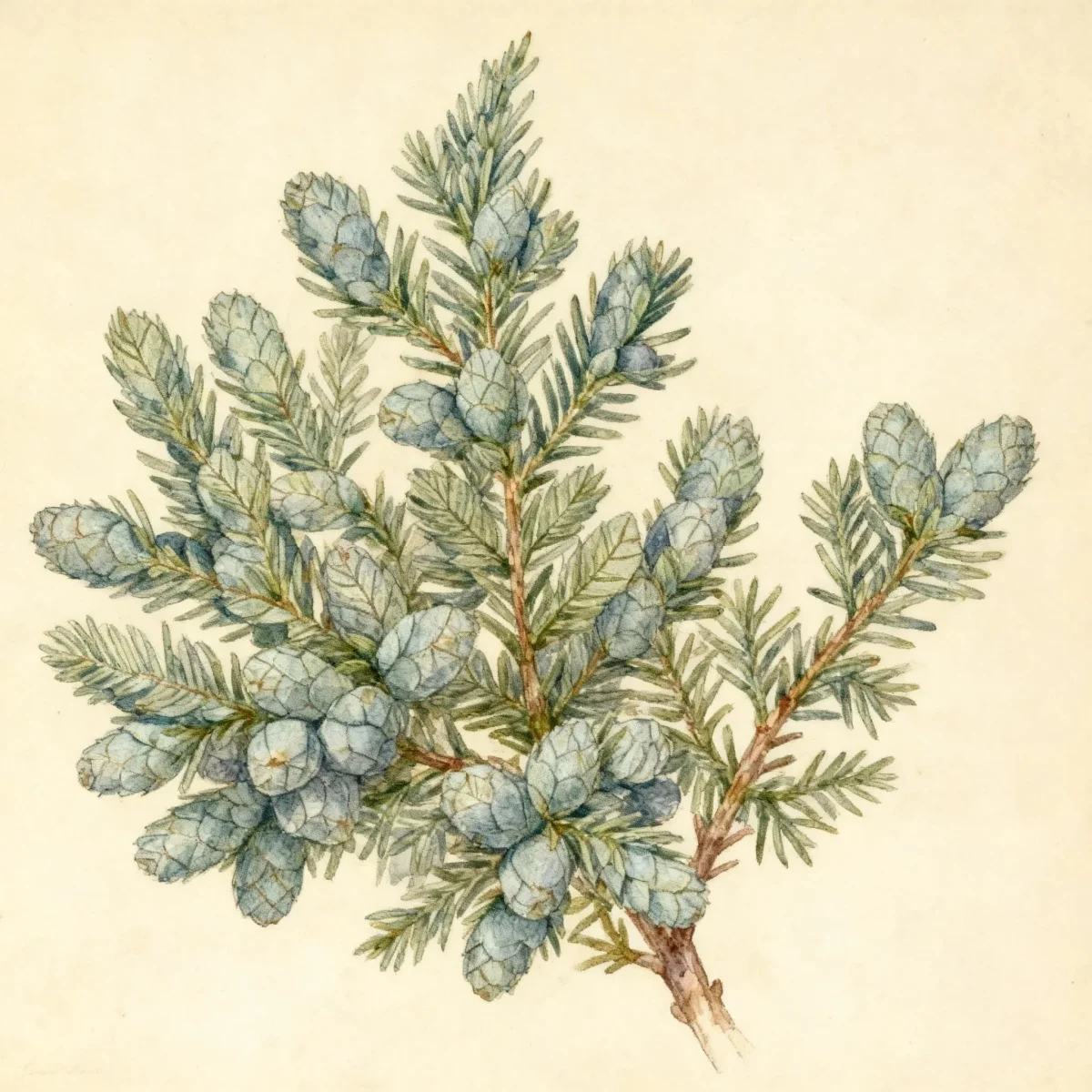
The Singleseed juniper is named for its unique fleshy, elliptic, blackish seed cones, each containing just one seed. Juniperus squamata ‘Meyeri’ is specifically recognized for its brilliant steel-blue foliage contrasted against sharply pointed needles arranged in whorls of three. While established at 5 ft tall by 4 ft wide, this female cultivar has the potential to grow much taller over extended periods, offering significant evergreen presence.
Tolerances
- Deer
- Drought
- Erosion
- Dry Soil
- Shallow-Rocky Soil
- Air Pollution
Potential Problems
Juniperus squamata ‘Meyeri’ generally avoids serious insect or disease issues, contributing to its low-maintenance profile. However, wet springs can encourage blight on the stem tips, most notably Phomopsis twig blight; ensure good air circulation to minimize risk. Root rot is a major concern if the planting site has poor drainage, as this species intolerant of wet soils. Occasional pests like scale, aphids, or spider mites may appear. If foliage discolors in winter, it is often a seasonal reaction rather than a disease.
Frequently Asked Questions
What hardiness zones is Singleseed juniper suitable for?
The Juniperus squamata ‘Meyeri’ is well suited for USDA Hardiness Zones 4 through 7.
How large does Juniperus squamata ‘Meyeri’ grow?
This cultivar typically matures to a height between 5 and 8 feet tall, with a spread ranging from 4 to 7 feet wide, although it may exceed 15 feet under ideal, long-term conditions.
What sun exposure does Singleseed juniper need?
This needled evergreen must be planted in full sun to ensure optimal growth and best steel-blue foliage color.
When does Juniperus squamata ‘Meyeri’ bloom?
This conifer produces flowers that are not showy and is generally considered non-flowering for ornamental purposes.
Conclusion
The Juniperus squamata ‘Meyeri’ delivers outstanding year-round visual appeal with its distinct blue foliage and exceptional resilience against drought and poor soils. For gardeners seeking a low-care, structurally interesting evergreen, the Singleseed juniper is an excellent choice for borders and foundational plantings. Before purchasing, confirm your site receives full sun and ensure excellent soil drainage to guarantee the long life of your new specimen.
Companion Planting
Choosing appropriate companions ensures that your Juniperus squamata ‘Meyeri’ thrives without competition for resources or light. Because this juniper requires full sun and dry to medium moisture, pair it with other Mediterranean or high-drainage-loving plants. Consider companion planting with ornamental grasses that enjoy dry conditions, such as Blue Fescue (Festuca glauca), whose fine texture contrasts nicely with the juniper’s sharp needles. Succulents or sedums that prefer lean, dry soil also make excellent ground-level companions near the base of the shrub.
Design Ideas Using Steel-Blue Foliage
The signature steel-blue color of this Singleseed juniper offers fantastic contrast opportunities in foundation plantings and rock gardens. Use smaller, mounding blue junipers to link the upright habit of Juniperus squamata ‘Meyeri’ into a cohesive ground plane. In modern designs, place the juniper against vertical hardscaping or retaining walls to emphasize its structural form. For a dramatic winter display, position it near deciduous shrubs that provide clear, bright red or yellow bark contrast once leaves drop.