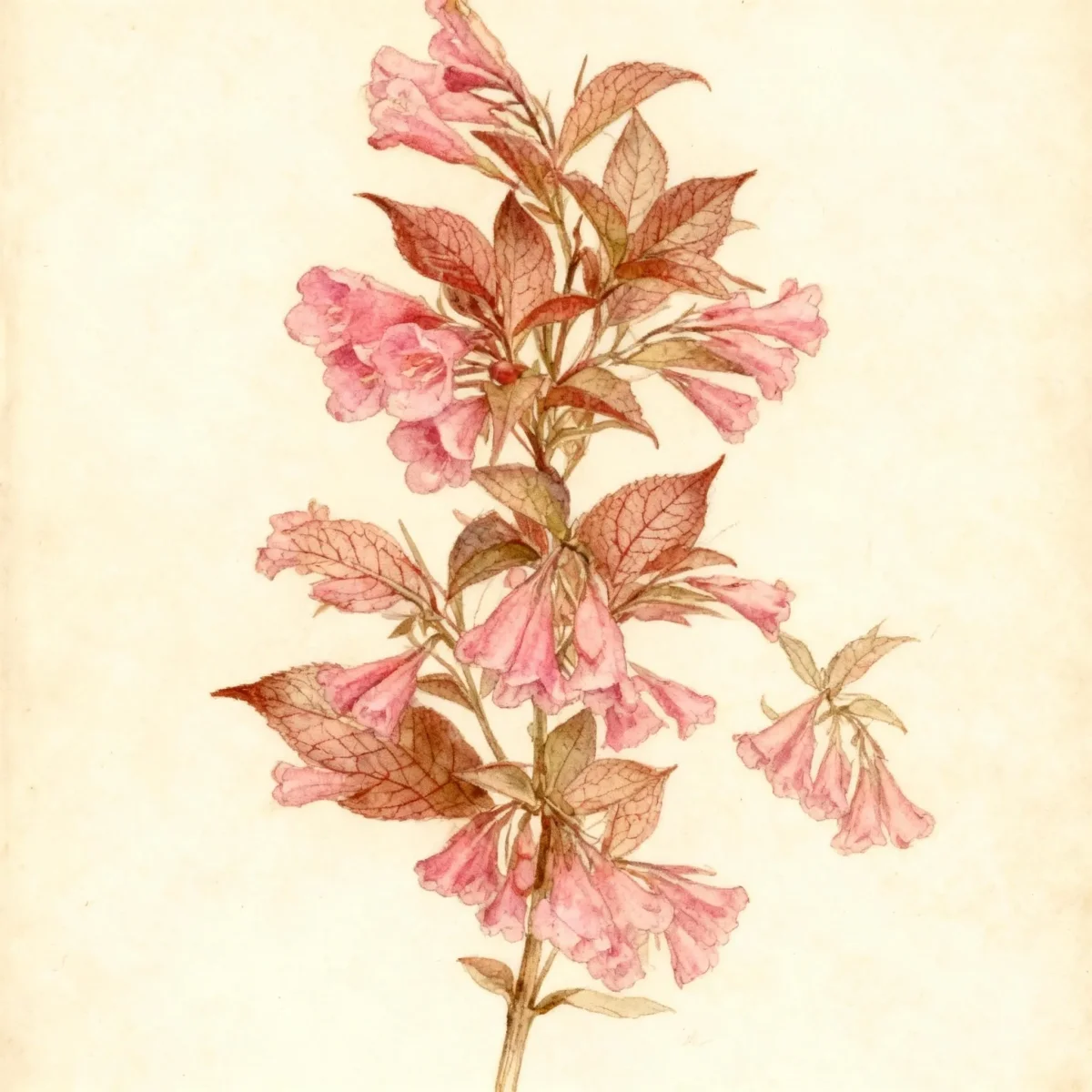
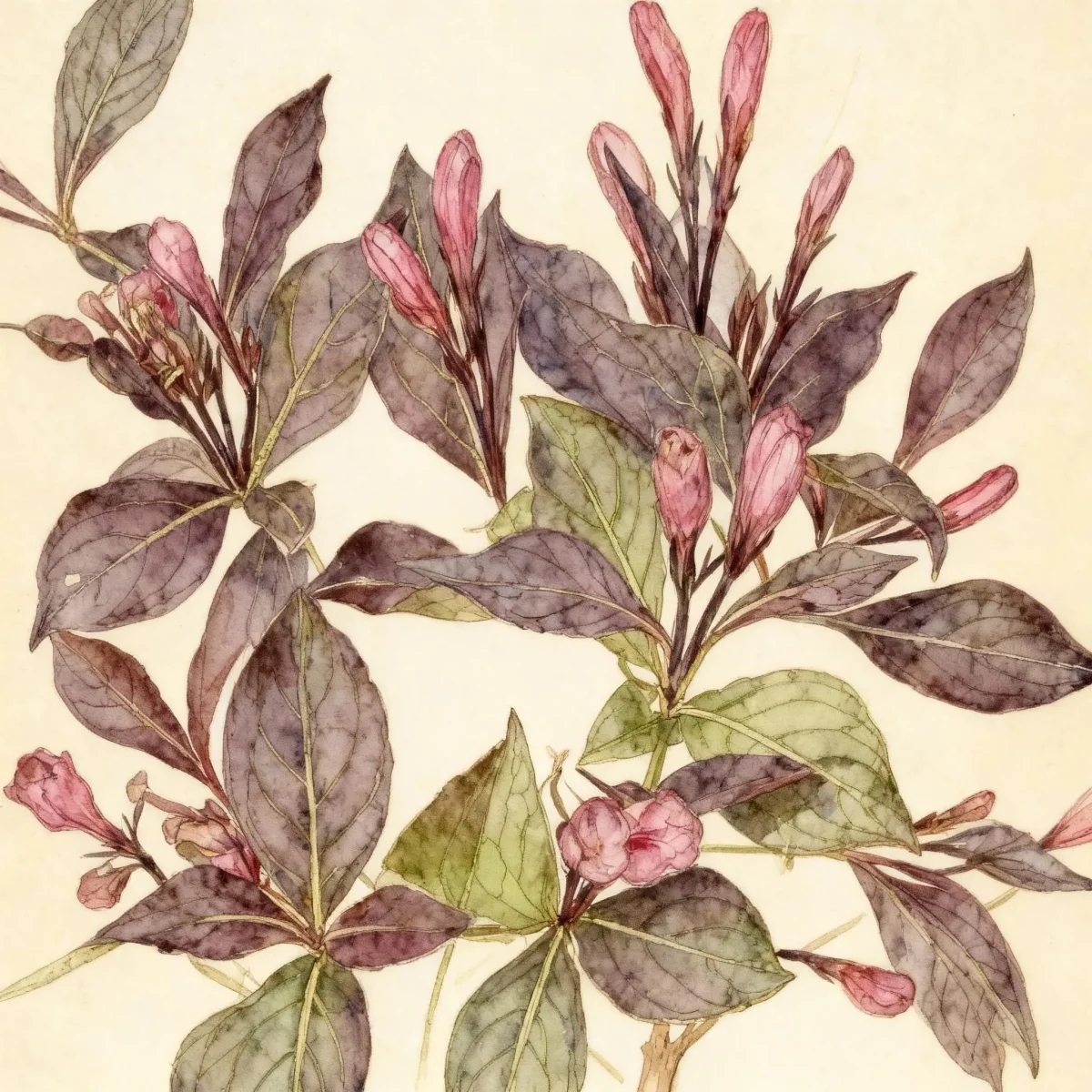
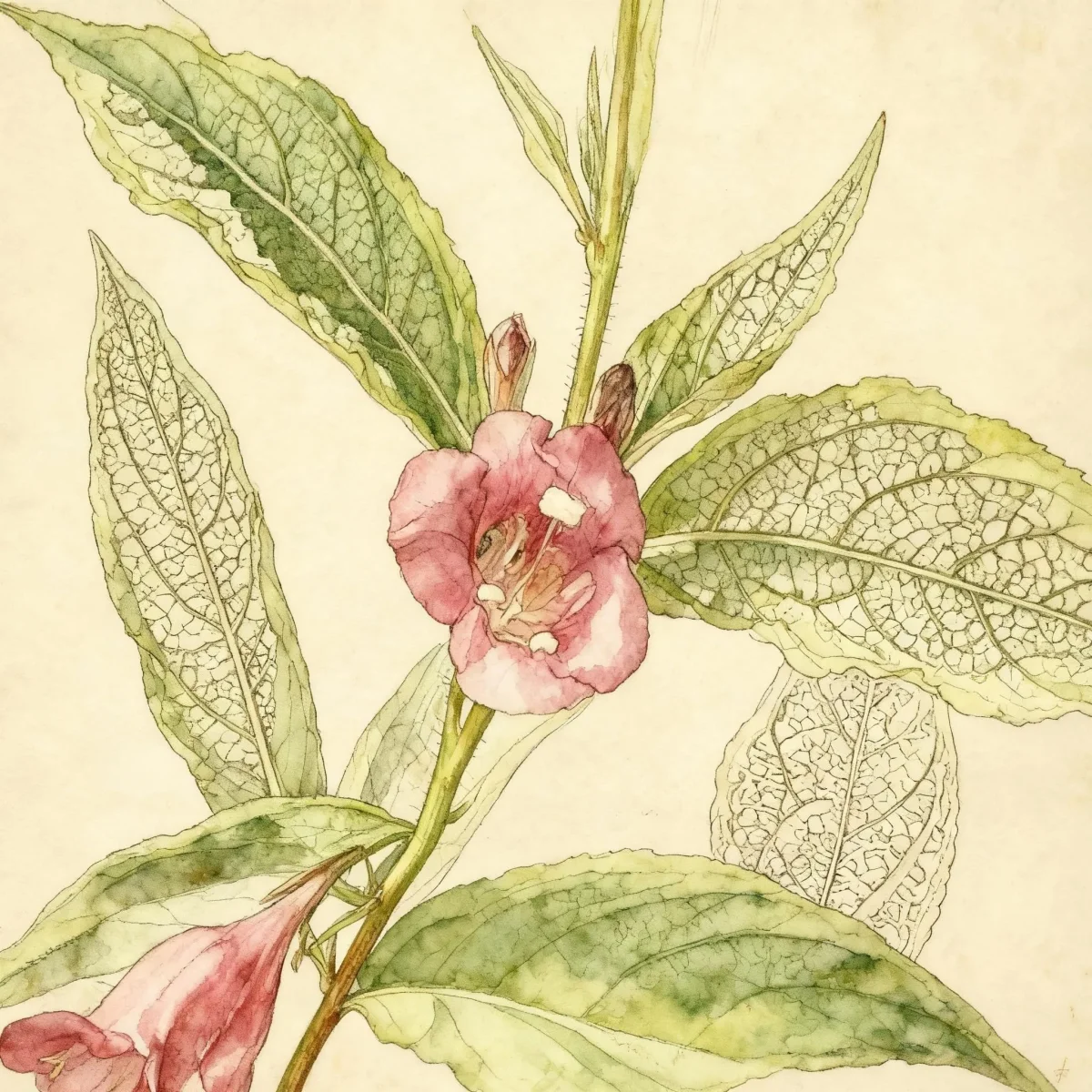
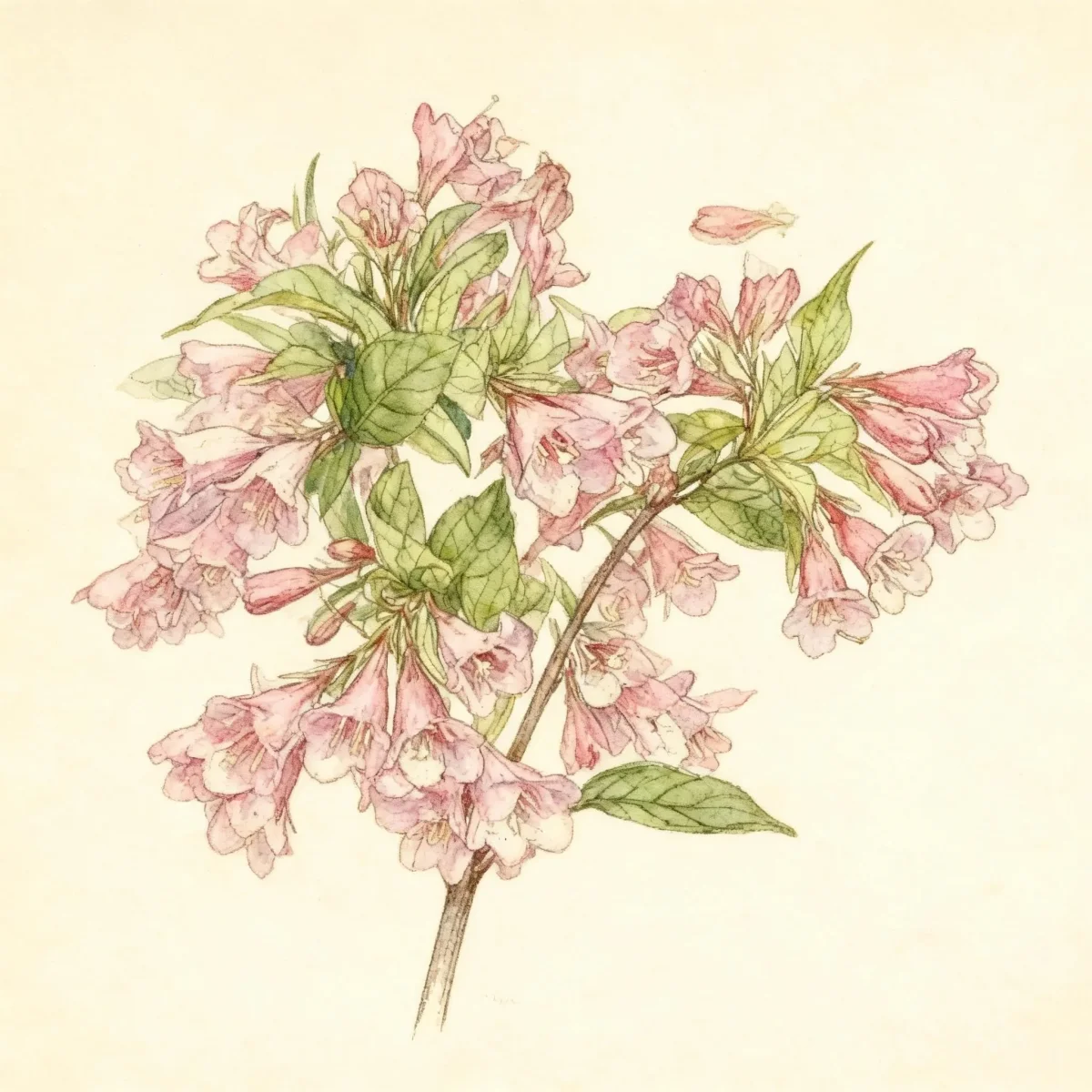
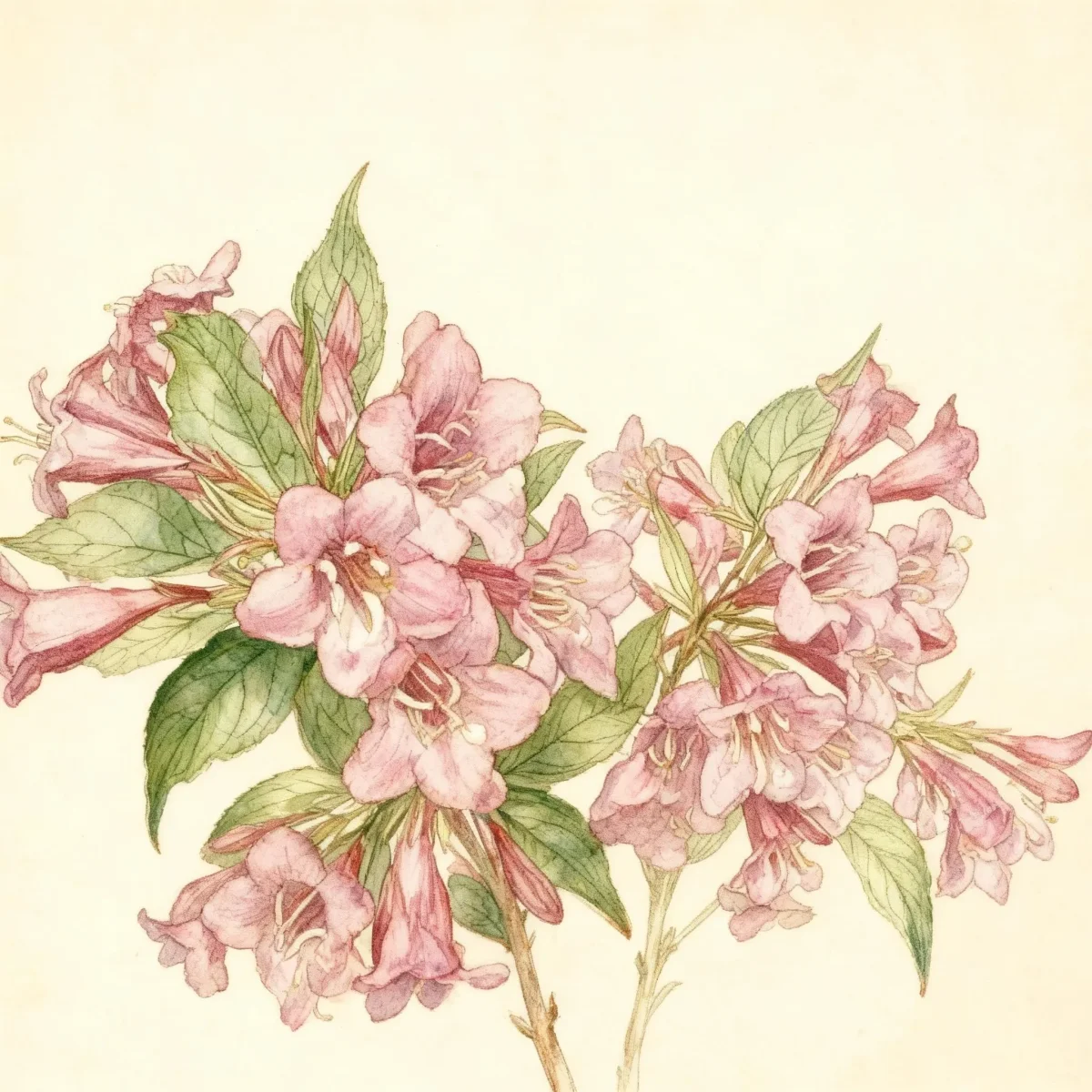
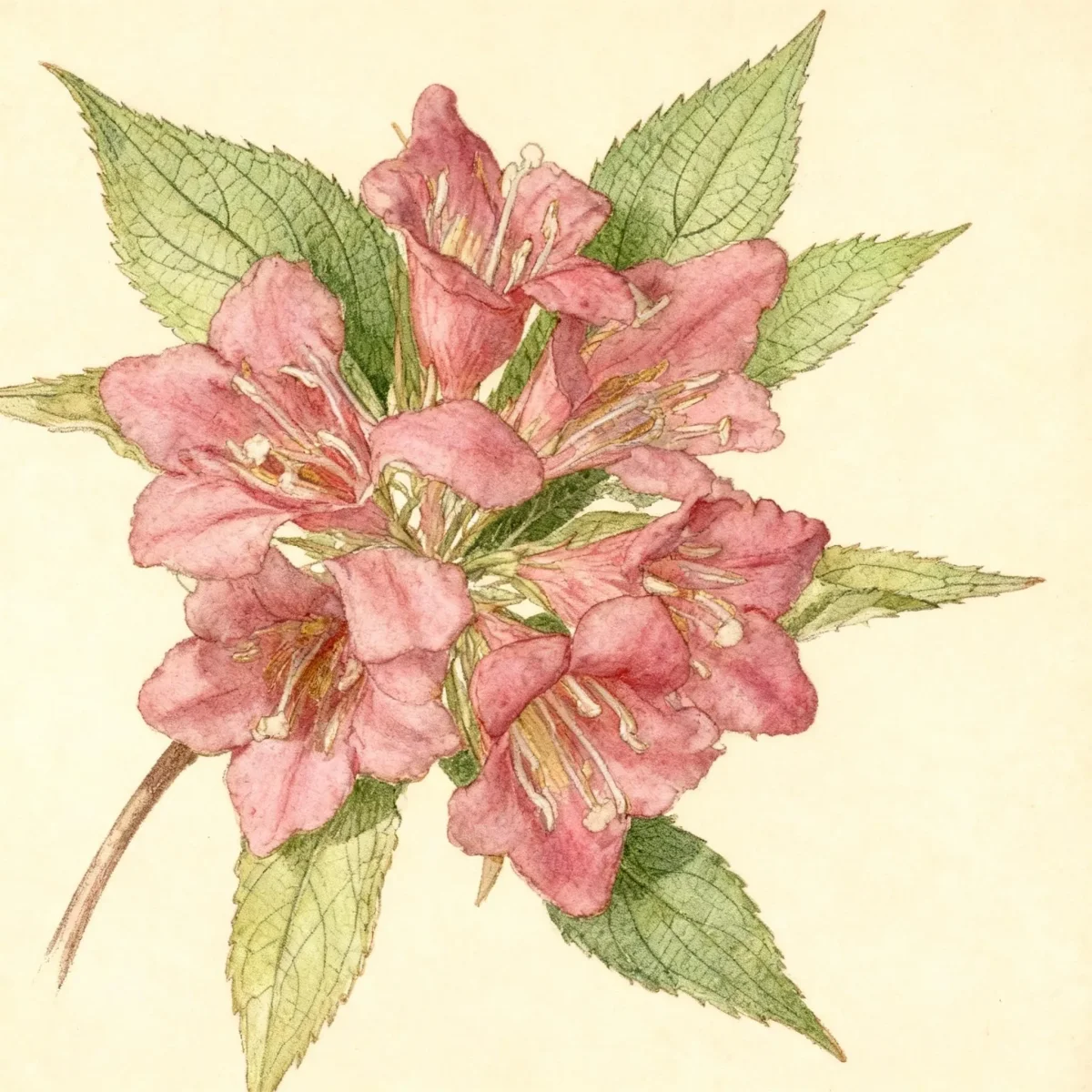
Weigela (Weigela florida 'Dropmore Pink')
Weigela florida 'Dropmore Pink' is a low-maintenance deciduous shrub offering profuse rose-pink flowers from spring to summer.
Scroll down to discover growing tips, care requirements, companion plants, and more
Complete Plant Information
Overview
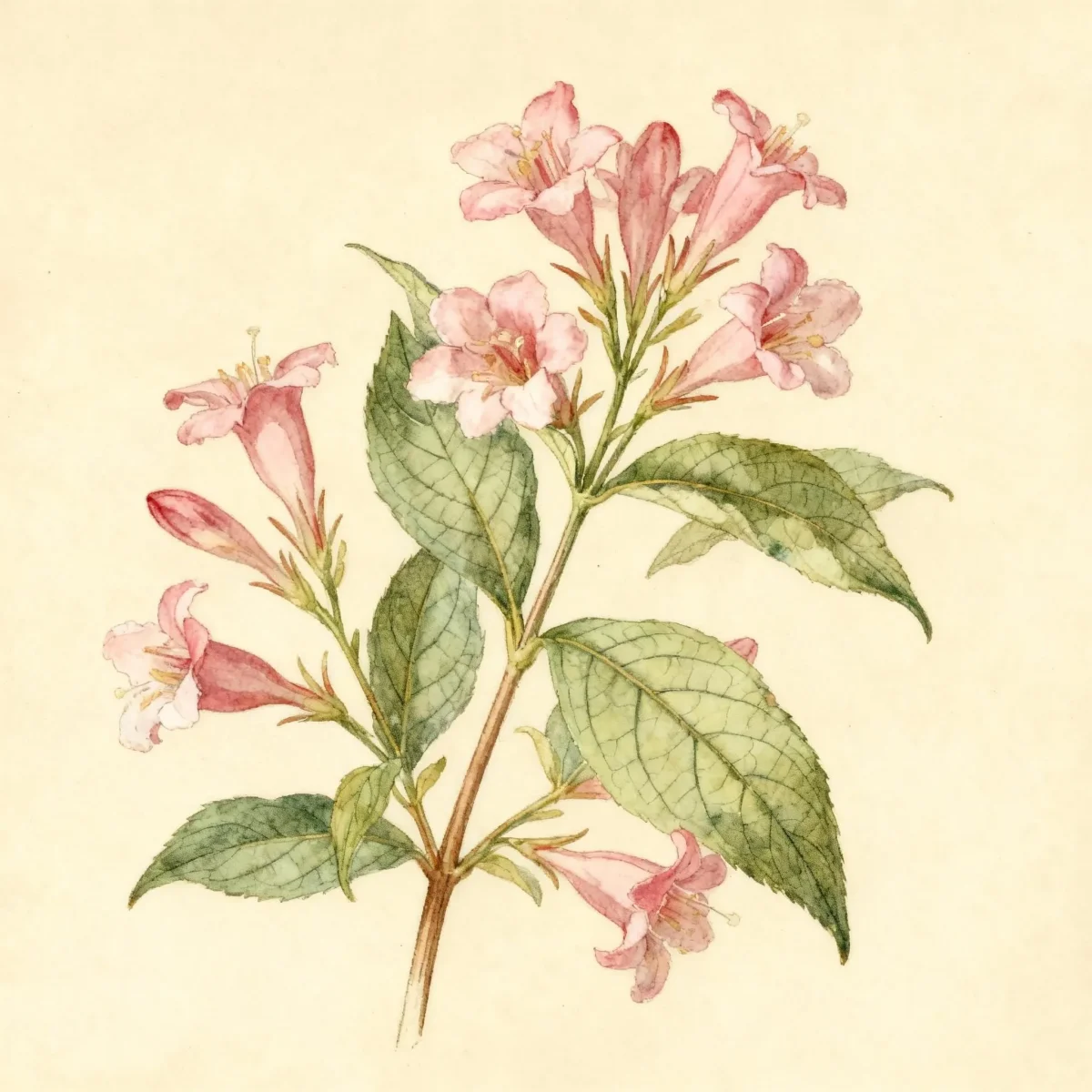
The $Weigela \text{ florida } ‘Dropmore \text{ Pink}’$ is a highly valued deciduous shrub known for its dense, rounded form and abundant spring floral display. This cultivar of Weigela provides dependable color, making it a staple for gardeners looking for low-effort, high-impact landscaping elements. Its bright, funnel-shaped rose pink flowers are exceptionally attractive to local hummingbird populations.
As a versatile shrub, the Weigela florida ‘Dropmore Pink’ easily adapts to various garden settings provided it receives ample sunlight. It typically matures to a manageable 4 to 6 feet tall and wide, offering excellent structure through the growing season with its medium green foliage. This specific variety is known for retaining good leaf color throughout the summer months, ensuring season-long appeal beyond its main blooming period.
Growing Weigela is straightforward, requiring average moisture and well-drained soil. Its low maintenance needs and adaptability to clay soil make the Weigela florida ‘Dropmore Pink’ an extremely practical choice for creating borders, screens, or defining property margins where consistent performance is required.
Fast Facts
- Plant Family: Caprifoliaceae
- Plant Type: Deciduous shrub
- Hardiness Zones: USDA Zones 4-8
- Size at Maturity:
- Height: 4-6 ft
- Spread: 4-6 ft
- Bloom Time: March to June
- Bloom Description: Rose pink
- Sun Exposure: Full sun
- Water Needs: Medium
- Maintenance Level: Low
How to Grow
For optimal performance, plant Weigela florida ‘Dropmore Pink’ in the spring or fall when conditions are cooler. Location selection is crucial, as this shrub thrives best in full sun, which promotes the most prolific blooming and best foliage color. While forgiving of light shade, insufficient sun exposure will significantly reduce the floral performance of your Weigela. It adapts well to average, medium-moisture, well-drained soils and shows a notable tolerance for clay soil conditions.
Watering should be medium; ensure the soil remains consistently moist, especially for newly established plants. Once mature, Weigela is relatively self-sufficient, though supplemental watering may be required during prolonged dry spells. Fertilizing is generally unnecessary unless the soil is extremely poor; excess fertilizer can lead to weak, leggy growth rather than abundant flowers.
Pruning this Weigela is best done immediately after the main flush of spring flowering has concluded. This timing allows the plant to set buds on new wood for the following year while maintaining a neat shape. Any shaping or size reduction should aim to preserve the natural, slightly arching habit of the mature shrub. Propagation is readily achieved through stem cuttings taken at the appropriate time.
Landscape Uses
The Weigela florida ‘Dropmore Pink’ excels in foundational plantings, offering reliable, mid-sized screening against buildings or utility structures. Due to its dense, rounded habit, it functions perfectly as a formal or informal hedge, providing a colorful border that is less demanding than many traditional hedging materials. It also performs admirably when placed along property margins where structure and seasonal interest are required.
Consider utilizing this shrub alongside contrasting foliage plants, such as dark-leafed Ninebark or brighter variegated shrubs, to enhance the visual impact of the rose pink spring blooms. Because the flowers attract hummingbirds, planting Weigela near patios, windows, or in wildlife gardens ensures you can easily enjoy these visitors. When used in borders, plant in groups of three or five to maximize the visual effect of their mass flowering period.
Standout Features
Flower Qualities
- Showy
Noteworthy Characteristics
Weigela florida is native to northern China, Korea and Japan. The specific epithet florida means “freely flowering,” referencing its habit. ‘Dropmore Pink’ is a dense, rounded, deciduous shrub celebrated for its rose-pink flowers that bloom profusely in spring, often followed by a sparser repeat bloom throughout summer. Its dark green leaves retain good color throughout the growing season, making this Weigela a wonderful backbone plant.
Tolerances
- Clay Soil
Potential Problems
The Weigela florida ‘Dropmore Pink’ generally experiences no serious insect or disease problems, contributing to its low maintenance profile. Gardeners should remain vigilant for common issues, though they are infrequent. Ensure good air circulation when planting to mitigate any potential fungal issues, especially in humid environments. If pests like aphids or spirea scale do appear, standard horticultural oils or insecticidal soaps are usually effective treatments.
Frequently Asked Questions
What hardiness zones is Weigela suitable for?
Weigela florida ‘Dropmore Pink’ is best suited for gardeners located in USDA Hardiness Zones 4 through 8.
How large does Weigela grow?
This dense, rounded shrub typically reaches a moderate height and spread, growing between 4 and 6 feet in both dimensions at maturity.
What sun exposure does Weigela florida ‘Dropmore Pink’ need?
For the most magnificent display of rose pink flowers, ensure your Weigela receives full sun exposure daily.
When does Weigela bloom?
The primary bloom time for Weigela florida ‘Dropmore Pink’ is during the late spring through early summer, specifically from March to June.
Conclusion
The Weigela florida ‘Dropmore Pink’ provides exceptional value through its reliability, manageable size, and vibrant rose pink blossoms. Its tolerance for clay soil and low maintenance requirements make this Weigela an excellent foundational plant or hedge solution for almost any landscape. Before planting, confirm that your location provides the necessary full sun exposure to maximize its colorful potential.
Companion Planting
When siting Weigela florida ‘Dropmore Pink’, consider companions that offer contrasting foliage color or texture to highlight its spring bloom. For summer interest after the main flowering period, pair it with plants that offer strong vertical lines or different colors. Early blooming spring bulbs often provide a delicate foreground layer before the shrub fills out. Plants that share the medium water needs and full sun preference will create a cohesive, low-stress garden bed.
Wildlife Benefits
A significant benefit of including Weigela in your garden design is its strong attraction to nectar-feeding wildlife. The funnel-shaped flowers of the Weigela are particularly appealing to hummingbirds, providing them with a critical early-season food source. Planting this shrub near outdoor living spaces ensures prime viewing opportunities for these fast-moving pollinators. It contributes positively to backyard biodiversity without requiring specialized care.