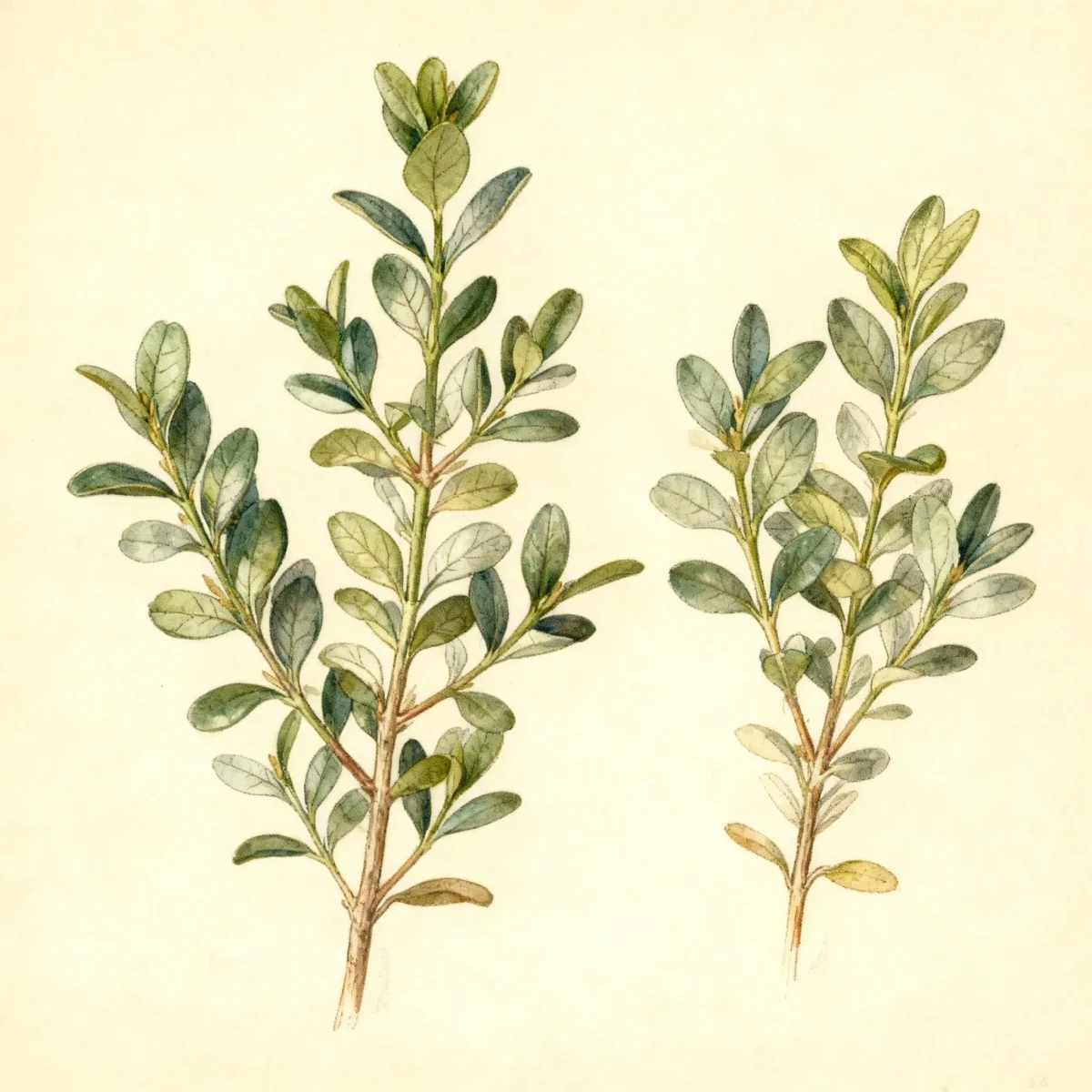
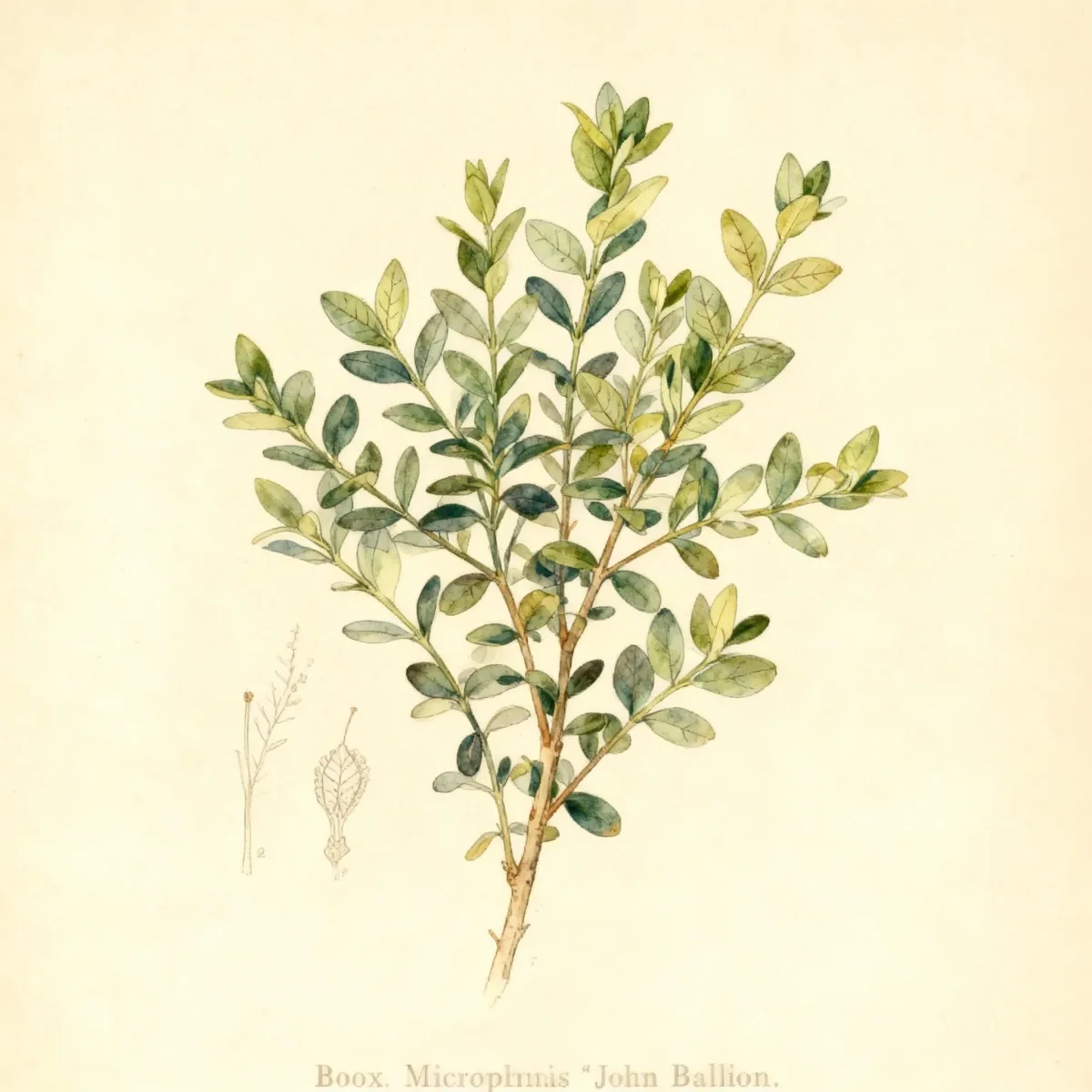
Boxwood (Buxus sempervirens 'Variegata')
Variegated Boxwood (Buxus sempervirens 'Variegata') is a compact evergreen shrub with white-margined leaves, perfect for hedges in USDA Zones 6-8.
Scroll down to discover growing tips, care requirements, companion plants, and more
Complete Plant Information
Overview
Buxus sempervirens ‘Variegata’, commonly recognized as Variegated Boxwood, offers distinctive year-round structure with its appealing foliage edged in creamy white margins. This slow-growing, dense cultivar is highly valued in formal garden settings where consistent texture and brightness are required throughout the winter months in warmer climates. It serves as an excellent foundation plant or low hedge, providing reliable evergreen screening and excellent form.
This particular Boxwood variety typically matures to a manageable height, making it easier to maintain than some larger species, though it still requires attention to soil drainage and siting. While the common Boxwood is known for its hardiness, gardeners should site Buxus sempervirens ‘Variegata’ where it receives protection from harsh winter winds and intense afternoon sun to prevent foliage bronzing. Its reliable evergreen nature makes it a cornerstone for structure in any landscape design.
Fast Facts
- Plant Family: Buxaceae
- Plant Type: Broadleaf evergreen
- Hardiness Zones: USDA Zones 6-8
- Size at Maturity:
- Height: 3-5 ft
- Spread: 3-4 ft
- Bloom Time: April to May
- Bloom Description: White-green
- Sun Exposure: Full sun to part shade
- Water Needs: Medium
- Maintenance Level: Medium
How to Grow
Planting the Variegated Boxwood should occur when soil conditions are optimal, generally using well-drained loams mixed with organic material. Site the plant where it receives full sun to light part shade; while it tolerates deeper shade, the foliage density of Buxus sempervirens ‘Variegata’ will decrease, leading to a more open habit. Ensure the planting site avoids areas where soil remains soggy, as root rot is a significant risk for this shallow-rooted shrub.
Water needs are medium; maintain consistently moist, but never saturated, soil, especially during establishment. Avoid cultivating close to the plant base due to shallow roots; instead, apply a 1-2 inch layer of organic mulch, such as bark or compost, to moderate soil temperature and retain moisture. Pruning or shearing should be strictly avoided before the last expected spring frost. Early pruning can stimulate tender new growth vulnerable to late-season freezes.
For best winter performance, site your Boxwood away from strong, drying winds and heavy exposure to the full force of winter sun. Exposure to relentless winter wind causes rapid moisture loss from the leaves, often resulting in unsightly dehydration and bronzing of the variegated foliage. Annual thinning to remove dead or damaged branches improves internal air circulation, which is vital for disease prevention.
Landscape Uses
The beautiful variegation of Buxus sempervirens ‘Variegata’ makes it exceptional for defining space within formal, Mediterranean, or mixed garden designs. This Boxwood thrives when used as a low, narrow hedge, providing crisp, brightly edged boundaries that last all year. It is also suitable for use as topiary elements or as vertical accents foundational plantings where year-round structure is prized over summer bloom.
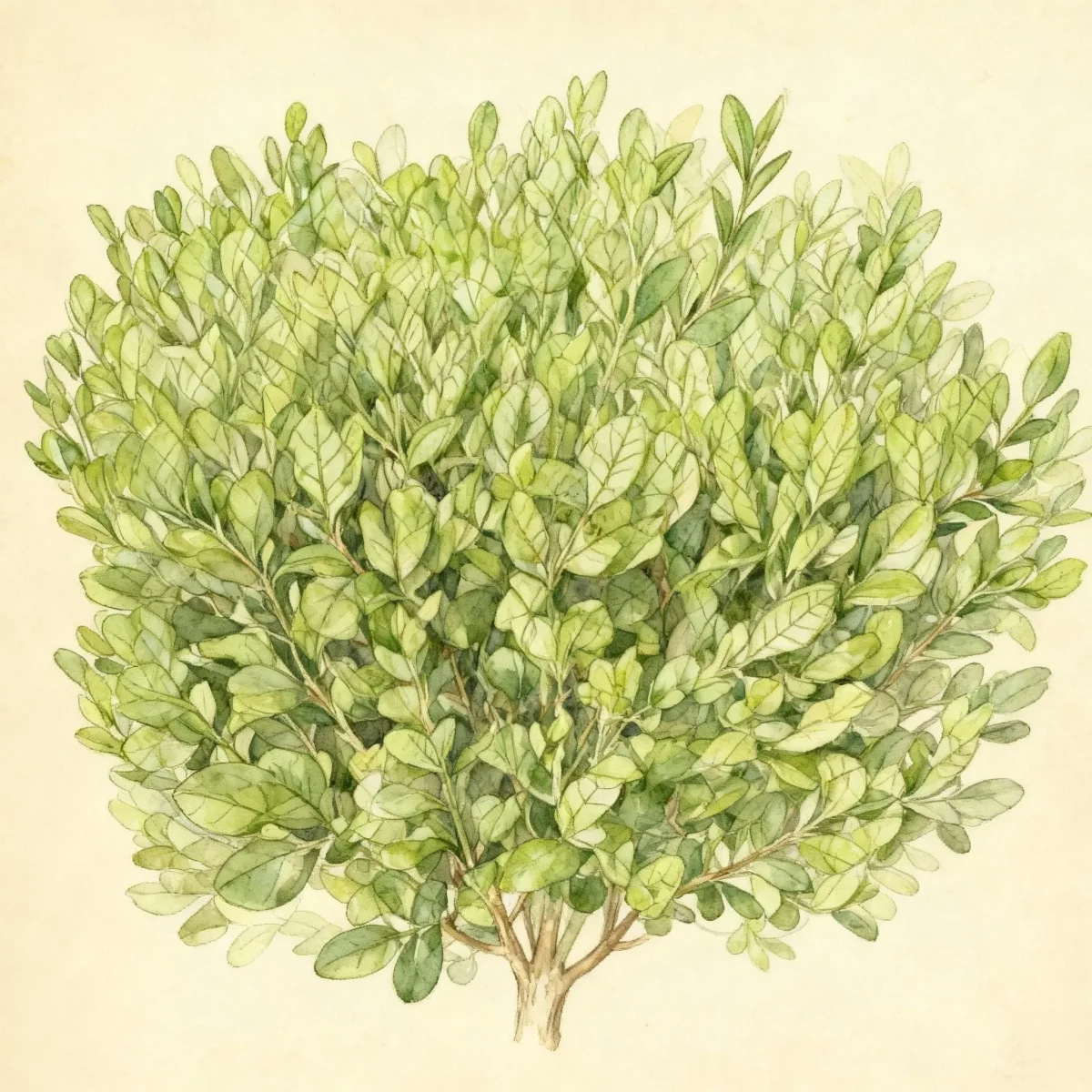
Because of its compact nature—typically maturing around 5 feet tall over many years—this selection fits perfectly into mixed borders or large decorative containers flanking an entryway. Mass planting creates a dense, formal effect, while utilizing variegated Boxwood as an accent prevents garden beds from looking too heavy or monolithic, offering needed contrast against darker green foliage counterparts.
Standout Features
Flower Qualities
- Fragrant
- Insignificant
Noteworthy Characteristics
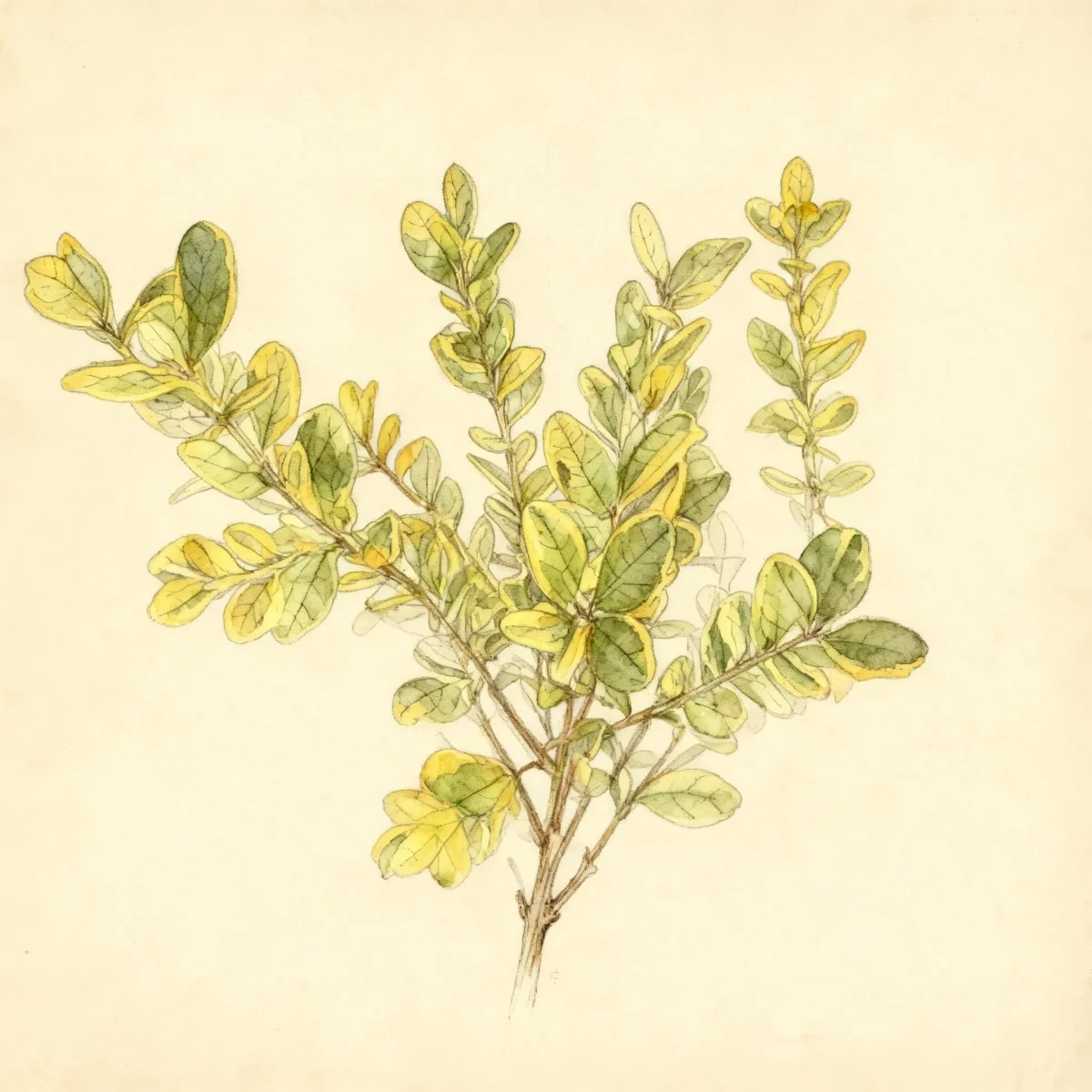
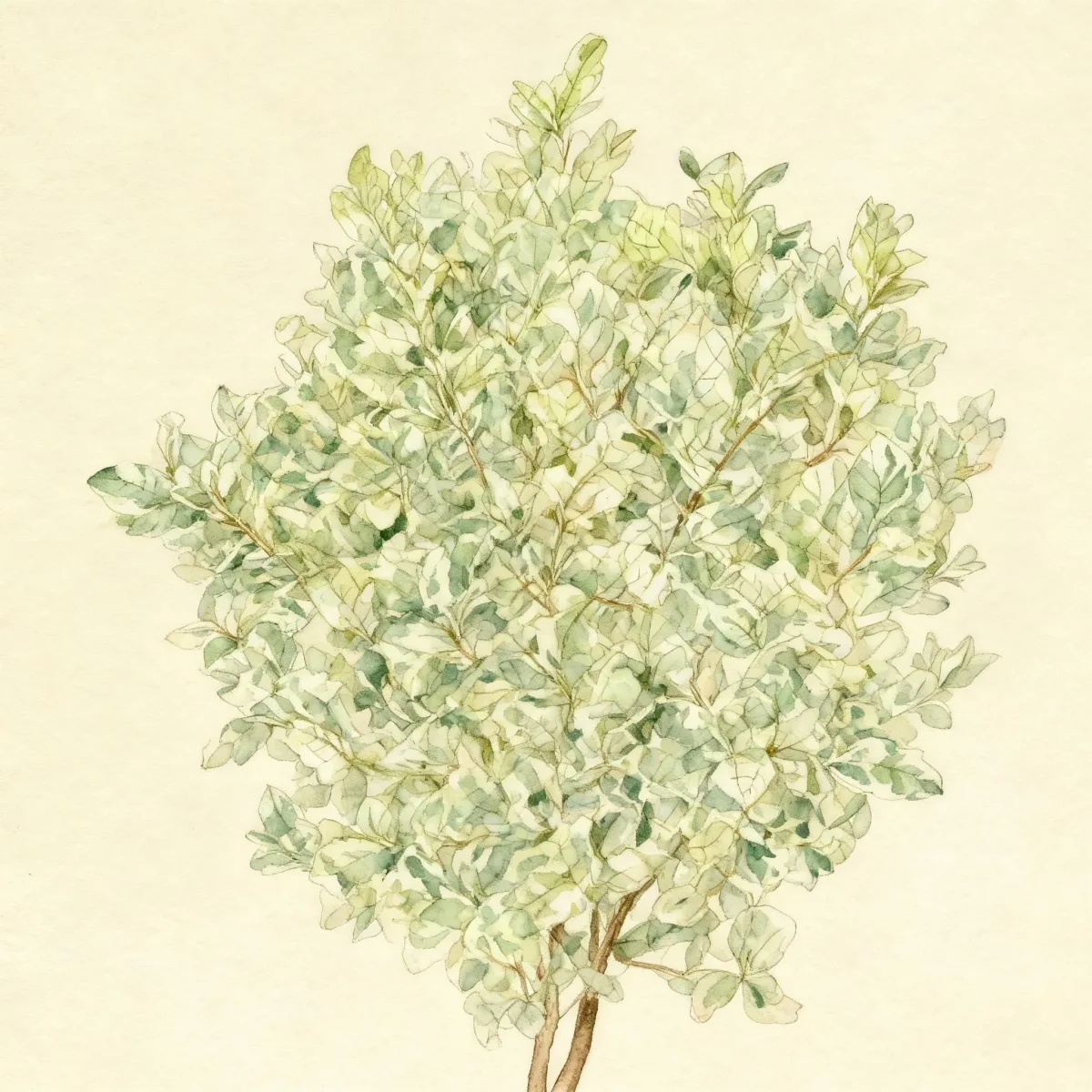
The Buxus sempervirens ‘Variegata’ is a dense, mounded, and slow-growing form of common boxwood specifically noted for its striking variegated leaves. These elliptic to oval evergreen leaves boast bright green centers contrasted by white margins that soften to light yellow as the growing season progresses. It is inherently an evergreen structure plant, maturing slowly to about 5 feet tall, making it highly manageable for structured garden roles.
Tolerances
- Rabbit
- Deer
Potential Problems
The most common aesthetic concern for this Boxwood variety is foliage bronzing in harsh winter conditions, particularly when exposed to continuous sun and strong prevailing winds. To mitigate this, ensure strategic winter placement sheltered from the harshest elements, or provide temporary burlap screens. This plant is also susceptible to several fungal issues, including boxwood blight, volutella blight, and leaf spots, which thrive in humid, poorly circulated conditions.
Management of these diseases starts with cultural practices: ensuring excellent drainage prevents root rot, and annual pruning to thin the canopy improves air movement around the leaves. Watch for common insect pests such as the boxwood leafminer, mite, and psyllid; early detection and appropriate systemic treatments are key to controlling infestations before they severely impact the health of your valued Buxus sempervirens ‘Variegata’. Remember that new spring growth is especially tender and vulnerable to both frost damage and pests.
Frequently Asked Questions
What hardiness zones is Boxwood suitable for?
This specific cultivar, Buxus sempervirens ‘Variegata’, thrives in USDA Hardiness Zones 6 through 8, offering reliable evergreen structure in these regions.
How large does Boxwood grow?
Variegated Boxwood typically reaches a mature height between 3 and 5 feet, with a spread of 3 to 4 feet, making it an excellent choice for low hedges or foundation plantings.
When does Boxwood bloom?
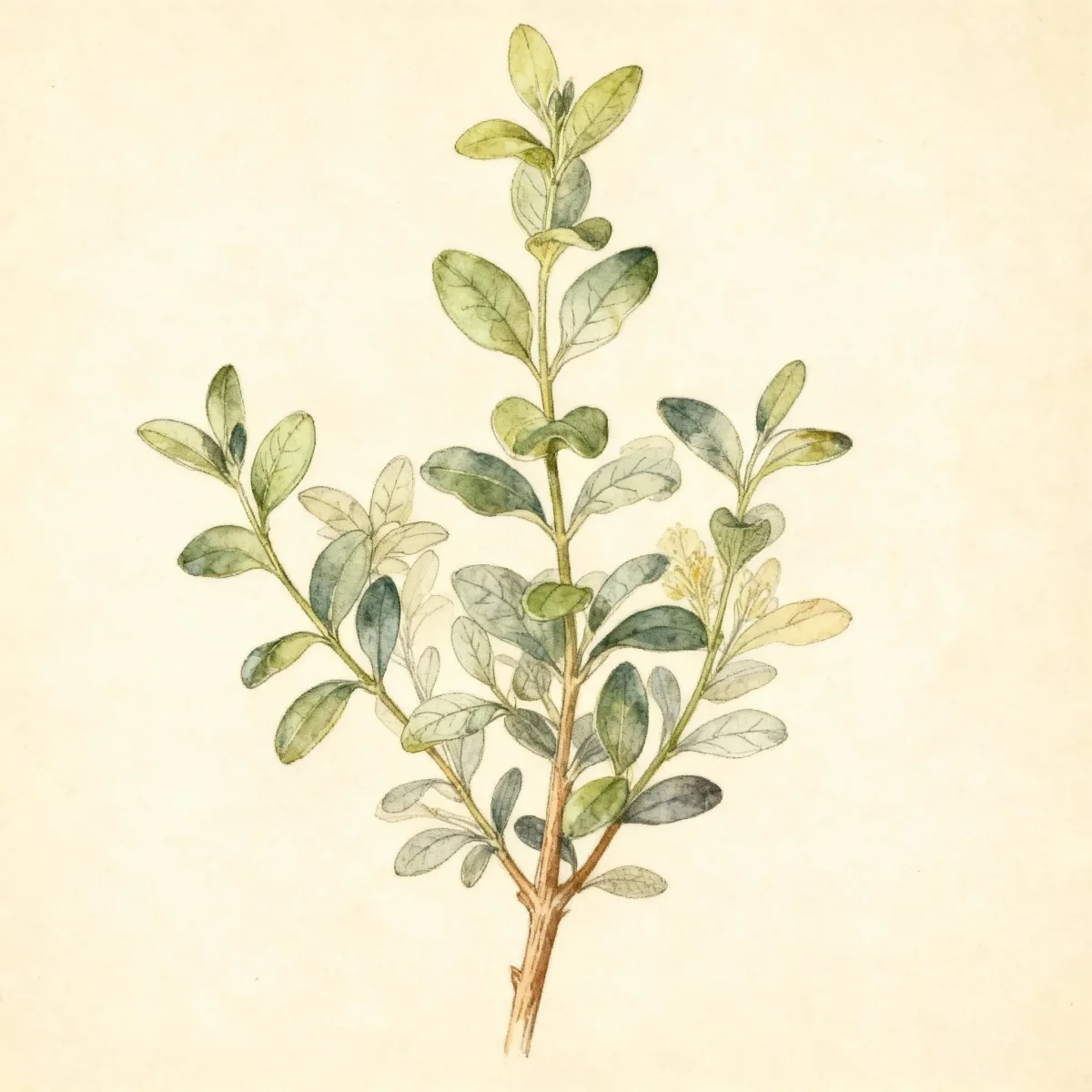
Flowering for Buxus sempervirens ‘Variegata’ occurs relatively early, between April and May, producing inconspicuous, white-green flowers that are lightly fragrant.
What sun exposure does Boxwood need?
This evergreen performs best in locations receiving full sun or light part shade, though direct, intense afternoon sun in hot climates should be monitored for scorching potential.
Conclusion
The Variegated Boxwood (Buxus sempervirens ‘Variegata’) provides non-negotiable structure, elegant two-toned foliage, and the benefit of being resistant to both deer and rabbits, making it a superior choice over many other evergreens. Assess your site carefully for winter wind exposure and soil drainage before installing this medium-maintenance staple. Plan your planting during the cool, moist seasons to give your new Boxwood the best chance for successful establishment.
Companion Planting
When planning beds around your Buxus sempervirens ‘Variegata’, consider companions that share similar preferences for well-drained to slightly acidic soil and protection from intense western exposure. Plants with deep green or bold textured foliage, such as Japanese Holly (Ilex crenata cultivars) or various Hostas placed in the shadier periphery, create beautiful textural contrast with this low-growing shrub. For seasonal mid-spring color near your Boxwood, consider bulbs that naturalize well, like low-growing Daffodils or Muscari, as their blooms finish before the Boxwood’s new variegated growth fully emerges.
Seasonal Care Calendar
Late winter preparation is crucial for preventing bronzing; apply a wind screen or water deeply if the ground is dry before deep freezes set in. Spring cleanup involves removing winter debris and applying mulch, but wait until the risk of late frost has passed before performing any necessary pruning on the Buxus sempervirens ‘Variegata’ to avoid stimulating damaged new growth. During the heat of summer, monitor watering closely, as shallow roots dry out quickly, necessitating consistent medium water delivery. Autumn care involves reducing nitrogen feed and ensuring adequate soil moisture before the ground freezes solid, setting up the Boxwood for winter dormancy protection.