Thyme (Thymus 'Orange Balsam')
Thymus 'Orange Balsam' is a low-maintenance, aromatic Thyme known for its unique orange-scented leaves and pale pink summer blooms.
Scroll down to discover growing tips, care requirements, companion plants, and more
Complete Plant Information
Overview
Thymus ‘Orange Balsam’ is a prized cultivar within the Thyme genus, celebrated by gardeners for its intensely orange-scented foliage, which distinguishes it from common varieties. This bushy, woody-based perennial is invaluable in the herb garden, providing both culinary flavor and aesthetic texture. As an evergreen in milder regions, it offers year-round interest to the landscape.
This specific Thyme variety thrives under conditions mimicking its dry, Eurasian origins, requiring full sun and excellent drainage to perform optimally. Its low-growing habit makes it highly versatile, capable of softening borders or carpeting dry, challenging slopes. Gardeners appreciate the low maintenance required for Thymus ‘Orange Balsam’.
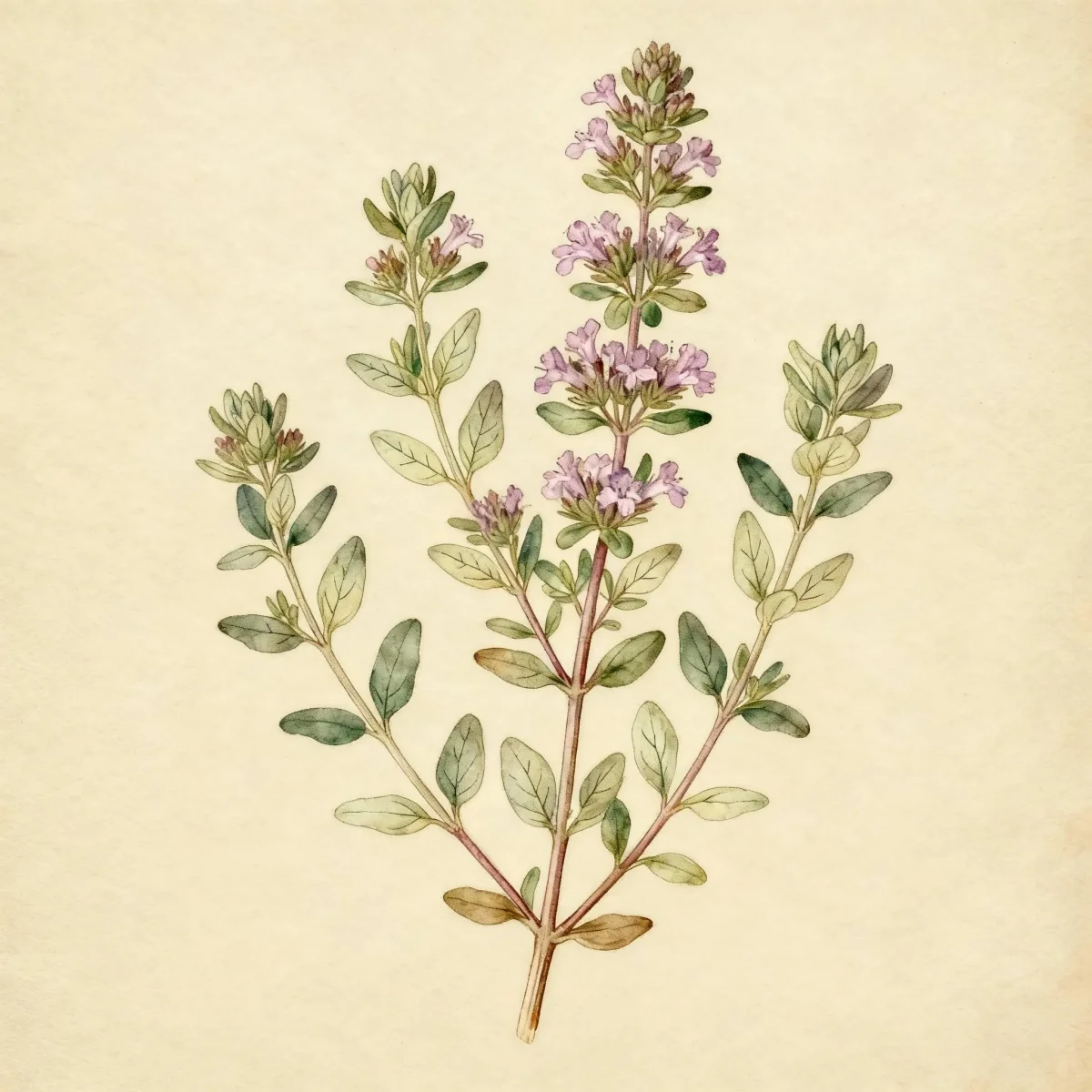
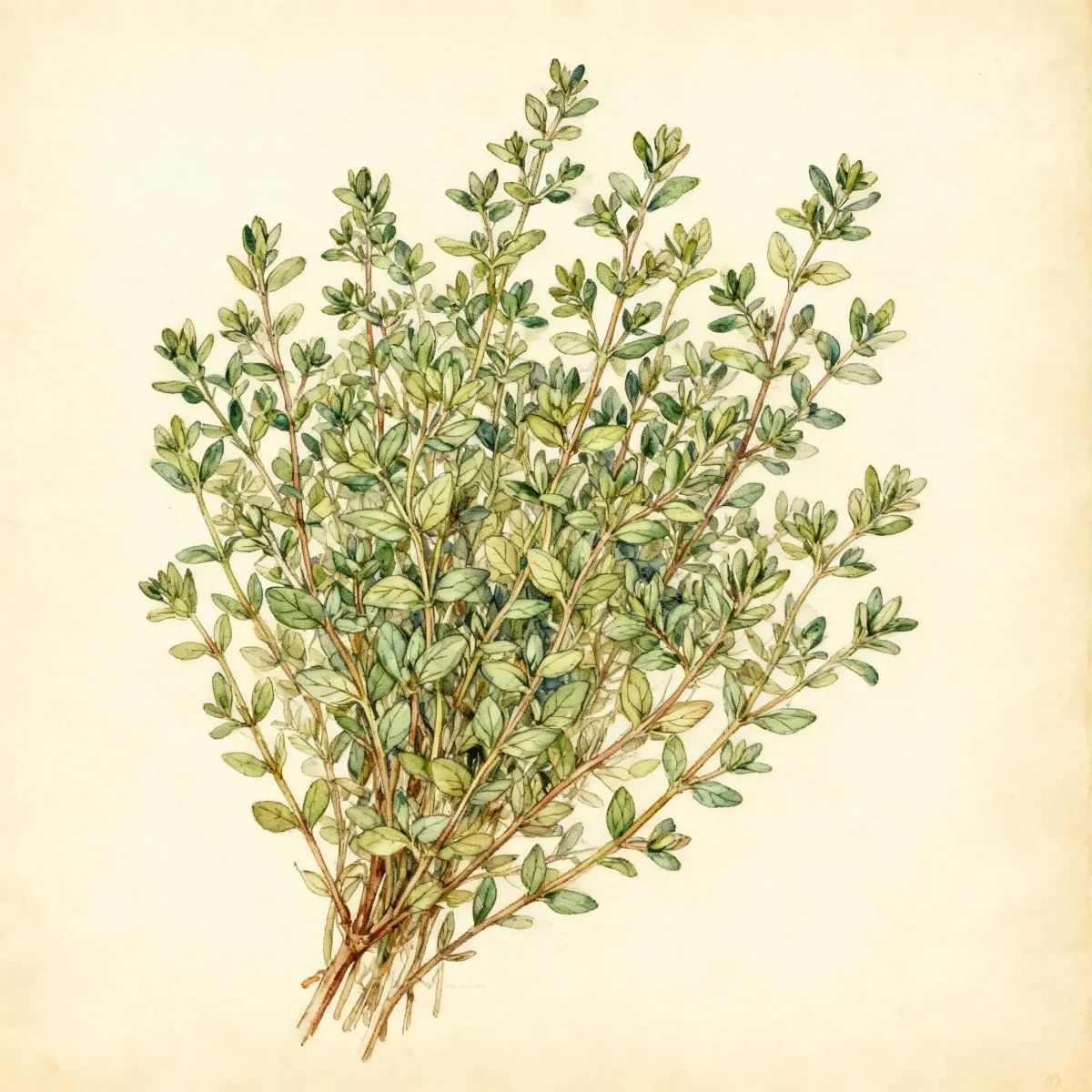
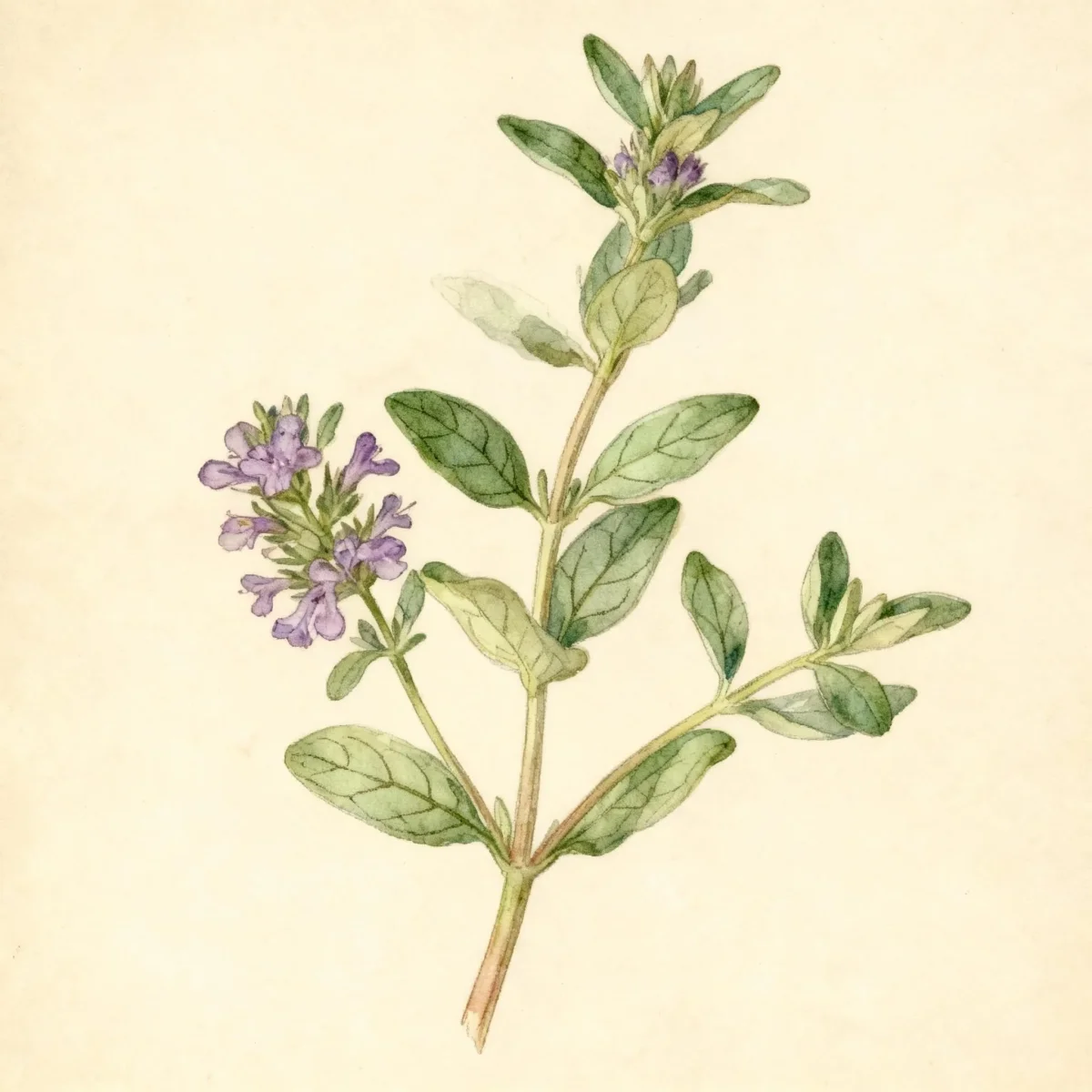
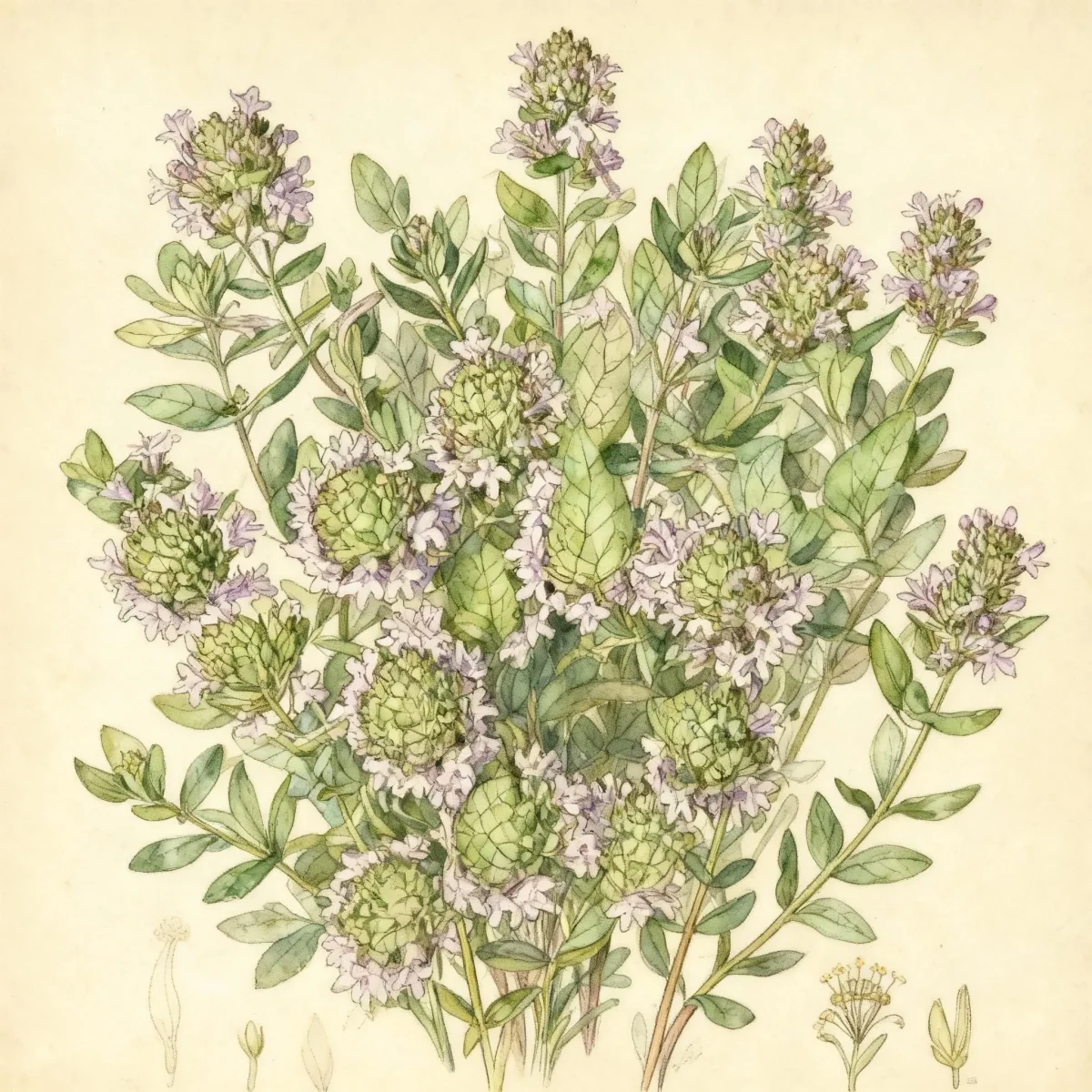
The plant features tiny, gray-green leaves that reach their pinnacle of aromatic quality just before the summer bloom. Delicate whorls of pale pink flowers appear late summer, providing a subtle show that is highly attractive to beneficial bees. Incorporating Thymus ‘Orange Balsam’ into your planting scheme guarantees a fragrant, highly resilient herb.
Fast Facts
- Plant Family: Lamiaceae
- Plant Type: Herbaceous perennial
- Hardiness Zones: USDA Zones 5-8
- Size at Maturity:
- Height: 0.5-1 ft
- Spread: 0.5-1 ft
- Bloom Time: June to July
- Bloom Description: Pale pink
- Sun Exposure: Full sun
- Water Needs: Dry to medium
- Maintenance Level: Low
How to Grow
Planting Thymus ‘Orange Balsam’ is best achieved in spring after the last frost, or in early fall in milder climates. The absolute critical factor for success is drainage; this Thyme dislikes wet feet intensely and is prone to rot in moist, heavy soils. Amend heavy clay with sand or grit to achieve the loose, rocky, or sandy soil profile it prefers, ensuring it receives full, unimpeded sun exposure daily.
Once established, care for this aromatic herb is minimal, fitting its “Low” maintenance profile. Watering should be infrequent; allow the soil to dry out between waterings, as it tolerates drought exceptionally well. Fertilizing is usually unnecessary, especially if planted in lean, average soil, which actually encourages better aromatic oil production.
Pruning is essential for managing woody growth and maintaining the appealing shape of Thymus ‘Orange Balsam’. Cut back stems lightly after flowering or as needed to prevent the base from becoming too unsightly and woody. In areas with mild winters, the leaves will provide evergreen coverage, but a general clean-up in early spring is advisable to encourage fresh, tender growth ready for harvesting.
Landscape Uses
Thymus ‘Orange Balsam’ seamlessly blends utility with ground-hugging beauty, making it an excellent choice for herb gardens where its unique scent can be appreciated up close. Its low, spreading habit is perfectly suited as a living border along walkways, where the slight friction releases its fragrance with every footstep. It integrates beautifully in rock gardens, leveraging the drier, fast-draining soil conditions it prefers.
Beyond functional herb spaces, consider planting this Thyme between paving stones or stepping stones, provided foot traffic is moderate. This use not only serves as striking aromatic ground cover but also prevents the appearance of bare soil in challenging, well-drained pockets of the landscape. Companion planting with other drought-tolerant Mediterranean herbs like Oregano or Rosemary creates cohesive, fragrant pairings.
For a visually interesting contrast, place Thymus ‘Orange Balsam’ near plants with different textures, such as soft ornamental grasses or broad-leafed succulents. Regardless of the placement, ensure its mature spread of 0.5 to 1 foot is respected to allow air circulation, which further aids in preventing potential moisture-related issues.
Standout Features
Flower Qualities
- Showy
Noteworthy Characteristics
Thymus is a genus of about 350 species of evergreen perennials, shrubs and subshrubs from dry areas of Eurasia. They are grown primarily for their aromatic foliage but also have attractive flowers. The genus name comes from the Greek word thymos (used in ancient Greece for a species of Thymus or Satureja). ‘Orange Balsam’ is a garden (or common) thyme cultivar that features orange-scented leaves. It is a bushy, woody-based perennial with tiny, elliptic to narrowly ovate, gray-green leaves that reach their aromatic peak just before flowering.
Tolerances
- Deer
- Drought
- Dry Soil
- Shallow-Rocky Soil
- Air Pollution
Potential Problems
Thymus ‘Orange Balsam’ is generally robust and noted for having no serious insect or disease problems when grown in appropriate conditions. The most significant threat to this Thyme variety is fungal root rot. This occurs almost exclusively when the plant is situated in poorly-drained, moist, or wet soils, conditions it actively avoids in its native habitat. Management involves ensuring soil consistency is loose and sandy, and avoiding overwatering, particularly during humid summer weather or mild winters.
Frequently Asked Questions
What hardiness zones is Thyme suitable for?
Thymus ‘Orange Balsam’ is hardy and reliably perennial in USDA Zones 5 through 8.
How large does Thyme grow?
This cultivar typically matures to a height between 0.5 and 1 foot tall, with an equal spread of 0.5 to 1 foot wide.
What sun exposure does Thyme need?
For best growth and highest aromatic quality, Thymus ‘Orange Balsam’ requires consistent full sun exposure.
When does Thyme bloom?
The plant produces whorls of tiny, pale pink flowers, usually appearing throughout the summer months, specifically from June to July.
Conclusion
Thymus ‘Orange Balsam’ is an exceptional choice for gardeners seeking a low-maintenance, aromatic herb with good landscape resilience, tolerating drought and poor soils readily. Its unique orange scent and attractive pale pink blooms ensure its appeal across culinary and ornamental applications. Before planting, confirm your site offers full sun and sharp drainage to ensure many seasons of healthy growth from your new Thyme.
Companion Planting
When planning borders or herb groupings, consider companion plants that share the dry, sunny requirements of Thymus ‘Orange Balsam’. Plants like Lavender, Rosemary, and Sage benefit from similar lean soil amendments and appreciate the excellent air circulation that these companion pairings provide. They offer textural contrast while thriving under the same minimal watering regimen required by this Thyme.
Avoid planting Thymus ‘Orange Balsam’ near moisture-loving plants such as Astilbe or many types of mints, as the perpetual dampness they require will quickly prove fatal to the sensitive roots of this Mediterranean herb. Proper companionship based on cultural needs is key to maximizing the aromatic potential of your culinary herbs.
Wildlife Benefits
As a member of the Lamiaceae family, the pale pink flowers produced by Thymus ‘Orange Balsam’ are particularly attractive to small native pollinators. Although subtle, the summer bloom period offers a reliable nectar source when other early summer flowers may be fading. The dense, low foliage also functions as excellent protective cover for ground-dwelling insects or small beneficial arthropods in the garden landscape.
Because this Thyme is highly deer-resistant (as noted in its tolerances), it provides safe forage material for necessary garden visitors without becoming an easy meal for browsing wildlife. Incorporating this perennial ensures you support local bee populations while maintaining a pest-free zone in your herb or rock garden settings.