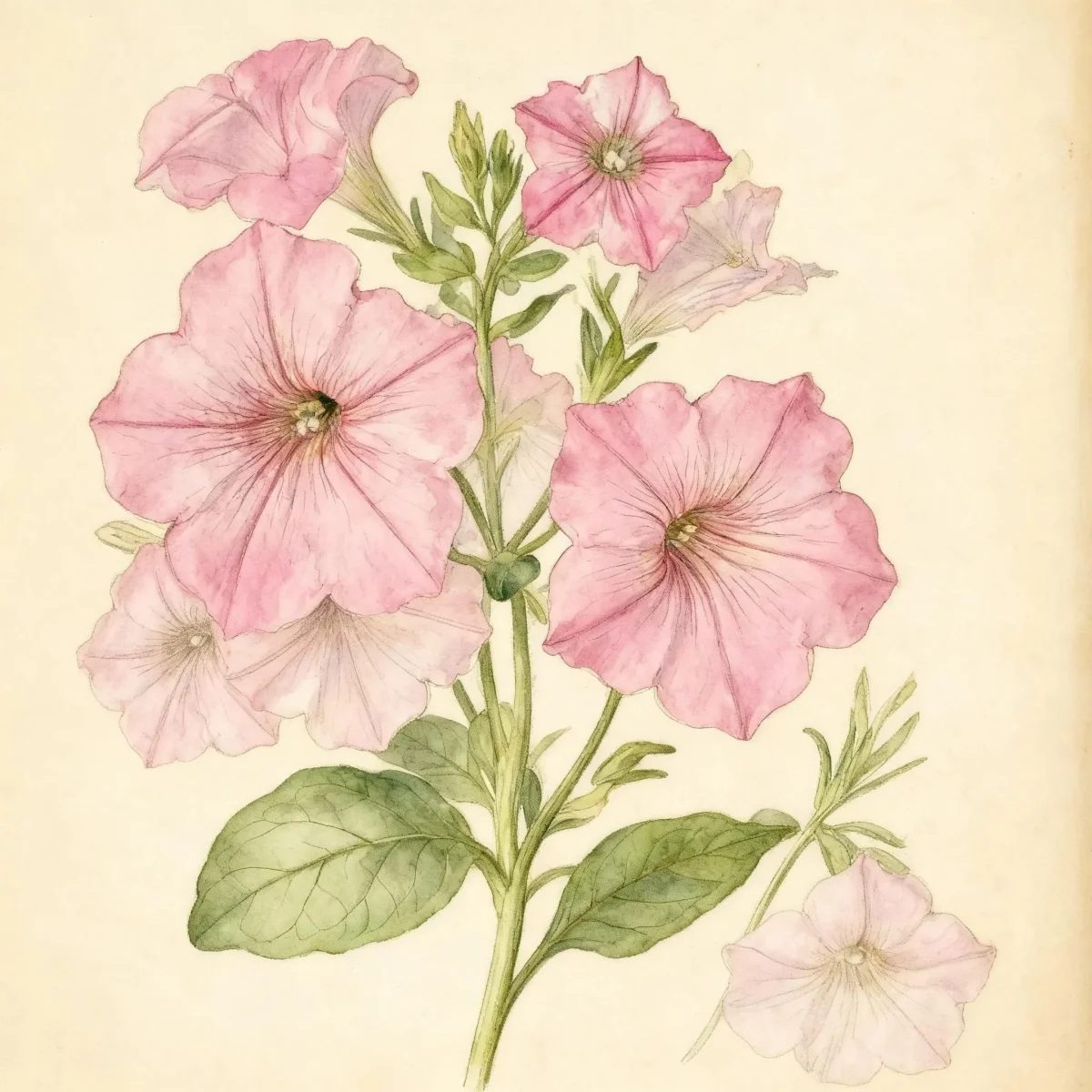
Garden verbena (Verbena × hybrida)
Garden verbena (Verbena × hybrida) offers profuse, colorful blooms from May to October. A low-maintenance annual in many regions, prized for heat tolerance.
Scroll down to discover growing tips, care requirements, companion plants, and more

Complete Plant Information
Overview
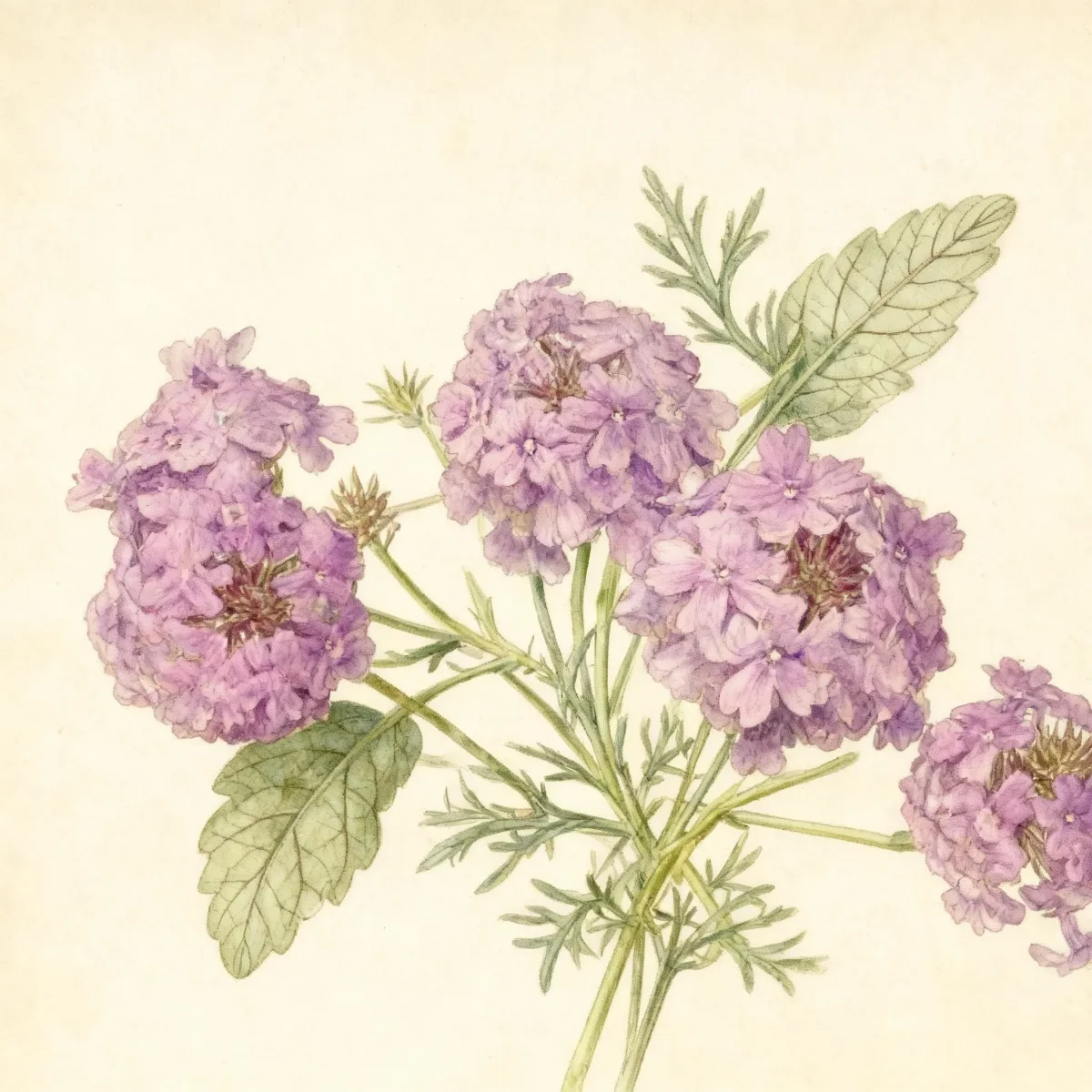
The Garden verbena, officially known as Verbena × hybrida, is celebrated by gardeners for its incredibly long and profuse blooming season, lasting from late spring well into autumn. These plants produce rounded clusters of small, five-petaled flowers, offering an impressive color palette that includes blues, violets, reds, and whites. While technically a short-lived perennial, the Verbena × hybrida is most often utilized as a vibrant annual, particularly outside of warm climates.
This versatile bedding plant thrives under sunny, warm conditions, demonstrating excellent tolerance to heat and dry spells once established. Gardeners appreciate its adaptability, as it performs beautifully whether trailing from hanging baskets, spilling over container edges, or massed as a colorful ground cover. The dense flower coverage ensures consistent visual impact throughout the growing season.
Due to its low maintenance requirements and high ornamental value, Verbena × hybrida is a staple for adding continuous color to beds and borders. Its flowers are also a significant draw for beneficial wildlife, attracting hummingbirds, butterflies, and other essential pollinators to the garden space.
Fast Facts
- Plant Family: Verbenaceae
- Plant Type: Herbaceous perennial
- Hardiness Zones: USDA Zones 9-10
- Size at Maturity:
- Height: 0.75-1.5 ft
- Spread: 1-2 ft
- Bloom Time: May to October
- Bloom Description: Blue, violet, purple, rose, red, yellow, white and bicolor
- Sun Exposure: Full sun
- Water Needs: Medium
- Maintenance Level: Low
How to Grow
Verbena × hybrida thrives in well-drained soils receiving full sun for the best performance, though it will tolerate light shade. For gardeners starting from seed, begin indoors 8 to 10 weeks prior to the last spring frost date. Alternatively, purchase established six-packs from local nurseries and transplant them outdoors only after all danger of frost has passed.
Water needs are medium; ensure the soil remains moderately moist, but avoid overhead watering whenever possible to mitigate potential issues. While the plants exhibit good drought tolerance, prolonged hot and dry periods may cause them to decline temporarily. Deadheading spent flower clusters is crucial throughout the season to encourage the production of new blooms, maximizing the display of these colorful garden verbena flowers.
If growing Verbena × hybrida as an annual, pinch young plants back when small to encourage a bushier, more compact habit rather than a leggy one. In USDA Zones 9 and 10, it can survive winter, but for gardeners in colder regions, cuttings taken in late summer can be rooted and overwintered indoors, or new plants can be purchased each spring.
Landscape Uses
The wide array of sizes available within Verbena × hybrida makes it exceptionally useful in varied landscape designs. Trailing types are perfectly suited for softening hard edges, spilling over retaining walls, or creating vibrant displays in hanging baskets and window boxes. Bushier or upright varieties excel as edging plants along pathways or massed in the middle of annual borders.
When selecting companions, pair garden verbena with plants that share similar needs for full sun and average moisture. Consider utilizing plants that offer height contrast, such as upright spikes of Salvia or ornamental grasses, to make the low-mounding habit of the Verbena × hybrida stand out. Its continuous bloom cycle also pairs well with seasonal bloomers that fill in gaps before or after its peak.
For rock gardens or naturalized areas, the durable nature of this plant shines, acting as an effective splash of color right at ground level. Its use as an annual ground cover helps suppress weeds while providing season-long, dynamic color across large swaths of the garden.
Standout Features
Flower Qualities
- Showy
Noteworthy Characteristics
Verbena × hybrida, commonly called garden verbena, is a short-lived perennial that is grown in St. Louis as an annual. It is noted for its profuse bloom of small five-petaled flowers in rounded clusters (to 3” wide) from late spring to fall on plants ranging in size from mat-forming/trailing (to 10” tall) to bushy/upright (to 20: tall). Flowers are attractive to hummingbirds, butterflies, and other pollinators. The specific epithet means hybrid, reflecting its complex genetic background.
Tolerances
- Drought
Potential Problems
This plant generally experiences no serious insect or disease problems, contributing to its low-maintenance appeal. To ensure ongoing health, the most important preventative measure is proper watering technique. Avoid wetting the foliage excessively, especially late in the day, as this can encourage fungal issues like powdery mildew, even though the plant is sturdy. Consistent deadheading also prevents plants from putting energy into seed production, keeping them focused on flowering.
Frequently Asked Questions
What hardiness zones is Garden verbena suitable for?
Verbena × hybrida is winter hardy primarily in USDA Zones 9 through 10, though it is widely grown as an annual far outside this range.
How large does Garden verbena grow?
Mature height typically ranges between 0.75 feet and 1.5 feet, with spreads generally between 1 foot and 2 feet, depending on the specific cultivar chosen.
When does Garden verbena bloom?
This vibrant plant blooms continuously throughout the growing season, generally starting in May and continuing until October.
What sun exposure does Garden verbena need?
The best flowering occurs when Verbena × hybrida receives full sun, although it can tolerate light shade in the hottest parts of the day.
Conclusion
The Verbena × hybrida remains a favorite annual choice due to its striking, long-lasting color display, superior heat tolerance, and minimal care requirements. Whether you need trailing color for baskets or dense coverage for borders, this garden verbena delivers reliable beauty. Before planting, confirm your local frost dates and ensure the site provides the necessary full sun exposure for the best results this season.
Companion Planting
When designing beds featuring Verbena × hybrida, look for plants that thrive in similar sun and moisture conditions. Good companions include drought-tolerant, sun-loving perennials like Gaura (Oenothera lindheimeri) or low-growing Sedums, which offer contrasting texture as the verbena blooms. For annual displays, silvery foliage plants such as Dusty Miller (Senecio cineraria) provide a clean backdrop that makes the deep colors of the garden verbena pop effectively.
Wildlife Benefits
The small, clustered flowers of Verbena × hybrida are perfectly structured to serve as effective nectar sources for a variety of beneficial insects. These clusters are highly attractive to butterflies, providing easy landing platforms as they feed. Furthermore, hummingbirds are frequently attracted to the red and pink varieties of this plant. Planting Verbena × hybrida contributes directly to local pollinator support throughout the entire summer season.