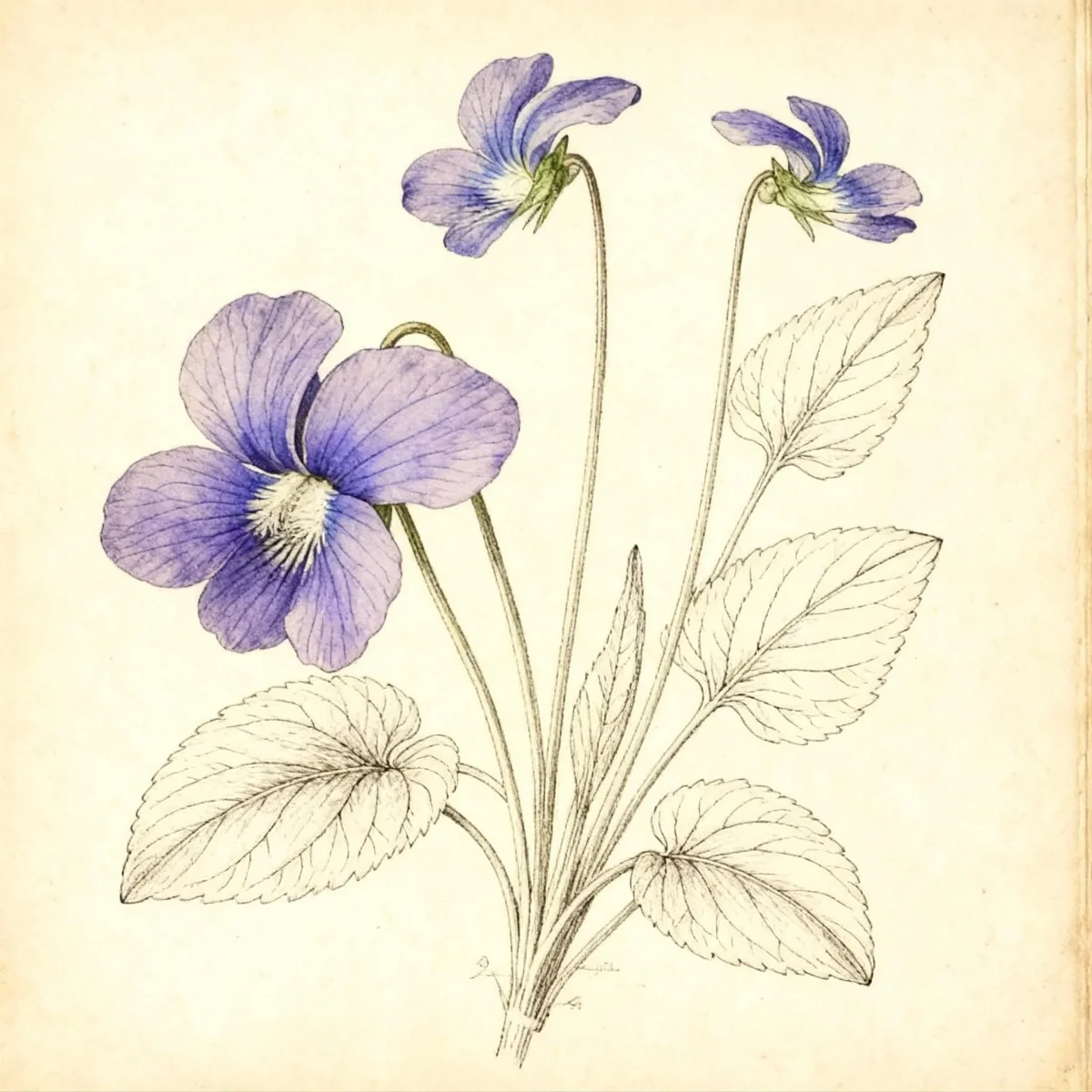
Violet (Viola 'Etain')
Viola 'Etain' (Violet) is a charming, low-maintenance perennial known for its long bloom season of pastel yellow flowers.
Scroll down to discover growing tips, care requirements, companion plants, and more
Complete Plant Information
Overview
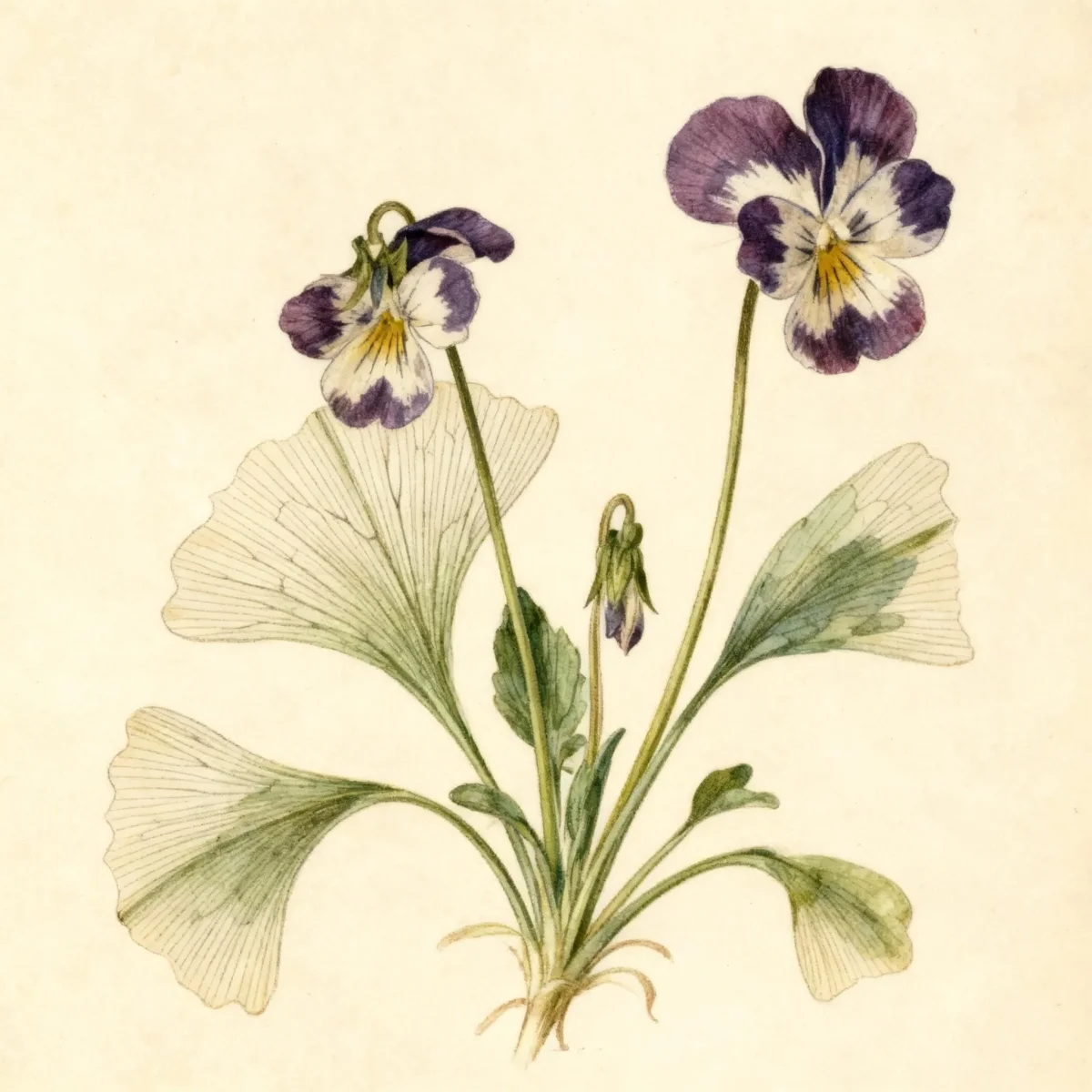
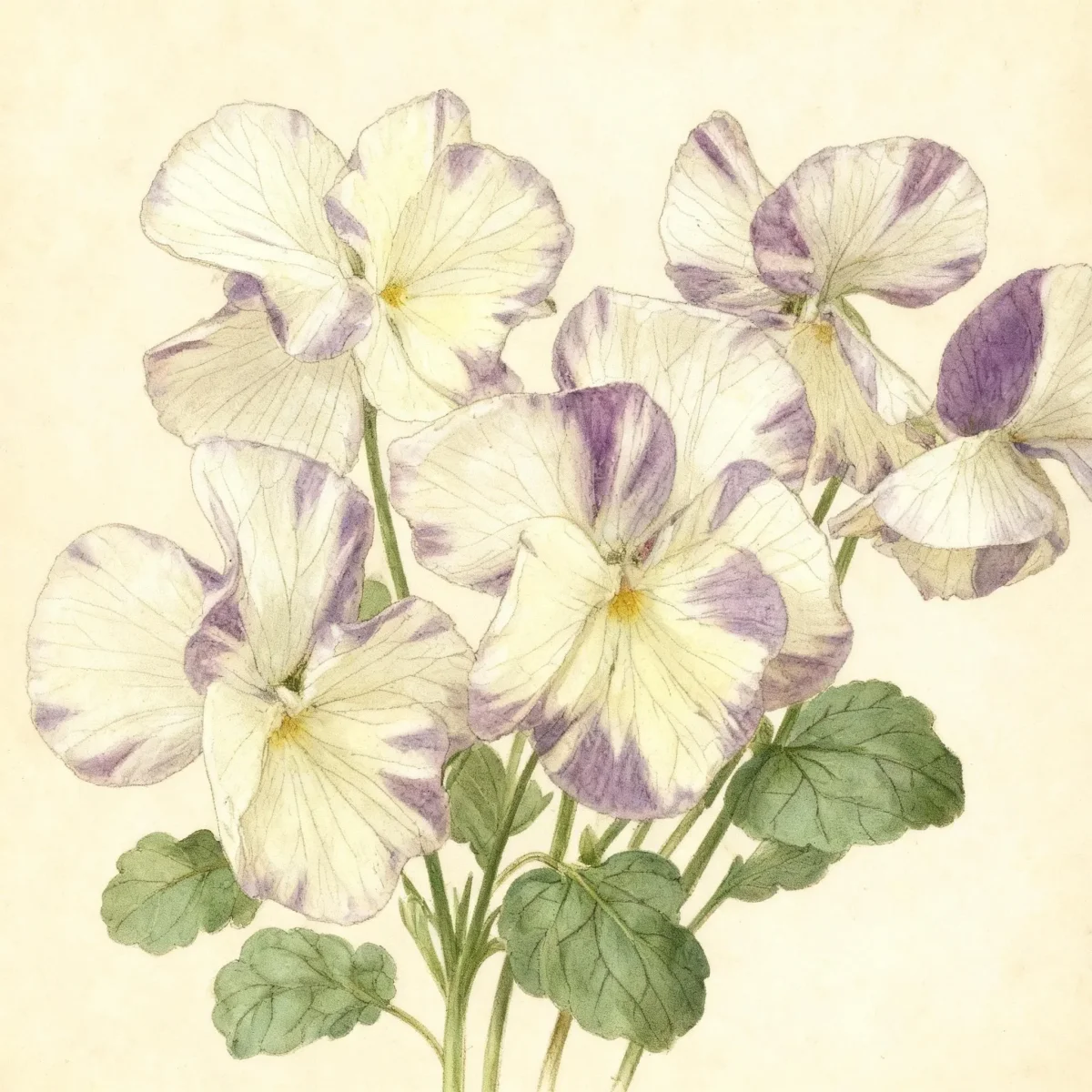
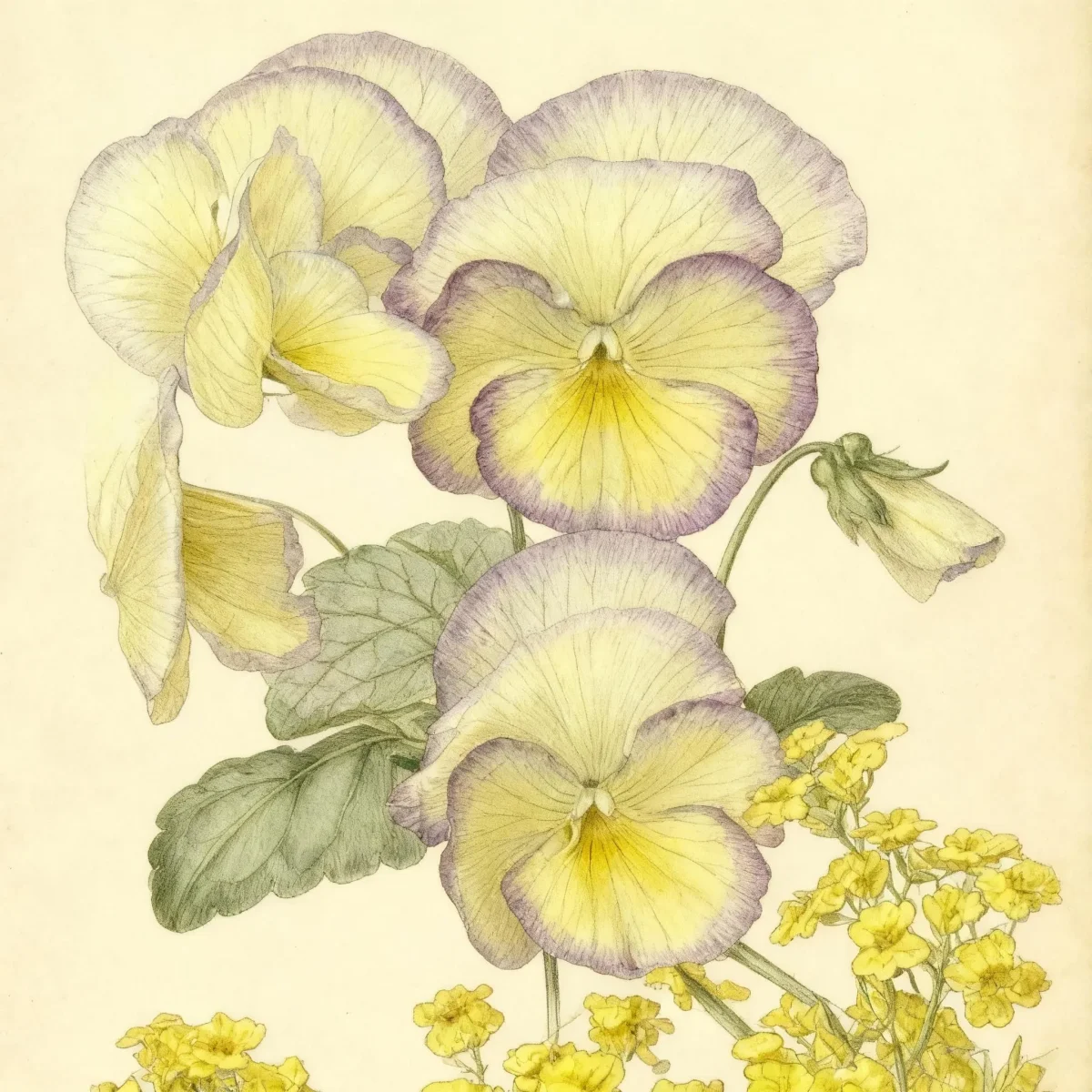
Viola ‘Etain’, commonly known as Violet, is highly valued by gardeners for its exceptional, long blooming period stretching from late spring well into September. This low-growing perennial forms dense mats of dark green foliage, making it an excellent foundational planting for shady areas. The distinctive flowers—very large for a Violet at up to 1.75 inches across—feature pansy-like petals in a soft pastel yellow dramatically edged with lavender.
This hybrid cultivar offers significant aesthetic appeal with minimal effort, fitting perfectly into naturalistic landscapes or as a neat border accent. As a reliable herbaceous perennial in zones 4 through 8, Viola ‘Etain’ thrives where many other flowering plants struggle—in moist, shaded environments. Its spreading habit makes it a superb choice for achieving ground cover without requiring frequent division or specialized care.
Gardeners appreciate the combination of low maintenance and high visual impact offered by Viola ‘Etain’. Its ability to naturalize softly means it will multiply gently over time, enhancing woodland borders or rock gardens with its continuous display of unique bicolors. Ensure proper moisture, and this charming Violet will reward you with a season-long performance.
Fast Facts
- Plant Family: Violaceae
- Plant Type: Herbaceous perennial
- Hardiness Zones: USDA Zones 4-8
- Size at Maturity:
- Height: 0.5-0.75 ft
- Spread: 0.5-1 ft
- Bloom Time: May to September
- Bloom Description: Pastel yellow with lavender edges
- Sun Exposure: Part shade to full shade
- Water Needs: Medium
- Maintenance Level: Low
How to Grow
For the best performance, start planting Viola ‘Etain’ in the spring after the threat of hard frost has passed, or in early fall in warmer regions. This Violet prefers average, medium-moisture, well-drained soil that is organically rich and humusy. While it generally prefers part shade to full shade, it can tolerate full sun only if grown in cooler summer climates, otherwise, it will struggle in excess heat.
Consistent moisture is crucial for Viola ‘Etain’. The plant is intolerant of drought, requiring medium watering to keep the soil consistently receptive. Avoid letting the soil dry out, especially during peak summer heat, as this cultivar struggles significantly in dry or overly hot, humid conditions. Minimal fertilization is usually required if the soil is naturally rich in organic matter.
Maintenance for this perennial is generally low. Deadheading spent blooms is not strictly necessary for plant health but can tidy the appearance and encourage slightly earlier rebloom. In early spring, remove any winter debris, inspect the patches, and apply a light layer of compost to replenish organic matter.
Landscape Uses
The neat, spreading habit of Viola ‘Etain’ makes it an outstanding ground cover for softening hard edges in the landscape. It excels in part shade areas of rock gardens, providing a delicate contrast to the texture of stones. Furthermore, given its preference for moisture retention, it is ideally suited for woodland gardens where it can mimic its native environment under dappled light.
Use this low-growing Violet along border fronts where its colorful, long-lasting blooms can peek out along pathways without obscuring taller neighbors. It works well when naturalized beneath deciduous trees, carpeting the ground effectively during the warm season. Consider pairing Viola ‘Etain’ with other shade-tolerant bloomers like hostas, ferns, or bleeding hearts, ensuring companions share its medium water requirements.
Standout Features
Flower Qualities
- Showy
Noteworthy Characteristics
Viola is a genus of about 500 species found worldwide in temperate areas, with many hybrids developed for their showy flowers. The genus name originates from the Latin term for various sweet-scented blossoms. Specifically, ‘Etain’ is recognized as a low-growing perennial that spreads to form an attractive ground cover, featuring oval, dark green leaves and very large, pansy-like flowers displaying pastel yellow petals edged in lavender.
Tolerances
- Deer
- Heavy Shade
Potential Problems
Viola ‘Etain’ rarely suffers from serious insect or disease problems, contributing to its low-maintenance appeal. Good air circulation and avoidance of overly saturated soil help prevent most fungal issues common to violets in humid environments. Ensure good drainage, as sitting in soggy soil is the primary trigger for root rot or crown issues in this otherwise robust plant.
Frequently Asked Questions
What hardiness zones is Violet suitable for?
Viola ‘Etain’ is reliably hardy across USDA Zones 4 through 8.
How large does Viola ‘Etain’ grow?
It maintains a very compact size, typically reaching only 0.5 to 0.75 feet in height and spreading between 0.5 to 1 foot wide.
What sun exposure does Viola ‘Etain’ need?
This plant thrives best in part shade to full shade conditions, though it can handle full sun if the summer climate remains cool.
When does Viola ‘Etain’ bloom?
You can expect blooms from May all the way through September, featuring attractive pastel yellow flowers beautifully edged with lavender.
Conclusion
Viola ‘Etain’ provides exceptional, continuous color in semi-shaded garden spaces, making it an indispensable low-growing perennial. The dependable nature and unique pastel blooms of this Violet ensure it remains a favorite for ground cover applications. Before planting, confirm your garden sits within USDA Zones 4-8 and possesses the moist, well-drained soil this showy plant requires.
Companion Planting
Selecting appropriate companions is key to maximizing the appeal of Viola ‘Etain’ in a semi-shaded area. Look for plants that share similar structural needs, particularly moisture retention and tolerance for filtered light. Ferns provide excellent textural contrast with their delicate, upright forms against the creeping habit of the Violet.
Consider pairing Viola ‘Etain’ with spring ephemeral bulbs like snowdrops or scilla; they bloom early and then fade away as the Violet hits its stride in late spring and summer. For continuous color interest in the border front, plants like Astilbe or Hosta varieties with lighter green or variegated foliage pair well, offering bulk and varying leaf shapes to complement the small, dark leaves of Viola ‘Etain’.
Seasonal Care Calendar
Spring is the ideal time for cleanup and renewal. Gently rake away dead leaf matter from the previous season and broadcast a thin layer of high-quality compost around the base of the plants to feed the soil and conserve moisture. This preps the Viola ‘Etain’ for its long flowering season.
During summer, the primary job is monitoring moisture. Because this Violet dislikes drought and hot, humid summers, supplement rainfall with steady, medium watering, aiming for consistent soil dampness rather than saturation. Avoid heavy fertilization during the heat of summer, as this can encourage weak, overly lush growth that is prone to heat stress.
In autumn, minimal intervention is needed. Allow the plant to naturally slow its growth as temperatures drop. If you wish to divide clumps, late summer or very early fall is the best time to do so, ensuring new divisions have time to establish roots before the ground freezes solid in winter.