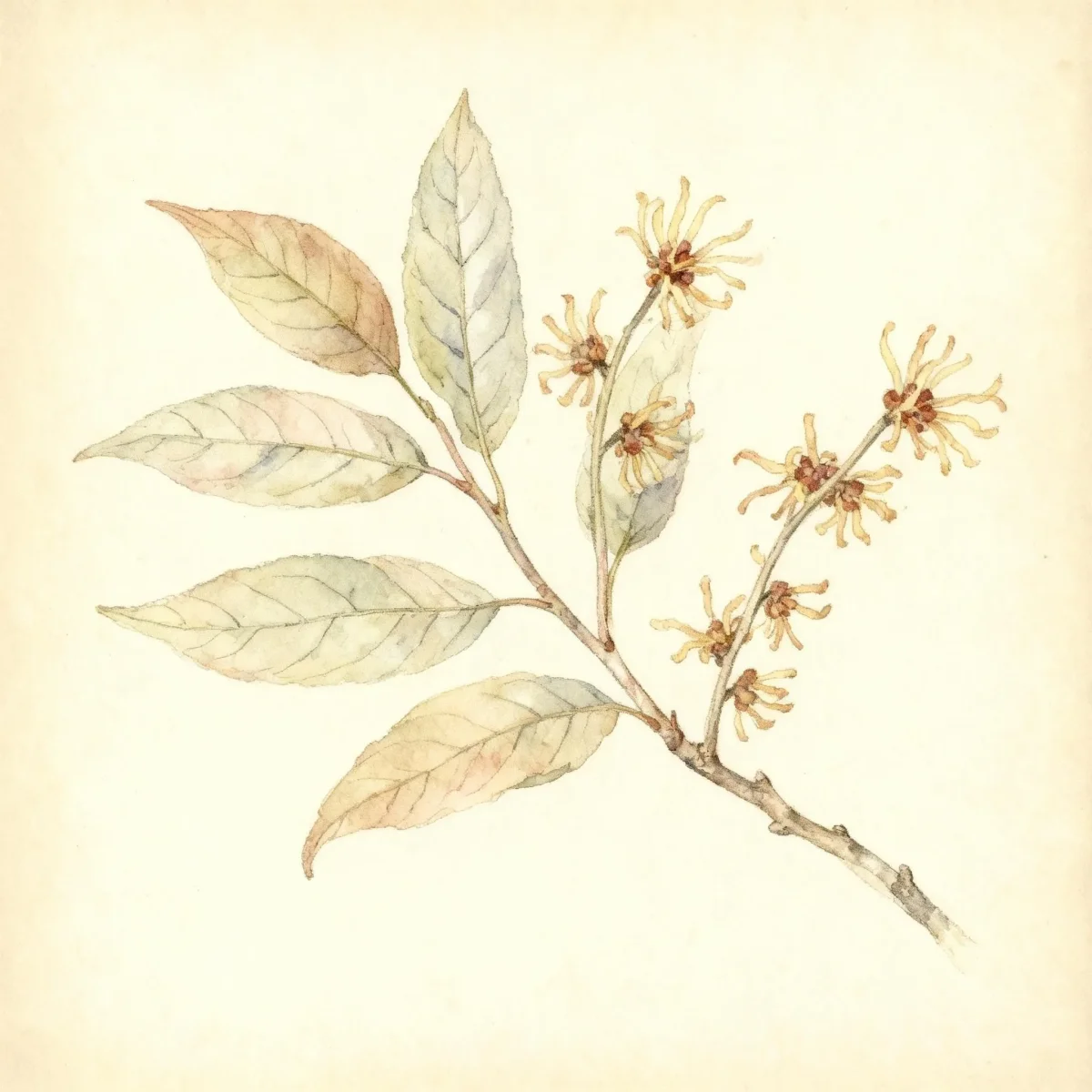
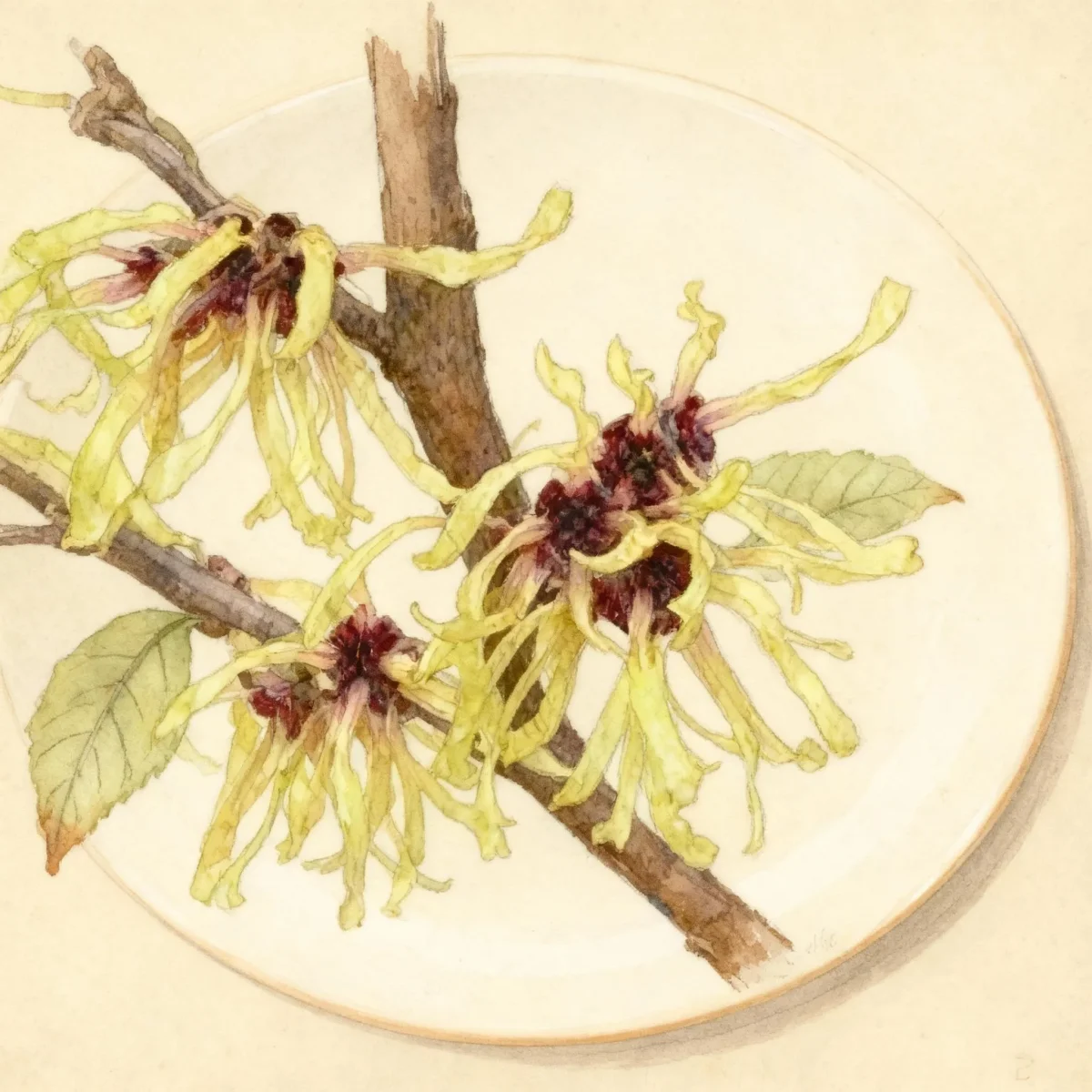
Witch hazel (Hamamelis × intermedia 'Allgold')
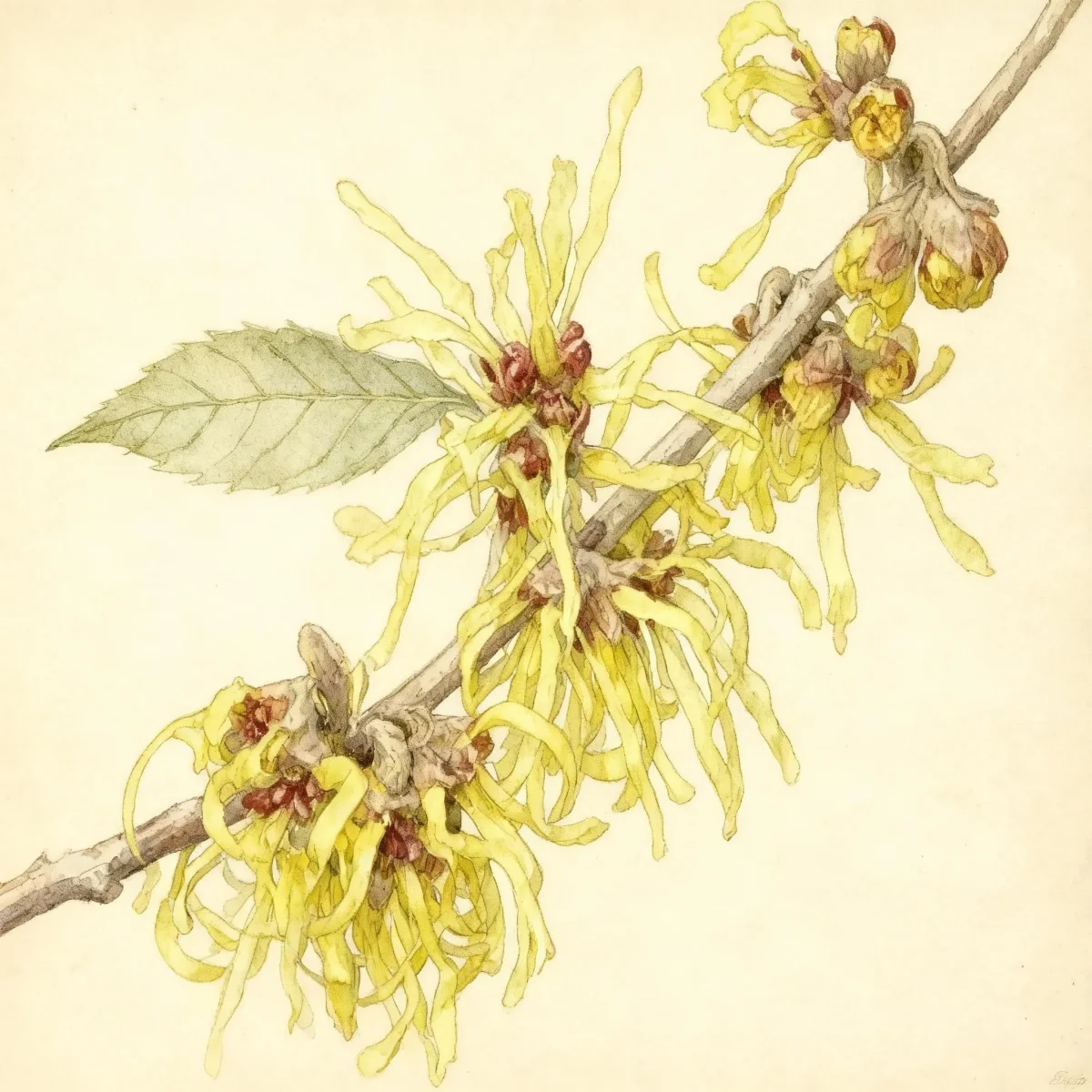
Hamamelis × intermedia 'Allgold' offers stunning, fragrant golden yellow flowers in late winter. This low-maintenance Witch hazel thrives in zones 5-8.
Scroll down to discover growing tips, care requirements, companion plants, and more
Complete Plant Information
Overview
When the garden seems dormant, Hamamelis × intermedia ‘Allgold’ emerges as a spectacular focal point. This Witch hazel cultivar is highly valued for its vivid, ribbon-like golden yellow flowers that brilliantly illuminate the late winter landscape, often blooming well before other woody plants awake. As a key hybrid in the genus, Hamamelis × intermedia ‘Allgold’ brings the best attributes of its parent species into a manageable, upright-spreading deciduous shrub.
Growing to a mature size of 8 to 10 feet tall and slightly wider, this specimen provides substantial seasonal interest. Beyond its celebrated winter floral display, the ovate, dark green leaves transition to clear yellow hues in autumn, offering nearly year-round visual appeal. For gardeners seeking low-maintenance structure and unforgettable winter color, the Hamamelis × intermedia ‘Allgold’ is an essential addition.
Fast Facts
- Plant Family: Hamamelidaceae
- Plant Type: Deciduous shrub
- Hardiness Zones: USDA Zones 5-8
- Size at Maturity:
- Height: 8-10 ft
- Spread: 10-12 ft
- Bloom Time: January to March
- Bloom Description: Yellow petals
- Sun Exposure: Full sun to part shade
- Water Needs: Medium
- Maintenance Level: Low
How to Grow
The ideal time to plant your new Witch hazel is during the fall or early spring when temperatures are cooler, allowing the root system to establish before summer heat arrives. Hamamelis × intermedia ‘Allgold’ prefers deep, fertile, moist, and well-drained soil. While it tolerates clay soil, ensuring adequate drainage is critical to prevent root issues. Amending heavy soils with organic matter before planting will significantly aid establishment.
Once established, this shrub requires only medium watering, generally benefiting from deep, infrequent watering during extended dry periods, particularly in its first few seasons. Maintenance is remarkably low. Fertilization is rarely necessary if the soil is reasonably fertile; excess fertilizer can actually reduce flowering vigor. Pruning should be minimal, generally limited to removing crossing or dead wood immediately after flowering concludes.
As Hamamelis × intermedia ‘Allgold’ gains size, it becomes a fantastic, low-fuss structural element. Avoid heavy pruning, as these shrubs establish slowly and respond best to a more natural shape. Providing a location with good air circulation can help minimize potential fungal issues that sometimes affect Witch hazel varieties.
Landscape Uses
Hamamelis × intermedia ‘Allgold’ excels as a superior winter-flowering specimen where its golden display can be fully appreciated against neutral backdrops like evergreens or fences. Its medium height makes it perfectly suited for use in shrub borders, bridging the gap between foundation plantings and taller trees. Consider utilizing it at the edge of woodland gardens, where its structure can shine during the dormant season.
Due to its desirable growth habit and tolerance for clay and erosion, this cultivar is excellent for softening slopes or screening less attractive areas. While it can be managed as a tall hedge, allowing it to express its natural, somewhat coarse, branching habit often yields the best architectural effect. In smaller yards, use one specimen strategically as a winter anchor, contrasting its texture with fine-textured evergreens nearby.
Standout Features
Flower Qualities
- Showy
- Fragrant
Noteworthy Characteristics
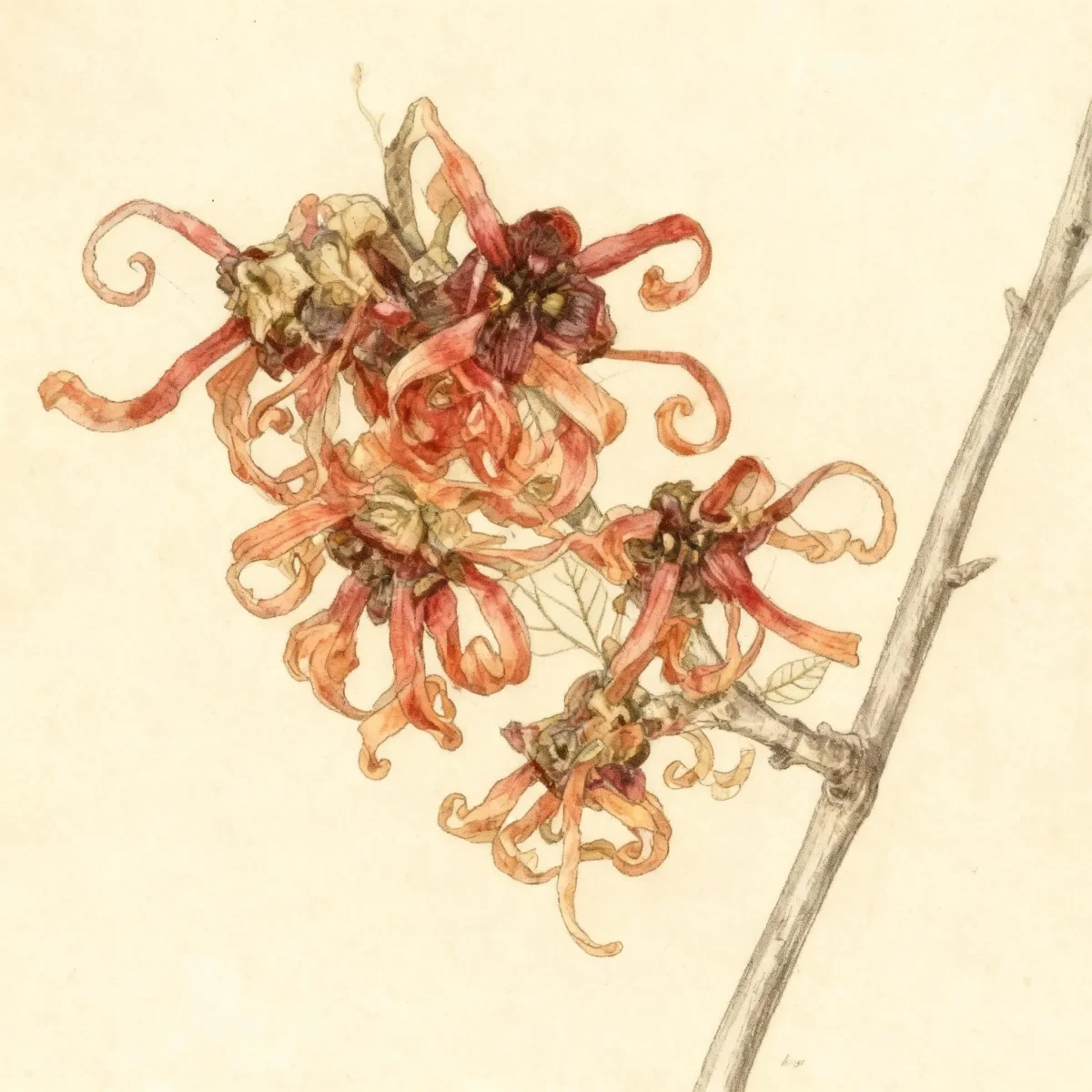
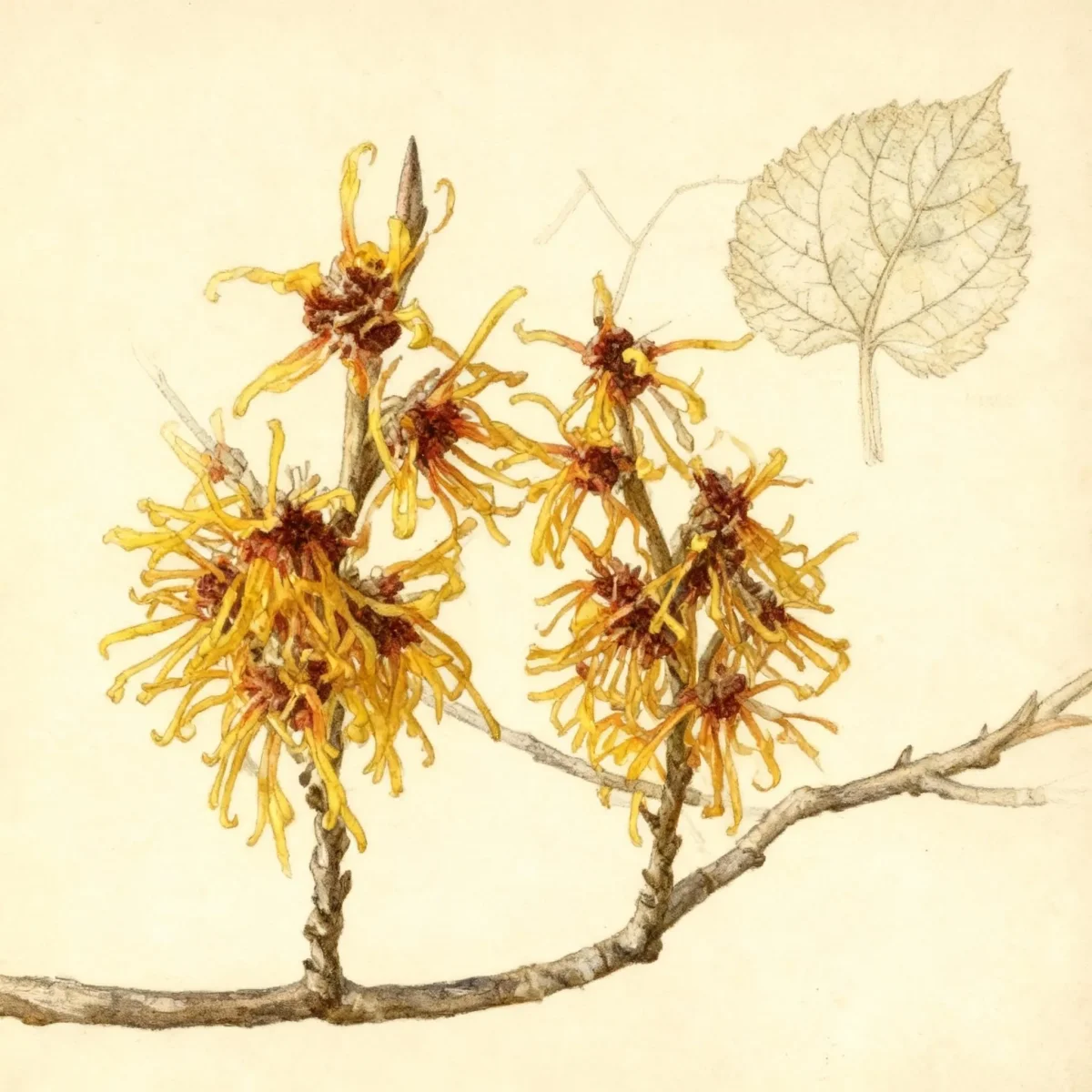
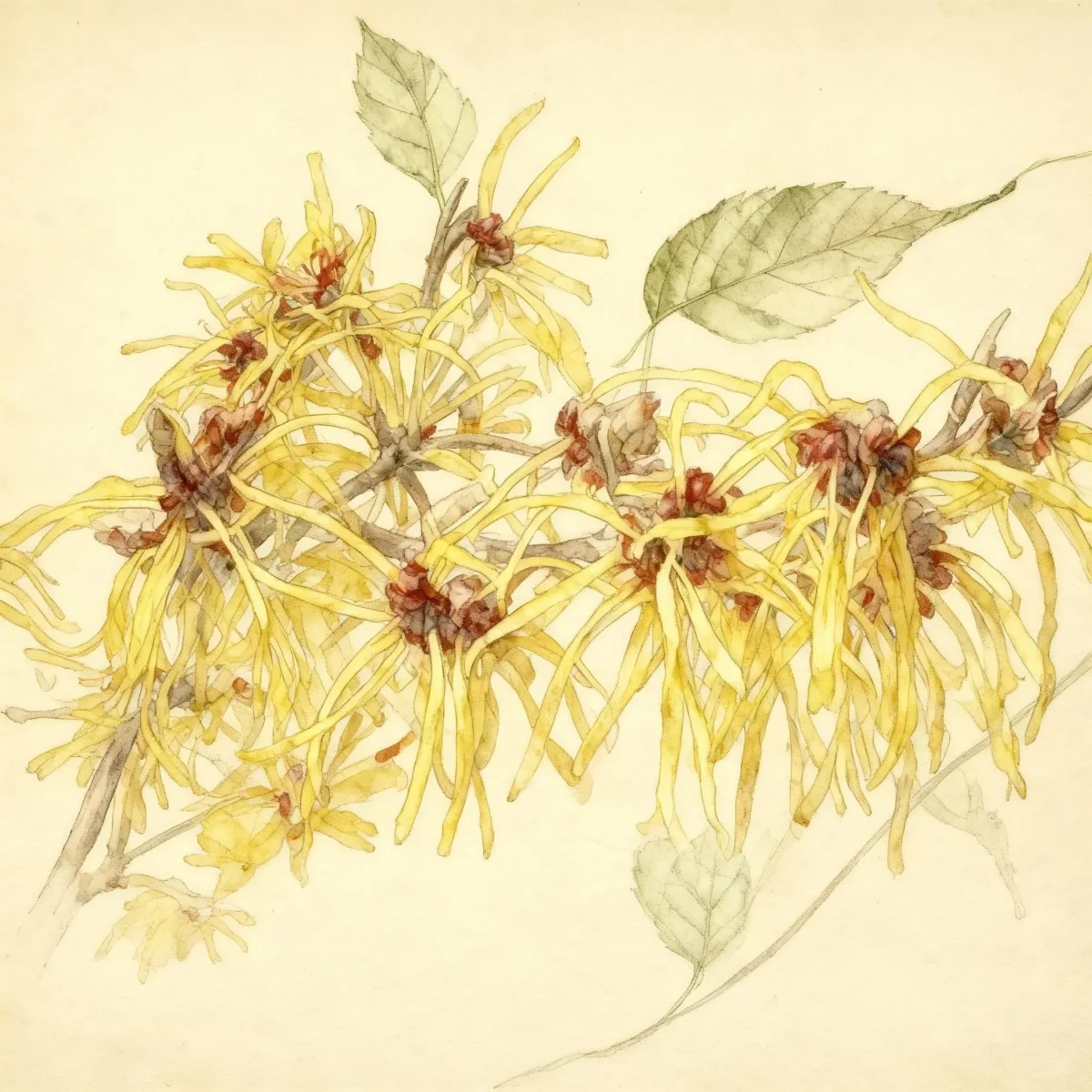
Hamamelis × intermedia hybrids are crosses between Japanese witch hazel (H. Japonica) and Chinese witch hazel (H. Mollis). They are particularly noted for their spidery, often fragrant, mid- to late winter flowers which appear before the spring foliage emerges. The hybrid name intermedia is in reference to the hybrid characteristics being intermediate between the characteristics of the two parent species. ‘Allgold’ features golden yellow petals, resulting in a showy display along the bare stems from mid- to late winter.
Tolerances
- Deer
- Erosion
- Clay Soil
Potential Problems
While generally robust, Hamamelis × intermedia ‘Allgold’ can occasionally be affected by certain pests and diseases, although issues are seldom serious enough to warrant aggressive chemical intervention. Caterpillars and Japanese beetles might chew on the leaves during the growing season. Gardeners should inspect foliage for signs of sap-sucking insects like scale or gall aphids, which can cluster on twigs.
Potential fungal problems include powdery mildew, although this tends to be aesthetic rather than critical. Occasional leaf spots or root rots may occur if soil drainage is poor. Prevention centers on proper siting; ensuring the Witch hazel has medium water but excellent drainage minimizes stress and overall susceptibility to opportunistic pests and diseases.
Frequently Asked Questions
What hardiness zones is Witch hazel suitable for?
Hamamelis × intermedia ‘Allgold’ is hardy across USDA Zones 5 through 8, making it a reliable choice for many temperate landscapes.
How large does Hamamelis × intermedia ‘Allgold’ grow?
It matures into an upright-spreading shrub typically reaching 8 to 10 feet tall, with a spread ranging from 10 to 12 feet wide.
What sun exposure does Witch hazel need?
This shrub performs best when planted in locations receiving full sun to partial shade. More sun often encourages better flowering.
When does Hamamelis × intermedia ‘Allgold’ bloom?
The spectacular flowering period for this variety is quite early, generally occurring between January and March, featuring its characteristic yellow petals.
Conclusion
The Hamamelis × intermedia ‘Allgold’ is an invaluable specimen plant, delivering much-needed saturated color when few other shrubs are active. Its combination of low maintenance, robust constitution, and stunning fragrant winter bloom sets this Witch hazel apart. Ensure this plant is sited where its mid-to-late winter show can be easily viewed once you confirm its compatibility with your USDA hardiness zone.
Companion Planting
Selecting suitable companions for Hamamelis × intermedia ‘Allgold’ focuses on contrasting texture or color during the dormant season, or providing seasonal interest after the Witch hazel finishes blooming. Because this shrub thrives in loamy, well-drained, slightly acidic soil, pair it with other acid-loving woodland plants. Excellent partners include various evergreen rhododendrons, azaleas, and early spring-flowering bulbs like snowdrops (Galanthus) that bloom concurrently or just after the flowers fade.
For summer contrast, consider planting Hellebores (Lenten Rose) nearby; Hellebores tolerate similar partial shade and offer deep green, leathery foliage throughout the warmer months, masking the coarser winter structure of the Witch hazel once its leaves emerge. Avoid planting shallow-rooted turf grass too close to the base, as competition for moisture and nutrients can stress the shrub during establishment.
Design Ideas
The architectural structure of Hamamelis × intermedia ‘Allgold’ lends itself beautifully to specimen planting near entryways or large windows. Its relatively wide spread necessitates adequate spacing—aim for at least 8 to 10 feet between plants if grouping—to allow its natural, vase-like habit to develop fully. In contemporary designs, use its stark, branching pattern as a sculptural element against monolithic hardscaping materials like slate or dark stone mulch.
For a layered woodland garden effect, place the Witch hazel in the middle ground, backed by taller evergreen conifers like upright yews or hemlocks. This provides a dark, contrasting backdrop that maximizes the visibility of the bright yellow flowers in January and February. Since the cultivar is useful for screens, a row planted slightly further apart leverages its mature width to create a unique, flowering barrier.