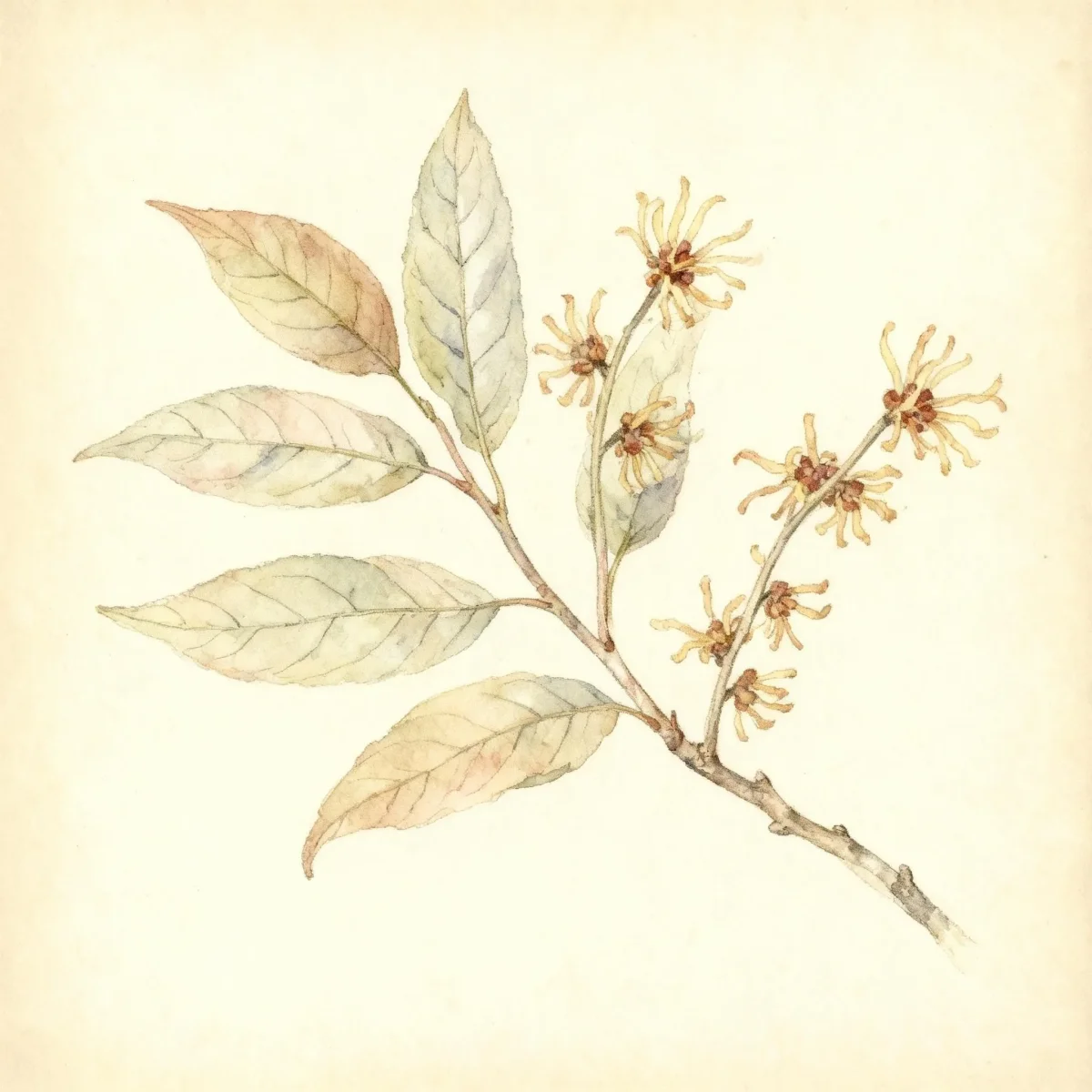
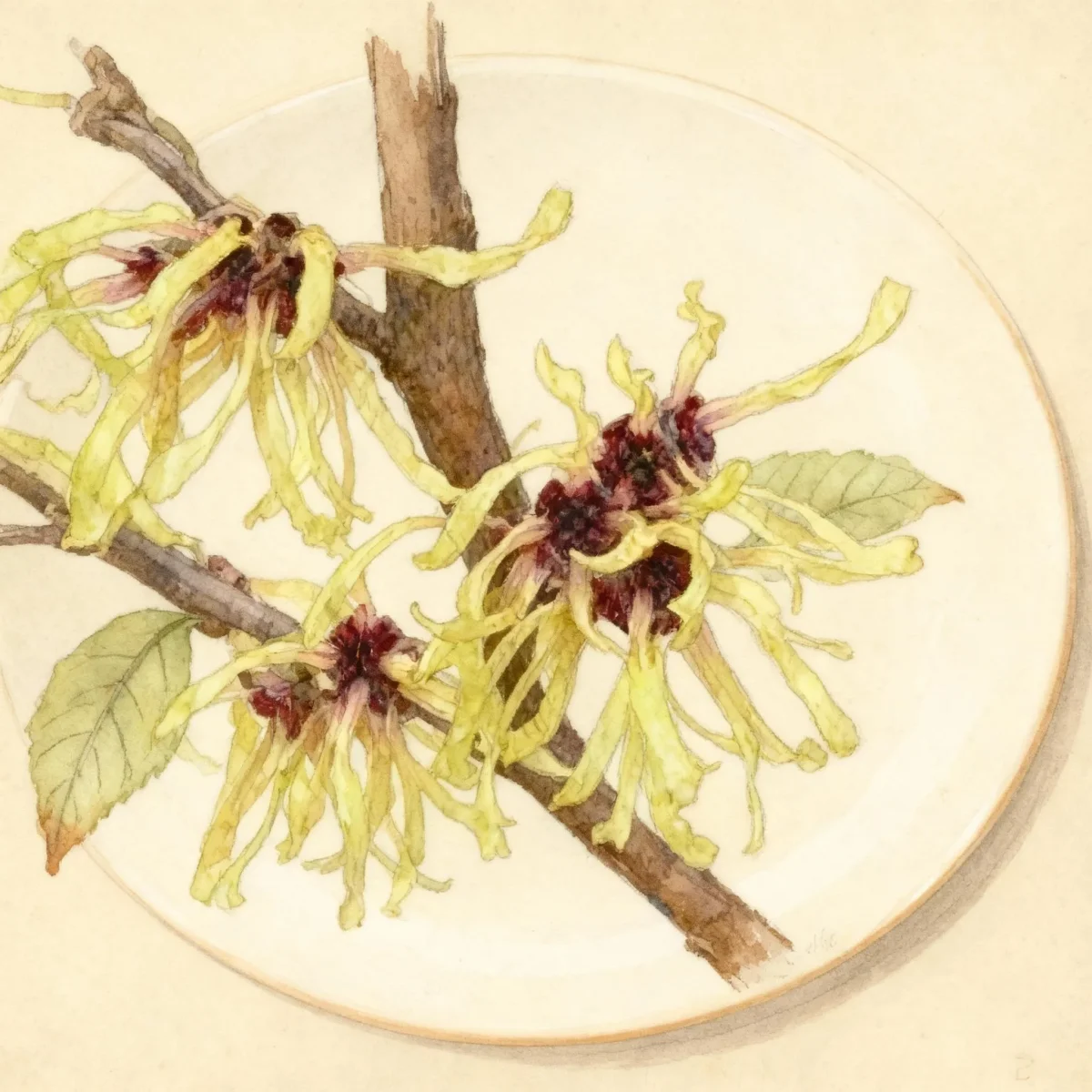
Witch hazel (Hamamelis × intermedia 'Barmstedt Gold')
Hamamelis × intermedia 'Barmstedt Gold' is a low-maintenance Witch hazel known for stunning winter bloom. Perfect for zones 5-8.
Scroll down to discover growing tips, care requirements, companion plants, and more
Complete Plant Information
Overview
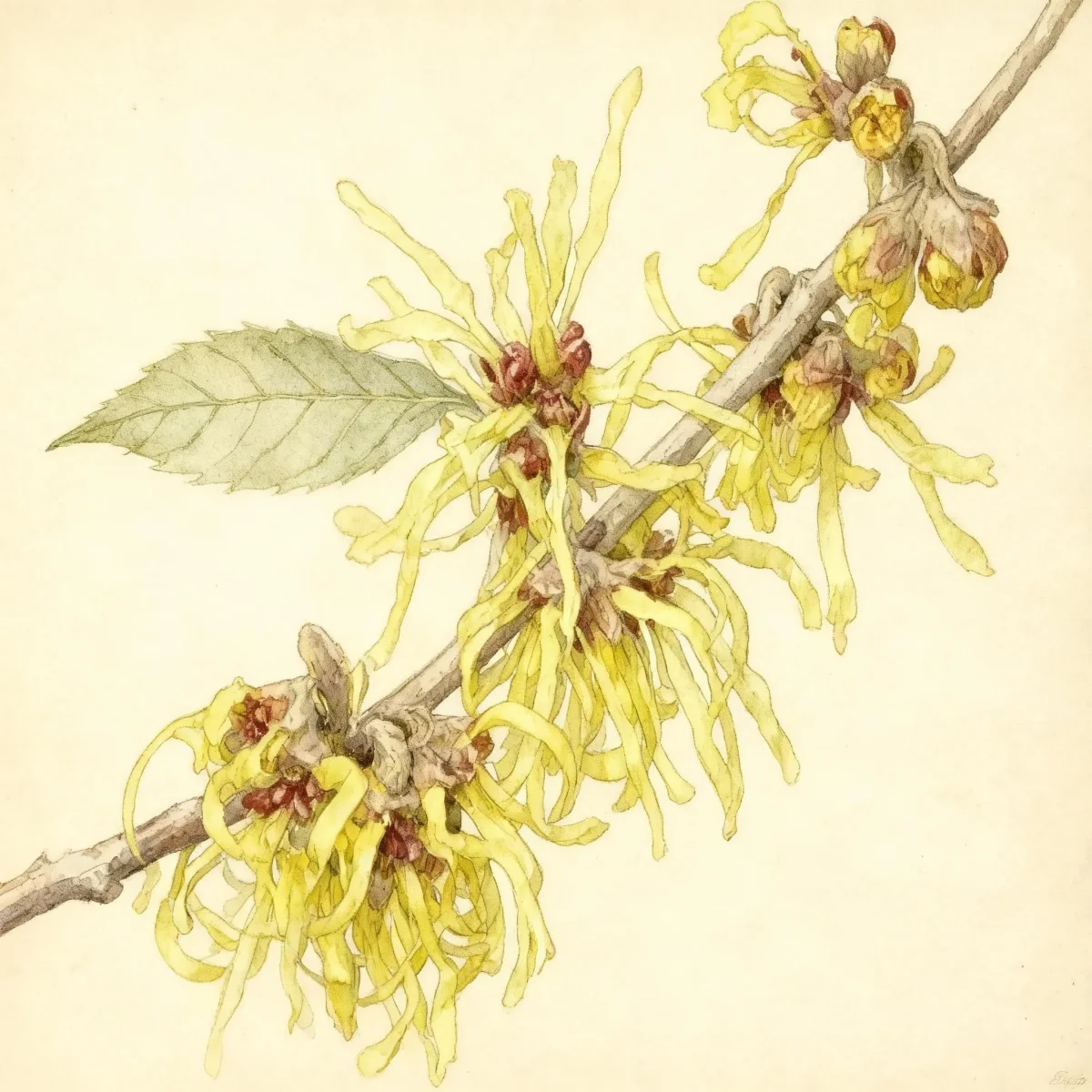
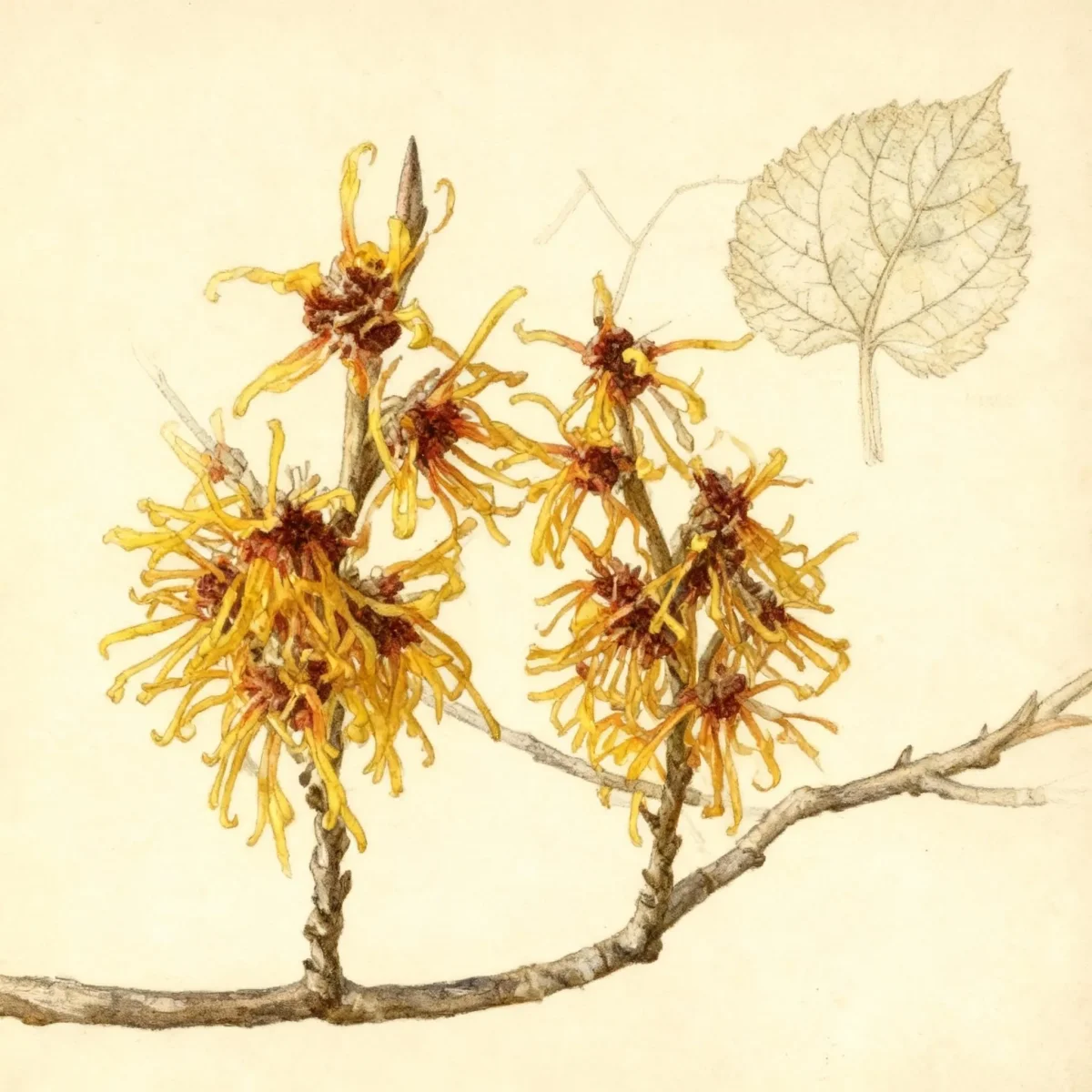
Hamamelis × intermedia ‘Barmstedt Gold’ stands out in the winter landscape, offering vibrant color when little else is flowering. This unique Witch hazel hybrid provides a crucial burst of late-season interest with its showy, spidery golden-yellow blossoms, often appearing before the leaves emerge. As a relatively low-maintenance deciduous shrub, Hamamelis × intermedia ‘Barmstedt Gold’ is valued for both its functional size and its spectacular, mildly fragrant winter display.
These shrubs originate as crosses between Japanese and Chinese witch hazels, resulting in a robust specimen known for its upright-spreading habit. Planted in the right location, this Witch hazel offers screening capabilities or a spectacular focal point, brightening the garden from January through March. Gardeners seeking reliable winter structure and unique blooms will find Hamamelis × intermedia ‘Barmstedt Gold’ an excellent choice for extending the season of interest.
Fast Facts
- Plant Family: Hamamelidaceae
- Plant Type: Deciduous shrub
- Hardiness Zones: USDA Zones 5-8
- Size at Maturity:
- Height: 9-12 ft
- Spread: 9-12 ft
- Bloom Time: January to March
- Bloom Description: Yellow with reddish calyx
- Sun Exposure: Full sun to part shade
- Water Needs: Medium
- Maintenance Level: Low
How to Grow
The optimal time for planting this Witch hazel is generally late fall or very early spring, allowing the root system to establish before summer heat or winter freezes. Site Hamamelis × intermedia ‘Barmstedt Gold’ where it can receive full sun for the best flowering performance, although it tolerates part shade. It thrives in average, medium moisture, well-drained soils; while it possesses some tolerance for clay soils, excellent drainage is mandatory. Deeply acidic, organically rich soils are preferred to ensure vigorous health.
Maintain consistent moisture, especially during dry summer periods, as drought stress can lead to leaf scorch on this Hamamelis × intermedia hybrid. Fertilization is rarely necessary for established plants if the soil is rich, but an annual application of organic matter can improve structure and moisture retention. Pruning should be performed promptly in the spring immediately after flowering concludes to shape the shrub or control its size.
A key cultural requirement is the diligent removal of root suckers. It is critically important to promptly remove any growth arising below the graft union to maintain the desired cultivar characteristics of the Hamamelis × intermedia ‘Barmstedt Gold’. Following these basic cultural guidelines will ensure decades of reliable winter color from your Witch hazel.
Landscape Uses
The hardiness and unique bloom time make Hamamelis × intermedia ‘Barmstedt Gold’ a superior winter-flowering shrub for thoughtful landscape design. Its mature height and spread of up to 12 feet suit it perfectly for use in substantial shrub borders where it can anchor a planting scheme during the dormant season. Consider using it as a specimen plant where its winter structure and early flowers can be appreciated up close, or massed for a striking screen or tall hedge effect.
Due to its requirement for consistent moisture and preference for acidic soil, pair this Witch hazel with other woodland or acidic-loving shrubs that share similar cultural needs, such as rhododendrons or azaleas, placed where they receive dappled afternoon shade. The fall foliage, which turns an attractive yellow, provides excellent contrast with late-season bloomers in the garden foreground.
Standout Features
Flower Qualities
- Showy
- Fragrant
Noteworthy Characteristics
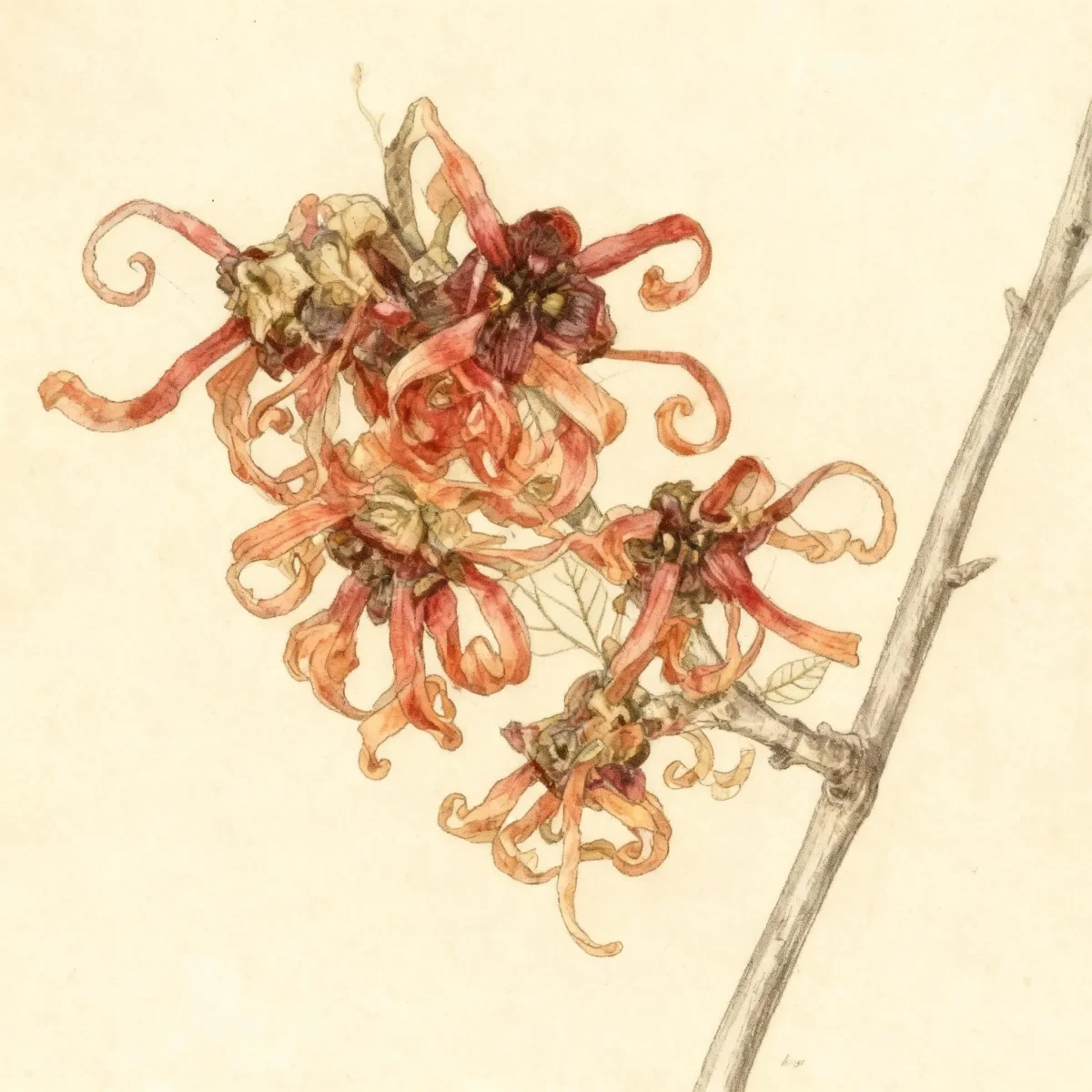
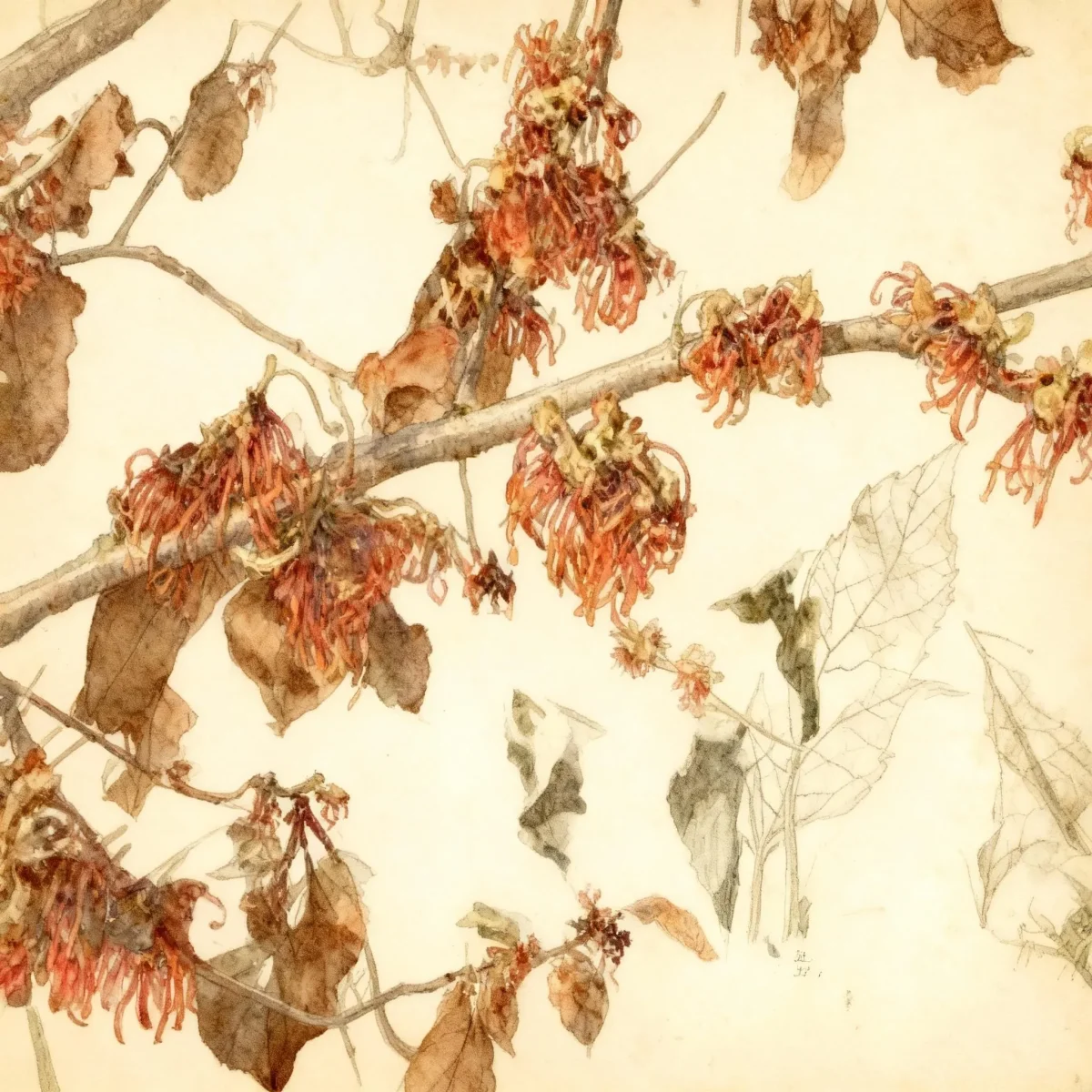
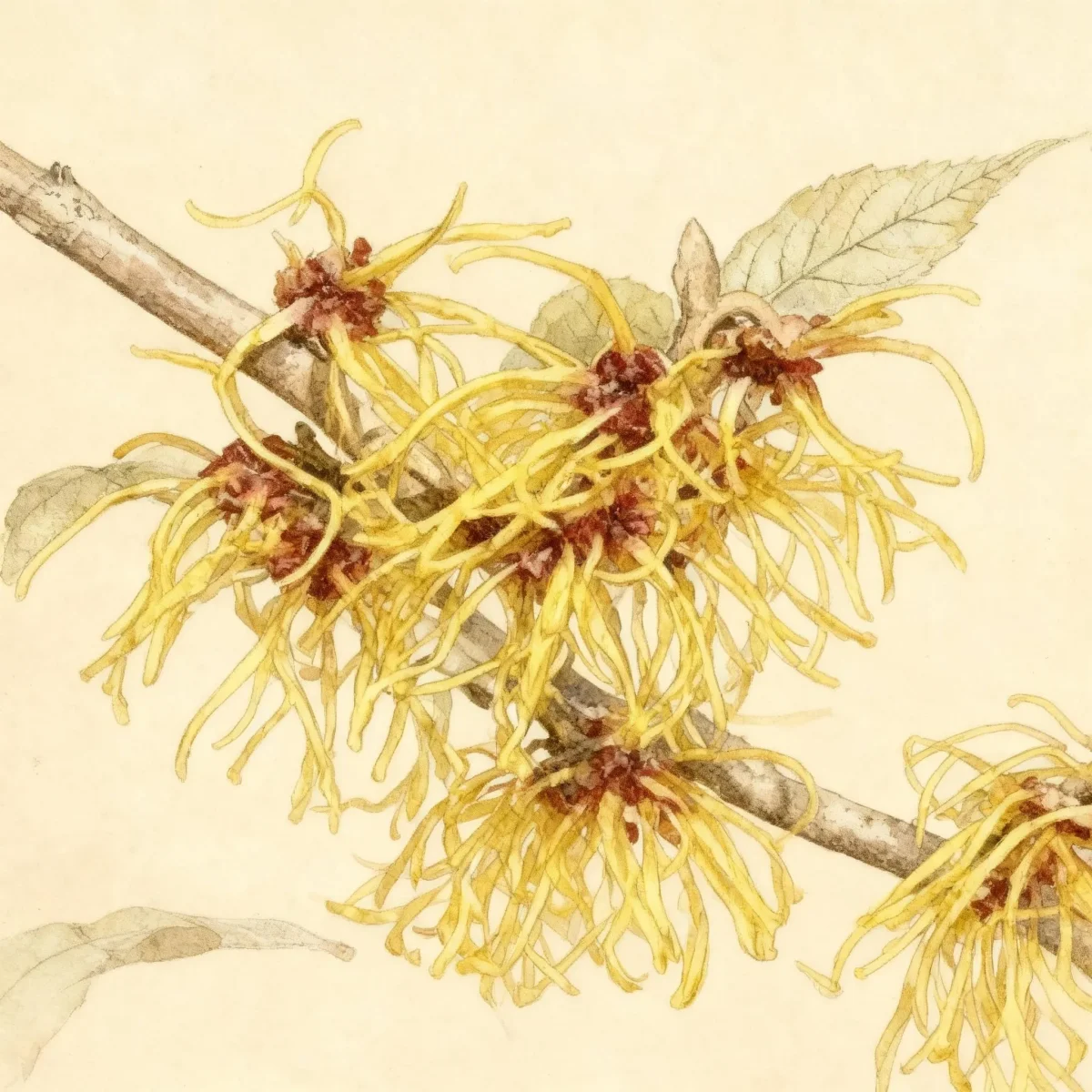
Hamamelis × intermedia hybrids are crosses between Japanese witch hazel (H. Japonica) and Chinese witch hazel (H. Mollis), forming coarse, loosely-branched, medium to large deciduous shrubs. They are especially celebrated for their spidery, often fragrant, mid- to late winter flowers which appear before the spring foliage emerges. The cultivar ‘Barmstedt Gold’ is specifically noted for its winter-blooming, golden yellow flowers featuring reddish calyces, blooming profusely along the stems from late January to March.
Tolerances
- Deer
- Erosion
- Clay Soil
Potential Problems
While generally resistant to major threats, the Hamamelis × intermedia ‘Barmstedt Gold’ can occasionally face insect pressure. Gardeners should watch for chewing damage caused by caterpillars or Japanese beetles on the leaves during the growing season. Pest inspection should also include looking for gall aphids, scale insects, and leafrollers.
Disease issues are typically minor, usually limited to occasional powdery mildew or leaf spotting, but rarely necessitate aggressive chemical intervention. Proper siting—ensuring good air circulation and avoiding summer drought—is crucial for preventing most foliar issues related to humidity and stress. Maintaining good plant health ensures this Witch hazel remains a low-maintenance performer.
Frequently Asked Questions
What hardiness zones is Witch hazel suitable for?
This Witch hazel variety, Hamamelis × intermedia ‘Barmstedt Gold’, is suitable for USDA Hardiness Zones 5 through 8.
How large does Hamamelis × intermedia ‘Barmstedt Gold’ grow?
This shrub typically reaches a height between 9 and 12 feet, with a similar spread of 9 to 12 feet at maturity.
When does Witch hazel bloom?
Hamamelis × intermedia ‘Barmstedt Gold’ provides its striking winter color between January and March, featuring yellow flowers set against a reddish calyx.
What sun exposure does Hamamelis × intermedia ‘Barmstedt Gold’ need?
For the most abundant flowering, this plant requires full sun, though it will tolerate partial shade conditions.
Conclusion
The Hamamelis × intermedia ‘Barmstedt Gold’ is an invaluable asset to the winter landscape, offering brilliant color and mild fragrance when the garden seems dormant. This low-maintenance Witch hazel provides excellent structure, deer resistance, and tolerance for clay soils once established. Before planting, confirm your location falls within USDA Zones 5-8 and ensure the site offers consistent moisture for the best possible display from your Hamamelis × intermedia ‘Barmstedt Gold’.
Companion Planting
Selecting appropriate companions for Hamamelis × intermedia ‘Barmstedt Gold’ involves matching its preference for moist, acidic soil and its placement within the landscape architecture. Because this Witch hazel shines during the late winter and early spring, consider surrounding it with evergreen shrubs that offer reliable green color throughout the cold months, such as dwarf Rhododendrons or Boxwood cultivars suited to similar light levels. Avoid planting shallow-rooted, aggressive spreaders nearby that might compete heavily for surface moisture and nutrients.
For spring color, pair the eventual return of green foliage on the Hamamelis × intermedia ‘Barmstedt Gold’ with early bloomers like Snowdrops (Galanthus) or Hellebores, all of which thrive in similar woodland edge conditions. Ensure that any companions planted near this shrub do not require heavy summer pruning, as late pruning can interfere with the shrub’s natural growth habit and preparation for the following winter bloom.
Design Ideas for Winter Interest
Focusing on winter interest is where this Witch hazel truly excels. Plant Hamamelis × intermedia ‘Barmstedt Gold’ near patios, entryways, or viewing areas visible from kitchen windows to capture the mid-winter flower display. Its vase-shaped structure, even when bare of leaves, provides excellent architectural contrast against simpler evergreen backgrounds like Yews or upright Holly varieties.
When used as a screen or hedge, allow Hamamelis × intermedia ‘Barmstedt Gold’ to grow naturally to achieve its maximum height and spread, as heavy shearing undermines the aesthetic appeal of its unique branching pattern. Consider placing dark mulch beneath the canopy; this dark contrast enhances the visibility of the bright golden-yellow flowers against the backdrop of bare woody stems during the bleakest months of the year.