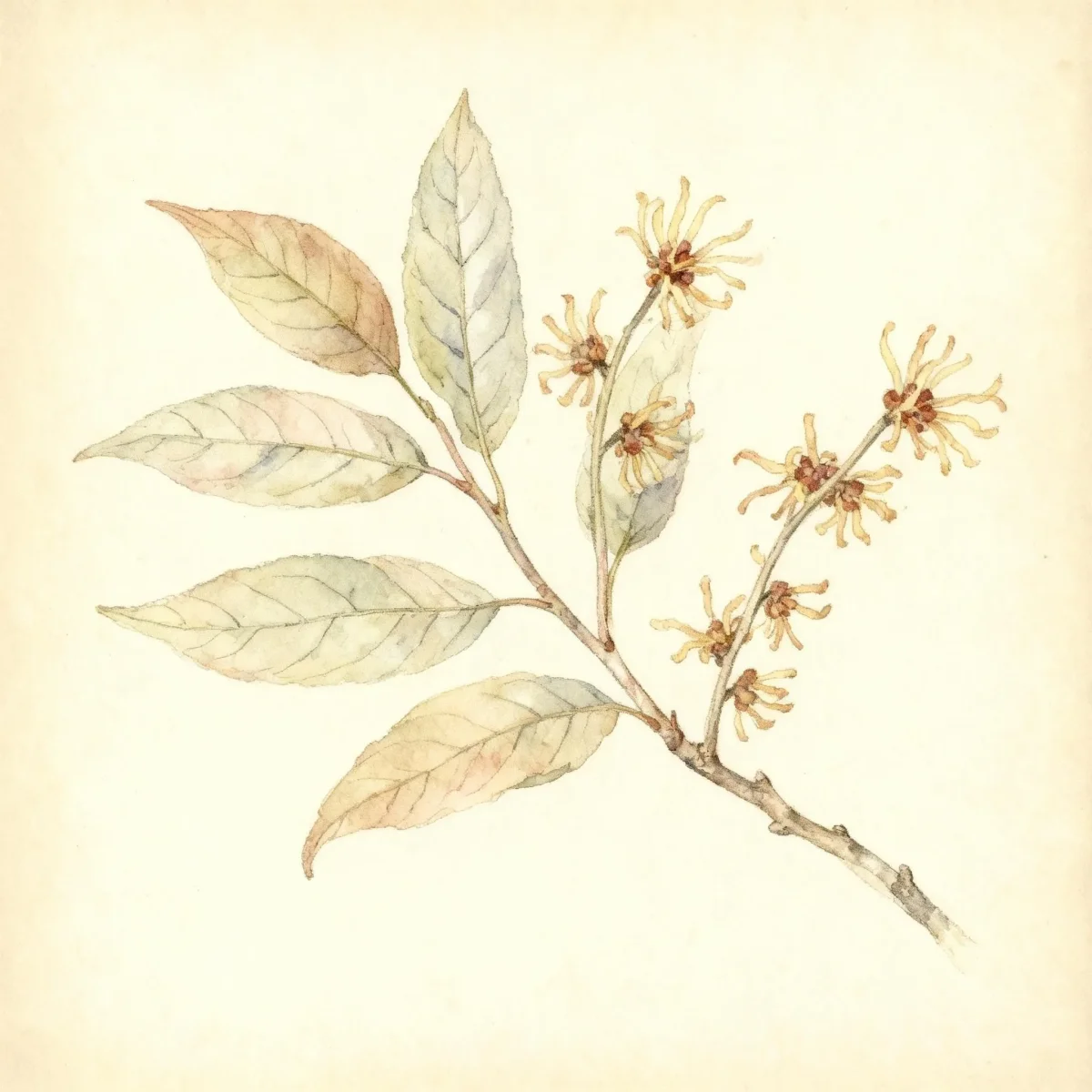
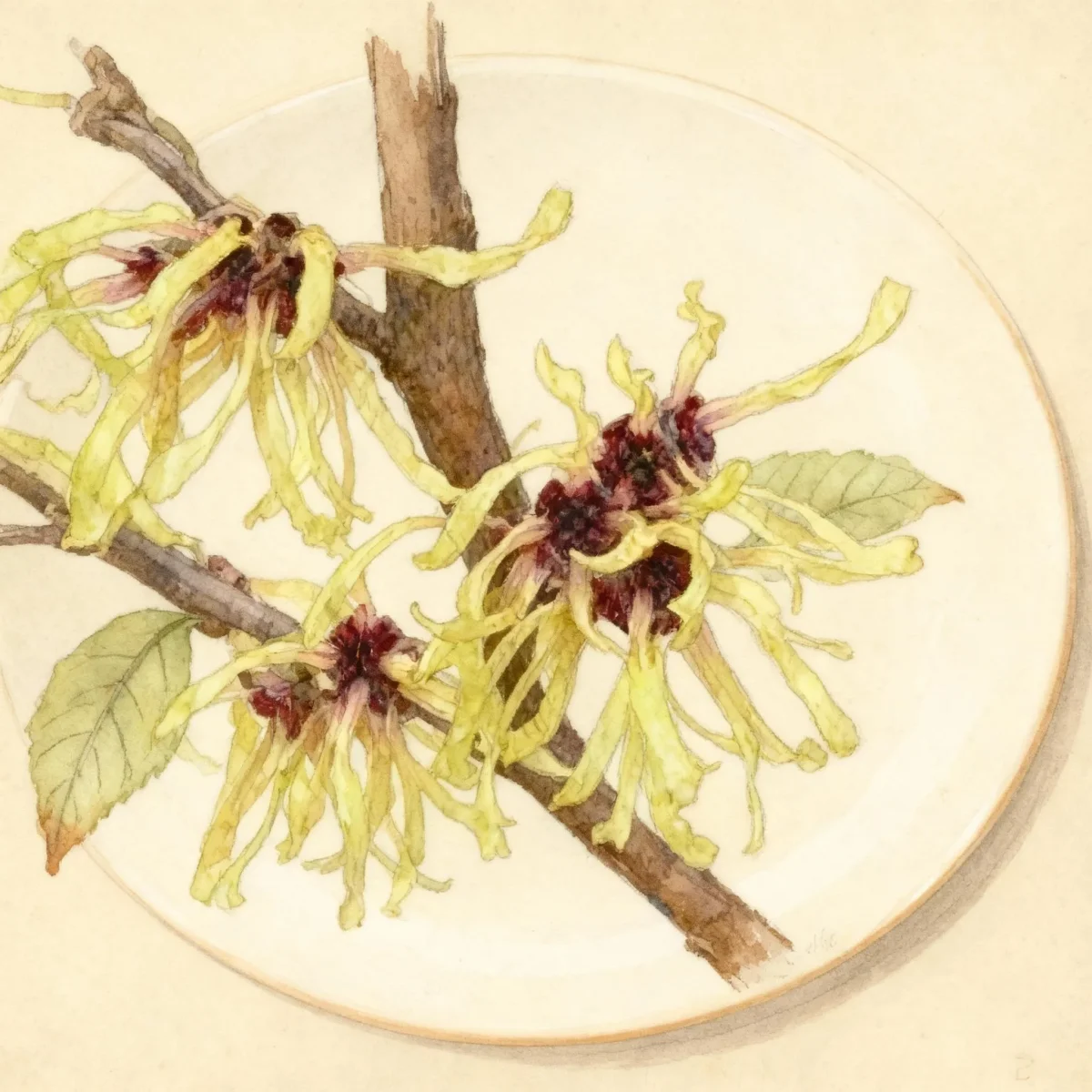
Witch hazel (Hamamelis × intermedia 'Birgit')
Hamamelis × intermedia 'Birgit' Witch hazel offers unique purplish-red, fragrant winter blooms. This low-maintenance shrub thrives in Zones 5-8.
Scroll down to discover growing tips, care requirements, companion plants, and more
Complete Plant Information
Overview
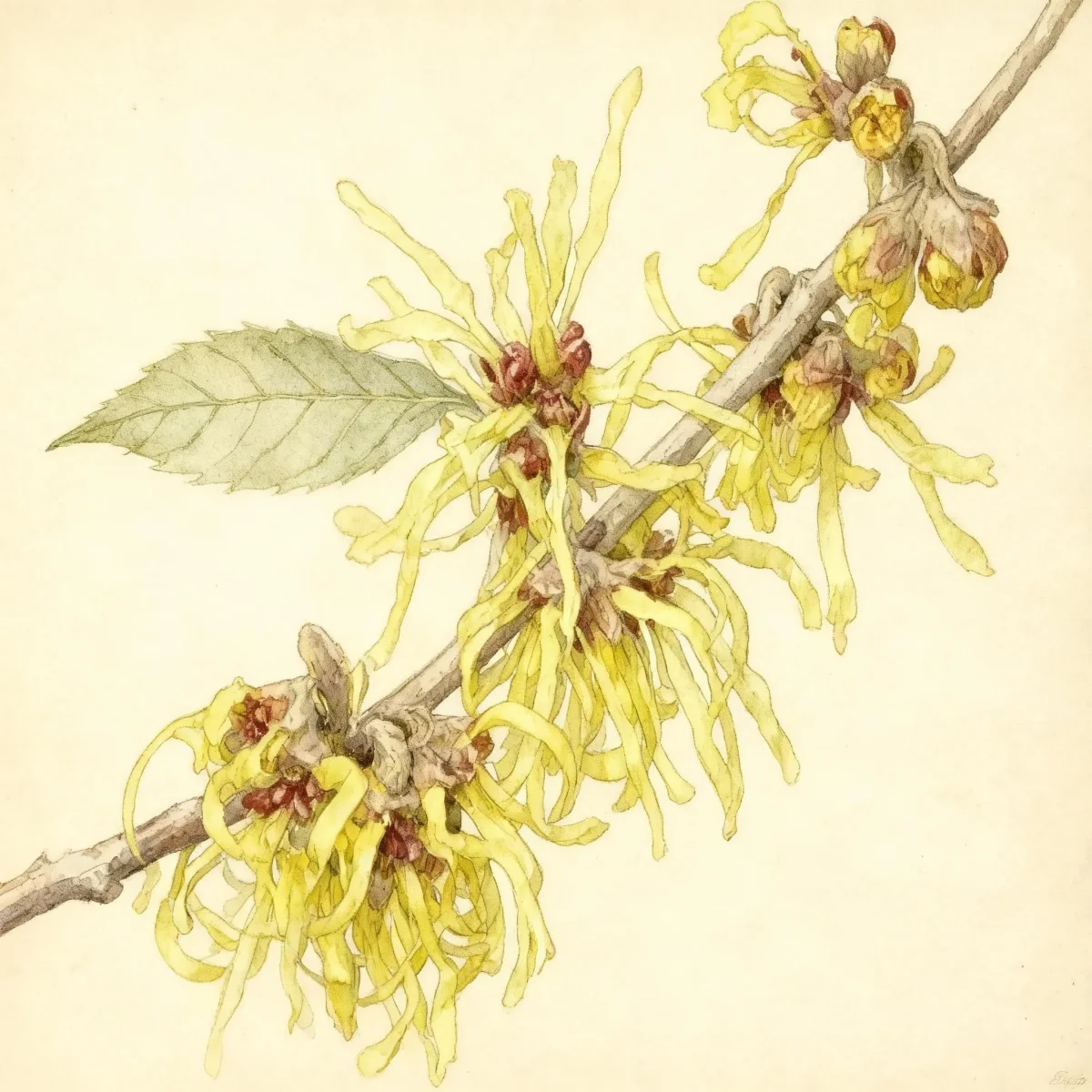
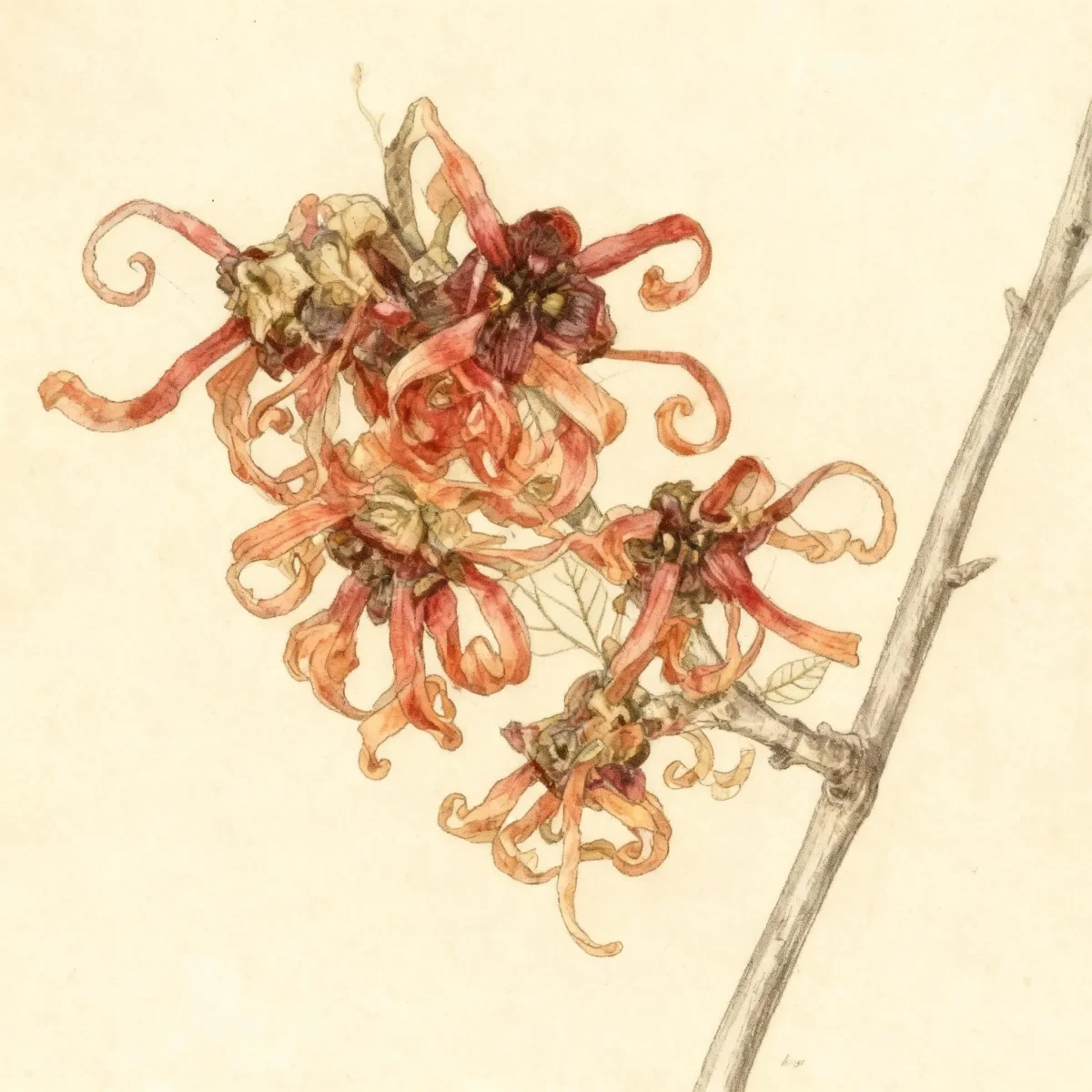
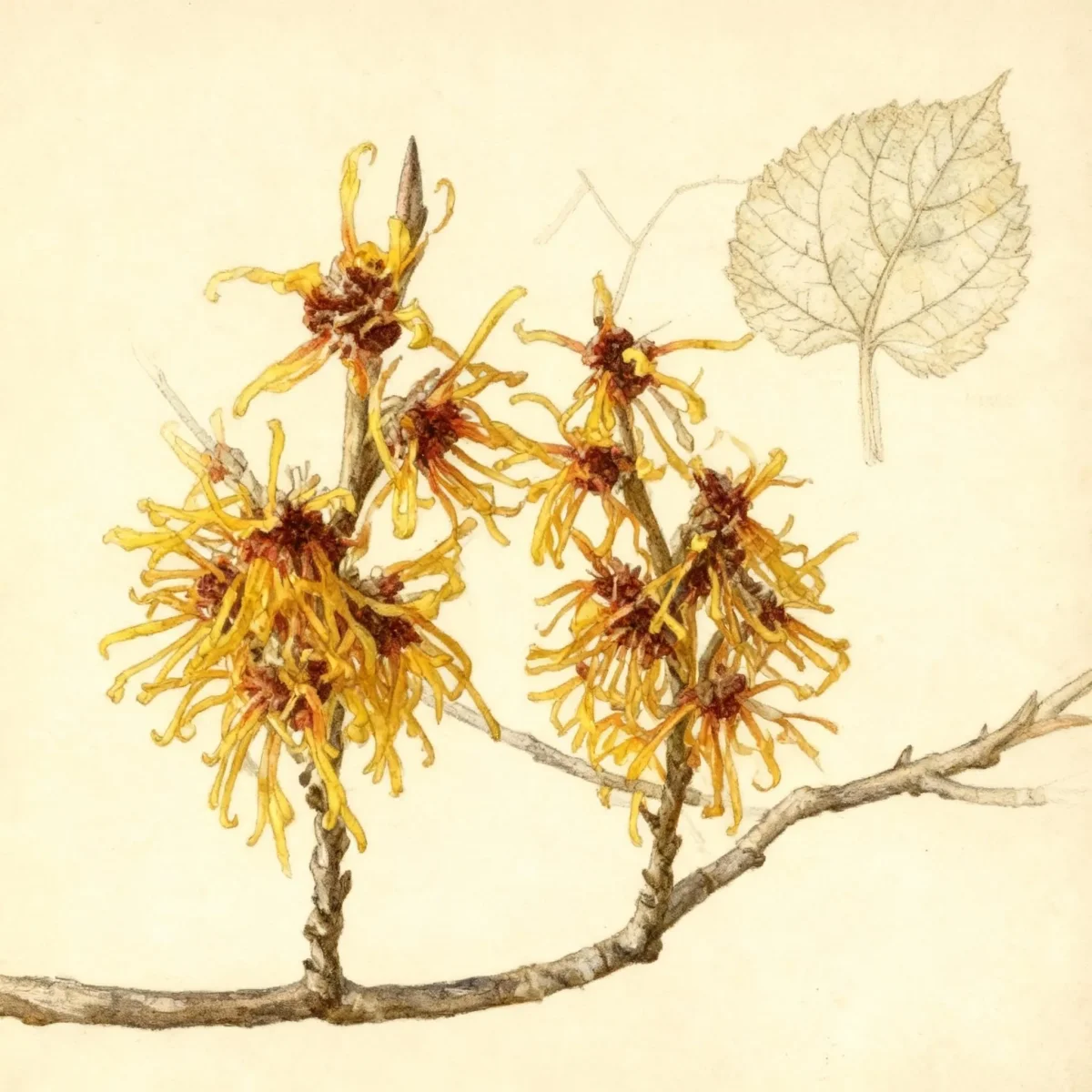
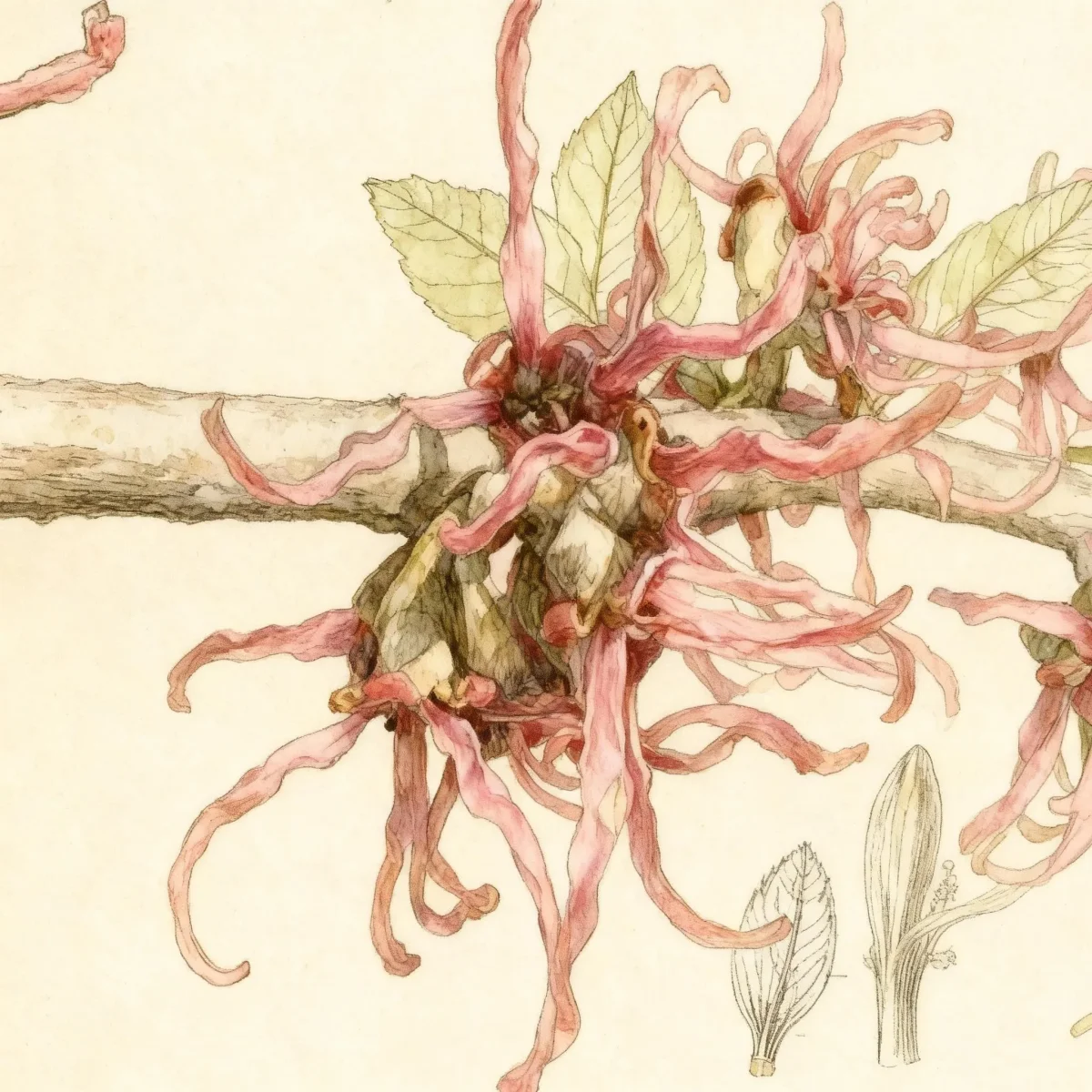
The Hamamelis × intermedia ‘Birgit’ is a spectacular deciduous shrub prized for delivering color and fragrance during the dormant season. As a hybrid Witch hazel, it provides much-needed visual interest when most other plants are asleep, blooming profusely from late January through March. Gardeners appreciate this cultivar, Hamamelis × intermedia ‘Birgit’, for its upright-spreading habit and outstanding purplish-red flowers—often the darkest red available among winter bloomers.
This versatile shrub is relatively low maintenance once established, fitting well into mixed borders or serving as a striking specimen plant. Its blooms appear along the stems before the foliage emerges, showcasing those characteristic, spidery, ribbon-like petals. Growing to a mature size of about 8 to 12 feet tall and 12 to 15 feet wide, Hamamelis × intermedia ‘Birgit’ offers significant structure to the winter garden alongside its seasonal beauty.
Fast Facts
- Plant Family: Hamamelidaceae
- Plant Type: Deciduous shrub
- Hardiness Zones: USDA Zones 5-8
- Size at Maturity:
- Height: 8-12 ft
- Spread: 12-15 ft
- Bloom Time: January to March
- Bloom Description: Purplish-red
- Sun Exposure: Full sun to part shade
- Water Needs: Medium
- Maintenance Level: Low
How to Grow
The best time to plant Hamamelis × intermedia ‘Birgit’ is generally in the fall or early spring while the soil is still cool. Select a location that receives at least partial sun, recognizing that full sun exposure encourages the most abundant flowering. These Witch hazel varieties thrive in average, medium-moisture, well-drained soils, preferring conditions that are organically rich and slightly acidic. Consistent moisture is crucial; drought stress during summer can lead to leaf scorch.
Routine care for this shrub is straightforward. While it tolerates clay soils, be meticulous about ensuring excellent drainage to prevent root issues. Water regularly until the plant is fully established. Due to its low maintenance needs, heavy fertilization is usually unnecessary unless soils are severely depleted.
Pruning should be carried out immediately after the flowering period concludes in the spring. This timing ensures you do not remove next year’s flower buds, which set during the summer. Pruning is primarily for controlling the overall shape and size of your Hamamelis × intermedia ‘Birgit’. Always remove any root suckers that emerge below the graft union promptly to maintain the cultivar’s specific characteristics.
Landscape Uses
The superior winter-flowering capability makes Witch hazel a cornerstone plant for winter landscapes. Hamamelis × intermedia ‘Birgit’ serves wonderfully in shrub borders, providing a bright focal point against evergreen backdrops or bare structural plantings. Its size also makes it suitable for use as a screen or even a tall hedge where dense structure isn’t the primary goal between blooms.
This plant performs well when integrated into woodland gardens, utilizing its somewhat coarse, loosely-branched structure effectively. Consider pairing it with early spring bulbs that emerge shortly after it finishes blooming, such as snowdrops or hellebores, to ensure continuous seasonal interest. Its value as a specimen plant is undeniable, drawing attention to its unique flower structure throughout the cold months.
Standout Features
Flower Qualities
- Showy
- Fragrant
Noteworthy Characteristics
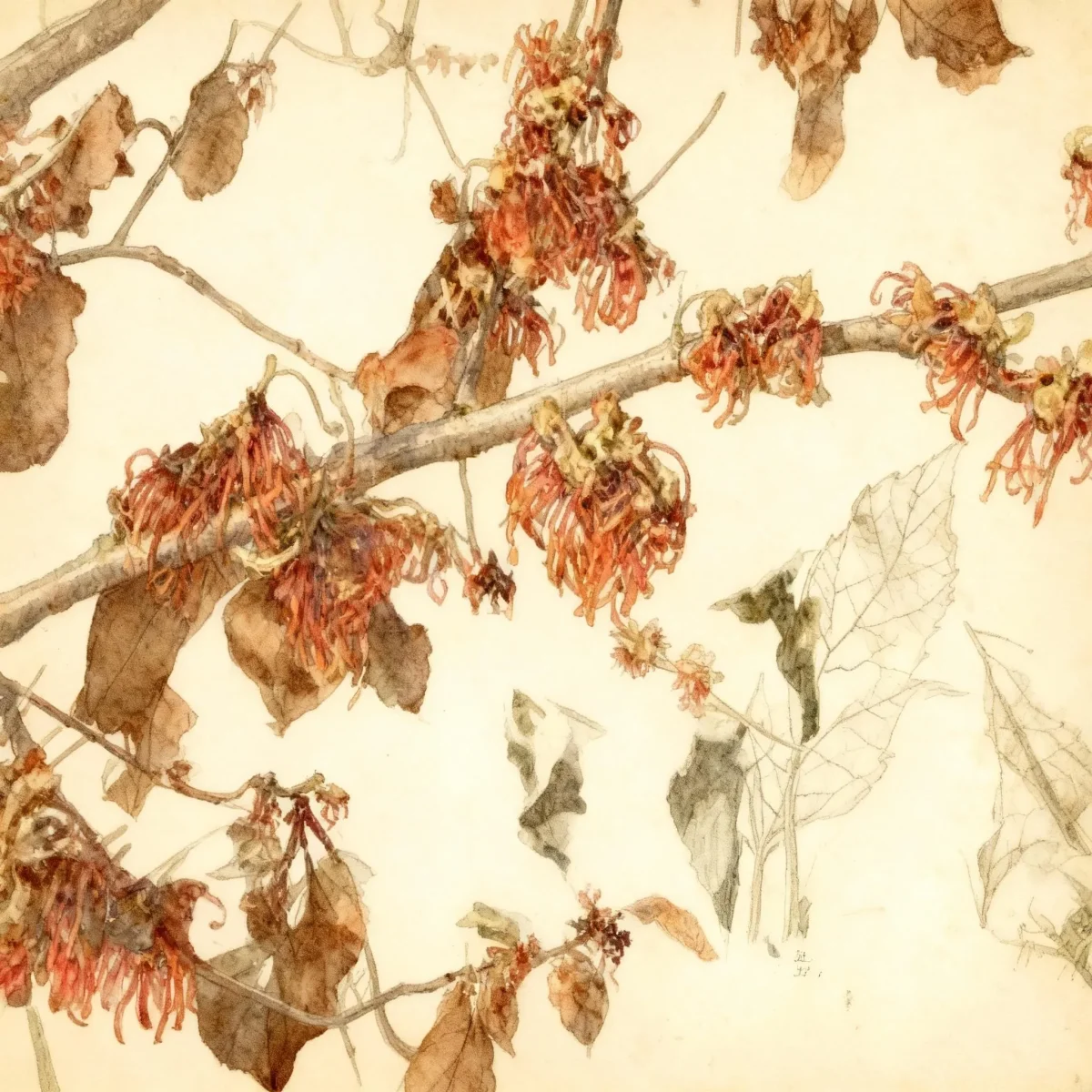
Hamamelis × intermedia hybrids are crosses between Japanese witch hazel (H. Japonica) and Chinese witch hazel (H. Mollis). They are particularly noted for their spidery, often fragrant, mid- to late winter flowers which appear before the spring foliage emerges. The cultivar ‘Birgit’ is noted for its winter-blooming, purplish red flowers—perhaps the darkest red of the cultivars available today—and features flowers blooming along the stems from late January to March. Ovate-orbicular dark green leaves transition to appealing yellow-orange-red tones in the fall.
Tolerances
- Deer
- Erosion
- Clay Soil
Potential Problems
Insect issues on Witch hazel are generally minor. Keep an eye out for caterpillars or Japanese beetles which might chew on the leaves during the warmer months. Watch also for potential sap-sucking insects like gall aphids or scale, and internal pests such as leafrollers and leafminers. Fungal issues like powdery mildew or occasional leaf spots are possible, especially in humid conditions or if air circulation is poor. Fortunately, these insect and disease problems rarely become severe enough to warrant chemical intervention.
Frequently Asked Questions
What hardiness zones is Witch hazel suitable for?
Hamamelis × intermedia ‘Birgit’ is robustly suited for USDA Hardiness Zones 5 through 8.
How large does Witch hazel grow?
This shrub typically matures to a height between 8 and 12 feet, spreading moderately to establish itself between 12 and 15 feet wide.
When does Witch hazel bloom?
The striking purplish-red flowers of Hamamelis × intermedia ‘Birgit’ appear mid-winter, typically blooming from January to March.
What sun exposure does Witch hazel need?
For the best flowering performance, this Witch hazel prefers a location receiving full sun, although it tolerates partial shade quite well.
Conclusion
The Hamamelis × intermedia ‘Birgit’ is an indispensable landscape plant, offering unparalleled winter interest through its showy, fragrant, purplish-red blooms. This low-maintenance Witch hazel variety provides long-lasting structure and superb seasonal color transitions. Before planting, confirm that your garden site falls within USDA Zones 5-8 and ensure the soil maintains consistent moisture for optimal health.
Companion Planting
When selecting companions for Hamamelis × intermedia ‘Birgit’, prioritize plants that either camouflage the bare winter stems or offer early spring vibrancy. Snowdrops (Galanthus) and Winter Aconite (Eranthis) are excellent choices as their blooms often precede or coincide with the Witch hazel flowering. For summer structure, consider planting them near dark green evergreens, such as Japanese holly or certain yews, which provide a solid backdrop that allows the shrub’s unique winter form to stand out.
Seasonal Care Calendar
Spring is the critical period for maintenance; prune your Hamamelis × intermedia ‘Birgit’ immediately after flowering finishes to shape the plant without sacrificing next year’s blooms. During the summer, monitor water needs closely; if you notice wilting or leaf scorch, provide deep, slow watering to keep the soil consistently moist, as drought stresses the plant. Fall is when the foliage provides its final show of yellow-orange-red color before the branches become bare, signaling the approach of the winter bloom season.