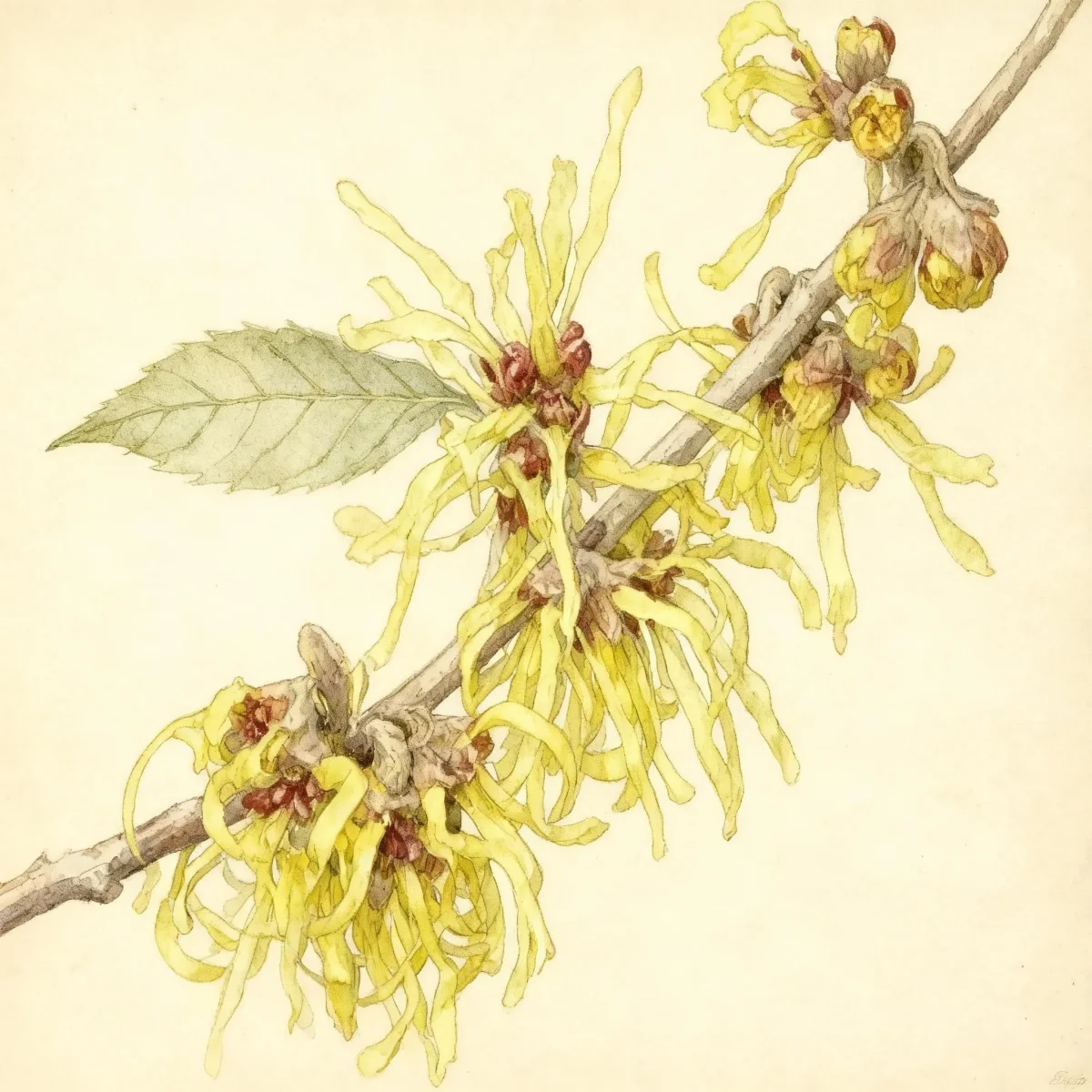
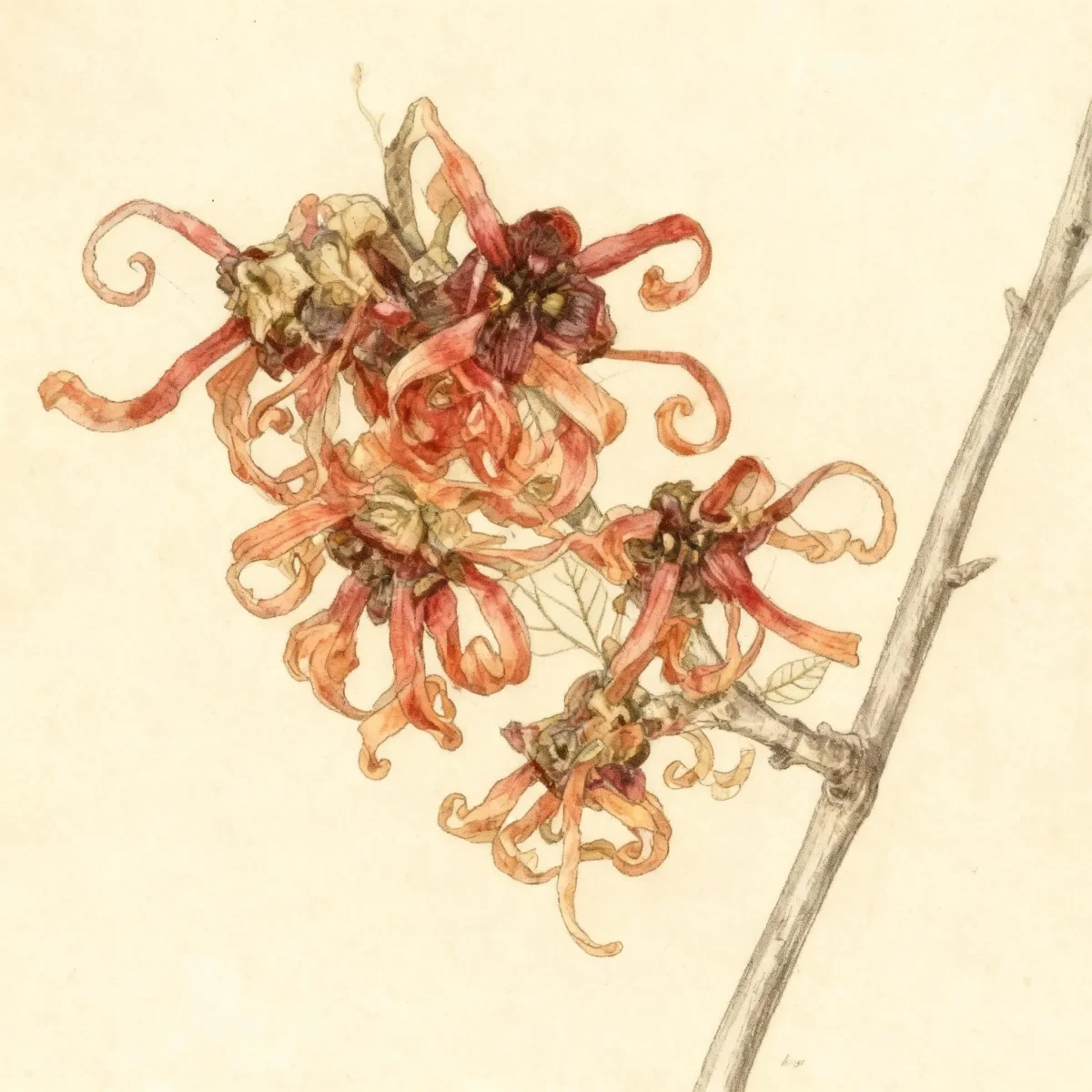
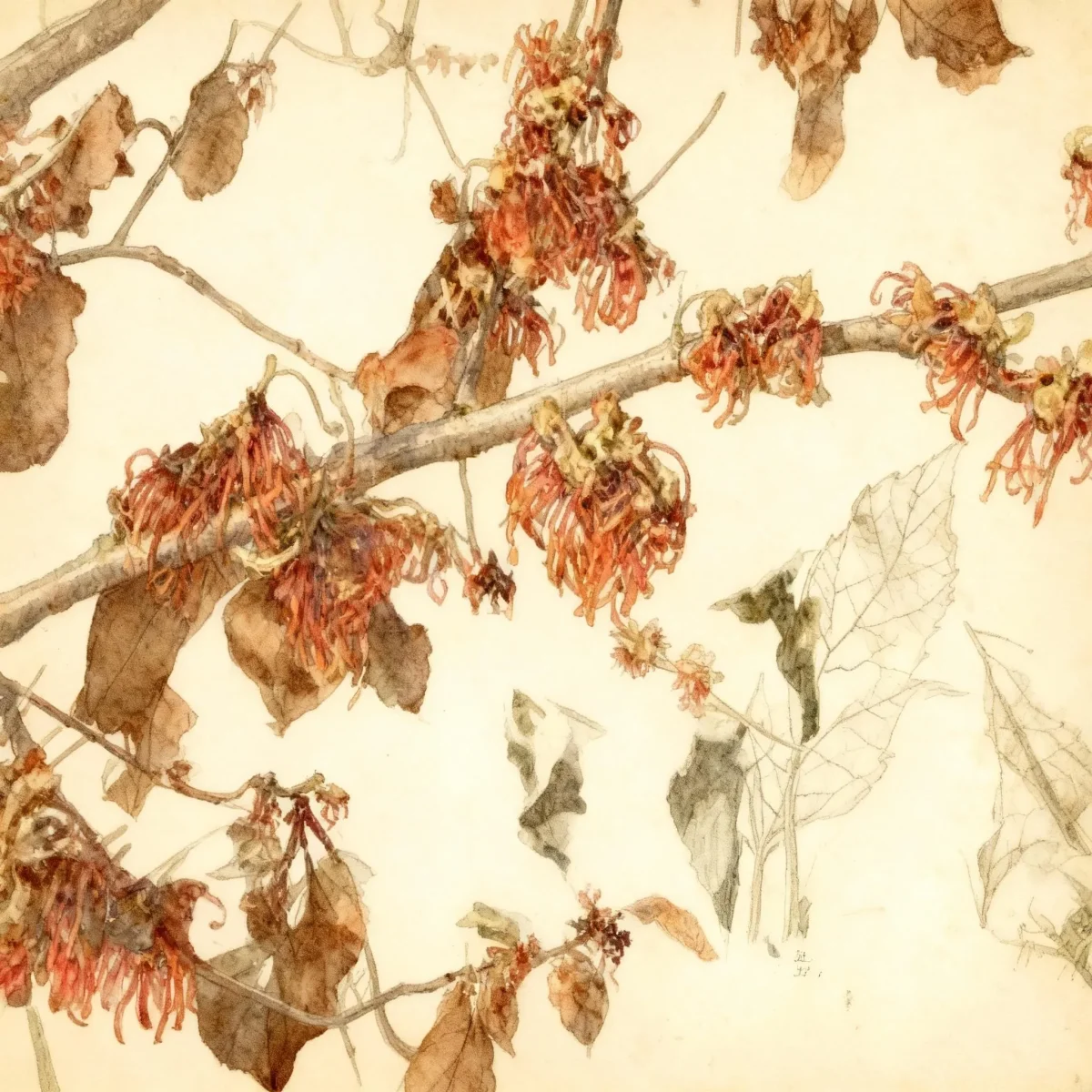
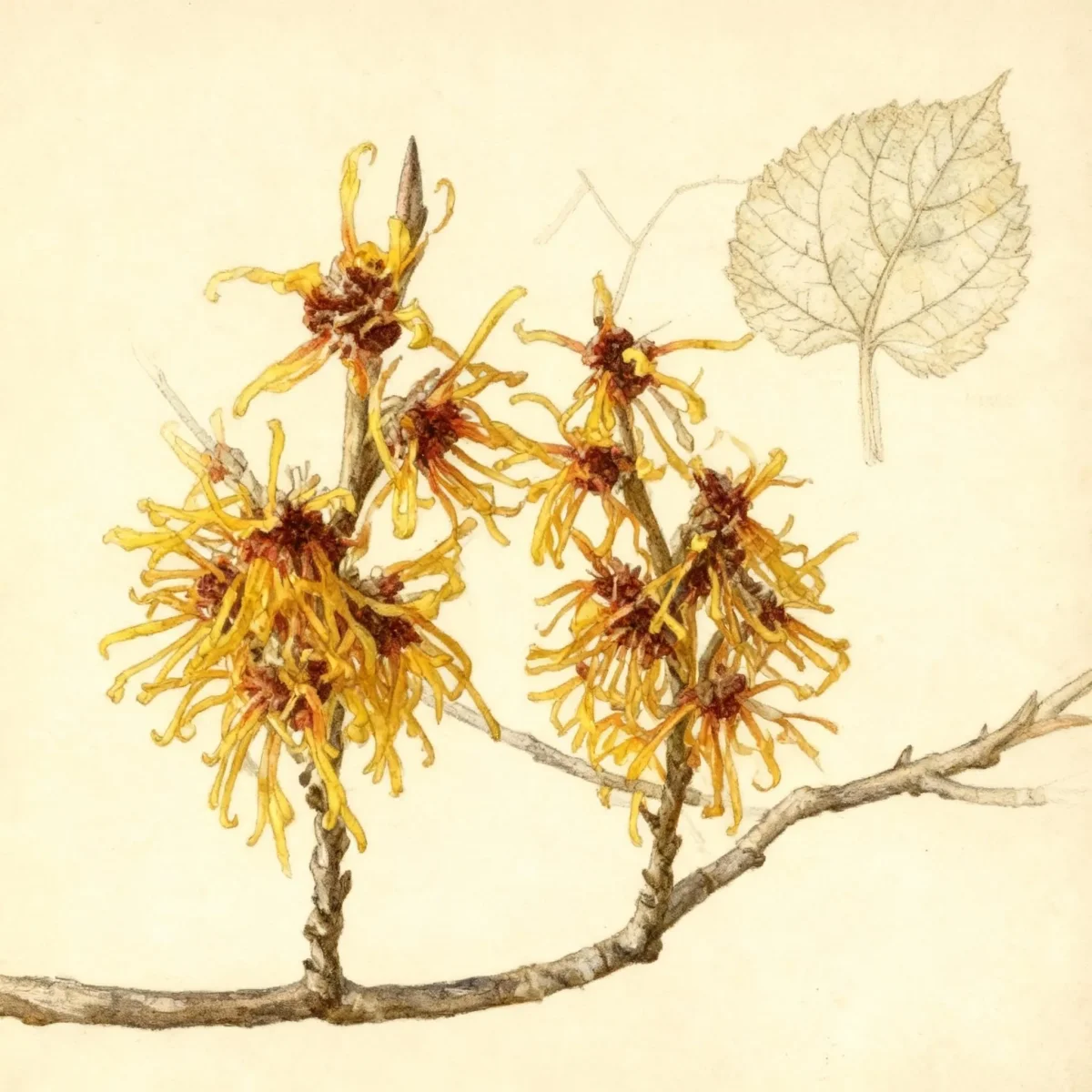
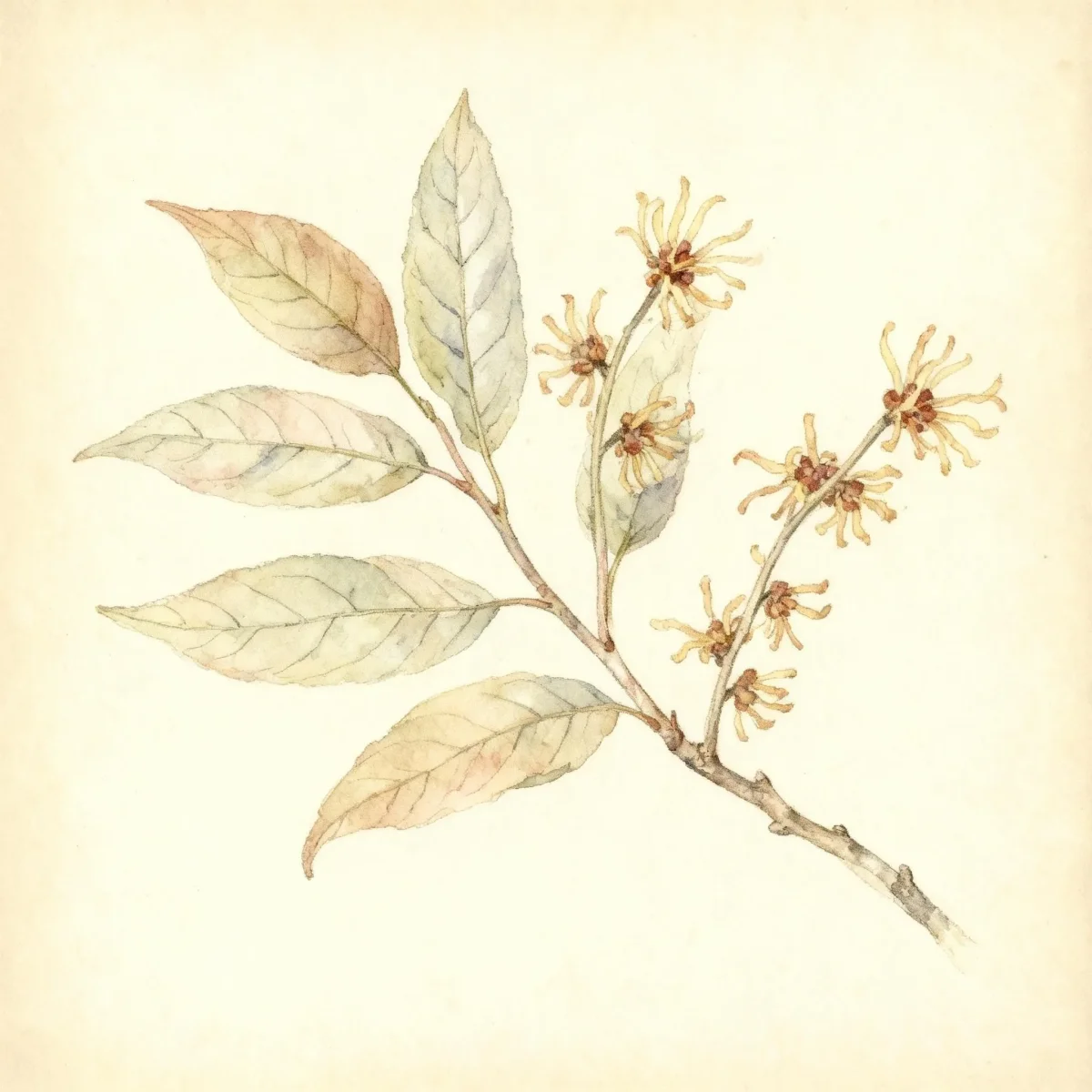
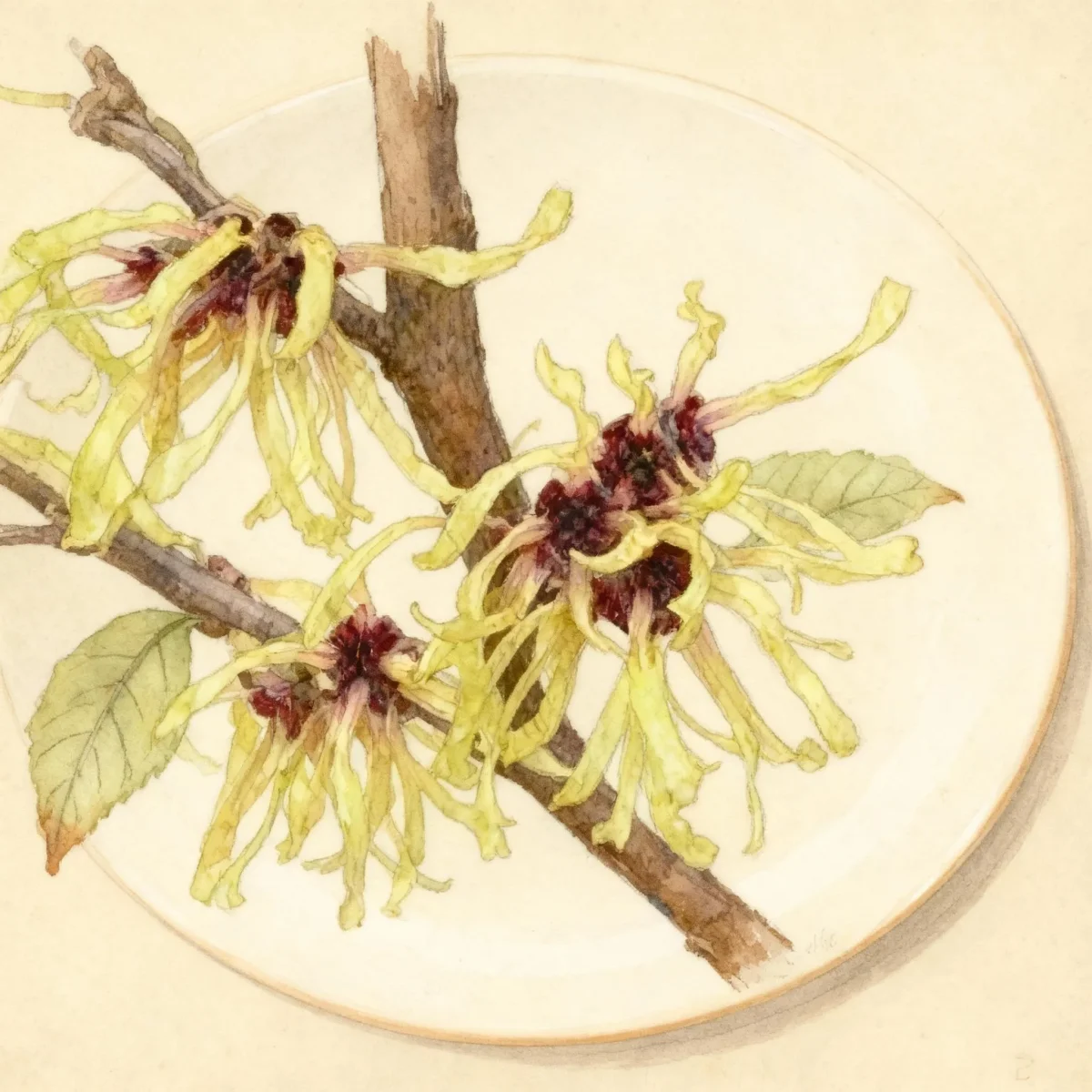
Witch hazel (Hamamelis × intermedia 'Harry')
Hamamelis × intermedia 'Harry' (Witch hazel) offers dazzling yellow-orange winter blooms. This low-maintenance shrub thrives in zones 5-8.
Scroll down to discover growing tips, care requirements, companion plants, and more
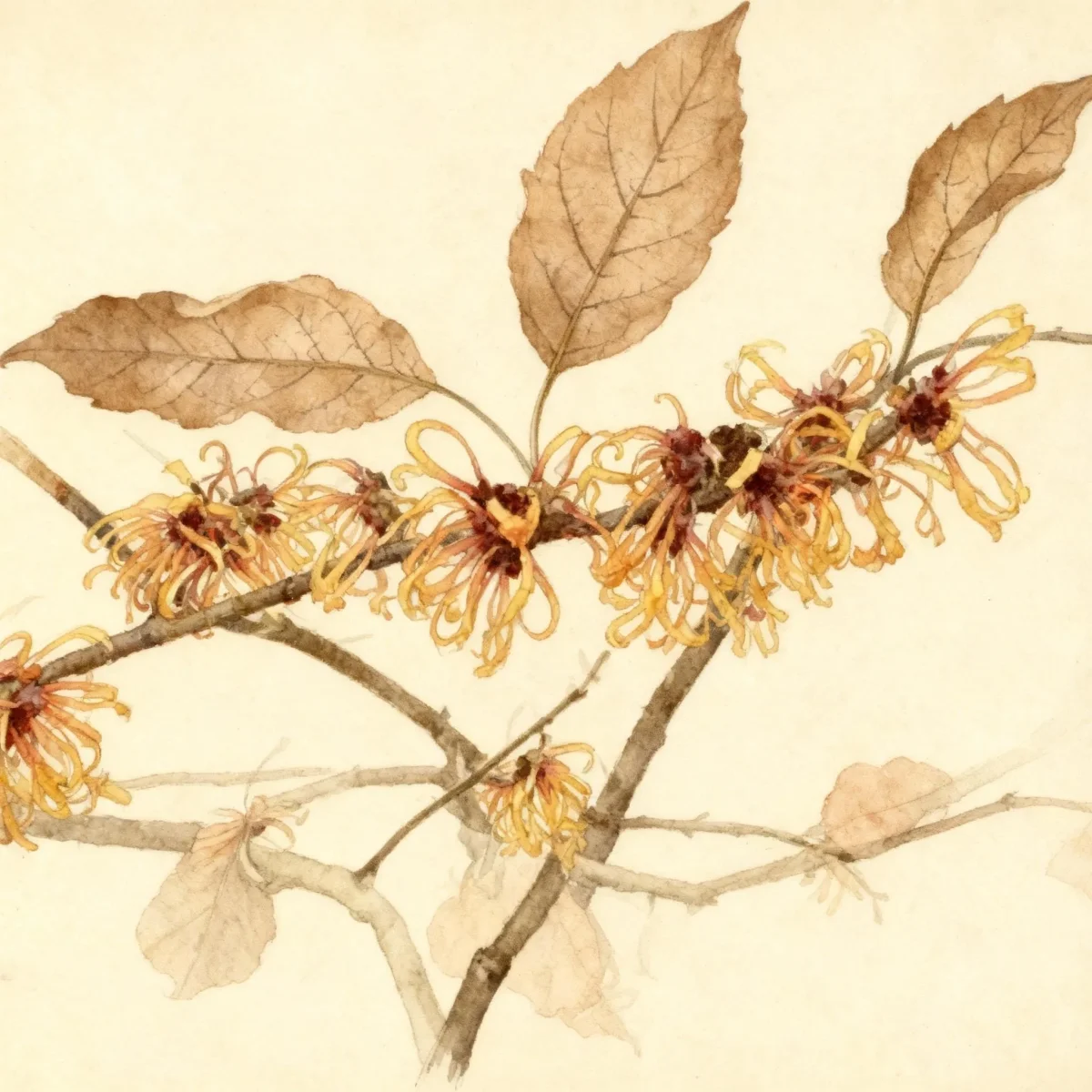
Complete Plant Information
Overview
The exquisite Hamamelis × intermedia ‘Harry’, a hybrid Witch hazel, provides crucial winter interest when most gardens are dormant. Its value lies in the spidery, ribbon-like flowers that emerge along bare stems, transforming the late winter landscape with color. This deciduous shrub is relatively easy to manage, making it an excellent choice for reliable seasonal performance.
This variety typically matures into a compact, rounded specimen reaching 6 to 8 feet tall and wide. While it provides excellent aesthetic appeal from January through March, it also offers functional benefits, including tolerance for challenging soil conditions and resistance to deer browsing.
For optimal performance, select a location ensuring full sun exposure to maximize the stunning bloom display of the Hamamelis × intermedia ‘Harry’. Growing this Witch hazel is rewarding, offering fragrant flowers before the spring flush and requiring minimal post-flowering work.
Fast Facts
- Plant Family: Hamamelidaceae
- Plant Type: Deciduous shrub
- Hardiness Zones: USDA Zones 5-8
- Size at Maturity:
- Height: 6-8 ft
- Spread: 6-8 ft
- Bloom Time: January to March
- Bloom Description: Yellow-orange petals
- Sun Exposure: Full sun to part shade
- Water Needs: Medium
- Maintenance Level: Low
How to Grow
Plant Hamamelis × intermedia ‘Harry’ during the dormant season—late fall or early spring—to allow root establishment before summer stress. Locate this Witch hazel where it receives full sun for the best flower production, though it tolerates part shade. It thrives in average, medium-moisture, well-drained soils but prefers consistently moist, acidic, and organically rich conditions for superior growth.
Maintain consistent moisture, especially during summer droughts, as dry spells can lead to leaf scorch. While this shrub has tolerance for clay soils, ensure that drainage remains good to prevent root issues. Fertilization is rarely necessary if planting occurs in rich soil; focus instead on mulch application to conserve moisture.
Pruning for shape and size should be done promptly in the spring immediately after flowering concludes. This timing ensures you remove unwanted growth before seasonal energy reserves are depleted. A crucial maintenance task is the prompt removal of any root suckers that emerge below the graft union to maintain the characteristics of the desired cultivar.
Landscape Uses
The Witch hazel, particularly the Hamamelis × intermedia ‘Harry’, serves as a superior specimen plant when its vivid winter bloom is needed most. Because it matures to a manageable 6-8 foot size, it is perfectly scaled for shrub borders, providing structure and color throughout the coldest months. Consider using multiple plants spaced appropriately to create a beautiful, informal screen or a tall hedge that offers visual interest even when leafless.
Due to its low maintenance needs and tolerance for deer, this hybrid fits well into woodland garden settings or mixed borders where reliability is key. Pair the Hamamelis × intermedia ‘Harry’ with early spring bulbs like snowdrops or crocuses that will emerge just as the Witch hazel finishes flowering, creating a seamless transition into spring color.
Standout Features
Flower Qualities
- Showy
- Fragrant
Noteworthy Characteristics
Hamamelis × intermedia hybrids result from crossing Japanese and Chinese witch hazels, producing coarse, loosely-branched shrubs known for their spidery, fragrant winter flowers that appear before the foliage. Cultivar ‘Harry’ features distinct yellow flowers with showy yellow-orange ribbon-like petals originating from a purple calyx, maturing into a compact structure of 6-8 feet. The genus name reflects the simultaneous occurrence of fruit and flowers on some members, though these hybrids are specifically noted for their mid- to late-winter display.
Tolerances
- Deer
- Erosion
- Clay Soil
Potential Problems
While generally robust, Hamamelis × intermedia ‘Harry’ may occasionally suffer superficial damage from chewing insects, including caterpillars and Japanese beetles feeding on the leaves. Gardeners should also be vigilant for signs of gall aphids, scale insects, leafrollers, and leafminers, though these pests rarely reach levels requiring chemical intervention. Potential diseases, such as powdery mildew, minor leaf spots, and root rots, are best managed through proper cultural care, ensuring good air circulation and avoiding persistently over-watered soil conditions.
Frequently Asked Questions
What hardiness zones is Witch hazel suitable for?
Hamamelis × intermedia ‘Harry’ is hardy in USDA Zones 5 through 8, making it adaptable to a wide range of cold and mild winter climates.
How large does Hamamelis × intermedia ‘Harry’ grow?
This cultivar typically matures to a compact size, reaching a height between 6 and 8 feet, with an equal spread of 6 to 8 feet.
When does Witch hazel bloom?
The signature bloom time for this variety is mid- to late winter, specifically from January through March, displaying its yellow-orange petals on bare wood.
What sun exposure does Hamamelis × intermedia ‘Harry’ need?
For the best flowering performance, this Witch hazel requires full sun exposure, although it can tolerate partial shade in the landscape.
Conclusion
The Hamamelis × intermedia ‘Harry’ is an invaluable landscape asset, providing essential, fragrant color during the bleakest part of the year. Its low maintenance requirements and deer resistance cement its place as a reliable centerpiece shrub. Before planting, confirm your site resides within USDA Zones 5-8 and plan for consistent moisture access to ensure spectacular mid-winter flowering from your new Witch hazel.
Companion Planting
When designing a garden around Hamamelis × intermedia ‘Harry’, focus on planting partners that either offer dense evergreen structure for contrast or bloom immediately following its winter show. Evergreens such as Japanese Andromeda (Pieris japonica) or various low-growing conifers provide a deep green backdrop that makes the bright yellow winter flowers pop, while also partially shielding the Witch hazel from harsh winter winds.
For the transition into spring, consider bulbs that emerge concurrently with or just after the Hamamelis finishes flowering. Daffodils (Narcissus), especially deep yellow varieties, complement the flower color, while early flowering Hellebores (Helleborus) thrive in the same dappled light conditions the Witch hazel may experience later in the season.
Seasonal Care Calendar
Late Winter (February/March): Monitor for peak bloom. If severe ice or snow has weighed down branches, gently brush them off rather than forcing them, which can cause breakage.
Spring (After Bloom): This is the ideal time for pruning Hamamelis × intermedia ‘Harry’. Shape the shrub as desired and immediately remove any basal suckers growing below the graft; this is critical for maintaining cultivar purity.
Summer: Ensure consistent watering, especially during dry spells, to prevent the leaf scorch that results from drought stress. Apply a layer of organic mulch to stabilize soil temperatures and retain soil moisture.
Fall: No major tasks are required as this Witch hazel does not typically produce significant fall color. Focus on general winter preparation by ensuring the plant is adequately watered before the ground freezes hard.