Witch hazel (Hamamelis × intermedia 'Parasol')
Hamamelis × intermedia 'Parasol' is a low-maintenance Witch hazel offering striking winter flowers. Hardy zones 5-8.
Scroll down to discover growing tips, care requirements, companion plants, and more
Complete Plant Information
Overview
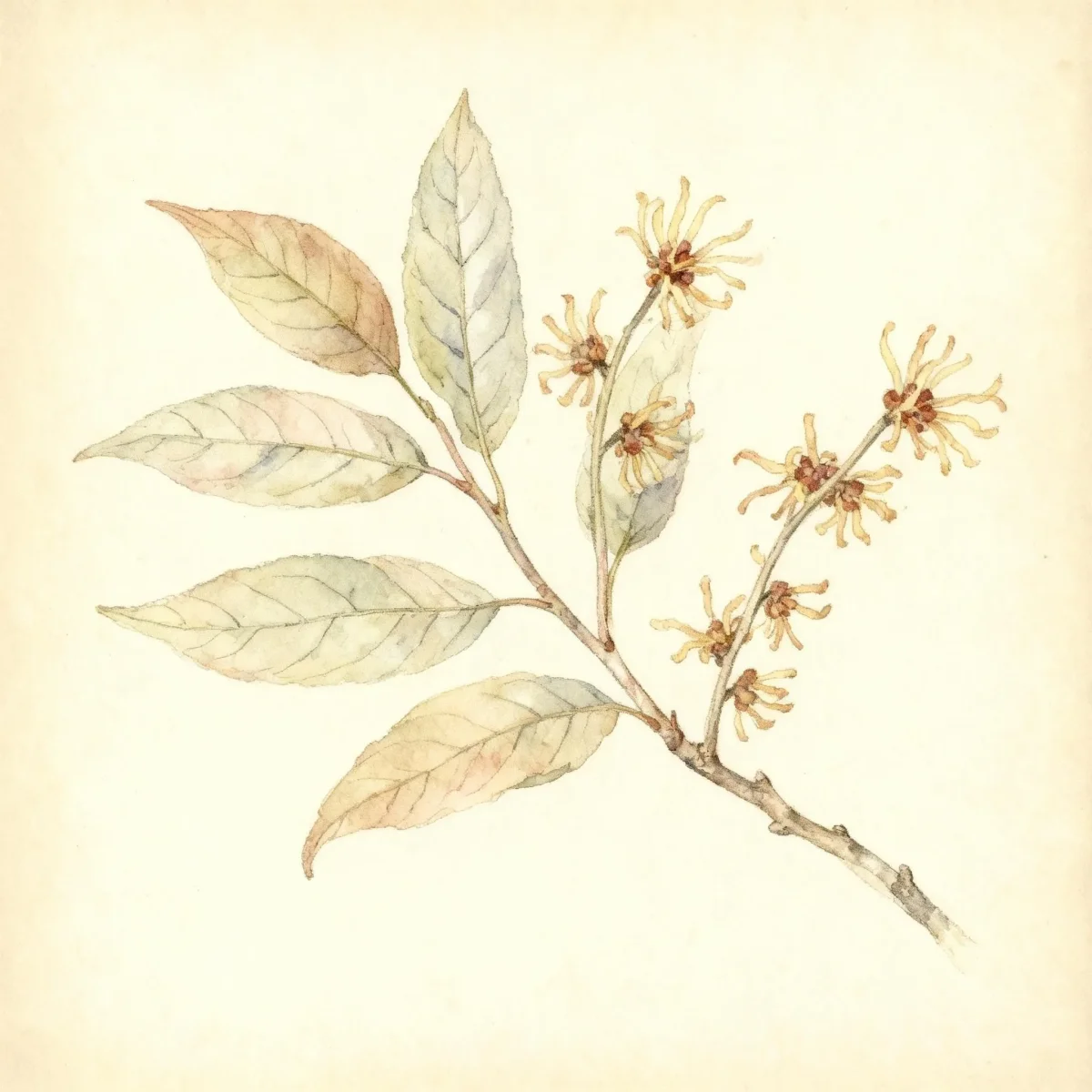
The Hamamelis × intermedia ‘Parasol’ cultivar brings vital late-winter color to the landscape when little else is blooming. This hybrid Witch hazel is prized for its unique, spidery flowers that provide early interest on bare branches, effectively combating the winter landscape doldrums. It matures into a rounded-spreading deciduous shrub, offering a graceful structure even outside the blooming season.
As an intermediate hybrid, Hamamelis × intermedia ‘Parasol’ combines desirable traits from its parent species, resulting in a robust shrub recognized for its low maintenance requirements. Its ability to offer visual appeal during the coldest months makes planting Witch hazel a strategic choice for year-round garden structure. This variety typically reaches a modest 4 to 6 feet in height, though it spreads wider, reaching 8 to 10 feet across.
Gardeners value this plant not only for its distinct blooms but also for its structural contribution to borders and specimen planting. While the flowers may lack fragrance, their unusual form and color—pale yellow tinged with red—ensure that Hamamelis × intermedia ‘Parasol’ remains a focus during the dormant season. It’s a tough performer, tolerating several challenging conditions while providing reliable winter structure.
Fast Facts
- Plant Family: Hamamelidaceae
- Plant Type: Deciduous shrub
- Hardiness Zones: USDA Zones 5-8
- Size at Maturity:
- Height: 4-6 ft
- Spread: 8-10 ft
- Bloom Time: January to March
- Bloom Description: Pale yellow petals tinged red at base
- Sun Exposure: Full sun to part shade
- Water Needs: Medium
- Maintenance Level: Low
How to Grow
Planting should occur in the early spring or fall, giving the Hamamelis × intermedia ‘Parasol’ ample time to establish roots before summer heat or deep winter freezes arrive. Ensure the location receives full sun for the best flowering display, though it tolerates part shade. This Witch hazel thrives in average, medium moisture, well-drained soils. It demonstrates a preference for moist, acidic, and organically rich conditions.
Consistent moisture is key for established plants; drought stress during summer can lead to leaf scorch. While the shrub has some tolerance for clay soils, excellent drainage is non-negotiable for root health. Fertilizing is rarely necessary if the soil is organically rich. Be vigilant against root suckers, promptly removing any that emerge below the graft union to maintain the integrity and intended habit of the grafted specimen.
Pruning for Hamamelis × intermedia ‘Parasol’ should be done judiciously in the spring, immediately after the flowering period concludes. Use this time to control shape or size and remove any crossing or damaged branches. Avoid heavy pruning late in the season, as this could remove the wood that will bear next year’s crucial winter flowers.
Landscape Uses
The Hamamelis × intermedia ‘Parasol’ is categorized as a superior winter-flowering shrub, making it invaluable for adding focal points when the garden is otherwise drab. Its spreading, rounded habit makes it an excellent candidate for shrub borders where its structure can be appreciated throughout the year. It functions well planted as a specimen, drawing the eye directly to its unique January bloom.
Planted as a screen or in a tall hedge, this Witch hazel provides an interesting architectural element, softening hard lines in the winter garden. Consider pairing it with evergreen shrubs or plants that offer vibrant winter bark color, such as dogwoods, to maximize visual impact before the ‘Parasol’ puts out its spring foliage. Its use in woodland gardens is also appropriate, provided adequate moisture levels can be maintained.
Standout Features
Flower Qualities
- Showy
Noteworthy Characteristics
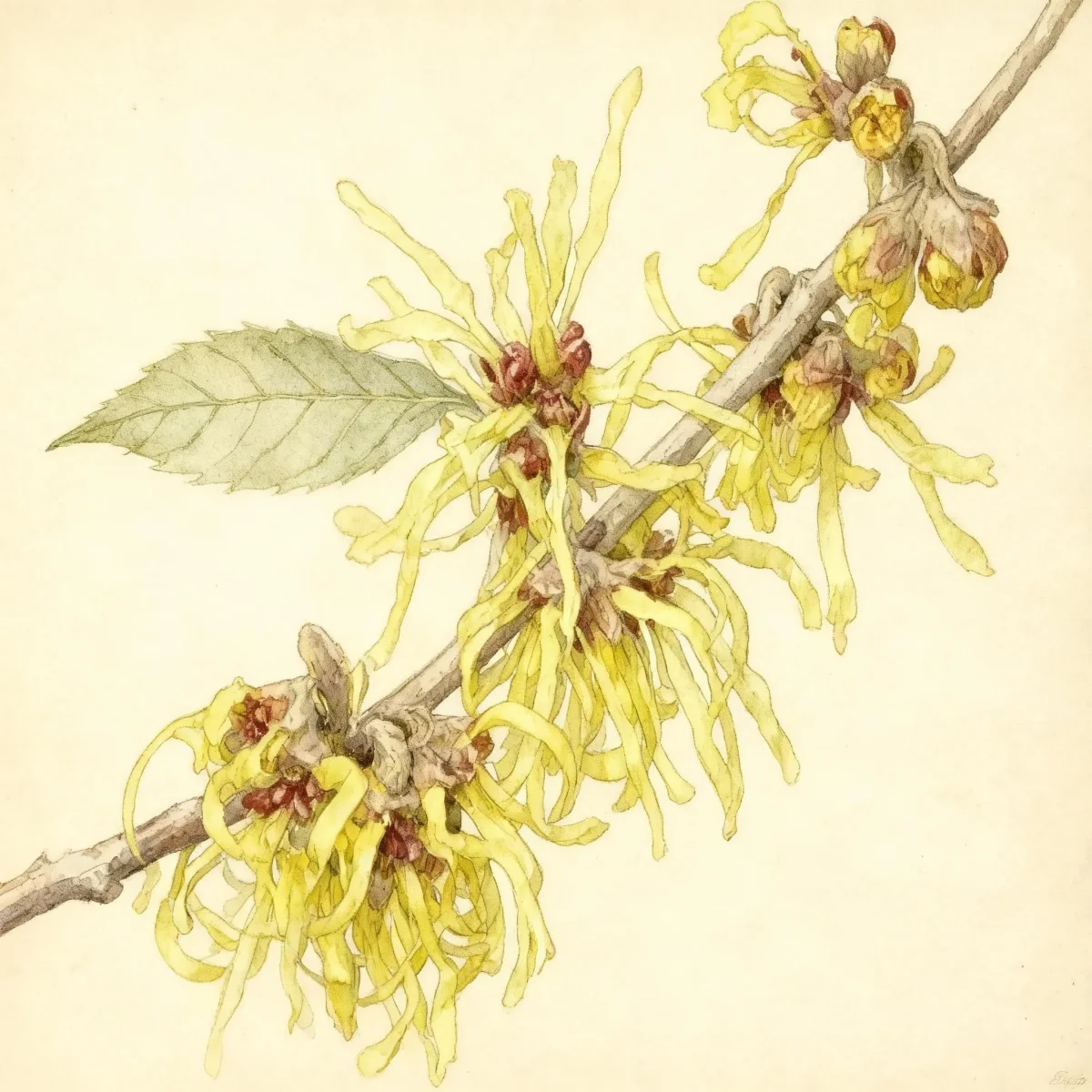
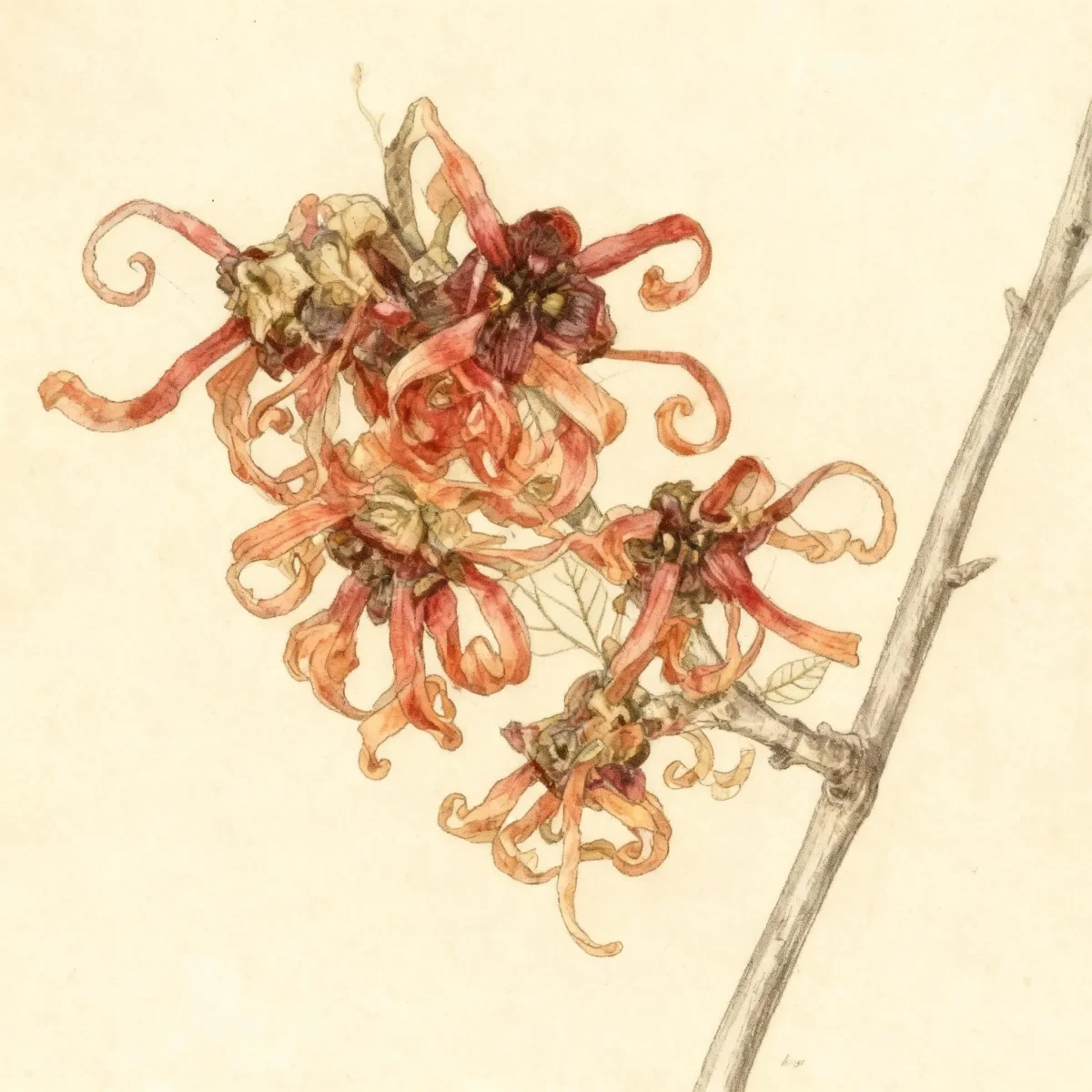
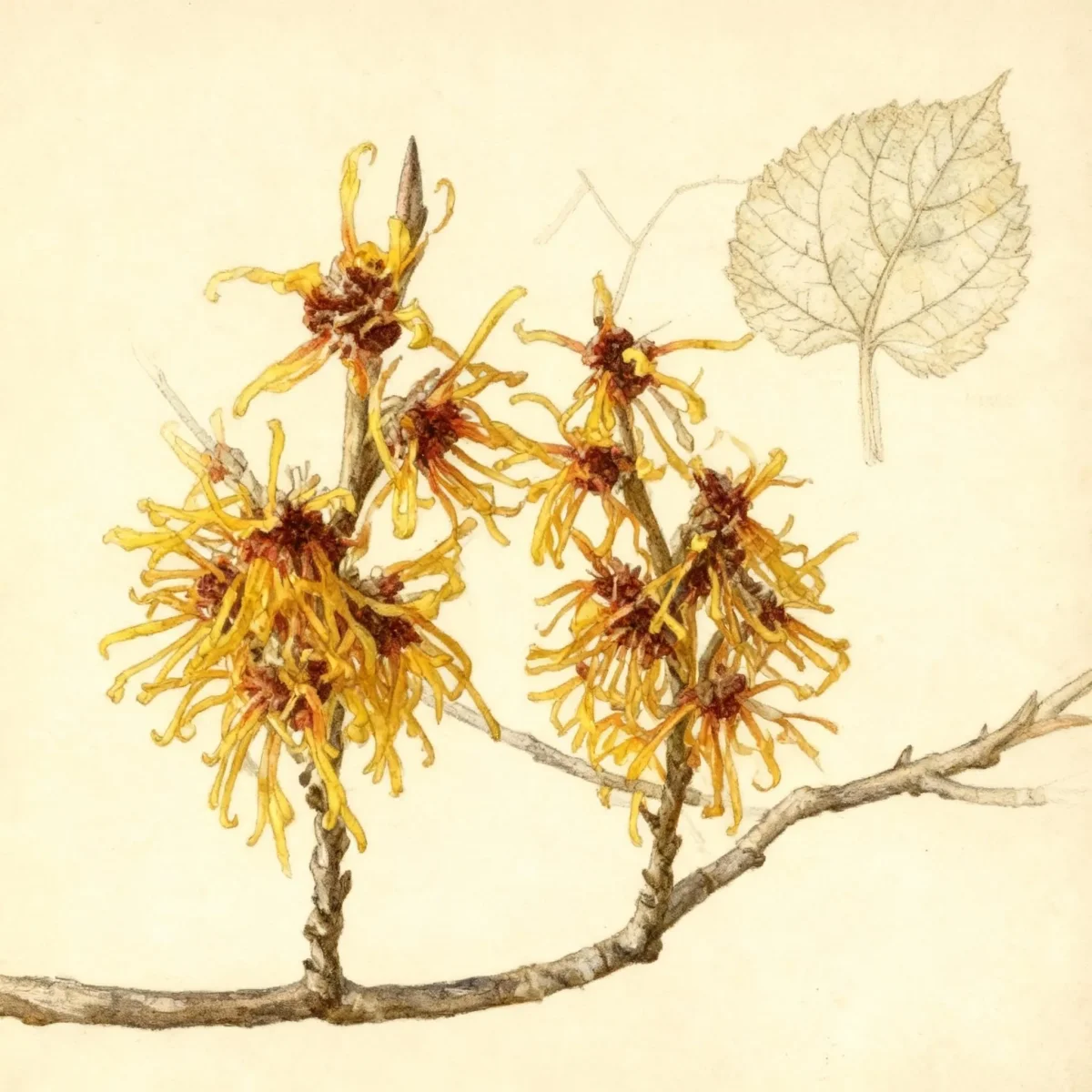
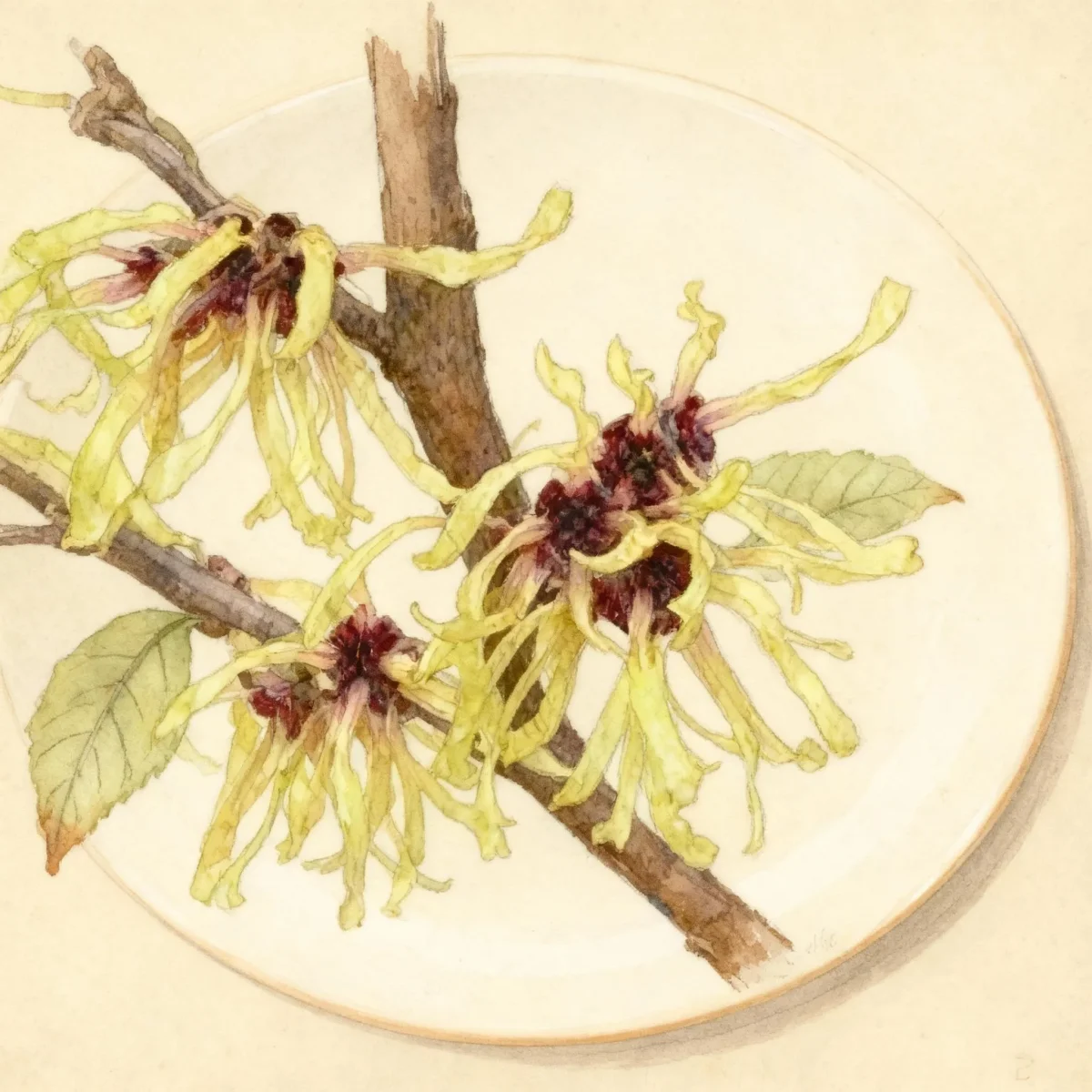
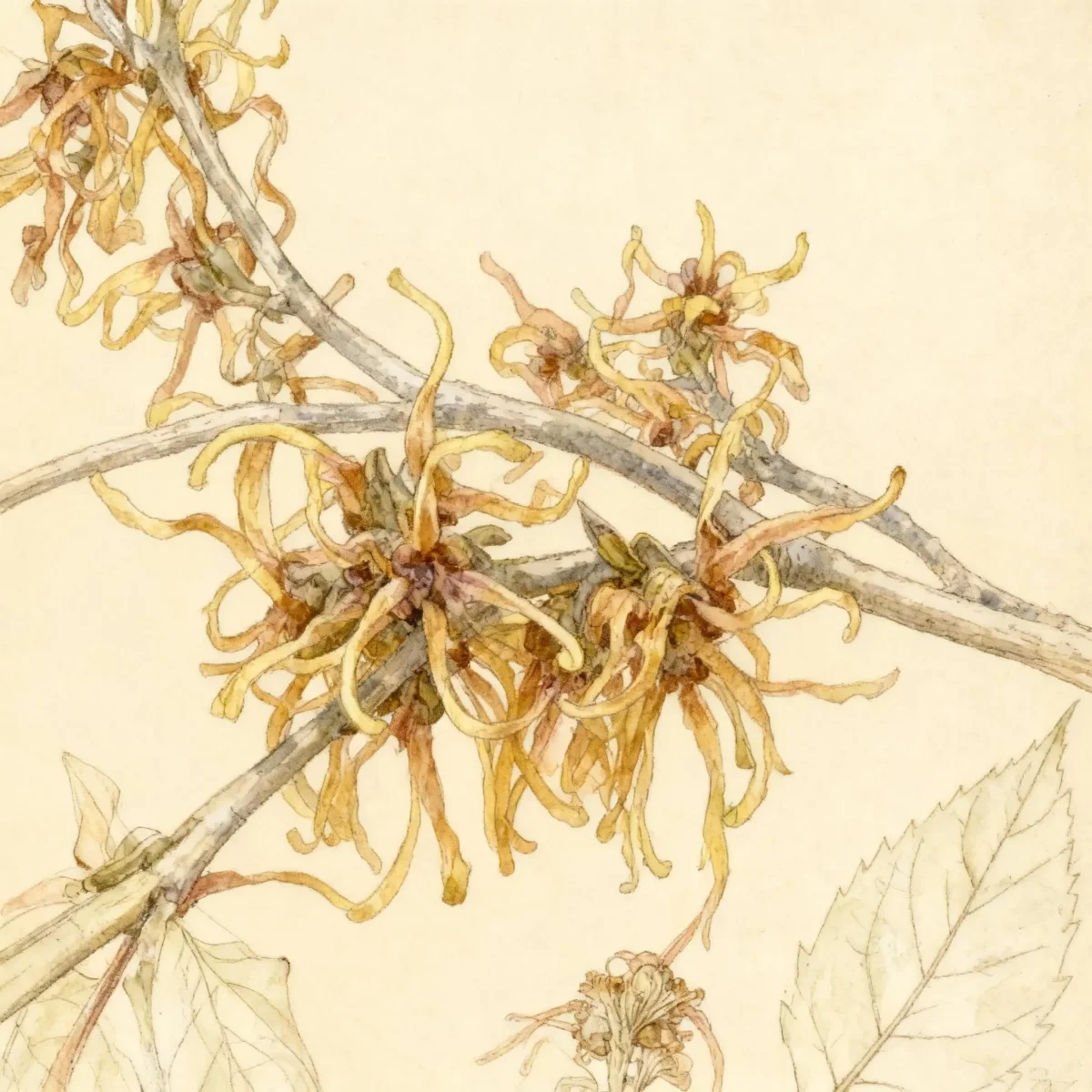
Hamamelis × intermedia hybrids, including ‘Parasol’, are crosses between Japanese witch hazel and Chinese witch hazel, resulting in coarse, loosely-branched deciduous shrubs noted for their spidery, mid- to late-winter flowers appearing before the leaves emerge. The ‘Parasol’ cultivar typically matures as a rounded-spreading shrub, featuring axillary clusters of bloom along the bare stems from mid- to late winter. Its flowers consist of four narrow, ribbon-like, pale yellow petals tinged with red at the base, contrasting with the maroon-red calyx.
Tolerances
- Deer
- Erosion
- Clay Soil
Potential Problems
Insect issues for Hamamelis × intermedia ‘Parasol’ are usually minor and rarely necessitate chemical treatments. Gardeners may notice caterpillars or Japanese beetles chewing on the leaves during the growing season. Keep an eye out for less common pests such as scale, gall aphids, leafminers, and leafrollers.
Potential diseases usually involve molds or mild fungal issues, including powdery mildew, occasional leaf spots, and rots. To manage these concerns, ensure adequate air circulation by providing proper spacing and avoid overhead watering late in the day, which keeps foliage wet overnight. Healthy cultural practices are the primary defense against these common issues.
Frequently Asked Questions
What hardiness zones is Witch hazel suitable for?
Hamamelis × intermedia ‘Parasol’ is reliably hardy in USDA Zones 5 through 8. Always confirm your local zone before planting this specimen.
How large does Hamamelis × intermedia ‘Parasol’ grow?
This Witch hazel typically matures to a height between 4 and 6 feet, spreading wider across the landscape, usually 8 to 10 feet in spread.
When does Witch hazel bloom?
This particular cultivar blooms during the coldest part of the year, typically from January through March, featuring pale yellow petals tinged red at the base.
What sun exposure does Hamamelis × intermedia ‘Parasol’ need?
For the most spectacular flowering display from your Witch hazel, aim for a location receiving full sun, although it will tolerate partial shade.
Conclusion
The Hamamelis × intermedia ‘Parasol’ is an essential specimen for enhancing winter gardens, offering highly distinctive, albeit non-fragrant, bloom time interest. Its low-maintenance nature and impressive tolerances for deer and clay soil make this Witch hazel a practical choice for many challenging sites. Assess your planting location for sunlight and moisture conditions before adding this valuable shrub to your landscape plan.
Companion Planting
Selecting companions for Hamamelis × intermedia ‘Parasol’ should focus on plants that either thrive in similar moist, acidic conditions or those that provide contrast during the winter. Evergreens are excellent partners, offering a solid green backdrop that sets off the delicate, pale yellow blooms in mid-winter. Consider broadleaf evergreens like Rhododendron or various hollies, which appreciate similar soil pH levels and consistent moisture.
To ensure visual interest before and after the bloom time, incorporate spring-flowering bulbs like snowdrops (Galanthus) or early daffodils near the base. These low growers will emerge before the Witch hazel fills out, utilizing the same areas while the shrub is dormant. Because this plant spreads quite wide, choose groundcovers that can handle some root competition once the shrub is established.
Design Ideas
When utilizing Hamamelis × intermedia ‘Parasol’ in a border design, position it where its winter flowers are visible from frequently used areas like windows or patios. If using it as a screen or hedge, allow it space to assume its natural, wide-spreading form rather than attempting to shear it into a tight, formal shape, which obscures the natural branching structure that holds the flowers.
For a woodland garden setting, plant it near a path edge where visitors can appreciate the unusual flower structure up close during a winter walk. Because the leaves turn attractive yellow and orange tones in the fall, ensure it is sited near darker foliage plants for a dynamic autumnal display that transitions smoothly into its winter flowering phase.