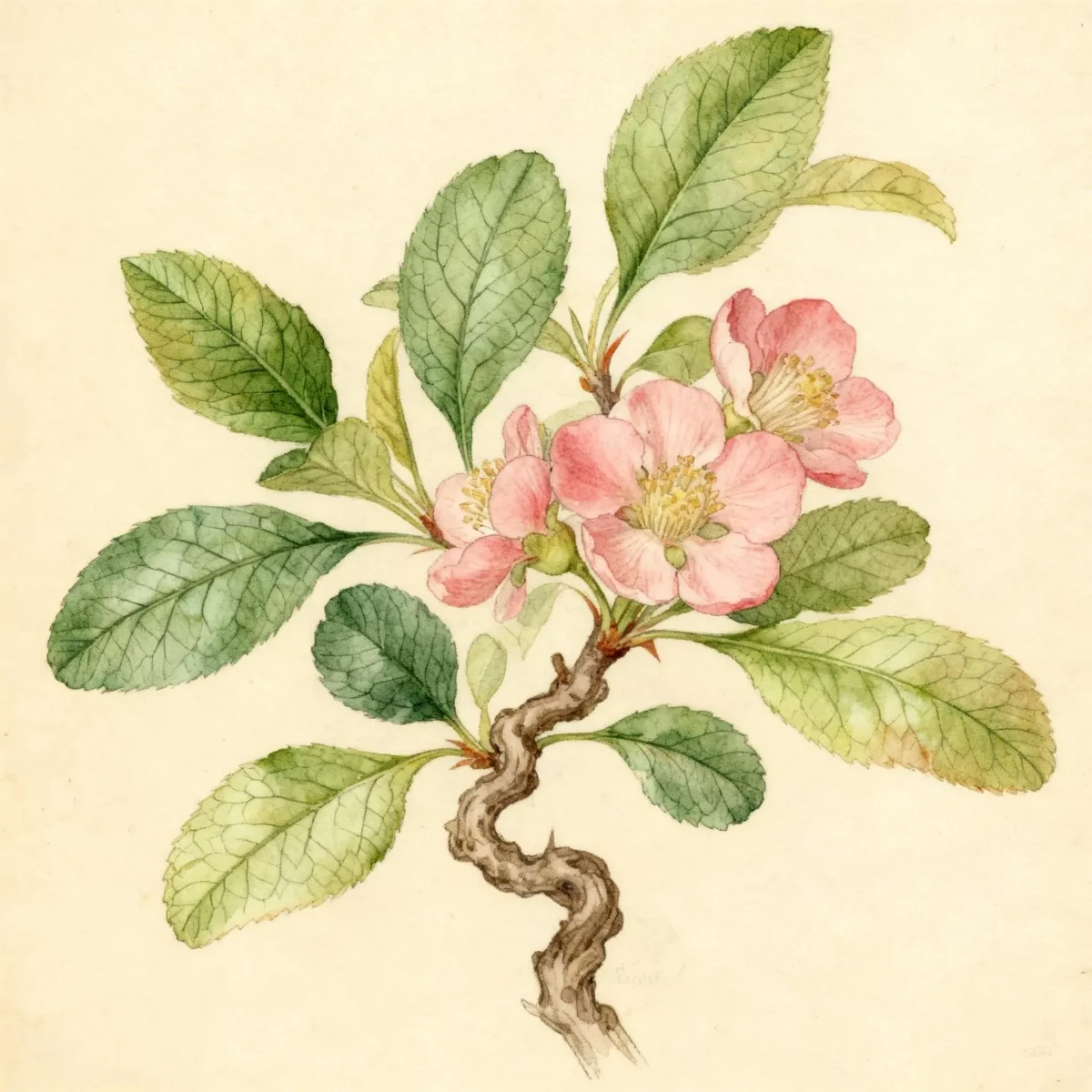
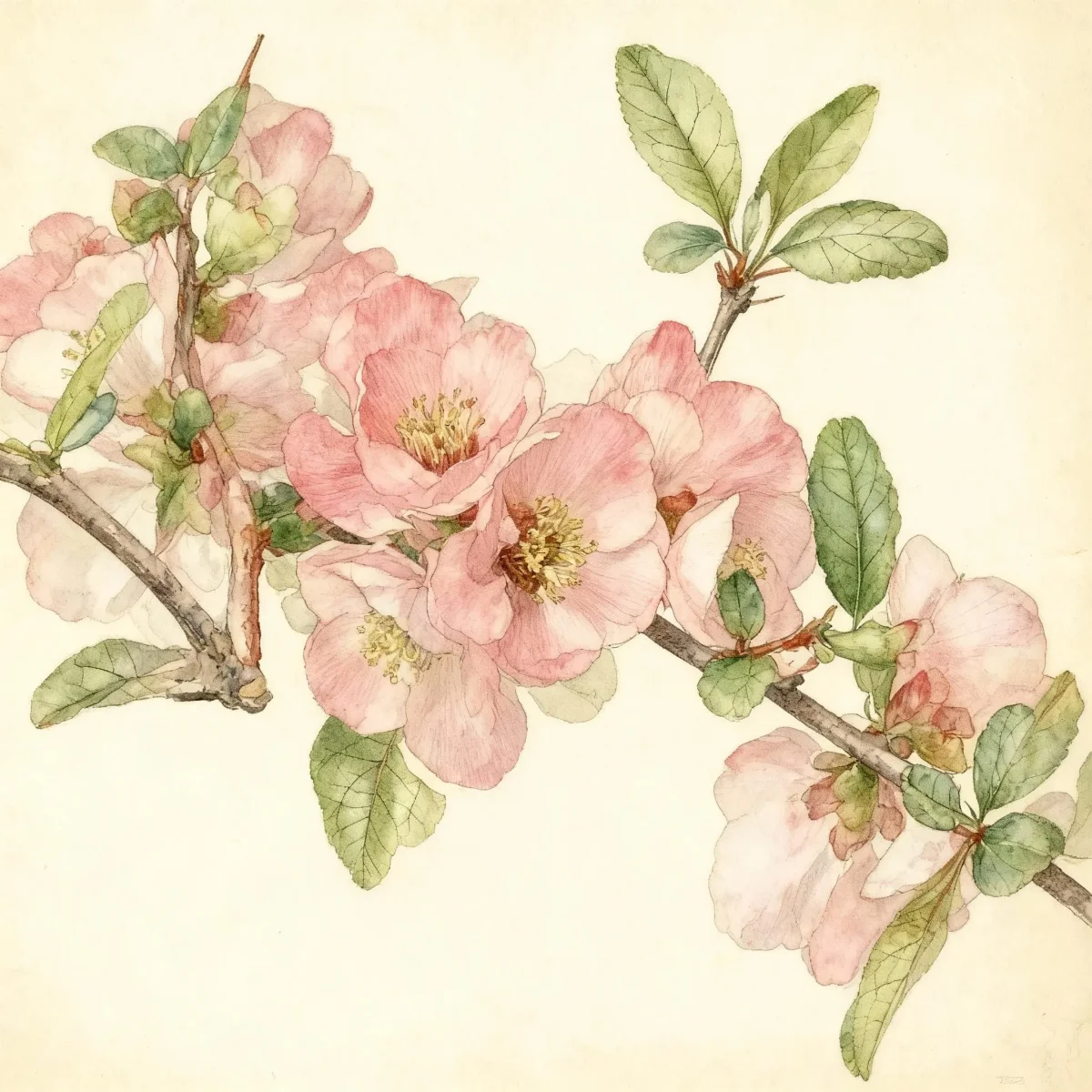
Rock cotoneaster (Cotoneaster atropurpureus 'Variegatus')
Rock cotoneaster ('Cotoneaster atropurpureus 'Variegatus'') delivers low-maintenance ground cover with variegated leaves, white flowers, and scarlet berries.
Scroll down to discover growing tips, care requirements, companion plants, and more
Complete Plant Information
Overview
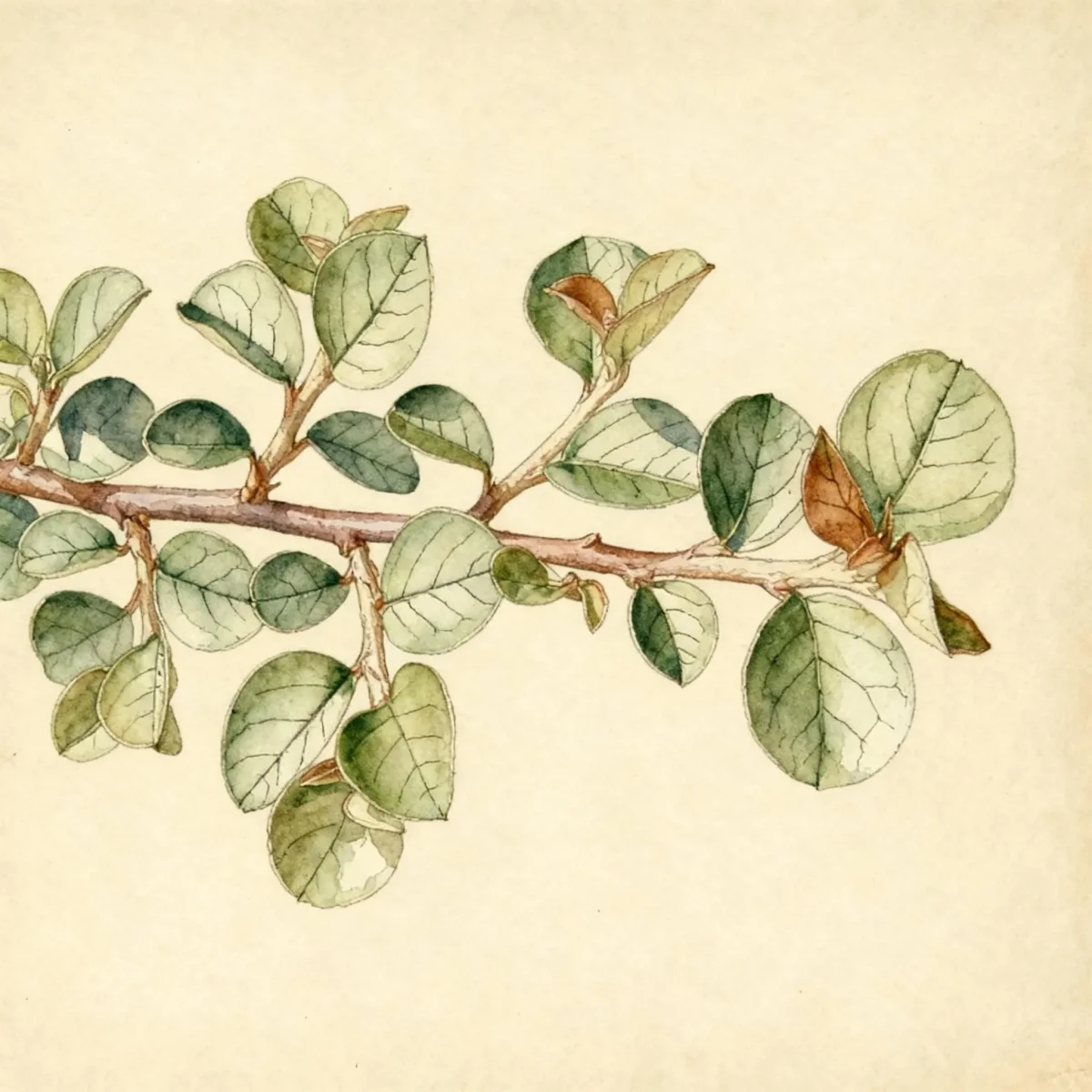
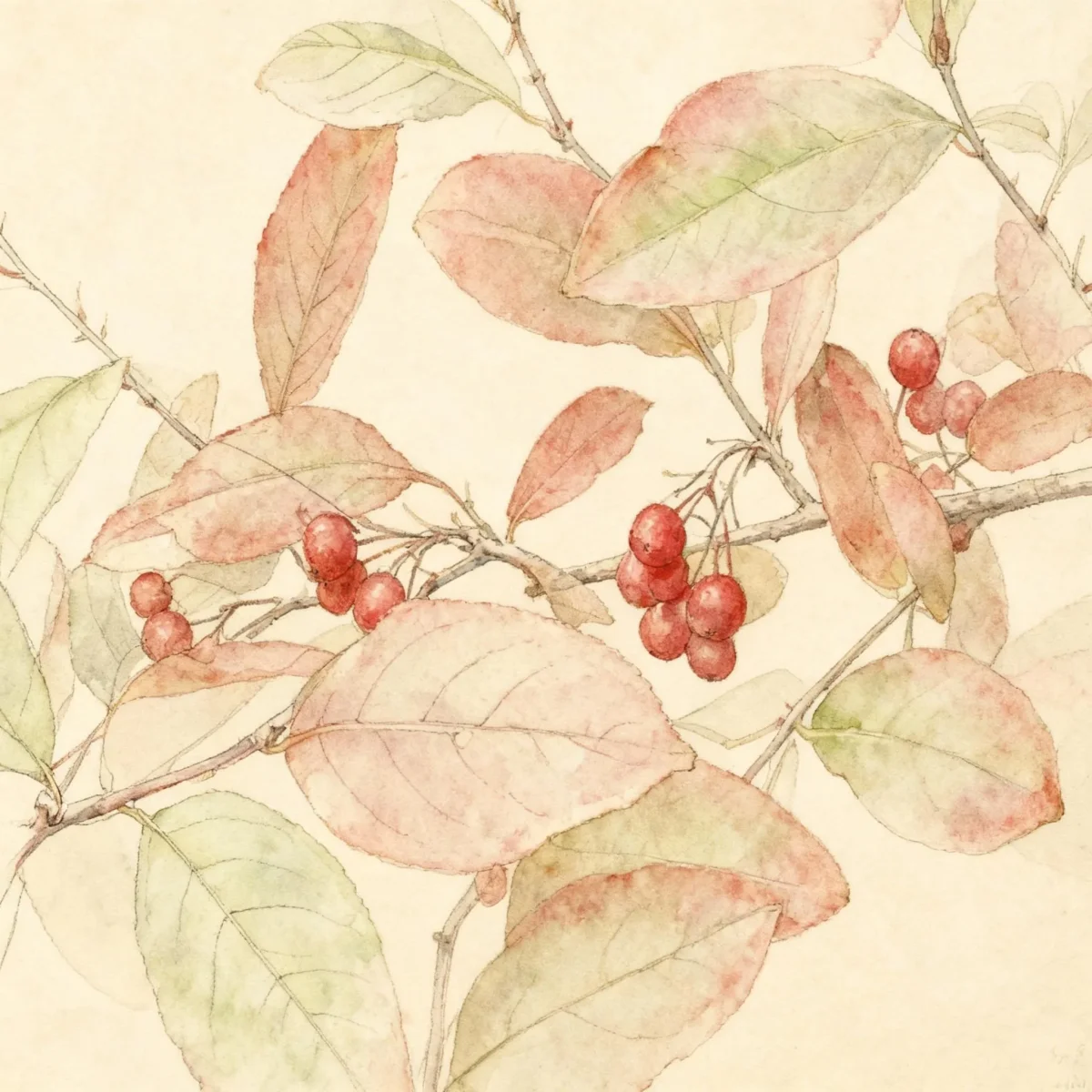
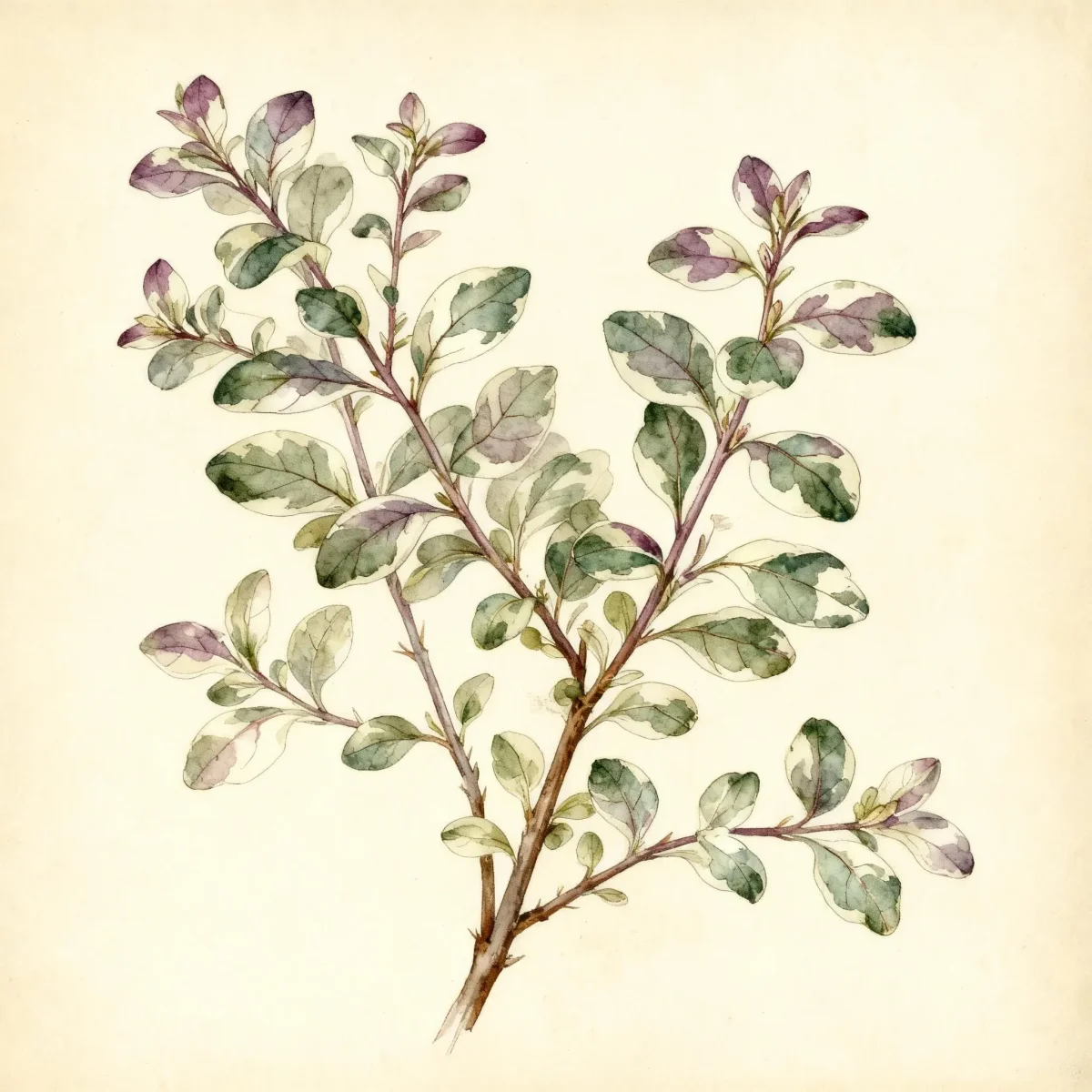
Cotoneaster atropurpureus ‘Variegatus’, commonly known as Rock cotoneaster, is a highly valuable deciduous shrub prized for its dense, spreading habit and attractive foliage. This cultivar distinguishes itself from the straight species with tiny oval leaves edged in creamy white variegation, which then transition to lovely pink or red tones in the autumn. It is a tough, adaptable plant perfect for ground cover applications where both aesthetics and resilience are required.
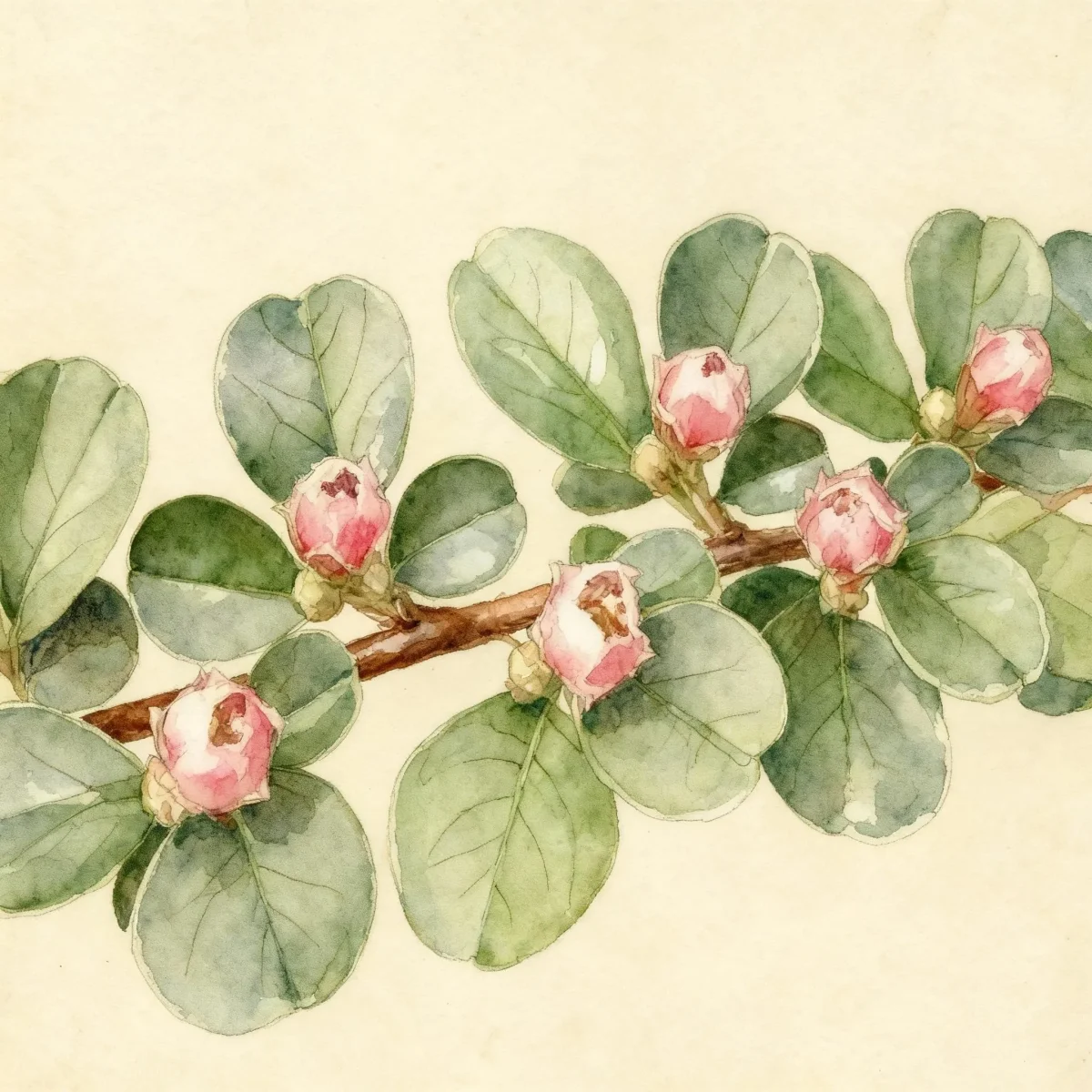
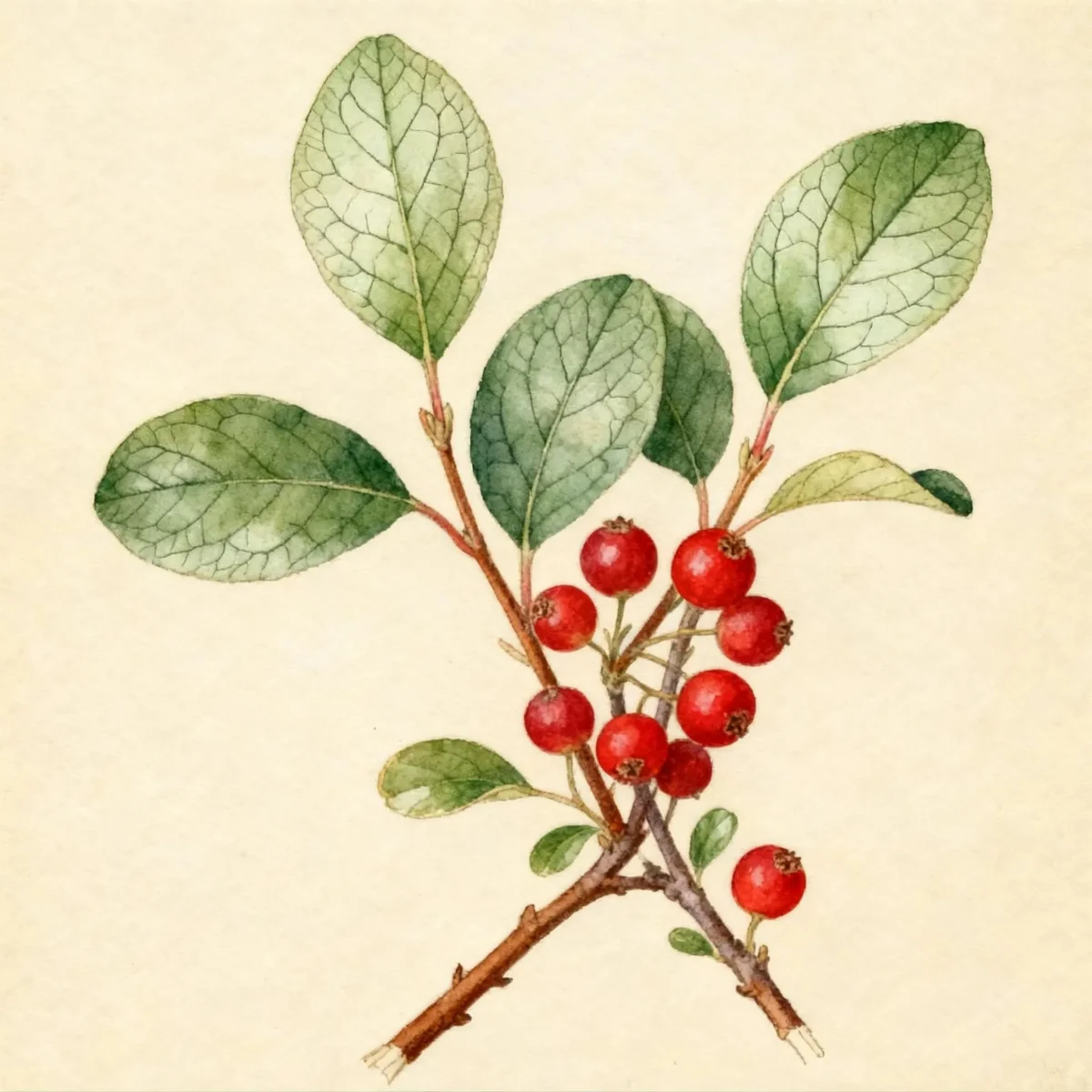
As a prostrate shrub, the Rock cotoneaster creates a sweeping tapestry across the landscape. It delivers seasonal interest, starting with small white flowers in May, followed by eye-catching scarlet red berries that persist into the fall. Gardeners appreciate the low maintenance requirements of this plant, making it an efficient choice for large sunny areas or challenging slopes needing stabilization.
The overall structure of Cotoneaster atropurpureus ‘Variegatus’ promotes a dense mat, which serves functional needs like controlling erosion while maintaining good visual appeal. Whether spilling over retaining walls or covering banks, this cultivar provides excellent texture and year-round structure without demanding constant attention from the gardener.
Fast Facts
- Plant Family: Rosaceae
- Plant Type: Deciduous shrub
- Hardiness Zones: USDA Zones 5-7
- Size at Maturity:
- Height: 1-1.5 ft
- Spread: 3-4 ft
- Bloom Time: May
- Bloom Description: White
- Sun Exposure: Full sun to part shade
- Water Needs: Medium
- Maintenance Level: Low
How to Grow
The optimal planting time for Rock cotoneaster is typically in the spring or early fall, allowing the root system to establish before summer heat or winter cold sets in. This landscaping favorite thrives best in moist, loamy, well-drained soils. Crucially, good drainage is essential to prevent root issues, although once established, the tough Cotoneaster atropurpureus ‘Variegatus’ can tolerate considerable drought.
Routine care centers on providing medium water, especially during the first few growing seasons, though established plants are quite drought-tolerant. Due to its low maintenance profile, heavy fertilization is rarely necessary. Planting density recommendations suggest using two container-grown plants per square yard when intending to create a mass planting effect quickly.
Pruning is generally minimal, focusing mainly on removing any dead or crossing interior wood as needed. Be mindful that the dense foliage of this cotoneaster can sometimes impede air circulation, making it slightly harder to clean out dead leaves from the interior canopy over time. Monitoring for potential pests is important as part of routine, low-level maintenance.
Landscape Uses
This cotoneaster variety is an excellent structural component in sunny landscapes, thriving where other shrubs might struggle near banks or slopes. The spreading nature of Rock cotoneaster provides superior erosion control, binding the soil effectively while offering decorative ground cover. It looks particularly stunning when allowed to drape naturally over rocks in a rock garden setting or cascade slightly over the edges of stone walls.
In mass plantings, the contrast between the white-margined foliage of Cotoneaster atropurpureus ‘Variegatus’ and neighboring dark green evergreens can be dramatic. Consider pairing it with robust, sun-loving perennials that share tolerance for well-drained soil. Its low height ensures it never obscures views or overshadows neighboring foundation plantings.
The plant also offers functional benefits, providing valuable shelter for small songbirds throughout the year, enhanced by the bright fruit display in autumn. Utilizing Cotoneaster atropurpureus ‘Variegatus’ as a broad, low border provides a neat edge that requires very little upkeep once established.
Standout Features
Flower Qualities
- Showy
Fruit Qualities
- Showy
Noteworthy Characteristics
Cotoneaster atropurpureus is noted as a prostrate deciduous shrub, though the ‘Variegatus’ cultivar is more compact, typically reaching only 1.5 feet tall and spreading 3 to 4 feet wide. Its most striking feature is the tiny oval leaves, which are beautifully variegated with attractive creamy white margins, turning pink to red in the fall. These attractive leaves appear after the plant produces small, five-petaled white flowers in late spring, leading to bright scarlet berries.
Tolerances
- Rabbit
- Drought
- Erosion
- Air Pollution
Potential Problems
The primary concerns for this plant involve susceptibility to certain fungal and bacterial diseases, most notably fireblight, leaf spots, and canker. Proactive cultural care, such as ensuring excellent air circulation, can help mitigate disease pressure, especially regarding leaf spot issues linked to crowded foliage.
Pest management should focus on inspecting for common troublemakers like aphids, lacebugs, and the cotoneaster webworm. Furthermore, in periods of intense heat combined with dry spells, spider mites may become an issue, necessitating close monitoring of the undersides of the variegated leaves.
A practical maintenance note is that dense plantings of Rock cotoneaster can make clean-up difficult; dead leaves and yard debris can accumulate in the interior of the shrub, requiring careful attention during winter cleanup.
Frequently Asked Questions
What hardiness zones is Rock cotoneaster suitable for?
Cotoneaster atropurpureus ‘Variegatus’ is reliably suited for USDA Hardiness Zones 5 through 7.
How large does Cotoneaster atropurpureus ‘Variegatus’ grow?
This compact cultivar typically reaches a mature height between 1 to 1.5 feet tall and spreads out to a width of 3 to 4 feet wide.
When does Rock cotoneaster bloom?
This shrub lights up the landscape in May with its bloom display, featuring small white flowers before the showy red berries develop.
What sun exposure does Cotoneaster atropurpureus ‘Variegatus’ need?
For best results and sufficient vigor, plant this shrub where it will receive full sun to part shade conditions.
Conclusion
The Rock cotoneaster, or Cotoneaster atropurpureus ‘Variegatus’, stands out as a resilient, visually appealing, low-maintenance ground cover ideal for stabilizing slopes or softening hardscape edges. Its distinctive variegated foliage and late-season fruit provide substantial landscape value across its hardy zones. Evaluate your site’s sun exposure and ensure excellent drainage before planning where to plant this versatile shrub.
Companion Planting
Selecting appropriate companions ensures that the Rock cotoneaster thrives without competition for light or soil resources. Focus on complementary textures and heights that enjoy similar sun and soil profiles. Low-growing ornamental grasses that tolerate dry conditions or creeping sedums work well underneath or alongside the spread of the cotoneaster.
When planting near structure, consider using plants with contrasting bloom times to ensure continuous color interest beyond the May bloom of the cotoneaster. For example, early spring bulbs can provide color before the shrub leafs out, and later-blooming, low-growing Lavender species can offer mid-summer fragrance near sunny, well-drained borders.
Wildlife Benefits
Beyond stabilizing the soil, the Rock cotoneaster provides tangible benefits for local fauna, particularly avian populations. Throughout the fall and into early winter, the bright scarlet red berries serve as an important food source for various small birds seeking winter sustenance.
The dense, spreading habit inherent to Cotoneaster atropurpureus ‘Variegatus’ also creates excellent, low-profile protective cover. This low growth offers a safe haven for ground-nesting birds or a place for smaller species to retreat from predators or inclement weather.