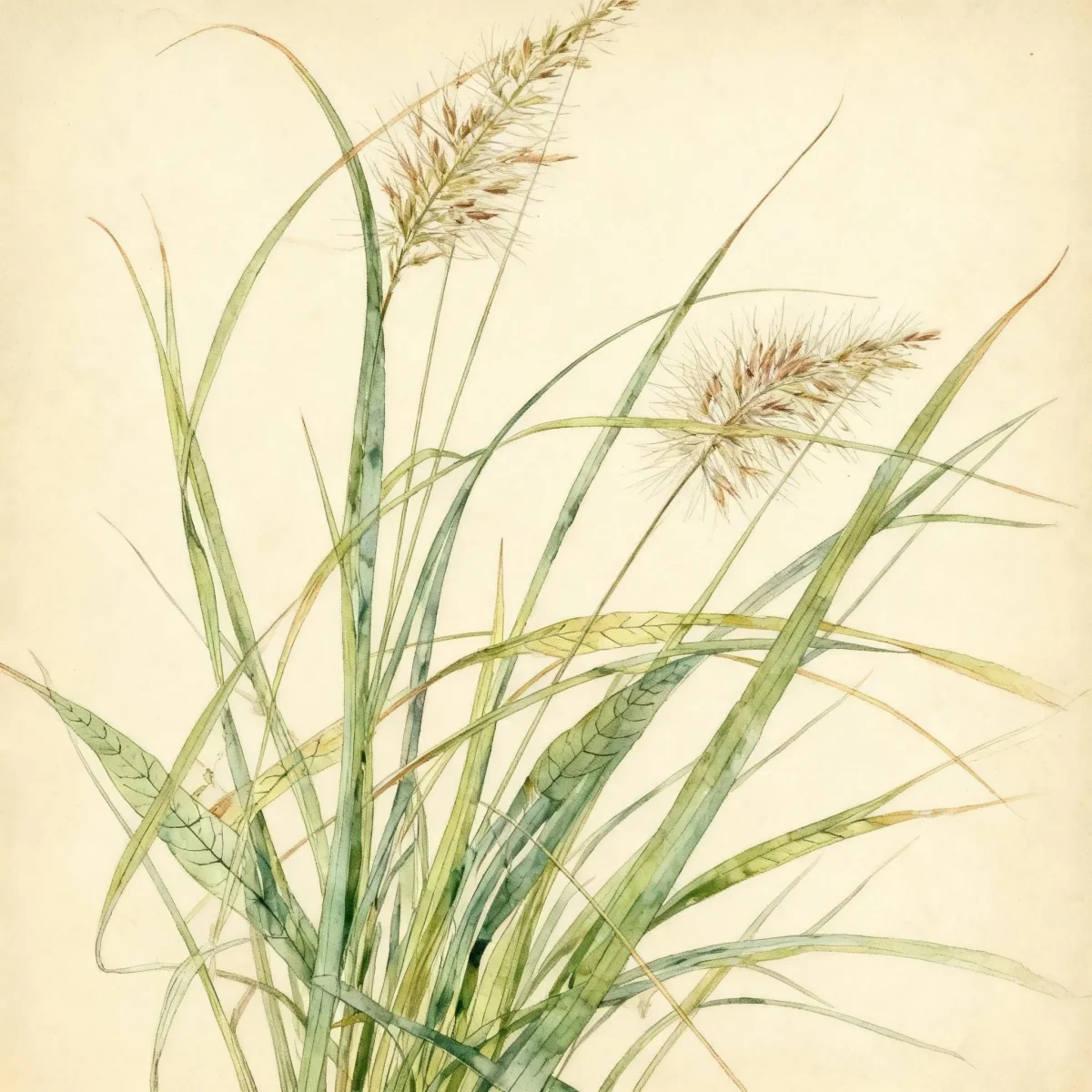
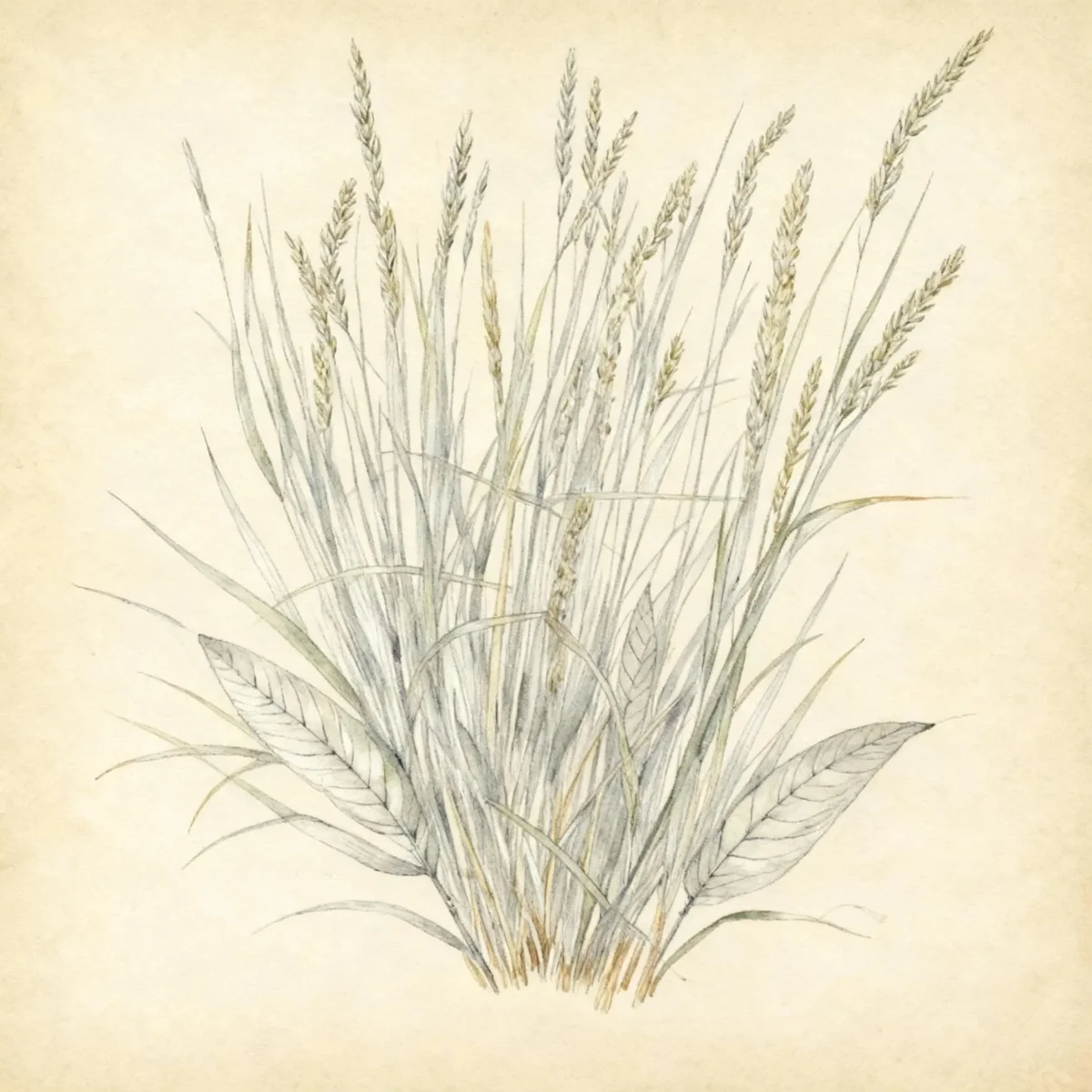
Bermuda grass (Cynodon dactylon 'Sundevil')
Cynodon dactylon 'Sundevil' is a tough, warm-season Bermuda grass turf, ideal for sunny southern lawns due to its drought tolerance and dense growth.
Scroll down to discover growing tips, care requirements, companion plants, and more
Complete Plant Information
Overview
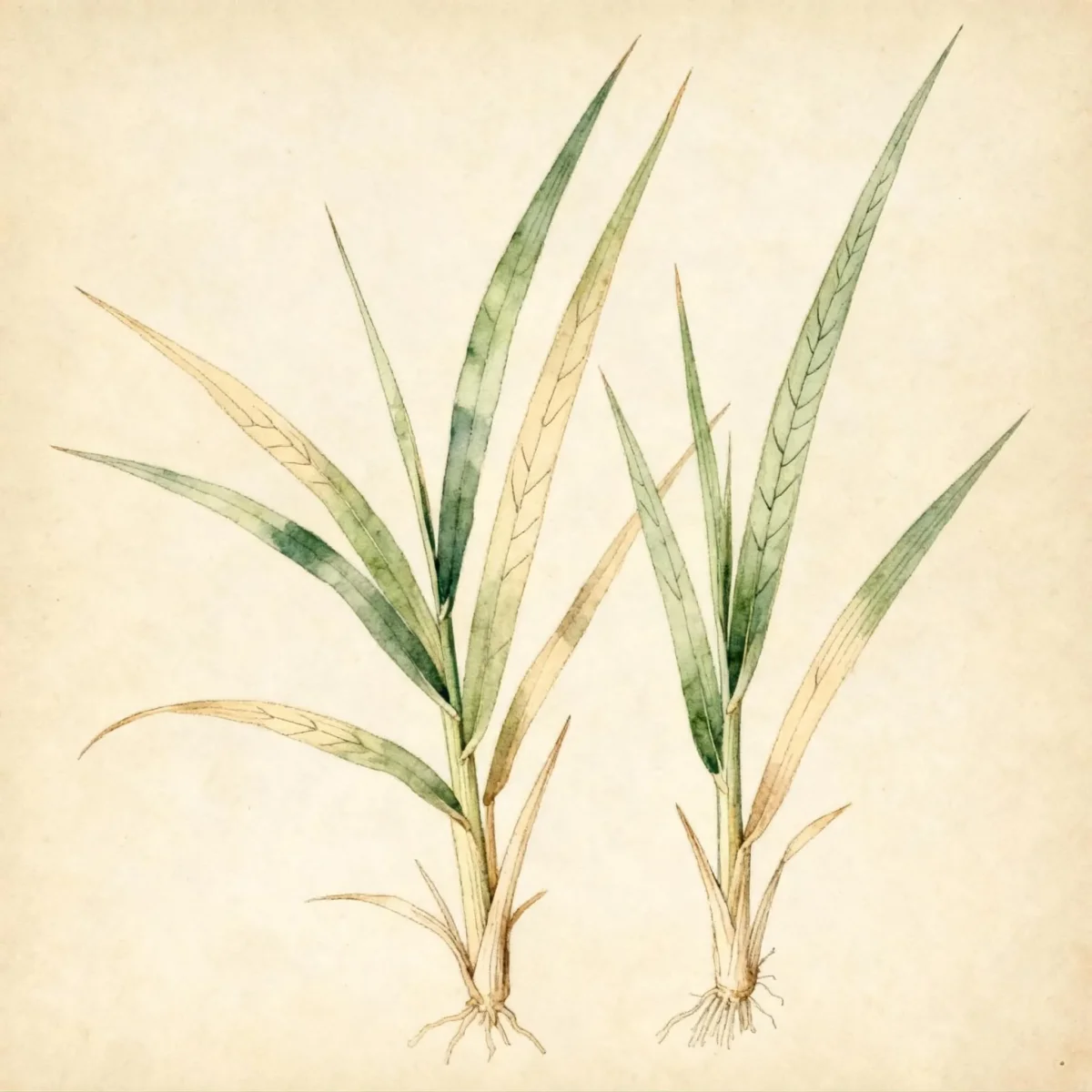
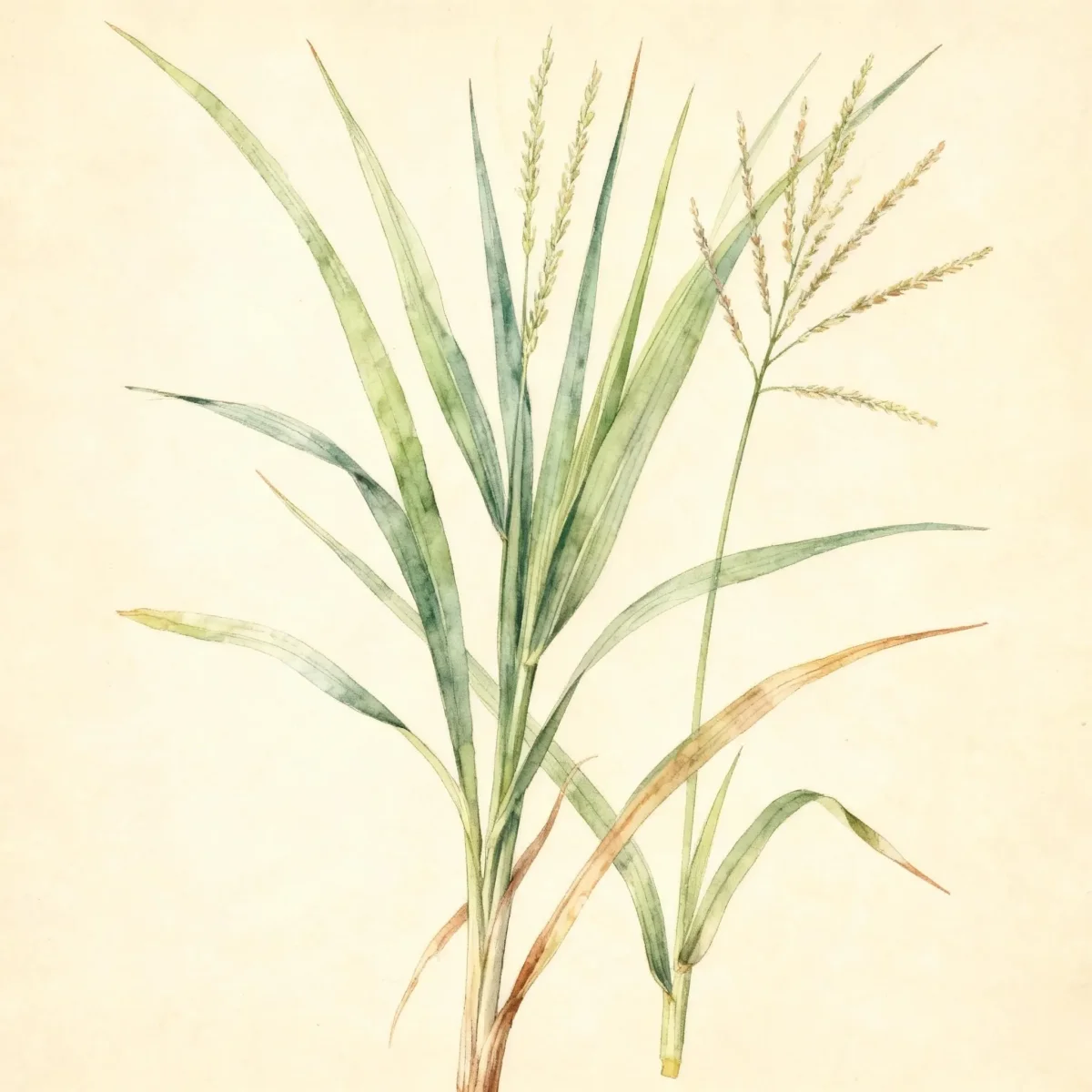
Cynodon dactylon ‘Sundevil’, commonly known as Bermuda grass, is renowned as a tough, aggressive, warm-season turfgrass suited for high-traffic areas across its hardiness range. This cultivar, ‘Sundevil’, is specifically noted for its light green blades and is valued for its ability to form a dense, weed-excluding lawn under optimal conditions. While beloved for its resilience, gardeners must manage its vigorous spreading habit, which utilizes both above-ground stolons and underground rhizomes.
This vigorous turfgrass thrives in full sunlight and exhibits remarkable tolerance once established, particularly to heat and drought conditions. Its rapid growth allows it to recover well from wear, making it a popular choice for southern lawns and fairway areas in golf courses. However, be aware that the foliage of Bermuda grass turns straw-colored during dormancy in the cooler months.
When using Cynodon dactylon ‘Sundevil’, understand that its aggressive nature requires active containment measures to prevent encroachment into flower beds or vegetable gardens. For those in suitable climates (USDA Zones 7-10), this grass offers unmatched durability and heat tolerance, provided its need for regular mowing and feeding during the active growing season is met.
Fast Facts
- Plant Family: Poaceae
- Plant Type: Turfgrass
- Hardiness Zones: USDA Zones 7-10
- Size at Maturity:
- Height: 0.25 ft
- Spread: 0.25-0.5 ft
- Bloom Time: Non-flowering
- Bloom Description: Green
- Sun Exposure: Full sun
- Water Needs: Dry to medium
- Maintenance Level: Medium
How to Grow
Cynodon dactylon ‘Sundevil’ performs best when established in average, well-drained soil receiving full, unimpeded sun throughout the day. While establishing this Bermuda grass, ensure consistent moisture, but once mature, it easily adapts to drier conditions. Soil barriers are highly recommended before planting this aggressive species to control its lateral spread into unwanted areas.
Ongoing care involves consistent cultural practices during the summer growing season, typically May through August. Mow Cynodon dactylon ‘Sundevil’ regularly to maintain a height between 3/4 inch and 1.5 inches to promote density. Fertilization during this active phase supports its vigor and color.
Be mindful of regional limitations; this type of Bermuda grass is not recommended for regions experiencing protracted hard freezes, such as the St. Louis area, as winter kill is a risk when temperatures drop below 10 degrees F. Furthermore, regular dethatching is necessary to prevent excessive thatch buildup common in rapidly growing turfgrasses like this one. The ‘Sundevil’ variety may exhibit even lower winter hardiness than the standard species.
Landscape Uses
The primary function of Cynodon dactylon ‘Sundevil’ is as a resilient turfgrass, excelling in southern residential lawns where consistent traffic or intense sun exposure is common. Due to its dense, durable nature, it is a staple choice for fairways and tee boxes on golf courses throughout warm climates.
When designing a landscape containing this aggressive grass, use hardscape borders or deep trenches to delineate planting areas clearly. This helps maintain the crisp separation desired between the lawn and delicate perennial borders or vegetable patches. Companion planting around the edge can utilize plants that enjoy sharp drainage and full sun, such as certain ornamental grasses or low-growing sedums that can tolerate occasional encroachment.
For functional space maximization, its low height profile makes it ideal for open, usable areas where aesthetics rely on a uniform, carpet-like groundcover; it does not function well in shaded or small, contained spaces due to its expansion rate.
Standout Features
Noteworthy Characteristics
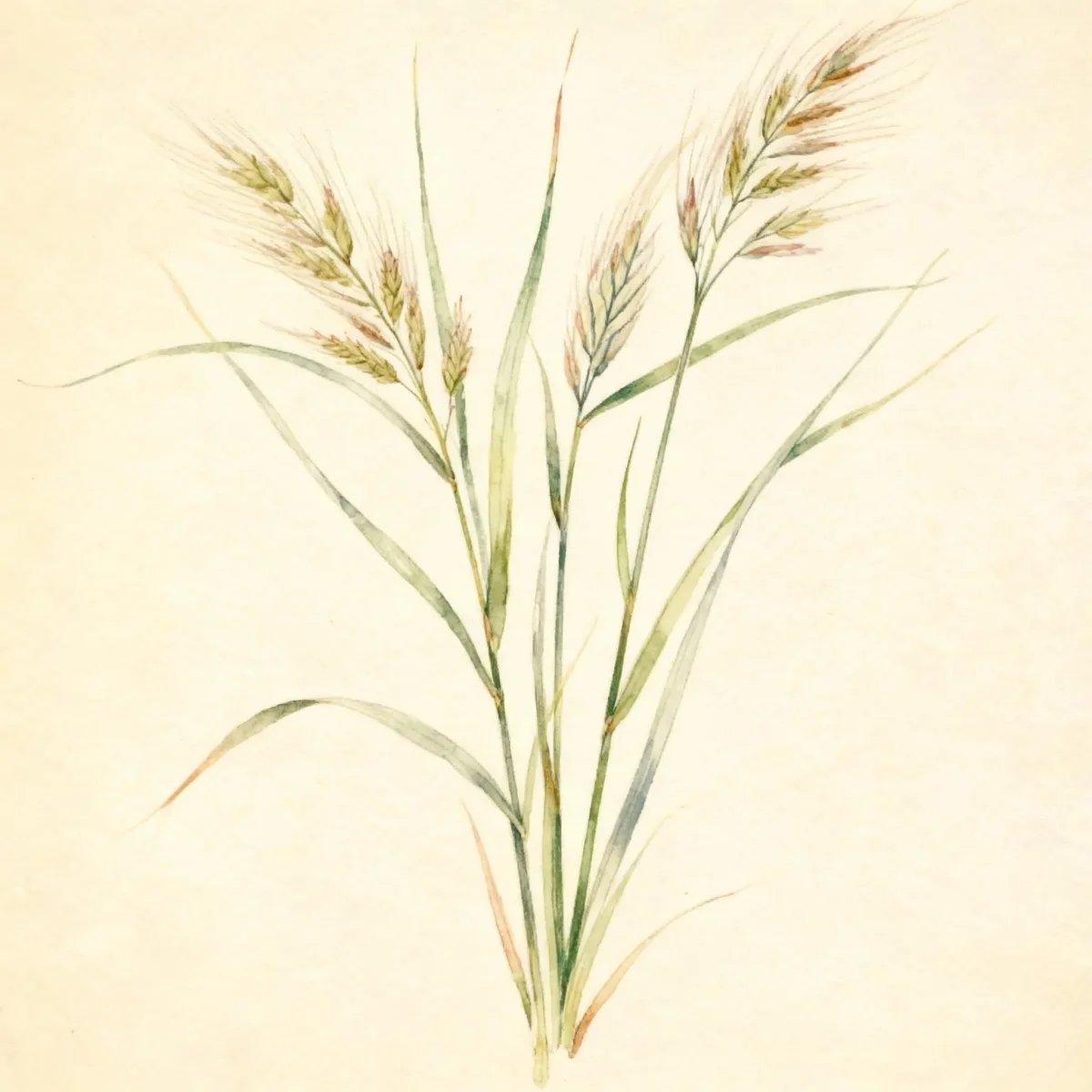
Cynodon dactylon, commonly called Bermuda grass or wire grass, is a tough, warm season grass which spreads rapidly by both stolons and rhizomes. In optimum conditions, it will form a dense lawn which tolerates foot traffic well and excludes many common weeds. On the other hand, many homeowners consider it to be a noxious weed and expend considerable energy trying to eradicate it from their lawns and garden areas. ‘Sundevil’ is a coarse, seeded turfgrass variety which features light green blades, contrasting slightly with other varieties.
Tolerances
- Drought
Potential Problems
Bermuda grass, including the Cynodon dactylon ‘Sundevil’ cultivar, is relatively robust against serious disease, but pests can be an issue, especially during peak growing season. White grubs frequently present the most significant challenge, requiring targeted application for management. Other insects of concern include armyworms, cutworms, sod webworms, nematodes, and mole crickets; always monitor for mite activity as well.
Infrequent fungal diseases like brown patch and dollar spot may appear under stressful conditions, though this variety reportedly demonstrates good resistance to spring dead spot disease. The greatest practical management issue is its potential to spread invasively; proactive edging and physical separation from non-turf areas are essential preventative measures for any gardener utilizing this high-performing Bermuda grass.
Frequently Asked Questions
What hardiness zones is Bermuda grass suitable for?
This specific cultivar, Cynodon dactylon ‘Sundevil’, is generally suitable for USDA Hardiness Zones 7 through 10.
How large does Cynodon dactylon ‘Sundevil’ grow?
This is a very low-growing turfgrass, maintaining a height of approximately 0.25 feet, with a spread ranging between 0.25 and 0.5 feet.
What sun exposure does Cynodon dactylon ‘Sundevil’ need?
This grass demands full sun exposure to thrive and develop its characteristic dense turf.
When does Bermuda grass bloom?
It is classified as non-flowering, though when it does produce its minimal structures, the bloom description is green.
Conclusion
Cynodon dactylon ‘Sundevil’ offers exceptional durability and drought resistance, making it an outstanding choice for high-use turf in hot, sunny southern landscapes. Managing the aggressive spreading habit is key to enjoying the benefits of this reliable Bermuda grass variety. Before installation, confirm your site is within USDA Zones 7-10 and prepare physical barriers to ensure it remains confined to its intended area.
Design Ideas for High-Traffic Areas
Because Bermuda grass tolerates heavy foot traffic so well, it is perfect for informal pathways or open play areas where traditional sod might fail. Group ‘Sundevil’ plantings with hardscaping elements like stone borders or gravel mulch strips to define its boundaries clearly, easing the maintenance burden associated with its rhizomatous spread.
In large, open properties common in the South, this turf provides a fantastic, uniform base layer that requires minimal aesthetic input once established, allowing focal landscape elements like specimen trees or vibrant annual beds to take center stage. Its uniform light green color provides a consistent backdrop throughout the active growing season prior to its period of winter dormancy.
Companion Planting Considerations
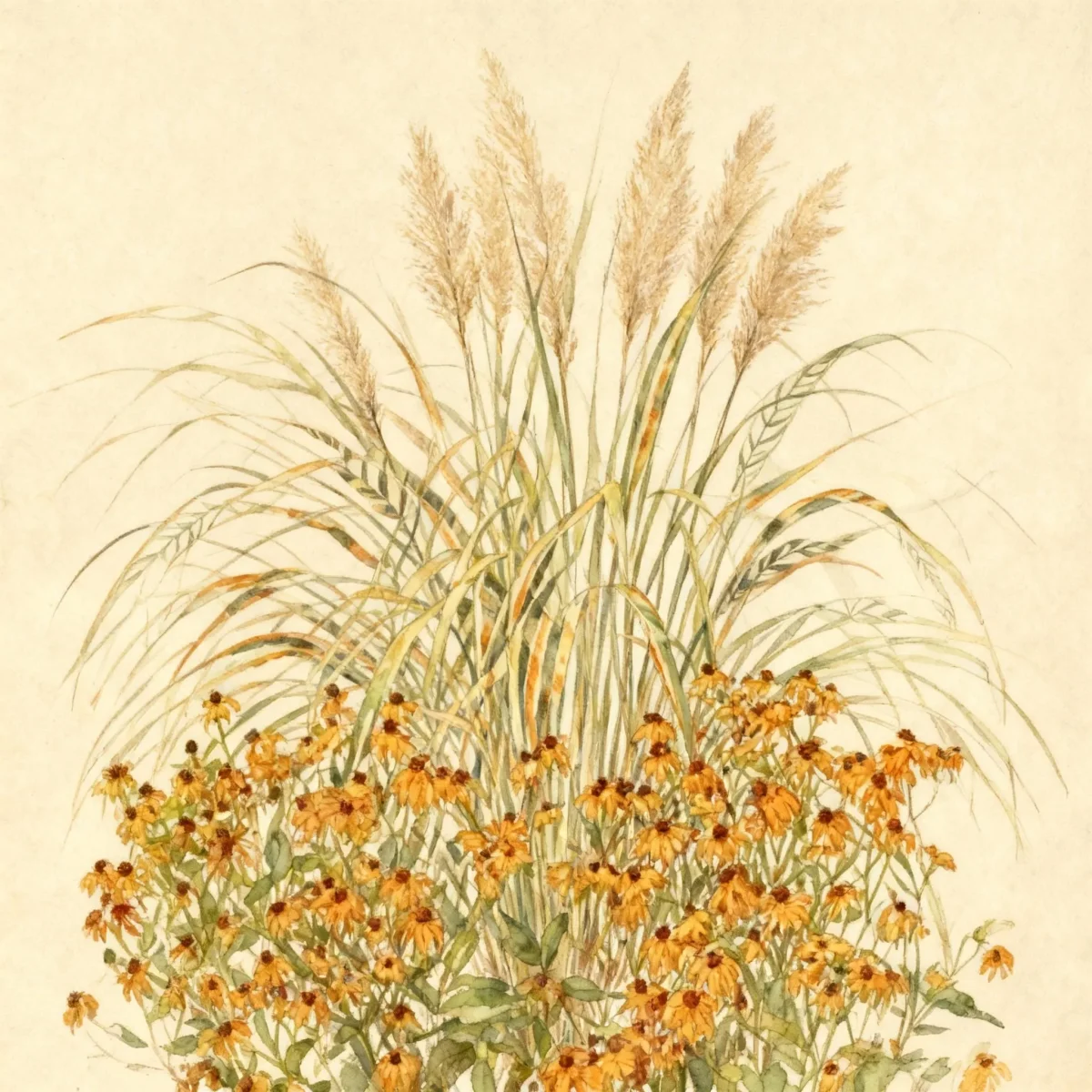
When selecting plants to border your Cynodon dactylon ‘Sundevil’ lawn, prioritize cultivars that require the same high light levels and can handle dry summer conditions once established. Plants that prefer dry to medium moisture and tolerate heat, such as various species of Sedum, Gaillardia (‘Blanket Flower’), or certain ornamental grasses like Purple Fountain Grass (Pennisetum setaceum ‘Rubrum’), generally coexist well adjacent to turf boundaries. Avoid shade-loving or moisture-intensive companions, as the Bermuda grass will aggressively outcompete them for resources.