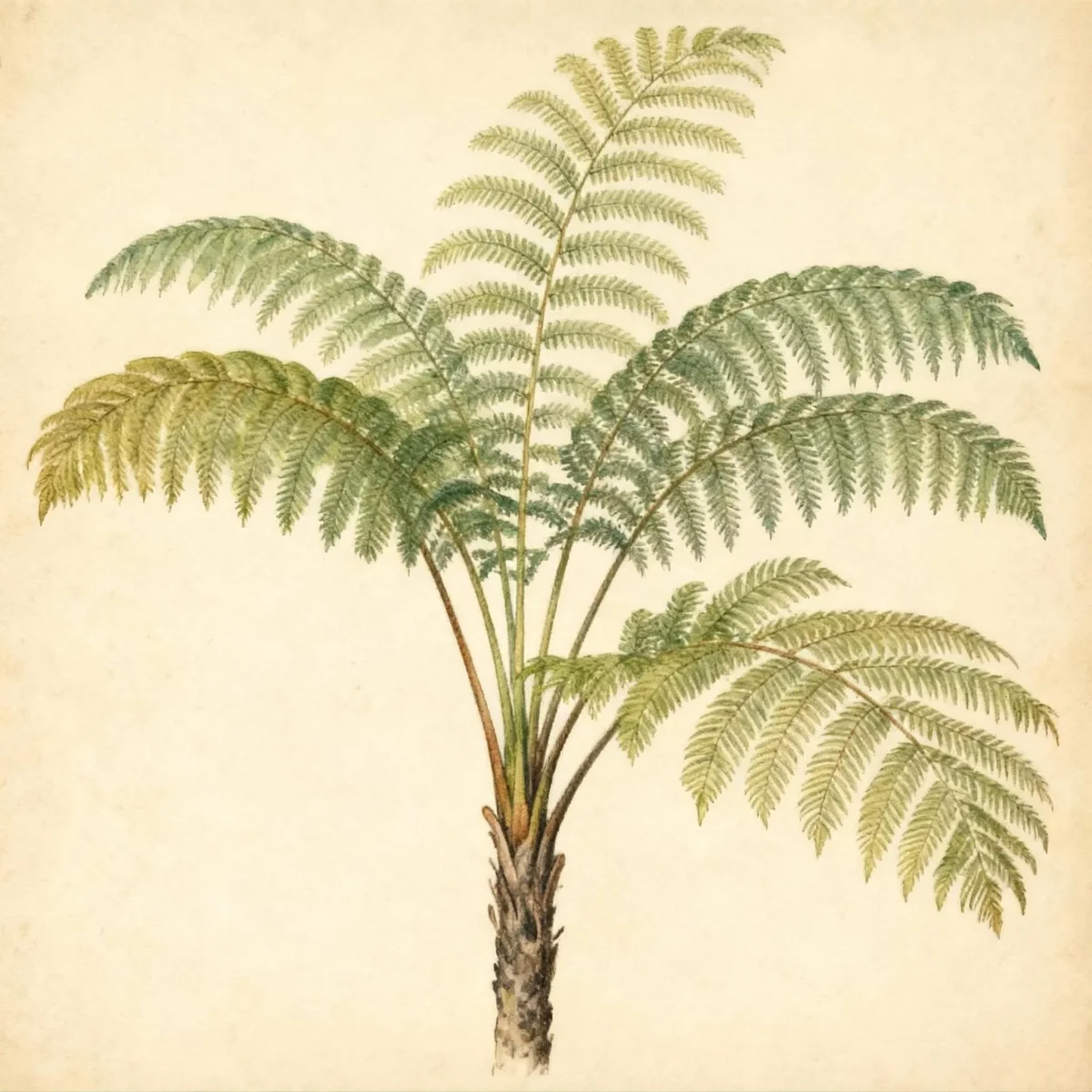
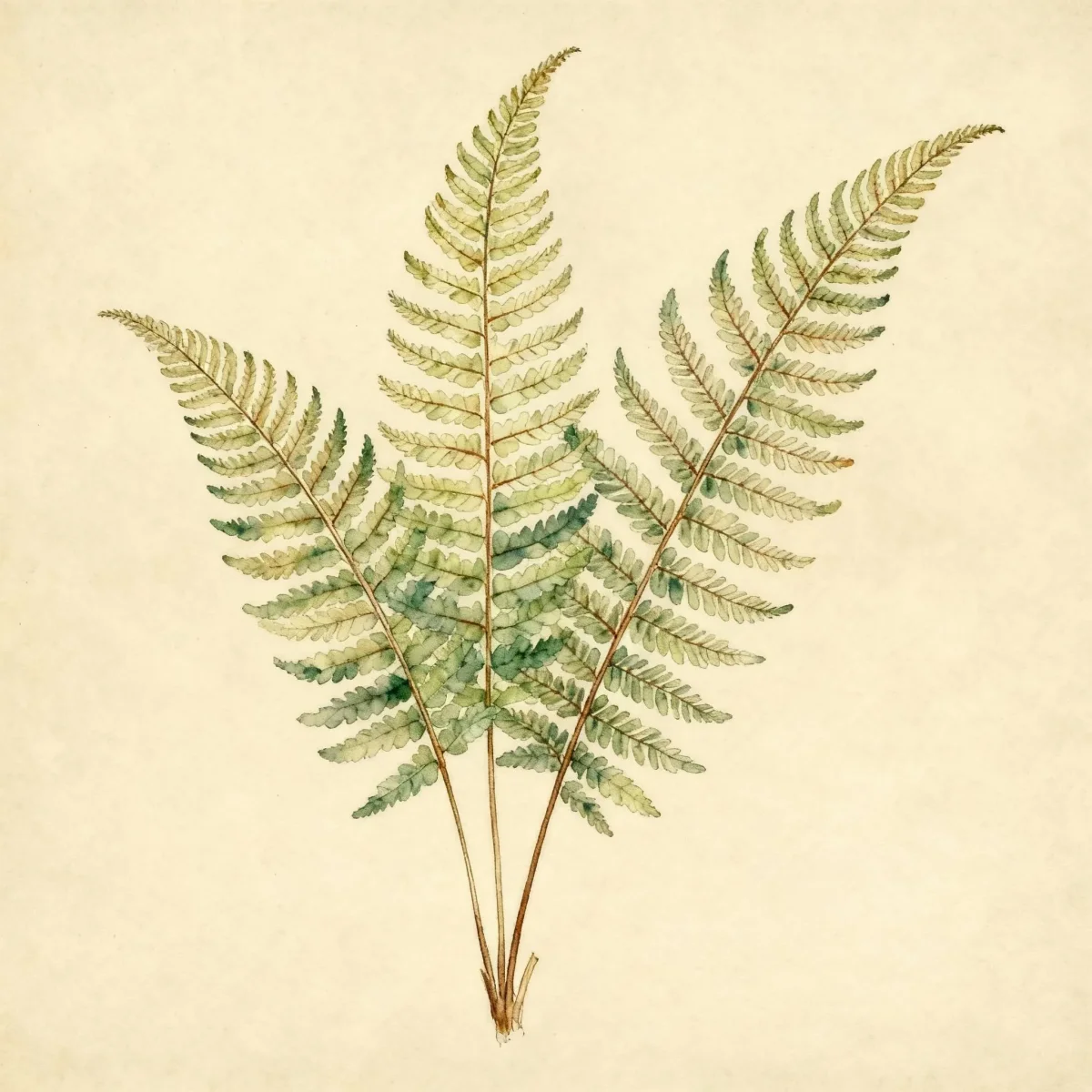
Rabbit's foot fern (Davallia fejeensis)
The enchanting Rabbit's foot fern (Davallia fejeensis) features hairy rhizomes and lacy fronds, perfect for baskets.
Scroll down to discover growing tips, care requirements, companion plants, and more
Complete Plant Information
Overview
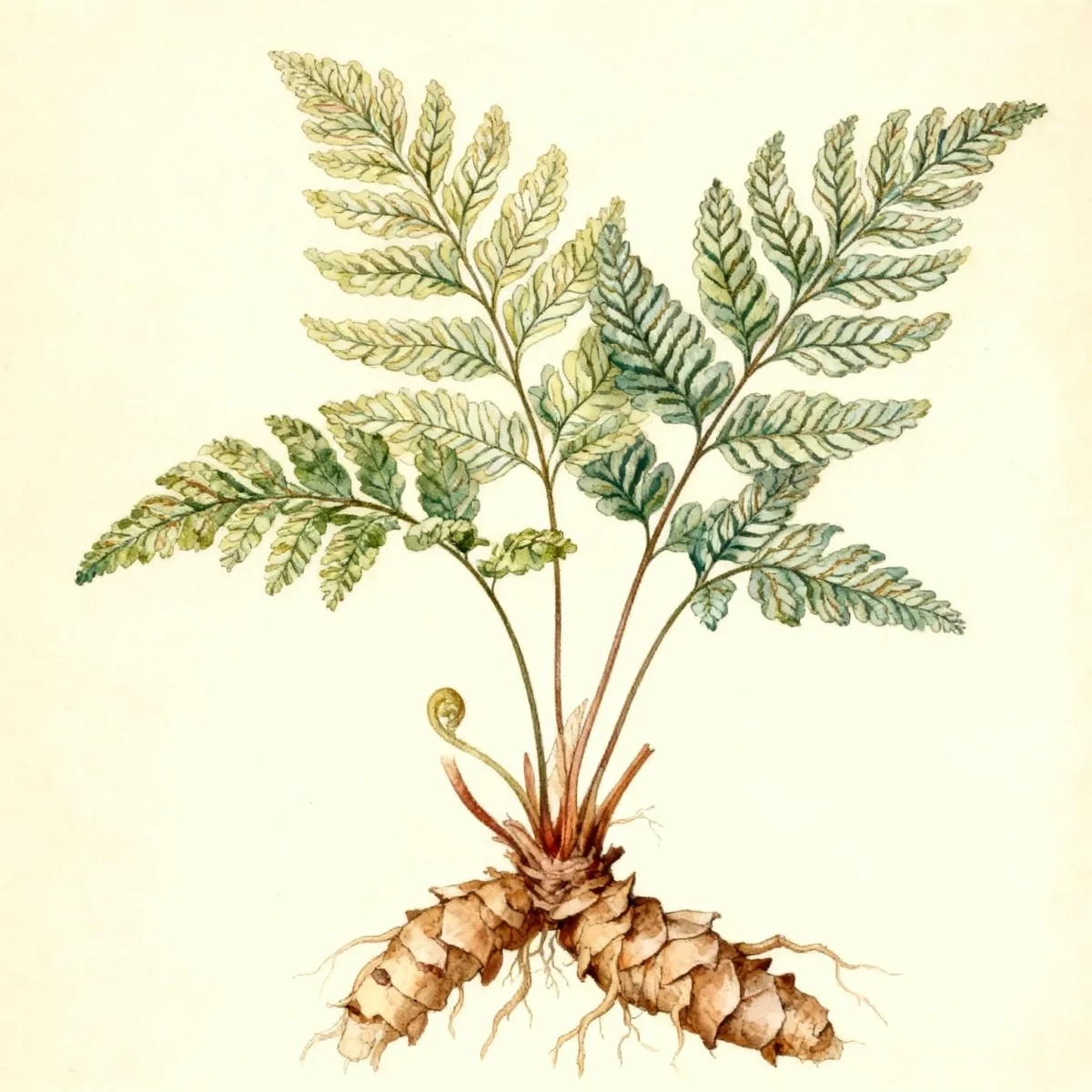
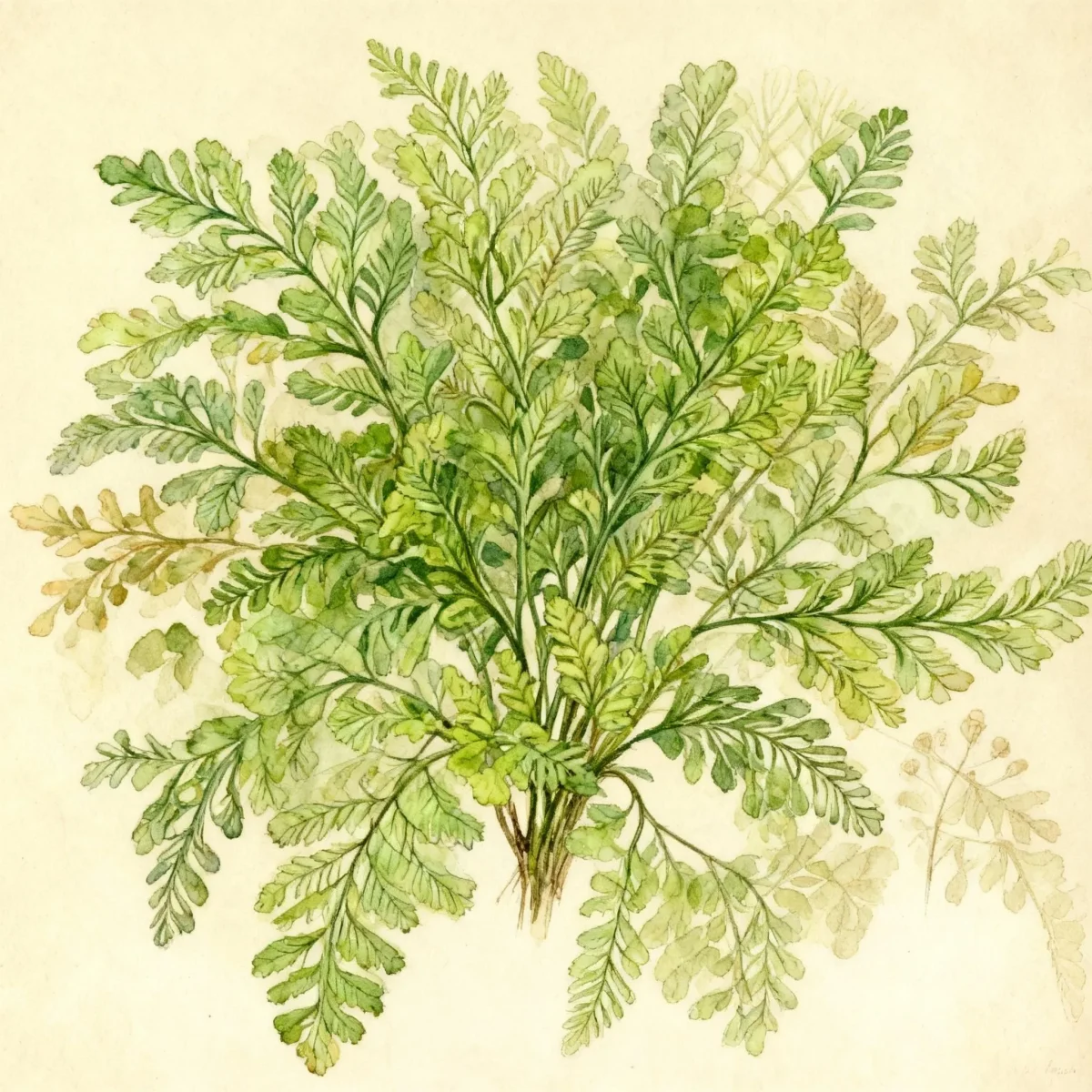
The stunning Rabbit’s foot fern, scientifically known as Davallia fejeensis, is highly prized by indoor gardeners for its unique, distinctive growth habit. This epiphytic evergreen fern produces characteristic “feet”—hairy, creeping rhizomes covered in fine, light brown scales—that trail appealingly over the edges of containers. These unique rhizomes are the hallmark feature that gives the Rabbit’s foot fern its common name.
Native primarily to Fiji, this species thrives best when its aerial roots can creep naturally. While it is stunning in cultivation due to its lacy, divided green fronds, successful culture often requires mirroring its humid, shaded native conditions. Growing Davallia fejeensis is a rewarding challenge for those seeking texture and exotic flair in hanging displays.
This plant requires medium care to maintain the combination of its fuzzy rhizomes and its attractive, airy foliage. For gardeners in temperate climates, the Davallia fejeensis functions excellently as a houseplant, significantly brightening shaded interiors with its lush, tropical appearance.
Fast Facts
- Plant Family: Davalliaceae
- Plant Type: Fern
- Native Range: Fiji, Micronesia, Colombia
- Hardiness Zones: USDA Zones 10-12
- Size at Maturity:
- Height: 1-3 ft
- Spread: 1-4 ft
- Bloom Time: Non-flowering
- Sun Exposure: Part shade
- Water Needs: Medium
- Maintenance Level: Medium
How to Grow
When establishing your Davallia fejeensis, select a location providing bright, indirect light; direct sunlight will scorch its delicate fronds. Indoors, this fern excels in hanging baskets or elevated containers where the rhizomes have room to cascade down freely. Soil should be a well-draining, peat-based mix that holds consistent moisture without becoming soggy.
Watering must be consistent throughout the active growing season. Keep the soil evenly moist, but never waterlogged. As temperatures cool and growth slows in the fall through late winter, slightly reduce irrigation frequency. Low humidity is the biggest challenge for this tropical species. Ample humidity, perhaps achieved through misting or growing near a humidifier, is key to keeping the fronds vibrant.
Do not bury the distinctive, hairy rhizomes when planting or repotting the Rabbit’s foot fern. These structures must remain exposed to the air for proper function. While Davallia fejeensis benefits from infrequent division to manage overcrowding, propagation is generally reserved for these divisions rather than typical pruning.
Landscape Uses
The aesthetic appeal of the Rabbit’s foot fern is maximized when its trailing habit can be displayed. They perform exceptionally well in hanging baskets, where the fuzzy rhizomes and delicate fronds cascade, creating a dramatic focal point against walls or from porches. Containers are another ideal setting, allowing movement of the plant as needed to optimize light conditions indoors.
For exterior landscaping where USDA Zones 10-12 allow year-round growth, consider planting them near moisture-loving tropical companions that also appreciate part shade, such as various species of Calathea or delicate Epimediums if in a shaded woodland garden area. The airy quality of Davallia fejeensis contrasts beautifully with broad-leafed tropical foliage.
If using the Rabbit’s foot fern indoors, place them near windows offering filtered light, or in bathrooms or kitchens where ambient humidity levels are naturally higher. They look particularly striking mounted onto pieces of bark or cork to mimic their natural epiphytic growth habit.
Standout Features
Noteworthy Characteristics
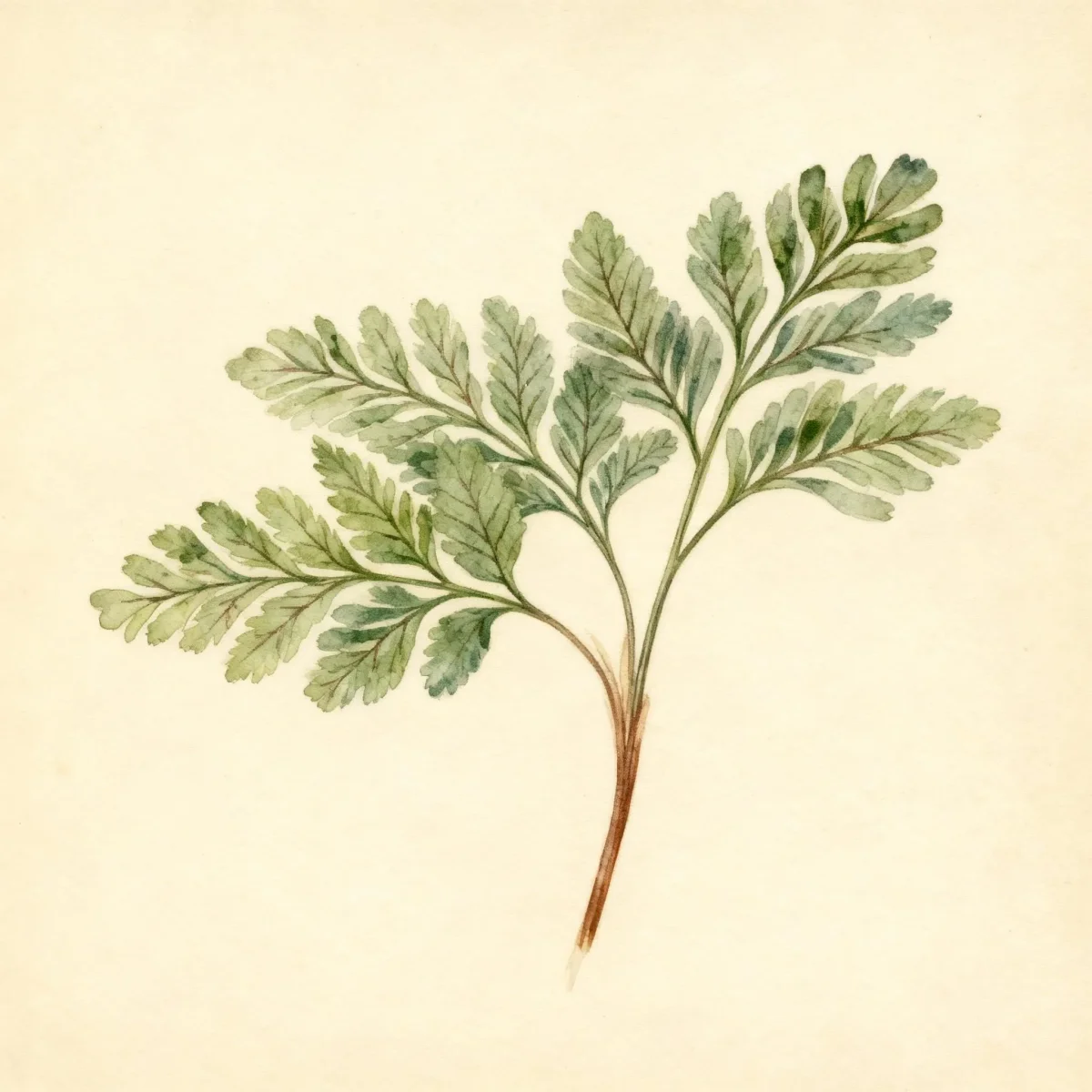
Davallia fejeensis, commonly called rabbit’s foot fern, is native to Fiji. It is an ephytic evergreen fern that is noted for its hairy-scaled surface rhizomes that typically grow over and down the sides of a pot. Plants become more attractive with age and should be infrequently divided. Broad green fronds are 3- or 4-pinnate.
Tolerances
- Rabbit
Potential Problems
Gardeners should maintain vigilance against common pests, particularly scale insects which can cling tenaciously to the rhizomes and fronds. Management often involves physically wiping off minor infestations or treating with horticultural oil. In overly damp, poor-circulation environments, the Davallia fejeensis may be susceptible to fungal issues like Botrytis or aerial blights. Ensure good air movement and avoid overhead watering to mitigate these risks.
Frequently Asked Questions
What hardiness zones is Rabbit’s foot fern suitable for?
The Rabbit’s foot fern is hardy outdoors in USDA Zones 10 through 12.
How large does Davallia fejeensis grow?
This fern typically achieves a height between 1 and 3 feet, with a spread ranging from 1 to 4 feet as its rhizomes expand.
When does Rabbit’s foot fern bloom?
As a fern, Davallia fejeensis is non-flowering; it reproduces via spores, not flowers or fruit.
What sun exposure does Davallia fejeensis need?
This plant prefers part shade conditions; strong, direct sunlight should be avoided to prevent leaf scorching.
Conclusion
The undeniable charm of the Rabbit’s foot fern, driven by its unique hairy rhizomes and lacy foliage, makes Davallia fejeensis a sophisticated choice for collectors and houseplant enthusiasts alike. Successfully cultivating this fern hinges on providing consistent moisture and high humidity, especially during warmer months. Before bringing this exotic beauty home, confirm that you can meet its specific indoor environment needs, or that your climate falls within USDA Zones 10-12.
Propagation Tips
Since the Davallia fejeensis is an epiphyte, division is the most common and successful propagation method. Wait until the plant is slightly pot-bound, usually every few years, to divide. Carefully detach a section of the rhizome that has ample attached root material and at least one healthy frond starting to grow. Plant this division immediately in its own small container filled with the recommended light, airy potting mix.
When separating sections, ensure the “active” growing tips of the rhizome remain intact on the new piece. Keep the newly potted Davallia fejeensis sections warm and slightly more humid than usual for the first few weeks to encourage rapid establishment of new roots. This method allows you to propagate more of this fascinating Rabbit’s foot fern without relying on spores.
Companion Planting
When growing Davallia fejeensis indoors, consider placing it near other high-humidity lovers to elevate the local microclimate. Plants such as Maidenhair Ferns (Adiantum spp.) or certain varieties of Calathea share similar needs for consistently moist, bright, indirect light settings. In outdoor tropical settings (Zones 10-12), plant near broad-leafed host plants that offer filtered light and similar water requirements.