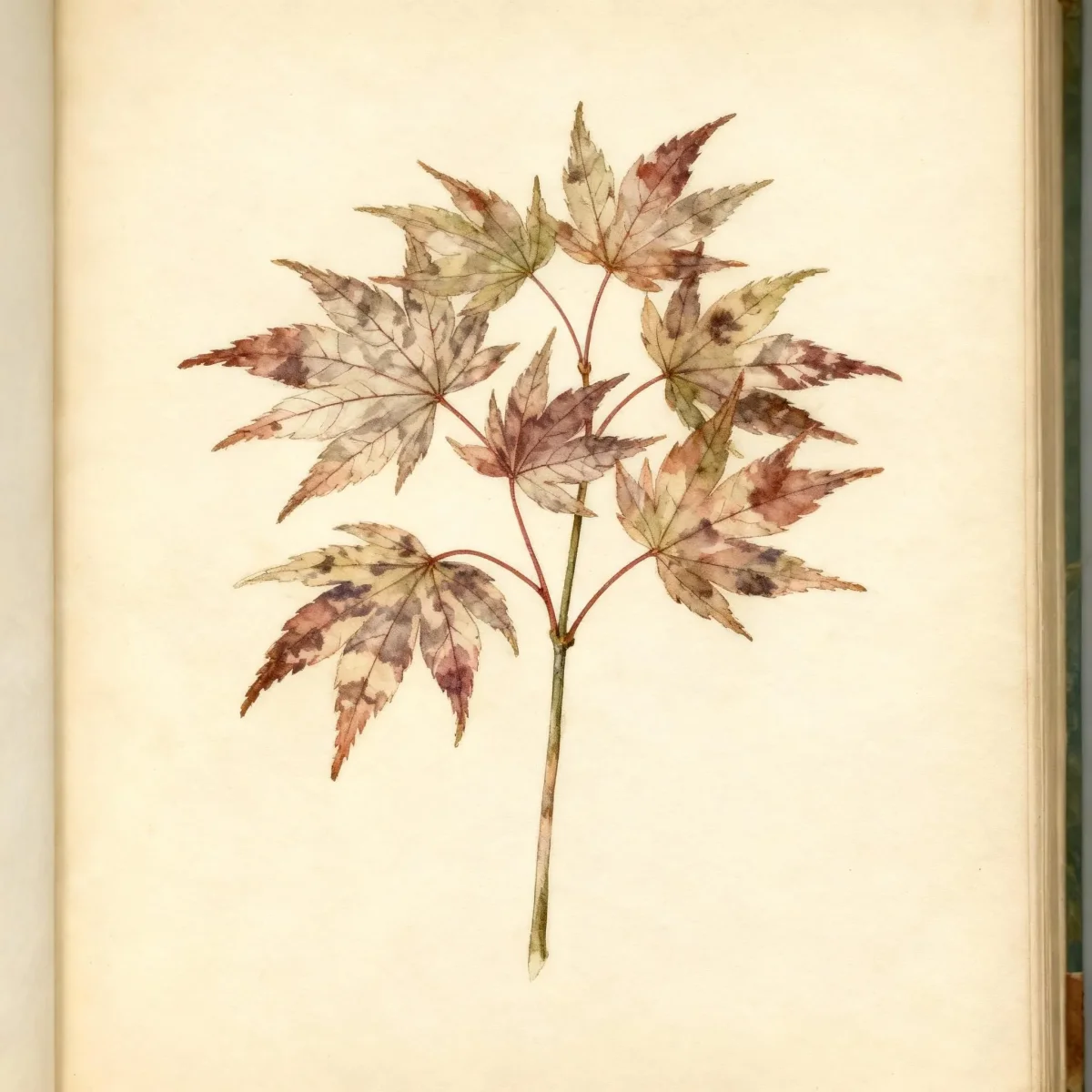
Japanese maple (Acer palmatum var. dissectum 'Seiryu')
Acer palmatum var. dissectum 'Seiryu' is an upright Japanese maple featuring deeply cut, lace-like foliage. Hardy in Zones 5-8, this tree offers low maintenance and stunning fall color.
Scroll down to discover growing tips, care requirements, companion plants, and more

Complete Plant Information
Overview
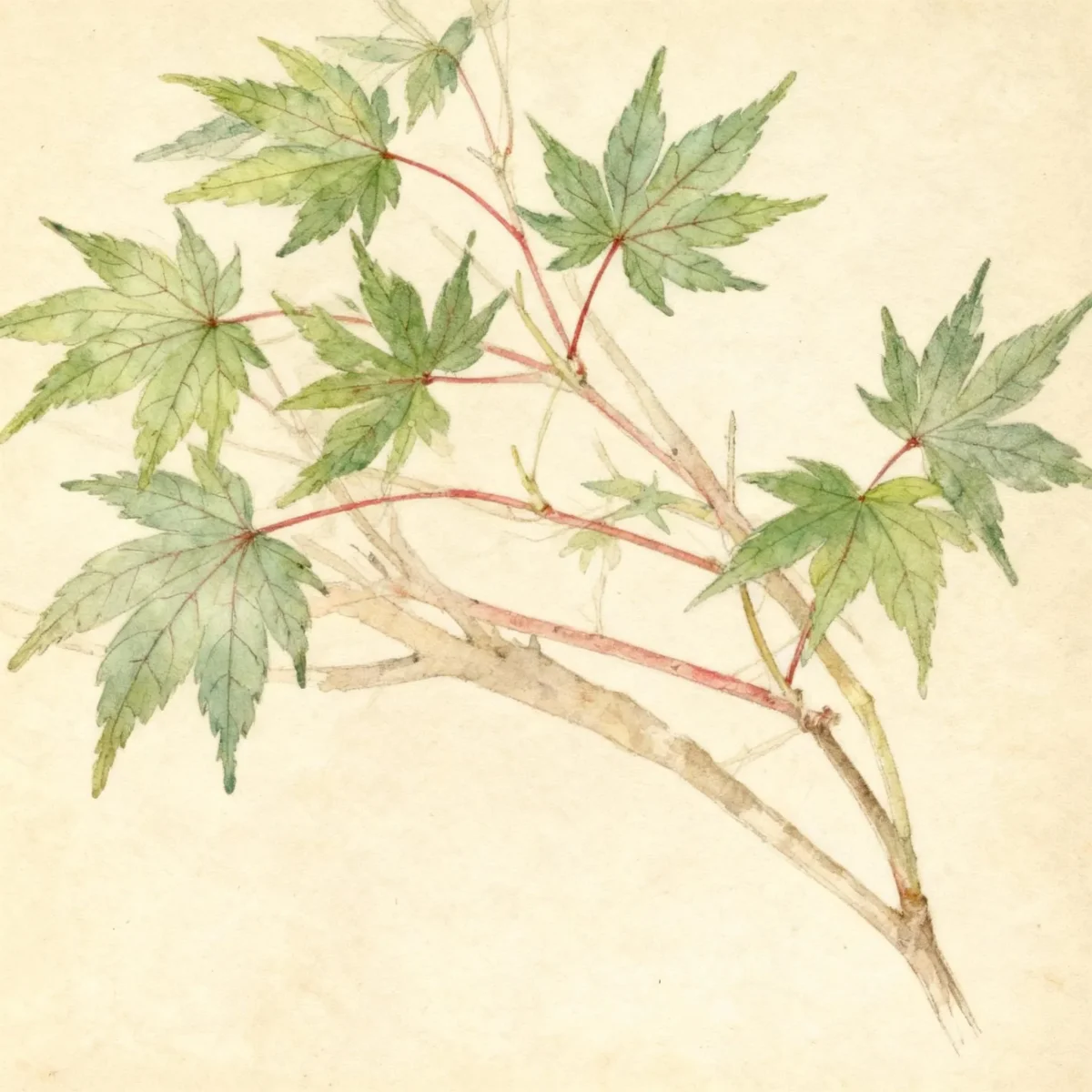
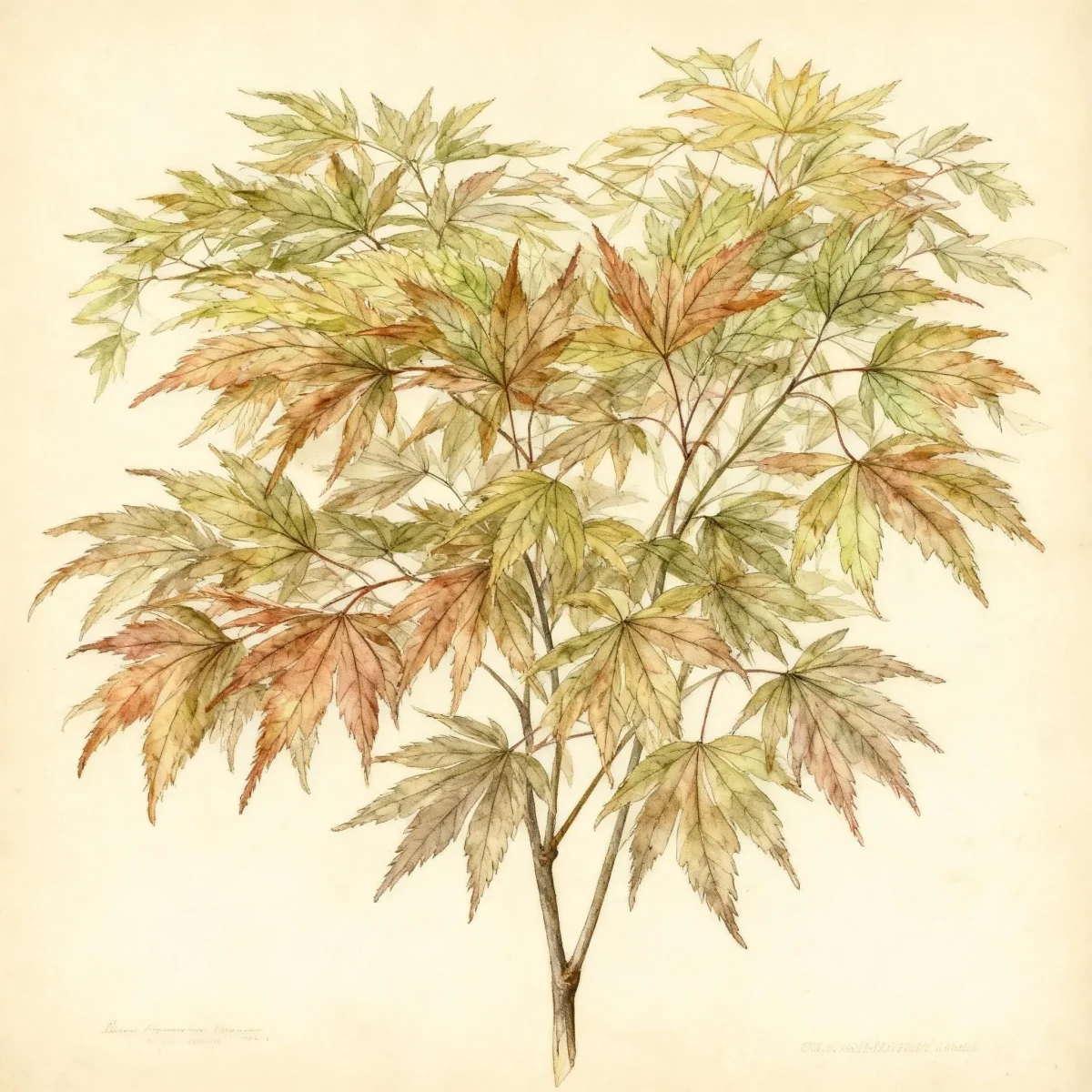
The Acer palmatum var. dissectum ‘Seiryu’ stands out among laceleaf Japanese maples because it is the only dissected cultivar that maintains a strong upright growth habit. Gardeners prize this Japanese maple for its finely cut, feathery foliage, which emerges light green with reddish tips before maturing to medium green in the summer. As a slow-growing specimen, the Acer palmatum var. Dissectum ‘Seiryu’ offers reliable structure, culminating in remarkable fall color transitioning through gold, orange, and red hues.
Mature Acer palmatum var. dissectum ‘Seiryu’ trees typically reach 10 to 15 feet in height with an 8 to 12-foot spread, making them versatile additions to many landscapes. While related dissected forms often cascade, ‘Seiryu’ provides visual texture without the sprawling form, allowing for use closer to structures or pathways. Its low maintenance requirements and deer resistance further establish its value in residential gardening.
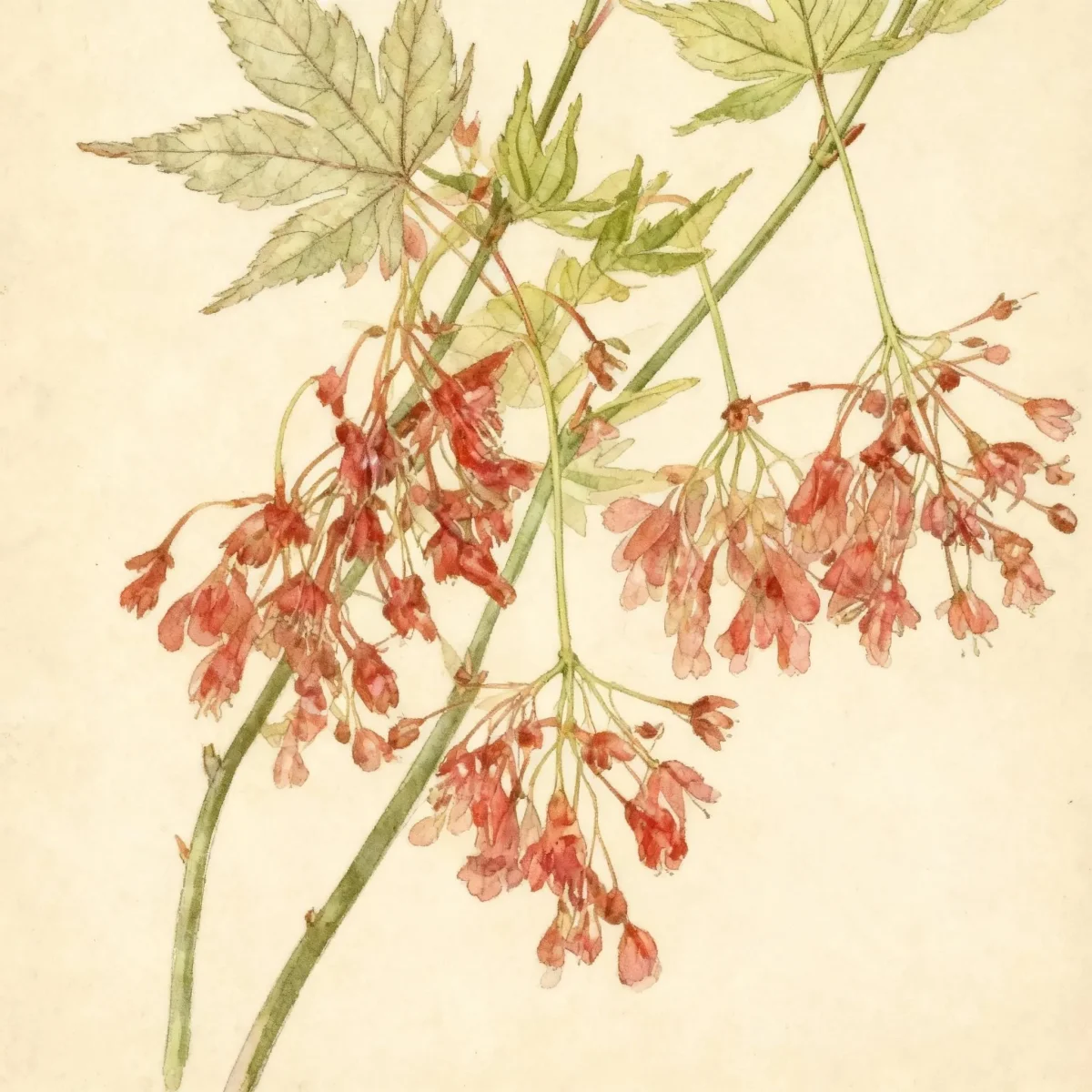
This tree provides beautiful seasonal interest, starting with small reddish-purple spring blooms and finishing with exceptional autumn brilliance. When sited correctly, Acer palmatum var. dissectum ‘Seiryu’ remains a focal point, adding an elegant, delicate texture that contrasts well with broader-leaved plants in foundation plantings or near water features.
Fast Facts
- Plant Family: Sapindaceae
- Plant Type: Tree
- Hardiness Zones: USDA Zones 5-8
- Size at Maturity:
- Height: 10-15 ft
- Spread: 8-12 ft
- Bloom Time: April
- Bloom Description: Reddish-purple
- Sun Exposure: Full sun to part shade
- Water Needs: Medium
- Maintenance Level: Low
How to Grow
Plant the Japanese maple in spring or fall into moist, organically rich, well-drained soil that is slightly acidic. While the Acer palmatum var. dissectum ‘Seiryu’ tolerates sandy loams, consistently moist ground is crucial for optimal health. In northern zones, full sun is tolerated, but in hotter southern regions within Zones 5-8, provide some protection from intense afternoon shade to prevent leaf scorch, especially during hot summers.
Water needs are medium; ensure consistent moisture, especially through the first few growing seasons, as newly planted specimens establish roots. Mulching heavily around the base helps keep the roots cool and retains essential soil moisture, which is critical for preventing foliage burn. Avoid hot and dry exposures, and always site the fragile foliage away from areas exposed to strong, damaging winds.
Maintenance for this Japanese maple is generally low. Pruning should be kept to an absolute minimum; if necessary, perform cuts in late fall through mid-winter when the plant is fully dormant. Avoid pruning during the spring or summer, as cutting during sap flow will inevitably result in significant, unsightly bleeding from the cuts.
Landscape Uses
The fine texture of the dissected foliage makes Acer palmatum var. dissectum ‘Seiryu’ an excellent choice for specimen planting where its form can be fully appreciated. It works beautifully as an accent near entryways or patios. Because it offers an upright, yet delicate silhouette, this Japanese maple can also be integrated into group plantings or used toward the periphery of decorative borders.
Due to its moderate size, the ‘Seiryu’ thrives as a sun-dappled understory tree beneath taller, established shade trees, provided it still receives adequate light to maintain good color. Planting near rock gardens or water features is highly recommended, as the combination of reflective surfaces and dissected foliage maximizes its visual impact. Smaller specimens can adapt well to large, decorative containers, provided drainage remains excellent.
Standout Features
Flower Qualities
- Showy
Noteworthy Characteristics
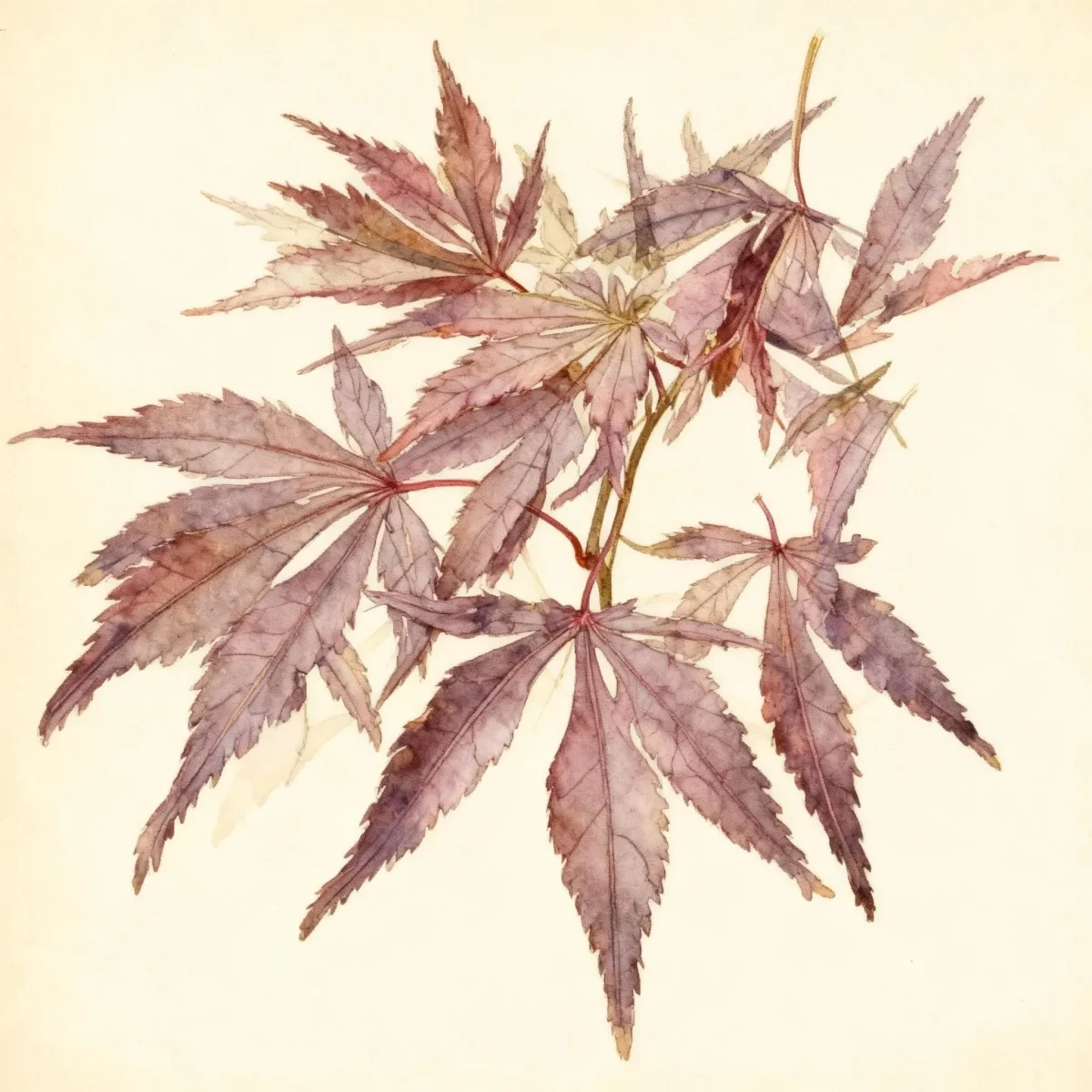
Acer palmatum, commonly called Japanese Maple, is a deciduous shrub or small tree that typically grows to 10-25’ (infrequently to 40’) tall. It is native to Japan, Korea and China. General plant form is rounded to broad-rounded, often with low branching. Each palmate green leaf (2-5” long) has 5 to 7 but less frequently 9 toothed lobes. Small reddish-purple flowers in umbels bloom in spring (April) followed by winged samaras in pairs which ripen in September-October. Fall color includes an often spectacular combination of shades of yellow, red, purple and bronze. Var. Dissectum is typically a much smaller, rounded, slow-growing shrubby form (often with cascading branching) that rarely matures to more than 12’ tall with a larger spread. Palmate leaves, each having 7-11 deeply incised lobes, are deeply cut to the base of the leaf. These dissected-leaf shrubs are commonly called laceleaf Japanese maple, cutleaf Japanese maple or threadleaf Japanese maple. Dissectum means deeply cut in reference to the deeply cut, feathery nature of the leaves.Genus name is the Latin name for a maple tree.Specific epithet is in reference to the palmate nature of the leaves. Each leaf has several lobes (typically 5-7) that all originate from one point looking like an open hand with outstretched fingers.‘Seiryu’ is the exception. It is the only dissected cultivar that has an upright form. Mature plants may grow to as much as 10-15’ tall. Deeply cut and dissected leaves (to 2” long) are smaller than the leaves on most other dissectum cultivars. Leaves emerge light green with reddish tipped edges in spring, mature to medium green in summer and turn gold with orange and red hues in fall. Small reddish-purple flowers in spring are somewhat attractive on close inspection, but are not showy from a distance. Cultivar name means green dragon.
Tolerances
- Deer
- Black Walnut
Potential Problems
Japanese maples are subject to numerous potential diseases, including root rots, verticillium wilt, anthracnose, and various leaf spots. Protect foliage during early spring, as the leaves of Acer palmatum var. dissectum ‘Seiryu’ leaf out early and are highly susceptible to damage from late frosts. Insect pests like scale, aphids, and borers can attack woody stems and foliage. To mitigate issues, ensure excellent air circulation, avoid overhead watering that leaves leaves wet, and promptly remove infected debris. If planted in overly alkaline (high pH) soils, chlorosis—yellowing of the leaves—may occur, necessitating soil amendments to lower the pH.
Frequently Asked Questions
What hardiness zones is Japanese maple suitable for?
This cultivar is hardy and thrives across USDA Hardiness Zones 5 through 8.
How large does Japanese maple grow?
The Acer palmatum var. dissectum ‘Seiryu’ typically matures to a height between 10 and 15 feet, with a spread ranging from 8 to 12 feet.
What sun exposure does Japanese maple need?
Acer palmatum var. dissectum ‘Seiryu’ performs best in full sun to part shade conditions, though afternoon shade is beneficial in the hottest parts of its range to protect new foliage.
When does Japanese maple bloom?
The plant produces small, reddish-purple flowers in the spring, typically during April.
Conclusion
The upright habit combined with the delicate, deeply dissected foliage makes the Acer palmatum var. dissectum ‘Seiryu’ a truly unique specimen in the world of Japanese maples. Its low maintenance profile and spectacular seasonal change offer lasting garden interest. Before planting, confirm your local hardiness zone suitability and prepare amended, well-drained soil to ensure this distinctive tree thrives for years to come.
companion Planting
Companion planting around this Japanese maple should focus on species that appreciate similar conditions: slightly acidic, moist, yet well-drained soil and protection from the hottest afternoon sun. Consider using shade-tolerant groundcovers like Pachysandra or low-growing Hostas near the drip line to suppress weeds and keep the shallow roots cool. These companions also enhance the fine texture of the ‘Seiryu’ by providing broad, contrasting leaf surfaces.
For vertical companions, needle evergreens such as dwarf hemlocks or certain compact firs can provide excellent winter structure, contrasting beautifully with the deciduous nature of the Japanese maple. Alternatively, use flowering shrubs like Azaleas or Rhododendrons, which thrive in similar acidic soil profiles and offer vibrant blooms during seasons when the maple’s foliage is less flashy.
Seasonal Care calendar
Spring is the critical time to monitor for frost damage on new foliage; if frost threatens, consider covering the whole plant lightly until temperatures stabilize. Immediately after planting, an application of mulch is beneficial for moisture retention throughout the summer heat. In mid-to-late summer, diligent watering is required to prevent leaf scorch, especially if the plant is in a location receiving full afternoon sun.
As fall approaches, the striking gold and red fall color of the Acer palmatum var. dissectum ‘Seiryu’ becomes the highlight. Once leaves drop, you can survey the structure for any necessary pruning to be performed during the late fall or prime winter dormancy window. Avoid any significant root disturbance around the tree year-round due to its sensitivity to root stress.